
In this guide, you’ll discover practical steps for shipping Japanese products to Sweden, from upfront preparations to choosing a cost-effective, reliable forwarding partner. You’ll learn how to streamline export paperwork, packing standards, and labeling to avoid delays, while understanding how a Japan forwarding service can handle end-to-end logistics—from collection across Japan to customs clearance and delivery abroad. The article highlights concrete ways to reduce costs, measure supplier reliability, and compare forwarders based on service coverage, pricing, and support. Real-world scenarios illustrate how EC sellers, manufacturers, and wholesalers can dispatch orders to Sweden, including direct pickups from Japanese suppliers, delivering to Amazon FBA, and consolidating used items for overseas transport. By the end, you’ll have a clear framework to select a capable, one-stop logistics partner for efficient, compliant, and affordable cross-border shipping from Japan to Sweden.
- Understanding the Basic Procedures to Ship Japanese Products to Sweden
- Shipping Rates from Japan to Sweden
- How It Works
- Step 1: Prepare the Shipment
- Step 2: Email the Shipping Documents to Us (Invoice + Packing Details)
- Step 3: We Email You the Two Documents Required for Shipment (Air Waybill/Label + Invoice)
- Step 4: Courier Pickup at Your Location / Domestic Warehouse — Shipment Dispatched
- Step 5: Delivery and Receipt
- Input Format
- Transaction Flow (Detailed Version)
- Transit Time
- Cost Components
- Knowledge About Restricted and Dangerous Goods (Including CITES/Washington Convention Items)
- Choosing an Affordable and Reliable Overseas Forwarding Partner
- Efficiently Connecting Japan to Global Markets: Affordable Overseas Shipping Solutions
- Practical Points for Sweden-Focused Delivery
- How to Place an Order (Easy Japan Proxy Buying & International Shipping)
- Japanese Product Shopping Agent Service – Buy from Japan and Ship Worldwide
- Supported Japanese Shopping Platforms
- Post-Shipping Follow-Up and Troubleshooting
Understanding the Basic Procedures to Ship Japanese Products to Sweden

Shipping Japanese products to Sweden begins with clear planning and compliant documentation. This guide outlines the essential steps to prepare exports, gather required documents, and ensure smooth customs clearance. By aligning with Japan forwarding standards, exporters can optimize timelines, reduce costs, and minimize delays, whether shipping individual orders or bulk consignments. The following sections provide practical actions to streamline the export process from start to finish.
Export Preparation and Required Documents
Preparation for exporting from Japan involves verifying product eligibility, understanding Swedish import requirements, and organizing documentation that supports efficient customs processing. Key activities include
– Confirming product classifications and applicable HS codes to determine duties and import controls in Sweden.
– Verifying regulatory compliance for the destination category (e.g., electronics, cosmetics, food) to ensure adherence to Swedish and EU standards.
– Assembling commercial documents such as commercial invoices, packing lists, and certificates of origin to validate value, quantity, and origin of goods.
– Arranging transport documents like air waybills or bills of lading, depending on the chosen shipping mode (air or sea).
– Preparing origin documentation, especially for preferential trade agreements or duty relief programs, if applicable.
– Ensuring any special permits, licenses, or safety data sheets (SDS) are in place for regulated items.
By coordinating with a reliable forwarding partner, exporters can ensure all forms are accurate, timely, and compliant, reducing the risk of customs holds or rejections at the Sweden entry point.
Packaging Standards and Labeling
Proper packaging and labeling are critical for protecting goods during transit and ensuring accurate handling at every stage. Practical guidelines include
– Using durable outer packaging that can withstand international transport, with clear indications of contents, weight, and handling instructions.
– Applying moisture- and shock-resistant packaging for fragile items; using cushioning materials to prevent damage during loading and unloading.
– Securing individual items to prevent movement inside cases, and using tamper-evident seals where appropriate.
– Labeling shipments with complete destination details (Sweden address, recipient name, contact number), reference numbers, and the forwarder’s information.
– Including multilingual labeling when necessary (e.g., English for common international handling terms and Swedish where required by local regulations).
– Documenting any hazardous materials upfront and ensuring compliance with international hazmat requirements, if applicable.
Adhering to these packaging and labeling standards helps maintain product integrity, facilitates smoother customs checks, and supports faster delivery to customers in Sweden. When in doubt, consult with a forwarding partner about packaging specifications that align with chosen transport modes and the destination’s requirements.
Shipping Rates from Japan to Sweden
◇Shipping Rate Table (Prices Shown as Rate per Weight)
Japan→Sweden
【Sweden Export — Preferred Rates】
0.5kg :3,920 JPY
1kg :4,680 JPY
1.5kg :5,460 JPY
2kg :6,120 JPY
2.5kg :6,860 JPY
3kg :7,520 JPY
3.5kg :8,150 JPY
4kg :8,780 JPY
4.5kg :9,450 JPY
5kg :10,080 JPY
5.5kg :10,760 JPY
6kg :11,420 JPY
6.5kg :11,980 JPY
7kg :12,540 JPY
7.5kg :13,060 JPY
8kg :13,420 JPY
8.5kg :13,780 JPY
9kg :14,050 JPY
9.5kg :14,360 JPY
10kg :14,620 JPY
10.5kg:27,100 JPY
11kg :27,720 JPY
11.5kg:28,210 JPY
12kg :28,730 JPY
12.5kg:29,280 JPY
13kg :29,760 JPY
13.5kg:30,150 JPY
14kg :30,620 JPY
14.5kg:31,040 JPY
15kg :31,620 JPY
15.5kg:31,850 JPY
16kg :31,940 JPY
16.5kg:32,010 JPY
17kg :32,060 JPY
17.5kg:32,120 JPY
18kg :32,170 JPY
18.5kg:32,230 JPY
19kg :32,380 JPY
19.5kg:32,450 JPY
20kg :32,500 JPY
※UPS / DHL / FedEx fastest service level with tracking number included.
※We also support Japan Post EMS, International ePacket, standard air shipping, SAL, and sea freight. If you prefer any of these options, please let us know.
【Sweden Export — Preferred Rates】
・21-49kg :1,300 JPY per kg
・50-99kg :1,050 JPY per kg
・100-299kg:920 JPY per kg
・300-499kg:890 JPY per kg
・500-999kg:870 JPY per kg
・1000-2000kg:840 JPY per kg
The above rates are quoted as a per-kilogram unit price. For the total shipping cost by weight bracket, please refer to the examples on the right.
In addition to the shipping charges above, a fuel surcharge will apply. Fuel surcharge rates may be revised monthly or weekly depending on the carrier you use.
Customs duties, import VAT/sales tax, and other destination charges incurred at local customs clearance will be billed to the consignee (recipient) by the carrier.
How It Works
world wide courier provides international logistics and air freight forwarding services for trading businesses that need professional shipping support.
We support both export and import shipments to and from Sweden, China, Hong Kong, South Korea, Europe, North America, Southeast Asia, India, Africa, and many other countries worldwide.

By using major courier networks (FedEx, UPS, DHL), we ensure stable and fast delivery. In addition, our highly competitive shipping rates help reduce your ongoing logistics costs and lower your overall procurement cost.
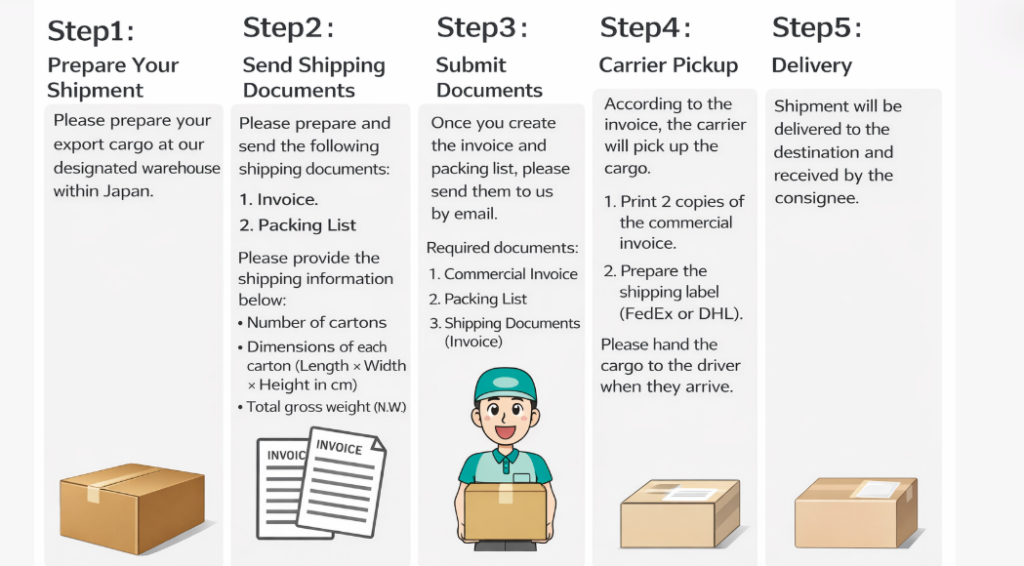
Step 1: Prepare the Shipment
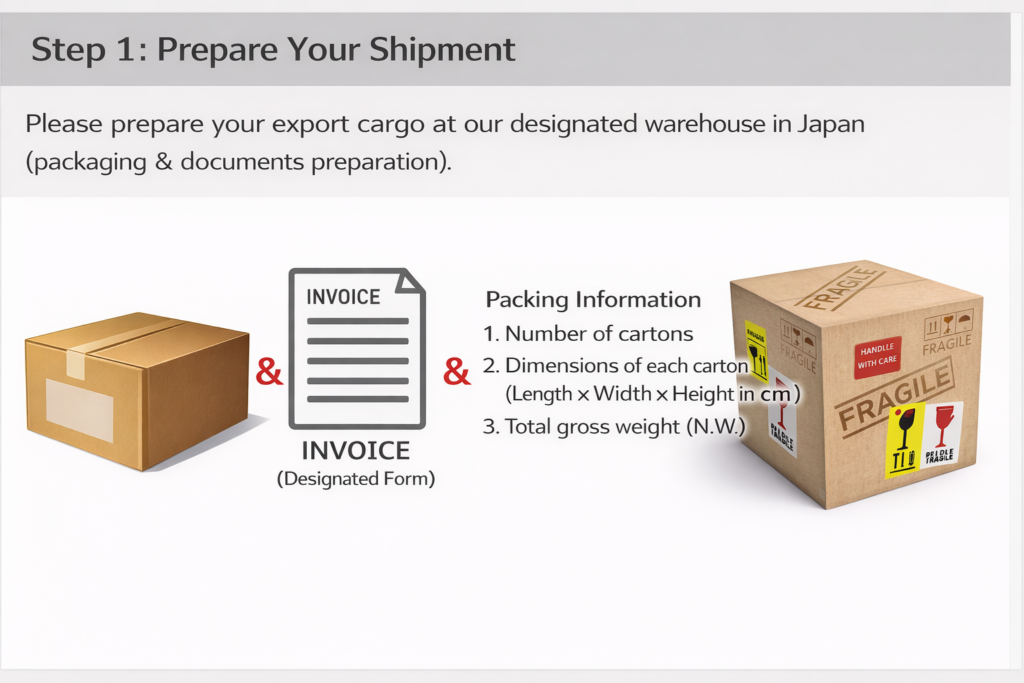
Prepare the shipment at the domestic pickup location (packing and documentation preparation).
Step 2: Email the Shipping Documents to Us (Invoice + Packing Details)
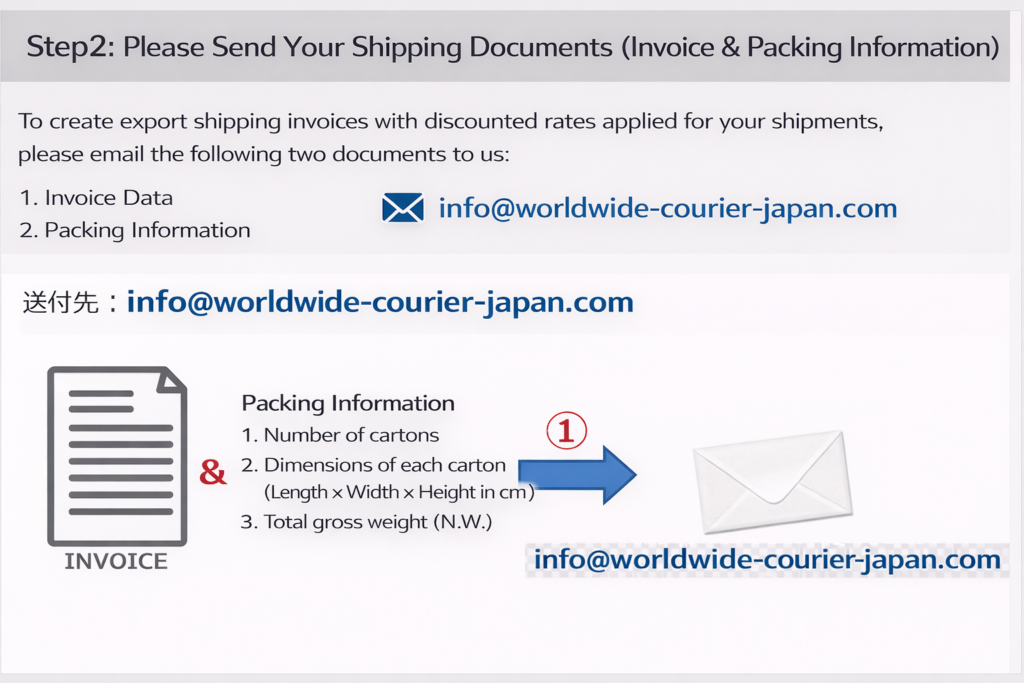
We will create the shipping documents using the special discounted rates provided for each customer. Please email the following two documents to our office as attachments.
1. “Invoice”
2. “Packing List”
Email: info@worldwide-courier-japan.com
<Common Invoice Items That Are Often Missing>
1. Postal code (shipper side / pickup location)
2. Contact person name (shipper side)
3. Phone number for the pickup location (shipper side)
※The above three items are required to create the documents.
If any of these are missing, we cannot issue the documents, so please confirm in advance before requesting shipping.
<Required Packing List Information>
1. Total number of cartons/boxes
2. Dimensions of each carton (L cm × W cm × H cm — all three sides required)
3. Total weight (N.W.): total weight after packing
※In some cases, the packing list is missing these required details. These are necessary for document creation, so please confirm in advance.
※If you do not have a packing list, please confirm the above information with the shipper and share it with us.
<About “Chargeable Weight,” Which Determines the Shipping Cost>
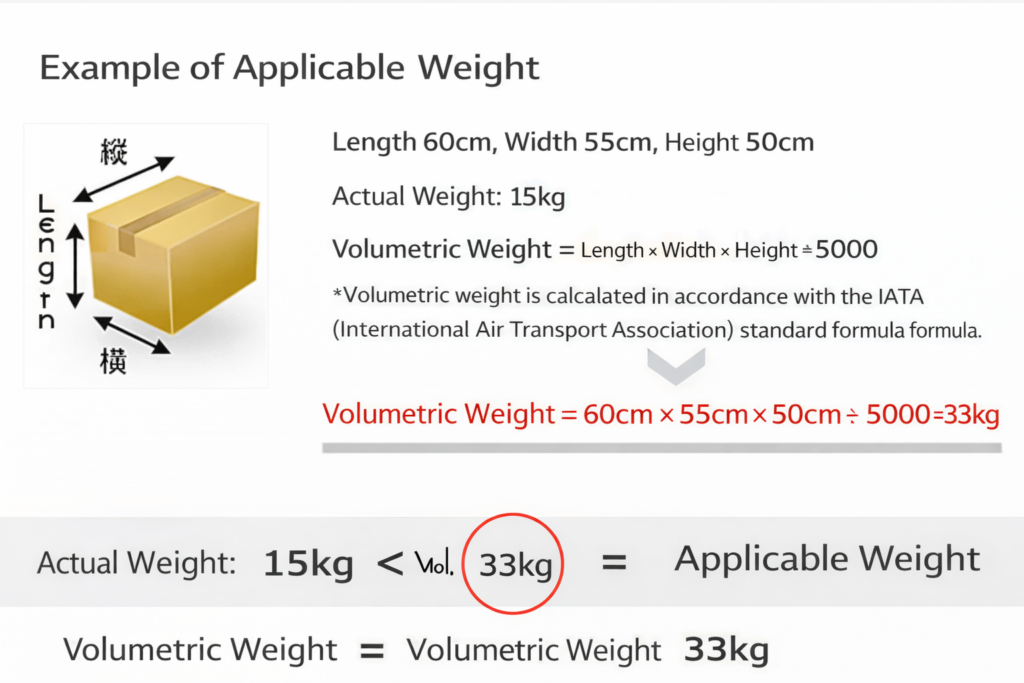
Based on IATA (International Air Transport Association) standards, the greater of the “actual weight after packing” and the “volumetric (dimensional) weight” is used as the “chargeable weight.”
Step 3: We Email You the Two Documents Required for Shipment (Air Waybill/Label + Invoice)
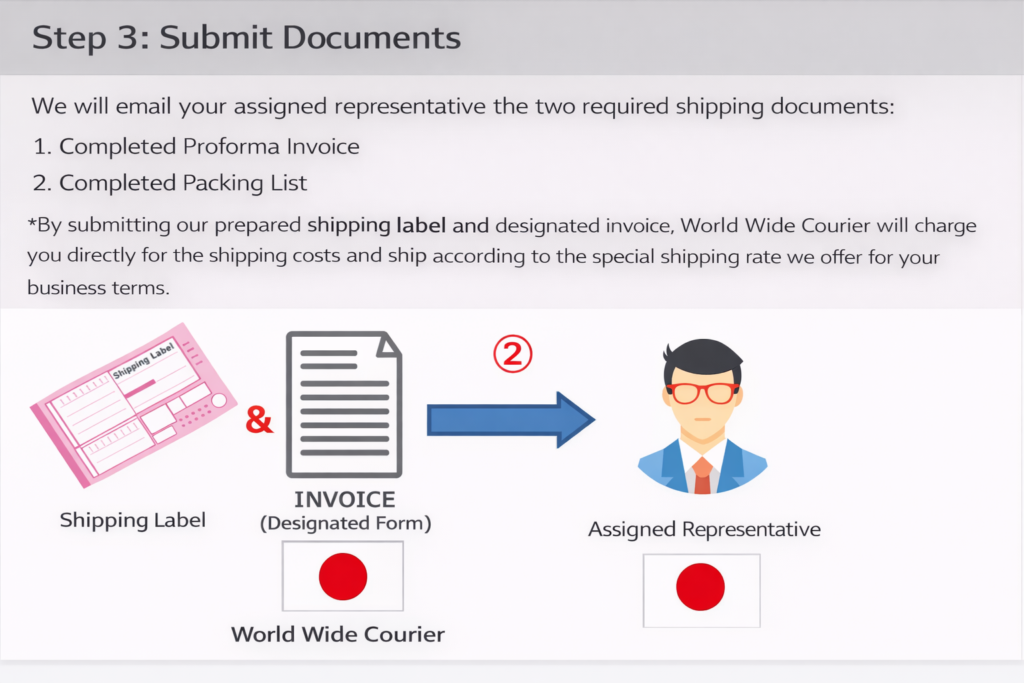
We will email the two documents required for shipping (air waybill/label and invoice) to your 담당者.
1. We confirm missing details in the “Invoice” and “Packing List” you provided.
2. Based on those documents, we create the “Air Waybill/Label” and the “Invoice (official format)” and email them to you.
※When you ship using the documents created by us, the shipping charges are billed to us. This allows you to ship using your customer-specific discounted rates. Under your trading terms, we will invoice you for the shipping charges accordingly.
Step 4: Courier Pickup at Your Location / Domestic Warehouse — Shipment Dispatched
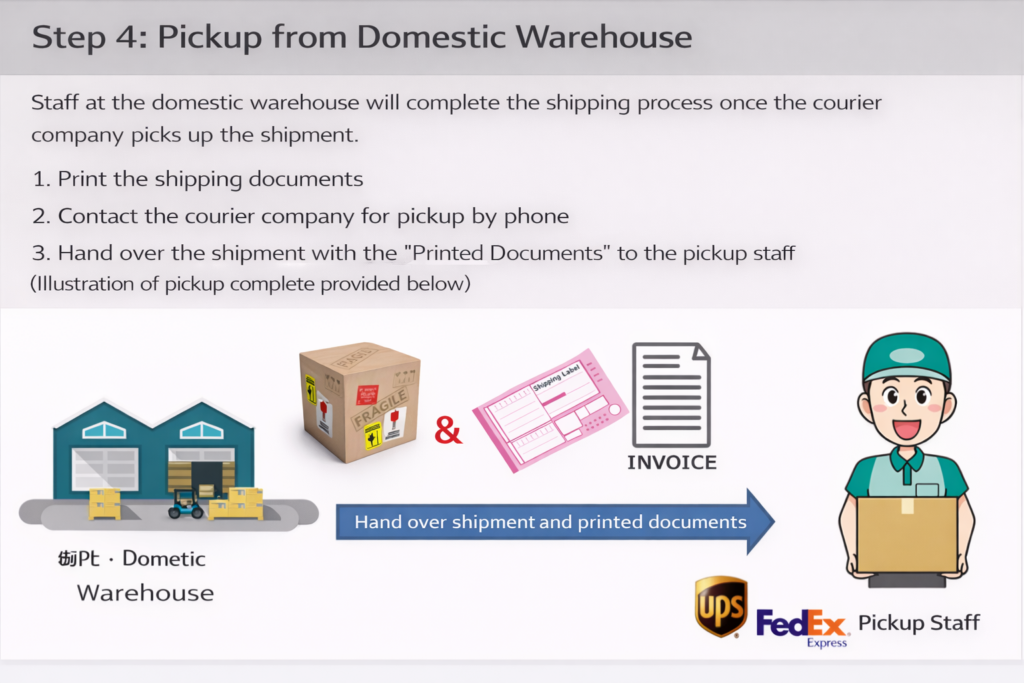
At the pickup location in Japan:
1. Print the documents
2. Call the courier to request pickup
3. Hand the shipment and the two printed documents to the pickup driver to complete dispatch
Step 5: Delivery and Receipt
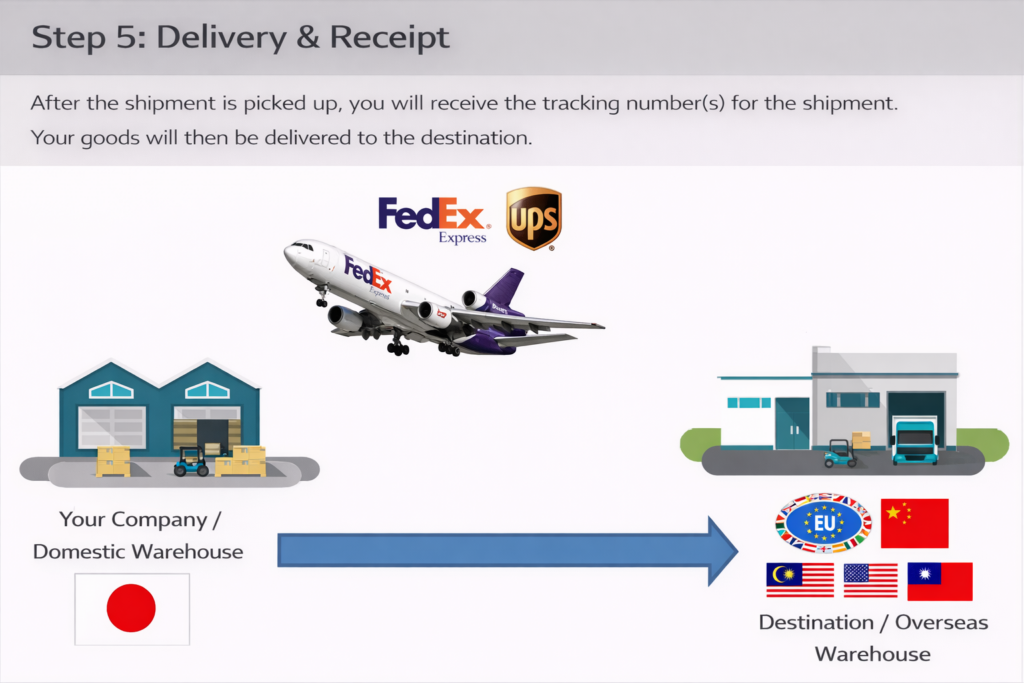
After dispatch, we will provide your tracking number. The shipment will then be delivered to the destination.
We offer good service.world wide courier offers affordable international delivery from Japan to Sweden via air freight and sea freight. We support both exports and imports, so please contact us for a consultation or inquiry.
If you provide the information below, we can create the shipping label and documents for your shipment.
Input Format
◇Pickup Information (From)
1. Company name (or personal name)
2. Contact person name
3. Postal code
4. Address
5. Phone number
※This is the actual pickup location information.
◇Delivery Address (To)
1. Company name (or personal name) (※Must be written in English.)
2. Contact person name (※Must be written in English.)
3. Postal code
4. Address (※Must be written in English.)
5. Phone number
◇Packing Information
1. Number of cartons
2. Total weight
3. Dimensions of each carton (Length, Width, Height in cm)
◇Invoice Information
・Product name (Must be written in English.)
・Unit price (any currency is acceptable)
・Quantity
Once we receive the information above, we can arrange your shipment. world wide courier provides affordable shipping from Japan to Sweden via air freight and sea freight, and we support both exports and imports. Please contact us anytime.
We look forward to your request.
Please let us know your current shipping frequency and shipping costs if available, as it will help us propose the best solution.
Regarding your planned shipping date:
If you can tell us your expected shipment date, the process will be smoother and faster.
You can ship using the above rates.
For export shipments, you may reply with the completed invoice attached, or you may provide the information below so that we can create the shipping documents.
◇Pickup Information (From)
1. Company name (or personal name)
2. Contact person name
3. Postal code
4. Address
5. Phone number
※This is the actual pickup location information.
◇Delivery Address (To)
1. Company name (or personal name) (※Must be written in English.)
2. Contact person name (※Must be written in English.)
3. Postal code
4. Address (※Must be written in English.)
5. Phone number
◇Packing Information
1. Number of cartons
2. Total weight
3. Dimensions of each carton (Length, Width, Height in cm)
◇Invoice Information
・Product name (Must be written in English.)
・Unit price (any currency is acceptable)
・Quantity
We will also guide you through the transaction flow.
Transaction Flow (Detailed Version)
<Flow>
1. Please reply with your completed invoice.
2. If there are no issues with the information, we will book the pickup.
※In the fastest case, pickup will be scheduled for the next business day after your request (typically between 11:00 and 17:00).
<Details: Export Shipment / Transaction Flow (Japan → Destination Country)>
The pickup process is as follows.
1. After packing is complete, please contact us.
2. Please prepare the invoice and packing information (number of cartons, weight, and carton dimensions).
※2-1. Shipper (Japan side) address, postal code, name, phone number, and company name
2-2. Consignee (delivery destination) address, postal code, name, phone number, and company name
2-3. Product name and unit price
3. After we confirm item 2, if there are no issues, we will arrange the pickup.
4. Pickup will be made within 1–2 business days at your designated location.
*We will email the electronic air waybill/label, so please provide the invoice and label together with the shipment to the pickup driver.
5. Shipment is dispatched.
7. Destination customs clearance process (personal or commercial)
8. If there are no issues, the shipment clears customs.
9. Delivery is completed.
*If there are no issues, steps 5–8 typically take about 3–5 days for arrival.
*A tracking number will be issued as a shipping record.
Transit Time

Estimated Delivery Days (Japan → Sweden)
Estimated delivery time is approximately 3–5 business days from the local dispatch date.
Delivery may be delayed due to customs conditions, weather, or other unforeseen circumstances. Thank you for your understanding.
world wide courier provides affordable delivery from Japan to Sweden via air freight and sea freight. We support both exports and imports, so please contact us for inquiries or consultations.
Cost Components
1. Shipping fee + fuel surcharge (billed by us to you)
2. Import duty, import VAT/sales tax, customs clearance fees, and other charges incurred at destination customs (billed by the carrier to the recipient)
About “chargeable weight,” which determines shipping costs:
Based on IATA standards, the larger of “actual packed weight” and “volumetric (dimensional) weight” is used as the chargeable weight.
Knowledge About Restricted and Dangerous Goods (Including CITES/Washington Convention Items)
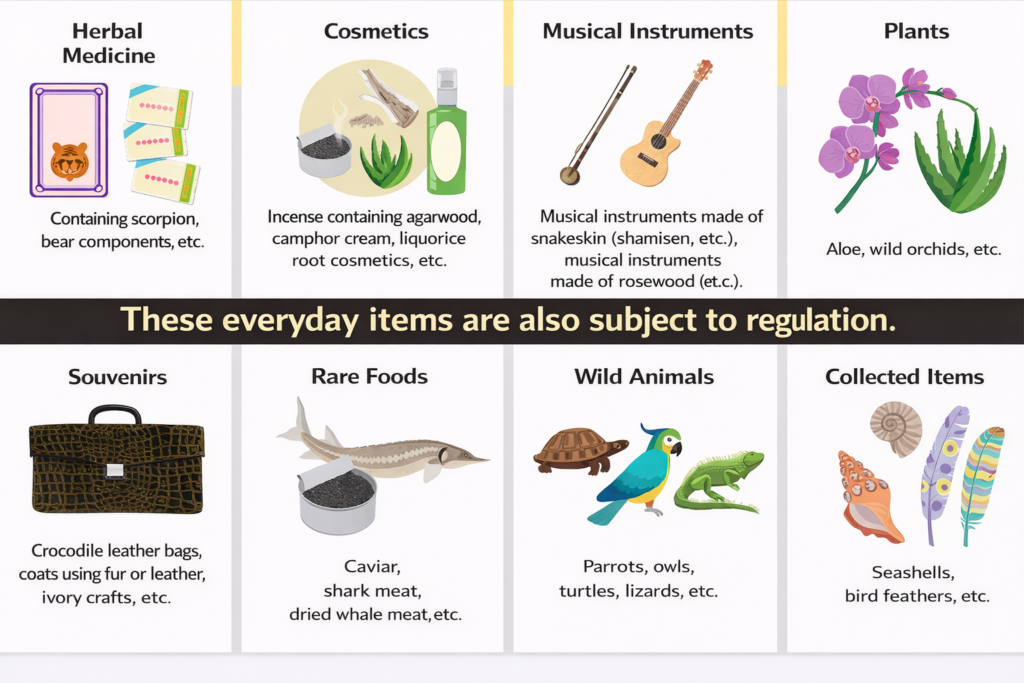
A–E: Compressed gas, alcohol products, flammable liquids, medicines, medical devices, liquids
F–K: Firearms, ammunition, stock certificates, precious metals, fruits, woven mats, volatile items, stamps, ice
S–T: Securities, bonds, oxidizing substances, sprays, plants, firearms-related items, perishable foods, letters/documents, magnets
T–N: Swords/blades, seeds, tobacco products, animals, poisons/toxins, currency, gambling items
N: Perishable goods, meat products
H–M: Jewelry, explosives, spoiled/rotting items, artwork, pornography, powders
M: Narcotics
Y–R: Chemicals/drugs, valuables/securities
R–W: Dairy products, lighters, items regulated under the Washington Convention (CITES)
In addition to the items listed above, there may be other prohibited items. Please contact us directly for details.
Some items may also be subject to handling restrictions or value limits.
The above is a complete guide to affordable shipping from Japan to Sweden.
The cost of shipping from Japan to Sweden depends on several factors including package weight, parcel dimensions, and shipping speed. Express courier services generally cost more but provide faster delivery.
For example, sending a small parcel weighing two kilograms from Japan to Sweden using EMS may cost approximately 4,000 to 8,000 yen depending on size and delivery options.
Choosing an Affordable and Reliable Overseas Forwarding Partner

Selecting the right overseas forwarding partner is crucial for keeping logistics costs down while ensuring smooth, compliant delivery to international customers. This section outlines practical strategies for comparing costs and evaluating reliability, focused on a Japan-to-overseas shipping context. By understanding total landed cost, service scope, and performance metrics, exporters can partner with a forwarding service that delivers both value and trust.
Cost Comparison Essentials
To accurately compare expenses among overseas forwarding providers, consider the following factors that constitute the total landed cost (TLC):
– Base freight rate: Compare per-shipment and per-kilogram charges for air and ocean options, noting any volume-based discounts.
– Handling and surcharges: Include terminal handling, fuel, security, and peak-season surcharges that can significantly affect final pricing.
– Origin services: Account for collection, warehousing, consolidation, and packaging in Japan, which can reduce per-unit costs when shipping multiple items together.
– Destination charges: Delivery to the recipient, customs clearance, duties and taxes (DDT if applicable), and inland transportation.
– Insurance: Evaluate cargo insurance options and premiums relative to item value and risk profile.
– Value-added services: Factor in packaging optimization, labelling accuracy, and inspection services that may lower risk and prevent delays.
Practical tips for cost-conscious buyers:
- Request a transparent, itemized quote that clearly separates each cost component.
- Ask for a total cost projection for the typical order size you handle and for peak periods.
- Seek volume-based pricing by consolidating shipments or partnering for regular, recurring orders.
- Compare combined services (collection, packaging, customs brokerage, and final-mile delivery) versus standalone freight to identify hidden savings.
- Validate the provider’s ability to optimize routes and modes (air vs. sea) to balance cost and transit time.
Reliability Indicators
Reliability is critical for maintaining customer satisfaction and minimizing disruptions. Use these indicators to assess a forwarding partner’s trustworthiness:
– Track record and tenure: Prefer providers with established experience (minimum 5–10 years) in international forwarding, particularly handling Japan-origin shipments.
– Global network and reach: Confirm coverage to your target markets and ability to handle complex routes, including multimodal transport and-restricted cargo.
– Customs and regulatory expertise: Ensure the partner has seasoned brokers, clear processes for export from Japan, and up-to-date knowledge of international trade regulations.
– Transit time consistency: Request historical performance data showing on-time delivery rates and average transit times by route and service level.
– Service scope and one-stop capability: A reliable partner should offer end-to-end services—from collection and inspection to packing, labeling, export clearance, and final delivery—without requiring multiple vendors.
– Risk management and contingency plans: Look for proactive risk monitoring, real-time shipment tracking, proactive communication, and defined procedures for handle exceptions or delays.
– Claims and insurance support: Check procedures for reporting damage or loss, root-cause analysis, and timely compensation aligned with policy terms.
– Customer support and SLA clarity: Clear communication channels, dedicated points of contact, and service level agreements help ensure dependable responses during issues.
– Compliance culture: Assess documentation quality, anti-fraud controls, and adherence to international sanctions and trade restrictions.
To validate reliability, request case studies or testimonials, review carrier performance dashboards, and conduct a pilot shipment to observe actual service quality before committing long-term.
Efficiently Connecting Japan to Global Markets: Affordable Overseas Shipping Solutions

As global e-commerce expands, Japanese products continue to capture demand worldwide. For exporters, choosing a cost-effective, reliable shipping partner is crucial to maintain competitive pricing while ensuring speed, safety, and compliance. This section outlines why Japanese demand remains strong, introduces carriers that handle both outbound Japanese shipments and inbound imports to Japan, and highlights procurement-forwarding options that streamline sourcing from Japan for overseas buyers.
Why Japanese Product Demand Will Continue to Grow Overseas
Japan’s reputation for quality, craftsmanship, and innovation sustains steady international interest. Key drivers include: meticulous quality control, reliable electronics and automotive parts, traditional crafts, and high-grade consumer goods. Consumers value authenticity, packaging, and after-sales support, all of which elevate perceived value. For exporters, this translates into sustained export opportunities and resilient price points, even amid global market fluctuations. Efficient logistics that minimize transit times and protect product integrity are essential to maintaining demand, making a capable forwarding partner indispensable for growing overseas sales.
Recommended Forwarding Solutions: Outbound from Japan and Inbound to Japan
To maximize efficiency and minimize costs, consider providers that offer end-to-end services encompassing collection, consolidation, international transport, and import formalities. The ideal partner supports:
- Domestic pickup anywhere in Japan and door-to-door delivery
- Flexible shipping modes (air and sea) with optimized routing
- Comprehensive export documentation and customs clearance
- Inbound imports to Japan for buyers sourcing from overseas suppliers
- One-stop solutions for cross-border EC sellers (Amazon, eBay, Shopee, etc.)
These capabilities reduce complexity, shorten lead times, and help maintain competitive landed costs for international buyers and distributors.
Japanese Procurement Forwarders: Finding Partners to Buy and Ship from Japan
For overseas buyers seeking to source directly from Japanese suppliers, procurement-forwarding services bridge the gap between purchasing and shipping. The right partner offers:
- Assisted product sourcing in Japan and verification of supplier reliability
- Consolidation of multiple orders into a single shipment to lower costs
- Labeling, packaging for international transit, and quality inspection
- Clear communication in English and local time-zone support for smooth coordination
- Transparent pricing with minimal hidden fees and no unnecessary intermediaries
Choosing a procurement-forwarding partner that combines sourcing support with global logistics enables overseas buyers to access a wider range of Japanese products while controlling cost and risk.
Practical Points for Sweden-Focused Delivery

Shipping from Japan to Sweden involves careful coordination of customs procedures, duties, transit times, and the right mix of delivery options. This guide provides clear, actionable insights to streamline cross-border logistics, minimize delays, and ensure a smooth experience for Swedish buyers and EU-based partners.
Customs clearance procedures and handling of duties
Efficient customs clearance is crucial to minimize delays and avoid unexpected costs. Key considerations include accurate commercial invoices, HS codes, country of origin declarations, and compliant packaging that meets Swedish and EU standards. Our Japan forwarding service coordinates pre-clearance documentation, helps select the correct tariff classifications, and ensures that duties and VAT are calculated correctly for Sweden. By consolidating shipment paperwork and working with experienced customs brokers, we reduce the risk of hold-ups at the border and expedite delivery to Sweden.
Transit times and delivery options
Delivery timelines to Sweden vary by mode, origin location, and service level. Typical considerations include air freight for time-sensitive goods, ocean freight for larger volumes, and expedited options for urgent items. Our approach emphasizes optimal routing, from pickup in Japan to doorstep delivery in Sweden, leveraging multi-carrier networks and consolidated shipments to balance speed and cost. We also offer alternatives such as door-to-door service, warehouse-to-warehouse transfers, and last-mile options tailored to Swedish regional requirements, ensuring reliable delivery windows for customers in Sweden.
Real-world Forwarding Partners: Comparative Examples and Pricing
Overview Choosing a reliable forwarding partner is crucial for global shipments from Japan. This chapter presents concrete examples of established代理店 (forwarding companies) and compares their pricing structures and service coverage. The aim is to help海外 buyers, cross-border sellers, and B2B clients identify partners that offer seamless Japan-to-overseas logistics, end-to-end processing, and strong support. The examples below illustrate typical pricing models, regional reach, and support capabilities you can expect from top-tier Japan-origin forwarders.
料金プランの特徴
- Transparent tiered pricing: Most reputable forwarders offer a base service fee plus per-shipment and per-item charges. Look for clearly defined air or sea freight surcharges, handling fees, and documentation costs, with no hidden markups.
- Per-kilogram vs. per-cubic-meter (volume) charges: Air shipments often use weight-based rates; sea shipments frequently use volume (CBM). Compare which mode suits your product mix to optimize costs.
- Consolidation and deconsolidation fees: Consolidated shipments reduce unit costs but may introduce longer transit times. Some forwarders offer free or discounted deconsolidation for large-volume clients.
- Pick-up, packing, and labeling surcharges: Fees vary by item size, fragility, and special labeling needs. Reputable providers typically include basic packaging and barcode labeling in standard plans, with premium options for fragile or high-value goods.
- Customs clearance and duties handling: Some partners include export declarations and duties prepayment in a single line item, while others bill these as separate charges. All-in-one clearance options reduce administrative overhead.
- Insurance options: Pricing ranges from basic coverage included in freight to optional high-limit cargo insurance. Confirm coverage limits, deductibles, and claim procedures.
- Value-added services pricing: Inspection, repackaging, re-labeling, and kitting services are commonly priced per item or per order. Packages that bundle these services can yield cost efficiencies.
- Contract vs. on-demand: Enterprise customers often secure negotiated rates through yearly contracts, with volume-based discounts and service-level agreements (SLAs). Small-volume shippers may pay standard market rates with occasional promo offers.
- Cancellation and detention penalties: Understand any fees for order changes, late pickups, or container detention beyond free time allowances.
サービスエリアとサポート体制
- Global reach: Leading forwarders connect Japan to 200+ destinations, with emphasis on North America, Europe, APAC, and Middle East. Assess whether the partner handles door-to-door, warehouse-to-warehouse, and cross-border FBA shipments.
- Pickup and origin services: Top providers offer nationwide collection from factories, suppliers, and stores in Japan, including remote areas. Check service level agreements for same-day or next-day pickup windows.
- Air and sea options: A robust forwarder presents multiple carrier partners, negotiated rates, and schedule flexibility for both air express and ocean freight, including LCL (less-than-container load) and FCL (full container load).
- Customs and regulatory expertise: Strong partners provide end-to-end export documentation, HS classification support, and knowledge of destination country import restrictions, reducing clearance delays.
- Warehousing and value-added services: Look for storage in Japan and destination hubs, inventory management, order fulfillment, kitting, and quality inspection services.
- Tracking and visibility: Real-time shipment tracking, proactive alerts, and a centralized portal are essential for proactive communications with buyers and internal teams.
- Language and regional support: English-speaking account management, local compliance advice, and on-the-ground support in destination markets improve responsiveness.
- Incident handling: Reputable forwarders maintain clear escalation paths, defined response times, and a track record of minimizing disruption during delays or customs holds.
- Compliance and ethics: Choose partners with transparent governance, insurance, and anti-fraud controls to protect shipments and financial interests.
Concrete example contrasts (illustrative)
- Example A: Global Forwarder with enterprise contract
- Pricing: Volume-based discounts, all-in pricing including export clearance, insurance up to a high limit, and optional premium handling.
- Coverage: Door-to-door worldwide, extensive US/EU networks, Japan-wide pickup, warehousing in key regional hubs.
- Support: 24/7 bilingual support, dedicated account manager, robust portal with API access for order data.
- Pricing: Clear per-shipment charges, optional insurance, consolidations to reduce freight cost.
- Pricing: Higher insured value options, premium packing, and handling surcharges.
Decision guidance
- If cost optimization is paramount: prioritize providers offering direct rates, minimal intermediaries, and consolidation options with transparent charges.
- If speed and reliability are critical: pick a partner with strong air freight capacity, short lead times, and proactive customs support.
- For complex shipments (FBA, oversized items, or regulated goods): ensure the forwarder has dedicated specialists, end-to-end clearance, and insurance coverage aligned to your product category.
Next steps
- Obtain detailed quotes from 2–3 established forwarders detailing pricing, service scope, transit times, and SLAs.
- Verify each partner’s coverage for your destination country, required incoterms, and insurance terms.
- Request case studies or references related to your product types to assess performance and communication quality.
If you’d like, I can tailor a shortlist of candidate forwarders based on your target destinations, product mix, and monthly shipment volume.
Japan product agent service
We can buy Japanese products and ship them to countries worldwide.
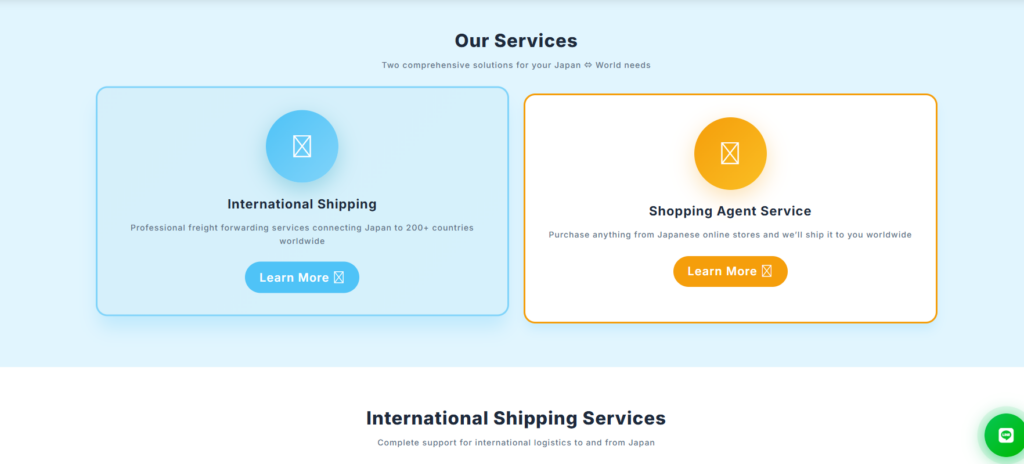
We provide both international shipping and purchasing services, so we can handle both the purchase of products in Japan and the shipment to your country.
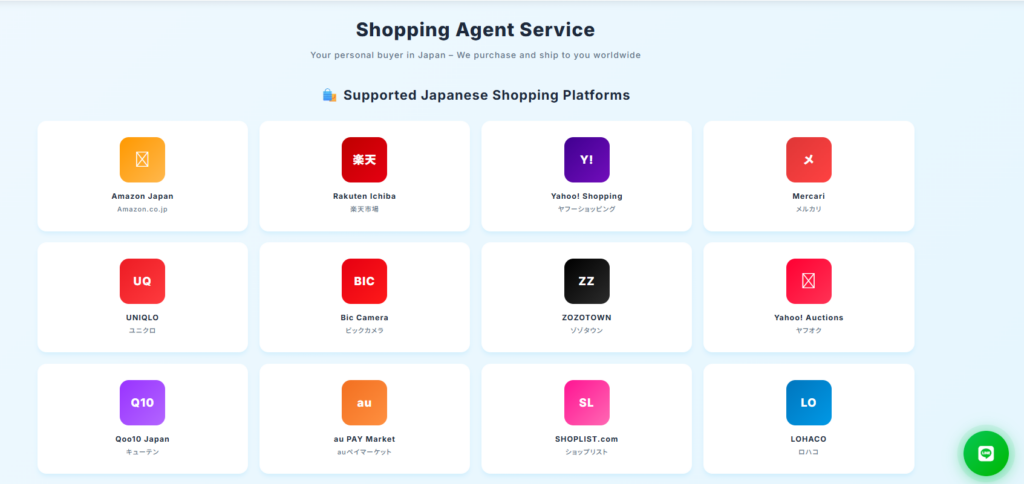
Buy Authentic Japanese Products with Our Trusted Shopping Agent Service. We help customers worldwide purchase items directly from popular Japanese online stores such as Amazon Japan, Rakuten, Yahoo! Shopping, Mercari, and more. If a store does not ship internationally, we buy on your behalf and deliver safely to your country. Enjoy access to exclusive Japanese brands, limited editions, electronics, fashion, cosmetics, and collectibles at competitive prices. Our service offers secure payments, careful inspection, reliable packaging, and fast international shipping.
How to Place an Order (Easy Japan Proxy Buying & International Shipping)
To place an order, please send us the required information via email, LINE, or our contact form. Once we confirm your details, we will issue a proforma invoice with a complete cost breakdown.
Required Information for Your Order
- Product URL(s) from Japanese websites (e.g., Amazon Japan, Rakuten, Mercari)
- Quantity (number of items)
- Delivery Address (full address including postal code and phone number)
- Preferred Delivery Schedule (desired shipping date or deadline)
Order Process
- Send your order details via email, LINE, or contact form
- Receive a proforma invoice including product cost, service fee, and shipping cost
- Confirm your order and complete payment
- We purchase the items from Japan on your behalf
- Your products are shipped safely to your destination
Why Choose Our Japan Proxy Buying Service?
- Access to popular Japanese marketplaces and exclusive products
- Affordable international shipping rates
- Secure payment and professional handling
- Reliable support for global customers and businesses
Contact us today to start your order and enjoy fast, reliable access to authentic Japanese products.
Japanese Product Shopping Agent Service – Buy from Japan and Ship Worldwide
Our Japanese Shopping Agent Service allows customers around the world to purchase authentic products directly from Japan. Many Japanese online stores do not ship internationally, which makes it difficult for overseas buyers to access popular and exclusive Japanese products. Our service solves this problem by purchasing items on your behalf and shipping them safely to your country.
We support a wide range of popular Japanese online marketplaces and retail stores. Whether you are looking for fashion, electronics, cosmetics, collectibles, hobby items, anime goods, daily-use products, or limited Japanese products, we can help you purchase them and arrange reliable international shipping.
We can also help you purchase products from smaller Japanese websites, specialty stores, local shops, and suppliers that may not support overseas customers. In many cases, if the product can be bought in Japan, we can help you buy it. This makes our service ideal for customers in Malta who want flexible access to almost anything sold in Japan.
Our service is suitable for:
• personal shopping from Japan
• Japan proxy buying
• e-commerce sourcing
• wholesale and bulk orders
• limited-edition and hard-to-find Japanese products
• combined shipping to reduce international delivery costs
CTA: If you have a product link, product name, screenshot, or shopping list, send it to us through our contact form. We will check availability, provide support, and help you buy and ship your items from Japan smoothly and safely.
Supported Japanese Shopping Platforms
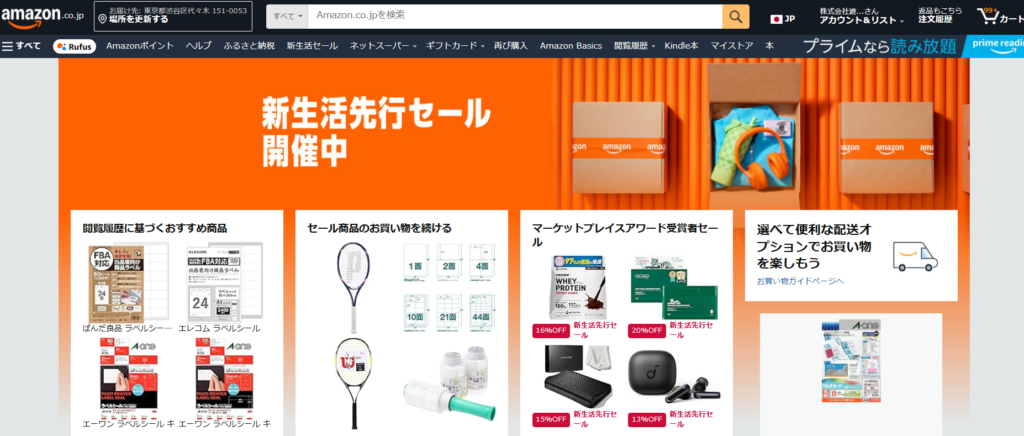
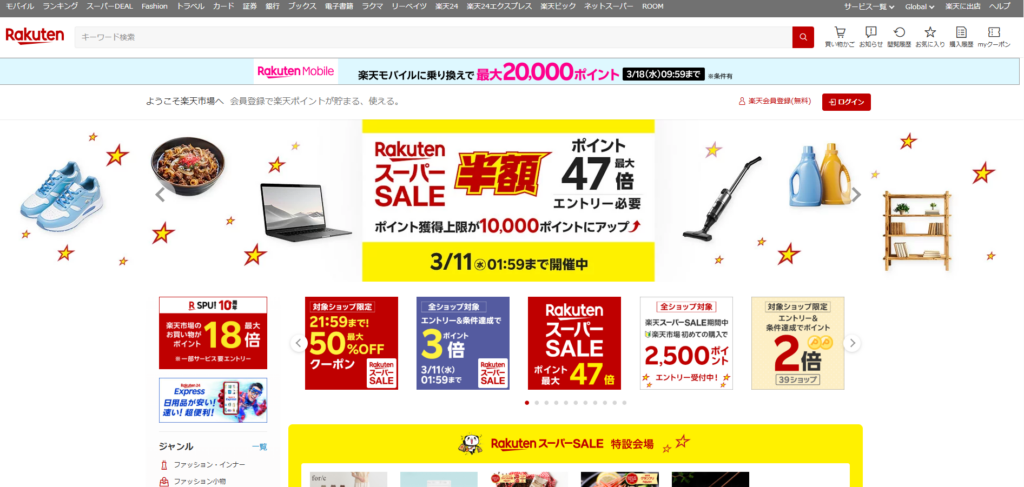
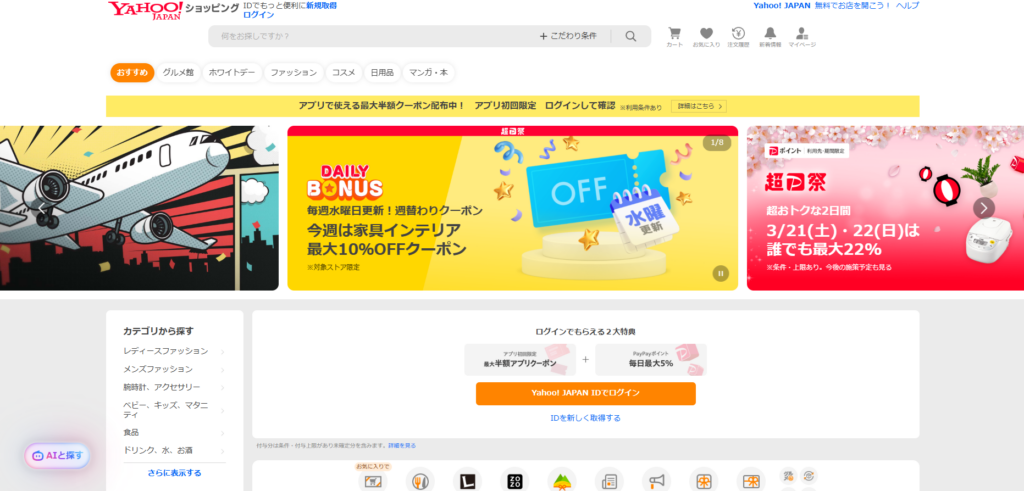
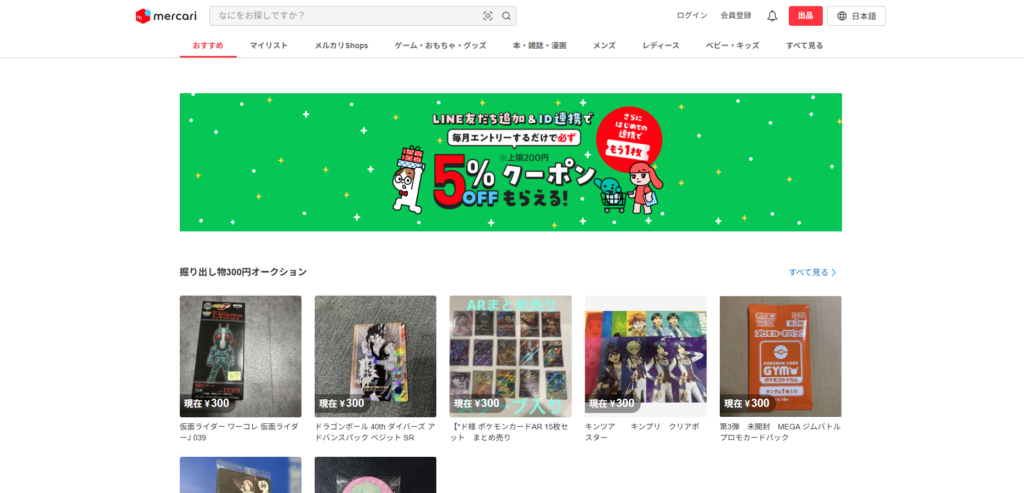

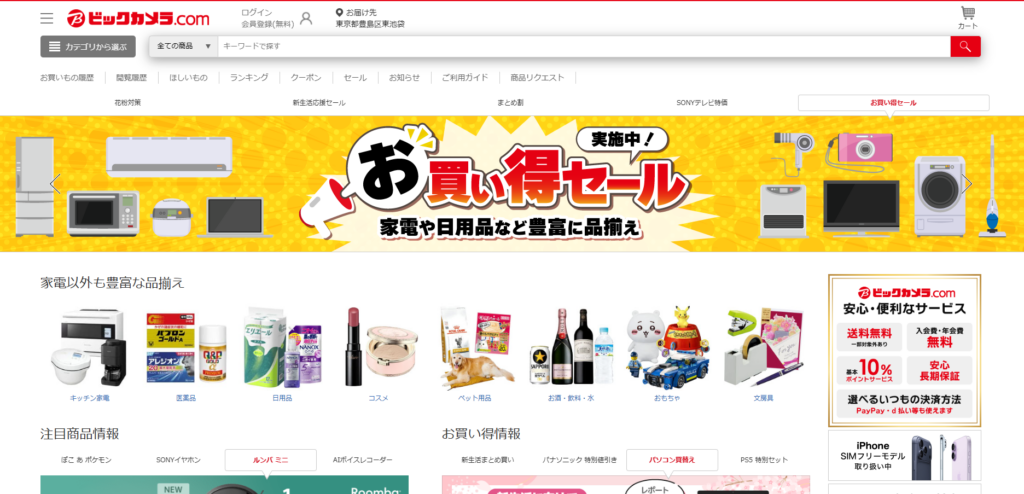
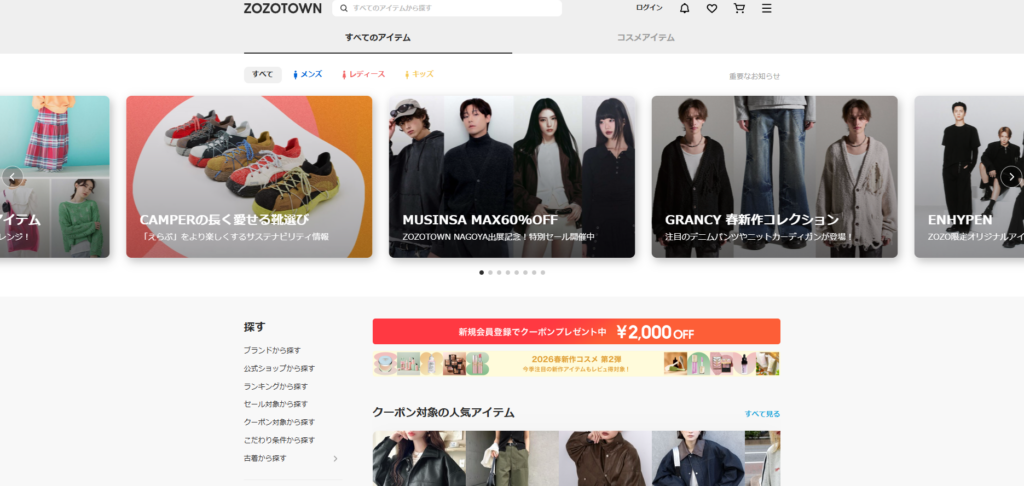
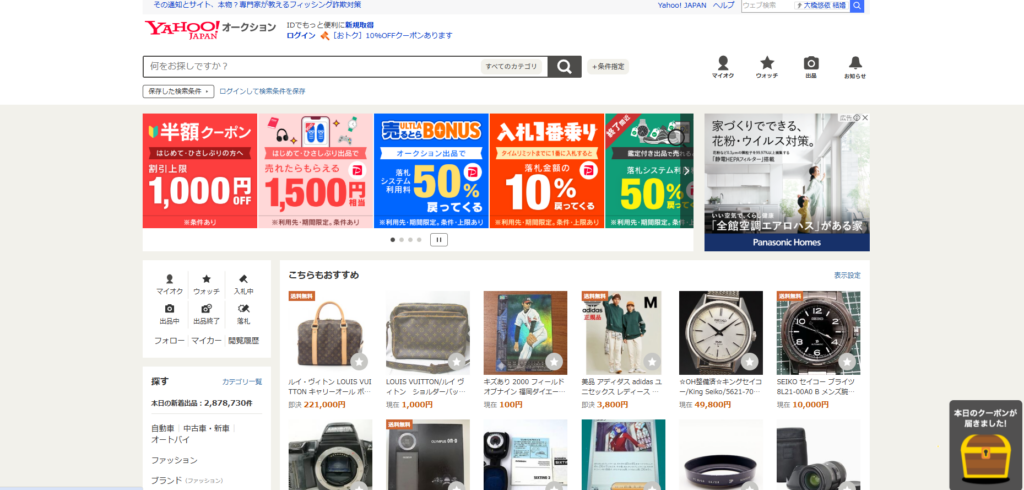
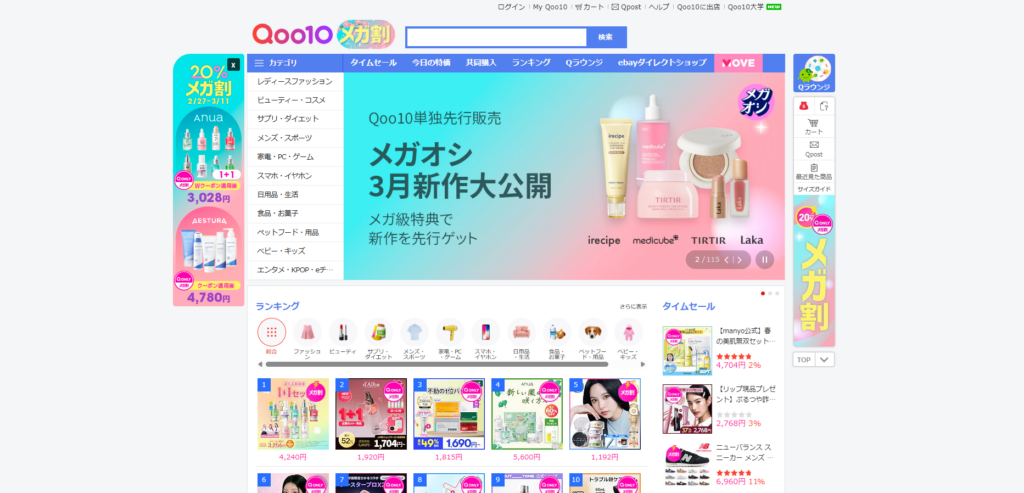
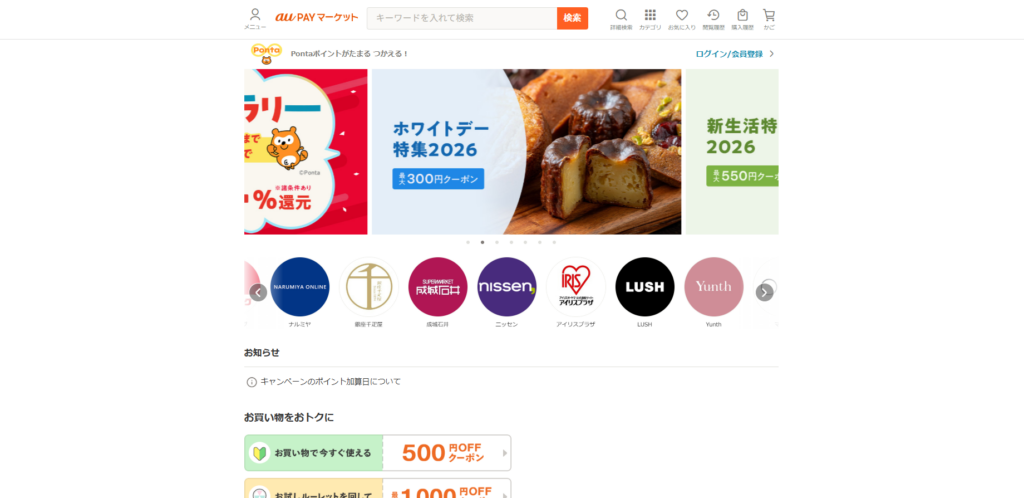
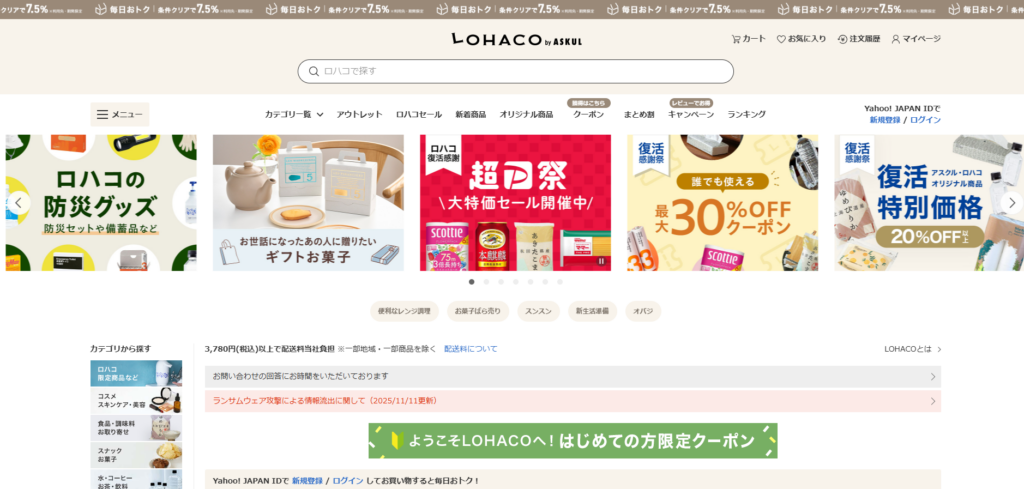
These platforms offer a huge variety of Japanese products that are highly popular worldwide. From the latest Japanese fashion brands to high-quality electronics, cosmetics, lifestyle goods, hobby items, and unique collectibles, you can access many of Japan’s best online stores through our purchasing service.
Even if the product you want is not listed on one of the major platforms above, you can still contact us. We can often assist with purchases from smaller Japanese websites, independent online shops, brand-specific stores, and selected offline products available in Japan. This makes our service highly flexible for customers who want to buy almost anything from Japan.
Contact us through the form below. Please send us your order item links or shopping list. Orders can be placed by chat or email, whichever is more convenient for you.
Post-Shipping Follow-Up and Troubleshooting

Efficient post-shipment support is a critical component of a seamless international logistics experience. This phase ensures that any issues encountered after dispatch are addressed quickly, minimizing interruptions to your supply chain. By offering clear contact channels, proactive communication, and comprehensive protection through insurance and compensation checks, a Japan forwarding service can transform potential problems into smooth resolutions. This section outlines practical contact points, step-by-step procedures for handling incidents, and key considerations to verify insurance and compensation coverage.
Contacts and procedures during trouble
When a shipment encounters delays, damages, or loss, having a structured response helps restore confidence and maintain timelines. The following contact framework and procedures are designed for clarity and speed:
1) Centralized contact channel: Maintain a single, accessible point of contact for post-shipment issues—preferably a dedicated customer service email and a hotline number with extended hours for urgent cases. This reduces confusion and ensures timely escalation.
2) Incident reporting: Initiate a formal incident report within 24 hours of discovering an issue. Include order details (tracking number, origin, destination, item description), reason for the dispute, photos of packaging and contents, and any accompanying documents (invoice, packing list, and proof of value).
3) Status triage: The support team should classify the incident (short delay, physical damage, loss, customs hold, documentation error) and assign a responsible agent with a clear SLA (e.g., 24–48 hours for acknowledgment, 5–7 business days for resolution steps).
4) Root-cause analysis and action plan: Identify whether the problem arose during picking, packaging, transport, or customs. Propose corrective actions (repackaging, additional documentation, rerouting, filing claims) and share the plan with the client promptly.
5) Documentation and evidence collection: Request any supplementary evidence needed to process claims (receipts for damaged goods, photos of packaging before and after transit, bills from third-party carriers). Maintain a unified repository for auditability.
6) Regular updates: Provide proactive, transparent updates—even if progress is incremental. Keeps stakeholders informed and reduces anxiety.
7) Resolution and confirmation: Once a resolution is reached (refund, replacement, or carrier-determined compensation), confirm with the client in writing and finalize any financial settlement or operational adjustments.
Insurance and compensation verification points
Understanding insurance and compensation terms is essential to ensure protection aligns with expectations. Focus on these key verification points when evaluating coverage for shipments:
1) Coverage scope: Confirm what is insured (cargo, packing, transit time, theft, loss, damage, and container delays). Clarify whether coverage includes multimodal arrangements (air, sea, road) and any excluded items (perishables, high-value jewelry, prototype goods).
2) Valuation basis: Verify insured value and how it is determined (invoice value, replacement cost, or agreed value). Be aware of coinsurance requirements that can reduce payout if declared value exceeds policy coverage.
3) deductibles and limits: Identify deductibles per claim and aggregate limits per shipment. High-value items may require supplementary coverage or separate policies.
4) Claim process timelines: Note required timelines for filing claims and responding to carrier or insurer requests. Delays in documentation can affect eligibility for compensation.
5) Documentation requirements: Prepare standard evidence packages, including commercial invoice, packing list, photos of packaging and goods before dispatch, proof of value, BCM (bill of lading), and carrier notes. Ensure copies are retained for future claims.
6) Carrier involvement: Determine which carrier’s liability applies and whether the forwarding service acts as an intermediary or claims administrator. Clarify who negotiates on behalf of the client and who funds any interim reimbursements.
7) Subrogation and third-party liability: Understand whether the insurer or carrier can pursue subrogation, and how that affects future premiums or client liability.
8) Settlement options: Confirm whether compensation is cash-based refunds, replacement goods, or carrier credits. Align on timelines for disbursement and any requirements to return damaged items.
9) Risk mitigation for future shipments: After an incident, review packaging practices, labeling accuracy, transit routes, and carrier selection to reduce recurrence. Propose adjustments such as enhanced packaging, additional insurance, or alternate routing.
10) Client communication: Provide clear explanations of coverage decisions and next steps to maintain trust. Offer written summaries in plain language and translations if necessary for international clients.