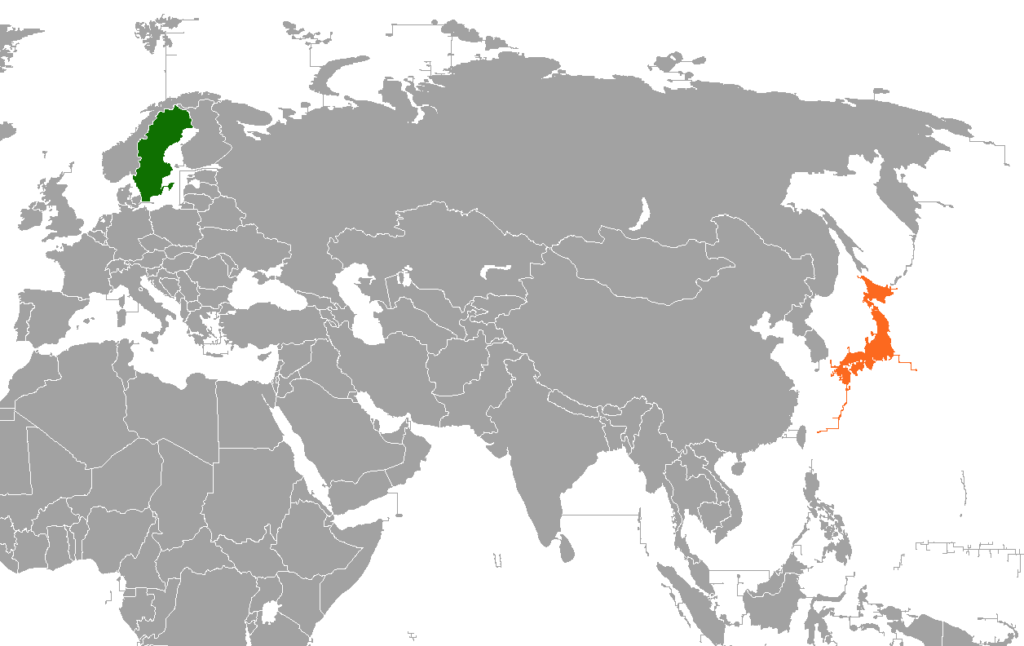
Shipping Japanese products to Turkey can unlock strong demand, but it comes with paperwork, packaging, and path optimization challenges. This guide distills the essential steps—from market insights in Turkey to export procedures and cost-saving forwarding options—so overseas buyers, cross-border sellers, and import-focused firms can plan a smooth, cost-effective export from Japan. Readers will learn practical checklist items, packaging and labeling standards, route selection, and how a Japan forwarding service can handle collection, documentation, customs, and door-to-door delivery. By highlighting concrete use cases—direct shipments from e-commerce sites, supplier pickups in Japan, and delivery to Amazon FBA—this article helps you evaluate reliable, end-to-end forwarding partners and make informed decisions for efficient international shipping from Japan to Turkey.
- Foundations of Shipping Japanese Products to Turkey
- Shipping Rates from Japan to Turkey
- How It Works
- Transit Time
- Cost Components
- Knowledge About Restricted and Dangerous Goods (Including CITES/Washington Convention Items)
- Overview of the Shipping Process
- Understanding Affordable International Shipping from Japan
- Strategic Guide to Choosing Cost-Effective Shipping Forwarding Providers
- How to Place an Order (Easy Japan Proxy Buying & International Shipping)
- Japanese Product Shopping Agent Service – Buy from Japan and Ship Worldwide
- Supported Japanese Shopping Platforms
- Key Considerations and Risk Management
- Cost-Effective and Reliable Forwarding Companies: A Practical Guide
- Japanese Product Shopping Agent Service – Buy from Japan and Ship Worldwide
- Supported Japanese Shopping Platforms
- Important Operational Notes
- Final Summary and Business Advantage
Foundations of Shipping Japanese Products to Turkey

Understanding the Turkish market and import rules is essential for successful cross-border commerce. This section provides a concise overview of Turkey’s consumer landscape, demand drivers for Japanese goods, and the fundamental framework governing exports, imports, and duties. By aligning product positioning with local preferences and regulatory requirements, exporters can optimize pricing, speed, and reliability in Turkey’s dynamic market.
Characteristics of the Turkish Market and Demand
Turkey presents a vibrant, multi-segment market characterized by a young, tech-savvy population and growing e-commerce adoption. Key demand drivers for Japanese products include high perceived quality, reliability, and distinct product categories such as electronics, beauty and health items, machinery accessories, and automotive parts. Consumers in urban centers (Istanbul, Ankara, Izmir) are especially responsive to brands with clear provenance and robust after-sales support. Seasonal shopping spikes around holidays, promotions, and local events create opportunities for timely campaigns and promotions. For exporters, tailoring product messaging to Turkish language and local preferences, ensuring compatibility with Turkish plugs and voltage when applicable, and offering clear warranty options can significantly improve conversion and repeat purchases. Supply chain resilience, transparent tracking, and dependable delivery speed are increasingly valued by Turkish buyers and retailers alike.
Basic Rules of Export-Import and Tariff Concepts
Export and import activities with Turkey operate under a structured set of rules designed to balance trade, consumer protection, and revenue collection. Key elements include:
- Export of goods from Japan requires accurate commercial documentation, including a commercial invoice, packing list, and a bill of lading or air waybill. Depending on product type, certificates of origin or compliance documents may be needed.
- Turkey’s import regime applies duties, taxes, and potential statutory restrictions based on tariff classifications (Harmonized System codes). The most relevant charges typically include customs duty, value-added tax (VAT), and other taxes or special duties for specific product categories.
- Value-added tax (VAT) in Turkey is generally charged on the sum of the CIF value plus duties and any other applicable charges. VAT rates vary by product category; some goods may be subject to exemptions or reduced rates.
- Import procedures involve Turkish Customs, where declared goods are assessed for tariff applicability, origin verification, and potential inspections. Accurate HS codes, commercial invoices, and proof of origin expedite clearance.
- Incoterms (e.g., DAP, DDP, FOB) define responsibilities for shipping, insurance, duties, and taxes. Choosing the right incoterm affects cash flow, risk, and administrative workload.
- Compliance with local standards and labeling requirements ensures smoother entry. Some product categories may require conformity assessments or certifications recognized in Turkey.
- Logistics and duties planning should account for potential delays at customs, product-specific restrictions, and evolving regulatory changes. Engaging a knowledgeable forwarding partner with Turkish customs experience can mitigate risk and speed up clearance.
For exporters, a proactive approach—accurate documentation, correct tariff classification, origin proof, and transparent pricing including anticipated duties—helps reduce clearance time and cost, enabling faster access to the Turkish market.
Shipping Rates from Japan to Turkey
◇Shipping Rate Table (Prices Shown as Rate per Weight)
Japan→Turkey
【Turkey Export — Preferred Rates】
0.5kg :3,920 JPY
1kg :4,680 JPY
1.5kg :5,460 JPY
2kg :6,120 JPY
2.5kg :6,860 JPY
3kg :7,520 JPY
3.5kg :8,150 JPY
4kg :8,780 JPY
4.5kg :9,450 JPY
5kg :10,080 JPY
5.5kg :10,760 JPY
6kg :11,420 JPY
6.5kg :11,980 JPY
7kg :12,540 JPY
7.5kg :13,060 JPY
8kg :13,420 JPY
8.5kg :13,780 JPY
9kg :14,050 JPY
9.5kg :14,360 JPY
10kg :14,620 JPY
10.5kg:27,100 JPY
11kg :27,720 JPY
11.5kg:28,210 JPY
12kg :28,730 JPY
12.5kg:29,280 JPY
13kg :29,760 JPY
13.5kg:30,150 JPY
14kg :30,620 JPY
14.5kg:31,040 JPY
15kg :31,620 JPY
15.5kg:31,850 JPY
16kg :31,940 JPY
16.5kg:32,010 JPY
17kg :32,060 JPY
17.5kg:32,120 JPY
18kg :32,170 JPY
18.5kg:32,230 JPY
19kg :32,380 JPY
19.5kg:32,450 JPY
20kg :32,500 JPY
※UPS fastest service level with tracking number included.
※We also support Japan Post EMS, International ePacket, standard air shipping, SAL, and sea freight. If you prefer any of these options, please let us know.
【Turkey Export — Preferred Rates】
・21-49kg :1,300 JPY per kg
・50-99kg :1,050 JPY per kg
・100-299kg:920 JPY per kg
・300-499kg:890 JPY per kg
・500-999kg:870 JPY per kg
・1000-2000kg:840 JPY per kg
The above rates are quoted as a per-kilogram unit price. For the total shipping cost by weight bracket, please refer to the examples on the right.
In addition to the shipping charges above, a fuel surcharge will apply. Fuel surcharge rates may be revised monthly or weekly depending on the carrier you use.
Customs duties, import VAT/sales tax, and other destination charges incurred at local customs clearance will be billed to the consignee (recipient) by the carrier.
How It Works
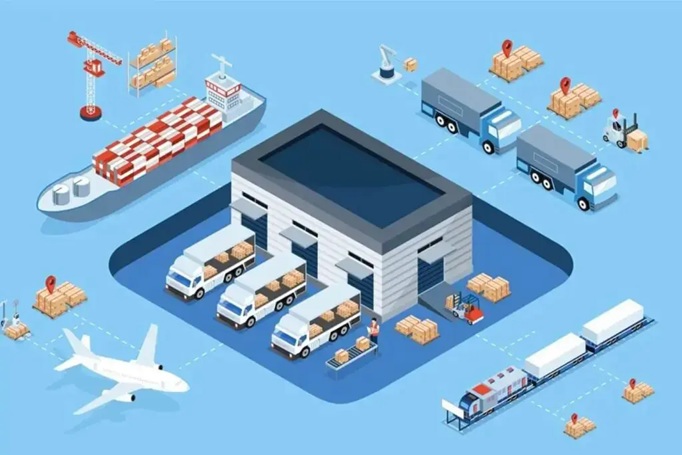
world wide courier provides international logistics and air freight forwarding services for trading businesses that need professional shipping support.
We support both export and import shipments to and from Turkey, China, Hong Kong, South Korea, Europe, North America, Southeast Asia, Africa, and many other countries worldwide.

By using major courier networks (FedEx, UPS, DHL), we ensure stable and fast delivery. In addition, our highly competitive shipping rates help reduce your ongoing logistics costs and lower your overall procurement cost.
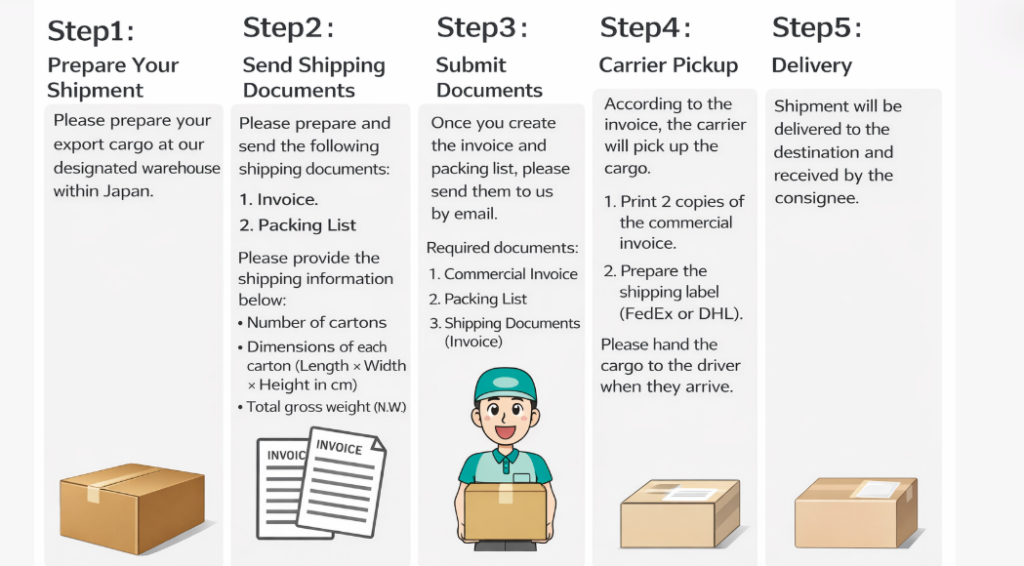
Step 1: Prepare the Shipment
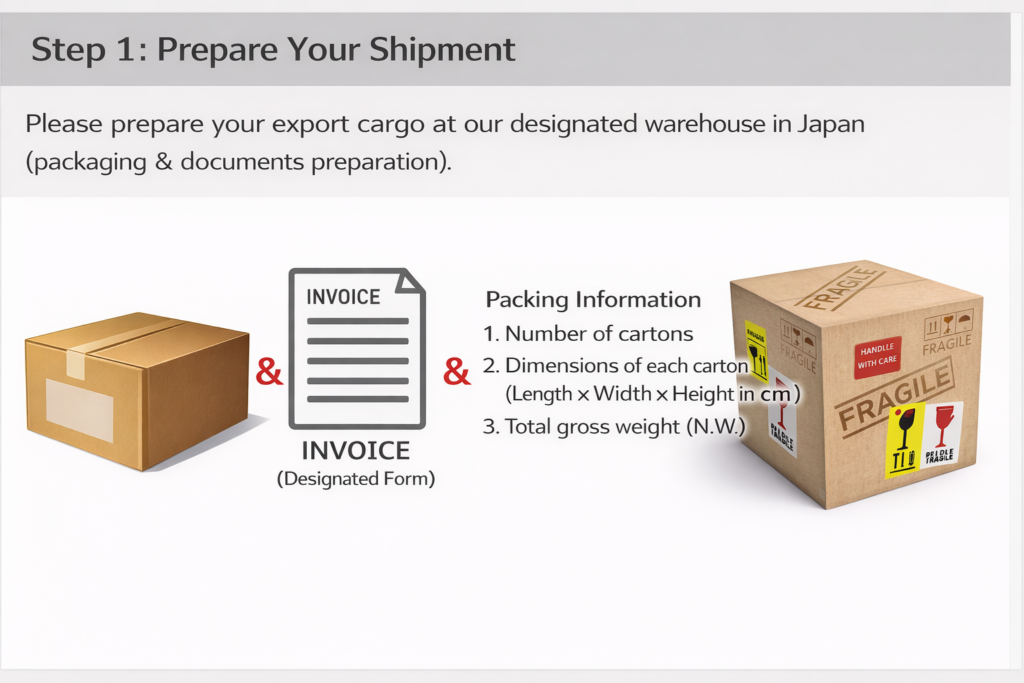
Prepare the shipment at the domestic pickup location (packing and documentation preparation).
Step 2: Email the Shipping Documents to Us (Invoice + Packing Details)
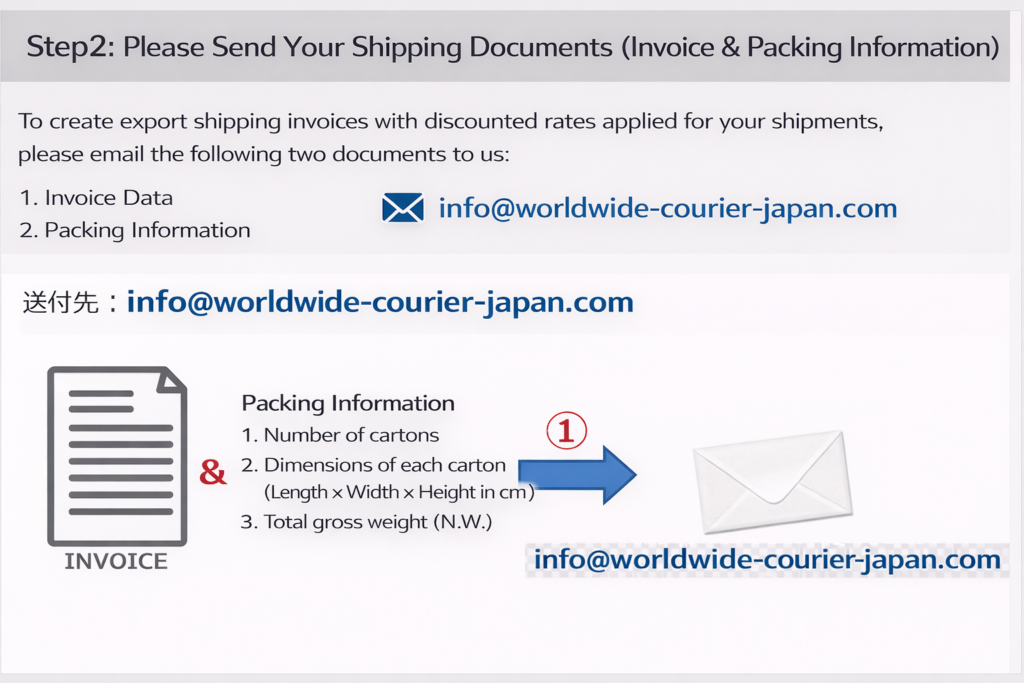
We will create the shipping documents using the special discounted rates provided for each customer. Please email the following two documents to our office as attachments.
1. “Invoice”
2. “Packing List”
Email: info@worldwide-courier-japan.com
<Common Invoice Items That Are Often Missing>
1. Postal code (shipper side / pickup location)
2. Contact person name (shipper side)
3. Phone number for the pickup location (shipper side)
※The above three items are required to create the documents.
If any of these are missing, we cannot issue the documents, so please confirm in advance before requesting shipping.
<Required Packing List Information>
1. Total number of cartons/boxes
2. Dimensions of each carton (L cm × W cm × H cm — all three sides required)
3. Total weight (N.W.): total weight after packing
※In some cases, the packing list is missing these required details. These are necessary for document creation, so please confirm in advance.
※If you do not have a packing list, please confirm the above information with the shipper and share it with us.
<About “Chargeable Weight,” Which Determines the Shipping Cost>
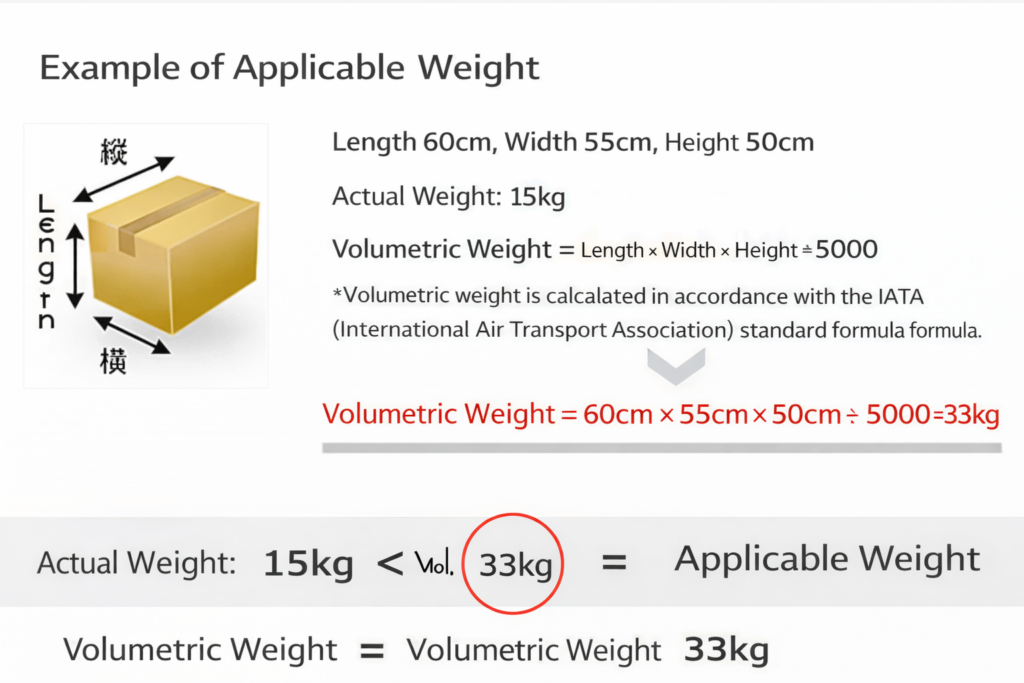
Based on IATA (International Air Transport Association) standards, the greater of the “actual weight after packing” and the “volumetric (dimensional) weight” is used as the “chargeable weight.”
Step 3: We Email You the Two Documents Required for Shipment (Air Waybill/Label + Invoice)
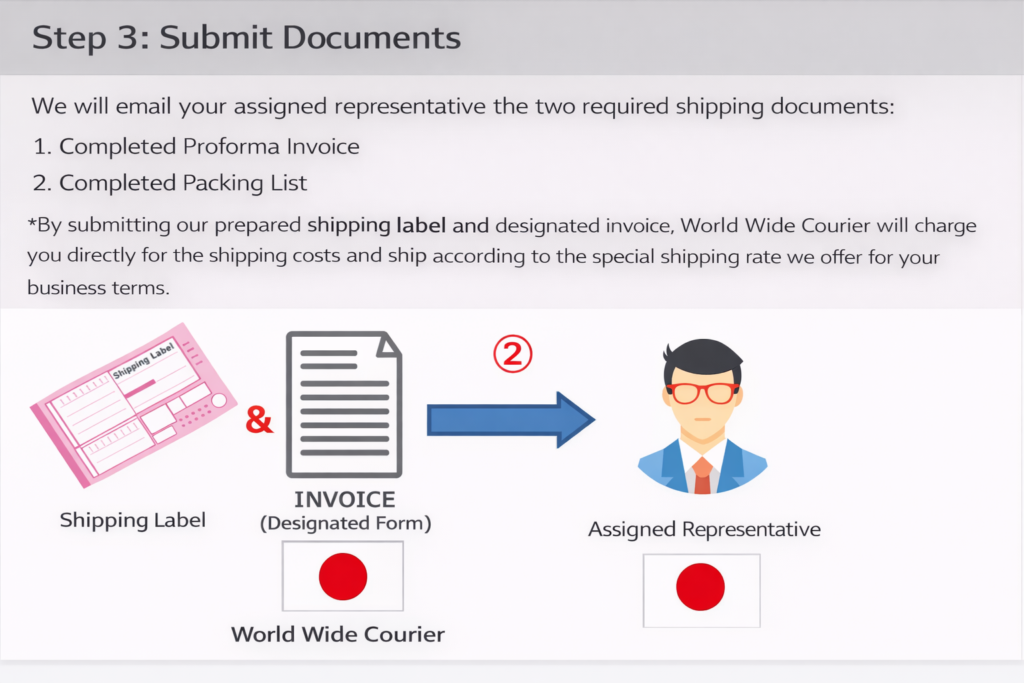
We will email the two documents required for shipping (air waybill/label and invoice).
1. We confirm missing details in the “Invoice” and “Packing List” you provided.
2. Based on those documents, we create the “Air Waybill/Label” and the “Invoice (official format)” and email them to you.
※When you ship using the documents created by us, the shipping charges are billed to us. This allows you to ship using your customer-specific discounted rates. Under your trading terms, we will invoice you for the shipping charges accordingly.
Step 4: Courier Pickup at Your Location / Domestic Warehouse — Shipment Dispatched
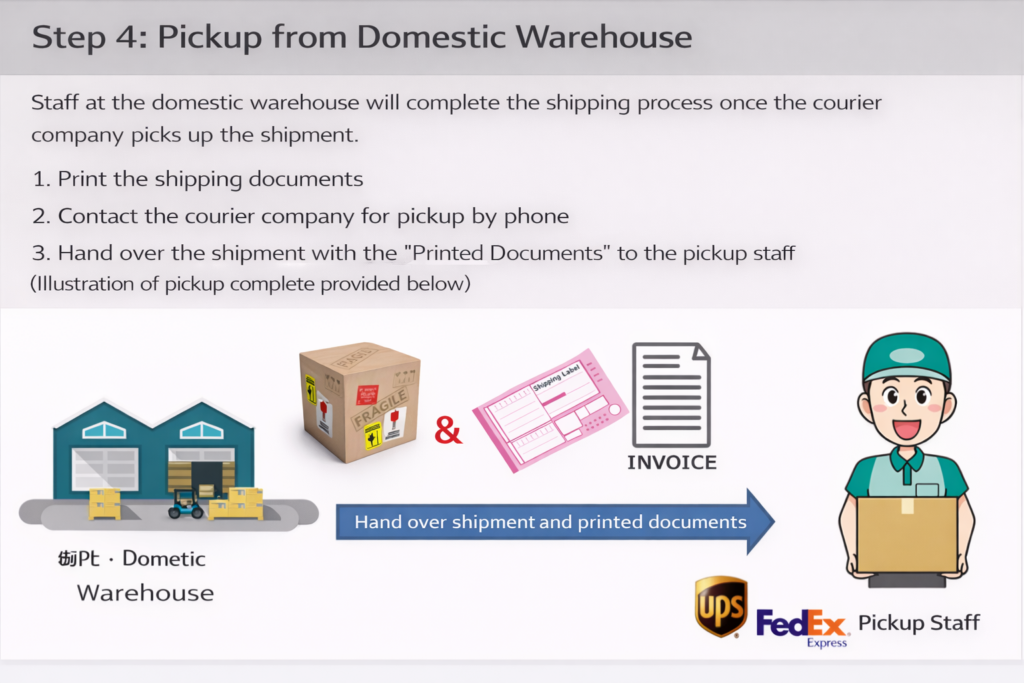
At the pickup location in Japan:
1. Print the documents
2. Call the courier to request pickup
3. Hand the shipment and the two printed documents to the pickup driver to complete dispatch
Step 5: Delivery and Receipt
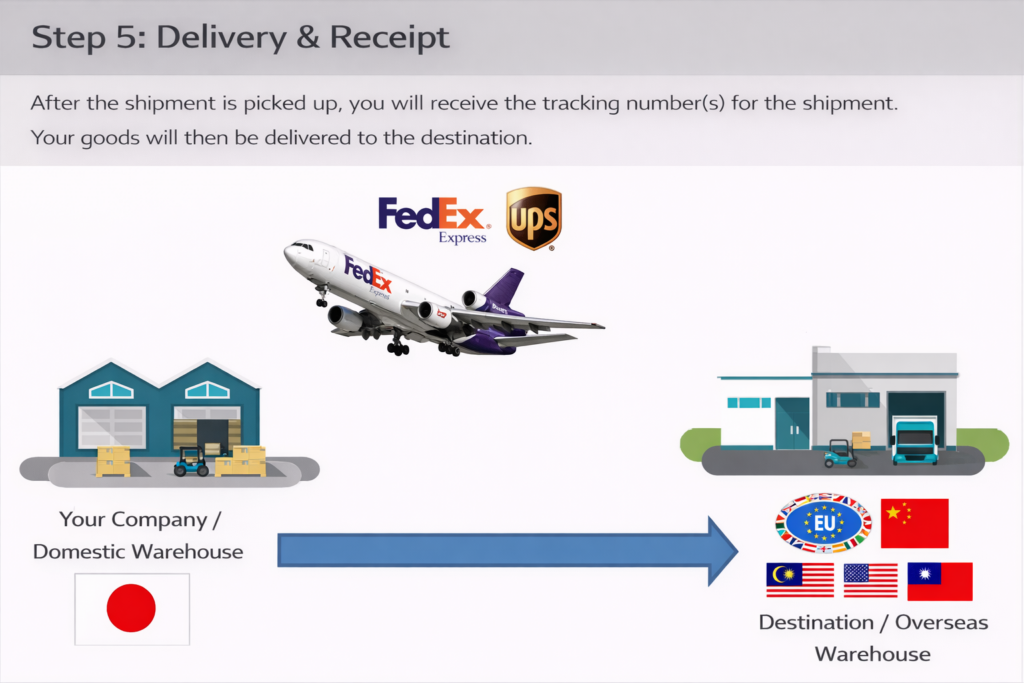
After dispatch, we will provide your tracking number. The shipment will then be delivered to the destination.

We offer good service. world wide courier offers affordable international delivery from Japan to Turkey via air freight and sea freight. We support both exports and imports, so please contact us for a consultation or inquiry.
Transit Time

Estimated Delivery Days (Japan → Turkey)
Estimated delivery time is approximately 4–8 days from the local dispatch date.
Delivery may be delayed due to customs conditions, weather, or other unforeseen circumstances. Thank you for your understanding.
world wide courier provides affordable delivery from Japan to Turkey via air freight and sea freight. We support both exports and imports, so please contact us for inquiries or consultations.
Cost Components
1. Shipping fee + fuel surcharge (billed by us to you)
2. Import duty, import VAT/sales tax, customs clearance fees, and other charges incurred at destination customs (billed by the carrier to the recipient)
About “chargeable weight,” which determines shipping costs:
Based on IATA standards, the larger of “actual packed weight” and “volumetric (dimensional) weight” is used as the chargeable weight.
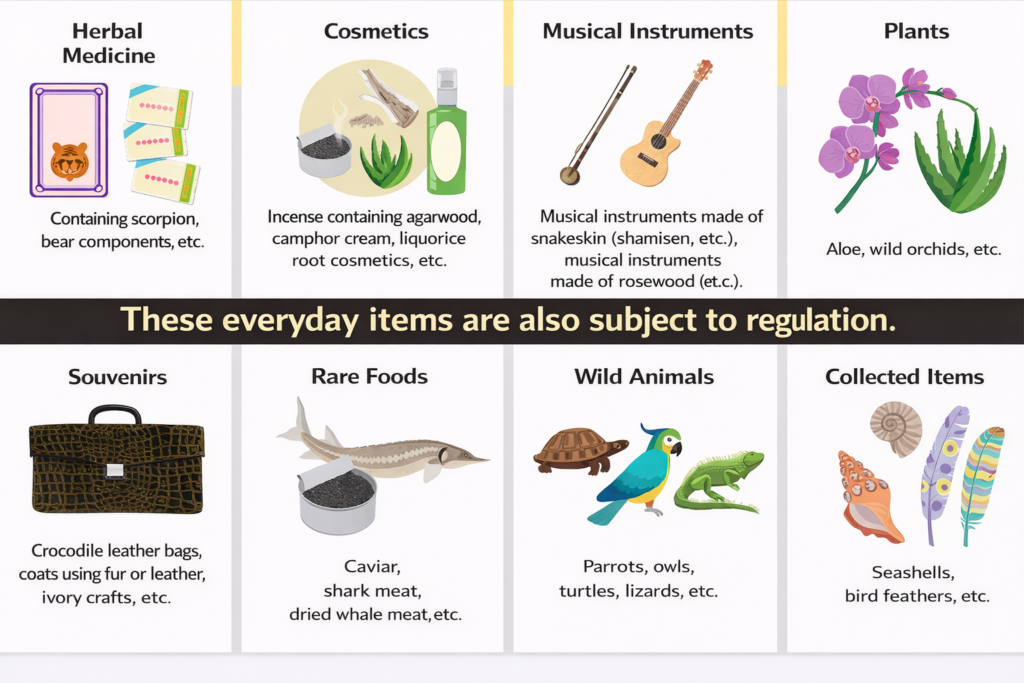
Knowledge About Restricted and Dangerous Goods (Including CITES/Washington Convention Items)
A–E: Compressed gas, alcohol products, flammable liquids, medicines, medical devices, liquids
F–K: Firearms, ammunition, stock certificates, precious metals, fruits, woven mats, volatile items, stamps, ice
S–T: Securities, bonds, oxidizing substances, sprays, plants, firearms-related items, perishable foods, letters/documents, magnets
T–N: Swords/blades, seeds, tobacco products, animals, poisons/toxins, currency, gambling items
N: Perishable goods, meat products
H–M: Jewelry, explosives, spoiled/rotting items, artwork, pornography, powders
M: Narcotics
Y–R: Chemicals/drugs, valuables/securities
R–W: Dairy products, lighters, items regulated under the Washington Convention (CITES)
In addition to the items listed above, there may be other prohibited items. Please contact us directly for details.
Some items may also be subject to handling restrictions or value limits.
The above is a complete guide to affordable shipping from Japan to Turkey.
The cost of shipping from Japan to Turkey depends on several factors including package weight, parcel dimensions, and shipping speed. Express courier services generally cost more but provide faster delivery.
For example, sending a small parcel weighing two kilograms from Japan to Turkey using EMS may cost approximately 6,000 to 10,000 yen depending on size and delivery options.
Overview of the Shipping Process

Coordinating international shipments from Japan requires a clear, end-to-end workflow that covers every stage from pre-shipment preparations to final delivery. A streamlined process minimizes delays, reduces costs, and ensures compliance with destination country regulations. By adopting a structured approach, businesses can scale their cross-border logistics with confidence, whether shipping single orders, bulk consignments, or multiple SKUs across different markets. This section outlines the core stages: pre-shipment readiness, packaging and labeling standards, and selecting shipping procedures and routes.
Pre-Shipment Preparations and Documentation Checklist
Successful international shipping begins long before a package leaves your facility. Establish a robust pre-shipment routine that verifies product eligibility, regulatory compliance, and accurate documentation. Key steps include:
– Confirm product compliance: verify that items are permitted for export and import in the destination country, including any restricted or controlled goods.
– Validate commercial details: finalize the invoice with accurate descriptions, HS codes, quantities, unit values, and total value. Ensure the recipient’s details (name, address, phone) are complete and correct.
– Assemble export documents: prepare packing lists, commercial invoices, and any required certificates (e.g., origin, non-GMO, quality certificates). For hazardous or dual-use items, include safety data sheets and regulatory approvals.
– Understand tax and duty implications: estimate duties and taxes and decide whether DDP (Delivered Duty Paid) or DAP (Delivered at Place) terms best fit the customer and cost structure.
– Verify packaging readiness: check that packaging aligns with content protection, weight, and dimensional constraints, and that labels match the shipment’s documented details.
– Coordinate timelines: align pick-up windows with production schedules, warehouse availability, and carrier cut-off times to prevent delays.
Packaging Standards and Labeling
Proper packaging and clear labeling are essential to protect goods, ensure smooth handling, and meet carrier and customs requirements. Adopt these best practices:
– Packaging integrity: use sturdy outer cartons with appropriate cushioning for fragile items; seal with tamper-evident materials when needed; apply moisture and mold protection where applicable.
– Weight and dimensions: accurately weigh and measure each package; include internal content details and a reference number on the outside.
– Compliance labeling: display required marks (country of origin, hazardous material indicators, handling instructions) according to destination rules.
– Care and handling instructions: attach visible “This Side Up,” “Fragile,” and other handling indicators as appropriate.
– Barcoding and documentation: affix scannable barcodes that match the shipment’s manifest and ensure documents stay with the package or are readily accessible to handlers.
– Security: seal products securely to prevent tampering and theft during transit; consider tamper-evident bags for high-value items.
Shipment Procedures and Route Selection
Choosing the right shipment method and routing is critical for cost efficiency and timely delivery. Consider these factors to determine the optimal path from Japan to the destination country:
– Mode selection: balance speed, cost, and product characteristics by weighing air freight for time-sensitive items against sea freight for bulk or non-urgent consignments.
– Carrier and service level: evaluate carrier reliability, transit times, and service options (DDP, door-to-door, or port-to-port) that fit your customer’s expectations.
– Consolidation opportunities: use freight consolidation for multiple small shipments to reduce per-unit costs while maintaining service levels.
– Customs and regulatory alignment: ensure complete and accurate customs declarations, classify goods with the correct HS codes, and prepare any required certificates to minimize clearance delays.
– Route risk assessment: consider potential disruptions (weather, port congestion, strikes) and select alternate routes or carriers to safeguard delivery timelines.
– Insurance and liability: determine coverage levels for goods in transit, including any value-added protections for high-value or fragile items.
– Tracking and visibility: implement end-to-end tracking to inform stakeholders of status changes and anticipated delivery dates, enabling proactive issue resolution.
Understanding Affordable International Shipping from Japan

As e-commerce and cross-border trade continue to expand, Japanese products gain increasing international appeal. Businesses seeking cost-efficient, reliable ways to move goods from Japan to overseas markets can benefit from a focused approach that combines strategic route planning, compliance with export procedures, and seamless end-to-end handling. This section outlines why Japan-to-globe shipping remains a smart choice and how to leverage specialized forwarding services to keep costs low without compromising quality.
Why the demand for Japanese products abroad is set to grow
Japanese goods enjoy a strong international reputation for reliability, craftsmanship, and innovation. Consumer interest spans electronics, beauty, fashion, and traditional crafts, driven by brand loyalty and perceived excellence. Key factors sustaining growth include:
– Consistent quality control and traceability across the supply chain, which reduces post-sale issues and returns.
– Premium branding that supports higher price points and justified logistics investments.
– Growing familiarity with Japanese marketplaces and platforms, including direct purchases from Japanese sellers by overseas buyers.
– The expansion of cross-border e-commerce ecosystems, enabling faster, more predictable fulfillment from Japan to multiple regions.
For exporters, these trends translate into stable demand and opportunities to optimize costs through optimized shipping routes and consolidated shipments.
Introducing an affordable shipping partner that handles both exports from Japan and imports to Japan
Choosing the right partner can dramatically affect total landed cost and delivery reliability. An ideal Japan-forwarding service offers: nationwide pickup in Japan, consolidated international shipments, and comprehensive export procedures and customs support. Key capabilities to look for include:
– Centralized processing with transparent pricing and no hidden charges.
– End-to-end services: pickup, inspection, packing, international transport (air and sea), export documentation, and customs clearance.
– Flexible routing options to optimize speed and cost, including direct and hub-and-spoke pathways.
– Expertise in both outbound shipments to overseas markets and inbound shipments from international suppliers to Japanese facilities.
By engaging a partner that combines transport with export/import support, businesses can minimize delays, simplify compliance, and reduce total logistics spend.
Introducing Japanese agents that can procure goods in Japan for overseas buyers
For overseas buyers who want a streamlined procurement-and-shipping workflow, partnering with reliable Japanese procurement intermediaries can be highly advantageous. The right agents can:
– Source authentic products from trusted Japanese suppliers and manufacturers.
– Coordinate purchase orders, quotes, and quality checks before shipment.
– Manage consolidation of multiple items from different vendors into a single shipment to overseas destinations.
– Align with your chosen shipping and forwarding service to ensure smooth handoffs and accurate documentation.
Benefits include faster onboarding, improved supplier communication, and tighter control over product specifications and pricing. When selecting a procurement intermediary, prioritize transparency, clear service scope, and experience with your target product categories.
Strategic Guide to Choosing Cost-Effective Shipping Forwarding Providers
Selecting a cost-efficient shipping forwarding partner is essential for international sellers who want to maximize margins without sacrificing reliability. This section outlines practical criteria to evaluate low-cost forwarders, balanced with service quality, so you can secure a solution that fits your scale—from individual orders to large consignment projects.
Key points for identifying affordable overseas forwarding services
When assessing inexpensive options, focus on total landed cost rather than upfront price alone. Consider these factors:
– Transparent pricing structure: Look for carriers that clearly itemize base rates, surcharges, fuel costs, handling fees, and any storage or customs-related charges. Hidden fees often erode apparent savings.
– Consolidation opportunities: Forwarders that consolidate shipments can drastically reduce per-unit costs for small- to medium-sized orders. Verify how often consolidation occurs and whether it impacts delivery times.
– Route efficiency and transit times: The cheapest route isn’t always the fastest or most reliable. Compare estimated transit times and the probability of delays due to customs or carrier limitations.
– Packaging and handling costs: Inexpensive services should not compromise packaging quality. Assess whether the provider offers standard packing, weight-based pricing, and protective measures to minimize damage charges.
– Carrier mix and network reach: A broader network (air and sea options, multiple carriers) enables better pricing leverage and routing flexibility. Ensure the forwarder can access preferred carriers for your destination.
– Value-added services: Consider what is included in the base price—tracking, insurance options, door-to-door delivery, and basic documentation—as these can reduce separate costs later.
Balancing reliability with cost: service quality considerations
Low price should not undermine reliability. Weigh these service quality dimensions:
– Customs expertise and compliance: A cost-effective forwarder with robust knowledge of export/import rules minimizes delays and penalties. Check the provider’s track record in handling duties, taxes, and documentation accurately.
– Tracking and visibility: Real-time tracking reduces the risk of lost shipments and enables proactive communication with customers. Ensure the system offers proactive alerts and easily accessible status updates.
– Packaging standards: Proper packaging reduces damage claims and returns. Confirm materials, padding, and impact protection used for fragile goods, electronics, or high-value items.
– Damage and loss protection: Review insurance options, coverage limits, claim processes, and response times. A provider with straightforward, quick claims handling saves time and money.
– Customer support responsiveness: Accessible multilingual support and clear escalation paths help resolve issues swiftly, especially for cross-border shipments and customs queries.
– Compliance and risk management: The forwarder should proactively address regulatory requirements (dual-use goods, origin documentation, licensing) to prevent unexpected clearance holds.
Tips for effective quote comparison
To make reliable cost comparisons, use these best practices:
– Standardize the scope: Ensure all quotes cover the same origin/destination, service levels, packaging, insurance, and delivery terms to enable apples-to-apples comparisons.
– Break down the total cost: Request line-item quotes that separate base freight, surcharges, handling, fuel, documentation, and duties/taxes so you can identify major cost drivers.
– Include ancillary costs: Don’t ignore storage, receptacle fees, pick-and-pack, or last-mile delivery charges, which can significantly affect total landed cost.
– Evaluate delivery timelines: Shorter transit times may justify higher costs if they reduce inventory carrying costs or improve cash flow for high-demand items.
– Check scalability: Consider future volumes and whether the forwarder offers volume discounts, contract pricing, or favorable terms for growth without sacrificing service quality.
– Assess service level consistency: Favor forwarders with predictable performance across seasons and peak periods, not just off-peak rates.
Japan product agent service
We can buy Japanese products and ship them to countries worldwide.
We provide both international shipping and purchasing services, so we can handle both the purchase of products in Japan and the shipment to your country.
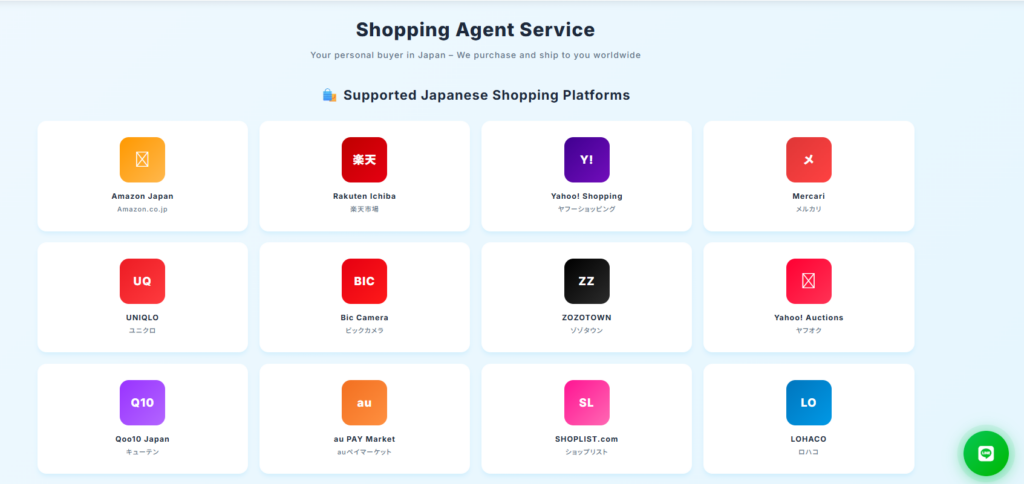
Buy Authentic Japanese Products with Our Trusted Shopping Agent Service. We help customers worldwide purchase items directly from popular Japanese online stores such as Amazon Japan, Rakuten, Yahoo! Shopping, Mercari, and more. If a store does not ship internationally, we buy on your behalf and deliver safely to your country. Enjoy access to exclusive Japanese brands, limited editions, electronics, fashion, cosmetics, and collectibles at competitive prices. Our service offers secure payments, careful inspection, reliable packaging, and fast international shipping.
How to Place an Order (Easy Japan Proxy Buying & International Shipping)
To place an order, please send us the required information via email, LINE, or our contact form. Once we confirm your details, we will issue a proforma invoice with a complete cost breakdown.
Required Information for Your Order
- Product URL(s) from Japanese websites (e.g., Amazon Japan, Rakuten, Mercari)
- Quantity (number of items)
- Delivery Address (full address including postal code and phone number)
- Preferred Delivery Schedule (desired shipping date or deadline)
Order Process
- Send your order details via email, LINE, or contact form
- Receive a proforma invoice including product cost, service fee, and shipping cost
- Confirm your order and complete payment
- We purchase the items from Japan on your behalf
- Your products are shipped safely to your destination
Why Choose Our Japan Proxy Buying Service?
- Access to popular Japanese marketplaces and exclusive products
- Affordable international shipping rates
- Secure payment and professional handling
- Reliable support for global customers and businesses
Contact us today to start your order and enjoy fast, reliable access to authentic Japanese products.
Japanese Product Shopping Agent Service – Buy from Japan and Ship Worldwide
Our Japanese Shopping Agent Service allows customers around the world to purchase authentic products directly from Japan. Many Japanese online stores do not ship internationally, which makes it difficult for overseas buyers to access popular and exclusive Japanese products. Our service solves this problem by purchasing items on your behalf and shipping them safely to your country.
We support a wide range of popular Japanese online marketplaces and retail stores. Whether you are looking for fashion, electronics, cosmetics, collectibles, hobby items, anime goods, daily-use products, or limited Japanese products, we can help you purchase them and arrange reliable international shipping.
We can also help you purchase products from smaller Japanese websites, specialty stores, local shops, and suppliers that may not support overseas customers. In many cases, if the product can be bought in Japan, we can help you buy it. This makes our service ideal for customers in Malta who want flexible access to almost anything sold in Japan.
Our service is suitable for:
• personal shopping from Japan
• Japan proxy buying
• e-commerce sourcing
• wholesale and bulk orders
• limited-edition and hard-to-find Japanese products
• combined shipping to reduce international delivery costs
CTA: If you have a product link, product name, screenshot, or shopping list, send it to us through our contact form. We will check availability, provide support, and help you buy and ship your items from Japan smoothly and safely.
Supported Japanese Shopping Platforms
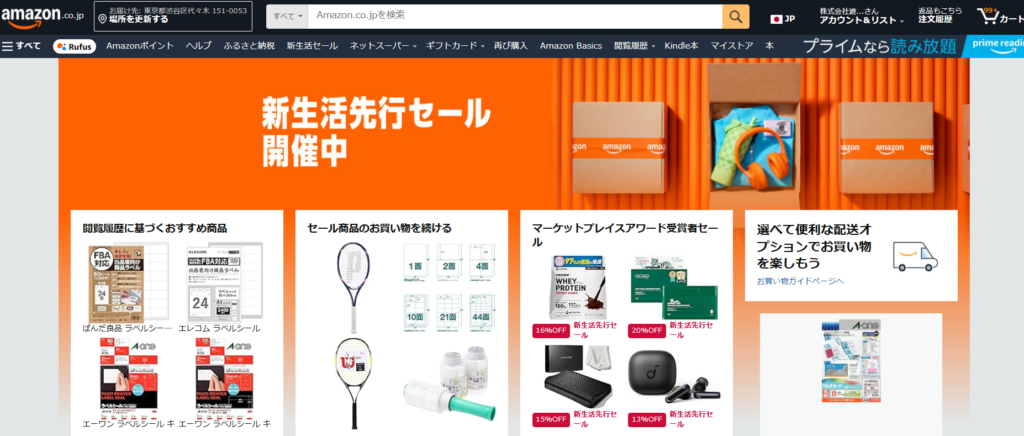
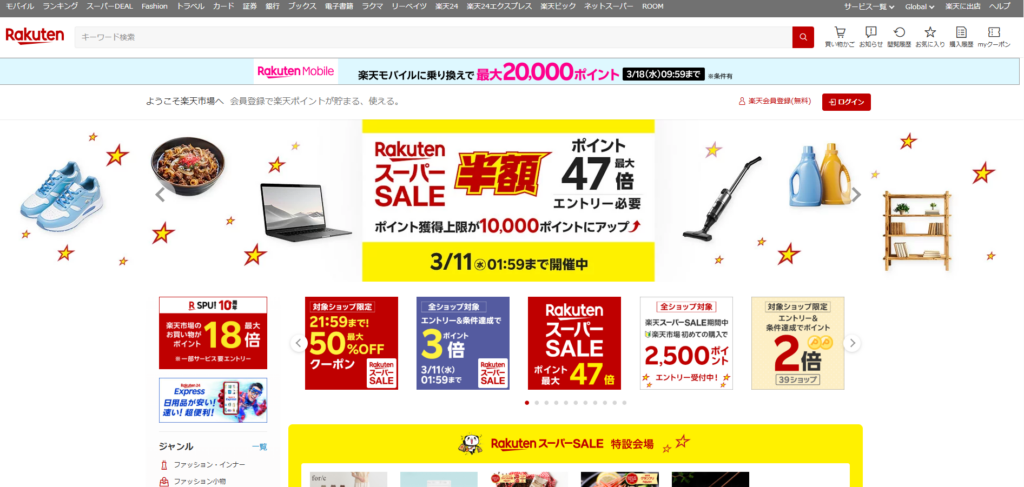
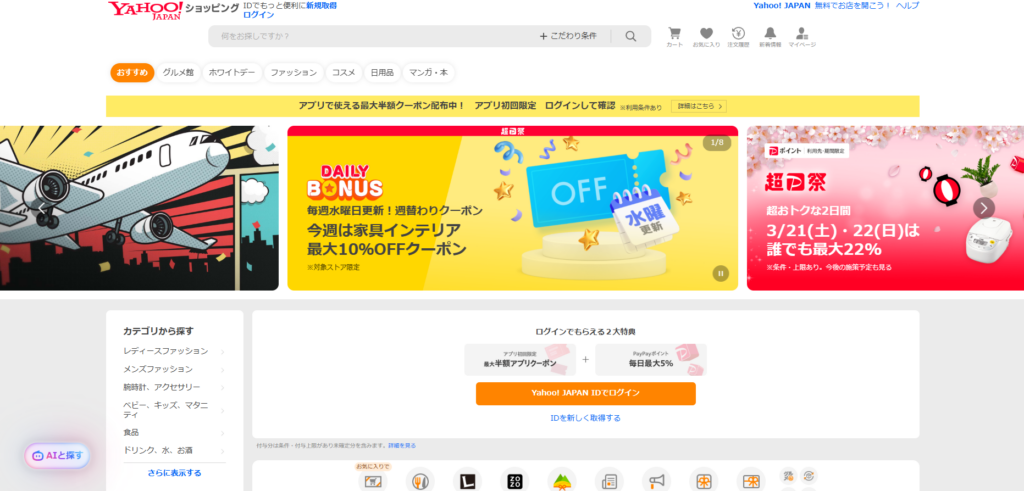
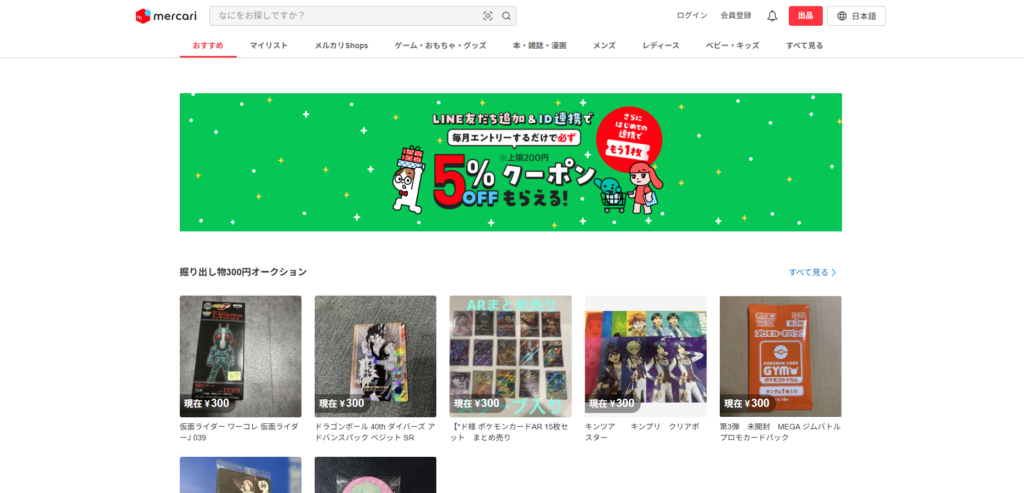

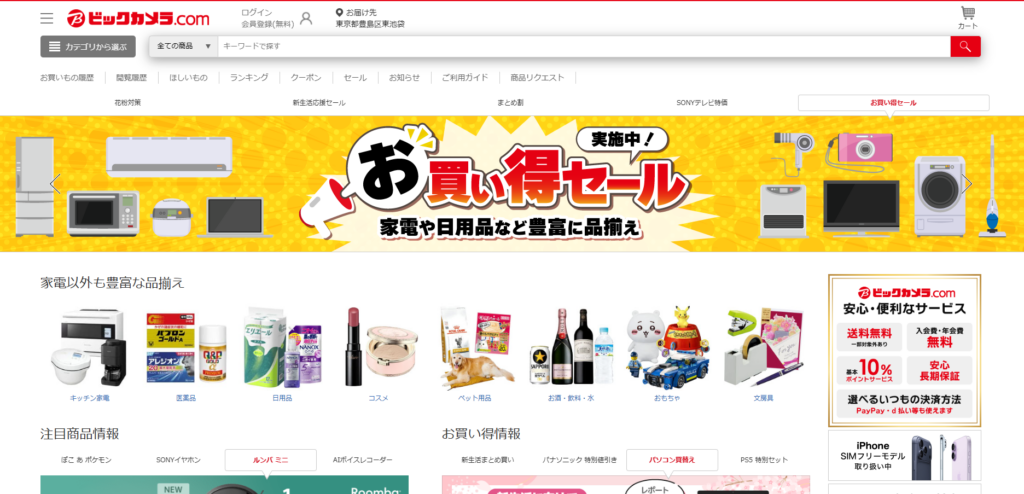
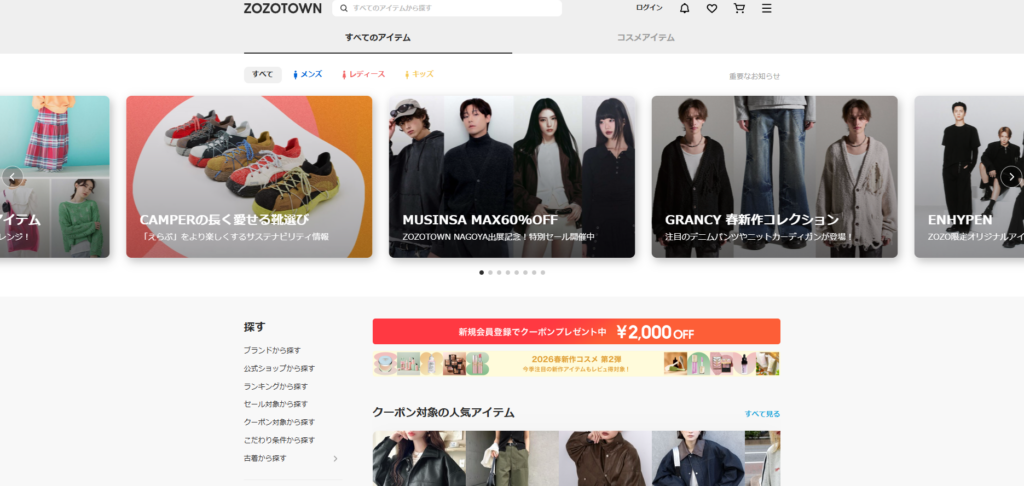
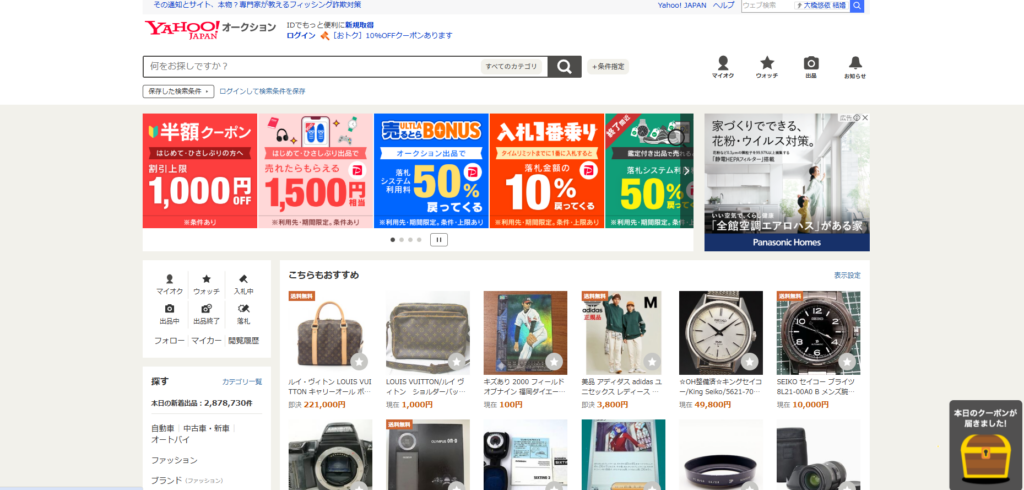
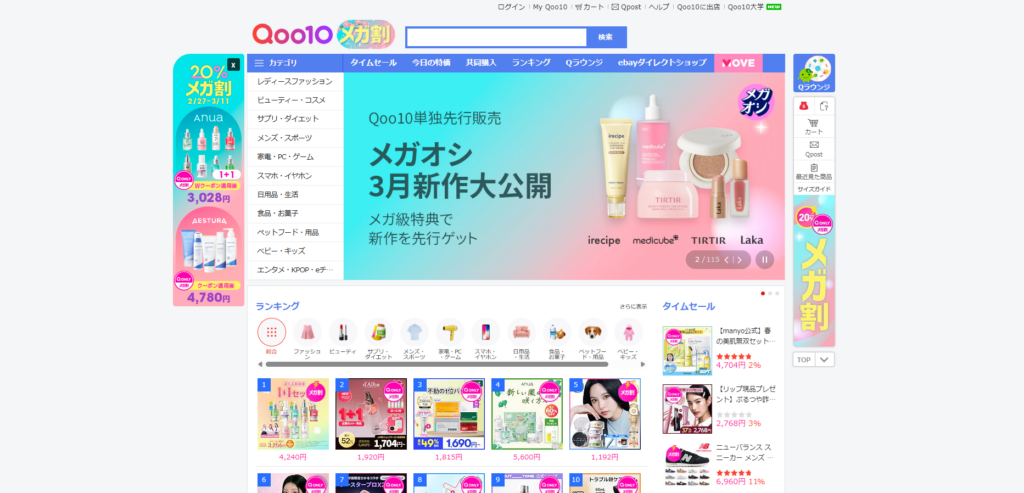
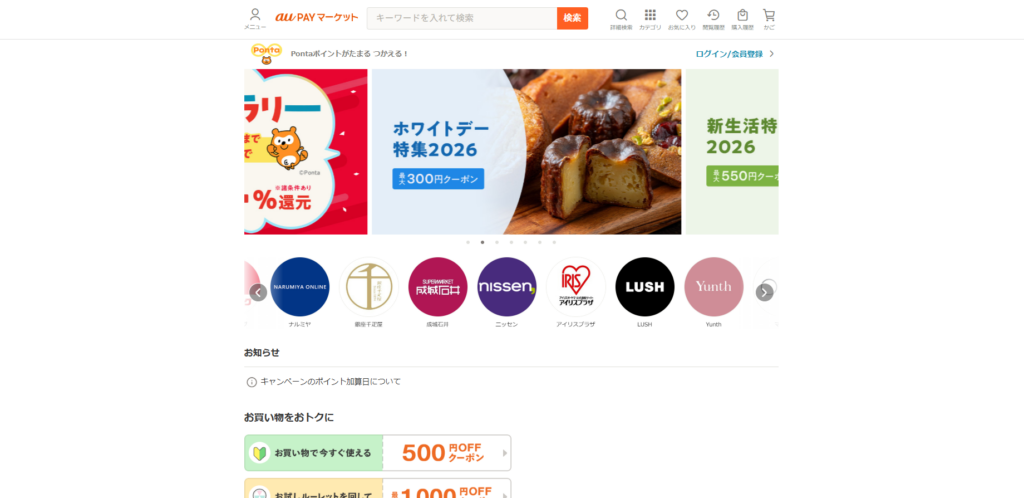
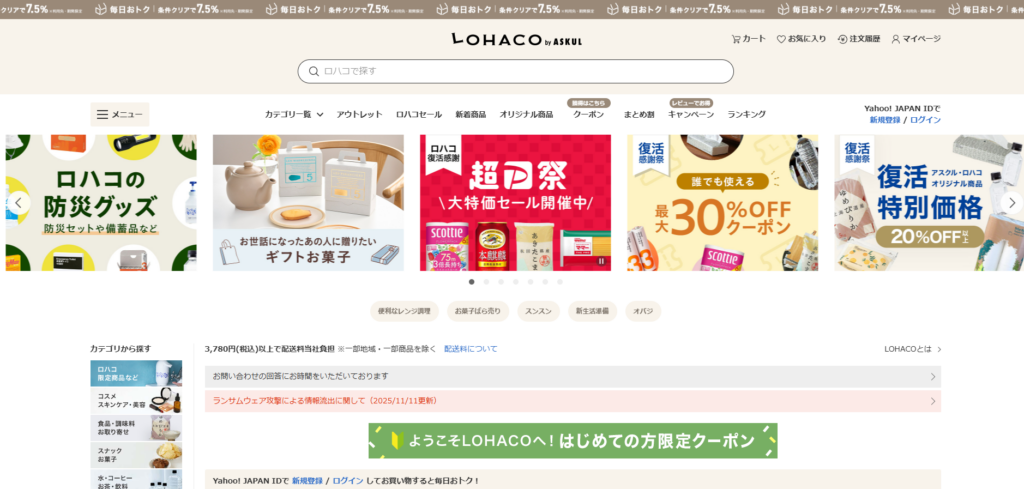
These platforms offer a huge variety of Japanese products that are highly popular worldwide. From the latest Japanese fashion brands to high-quality electronics, cosmetics, lifestyle goods, hobby items, and unique collectibles, you can access many of Japan’s best online stores through our purchasing service.
Even if the product you want is not listed on one of the major platforms above, you can still contact us. We can often assist with purchases from smaller Japanese websites, independent online shops, brand-specific stores, and selected offline products available in Japan. This makes our service highly flexible for customers who want to buy almost anything from Japan.
Contact us through the form below. Please send us your order item links or shopping list. Orders can be placed by chat or email, whichever is more convenient for you.
Key Considerations and Risk Management

Effective risk management is essential when coordinating international shipments from Japan. By anticipating potential delays, understanding insurance coverage, and avoiding common mistakes, businesses can safeguard timelines, costs, and customer satisfaction across borders. This section outlines practical strategies to minimize disruptions in customs, insure valuable cargo appropriately, and implement safeguards against typical errors in the forwarding process.
Avoiding Customs Delays and Troubles
Customs delays are among the most disruptive risks in international shipping. To minimize impact, adopt a proactive approach:
• Document accuracy: Ensure commercial invoices, packing lists, and certificates (origin, safety, sanitary) are complete and consistently match the declared goods. Mismatches trigger inspections and hold-ups.
• Tariff classification: Use precise HS codes and confirm eligibility for preferential duties where applicable. Incorrect classifications can lead to penalties or delays.
• Compliance checks: Stay updated with Japanese export controls and destination country import regulations. Certain goods require licenses, permits, or restricted handling, which, if overlooked, cause delays or seizure.
• Accurate valuation: Declare correct goods value to avoid underpayments or overpayments and to facilitate smooth clearance.
• Pre-clearance and proactive communication: Coordinate with forwarders and customs brokers ahead of shipment to pre-advise customs authorities about the cargo, ETA, and required documents.
• Documentation readiness: Prepare digital copies of all documents in advance (incl. English translations where needed) to accelerate the clearance process.
• Packaging and labeling: Clear, compliant packaging and labeling reduces handling issues at origin and destination warehouses, decreasing the chance of rework delays at customs.
• Contingency plans: Establish alternative routing or carrier options, and maintain buffer inventory to absorb possible transit delays. Regularly review performance metrics with your forwarding partner to identify recurring bottlenecks.
Choosing Insurance and Coverage Scope
Insurance coverage protects against loss or damage during transit. Selecting the right policy depends on cargo type, value, and risk tolerance:
• Coverage levels: Consider “All-Risk” coverage for most general shipments, or “Named Perils” for specific risks (theft, pilferage, and certain damage types). Ensure the policy aligns with declared value and includes freight, handling, and customs-related risks.
• Valuation basis: Choose declared value that reflects true commercial value plus packing and handling costs. Avoid underinsurance, which may leave gaps in compensation.
• Total loss versus partial loss: Verify how the insurer handles partial damage or loss; some policies provide salvage rights or partial compensation, others may not.
• Transit coverage scope: Confirm coverage across all legs (origin pickup, air/sea carriage, destination handling, warehousing, last-mile delivery). Include coverage during intermediate storage if applicable.
• Exclusions and conditions: Read exclusions (e.g., high-value electronics, perishable goods, certain hazardous materials) and requirements (e.g., proof of value, photos of packaging). Discuss with the insurer to tailor coverage.
• Claim process: Understand required documentation, time limits for filing claims, and how loss verification is conducted. Work with a forwarder who can assist with claim submissions and provide prompt support.
• Premium optimization: Balance premium cost with risk exposure. For high-volume or high-value shipments, consider annual or multi-shipment policies to reduce per-shipment costs.
Common Mistakes and How to Prevent Them
Common mistakes undermine shipment reliability and increase costs. Recognize these pitfalls and implement preventive measures:
• Inaccurate product data: Mismatched descriptions, quantities, or HS codes cause clearance delays. Implement a standardized data entry process and cross-check documents before shipment.
• Poor packaging quality: Inadequate cushioning or weak packaging leads to damage claims. Use industry-standard packing methods and verify strength ratings for ocean and air transport.
• Incomplete or incorrect documents: Missing certificates, incorrect addresses, or unsigned documents halt processing. Maintain a pre-shipment checklist and digital repository accessible to all stakeholders.
• Not aligning incoterms with responsibility: Misunderstanding who bears costs (delivery, customs, duties) leads to unexpected charges. Clearly define incoterms in the contract and confirm with the forwarder.
• Overlooking regulatory changes: Regulatory updates can alter duties, permitted goods, or labeling requirements. Subscribe to regulatory updates and review shipments quarterly for compliance alignment.
• Underestimating lead times: Ambitious schedules without buffer time increase risk for missed deadlines. Build lead times that account for peak seasons, holidays, and potential inspections.
• Communication gaps with partners: Fragmented communication can cause miscoordination. Establish a single point of contact and regular status updates across procurement, logistics, and recipients.
• Inadequate insurance review: Using outdated or insufficient coverage leaves gaps. Periodically reassess insurance needs against shipment profiles and adjust policies accordingly.
• Neglecting traceability: Lack of tracking data impedes issue resolution. Ensure end-to-end visibility with real-time tracking capabilities and proactive exception alerts.
• Poor post-shipment follow-up: Failing to collect feedback or analyze incidents misses opportunities to improve. Conduct post-mission reviews and apply lessons learned to future shipments.
Cost-Effective and Reliable Forwarding Companies: A Practical Guide

For overseas buyers and跨境EC sellers, choosing a capable and affordable forwarding partner is crucial to ensure smooth cross-border shipments from Japan. This section presents recommended forwarders, highlights their strengths, and provides a clear checklist to evaluate and initiate cooperation. The aim is to help you secure reliable logistics with transparent pricing, comprehensive services, and seamless communication.
Recommended Forwarding Companies
Choosing a forwarder with proven transit times, robust customs support, and end-to-end handling is essential. The following types of providers are commonly recommended for Japan-to-global shipments:
1) Multinational Japan forwarding specialists with global network coverage and in-house customs expertise. They offer door-to-door collection, consolidation, and direct delivery to destinations in over 200 countries, with scalable options for individuals to corporations.
2) Niche-forwarders focused on e-commerce fulfillment (Amazon FBA, eBay, Shopee) that provide seller-specific services, including product verification, packaging optimization, and label compliance for various marketplaces.
3) Full-service export agents who handle procurement, verification, labeling, and compliant export documentation, ideal for buyers who require a single point of contact from origin to destination.
4) Price-competitive carriers leveraging direct carrier discounts and minimal margins, delivering cost savings for high-volume shipments while maintaining reliable service levels.
Note: When selecting a forwarder, confirm their ability to gather goods from multiple sites (shop, warehouse, supplier) and consolidate for overseas transport, plus end-to-end support from pick-up to destination.
Strengths of Each Company and How to Choose
To evaluate a forwarding partner, consider these common strengths and how they align with your needs:
• Comprehensive end-to-end service: pick-up, inspection, packing, freight, customs clearance, and final delivery reduce your coordination burden.
• Transparent pricing: clear breakdowns, no hidden fees, and options for consolidated shipping to lower unit costs.
• Global network and reliability: established routings, carrier partnerships, and track-and-trace capabilities to minimize delays.
• Compliance and risk management: knowledge of export/import regulations, insurance options, and damage prevention measures.
• Market-specific support: familiarity with marketplace requirements (Amazon FBA, Rakuten, Yahoo Shopping, Mercari) to streamline fulfillment.
• Flexible intake points: ability to collect from anywhere in Japan (headquarters, warehouses, storefronts, suppliers) and support for small to large volumes.
How to choose:
- Match scope: Ensure the forwarder can handle your product category, destinations, and packing requirements.
- Assess cost structure: Compare base rates, fuel surcharges, documentation fees, and insurance costs.
- Evaluate service levels: Look for timeliness, accuracy of customs paperwork, and packaging quality.
- Check support channels: responsive communications, proactive issue resolution, and language support for international partners.
- Request references: ask for case studies or testimonials in your industry.
Implementation Process and Key Inquiry Points
Getting started with a new forwarding partner involves a simple, structured process. Use these steps and questions to ensure a smooth onboarding:
1) Initial consultation
• What are your typical transit times for main routes (Japan to Europe, North America, Southeast Asia)?
• Do you offer door-to-door collection and delivery, or are operations limited to port-to-port?
• What marketplaces and seller programs do you support (Amazon FBA, eBay, Shopee, etc.)?
• What documentation do you require from us to start a shipment?
2) Quotation and service design
• Can you provide a transparent cost breakdown (freight, handling, packing, insurance, duties/taxes estimation)?
• Do you offer consolidation options to reduce cost for small items?
• How do you handle packaging optimization and damage prevention?
• What insurance options exist, and what coverage limits apply?
3) Trial / pilot shipment
• Is a pilot shipment possible to validate timing and service quality?
• How is tracking and issue escalation managed during transit?
4) Onboarding and ongoing operations
• Who is the dedicated point of contact, and what are the escalation procedures?
• How are customs declarations customized for your product category and destination country?
• What is the process for claim handling in case of loss or damage?
5) Performance monitoring
• What KPIs are tracked (on-time delivery, claim rate, transit time variance, error rate)?
• How often are service reviews conducted, and how are improvements implemented?
Inquiry and contact point: For initial inquiries and formal proposals, reach out at your earliest convenience to discuss requirements, timelines, and destinations. Use the following contact channel to start a dialogue:
Buying Japanese Products from Overseas – Easy, Safe, and Reliable Worldwide Delivery
Many Japanese online stores do not offer international shipping. However, customers overseas can still purchase authentic Japanese products easily by using a professional Japan proxy shopping service.
A proxy shopping service purchases products on behalf of international customers in Japan and ships them overseas. This allows buyers worldwide to shop from popular Japanese marketplaces such as Amazon Japan, Rakuten, Mercari, and Yahoo Auctions, even when those stores do not ship internationally.
Our service can also combine multiple orders into a single shipment, which can significantly reduce international shipping costs. This is one of the most efficient ways to buy from Japan while keeping total costs low.
We introduce Worldwide-Courier.
①Shipping service
We offer Worldwide-Courier, providing low-cost delivery from Japan to Malta and worldwide by air and sea. We support both exports from Japan and imports into Japan, so please feel free to contact us for a consultation or inquiry.
We are one of the most affordable logistics companies in Japan. We provide competitive shipping rates and reliable international delivery services.
email:info@worldwide-courier-japan.com
wechat:tradingjapankei
tel:+81-3-6300-5745
We provide international export logistics from Japan to over 200 countries worldwide. As one of Japan’s most cost-effective shipping companies, we help reduce transportation costs between Japan and your country with competitive pricing and dependable service. We utilize trusted global carriers such as UPS and FedEx to ensure fast, secure, and trackable delivery.
Payment is accepted via Wise or major credit cards for safe and convenient international transactions. You can easily contact us through LINE, WhatsApp, email, or our online inquiry form.
If you are looking for affordable Japan export shipping, a reliable Japanese logistics partner, and lower international freight costs, we are your best choice. Contact us today and start saving on your shipments from Japan.
With the current weak Japanese yen (JPY), overseas customers can significantly reduce their total product purchasing and international shipping costs from Japan.
Because our Japan-origin freight forwarding rates are based in Japanese yen, overseas businesses and individual buyers can benefit from favorable exchange rates, resulting in lower effective costs for air freight, sea freight, proxy shopping, and international shipping services.
If you are looking for cheap shipping from Japan, low-cost air or ocean freight, or reliable customs clearance support, now is an excellent time to take advantage of the favorable currency difference.
Contact us today for a free consultation and a competitive shipping quotation.
②Japan product agent service
We can buy Japanese products and ship them to countries worldwide.
We provide both international shipping and purchasing services, so we can handle both the purchase of products in Japan and the shipment to your country.
Buy Authentic Japanese Products with Our Trusted Shopping Agent Service. We help customers worldwide purchase items directly from popular Japanese online stores such as Amazon Japan, Rakuten, Yahoo! Shopping, Mercari, and more. If a store does not ship internationally, we buy on your behalf and deliver safely to your country. Enjoy access to exclusive Japanese brands, limited editions, electronics, fashion, cosmetics, and collectibles at competitive prices. Our service offers secure payments, careful inspection, reliable packaging, and fast international shipping.
Japanese Product Shopping Agent Service – Buy from Japan and Ship Worldwide
Our Japanese Shopping Agent Service allows customers around the world to purchase authentic products directly from Japan. Many Japanese online stores do not ship internationally, which makes it difficult for overseas buyers to access popular and exclusive Japanese products. Our service solves this problem by purchasing items on your behalf and shipping them safely to your country.
We support a wide range of popular Japanese online marketplaces and retail stores. Whether you are looking for fashion, electronics, cosmetics, collectibles, hobby items, anime goods, daily-use products, or limited Japanese products, we can help you purchase them and arrange reliable international shipping.
We can also help you purchase products from smaller Japanese websites, specialty stores, local shops, and suppliers that may not support overseas customers. In many cases, if the product can be bought in Japan, we can help you buy it. This makes our service ideal for customers in Malta who want flexible access to almost anything sold in Japan.
Our service is suitable for:
• personal shopping from Japan
• Japan proxy buying
• e-commerce sourcing
• wholesale and bulk orders
• limited-edition and hard-to-find Japanese products
• combined shipping to reduce international delivery costs
CTA: If you have a product link, product name, screenshot, or shopping list, send it to us through our contact form. We will check availability, provide support, and help you buy and ship your items from Japan smoothly and safely.
Supported Japanese Shopping Platforms
These platforms offer a huge variety of Japanese products that are highly popular worldwide. From the latest Japanese fashion brands to high-quality electronics, cosmetics, lifestyle goods, hobby items, and unique collectibles, you can access many of Japan’s best online stores through our purchasing service.
Even if the product you want is not listed on one of the major platforms above, you can still contact us. We can often assist with purchases from smaller Japanese websites, independent online shops, brand-specific stores, and selected offline products available in Japan. This makes our service highly flexible for customers who want to buy almost anything from Japan.
Contact us through the form below. Please send us your order item links or shopping list. Orders can be placed by chat or email, whichever is more convenient for you.
Important Operational Notes
All shipment information must be provided accurately before dispatch. Incorrect or incomplete information may result in shipment delays, additional costs, or reprocessing fees.
Customers are required to provide carton dimensions and weight in advance, as shipping costs are calculated based on chargeable weight (actual weight vs volumetric weight).
For shipments involving special materials such as wooden packaging, additional processing fees may apply depending on carrier requirements.
While standard shipping fees are clearly defined, any exceptional charges imposed by carriers will be billed separately as actual expenses.
Final Summary and Business Advantage
Shipping from the USA to Japan requires a complete understanding of logistics processes, cost structures, and operational conditions. By preparing accurate documentation, optimizing packaging, and selecting the right logistics partner, businesses can significantly reduce costs while ensuring fast and reliable delivery.
For companies involved in international trade, mastering these logistics fundamentals is essential for maintaining competitive pricing, improving supply chain efficiency, and expanding successfully into the Japanese market.
Introducing Worldwide Courier Japan – Your Trusted International Shipping & Import/Export Logistics Partner.
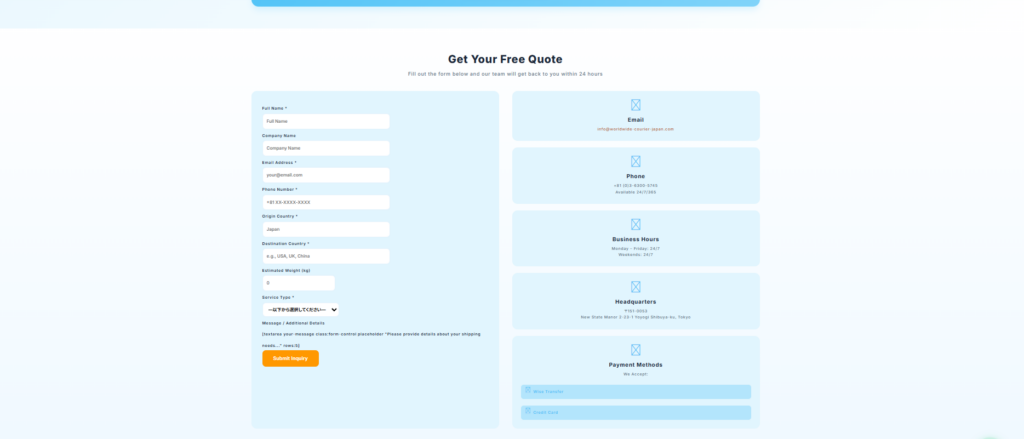
Worldwide Courier Japan provides low-cost international shipping services both from Japan to worldwide destinations and from overseas to Japan. We specialize in global import and export logistics, offering reliable air freight and sea freight solutions for businesses and individuals.
Our services cover export shipping from Japan as well as import shipping into Japan, including commercial cargo, e-commerce shipments, bulk freight, and personal packages. Whether you need to ship goods overseas or import products into Japan, we provide efficient, fast, and cost-effective logistics solutions.
If you are searching for cheap international shipping from Japan, import shipping to Japan, reliable freight forwarding companies in Japan, or global logistics services, Worldwide Courier Japan is your ideal partner. Contact us today for a free consultation.
Why Choose Worldwide Courier Japan for International Shipping & Import Services?
We offer competitive international shipping rates for both exports from Japan and imports into Japan. Our logistics experts help you choose the most efficient and affordable shipping method, whether via express courier, air cargo, or sea freight. We support small parcels, bulk shipments, and commercial cargo with optimized cost and delivery speed.
As one of the most cost-effective logistics companies in Japan, we help you reduce shipping costs for both outbound and inbound logistics while ensuring secure and reliable delivery worldwide.
Email: info@worldwide-courier-japan.com
WeChat: tradingjapankei
Tel: +81-3-6300-5745
We work with global carriers such as UPS and FedEx to provide fast, secure, and trackable international delivery services. Our network enables seamless shipping from Japan to the world and smooth import logistics into Japan from overseas.
We accept secure payments via Wise and major credit cards. Contact us easily via LINE, WhatsApp, email, or our online inquiry form for quick support and shipping quotations.
If you are looking for cheap shipping from Japan, import services to Japan, reliable freight forwarding in Japan, or cost-effective international logistics solutions, Worldwide Courier Japan is your best choice.
We support both exporting Japanese products worldwide and importing goods from overseas into Japan with efficient and affordable logistics solutions.
We provide both international shipping services and Japan purchasing (shopping agent) services.
Buy authentic Japanese products with our trusted shopping agent service. We also support importing products into Japan from overseas suppliers. Whether you are sourcing goods globally or purchasing from Japan, we handle procurement, inspection, packaging, and international delivery.
We support major platforms such as Amazon, Rakuten, Yahoo! Shopping, and Mercari. If international shipping is not available, we purchase on your behalf and deliver safely worldwide or import into Japan.
Enjoy secure payments, reliable logistics, and professional support for both export and import operations.
Contact us here:
https://worldwide-courier-japan.com/#contact