
If you’re shipping Japanese products to Spain, this guide helps you navigate the complexities with confidence. From understanding export regulations and essential documents to mastering customs, duties, and cost-saving shipping strategies, you’ll gain a clear roadmap for reliable, economical international forwarding. Learn how to choose the right shipping method, ensure safe packing and insurance, and leverage a one-stop Japan forwarding service to handle collection, inspection, packing, transport, and customs clearance. Real-world examples show how EC sellers, manufacturers, and procurement teams can streamline cross-border orders to Spain while maintaining quality and timely delivery. This article also provides practical checklists for shipping readiness, tips to boost buyer trust, and criteria to compare forwarders—so you can reduce risk and optimize global logistics from Japan to Europe.
- Essential Basics for Shipping Japanese Products to Spain
- Shipping Rates from Japan to Spain
- How It Works
- Step 1: Prepare the Shipment
- Step 2: Email the Shipping Documents to Us (Invoice + Packing Details)
- Step 3: We Email You the Two Documents Required for Shipment (Air Waybill/Label + Invoice)
- Step 4: Courier Pickup at Your Location / Domestic Warehouse — Shipment Dispatched
- Step 5: Delivery and Receipt
- Input Format
- Transaction Flow (Detailed Version)
- Transit Time
- Cost Components
- Knowledge About Restricted and Dangerous Goods (Including CITES/Washington Convention Items)
- Cost-Saving Tips for Shipping
- Efficient and Cost-Effective Solutions for Shipping from Japan to Overseas
- Choosing a Reliable International Forwarding Partner for Overseas Shipments
- How to Place an Order (Easy Japan Proxy Buying & International Shipping)
- Japanese Product Shopping Agent Service – Buy from Japan and Ship Worldwide
- Supported Japanese Shopping Platforms
- Maintaining Japanese Product Quality and Preventing Shipping Disputes
- Practical Guide to Successful Shipping to Spain
Essential Basics for Shipping Japanese Products to Spain
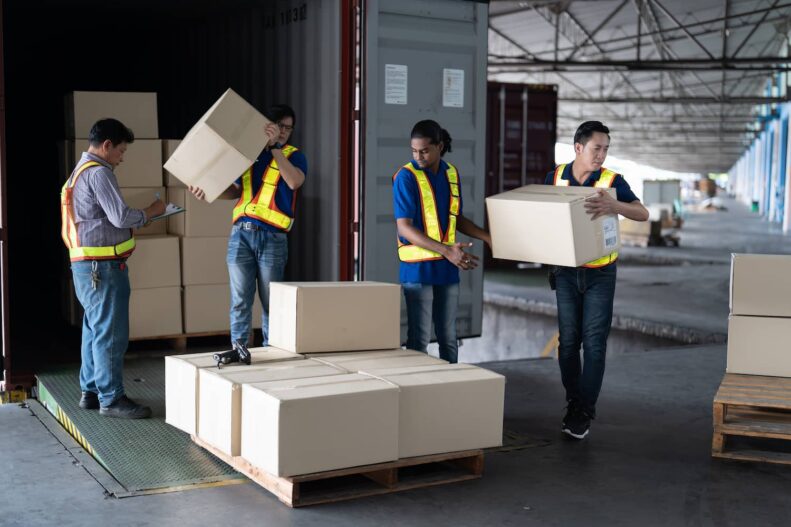
Shipping Japanese products to Spain requires understanding regulatory frameworks, required documentation, and practical steps to ensure smooth cross-border logistics. This guide focuses on concrete, actionable points for importers, exporters, and overseas buyers looking to optimize cost, speed, and compliance when bridging Japan and Spain.
Export Regulations and Required Documents
Compliance with Japanese export rules is the foundation of reliable international shipments. Key considerations include product eligibility, export controls, and documentation accuracy. For most consumer goods, the process involves confirming that the item is not restricted or prohibited for export, arranging proper commercial documentation, and adhering to any destination country restrictions.
Core documents typically required when exporting from Japan to Spain include:
• Commercial Invoice: Clearly lists seller, buyer, item descriptions, quantities, unit prices, total value, and incoterms. Accurate HS codes enhance customs clarity and tariff classification.
• Packing List: Details weight, dimensions, and packaging specifics for each SKU, aiding carrier handling and customs inspection.
• Export Declaration (Commodity Code/HS Code): Proper classification under Japan’s export control system. Correct codes facilitate smooth clearance and accurate duties assessment.
• Bill of Lading or Air Waybill: Evidence of contract and transport security, depending on shipment mode (sea or air).
• Certificate of Origin (if required): In some cases, demonstrates the product’s origin for preferential treatment or regulatory purposes.
• Safety and Compliance Certifications: Depending on product type (electronics, cosmetics, food, toys, medical devices), ensure applicable certifications, standards, and labeling meet both Japanese export rules and Spanish/EU import requirements.
• Packaging and labeling compliance: Ensure labeling in the destination language or compliant multilingual labeling where required, including ingredient lists, warnings, and country of origin statements as applicable.
Proactive preparation of these documents reduces clearance delays and minimizes misclassification risks. When possible, align paperwork with the destination country’s customs expectations and keep digital copies readily shareable with freight forwarders and customs brokers.
Fundamentals of Customs Procedures and Tariffs
Understanding Spain’s customs framework within the EU helps prevent delays and unexpected costs. Import duties, VAT, and customs procedures depend on product type, value, and origin. Spain relies on the EU’s common external tariff, and importers must determine whether goods are subject to duties, VAT, or exemptions.
Key steps in the customs process include:
• Import classification: Correct HS code assignment influences duty rates and regulatory requirements. Misclassification can cause delays and penalties.
• customs declaration: Traders or their representatives submit a formal declaration detailing goods, value, origin, and relevant documents to the Spanish Tax Agency (Agencia Tributaria) via the European Union’s customs procedure.
• Duties and VAT: Duties may apply based on product category and country of origin. VAT is generally charged at the standard rate applicable in Spain and collected on import along with any duties. Some items may benefit from reduced or zero rates under EU rules.
• VAT handling: Import VAT can often be deferred or paid through customs; some importers may use post-BREXIT or special regimes depending on their business structure and the nature of the shipment.
• Customs clearance timeline: Clearance times vary by shipment complexity, HS classification accuracy, completeness of documents, and the efficiency of the declared value. Accurate documentation and proper valuation expedite processing.
• Compliance checks: Customs may request additional information or samples for verification. Respond promptly to ensure smooth clearance and avoid penalties or hold-ups.
Best practices for efficient Spain-bound shipments include working with a reputable freight forwarder or customs broker familiar with EU and Spanish import rules, providing precise product descriptions, and ensuring all documentation aligns with declared values and classifications. Clear communication with your logistics partner about intended use, end customer, and shipping method helps tailor the most efficient route and clarify any potential tariff considerations in advance.
Shipping Rates from Japan to Spain
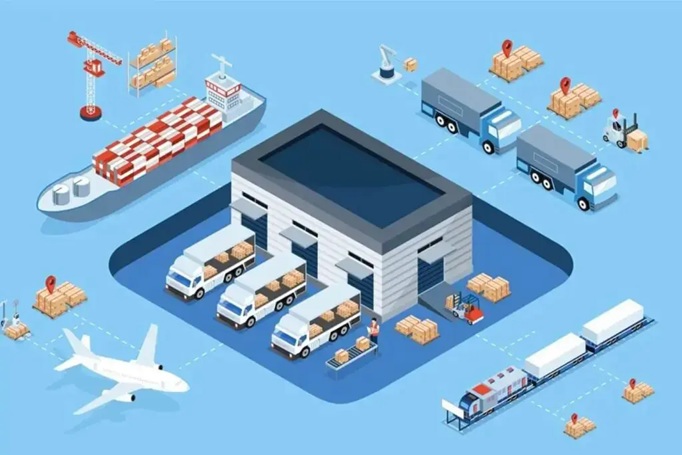
◇Shipping Rate Table (Prices Shown as Rate per Weight)
Japan→Spain
【Spain Export — Preferred Rates】
0.5kg :3,649 JPY
1kg :4,353 JPY
1.5kg :5,195 JPY
2kg :5,822 JPY
2.5kg :6,485 JPY
3kg :7,095 JPY
3.5kg :7,741 JPY
4kg :8,316 JPY
4.5kg :8,981 JPY
5kg :9,554 JPY
5.5kg :10,298 JPY
6kg :10,870 JPY
6.5kg :11,317 JPY
7kg :11,836 JPY
7.5kg :12,356 JPY
8kg :12,559 JPY
8.5kg :12,764 JPY
9kg :12,930 JPY
9.5kg :13,209 JPY
10kg :13,431 JPY
10.5kg:25,080 JPY
11kg :25,552 JPY
11.5kg:26,020 JPY
12kg :26,492 JPY
12.5kg:26,994 JPY
13kg :27,463 JPY
13.5kg:27,857 JPY
14kg :28,292 JPY
14.5kg:28,723 JPY
15kg :29,266 JPY
15.5kg:29,481 JPY
16kg :29,555 JPY
16.5kg:29,626 JPY
17kg :29,660 JPY
17.5kg:29,731 JPY
18kg :29,768 JPY
18.5kg:29,808 JPY
19kg :29,950 JPY
19.5kg:30,024 JPY
20kg :30,058 JPY
※UPS fastest service level with tracking number included.※
※We also support Japan Post EMS, International ePacket, standard air shipping, SAL, and sea freight. If you prefer any of these options, please let us know.
【Spain Export — Preferred Rates】
・21-49kg :1,200 JPY per kg
・50-99kg :990 JPY per kg
・100-299kg:850 JPY per kg
・300-499kg:830 JPY per kg
・500-999kg:820 JPY per kg
・1000-2000kg:790 JPY per kg
The above rates are quoted as a per-kilogram unit price. For the total shipping cost by weight bracket, please refer to the examples on the right.
In addition to the shipping charges above, a fuel surcharge will apply. Fuel surcharge rates may be revised monthly or weekly depending on the carrier you use.
Customs duties, import VAT/sales tax, and other destination charges incurred at local customs clearance will be billed to the consignee (recipient) by the carrier.
How It Works
world wide courier provides international logistics and air freight forwarding services for trading businesses that need professional shipping support.
We support both export and import shipments to and from Spain, China, Hong Kong, South Korea, Europe, North America, Southeast Asia, India, Africa, and many other countries worldwide.

By using major courier networks (FedEx, UPS, DHL), we ensure stable and fast delivery. In addition, our highly competitive shipping rates help reduce your ongoing logistics costs and lower your overall procurement cost.
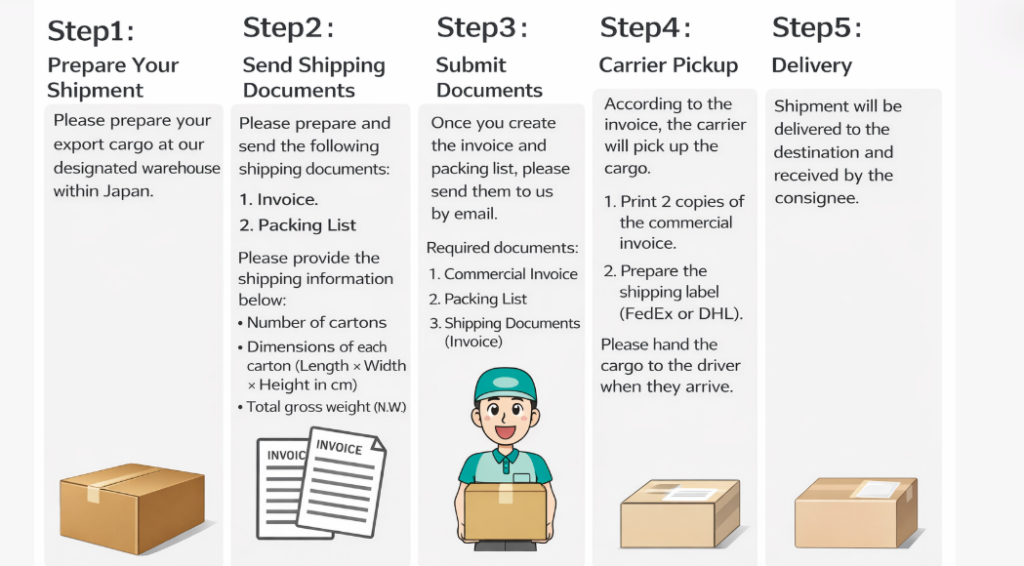
Step 1: Prepare the Shipment
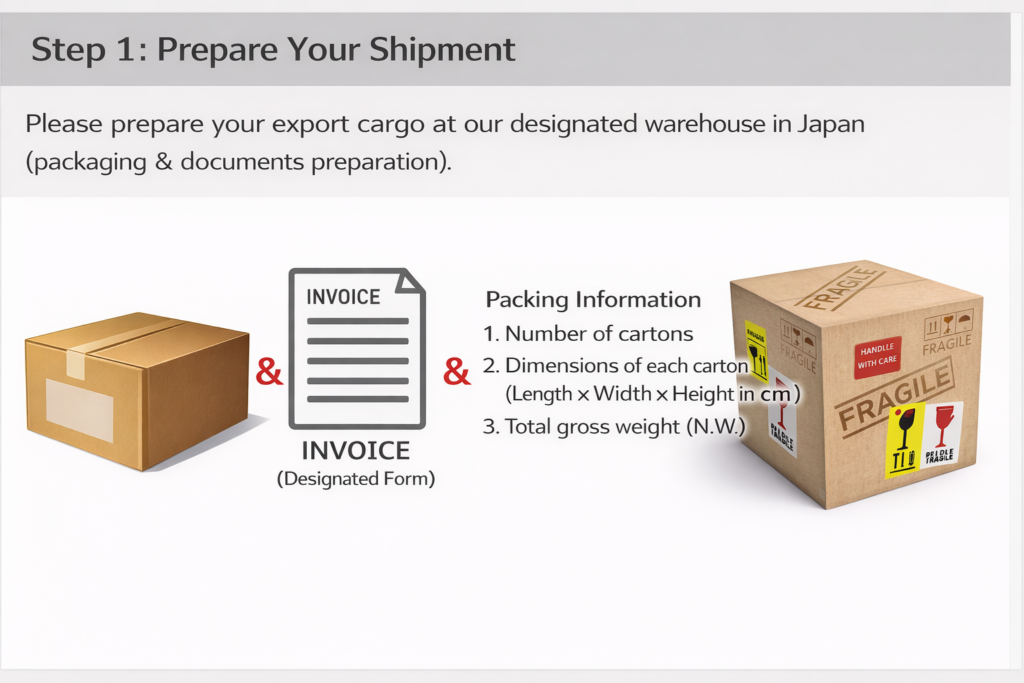
Prepare the shipment at the domestic pickup location (packing and documentation preparation).
Step 2: Email the Shipping Documents to Us (Invoice + Packing Details)
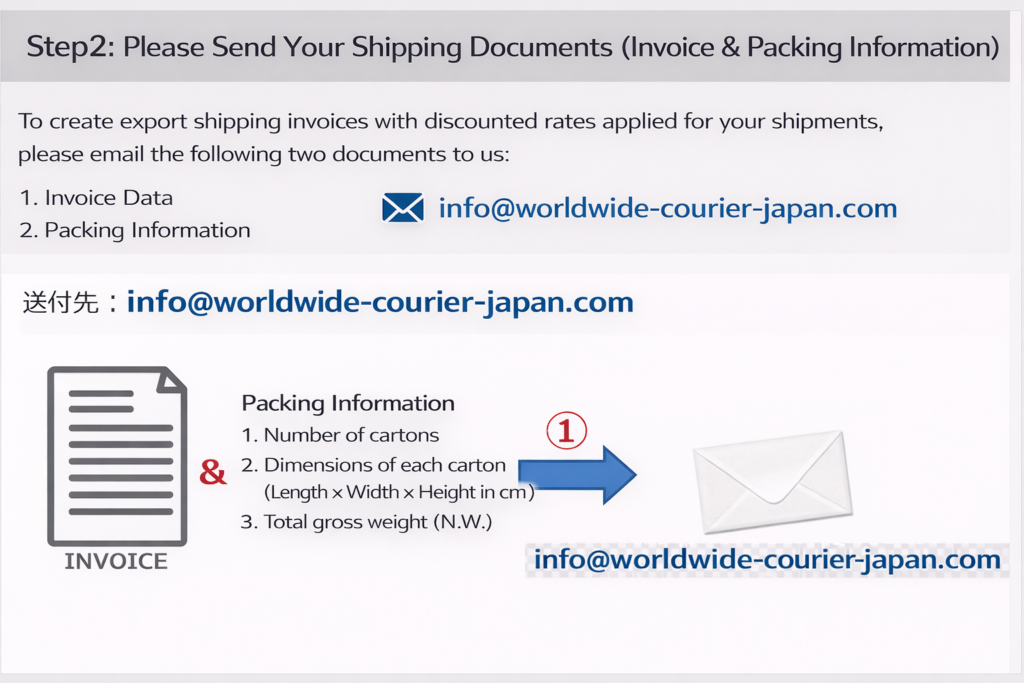
We will create the shipping documents using the special discounted rates provided for each customer. Please email the following two documents to our office as attachments.
1. “Invoice”
2. “Packing List”
Email: info@worldwide-courier-japan.com
<Common Invoice Items That Are Often Missing>
1. Postal code (shipper side / pickup location)
2. Contact person name (shipper side)
3. Phone number for the pickup location (shipper side)
※The above three items are required to create the documents.
If any of these are missing, we cannot issue the documents, so please confirm in advance before requesting shipping.
<Required Packing List Information>
1. Total number of cartons/boxes
2. Dimensions of each carton (L cm × W cm × H cm — all three sides required)
3. Total weight (N.W.): total weight after packing
※In some cases, the packing list is missing these required details. These are necessary for document creation, so please confirm in advance.
※If you do not have a packing list, please confirm the above information with the shipper and share it with us.
<About “Chargeable Weight,” Which Determines the Shipping Cost>
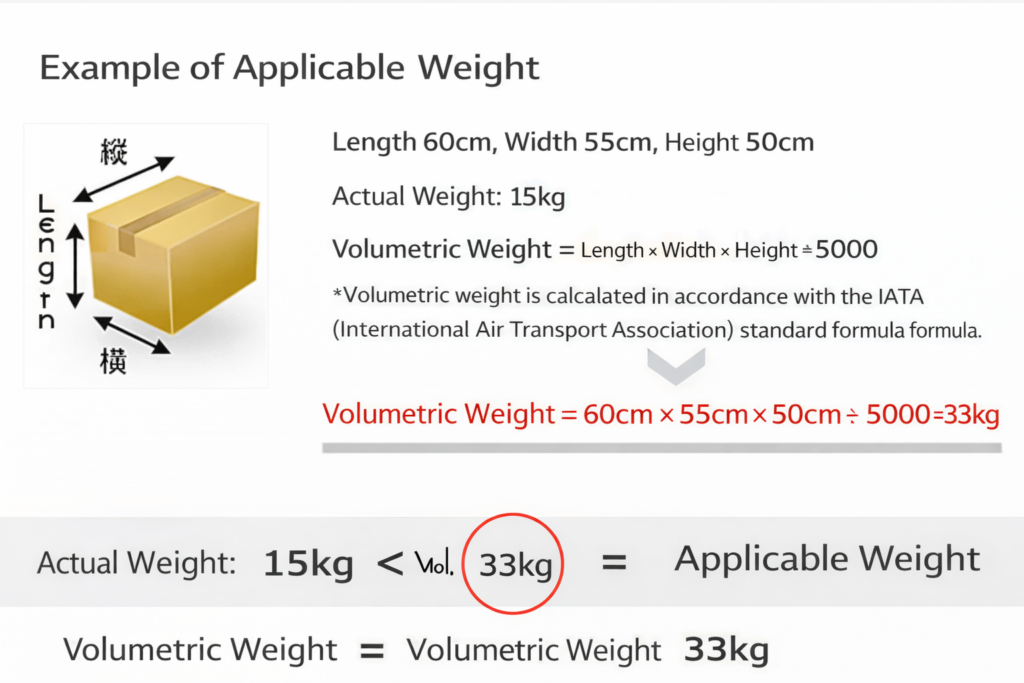
Based on IATA (International Air Transport Association) standards, the greater of the “actual weight after packing” and the “volumetric (dimensional) weight” is used as the “chargeable weight.”
Step 3: We Email You the Two Documents Required for Shipment (Air Waybill/Label + Invoice)
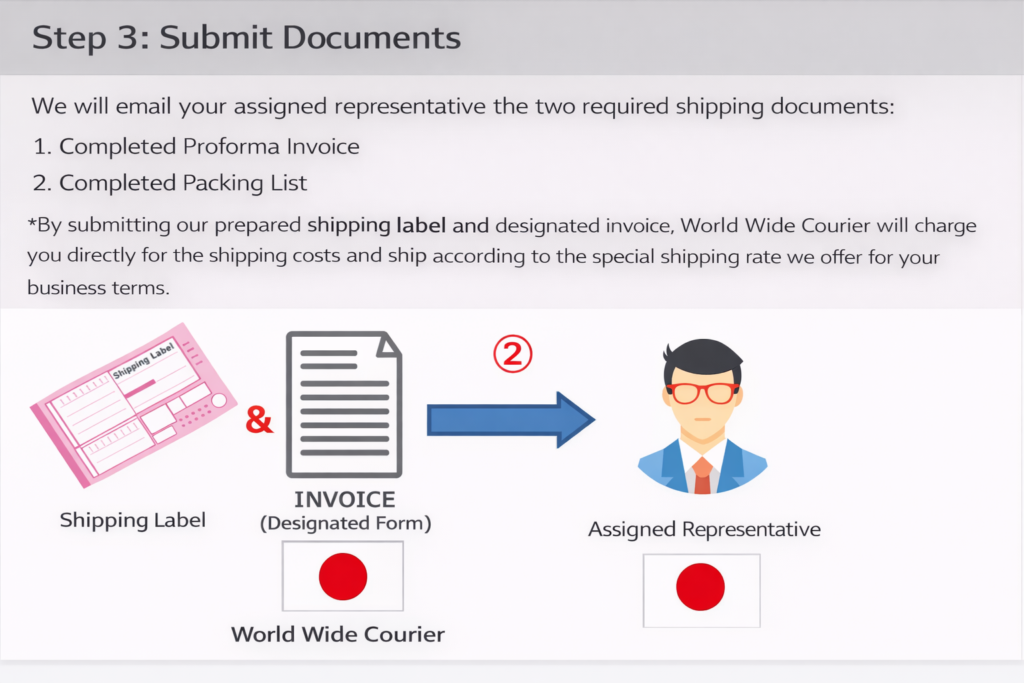
We will email the two documents required for shipping (air waybill/label and invoice) to your 담당者.
1. We confirm missing details in the “Invoice” and “Packing List” you provided.
2. Based on those documents, we create the “Air Waybill/Label” and the “Invoice (official format)” and email them to you.
※When you ship using the documents created by us, the shipping charges are billed to us. This allows you to ship using your customer-specific discounted rates. Under your trading terms, we will invoice you for the shipping charges accordingly.
Step 4: Courier Pickup at Your Location / Domestic Warehouse — Shipment Dispatched
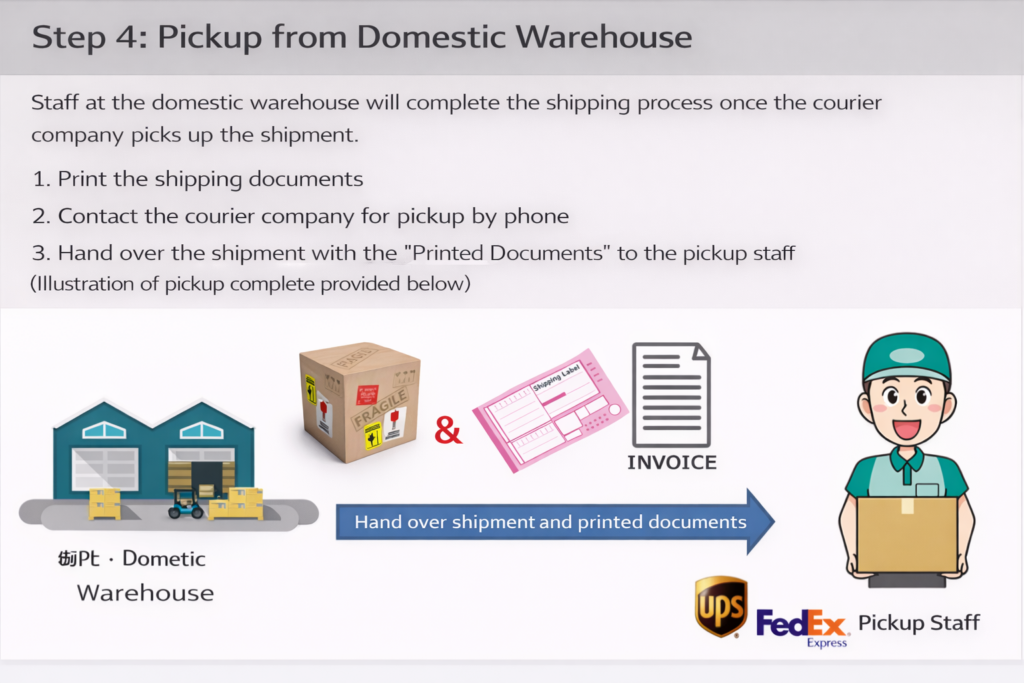
At the pickup location in Japan:
1. Print the documents
2. Call the courier to request pickup
3. Hand the shipment and the two printed documents to the pickup driver to complete dispatch
Step 5: Delivery and Receipt
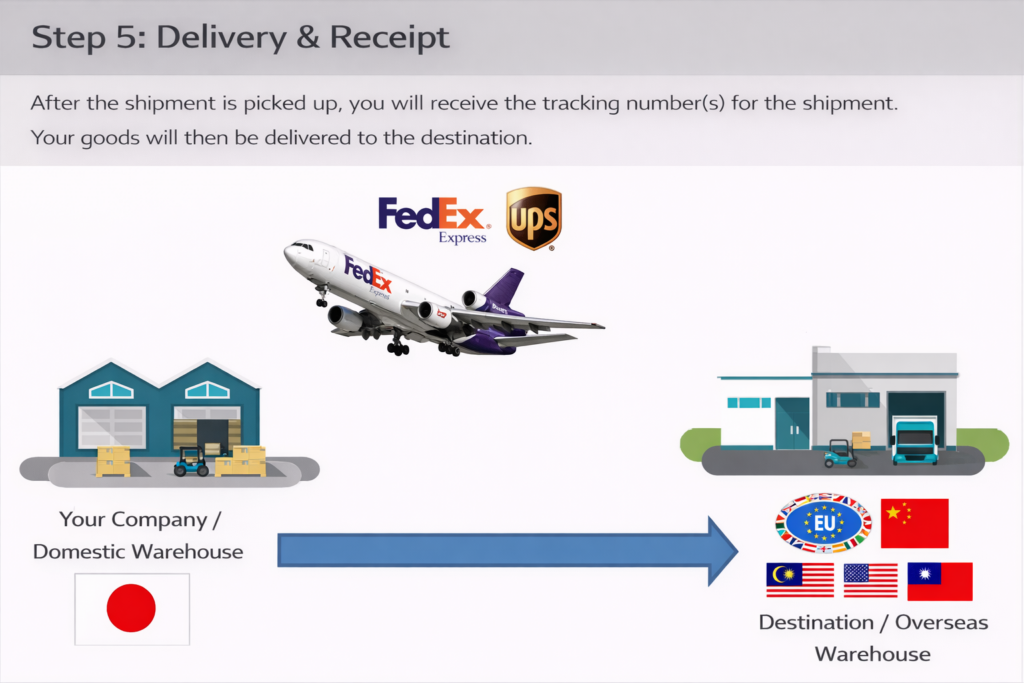
After dispatch, we will provide your tracking number. The shipment will then be delivered to the destination.

We offer good service.world wide courier offers affordable international delivery from Japan to Spain via air freight and sea freight. We support both exports and imports, so please contact us for a consultation or inquiry.
If you provide the information below, we can create the shipping label and documents for your shipment.
Input Format
◇Pickup Information (From)
1. Company name (or personal name)
2. Contact person name
3. Postal code
4. Address
5. Phone number
※This is the actual pickup location information.
◇Delivery Address (To)
1. Company name (or personal name) (※Must be written in English.)
2. Contact person name (※Must be written in English.)
3. Postal code
4. Address (※Must be written in English.)
5. Phone number
◇Packing Information
1. Number of cartons
2. Total weight
3. Dimensions of each carton (Length, Width, Height in cm)
◇Invoice Information
・Product name (Must be written in English.)
・Unit price (any currency is acceptable)
・Quantity
Once we receive the information above, we can arrange your shipment. world wide courier provides affordable shipping from Japan to Spain via air freight and sea freight, and we support both exports and imports. Please contact us anytime.
We look forward to your request.
Please let us know your current shipping frequency and shipping costs if available, as it will help us propose the best solution.
Regarding your planned shipping date:
If you can tell us your expected shipment date, the process will be smoother and faster.
You can ship using the above rates.
For export shipments, you may reply with the completed invoice attached, or you may provide the information below so that we can create the shipping documents.
◇Pickup Information (From)
1. Company name (or personal name)
2. Contact person name
3. Postal code
4. Address
5. Phone number
※This is the actual pickup location information.
◇Delivery Address (To)
1. Company name (or personal name) (※Must be written in English.)
2. Contact person name (※Must be written in English.)
3. Postal code
4. Address (※Must be written in English.)
5. Phone number
◇Packing Information
1. Number of cartons
2. Total weight
3. Dimensions of each carton (Length, Width, Height in cm)
◇Invoice Information
・Product name (Must be written in English.)
・Unit price (any currency is acceptable)
・Quantity
We will also guide you through the transaction flow.
Transaction Flow (Detailed Version)
<Flow>
1. Please reply with your completed invoice.
2. If there are no issues with the information, we will book the pickup.
※In the fastest case, pickup will be scheduled for the next business day after your request (typically between 11:00 and 17:00).
<Details: Export Shipment / Transaction Flow (Japan → Destination Country)>
The pickup process is as follows.
1. After packing is complete, please contact us.
2. Please prepare the invoice and packing information (number of cartons, weight, and carton dimensions).
※2-1. Shipper (Japan side) address, postal code, name, phone number, and company name
2-2. Consignee (delivery destination) address, postal code, name, phone number, and company name
2-3. Product name and unit price
3. After we confirm item 2, if there are no issues, we will arrange the pickup.
4. Pickup will be made within 1–2 business days at your designated location.
*We will email the electronic air waybill/label, so please provide the invoice and label together with the shipment to the pickup driver.
5. Shipment is dispatched.
7. Destination customs clearance process (personal or commercial)
8. If there are no issues, the shipment clears customs.
9. Delivery is completed.
*If there are no issues, steps 5–8 typically take about 2–5 days for arrival.
*A tracking number will be issued as a shipping record.
Transit Time

Estimated Delivery Days (Japan → Spain)
Estimated delivery time is approximately 4–6 days from the local dispatch date.
Delivery may be delayed due to customs conditions, weather, or other unforeseen circumstances. Thank you for your understanding.
world wide courier provides affordable delivery from Japan to Spain via air freight and sea freight. We support both exports and imports, so please contact us for inquiries or consultations .
Cost Components
1. Shipping fee + fuel surcharge (billed by us to you)
2. Import duty, import VAT/sales tax, customs clearance fees, and other charges incurred at destination customs (billed by the carrier to the recipient)
About “chargeable weight,” which determines shipping costs:
Based on IATA standards, the larger of “actual packed weight” and “volumetric (dimensional) weight” is used as the chargeable weight.
Knowledge About Restricted and Dangerous Goods (Including CITES/Washington Convention Items)
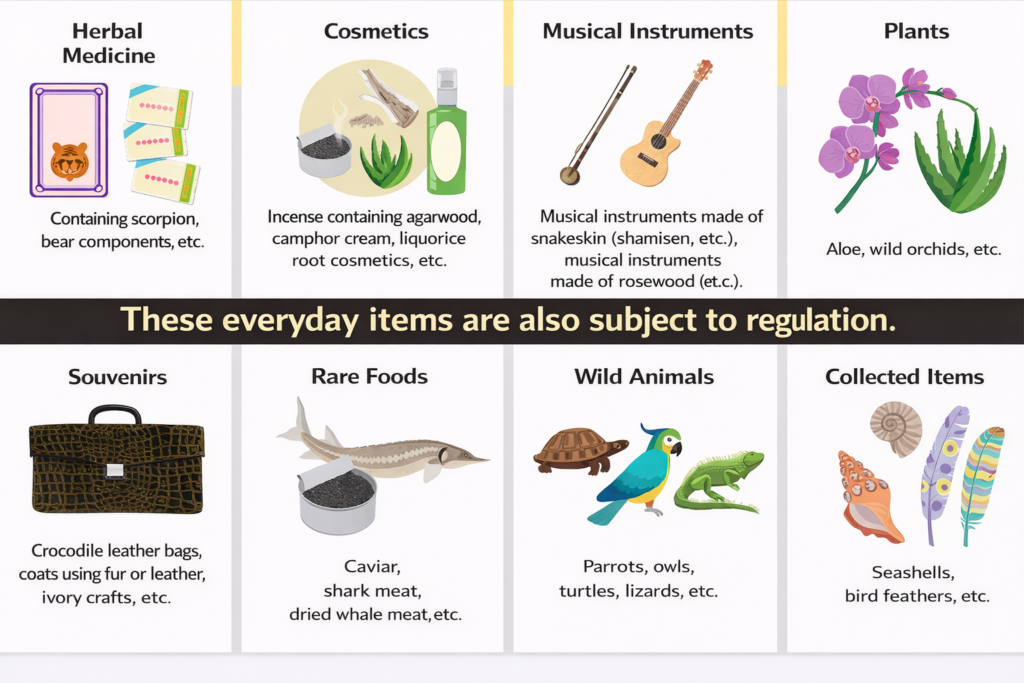
A–E: Compressed gas, alcohol products, flammable liquids, medicines, medical devices, liquids
F–K: Firearms, ammunition, stock certificates, precious metals, fruits, woven mats, volatile items, stamps, ice
S–T: Securities, bonds, oxidizing substances, sprays, plants, firearms-related items, perishable foods, letters/documents, magnets
T–N: Swords/blades, seeds, tobacco products, animals, poisons/toxins, currency, gambling items
N: Perishable goods, meat products
H–M: Jewelry, explosives, spoiled/rotting items, artwork, pornography, powders
M: Narcotics
Y–R: Chemicals/drugs, valuables/securities
R–W: Dairy products, lighters, items regulated under the Washington Convention (CITES)
In addition to the items listed above, there may be other prohibited items. Please contact us directly for details.
Some items may also be subject to handling restrictions or value limits.
The above is a complete guide to affordable shipping from Japan to Spain.
The cost of shipping from Japan to Spain depends on several factors including package weight, parcel dimensions, and shipping speed. Express courier services generally cost more but provide faster delivery.
For example, sending a small parcel weighing two kilograms from Japan to Spain using EMS may cost approximately 4,000 to 8,000 yen depending on size and delivery options.
Small parcels shipped using EMS may cost approximately 4,000 to 8,000 yen depending on the package dimensions and delivery options.
Cost-Saving Tips for Shipping

Reducing shipping costs without compromising reliability is essential for growing cross-border sales. By selecting the right transport method and optimizing packaging and insurance, businesses can achieve faster delivery at lower total costs while maintaining product safety and customer satisfaction. This section provides practical guidance on choosing the most cost-effective shipping option from Japan to overseas destinations and pairing it with protective packaging and appropriate insurance coverage.
Choosing the Right Delivery Method
The method you choose—air freight, sea freight, or a combination of services—has the biggest impact on overall landed cost and delivery speed. Consider these factors when deciding the best approach:
– Volume and weight: Sea freight offers lower per-unit costs for bulky shipments, while air freight is faster but more expensive. For high-volume, time-insensitive consignments, sea freight with consolidated solutions can yield significant savings.
– Destination and delivery window: If your buyers require rapid delivery to major markets, air freight or expedited courier services may be worth the premium. For less time-sensitive orders, standard ocean routes paired with efficient routing can cut costs substantially.
– Handling and value of goods: High-value, fragile items benefit from enhanced handling and quicker transit, often justifying higher transport costs. For non-perishable, durable goods, ocean shipment with solid packaging can minimize risk and expense.
– Consolidation opportunities: Grouping multiple orders from the same sender or supplier into a single shipment reduces per-item handling fees and enhances freight efficiency. A Japan forwarding service can coordinate collection from various origins, consolidate, and route to a global destination with optimized transit paths.
– Customs and lead times: Streamlined export documentation and proactive customs planning reduce dwell time and potential penalties. A reliable forwarding service that integrates export procedures can minimize delays and hidden costs.
Practical approach:
- Assess order profiles to determine if frequency and volume justify sea freight consolidation.
- Leverage multimodal options where appropriate to balance cost and speed.
- Request a freight bill of materials (FBOM) and compare total landed costs, not just base freight rates.
- Choose a service provider that offers end-to-end handling, including export clearance, routing optimization, and door-to-door delivery.
Packaging and Insurance for Cost Efficiency and Peace of Mind
Proper packaging and tailored insurance are not just risk management tools; they are cost-saving strategies. Well-designed packaging minimizes damage, reduces claim delays, and lowers insurance premiums by evidenced risk management:
– Robust outer packaging: Use strong, standards-compliant cartons with adequate cushioning (bubble wrap, air packs, or foam) and edge protection for heavy or irregular items. Consider double-wall boxes for high-shock items.
– Correct sizing: Avoid oversized packaging that increases dimensional weight; use snug boxes with appropriate inserts to prevent movement and damage during transit.
– Protective inner materials: Layered protection for electronics, porcelain, or fragile goods; include desiccants for moisture-sensitive items where applicable.
– Seal integrity and labeling: Reinforce seals and apply clear, accurate labeling, including handling instructions and consignee details to prevent misrouting.
– Insurance alignment: Match coverage to the item value, route risk, and transit time. For routine shipments, standard coverage may suffice; for high-value or irreplaceable items, higher limits and broader terms can avert costly losses.
– Claims readiness: Document item condition before packing (photos, serial numbers, and defects) and retain packaging materials for inspection in case of a claim.
Cost-saving packaging considerations:
- Standardized packaging sizes for common product categories to reduce material waste and streamline handling.
- Lightweight yet sturdy materials to lower dimensional weight charges on air shipments.
- Eco-friendly packaging options that satisfy carrier requirements and customer expectations while controlling costs.
Partner with a forwarding service that provides integrated packaging guidance, professional packing, and appropriate insurance options. This one-stop approach often yields lower total costs through optimized routing, reduced damage rates, and faster dispute resolution.
Efficient and Cost-Effective Solutions for Shipping from Japan to Overseas

As global demand for Japanese goods continues to rise, businesses and individuals seek reliable, affordable ways to move products from Japan to international markets. The key is a streamlined process that covers sourcing, collection, international transport, and customs clearance, all while maintaining competitive rates. This article presents practical options and proven partners that specialize in Japan-to-global shipping, highlighting why now is an ideal time to leverage Japan-forwarding services to expand your overseas trade.
Why the demand for Japanese products abroad is likely to keep growing
The appeal of Japanese goods stems from a blend of high quality, innovation, and strong brand trust. Consumers overseas recognize durability, design, and meticulous craftsmanship across electronics, cosmetics, automotive accessories, fashion, and traditional crafts. E-commerce growth and cross-border shopping platforms further amplify visibility, while regional distributors seek dependable supply lines. For exporters, this sustained demand translates into steady volumes, justifying investment in reliable logistics that minimize lead times and protect product integrity. An efficient Japan-to-overseas shipping strategy is essential to capitalize on this trend, ensuring timely delivery, competitive landed costs, and consistent customer satisfaction.
Recommended shipping companies that handle both export from Japan and import into Japan
A well-rounded option combines export orchestration, customs clearance, and inbound-import capabilities. Look for providers that offer:
- Nationwide pickup in Japan, from factories, warehouses, and retailers
- Direct international air or sea freight with optimized routing
- End-to-end export and import support, including customs formalities
- Consolidated shipments to reduce costs and improve transit times
- Flexible handling for commercial cargo, cross-border e-commerce, and large-volume orders
Working with a shipping partner that can seamlessly transition from Japan to overseas markets—while also managing inbound logistics to Japan—simplifies procurement and order fulfillment. This integrated approach is especially valuable for sellers who source domestically but need a global distribution channel, or for distributors coordinating multiple regional suppliers.
Introducing Japanese sourcing intermediaries that can procure products domestically
For buyers seeking frictionless access to Japanese products, intermediary buyers or sourcing agents play a vital role. They can:
- Identify and verify Japanese suppliers and products
- Negotiate terms, collect samples, and place orders
- Coordinate warehousing and packaging before shipment
- Assist with quality control, inspections, and labeling for export
- Provide consolidated shipments to save on freight costs
Pairing a reliable sourcing intermediary with a Japan-forwarding service yields a powerful, one-stop solution. This combination minimizes risks, reduces total landed cost, and speeds up time-to-market for foreign buyers and EC sellers alike.
Choosing a Reliable International Forwarding Partner for Overseas Shipments

Selecting a dependable international forwarding company is crucial for ensuring smooth cross-border logistics. For businesses and individuals shipping from Japan to international destinations, the right partner offers not only cost efficiency but also robust compliance, strong support, and reliable delivery. This guide highlights essential factors to evaluate, with practical insights to help you compare providers effectively and make a confident choice.
Pricing Comparison Essentials
Transparent, competitive pricing is a cornerstone of a trustworthy forwarding service. When comparing quotes, consider the following:
– Total landed cost: Include base shipping rates, fuel surcharges, security fees, handling charges, and any additional fees for export documentation, customs brokerage, and delivery to the final address. A low base rate may be offset by ancillary charges, so calculate the true cost of getting your goods to the destination.
– Service scope and inclusions: Assess whether the quote covers pickup, palletization, packaging, labeling, insurance, cargo tracking, and arrival notifications. All-in-one pricing can reduce hidden costs and simplify budgeting.
– Transit times and reliability: Shorter quoted transit times can save costs in express scenarios but may come with premium charges. Balance speed with reliability by reviewing carrier performance and on-time delivery history.
– Insurance options: Verify cargo insurance levels, coverage domains (total loss, partial damage, theft), deductibles, and claim processes. Adequate coverage minimizes risk for valuable or delicate shipments.
– Currency and payment terms: Check if prices are quoted in JPY or foreign currency, and understand payment timelines, invoicing frequency, and any late fees. Favor providers offering predictable billing aligned with your cash flow.
– Hidden risks and flexibility: Clarify policies on rate adjustments due to fuel price fluctuations, seasonal demand, or regulatory changes. A partner with predictable pricing and flexible terms reduces budgeting uncertainty.
– Case studies or sample estimations: Request references or example calculations for typical shipments (e.g., small parcel vs. bulk cargo, dangerous goods, or high-value items). Real-world estimates help you gauge accuracy and consistency.
Tips to optimize costs without compromising service:
– Consolidation options: Inquire about consolidating multiple shipments to reduce per-unit costs while preserving delivery windows.
– Alternative modes: Compare air vs. sea options for balance between speed and price; request multi-modal solutions where appropriate.
– Packaging efficiency: Good packaging reduces damage risk and can lower insurance premiums.
– Regular rate reviews: Establish periodic price reviews to ensure competitiveness over time.
Experience and Support Structure Verification
Beyond price, the strength of a forwarding partner’s experience and support system determines long-term success. Evaluate these dimensions:
– Track record and industry credibility: Look for providers with verified operations in Japan and across target regions, notable clientele, and documented compliance with export/import regulations and customs requirements.
– Global network and coverage: Ensure the company operates in the destinations you serve (e.g., Europe, Americas, Asia) and supports your preferred routes, carriers, and service levels.
– Customs brokerage expertise: A skilled in-house or well-vetted brokerage team minimizes delays, correctly handles required documentation, and navigates regulatory changes efficiently.
– Customer support responsiveness: Test responsiveness via inquiry. Fast, clear, proactive communication during pickup, transit, and post-delivery is essential for risk mitigation and customer satisfaction.
– End-to-end service scope: Prefer a one-stop solution that covers pickup, inspection, packing, transportation, customs clearance, and final delivery, reducing the need for multiple vendors and handoffs.
– Tracking and transparency: A reliable portal or system offering real-time tracking, status alerts, and accessible shipment documentation supports proactive issue resolution and client confidence.
– Risk management capabilities: Assess contingency planning for delays, route disruptions, or regulatory changes, including alternative routing and escalation procedures.
– Compliance and certifications: Confirm adherence to international shipping standards, data privacy, and industry-specific requirements (e.g., hazardous materials handling, electronics, perishables) with appropriate certifications.
– References and case studies: Request client testimonials or case studies demonstrating successful handling of similar shipments, including complex customs situations or high-value goods.
– Scalability and flexibility: Ensure the partner can accommodate growth, seasonal spikes, and diverse shipment profiles (individuals, startups, SMEs, or large enterprises) without compromising service quality.
Practical steps to validate capabilities:
– Prepare a short list of typical shipments (volume, weight, destinations, handling needs) and compare quotes while focusing on service inclusions and support levels.
– Schedule a discovery call or meeting to discuss your specific needs, timelines, and KPIs (on-time delivery rate, claim rate, transit times).
– Request written confirmation of service level agreements (SLAs) and a clear escalation path for potential issues.
– Check for disaster recovery plans and insurance processes to ensure smooth resolution of any incidents.
By weighing pricing against proven experience and robust support, you can choose an international forwarding partner that consistently delivers reliable, compliant, and cost-effective shipping from Japan to global markets.
Japan product agent service
We can buy Japanese products and ship them to countries worldwide.
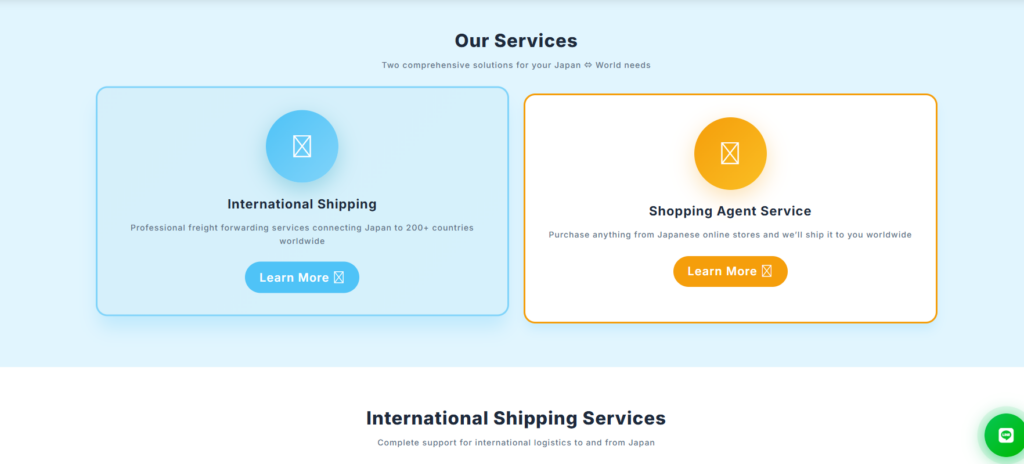
We provide both international shipping and purchasing services, so we can handle both the purchase of products in Japan and the shipment to your country.
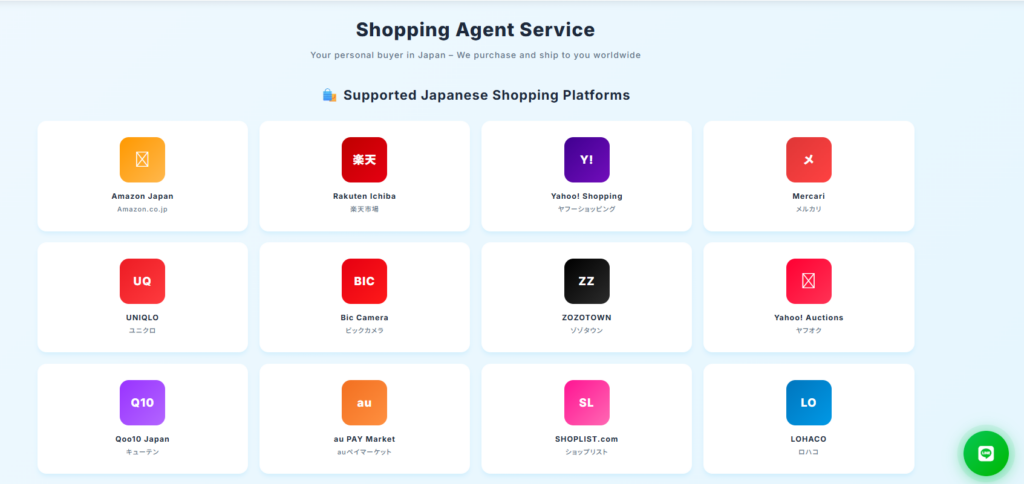
Buy Authentic Japanese Products with Our Trusted Shopping Agent Service. We help customers worldwide purchase items directly from popular Japanese online stores such as Amazon Japan, Rakuten, Yahoo! Shopping, Mercari, and more. If a store does not ship internationally, we buy on your behalf and deliver safely to your country. Enjoy access to exclusive Japanese brands, limited editions, electronics, fashion, cosmetics, and collectibles at competitive prices. Our service offers secure payments, careful inspection, reliable packaging, and fast international shipping.
How to Place an Order (Easy Japan Proxy Buying & International Shipping)
To place an order, please send us the required information via email, LINE, or our contact form. Once we confirm your details, we will issue a proforma invoice with a complete cost breakdown.
Required Information for Your Order
- Product URL(s) from Japanese websites (e.g., Amazon Japan, Rakuten, Mercari)
- Quantity (number of items)
- Delivery Address (full address including postal code and phone number)
- Preferred Delivery Schedule (desired shipping date or deadline)
Order Process
- Send your order details via email, LINE, or contact form
- Receive a proforma invoice including product cost, service fee, and shipping cost
- Confirm your order and complete payment
- We purchase the items from Japan on your behalf
- Your products are shipped safely to your destination
Why Choose Our Japan Proxy Buying Service?
- Access to popular Japanese marketplaces and exclusive products
- Affordable international shipping rates
- Secure payment and professional handling
- Reliable support for global customers and businesses
Contact us today to start your order and enjoy fast, reliable access to authentic Japanese products.
Japanese Product Shopping Agent Service – Buy from Japan and Ship Worldwide
Our Japanese Shopping Agent Service allows customers around the world to purchase authentic products directly from Japan. Many Japanese online stores do not ship internationally, which makes it difficult for overseas buyers to access popular and exclusive Japanese products. Our service solves this problem by purchasing items on your behalf and shipping them safely to your country.
We support a wide range of popular Japanese online marketplaces and retail stores. Whether you are looking for fashion, electronics, cosmetics, collectibles, hobby items, anime goods, daily-use products, or limited Japanese products, we can help you purchase them and arrange reliable international shipping.
We can also help you purchase products from smaller Japanese websites, specialty stores, local shops, and suppliers that may not support overseas customers. In many cases, if the product can be bought in Japan, we can help you buy it. This makes our service ideal for customers in Malta who want flexible access to almost anything sold in Japan.
Our service is suitable for:
• personal shopping from Japan
• Japan proxy buying
• e-commerce sourcing
• wholesale and bulk orders
• limited-edition and hard-to-find Japanese products
• combined shipping to reduce international delivery costs
CTA: If you have a product link, product name, screenshot, or shopping list, send it to us through our contact form. We will check availability, provide support, and help you buy and ship your items from Japan smoothly and safely.
Supported Japanese Shopping Platforms
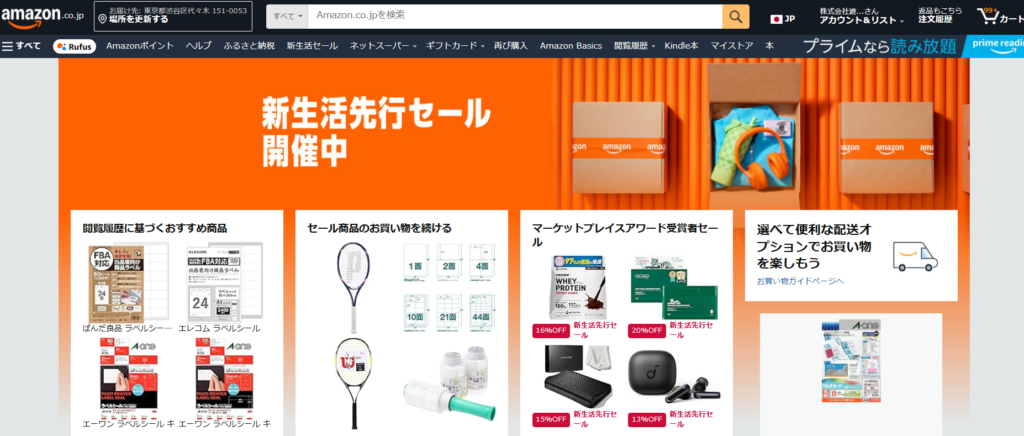
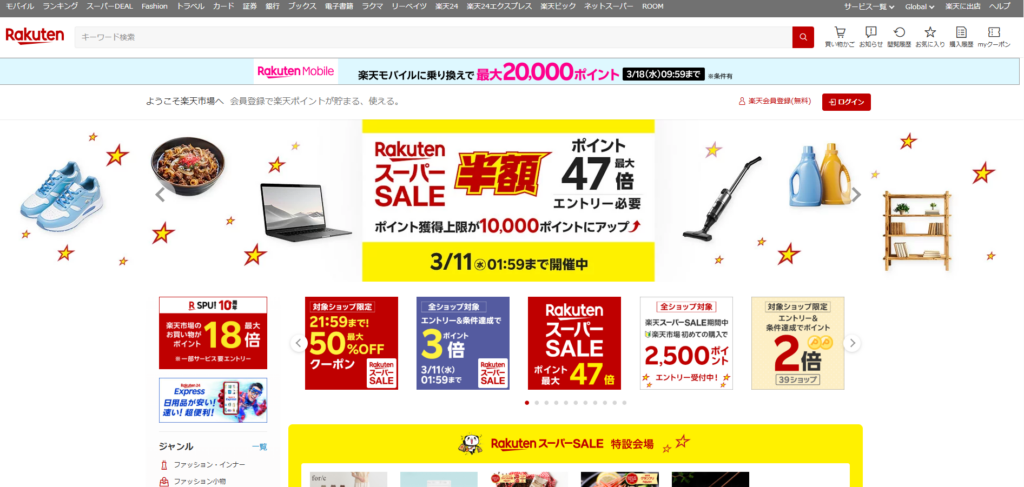
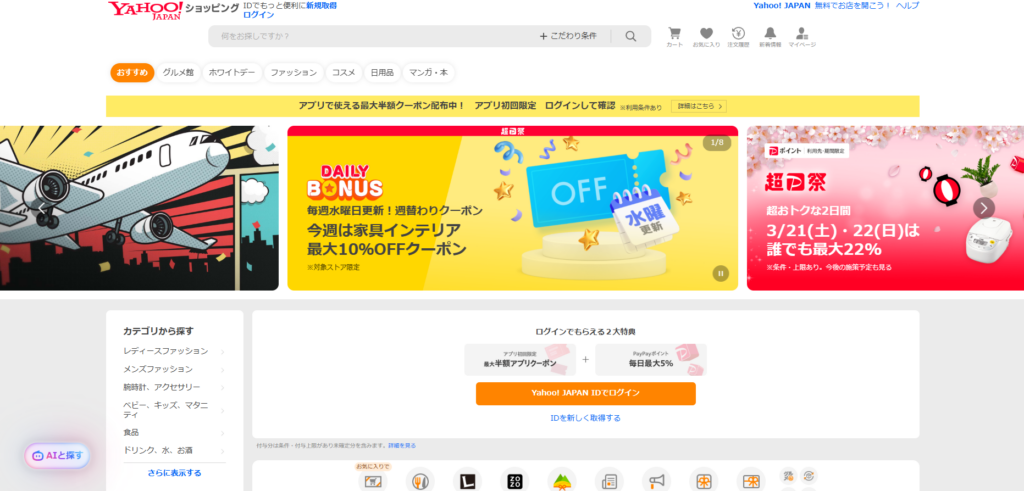
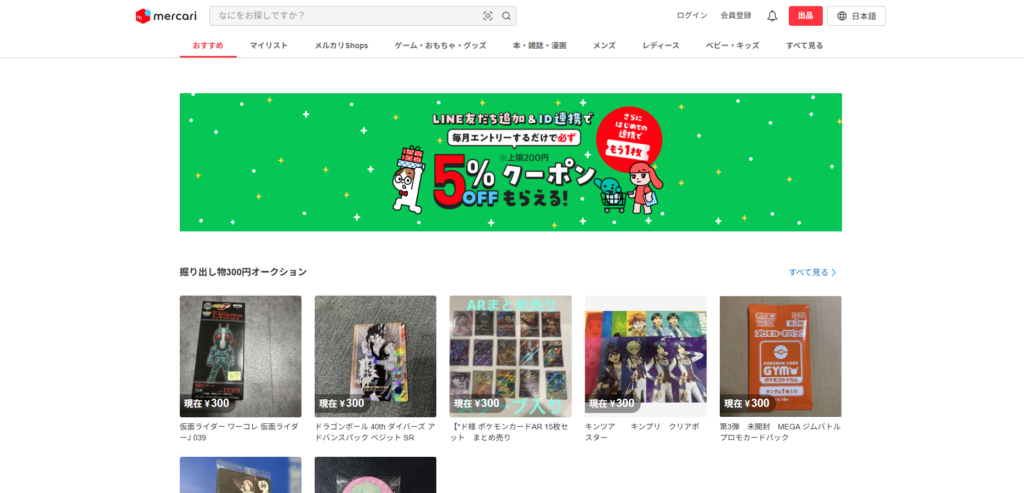

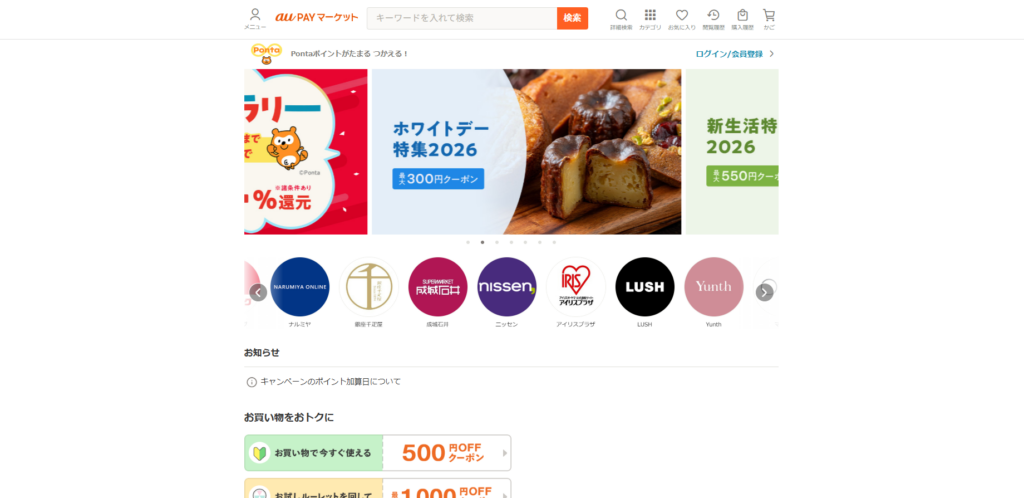
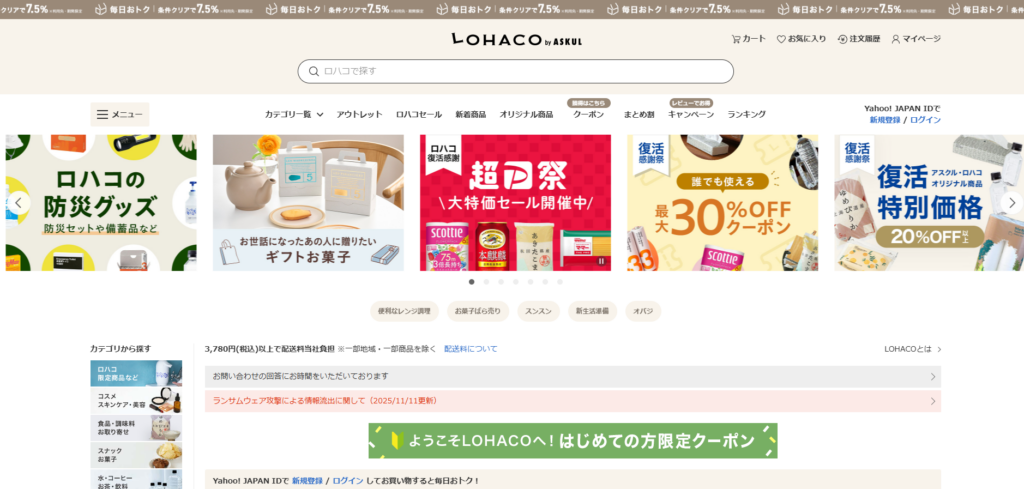
These platforms offer a huge variety of Japanese products that are highly popular worldwide. From the latest Japanese fashion brands to high-quality electronics, cosmetics, lifestyle goods, hobby items, and unique collectibles, you can access many of Japan’s best online stores through our purchasing service.
Even if the product you want is not listed on one of the major platforms above, you can still contact us. We can often assist with purchases from smaller Japanese websites, independent online shops, brand-specific stores, and selected offline products available in Japan. This makes our service highly flexible for customers who want to buy almost anything from Japan.
Contact us through the form below. Please send us your order item links or shopping list. Orders can be placed by chat or email, whichever is more convenient for you.
Maintaining Japanese Product Quality and Preventing Shipping Disputes

Ensuring the integrity of Japanese goods throughout international transport is essential for preserving brand reputation and customer satisfaction. This section outlines practical strategies for choosing resilient packaging, implementing handling best practices, and proactively mitigating customs delays and potential disputes. By aligning packaging design, documentation, and proactive communication with your logistics partner, exporters can minimize damage, reduce claims, and accelerate delivery to overseas buyers.
Innovative packaging materials and key considerations
Selecting packaging that protects product quality while optimizing cost is a core pillar of successful international shipping. Consider these guidelines:
– Material choice: Use high-strength corrugated boards, reinforced corner protectors, and void-fill materials that absorb shocks during air or sea transport. For fragile items, incorporate double-walled cartons and engineered cushioning to withstand stacking and vibration.
– Moisture and temperature control: For electronics, textiles, or perishables, integrate desiccants, moisture-barrier bags, and breathable yet protective wraps to counter humidity and condensation. Insulated liners may be necessary for temperature-sensitive goods.
– Tamper-evidence and branding: Apply tamper-evident seals and clearly labeled handling instructions (This Side Up, Fragile). Custom branding on packaging can enhance the customer experience and deter pilferage.
– Size optimization: Design packaging that minimizes wasted space while meeting airline or vessel constraints. Efficient packaging reduces dimensional weight charges and lowers overall shipping costs.
– Internal organization: Use partitioned inserts, blister packs, or molded trays to prevent movement of components inside the carton. This is crucial for multi-item shipments and assembled products.
– Sustainability considerations: Where possible, choose recyclable or reusable materials. Highlight sustainability in product communications to align with global consumer expectations.
Practical tip: run a pilot shipment of a representative sample to observe packaging performance under typical transit routes. Use feedback to refine packaging design before larger consignments.
Handling, inspection, and risk mitigation to avoid disputes
Beyond packaging, robust handling procedures and proactive communication with buyers and carriers reduce the likelihood of claims or delays. Key practices include:
– Pre-assembly inspection: Conduct a thorough quality check before packing. Document serial numbers, SKUs, and lot numbers, and photograph each item for 3-way traceability (origin, packing, destination).
– Clear labeling and documentation: Ensure accurate product descriptions, HS codes, unit weights, and dimensions are present on commercial invoices, packing lists, and airway bills. Mislabeling is a common source of delays and disputes at customs.
– Partner coordination: Share packing specifications, handling notes, and potential risk flags with the chosen logistics provider. Establish responsibilities for packaging integrity, storage conditions, and transit milestones.
– Insurance alignment: Select coverage that reflects the true replacement value and the risk profile of the shipment. Verify that the policy covers partial damage, total loss, and freight-forwarder liability where applicable.
– Post-dispatch monitoring: Use shipment tracking and exception alerts. If a claim or discrepancy arises, document the issue immediately with photos, packing lists, and carrier communications to expedite resolution.
– Customs-ready documentation: Prepare harmonized and accurate documentation to minimize clearance times. Include product codes, country of origin, and any required certificates (e.g., quality, safety, or compliance attestations) relevant to the destination country.
In practice, combining careful packaging with precise documentation and proactive coordination with your forwarder leads to smoother cross-border flows and fewer post-shipment disputes. A well-executed packaging strategy supports both the physical protection of products and the administrative efficiency needed for reliable international delivery.
Practical Guide to Successful Shipping to Spain

Shipping to Spain requires careful planning and execution to ensure timely delivery, cost efficiency, and a positive customer experience. This guide provides a practical, step-by-step approach for Japanese exporters, highlighting essential pre-shipment checks and after-sales support that can boost satisfaction and repeat business. Leveraging a comprehensive Japan forwarding service can streamline each stage—from documentation and customs to tracking and returns—while maintaining high standards of reliability and compliance across borders.
Shipment Readiness Checklist
Before dispatching goods to Spain, perform a thorough readiness check to prevent delays, extra costs, or damaged items. Key areas include documentation, packaging, labeling, carrier selection, and compliance with Spanish and EU regulations.
Documentation and compliance: – Ensure commercial invoice includes complete seller and buyer information, accurate product descriptions, HS codes, unit prices, and total value. – Attach a properly completed packing list and any required certificates (origin, safety, conformity, or hygienic certificates where applicable). – Verify export declarations and any required licenses, particularly for sensitive products (chemicals, electronics, textiles, food, or medical devices). – Confirm Spanish/National and EU import VAT and duty obligations are understood; prepare for non-EU VAT handling if applicable.
Packaging and labeling: – Use durable outer packaging with waterproof materials and clear, multilingual labeling (Spanish when possible) to assist customs and handlers. – Include tamper-evident seals and consistent SKU/barcodes to support accurate receiving and returns. – Implement appropriate cushioning, shock indicators, and temperature controls for fragile or sensitive items.
Product-specific considerations: – Verify product compliance with EU standards (CE marking, safety directives, labeling requirements). – Check packaging size and weight limits to optimize carrier rates and ensure safe handling.
Logistics and carrier planning: – Select a carrier with established Spain-Europe routing and reliable transit times; compare air and sea options based on cost, speed, and order size. – Confirm pickup availability from the Japanese sender location and confirm ETA to your Spain-based recipient or warehouse. – Establish a track-and-trace plan with proactive status updates and customs visibility.
Customs and duties: – Prepare HS codes accurate to reduce clearance delays. – Decide on DDP (_delivery duty paid_) vs DAP (_delivery at place) terms based on who handles duties and taxes. – Anticipate possible inspections and include additional documentation or samples if required.
Returns and contingencies: – Define a clear returns process, including who bears return shipping costs and how refunds are issued. – Prepare for potential customs re-claim scenarios in case of failed deliveries or incorrect documentation.
Handling Overseas Customer Interactions and After-sales Support
Exemplary after-sales support is crucial for Spain-based customers and long-term success in the European market. Implement structured communication and service practices that build trust, reduce disputes, and encourage repeat orders.
Communication and transparency: – Provide proactive shipment updates in Spanish or bilingual (English/Spanish) to accommodate local expectations. – Share expected delivery windows, tracking links, and any potential delays as soon as identified. – Respond promptly to inquiries with clear, actionable information and timelines.
Delivery experience: – Verify that the recipient’s preferred delivery address, contact person, and delivery window are on file to minimize rescheduled attempts. – Offer flexible delivery options where possible (home delivery, pickup at a local facility, or designated warehouses). – Ensure accurate and complete delivery documentation, including proof of delivery and any required customs paperwork for Spain.
Quality control and issue resolution: – Establish a standardized process for documenting and investigating product issues, including photos, batch numbers, and return merchandise authorizations (RMAs). – Provide prompt replacements or refunds for verified quality problems, with clear terms and timelines to preserve customer satisfaction. – Maintain a centralized log of complaints to identify recurring issues and drive continuous improvement.
After-sales services and value-added support: – Offer product care advice, usage guides in Spanish, and multilingual customer support channels (email, chat, and phone). – Proactively share care tips, warranty information, and maintenance schedules to extend product lifespan. – Encourage reviews and testimonials to build social proof and credibility in the Spanish market.