- How to Ship from Australia to Japan at Lower Cost: Complete Guide to Import Shipping Rates, Transit Time, and Cost Optimization
- Understanding Shipping from Australia to Japan
- Australia Import Shipping Rates (Per kg)
- Estimated Delivery Time from Australia to Japan
- Step-by-Step Shipping Process (Australia → Japan)
- How to Reduce Shipping Costs from Australia to Japan
How to Ship from Australia to Japan at Lower Cost: Complete Guide to Import Shipping Rates, Transit Time, and Cost Optimization
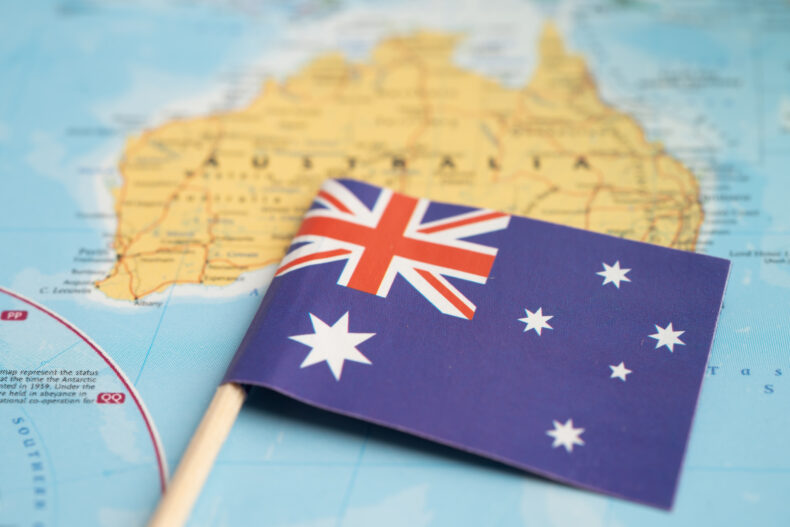
Shipping goods from Australia to Japan can become unnecessarily expensive if you are not familiar with how international freight pricing works. Many importers unknowingly pay higher costs due to inefficient packaging, lack of understanding of volumetric weight, and overlooking additional charges such as fuel surcharges and customs-related fees.
This guide provides a detailed breakdown of Australia-to-Japan shipping, including rate structures, delivery timelines, logistics flow, and practical cost-saving strategies. Whether you are running an eCommerce business, importing commercial goods, or managing bulk shipments, optimizing your logistics setup can significantly improve profitability.
Understanding Shipping from Australia to Japan

Shipping from Australia to Japan involves international transport via air freight, sea freight, or courier services such as DHL, FedEx, UPS, and EMS. Due to the long-distance nature of this route, logistics costs tend to be higher and require careful planning.
A key factor in pricing is the concept of chargeable weight. Shipping companies calculate costs based on either actual weight or volumetric weight, whichever is higher. Poor packaging design can therefore increase shipping costs significantly, even if the cargo itself is light.
Australia Import Shipping Rates (Per kg)
Special Discount Rates for Australia Imports:
4–10kg: 1,310 JPY/kg
10–19kg: 1,000 JPY/kg
20–49kg: 980 JPY/kg
50–99kg: 920 JPY/kg
100–299kg: 730 JPY/kg
300–499kg: 720 JPY/kg
500–999kg: 715 JPY/kg
1000–5000kg: 695 JPY/kg
The pricing structure is designed to reward higher shipment volumes with lower per-unit costs. Consolidating cargo into larger shipments is one of the most effective ways to reduce overall logistics expenses.
Please note that these base rates exclude additional costs such as fuel surcharges (typically 30–45%), customs duties, import taxes, and handling fees. These charges are applied separately based on shipment conditions and regulations.
Estimated Delivery Time from Australia to Japan
Shipping duration depends on the selected transport method:
Air Freight: Approximately 5–8 days
Express Courier: 3–6 days
Sea Freight: 2–4 weeks
Transit times may vary depending on customs clearance, weather conditions, port congestion, and seasonal demand. Australia routes are generally stable, but peak seasons can impact delivery speed.
Introducing Worldwide Courier Japan – Your Global Logistics Partner for Import & Export.
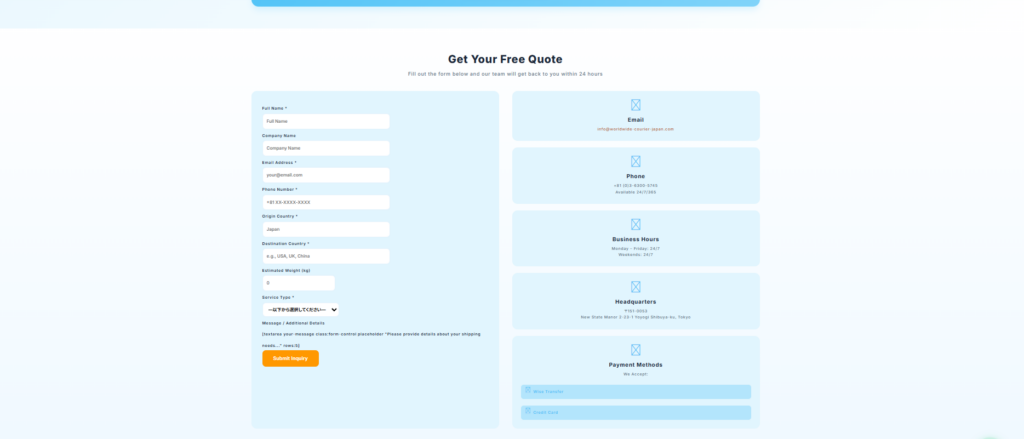
Worldwide Courier Japan provides optimized shipping solutions for both imports into Japan and exports worldwide. We specialize in handling cargo from Australia, including commercial goods, eCommerce shipments, and bulk logistics.
Our services include air freight, sea freight, and express courier solutions tailored for cost efficiency and reliability. Whether you are importing from Australia or exporting Japanese products globally, we provide seamless logistics support.
Email: info@worldwide-courier-japan.com
Tel: +81-3-6300-5745
Contact us:
https://worldwide-courier-japan.com/#contact
Step-by-Step Shipping Process (Australia → Japan)
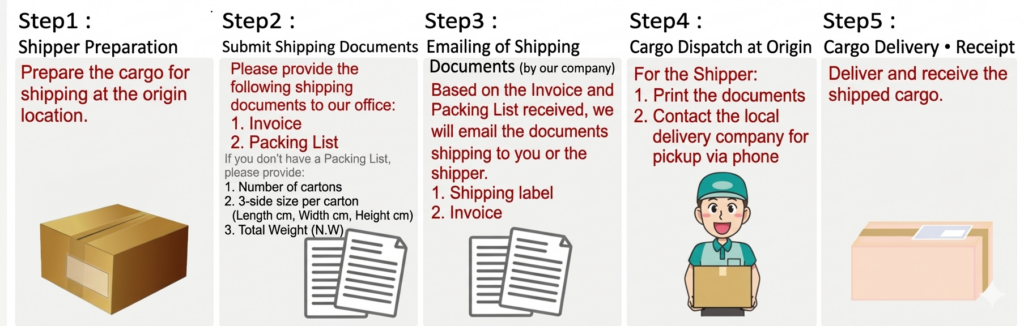
Step 1: Cargo Preparation
Ensure proper packaging to protect goods and reduce volumetric weight. Compact packaging directly lowers shipping costs.
Step 2: Documentation Submission
Prepare commercial invoices and packing lists with accurate product descriptions, values, and dimensions to avoid customs delays.
Step 3: Shipment Booking
Logistics providers generate airway bills and shipping documents for international transport.
Step 4: International Transport
Goods are transported via air or sea from Australia to Japan, depending on urgency and cost considerations.
Step 5: Customs Clearance & Delivery
After customs clearance in Japan, shipments are delivered to the final destination with full tracking visibility.
How to Reduce Shipping Costs from Australia to Japan
• Optimize packaging to reduce volumetric weight
• Consolidate shipments to access lower per-kg rates
• Choose the appropriate transport method (air vs sea)
• Work with a professional freight forwarder
• Plan shipments outside peak seasons
By implementing these strategies, businesses can significantly reduce logistics costs while maintaining reliable delivery performance.