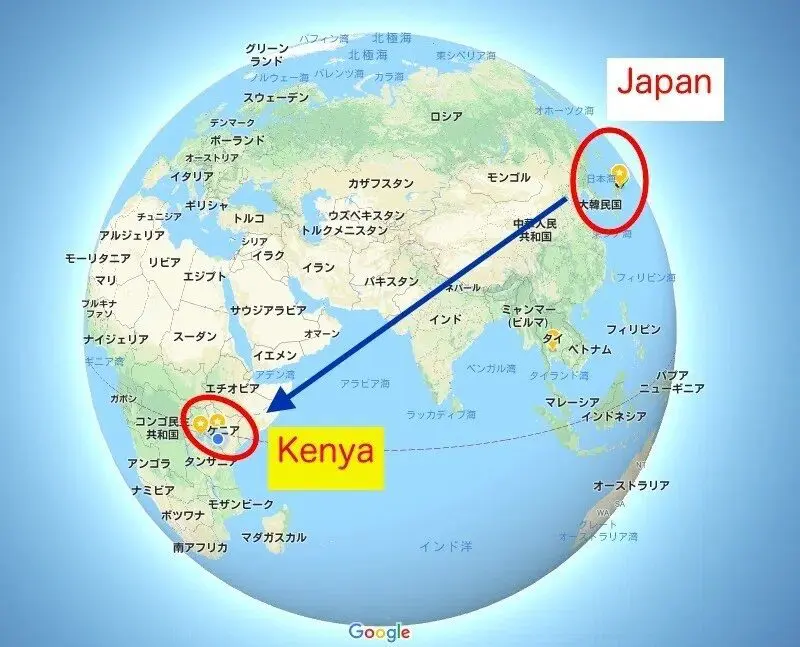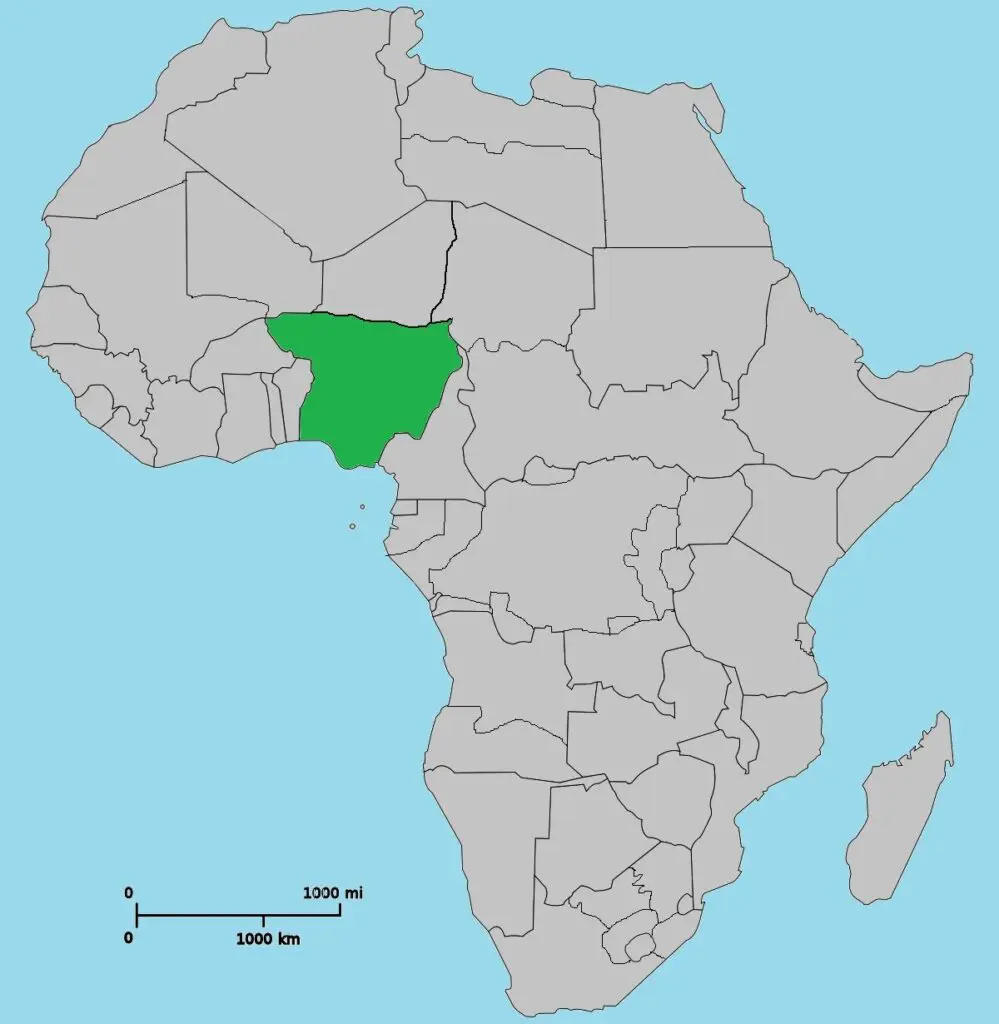
Expanding your market beyond Japan requires a reliable, cost-efficient shipping partner who can handle every step from pickup to delivery. This article highlights practical, end-to-end solutions for sending Japanese products to Nigeria, focusing on the essentials of preparation, documentation, and customs, as well as risk management and insurance. You’ll learn how to minimize duties and delays, choose a trustworthy forwarding service, and optimize routes to reduce costs without compromising safety or speed. Real-world scenarios illustrate how businesses—from EC sellers to manufacturers—can consolidate shipments, leverage Japan-based sourcing, and navigate incoterms with confidence. Whether you ship single orders or bulk consignments, this guide clarifies the process, offers actionable tips, and points to capable, established partners that simplify international logistics from Japan to overseas markets.
- Fundamental Steps to Ship Japanese Products to Nigeria
- Shipping Rates from Japan to Nigeria
- How It Works
- Transit Time
- Risk Management and Key Considerations for International Shipping from Japan
- Cost-Effective Shipping Partners for Global Dispatch from Japan
- Cost-Saving Strategies for International Shipping from Japan
- How to Place an Order (Easy Japan Proxy Buying & International Shipping)
- Japanese Product Shopping Agent Service – Buy from Japan and Ship Worldwide
- Supported Japanese Shopping Platforms
- Leveraging a Forwarding Service for Overseas Shipping
- Post-Delivery Follow-Up and Customer Support
Fundamental Steps to Ship Japanese Products to Nigeria
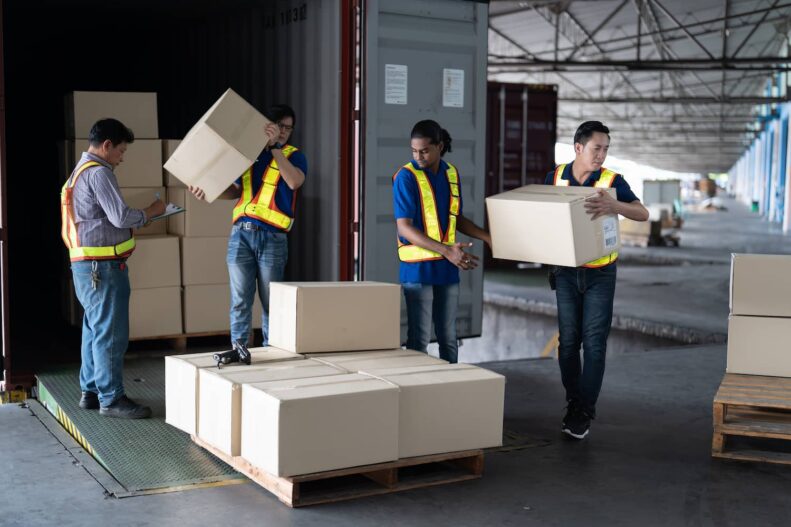
Shipping items from Japan to Nigeria involves a sequence of coordinated steps designed to protect goods, comply with regulations, and minimize transit time and costs. This guide outlines the essential stages—pre-shipment preparation and documentation, customs and duties basics, and proper packaging—to help exporters and buyers manage international shipments efficiently. By leveraging a Japan forwarding service, you can streamline collection from any location in Japan, handle export procedures, and ensure smooth delivery to Nigerian recipients.
Pre-shipment preparation and documentation
Effective pre-shipment preparation sets the foundation for trouble-free cross-border transport. Start with a clear product description, accurate HS codes, and current market classifications for Nigeria. Confirm electrical voltage, safety standards (e.g., Nigerian standards and applicable product certifications), and any product-specific restrictions that might affect clearance. Gather essential documents: – Commercial Invoice: detailed item descriptions, quantities, unit prices, total value, and incoterms. – Packing List: itemized contents, weights, dimensions, and packaging methods. – Shipper’s Letter of Instruction (SLI): guidance for the forwarder on routing, delivery, and special handling. – Certificate of Origin: where required, to substantiate the Japanese origin of goods. – Export Declarations: completed for shipments that require Japan’s export control compliance. – Importer of Record details for Nigeria: name, address, and VAT or tax registration where applicable. – Any licenses or permits for restricted items (e.g., electronics, cosmetics, medical devices). – Bill of Lading (B/L) or Air Waybill (AWB) once issued by the carrier. Working with a reliable forwarding partner can significantly simplify this phase, as they can advise on HS codes, regulatory updates, and document accuracy to prevent customs delays.
Basics of customs clearance and duties
Nigerian customs clearance hinges on accurate documentation, correct tariff classifications, and timely submission. Key considerations include: – HS Code accuracy: correct classification determines duty rates and whether licenses are required. – Valuation: transparent, transaction-based valuation helps avoid penalties and delays. – Duty and tax responsibilities: Nigeria imposes import duties, VAT, and potential surcharges. Some items may be subject to anti-dumping duties or import bans. – Required permits and licenses: certain goods (electronics, cosmetics, pharmaceuticals) may need regulatory approvals from Nigerian authorities. – Partners in Nigeria: a local importer or a Nigerian licensed customs broker can facilitate clearance and ensure compliance with local port procedures. – Incoterms alignment: choose terms that reflect who bears costs at each stage (e.g., DDP vs. EXW) to avoid unexpected charges. A competent Japan-to-Nigeria forwarder provides end-to-end customs handling, including pre-shipment screening, document checks, tariff guidance, port-to-door logistics, and post-clearance delivery coordination. This reduces the risk of clearance hold-ups and ensures smooth delivery to the recipient.
Proper packaging methods for Nigerian shipment
Protecting goods during ocean or air transit is essential. Packaging should meet both carrier and Nigerian import requirements, withstand rough handling, and optimize space. Best practices include: – Use sturdy outer packaging: strong export-grade corrugated boxes or crates with double-wall construction for heavier items. – Internal protection: bubble wrap, air pillows, or foam to cushion contents; secure semi-fragile items to prevent movement. – Moisture protection: desiccants for moisture control; water-resistant barriers for goods susceptible to humidity. – Weight and dimensions: accurate weight and measurements for freight calculations; avoid overpacking that could compromise carton integrity. – Labeling: clear handling marks (this side up, fragile) and your destination details; ensure bilingual labeling if needed for carriers. – Seals and security: tamper-evident seals where appropriate; documentation attached securely to the package. – Packaging optimization: consolidate multiple items where feasible to reduce total boxes, while maintaining safe segregation for special items (dangerous goods or high-value products may require additional containment). By employing professional packaging services alongside a Japan forwarding partner, you ensure packaging meets international standards and Nigerian import expectations, lowering risk of damage and delays upon arrival.
Shipping Rates from Japan to Nigeria
◇Shipping Rate Table (Prices Shown as Rate per Weight)
Japan→Nigeria
【Nigeria Export — Preferred Rates】
0.5kg :3,920 JPY
1kg :4,680 JPY
1.5kg :5,460 JPY
2kg :6,120 JPY
2.5kg :6,860 JPY
3kg :7,520 JPY
3.5kg :8,150 JPY
4kg :8,780 JPY
4.5kg :9,450 JPY
5kg :10,080 JPY
5.5kg :10,760 JPY
6kg :11,420 JPY
6.5kg :11,980 JPY
7kg :12,540 JPY
7.5kg :13,060 JPY
8kg :13,420 JPY
8.5kg :13,780 JPY
9kg :14,050 JPY
9.5kg :14,360 JPY
10kg :14,620 JPY
10.5kg:27,100 JPY
11kg :27,720 JPY
11.5kg:28,210 JPY
12kg :28,730 JPY
12.5kg:29,280 JPY
13kg :29,760 JPY
13.5kg:30,150 JPY
14kg :30,620 JPY
14.5kg:31,040 JPY
15kg :31,620 JPY
15.5kg:31,850 JPY
16kg :31,940 JPY
16.5kg:32,010 JPY
17kg :32,060 JPY
17.5kg:32,120 JPY
18kg :32,170 JPY
18.5kg:32,230 JPY
19kg :32,380 JPY
19.5kg:32,450 JPY
20kg :32,500 JPY
※UPS / DHL / FedEx fastest service level with tracking number included.
※We also support Japan Post EMS, International ePacket, standard air shipping, SAL, and sea freight. If you prefer any of these options, please let us know.
【Nigeria Export — Preferred Rates】
・21-49kg :1,300 JPY per kg
・50-99kg :1,050 JPY per kg
・100-299kg:920 JPY per kg
・300-499kg:890 JPY per kg
・500-999kg:870 JPY per kg
・1000-2000kg:840 JPY per kg
The above rates are quoted as a per-kilogram unit price. For the total shipping cost by weight bracket, please refer to the examples on the right.
In addition to the shipping charges above, a fuel surcharge will apply. Fuel surcharge rates may be revised monthly or weekly depending on the carrier you use.
Customs duties, import VAT/sales tax, and other destination charges incurred at local customs clearance will be billed to the consignee (recipient) by the carrier.
How It Works
world wide courier provides international logistics and air freight forwarding services for trading businesses that need professional shipping support.
We support both export and import shipments to and from Nigeria, China, Hong Kong, South Korea, Europe, North America, Southeast Asia, India, Africa, and many other countries worldwide.

By using major courier networks (FedEx, UPS, DHL), we ensure stable and fast delivery. In addition, our highly competitive shipping rates help reduce your ongoing logistics costs and lower your overall procurement cost.
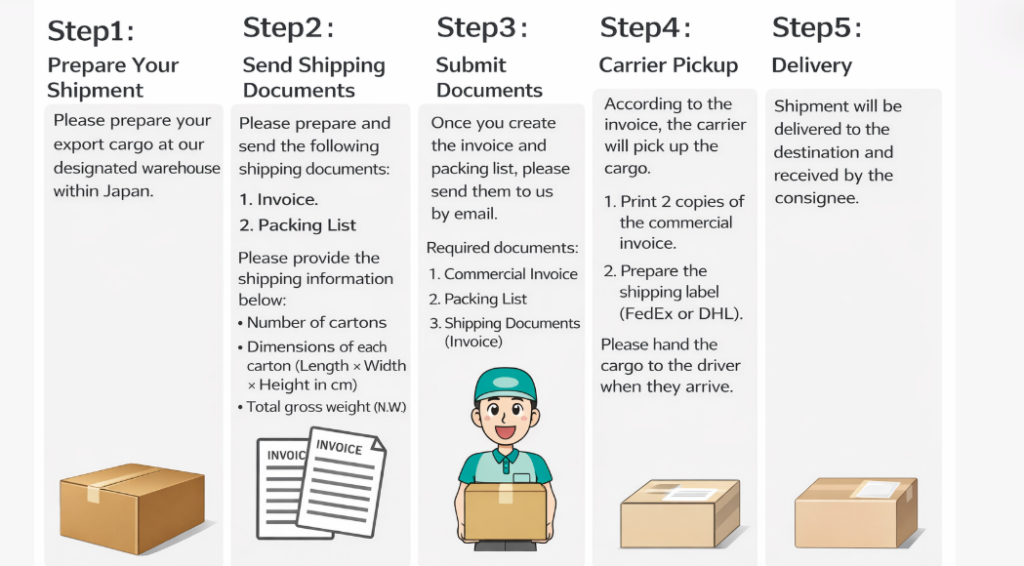
Step 1: Prepare the Shipment
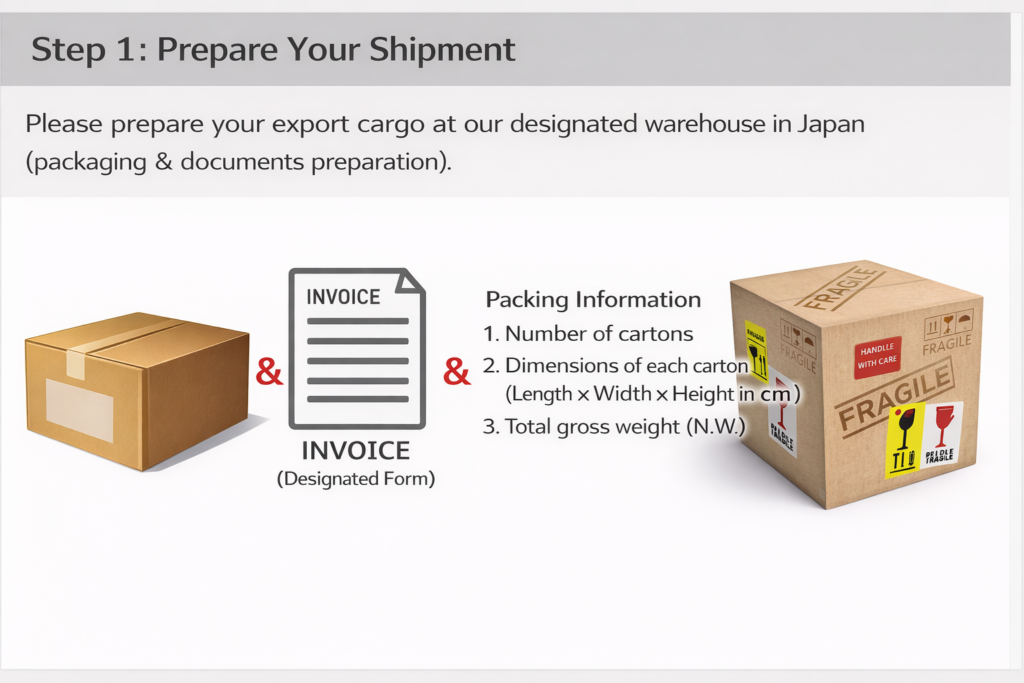
Prepare the shipment at the domestic pickup location (packing and documentation preparation).
Step 2: Email the Shipping Documents to Us (Invoice + Packing Details)
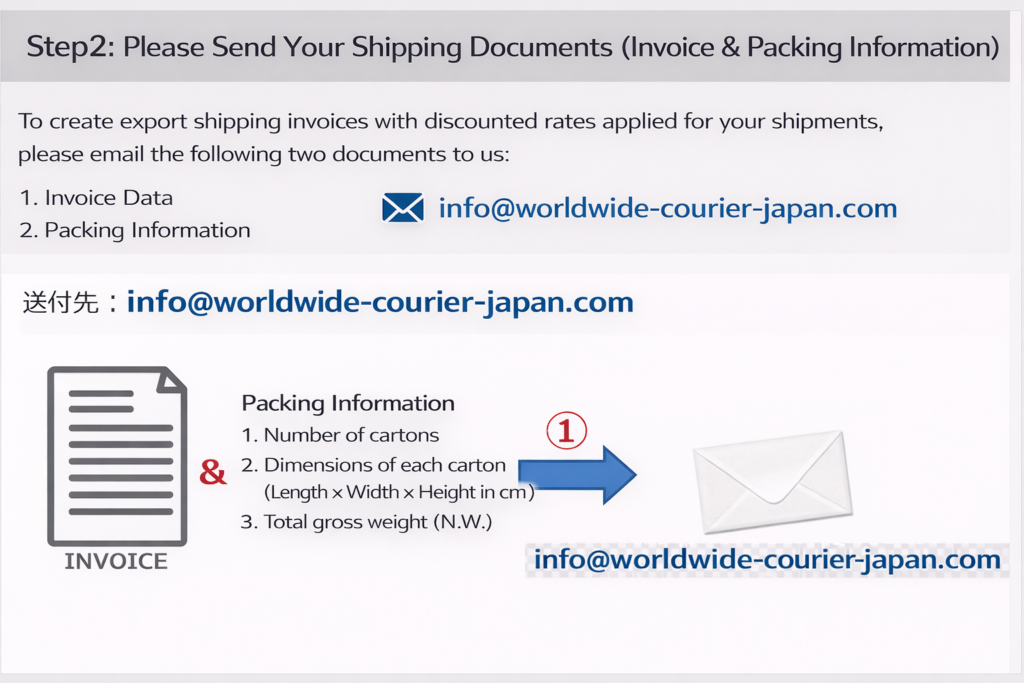
We will create the shipping documents using the special discounted rates provided for each customer. Please email the following two documents to our office as attachments.
1. “Invoice”
2. “Packing List”
Email: info@worldwide-courier-japan.com
<Common Invoice Items That Are Often Missing>
1. Postal code (shipper side / pickup location)
2. Contact person name (shipper side)
3. Phone number for the pickup location (shipper side)
※The above three items are required to create the documents.
If any of these are missing, we cannot issue the documents, so please confirm in advance before requesting shipping.
<Required Packing List Information>
1. Total number of cartons/boxes
2. Dimensions of each carton (L cm × W cm × H cm — all three sides required)
3. Total weight (N.W.): total weight after packing
※In some cases, the packing list is missing these required details. These are necessary for document creation, so please confirm in advance.
※If you do not have a packing list, please confirm the above information with the shipper and share it with us.
<About “Chargeable Weight,” Which Determines the Shipping Cost>
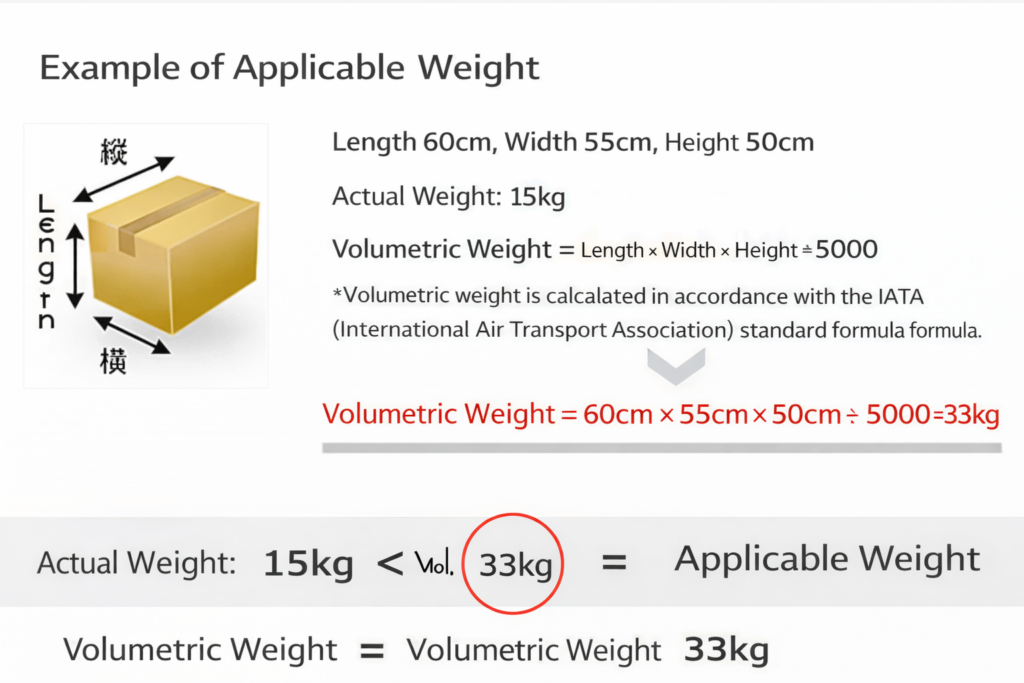
Based on IATA (International Air Transport Association) standards, the greater of the “actual weight after packing” and the “volumetric (dimensional) weight” is used as the “chargeable weight.”
Step 3: We Email You the Two Documents Required for Shipment (Air Waybill/Label + Invoice)
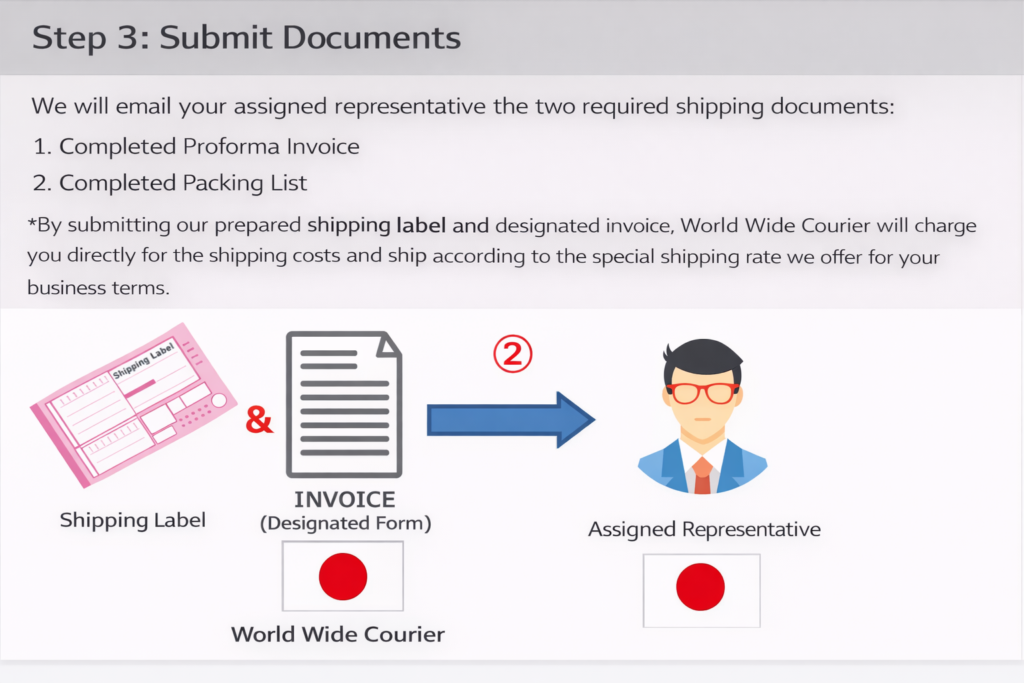
We will email the two documents required for shipping (air waybill/label and invoice) to your 담당者.
1. We confirm missing details in the “Invoice” and “Packing List” you provided.
2. Based on those documents, we create the “Air Waybill/Label” and the “Invoice (official format)” and email them to you.
※When you ship using the documents created by us, the shipping charges are billed to us. This allows you to ship using your customer-specific discounted rates. Under your trading terms, we will invoice you for the shipping charges accordingly.
Step 4: Courier Pickup at Your Location / Domestic Warehouse — Shipment Dispatched
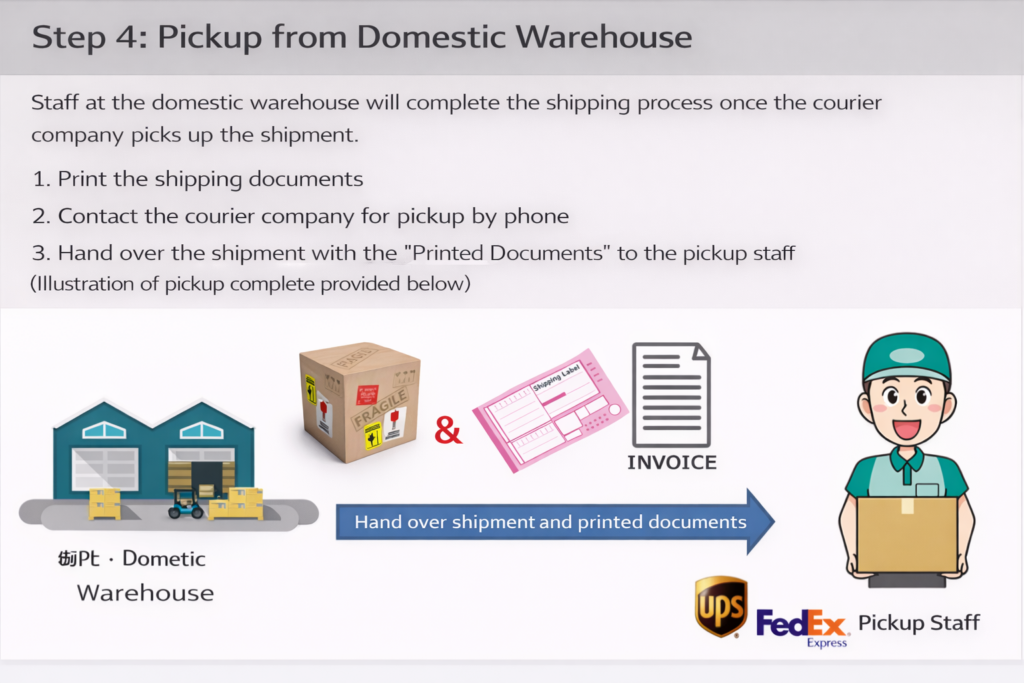
At the pickup location in Japan:
1. Print the documents
2. Call the courier to request pickup
3. Hand the shipment and the two printed documents to the pickup driver to complete dispatch
Step 5: Delivery and Receipt
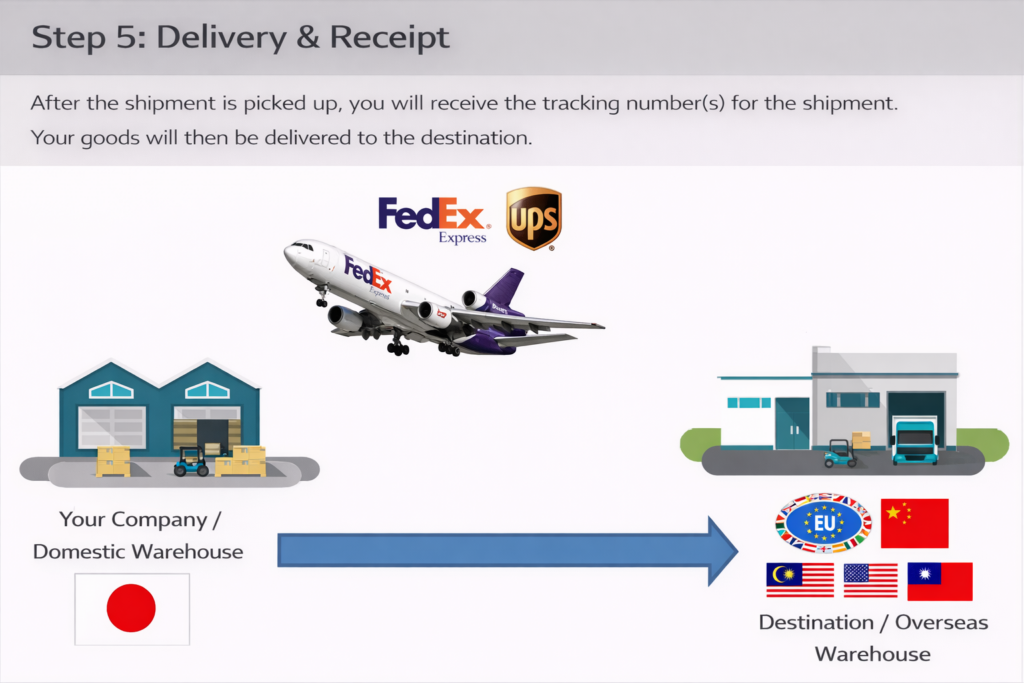
After dispatch, we will provide your tracking number. The shipment will then be delivered to the destination.
Transit Time

Estimated Delivery Days (Japan → Nigeria)
Estimated delivery time is approximately 3–5 business days from the local dispatch date.
Delivery may be delayed due to customs conditions, weather, or other unforeseen circumstances. Thank you for your understanding.
Risk Management and Key Considerations for International Shipping from Japan

Effective risk management is essential when exporting products from Japan to overseas markets. This section outlines practical guidelines to minimize disruption, protect shipments, and ensure compliance across destinations. By proactively addressing insurance, regulatory constraints, and customs challenges, shippers can achieve smoother deliveries, lower total costs, and higher customer satisfaction. The following subsections translate the core Japanese headings into actionable, English-language best practices suitable for cross-border e-commerce, manufacturers, and wholesale exporters using a Japan forwarding service.
Insurance and Compensation During Transit
Secure, comprehensive coverage is the foundation of risk management in international logistics. Evaluate policy scope to include loss, damage, and theft from pickup to final delivery, with clear terms for partial loads, multi-modal transport, and storage during transits. Key considerations include:
- Coverage level: shipment value, declared value, and insured value limits per item or per consignment.
- Transit stages: air, sea, road, and any consolidation points where risk increases.
- Exclusions: conditions not covered (e.g., improper packaging, delays caused by force majeure, or perishable goods beyond shelf life).
- Claims process: required documentation (photos, packing list, commercial invoice), time frames, and responsibility for filing.
- Self-insurance vs. third-party insurance: balancing premium costs with risk tolerance for high-value or fragile items.
For maximum protection, integrate insurance with end-to-end forwarding services (collection, packing, and customs clearance) to ensure claims are supported by complete evidence and traceability. This reduces financial exposure and strengthens buyer confidence in overseas markets.
Verification of Prohibited and Restricted Items
Compliance with destination country regulations is critical to avoid delays, fines, or seizure of goods. Before shipping, confirm that each item complies with both Japanese export controls and the import rules of the destination country. Practical steps include:
- Checklist review: verify classification, licensing requirements, and any prohibitions related to batteries, chemicals, electronics, textiles, pharmaceuticals, or cultural artifacts.
- Harmonized System (HS) code accuracy: ensure correct coding to prevent misclassification and duties miscalculations.
- Prohibited items by carrier and destination: reference carrier policies and government restrictions for all destinations in the shipment route.
- Per-item documentation: attach certificates, safety datasheets, and compliance labels where required.
- Regular updates: monitor changes in export controls and destination import laws to maintain ongoing compliance.
Working with a capable forwarding partner helps continuously screen items, prevent non-compliant shipments, and minimize the risk of return shipments or delays at the border.
Tips to Avoid Customs Issues
Border clearance can be a common bottleneck in international shipping. Proactive planning and accurate data are your best defense. Consider these actionable tips to reduce customs delays and improve on-time delivery:
- Accurate and complete paperwork: commercial invoices, packing lists, and certificates should reflect true product descriptions, quantities, and values.
- Correct currency and values: declare item values in the destination currency where required, and align with the carrier’s invoicing format.
- Label accuracy and packaging: ensure packaging meets regulatory standards and labeling includes origin, HS codes, and handling instructions.
- Pre-clearance where possible: use pre-shipment screening or import permits to streamline the clearance process in advance.
- Transparent transaction trail: maintain a clear paper trail for all transfers, amendments, or re-exports to facilitate audits.
- Proactive communication: coordinate with the consignee on expected duties, taxes, and required inspections to prevent post-clearance holds.
Partnering with a knowledgeable forwarding service that offers end-to-end customs support, proactive notifications, and route optimization helps reduce risk and ensures a smoother international shipping experience from Japan.
Cost-Effective Shipping Partners for Global Dispatch from Japan

For overseas buyers and cross-border sellers, finding reliable, affordable shipping from Japan is essential to keep margins healthy and delivery times competitive. This section outlines why Japanese goods attract steady international demand, introduces a versatile transport partner capable of handling both exports and inbound imports, and highlights a trusted intermediary in Japan who can secure procurement on your behalf. By leveraging a comprehensive Japan forwarding service, businesses can streamline pickup, packing, customs, and global delivery from a single point of contact.
Why Demand for Japanese Products Abroad Will Continue to Grow
The global appeal of Japanese products stems from: meticulous craftsmanship, strong brand recognition, and consistent quality across electronics, beauty, fashion, and lifestyle goods. Japan’s reputation for reliability, safety, and cutting-edge technology makes buyers trust shipments from Japanese suppliers. In addition, accelerated e-commerce adoption, cross-border marketplaces, and a growing appetite for premium, authentic items sustain demand. For exporters, a reliable international logistics partner reduces lead times, minimizes damage risk, and provides end-to-end support—from origin pickup to last-mile delivery—strengthening competitiveness in crowded markets.
Recommended Transport Company Capable of Both Exporting from Japan and Importing into Japan
Worldwide Courier Japan offers a streamlined solution for both outbound shipments to global destinations and inbound imports to Japan. Core advantages include nationwide pickup coverage, door-to-door coordination, and comprehensive customs clearance support. The service aggregates all steps—collection, packing, export documentation, shipment routing, import clearance, and final delivery—into a single contract, delivering cost efficiency and predictable timelines. This “one-stop” approach reduces the need for multiple vendors, lowers overhead, and enhances control over the entire supply chain. For businesses seeking to scale, this partner provides tailored rate plans, scalable container options (air and sea), and proactive shipment tracking across 200+ countries.
Japanese Procurement Agencies That Can Source Products for You
Partnering with a reputable Japanese procurement agent can unlock access to wholesale pricing, inventory from trusted suppliers, and streamlined ordering processes. A proficient agent not only sources items from online marketplaces such as Amazon Japan, Rakuten, Yahoo Shopping, and Mercari, but also coordinates direct pickup at supplier sites and consolidates orders for efficient international forwarding. By combining procurement expertise with logistics know-how, these agencies help international buyers secure favorable terms, verify product authenticity, and ensure readiness for export. When selecting a procurement partner, prioritize transparency, supplier verification, and clear communication channels to maintain visibility across the sourcing and shipping stages.
Cost-Saving Strategies for International Shipping from Japan

In the global marketplace, optimizing freight costs is essential for sustained competitiveness. This section provides practical approaches to reduce shipping expenses without compromising service quality. By comparing rates, selecting reliable partners, and consolidating shipments, you can achieve substantial savings while maintaining timely delivery to international buyers.
Comparing Rates and How to Obtain Quotes
Start with a transparent cost baseline by gathering quotes from multiple logistics partners, including ocean and air options. Key components to compare include base freight rates, fuel surcharges, security fees, origin and destination handling, surcharges for oversized or dangerous goods, and any special packaging or labeling charges. Request a detailed, itemized quote that breaks down each cost element and validation period. Use standard shipment profiles (weight, dimensions, and destination) to ensure apples-to-apples comparisons. Don’t overlook hidden costs such as customs clearance, inland delivery, warehousing, and documentation fees. When possible, ask for a landed cost estimate that includes duties and taxes to prevent unforeseen expenses at delivery. For efficiency, consider a forwarder that provides a consolidated quote with multiple routing options so you can balance cost against transit time.
Choosing Between Low Cost and Reliability
While price is important, reliability safeguards customer satisfaction and prevents costly delays. A low upfront rate may transfer risk to downstream costs from delays, damaged goods, or missed deadlines. Evaluate carriers on track record, transit times, on-time delivery rates, and claims handling. Look for partners offering proactive shipment visibility, proactive problem solving, and robust insurance options. Consider total cost of ownership: freight rate plus value-added services such as packaging protection, palletization, pick-and-pack, and insurance coverage. For high-value or time-sensitive goods, invest in faster, more reliable routes with strong track records, even if the unit price is higher—because the cost of delays can exceed savings from cheaper options.
Consolidated Shipping and Optimizing Transport Routes
Consolidation—combining multiple smaller shipments into one larger shipment—can dramatically reduce per-unit costs, especially for frequent, smaller volumes. Work with a forwarding service that can collect freight from multiple suppliers or warehouses, then route it efficiently to the destination. Route optimization involves selecting the best combination of carrier, mode (air vs ocean), departure frequencies, and transit times to minimize total landed cost. Practical steps include:
- Synchronize orders from multiple suppliers to maximize container utilization or shared airfreight space.
- Choose multi-origin consolidation points close to suppliers to reduce inland transport costs.
- Leverage seasonally favorable schedules and carrier promotions while maintaining reliability.
- Use packaging optimization to fit standard container or pallet sizes, lowering handling and space waste.
- Prioritize routes with favorable customs processing times to avoid demurrage and storage fees.
By combining consolidated shipments with smart routing, businesses can achieve meaningful savings while maintaining quality and speed of delivery to global buyers.
Japan product agent service
We can buy Japanese products and ship them to countries worldwide.
We provide both international shipping and purchasing services, so we can handle both the purchase of products in Japan and the shipment to your country.
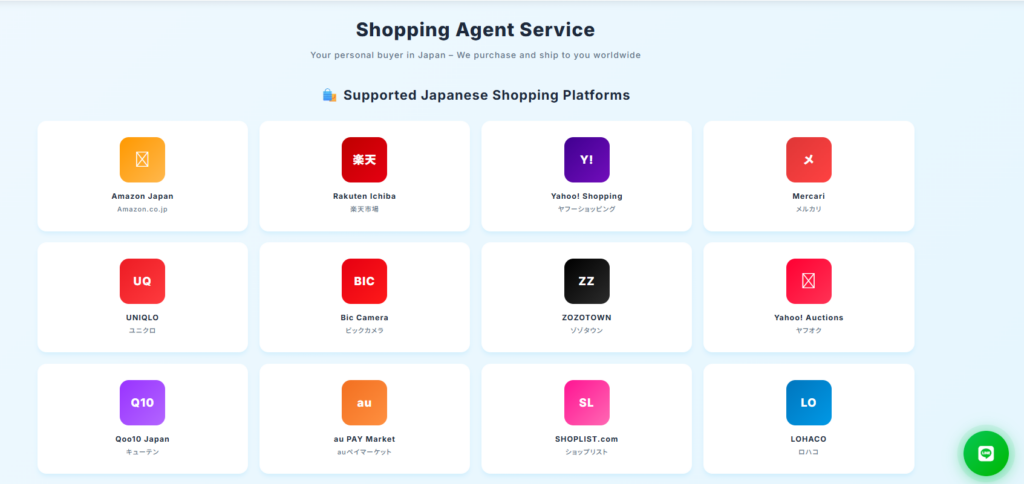
Buy Authentic Japanese Products with Our Trusted Shopping Agent Service. We help customers worldwide purchase items directly from popular Japanese online stores such as Amazon Japan, Rakuten, Yahoo! Shopping, Mercari, and more. If a store does not ship internationally, we buy on your behalf and deliver safely to your country. Enjoy access to exclusive Japanese brands, limited editions, electronics, fashion, cosmetics, and collectibles at competitive prices. Our service offers secure payments, careful inspection, reliable packaging, and fast international shipping.
How to Place an Order (Easy Japan Proxy Buying & International Shipping)
To place an order, please send us the required information via email, LINE, or our contact form. Once we confirm your details, we will issue a proforma invoice with a complete cost breakdown.
Required Information for Your Order
- Product URL(s) from Japanese websites (e.g., Amazon Japan, Rakuten, Mercari)
- Quantity (number of items)
- Delivery Address (full address including postal code and phone number)
- Preferred Delivery Schedule (desired shipping date or deadline)
Order Process
- Send your order details via email, LINE, or contact form
- Receive a proforma invoice including product cost, service fee, and shipping cost
- Confirm your order and complete payment
- We purchase the items from Japan on your behalf
- Your products are shipped safely to your destination
Why Choose Our Japan Proxy Buying Service?
- Access to popular Japanese marketplaces and exclusive products
- Affordable international shipping rates
- Secure payment and professional handling
- Reliable support for global customers and businesses
Contact us today to start your order and enjoy fast, reliable access to authentic Japanese products.
Japanese Product Shopping Agent Service – Buy from Japan and Ship Worldwide
Our Japanese Shopping Agent Service allows customers around the world to purchase authentic products directly from Japan. Many Japanese online stores do not ship internationally, which makes it difficult for overseas buyers to access popular and exclusive Japanese products. Our service solves this problem by purchasing items on your behalf and shipping them safely to your country.
We support a wide range of popular Japanese online marketplaces and retail stores. Whether you are looking for fashion, electronics, cosmetics, collectibles, hobby items, anime goods, daily-use products, or limited Japanese products, we can help you purchase them and arrange reliable international shipping.
We can also help you purchase products from smaller Japanese websites, specialty stores, local shops, and suppliers that may not support overseas customers. In many cases, if the product can be bought in Japan, we can help you buy it. This makes our service ideal for customers in Malta who want flexible access to almost anything sold in Japan.
Our service is suitable for:
• personal shopping from Japan
• Japan proxy buying
• e-commerce sourcing
• wholesale and bulk orders
• limited-edition and hard-to-find Japanese products
• combined shipping to reduce international delivery costs
CTA: If you have a product link, product name, screenshot, or shopping list, send it to us through our contact form. We will check availability, provide support, and help you buy and ship your items from Japan smoothly and safely.
Supported Japanese Shopping Platforms
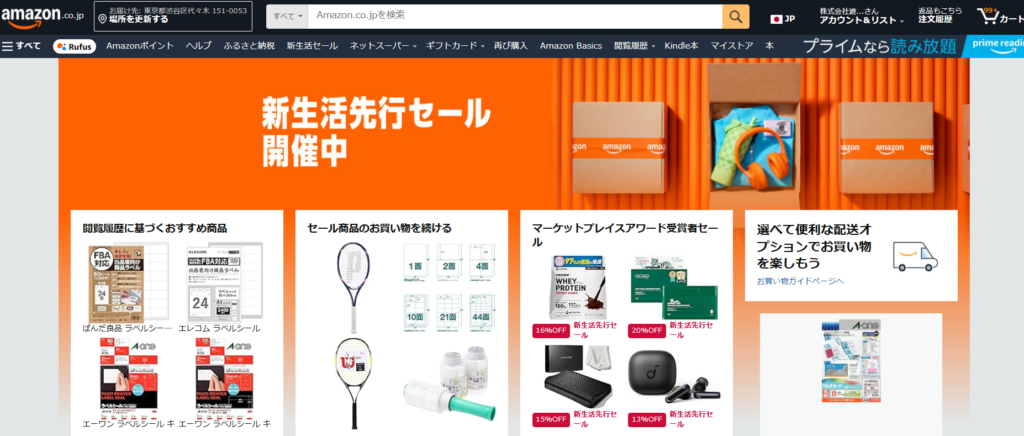
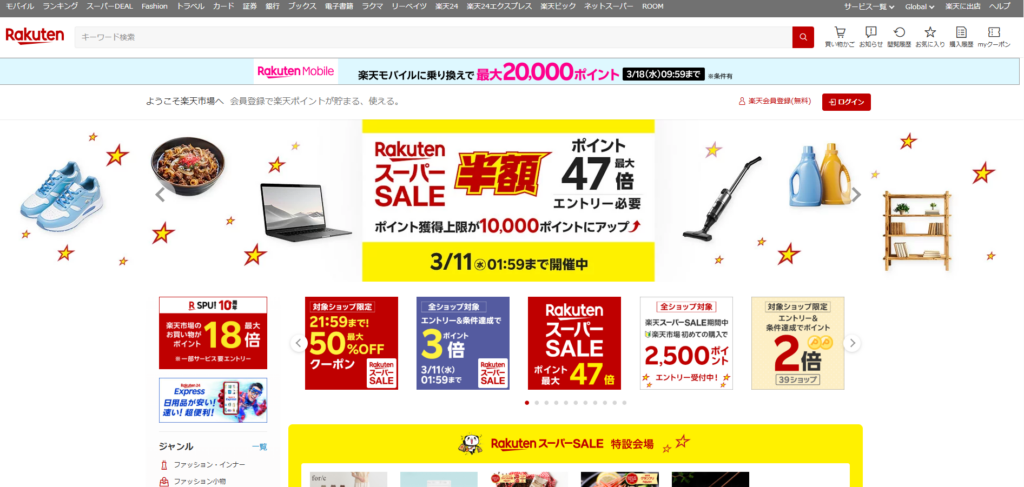
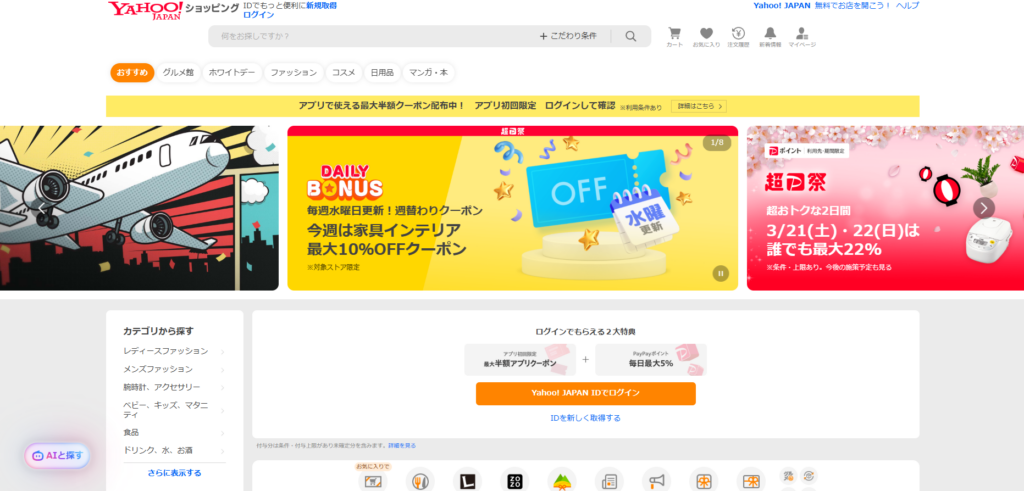
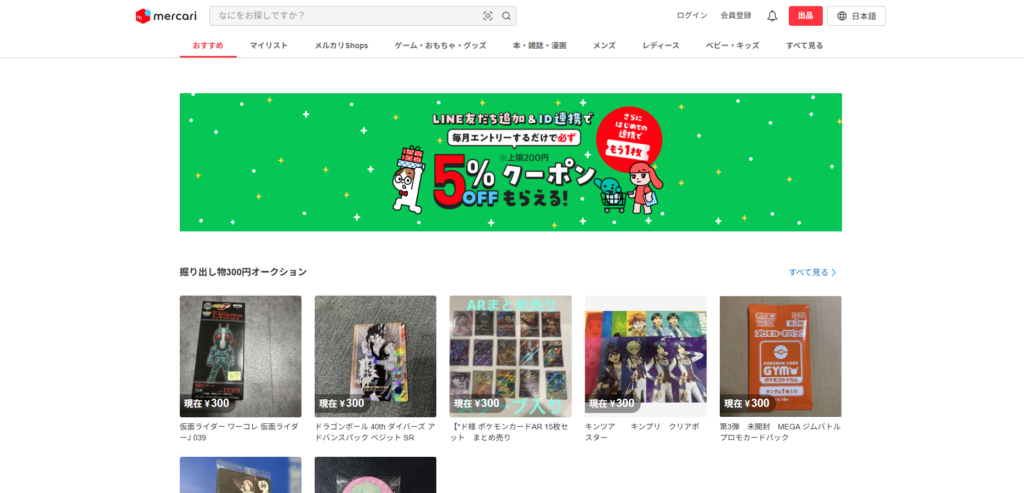

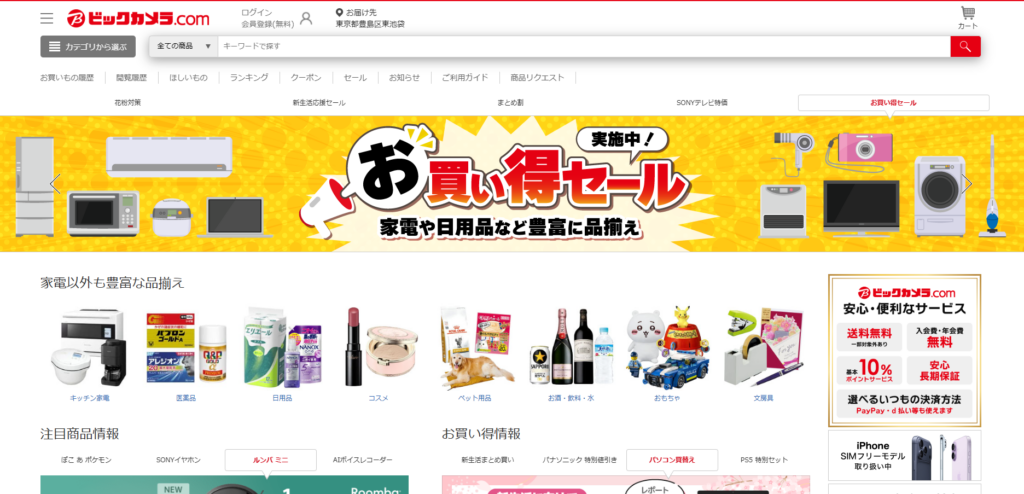
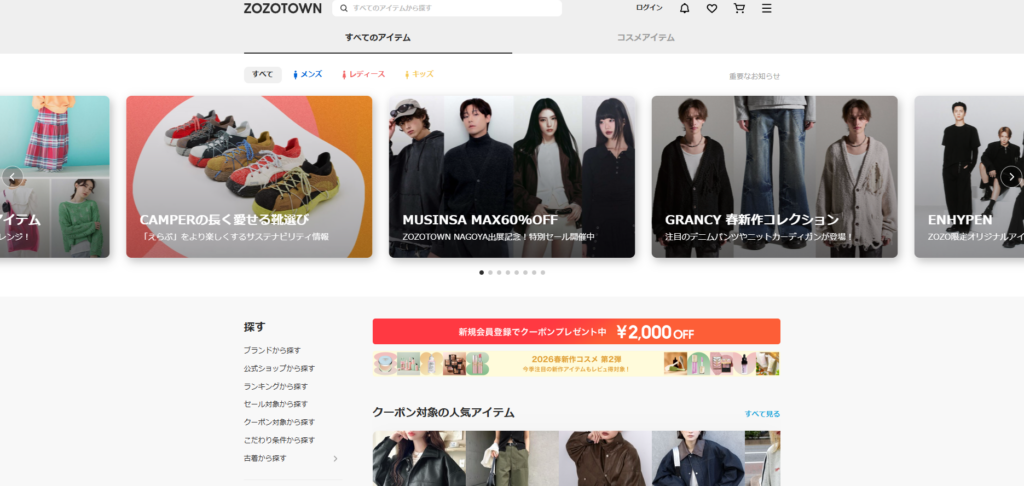
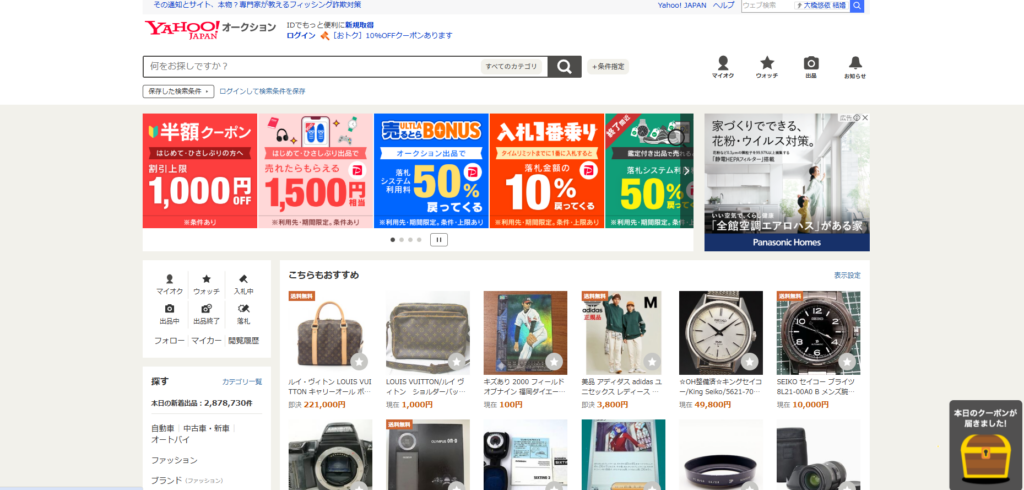
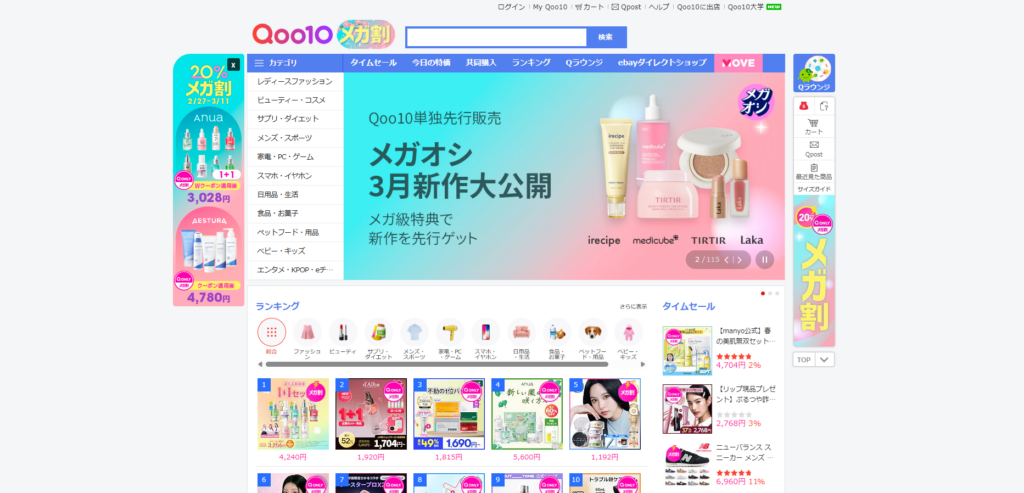
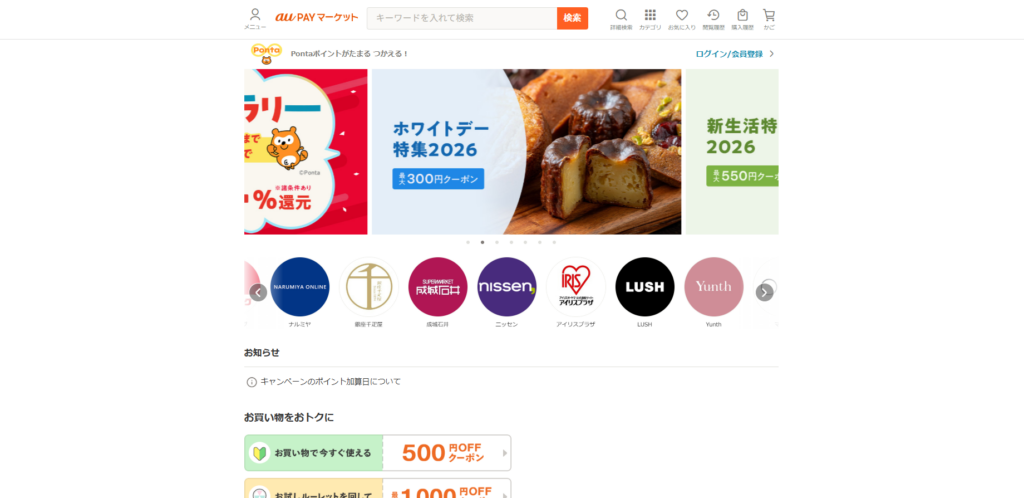
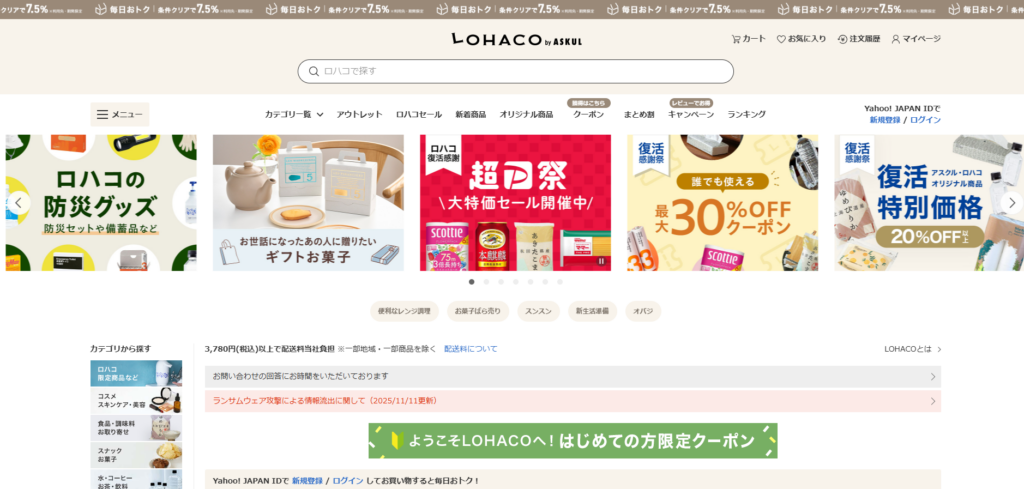
These platforms offer a huge variety of Japanese products that are highly popular worldwide. From the latest Japanese fashion brands to high-quality electronics, cosmetics, lifestyle goods, hobby items, and unique collectibles, you can access many of Japan’s best online stores through our purchasing service.
Even if the product you want is not listed on one of the major platforms above, you can still contact us. We can often assist with purchases from smaller Japanese websites, independent online shops, brand-specific stores, and selected offline products available in Japan. This makes our service highly flexible for customers who want to buy almost anything from Japan.

Contact us through the form below. Please send us your order item links or shopping list. Orders can be placed by chat or email, whichever is more convenient for you.
Leveraging a Forwarding Service for Overseas Shipping

Using a reliable forwarding service can transform how Japanese suppliers reach global markets. It consolidates logistics, reduces overhead, and simplifies complex export procedures. A well-chosen forwarding partner acts not just as a transporter but as a strategic extension of your supply chain, handling collection, packaging, documentation, customs, and final delivery. This chapter outlines the essential roles, the benefits, and practical ways to select a partner that aligns with your business goals and customer expectations.
The Role and Benefits of a Forwarding Partner
A forwarding company serves as the central hub for end-to-end international shipments. Key roles include:
• Collection and consolidation: pickup from multiple Japanese suppliers, warehouses, or storefronts, with flexible scheduling tailored to production and order cycles.
• Documentation and compliance: handling commercial invoices, packing lists, certificates of origin, and export declarations to ensure smooth customs clearance across destinations.
• Packaging optimization: professional packing and durable materials to minimize damage during long-haul transport and handoffs between carriers.
• Carrier selection and routing: leveraging global networks to choose air or sea options that balance speed, cost, and reliability; routing through optimal hubs to reduce transit times.
• Customs clearance and duties management: proactive coordination with customs brokers to minimize delays and accurately assess duties and taxes for each destination.
• Final mile coordination: tracking shipments to the recipient and arranging last-mile delivery, including proof of delivery and delivery confirmation.
• Value-added services: inspection, labeling, KYC/DSR checks, and, if needed, product sourcing or buyer verification to ensure order accuracy before dispatch.
Benefits customers commonly experience include lower overall logistics costs due to direct carrier access, faster and more predictable delivery times, reduced administrative burden, and improved customer satisfaction thanks to transparent tracking and reliable handling.
How to Identify a Trustworthy Forwarding Partner
When evaluating candidates, consider these indicators of reliability:
• Global reach and network depth: coverage in 200+ countries and the ability to handle diverse destinations, from consumer shipments to bulk commercial freight.
• End-to-end capability: a true one-stop solution that covers collection, packing, documentation, customs clearance, and delivery, without requiring multiple third parties.
• Transparent pricing and quotes: clear, itemized estimates with no hidden fees; responsiveness in providing practical cost-saving options such as consolidated shipments or route optimization.
• Compliance expertise: proven knowledge of export controls, sanctions, and product-specific regulations to prevent delays or penalties.
• Track record and client references: verifiable case studies or testimonials, especially from sellers in your market segment (EC sellers, manufacturers, or wholesalers).
• Risk management and insurance options: available coverage for loss or damage, with straightforward claims processes and documented handling procedures.
• Operational stability: strong IT systems for order management, shipment tracking, and real-time status updates; clear escalation paths for exceptions.
How to Find an Affordable Yet Reliable Forwarding Partner
Balancing cost and reliability requires a structured approach:
• Compare total landed cost: beyond base shipping rates, include handling, packaging, documentation, customs brokerage, and potential brokerage fees at destinations.
• Seek direct carrier access: partnerships or agreements that minimize intermediaries can significantly reduce margins and pass savings to you.
• Request detailed proposals: ask for service levels (SLA), transit time ranges, and contingency plans for peak seasons or port congestion.
• Analyze route optimization options: a capable forwarder should propose preferred routes that shorten transit times while maintaining safety and compliance.
• Pilot with a small batch: start with a controlled shipment to verify lead times, condition of goods, and administrative hand-offs before scaling up.
• Assess value-added services: inspect and label options, packaging customization, and packaging waste handling that may lower your overall operating costs.
• Check customer support quality: multilingual, US/EU-friendly communication, and clear onboarding assistance to simplify integration with your sales channels.
Post-Delivery Follow-Up and Customer Support

Efficient post-delivery follow-up is a critical component of a seamless international shipping experience. For buyers and sellers alike, timely updates, transparent communication, and proactive issue resolution build trust and encourage repeat business. Our approach combines real-time tracking, proactive notifications, and clear handover procedures to ensure recipients receive shipments without delays and with complete clarity on costs and status.
Tracking Status Updates and Communication
Comprehensive tracking is the foundation of post-delivery service. After a shipment leaves Japan, customers receive regular, easy-to-understand updates showing each milestone—origin pickup, customs clearance, in-transit status, and final delivery. We provide:
- Real-time tracking links and ETA adjustments to reflect any routing changes.
- Multi-channel alerts (email, SMS, or app push notifications) to keep all stakeholders informed.
- Transparent visibility into duties, taxes, and any additional charges incurred during transit.
When deviations occur—such as customs holds or delivery rescheduling—we promptly notify the recipient and the sender with corrective steps, expected resolution times, and requested actions to prevent further delays. This proactive communication minimizes anxiety and supports smoother handoffs at the final destination.
Recipient Support and Payment Verification
Successful delivery includes seamless recipient engagement and accurate payment reconciliation. We streamline recipient interactions by:
- Providing clear delivery instructions and contact points for the recipient.
- Confirming recipient identity and authorization when required, to prevent misdelivery.
- Verifying receipt against the shipment manifest and ensuring all charges at the destination are settled.
- Coordinating with local carriers for safe handover, including signature collection if needed.
For shipments involving cash-on-delivery (COD) or local taxes, we supply transparent cost breakdowns and collect payments securely. If discrepancies arise—such as damaged items, missing units, or incorrect addresses—we initiate swift investigations, coordinate with the carrier, and arrange replacements or refunds where appropriate.