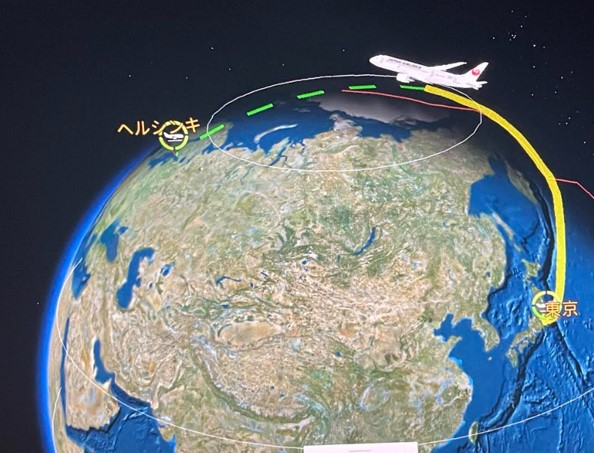
As a leading Japan-based forwarding expert, this guide helps international buyers understand how to ship Japanese products to Norway efficiently and affordably. You’ll discover practical options for different shipping modes, typical costs, and key factors that influence pricing, so you can estimate budgets accurately. Learn how customs, taxes, and paperwork affect timelines, and gain actionable steps to streamline orders from Japanese suppliers to Norwegian recipients. The article also highlights why Japan-origin goods are in growing demand overseas, how to select a reliable forwarding partner, and how end-to-end services—from pickup and inspection to packing, tracking, and customs clearance—save time and reduce risk. Whether you’re an EC seller, a corporate importer, or a reseller, this guide equips you with a clear, step-by-step approach to “shipping from Japan to Norway” with confidence.
- Basic Concepts for Shipping Japanese Products to Norway
- Practical Aspects of Shipping to Norway
- Introducing Cost-Effective Shipping Options from Japan to Overseas
- Choosing an Affordable and Reliable Forwarding Partner
- Pricing Guide by Transportation Method
- Operational Workflow and Key Points
- Buying Japanese Products from Overseas – Easy, Safe, and Reliable Worldwide Delivery
- Japanese Product Shopping Agent Service – Buy from Japan and Ship Worldwide
- Supported Japanese Shopping Platforms
- Important Operational Notes
- Final Summary and Business Advantage
Basic Concepts for Shipping Japanese Products to Norway
Entering the Norwegian market from Japan requires understanding key shipping concepts that balance cost, speed, and reliability. This section outlines the core ideas behind successful cross-border logistics, including choosing the right transport modes, understanding cost drivers, and aligning shipping strategy with buyer expectations in Norway. By focusing on a streamlined forwarding approach, Japanese sellers and suppliers can efficiently manage orders to Norway while maintaining compliance, traceability, and quality control.
Comparison of Transport Modes and How to Choose
Choosing the appropriate transport mode is the first critical decision in shipping Japanese products to Norway. Each option offers a trade-off between speed, cost, capacity, and reliability. The main modes are:
Air Freight: Fastest option, ideal for high-value or time-sensitive goods (electronics, fashion, perishable items with extended shelf life). Pros include shorter transit times and frequent service schedules. Cons are higher unit costs and limited payload per shipment, which may not fit bulky items or large volumes.
Sea Freight: Most cost-effective for large or heavy shipments, such as bulk electronics components, auto parts, or consumer goods in high volumes. Pros include lower per-unit costs and ample capacity. Cons are longer transit times and more complex handling requirements for hazardous or temperature-sensitive goods.
Express Courier: Door-to-door service suitable for small packages or samples. Pros include speed and ease of tracking; cons are higher rates for larger or heavier shipments and potential customs delays if duties are not properly documented.
Rail and Multimodal: Emerging options for certain routes, combining speed with cost-efficiency, often used for consolidated shipments. Pros include reduced carbon footprint and steady schedules. Cons include transfer handling and possible route limitations.
How to Choose: Start with shipment characteristics—size, weight, value, and required delivery speed. For bulky items with time flexibility, sea freight paired with consolidation offers cost savings. For high-value or urgent orders, air freight or express courier is preferable. Consider Norway’s customs landscape, potential import restrictions, and the availability of local distribution partners. A one-stop forwarding approach that coordinates pickup, consolidation, customs clearance, and final delivery often yields the best balance of cost, speed, and risk management.
Estimated Standard Shipping Costs and Key Cost Drivers
Understanding typical cost ranges and the factors that influence them helps set realistic pricing and buyer expectations when shipping Japanese products to Norway. Common cost components include:
Base Freight Rate: The primary charge based on weight or dimensional weight for air or sea shipment. Heavier or larger items increase the base rate, while efficient packaging can reduce dimensional weight charges.
Fuel Surcharges and Security Fees: Variable charges tied to fuel prices and security handling requirements. These can fluctuate, affecting total landed cost.
Insurance: Protects against loss or damage during transit. Costs depend on product value, risk category, and coverage level. High-value goods benefit from higher coverage, though it adds to overall cost.
Customs Duties and Taxes: Norway applies import taxes and value-added tax (VAT). While VAT is typically charged at the destination, duties depend on product classification (HS codes) and country of origin. Accurate classification and documentation minimize delays and unexpected charges.
Handling and Terminal Fees: Terminal handling, unloading, and palletization fees at ports or airports. Consolidation services may spread these costs across multiple consignments.
Distribution and Last-Mile Delivery: After customs clearance, domestic transport to the recipient’s address incurs final-mile costs. This is influenced by distance, delivery speed (standard vs. expedited), and whether delivery is to a business or residential address.
Packaging and Labeling: Proper packaging to withstand long transit and multiple handlings reduces loss or damage risk, potentially lowering insurance costs if coverage is aligned with packaging integrity.
Consolidation and Forwarding Fees: If multiple smaller shipments are combined into one container or flight, consolidation fees apply. This can lower per-unit costs for multiple SKUs or orders.
Volume and Frequency: Regular or high-volume shipments often qualify for volume discounts or negotiated rates, lowering overall costs over time.
In summary, the cost to ship Japanese products to Norway depends on the chosen mode, service level, product characteristics, and logistics strategy. A well-planned forwarding solution that emphasizes consolidation, accurate documentation, and efficient routing typically delivers the best balance of speed and cost while maintaining compliance with Norwegian import regulations.
Practical Aspects of Shipping to Norway

Successfully exporting to Norway requires understanding customs, taxes, delivery timelines, and tracking. This section provides a concise, SEO-friendly overview tailored for international buyers and exporters seeking a reliable Japan-to-Norway forwarding solution. By addressing practical steps, you can plan smoother imports, minimize delays, and ensure compliant shipments from Japan to Norwegian destinations.
Foundations of Customs clearance and taxes
Norway is part of the European Economic Area but operates its own customs regime separate from the EU. This means goods imported into Norway are subject to customs clearance, VAT (value-added tax), and potential duties depending on the product category. Key points include:
- Harmonized System (HS) classification: Accurate HS codes determine duty rates and VAT applicability. Incorrect codes can cause delays and penalties.
- Value for customs: The customs value includes the price paid for goods plus insurance and freight (CIF). For certain services, a handling fee may apply at the port of entry.
- VAT at import: Norway imposes 25% standard VAT on most goods. Some goods may have reduced rates or exemptions, such as certain medical devices or educational materials.
- Import taxes and duties: Depending on the product, duties may be due at import. For low-value shipments, specific de minimis thresholds may apply, reducing or eliminating duties.
- Documentation: Commercial Invoice, Packing List, Bill of Lading/Air Waybill, and any required certificates (country of origin, safety, CE marks, etc.) must be accurate and complete.
- Post-clearance duties: Some shipments incur VAT and duties post-clearance, paid by receiver or via pre-paid arrangements arranged by the forwarder.
- Incoterms: Choosing Incoterms (e.g., DAP, DDP) impacts who pays VAT, duties, and who handles customs clearance. For a seamless process, many exporters prefer to delegate customs clearance to a capable forwarding partner.
Practical tip: Work with a forwarding partner that provides end-to-end customs brokerage, correct HS coding guidance, and pre-arrival VAT/clearance planning to prevent delays at the Norwegian border.
Delivery schedules and tracking
Reliable delivery timelines depend on the chosen transport mode (air or sea), origin location in Japan, carrier schedules, and clearance efficiency in Norway. Typical considerations include:
- Transit time: Air freight generally offers 1–4 days to major Norwegian cities for fast delivery, while sea freight can take several weeks depending on routing and vessel schedule.
- Customs clearance timing: Clearance speed hinges on document accuracy, classification, and any required inspections. Delays often occur if documentation is incomplete or misclassified.
- Last-mile delivery: After customs, local courier networks or Norway-based logistics partners handle domestic delivery to final addresses. Tiered service levels (standard, express) are common.
- Tracking visibility: Real-time tracking from pickup to final delivery is essential. A robust forwarding solution provides order-level visibility, status updates, and proactive alerts for exceptions.
- Scheduling flexibility: Coordinate pickup windows with suppliers in Japan and provide arrival windows to recipients in Norway to minimize storage time and avoid missed deliveries.
Proactive approach: Specify required delivery dates, communicate any time-sensitive constraints, and request pre-arrival customs screening when possible to accelerate customs clearance.
Introducing Cost-Effective Shipping Options from Japan to Overseas

As cross-border commerce continues to grow, Japanese products are increasingly sought after worldwide. For buyers and sellers aiming to expand internationally, finding reliable, affordable shipping partners from Japan is essential. This section explores why Japan remains a hot source for global demand, highlights services that facilitate not only exports from Japan but also imports into Japan, and points to trusted agencies that can assist with sourcing from Japan.
Why Japanese Product Demand Overseas Will Continue to Grow
Japanese goods are renowned for quality, innovation, and craftsmanship. Electronics, cosmetics, fashion, and traditional crafts carry strong reputations across regions, driving steady demand. Evolving consumer tastes, growing e-commerce penetration, and advanced fulfillment networks enable overseas buyers to access Japanese products with greater ease. Additionally, transparent product standards, reliable supply chains, and robust logistics options reduce perceived risk for international buyers. For exporters, leveraging a dependable Japan-forwarding approach that combines shipping, handling, and customs expertise can lower total landed cost while shortening delivery timelines, making Japanese items more competitive in overseas markets.
Recommended Shipping Partners That Handle Both Export from Japan and Import to Japan
Choosing a partner that can manage end-to-end logistics—from domestic collection in Japan to international delivery and even inbound import steps—offers significant efficiency and cost benefits. Look for providers with: nationwide pickup capability in Japan, multilingual customer support, integrated customs clearance, and experience with cross-border e-commerce platforms. Ideal partners offer a one-stop solution that covers collection, inspection, packaging, international transport by air or sea, and final delivery, ensuring seamless handling of both export and inbound import needs. This holistic approach helps reduce delays, minimize damage risk, and optimize routing for speed and cost.
Japanese Buying Agents for Procuring Products in Japan
For overseas buyers seeking to source products directly in Japan, trusted buying agents can streamline procurement. Effective agents provide product verification, supplier liaison, quality control, and consolidated shipping to reduce freight costs. When evaluating agents, consider their verification processes, communication responsiveness, transparent pricing, and track record with exporting to your region. Pairing a reliable buying agent with a capable forwarding partner creates a powerful, end-to-end solution for importing Japanese goods to overseas markets.
Choosing an Affordable and Reliable Forwarding Partner

Finding a cost-effective forwarding partner that you can trust is essential for international shipments from Japan. A well-chosen company can lower total landed costs, speed up delivery, and minimize risk across the entire supply chain. This chapter outlines practical strategies to reduce costs without compromising quality, and explains how to assess reliability through measurable indicators and credible customer feedback.
Tips to Minimize Costs
1) Leverage direct carrier arrangements: Work with a forwarding service that secures direct contracts with airlines and shipping lines, cutting out middlemen and unnecessary markups. This often translates into lower unit rates for both air and sea freight.
2) Consolidation and batching: If you ship multiple small orders, consolidation can dramatically reduce per-shipment fees and improve container utilization. Coordinate pick-ups or warehouse pick lists to maximize load efficiency.
3) Flexible routing and mode selection: Compare combinations of air and sea options, and consider freight terms that align with your cash flow (e.g., DAP or DDP depending on who handles duties). A smart forwarder proposes the most cost-efficient route without sacrificing transit times.
4) Packaging optimization: Proper packaging reduces dimensional weight and risk of damage, avoiding extra charges from carriers. Use lightweight, sturdy materials and standardize package sizes to streamline handling.
5) Customs and documentation efficiency: A proactive forwarder with in-house customs expertise minimizes delays and duties miscalculations. Timely, accurate paperwork prevents penalties and demurrage charges.
6) Inventory and warehousing strategy: If you ship in bulk, consider cross-docking or Japan-based consolidation to lower storage fees and expedite delivery to overseas hubs.
How to Read Reliability Indicators and Customer Reviews
1) Track record and experience: Look for a forwarder with substantial experience in your target regions (e.g., 200+ countries served, proven performance with cross-border ecommerce). Longevity signals stability and process maturity.
2) Service breadth and integration: Prefer partners offering end-to-end solutions—collection, inspection, packing, transport, customs clearance, and final delivery. A single-point-of-contact reduces handoffs and miscommunication.
3) Compliance and risk management: Verify knowledge of export controls, sanctions, and product-specific regulations. A reliable company demonstrates proactive risk assessment and problem resolution strategies.
4) Transit times and on-time performance: Review published SLAs and, if possible, historical on-time delivery percentages. Consistent performance is crucial for customer satisfaction.
5) Claims and damage handling: Read how providers handle loss or damage, including service credits, quick replacement options, and transparent investigation processes.
6) Customer feedback quality: Prioritize reviews from businesses similar to yours (e.g., B2B, ecommerce, or large-volume shipments). Look for specificity about issue resolution, communication quality, and post-shipment support.
7) Transparency of pricing: Reputable forwarders share clear cost breakdowns and no surprise fees. Request a sample quote to gauge clarity and responsiveness.
8) Support accessibility: Test response times and multilingual support capabilities. A reliable partner offers responsive assistance across time zones and languages.
Pricing Guide by Transportation Method
Choosing the right shipping method significantly impacts total cost and delivery speed when moving Japanese products overseas. This section breaks down the typical costs and transit times for sea and air freight, helping exporters and cross-border sellers estimate budgets and set realistic expectations. By understanding the main cost drivers, you can optimize routes, consolidate shipments, and select the most cost-effective solution without compromising reliability or compliance.
Sea Freight: Cost factors and transit times
Sea freight is often the most economical option for large, heavy, or high-volume shipments. While it generally offers lower per-unit costs compared to air, several factors influence total charges and delivery speed:
Cost drivers: – Cargo size and weight: Ocean rates are typically calculated using volume (20-foot equivalent unit, or TEU) and actual weight; high-density or bulky goods may incur higher charges. – Freight class and commodity: Hazardous materials, perishables, or restricted items can attract surcharges and special handling fees. – Shipping mode: Full container load (FCL) tends to be cheaper per unit than less-than-container load (LCL), which adds packing, loading, and consolidation costs. – Port-to-port vs. door-to-door: Direct port-to-port services are cheaper; door-to-door with inland trucking or customs clearance increases total costs but offers convenience. – Fuel and security surcharges: Variable fees tied to global fuel prices and security requirements affect final pricing. – Documentation and handling: Bill of lading, packing lists, and marine insurance add to administrative costs, especially for high-value cargo.
- Typical timelines range from 14 to 40+ days, depending on origin-destination pairs, port congestion, vessel schedules, and whether shipments are consolidated (LCL) or shipped in full containers (FCL).
- Ocean routes may include transshipment points, which can add days but may lower costs.
Practical tips:
- Consider FCL for large shipments to reduce per-unit costs and minimize handling risk.
- Use port-to-port routing when possible to curb inland transit time and expenses.
- Combine multiple smaller orders into one ocean shipment to achieve bulk-rate advantages.
- Add marine insurance to protect against loss or damage, especially for valuable or delicate goods.
Air Freight: Cost factors and transit times
Air freight is favored when speed is critical, or when the cargo value justifies higher transport costs. Understanding the key cost factors helps in controlling expenses while meeting tight deadlines:
Cost drivers: – Chargeable weight: Airlines bill based on actual weight or volumetric weight (whichever is greater). Efficient packaging and weight optimization can significantly reduce costs. – Freight class and product type: Perishables, electronics, or high-value items may incur higher rates due to security and handling needs. – Service level: Standard air freight, express (air courier), or priority services carry different price points and guarantees. – Route and connectivity: Direct flights are faster but usually pricier; economic or multi-stop routes can lower costs but extend transit time. – Fuel and security surcharges: These fluctuate with market conditions and can noticeably affect final charges. – Terminal handling and documentation: Handling at origin and destination airports, customs clearance, and insurance add to the overall price.
- Typical ranges are 1 to 7 days door-to-door, depending on origin and destination, flight availability, and customs processing.
- Express services can deliver within 24–72 hours for time-critical shipments, albeit at premium rates.
Practical tips:
- For high-value or time-sensitive goods, air freight minimizes stockouts and speeds to market.
- If bulk quantities are involved, a mixed strategy (air for fast-moving items, sea for bulk) can balance cost and speed.
- Optimize packaging to maximize volumetric efficiency and reduce chargeable weight.
- Pair with reliable door-to-door services that handle customs, inland transport, and delivery to final addresses.
Conclusion:
- Sea freight offers cost-efficiency for large-volume shipments, with longer transit times.
- Air freight provides speed and reliability for time-sensitive goods, with higher costs.
- A strategic combination of both methods, aligned with product type, order size, and delivery deadlines, enables effective international distribution from Japan.
If you’d like, I can tailor the figures and real-world benchmarks (average price ranges, typical transit times for specific routes) to match your current target markets and product categories.
Operational Workflow and Key Points
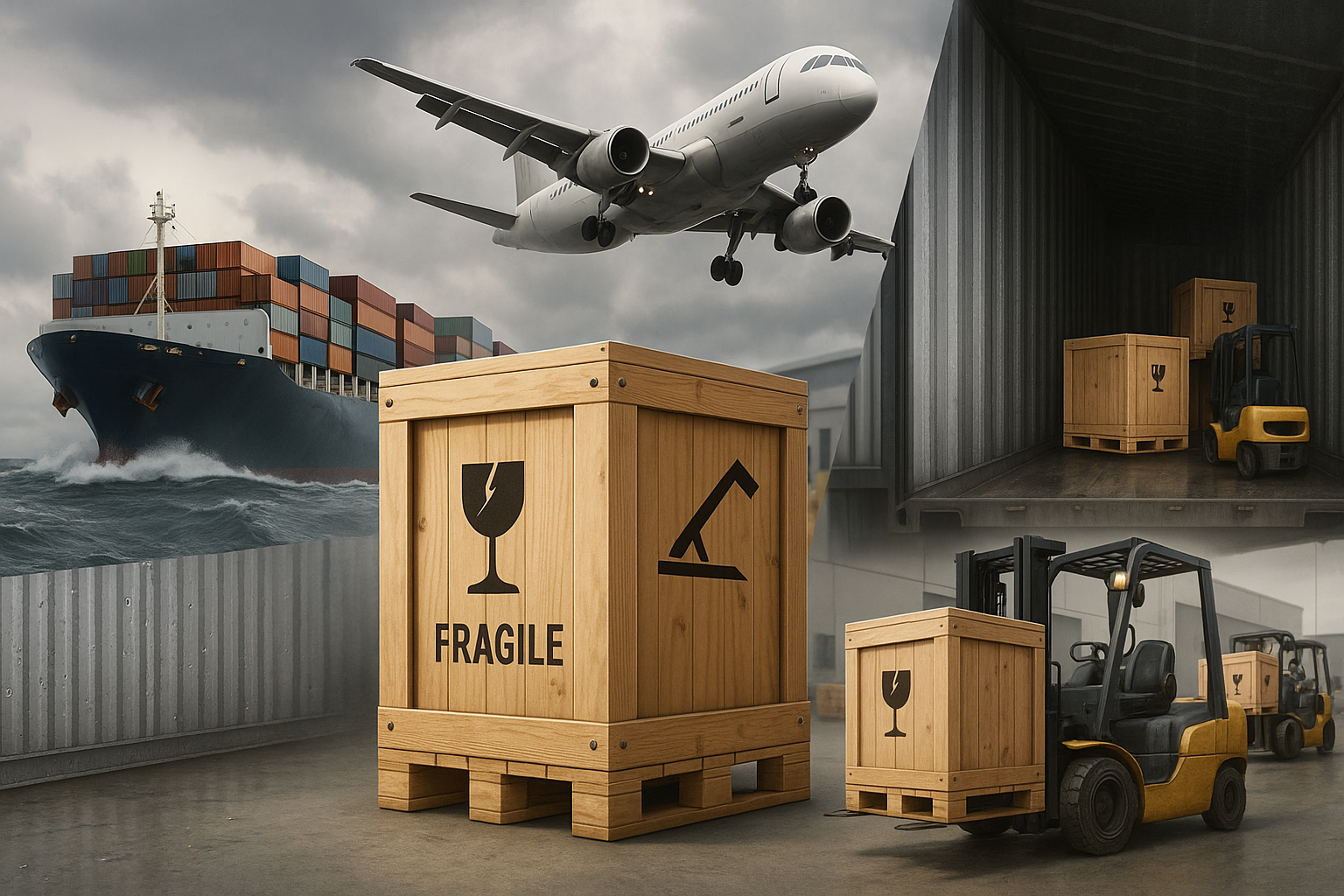
Efficient and compliant international shipping from Japan hinges on a well-orchestrated workflow. This section outlines the practical steps, from packing and labeling to the preparation of documents and the overall procedure, with emphasis on minimizing delays and ensuring smooth customs clearance. By following a streamlined process, overseas buyers and cross-border sellers can achieve faster delivery times, lower risk of returns, and improved customer satisfaction.
Fundamentals of Packing and Labeling
Proper packing and clear labeling are the foundations of damage-free, cost-effective international shipments. Start with a packing plan aligned to the product type, handling requirements, and chosen transport mode (air or sea).
Key packing practices include:
- Choose sturdy outer packaging with adequate cushioning for fragile items; use double-wall cartons for heavy goods.
- Wrap each item securely and protect corners with corner guards; seal with tamper-evident tape.
- Use moisture barriers for electronics or goods sensitive to humidity; include desiccants where appropriate.
- Consolidate multiple items only if combined weight and dimensions stay within carrier limits; avoid excessive bulk that raises dimensional weight charges.
- Label contents clearly in English (or bilingual where required), including item name, quantity, HS code if known, and handling instructions (FRAGILE, THIS SIDE UP).
- Attach a visible shipping label with sender/receiver details, contact numbers, and a tracking number; ensure labels are on the largest surface and not obscured by packaging.
Labeling should also reflect any compliance needs, such as country-specific warnings or hazardous material indicators. For electronics or pharmaceuticals, include model numbers, serials, and batch codes to facilitate traceability.
Best practices for electronics and high-value goods:
- Use anti-static materials and rigid inserts to prevent internal movement.
- Record photographs of packed items for claim protection.
- Include a packing list inside the package when permissible; external documents should not reveal sensitive information.
By standardizing packing and labeling, you reduce the risk of damage, misrouting, and customs delays, while preserving item integrity throughout the journey.
Documents Preparation and Procedural Flow
A smooth export process from Japan to overseas requires meticulous document preparation and a clear procedural flow. Below is a practical sequence, outlining who does what and when, to align with customs requirements and carrier guidelines.
Core documents typically involved:
- Commercial Invoice: itemized description, quantities, unit prices, total value, terms of sale, and seller/buyer details.
- Packing List: detailed contents, weights, dimensions, and carton numbers; supports customs valuation and inspection.
- Bill of Lading or Air Waybill: carrier-issued document confirming shipment, with shipment route, vessel/flight, and consignee details.
- Export Declaration (where required): formal Japanese export paperwork (e.g., export control documents or generic export declarations) to authorize outbound shipments.
- Certificate of Origin: may be needed for preferential tariff treatment or regulatory compliance.
- HS Codes: accurate Harmonized System codes for each product to determine duties and taxes.
- Special permits or certificates: depending on product category (electronics, textiles, chemicals, food, etc.).
- Insurance documents: coverage confirmation if goods are insured during transit.
Procedural flow to follow:
- 1) Order receipt and product categorization: verify product type, origin, and destination to determine required documents and compliance steps.
- 2) Packing and labeling completion: execute standardized packing per product group and affix labels as described above.
- 3) Documentation preparation: draft and verify all documents, ensure HS codes and values are accurate, and reconcile with packing lists.
- 4) Compliance checks: confirm export controls, sanctions screening, and destination country import requirements (labeling, safety data sheets, etc.).
- 5) Booking and routing: select the optimal route (air or sea) based on cost, speed, and reliability; coordinate with carrier and forwarder network.
- 6) Customs clearance at origin: submit export documentation to Japanese customs; resolve any discrepancies promptly.
- 7) In-transit tracking: monitor shipment progress with tracking updates; communicate delays or issues to the consignee.
- 8) Import clearance at destination: ensure the recipient prepares import documents, pays duties/taxes if applicable, and confirms delivery appointments.
- 9) Delivery and post-shipment support: confirm delivery success, handle any claims for loss or damage, and provide post-shipment reporting.
Tip for efficiency: maintain a standardized document pack template per product category, with fields for all required data and placeholders for carrier-specific remarks. This reduces turnaround time and minimizes errors across frequent shipments.
Buying Japanese Products from Overseas – Easy, Safe, and Reliable Worldwide Delivery
Many Japanese online stores do not offer international shipping. However, customers overseas can still purchase authentic Japanese products easily by using a professional Japan proxy shopping service.
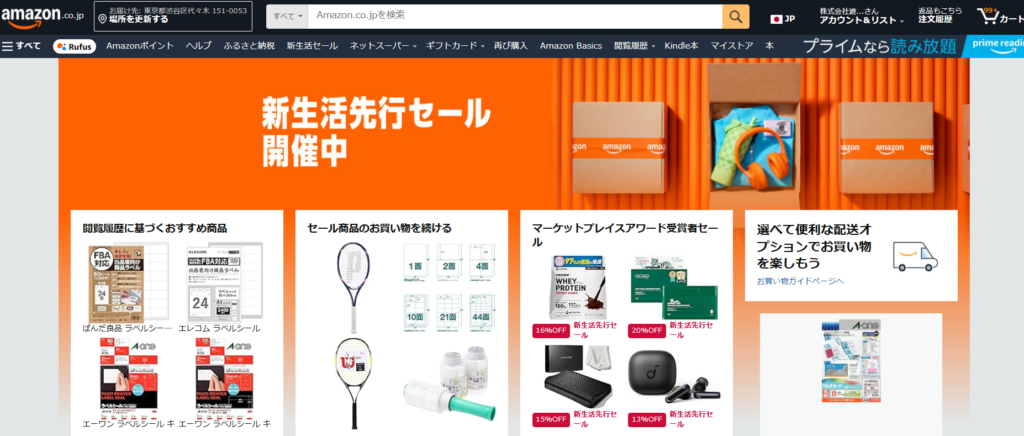
A proxy shopping service purchases products on behalf of international customers in Japan and ships them overseas. This allows buyers worldwide to shop from popular Japanese marketplaces such as Amazon Japan, Rakuten, Mercari, and Yahoo Auctions, even when those stores do not ship internationally.
Our service can also combine multiple orders into a single shipment, which can significantly reduce international shipping costs. This is one of the most efficient ways to buy from Japan while keeping total costs low.
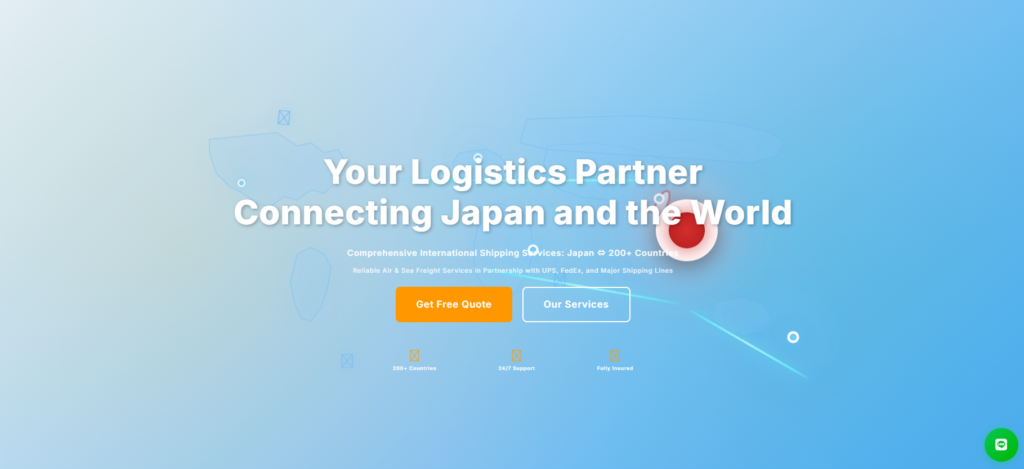
We introduce Worldwide-Courier.
①Shipping service
We offer Worldwide-Courier, providing low-cost delivery from Japan to Malta and worldwide by air and sea. We support both exports from Japan and imports into Japan, so please feel free to contact us for a consultation or inquiry.
We are one of the most affordable logistics companies in Japan. We provide competitive shipping rates and reliable international delivery services.
email:info@worldwide-courier-japan.com
wechat:tradingjapankei
tel:+81-3-6300-5745
We provide international export logistics from Japan to over 200 countries worldwide. As one of Japan’s most cost-effective shipping companies, we help reduce transportation costs between Japan and your country with competitive pricing and dependable service. We utilize trusted global carriers such as UPS and FedEx to ensure fast, secure, and trackable delivery.
Payment is accepted via Wise or major credit cards for safe and convenient international transactions. You can easily contact us through LINE, WhatsApp, email, or our online inquiry form.
If you are looking for affordable Japan export shipping, a reliable Japanese logistics partner, and lower international freight costs, we are your best choice. Contact us today and start saving on your shipments from Japan.
With the current weak Japanese yen (JPY), overseas customers can significantly reduce their total product purchasing and international shipping costs from Japan.
Because our Japan-origin freight forwarding rates are based in Japanese yen, overseas businesses and individual buyers can benefit from favorable exchange rates, resulting in lower effective costs for air freight, sea freight, proxy shopping, and international shipping services.
If you are looking for cheap shipping from Japan, low-cost air or ocean freight, or reliable customs clearance support, now is an excellent time to take advantage of the favorable currency difference.
Contact us today for a free consultation and a competitive shipping quotation.
②Japan product agent service
We can buy Japanese products and ship them to countries worldwide.
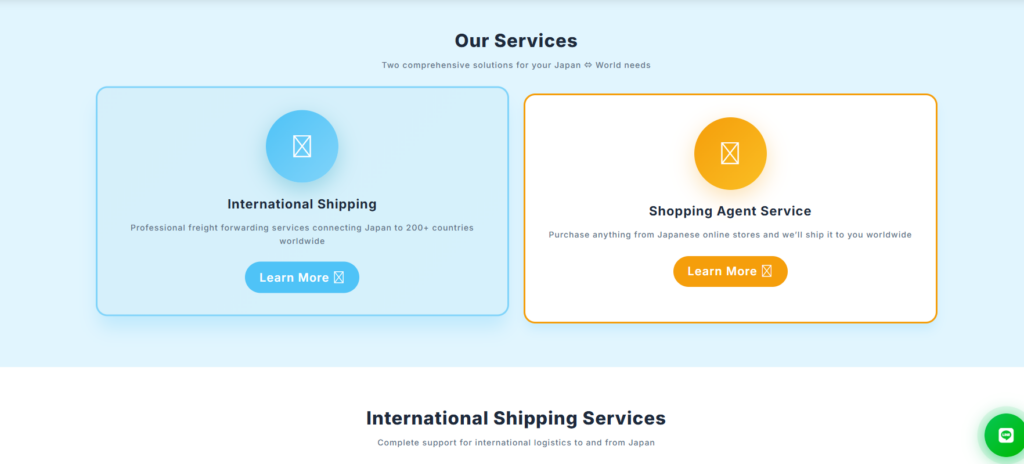
We provide both international shipping and purchasing services, so we can handle both the purchase of products in Japan and the shipment to your country.
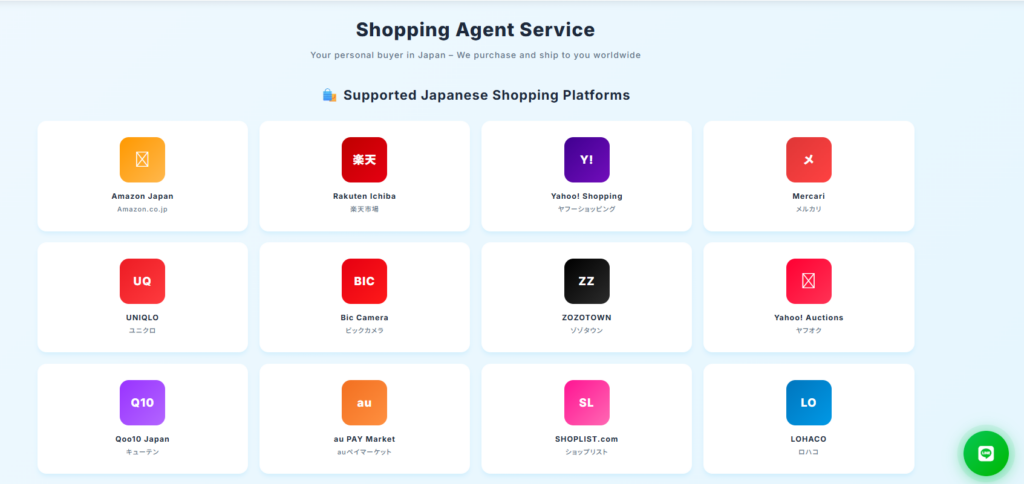
Buy Authentic Japanese Products with Our Trusted Shopping Agent Service. We help customers worldwide purchase items directly from popular Japanese online stores such as Amazon Japan, Rakuten, Yahoo! Shopping, Mercari, and more. If a store does not ship internationally, we buy on your behalf and deliver safely to your country. Enjoy access to exclusive Japanese brands, limited editions, electronics, fashion, cosmetics, and collectibles at competitive prices. Our service offers secure payments, careful inspection, reliable packaging, and fast international shipping.
Japanese Product Shopping Agent Service – Buy from Japan and Ship Worldwide
Our Japanese Shopping Agent Service allows customers around the world to purchase authentic products directly from Japan. Many Japanese online stores do not ship internationally, which makes it difficult for overseas buyers to access popular and exclusive Japanese products. Our service solves this problem by purchasing items on your behalf and shipping them safely to your country.
We support a wide range of popular Japanese online marketplaces and retail stores. Whether you are looking for fashion, electronics, cosmetics, collectibles, hobby items, anime goods, daily-use products, or limited Japanese products, we can help you purchase them and arrange reliable international shipping.
We can also help you purchase products from smaller Japanese websites, specialty stores, local shops, and suppliers that may not support overseas customers. In many cases, if the product can be bought in Japan, we can help you buy it. This makes our service ideal for customers in Malta who want flexible access to almost anything sold in Japan.
Our service is suitable for:
• personal shopping from Japan
• Japan proxy buying
• e-commerce sourcing
• wholesale and bulk orders
• limited-edition and hard-to-find Japanese products
• combined shipping to reduce international delivery costs
CTA: If you have a product link, product name, screenshot, or shopping list, send it to us through our contact form. We will check availability, provide support, and help you buy and ship your items from Japan smoothly and safely.
Supported Japanese Shopping Platforms
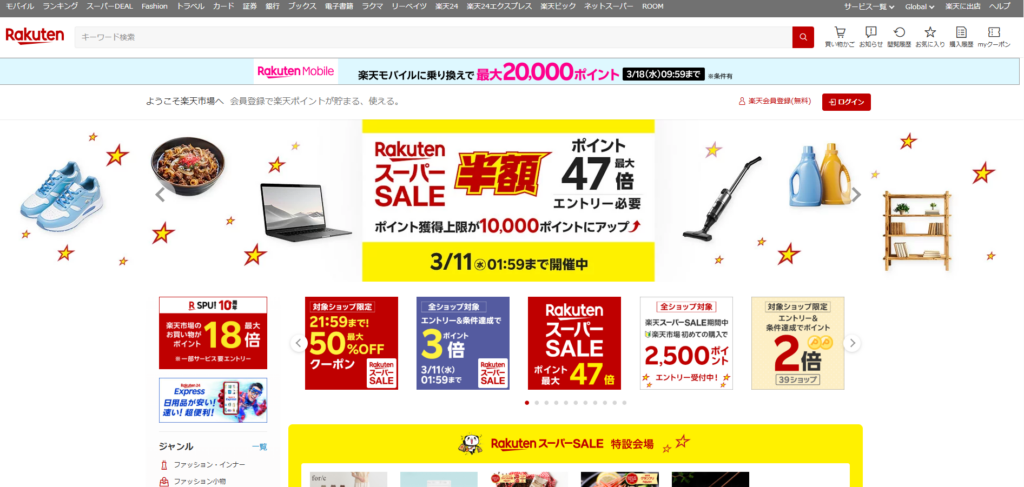
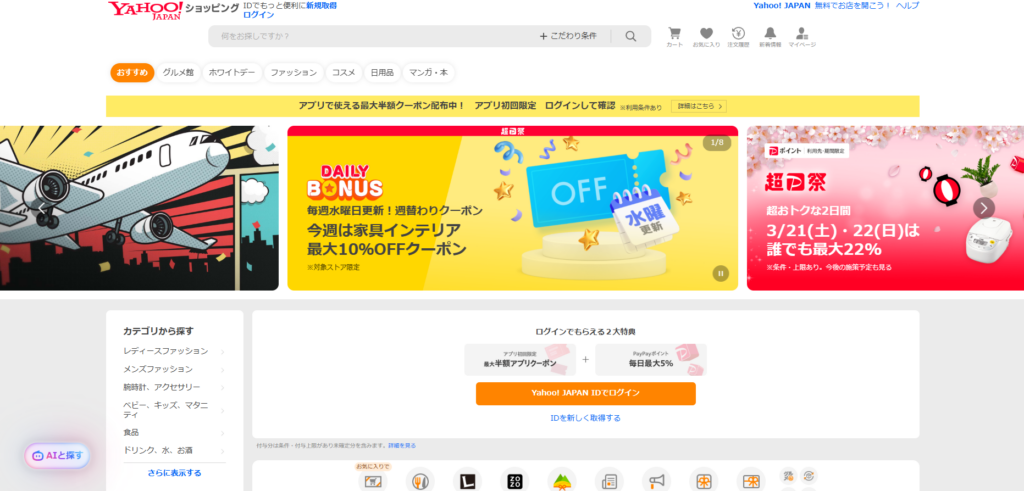
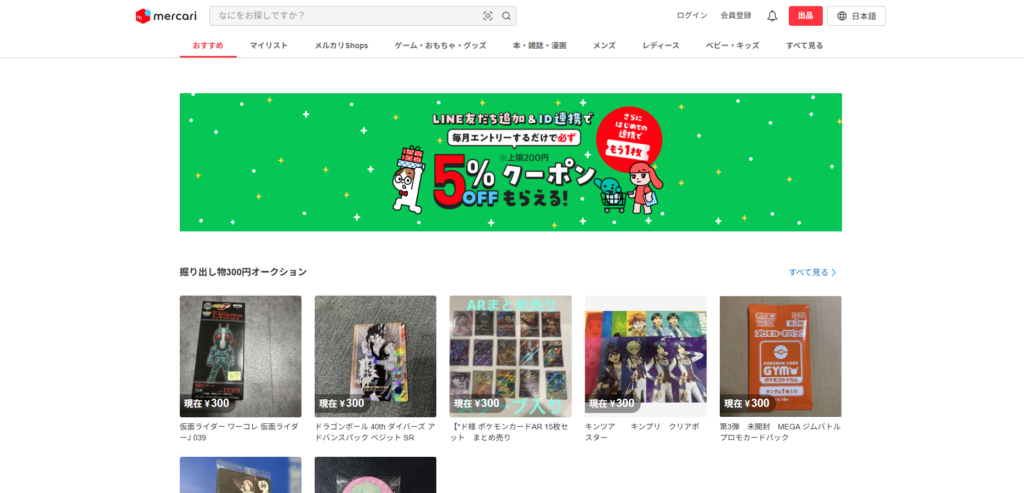

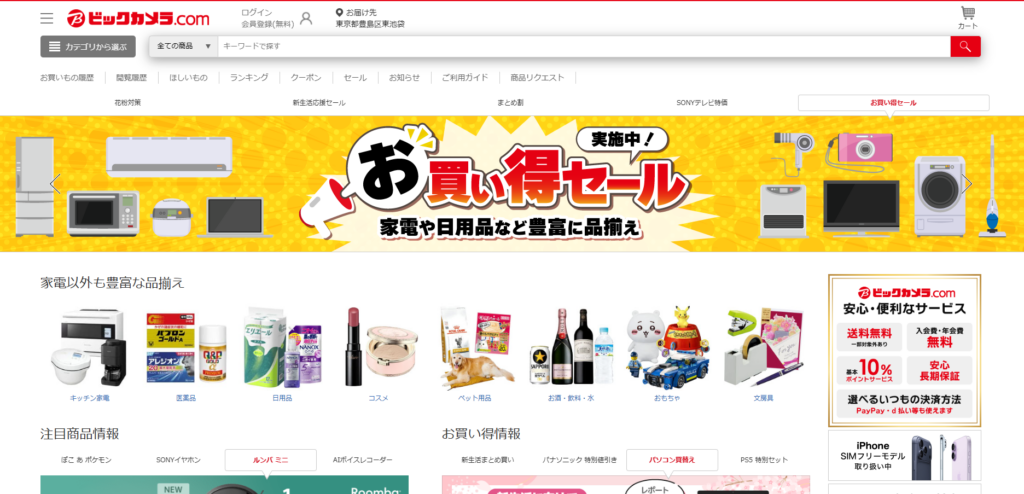
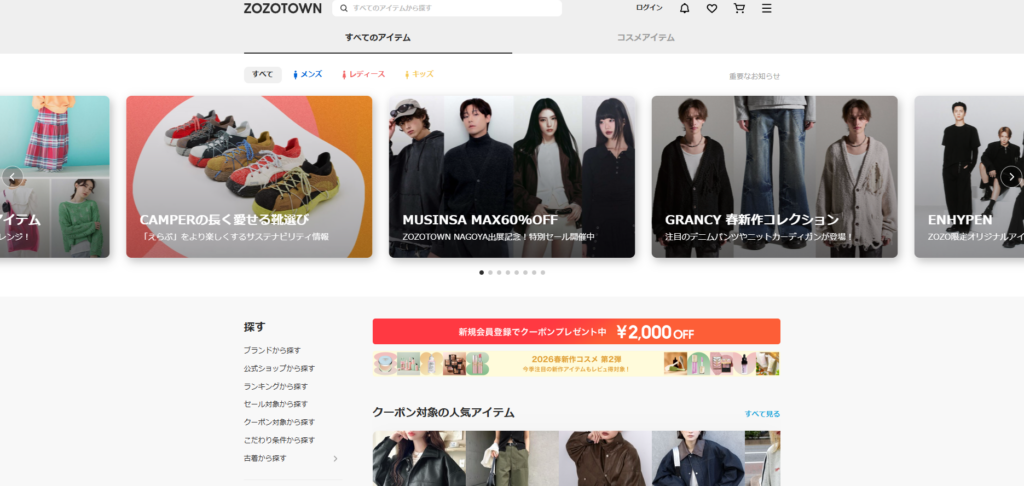
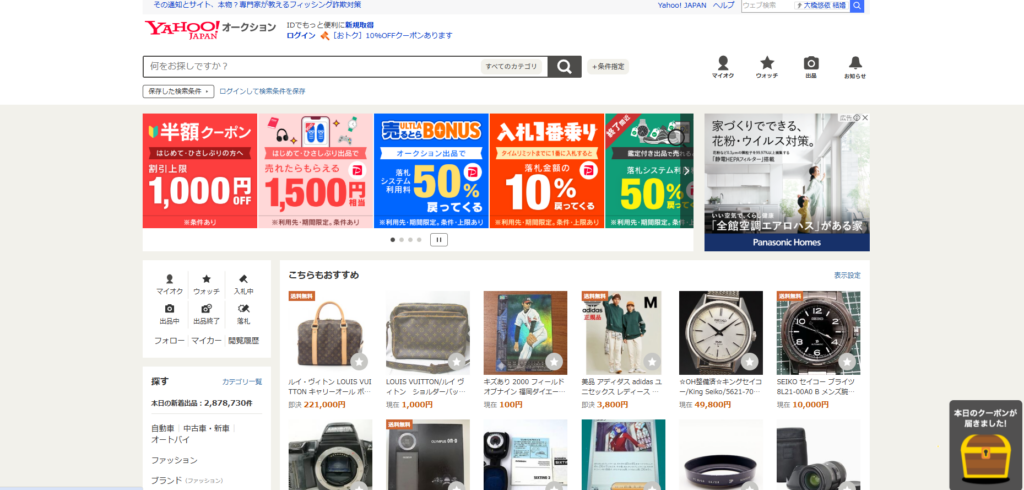
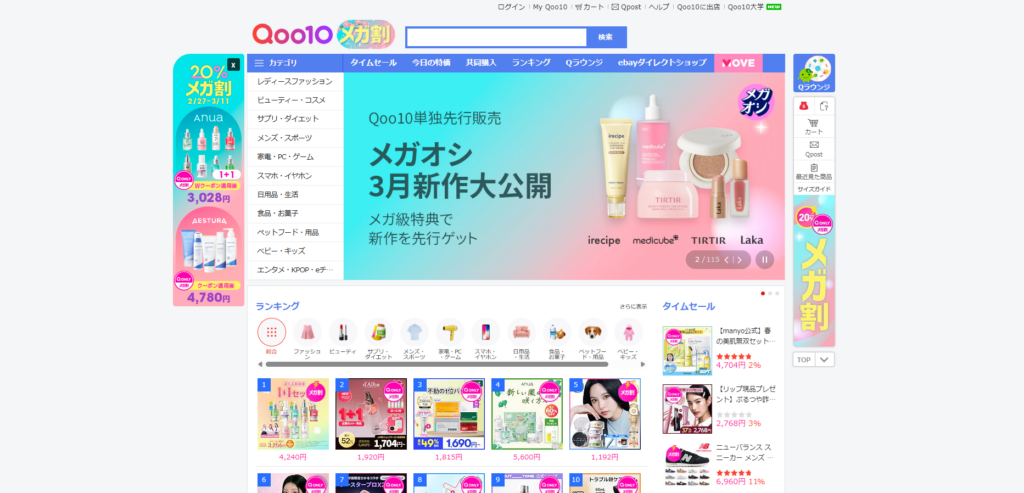
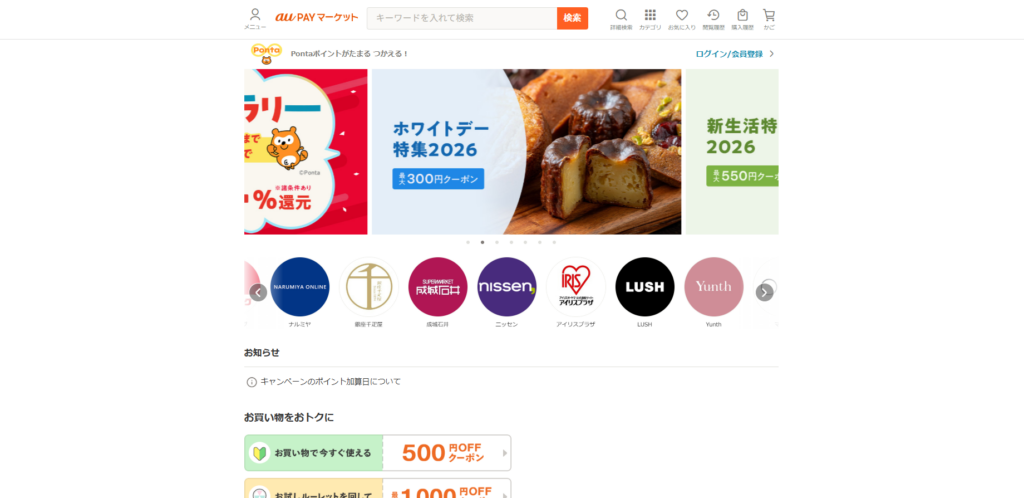
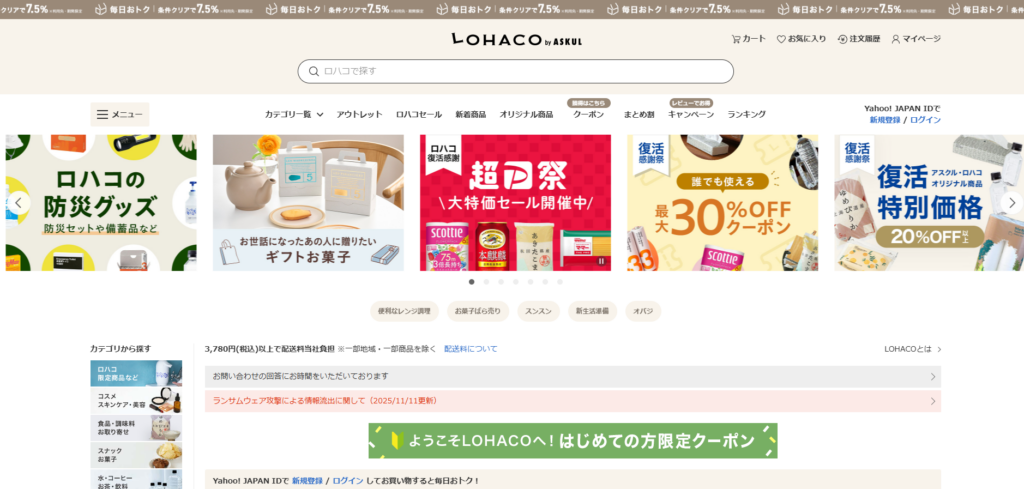
These platforms offer a huge variety of Japanese products that are highly popular worldwide. From the latest Japanese fashion brands to high-quality electronics, cosmetics, lifestyle goods, hobby items, and unique collectibles, you can access many of Japan’s best online stores through our purchasing service.
Even if the product you want is not listed on one of the major platforms above, you can still contact us. We can often assist with purchases from smaller Japanese websites, independent online shops, brand-specific stores, and selected offline products available in Japan. This makes our service highly flexible for customers who want to buy almost anything from Japan.
Contact us through the form below. Please send us your order item links or shopping list. Orders can be placed by chat or email, whichever is more convenient for you.
Important Operational Notes
All shipment information must be provided accurately before dispatch. Incorrect or incomplete information may result in shipment delays, additional costs, or reprocessing fees.
Customers are required to provide carton dimensions and weight in advance, as shipping costs are calculated based on chargeable weight (actual weight vs volumetric weight).
For shipments involving special materials such as wooden packaging, additional processing fees may apply depending on carrier requirements.
While standard shipping fees are clearly defined, any exceptional charges imposed by carriers will be billed separately as actual expenses.
Final Summary and Business Advantage
Shipping from the USA to Japan requires a complete understanding of logistics processes, cost structures, and operational conditions. By preparing accurate documentation, optimizing packaging, and selecting the right logistics partner, businesses can significantly reduce costs while ensuring fast and reliable delivery.
For companies involved in international trade, mastering these logistics fundamentals is essential for maintaining competitive pricing, improving supply chain efficiency, and expanding successfully into the Japanese market.
Introducing Worldwide Courier Japan – Your Trusted International Shipping & Import/Export Logistics Partner.
Worldwide Courier Japan provides low-cost international shipping services both from Japan to worldwide destinations and from overseas to Japan. We specialize in global import and export logistics, offering reliable air freight and sea freight solutions for businesses and individuals.
Our services cover export shipping from Japan as well as import shipping into Japan, including commercial cargo, e-commerce shipments, bulk freight, and personal packages. Whether you need to ship goods overseas or import products into Japan, we provide efficient, fast, and cost-effective logistics solutions.
If you are searching for cheap international shipping from Japan, import shipping to Japan, reliable freight forwarding companies in Japan, or global logistics services, Worldwide Courier Japan is your ideal partner. Contact us today for a free consultation.
Why Choose Worldwide Courier Japan for International Shipping & Import Services?
We offer competitive international shipping rates for both exports from Japan and imports into Japan. Our logistics experts help you choose the most efficient and affordable shipping method, whether via express courier, air cargo, or sea freight. We support small parcels, bulk shipments, and commercial cargo with optimized cost and delivery speed.
As one of the most cost-effective logistics companies in Japan, we help you reduce shipping costs for both outbound and inbound logistics while ensuring secure and reliable delivery worldwide.
Email: info@worldwide-courier-japan.com
WeChat: tradingjapankei
Tel: +81-3-6300-5745
We work with global carriers such as UPS and FedEx to provide fast, secure, and trackable international delivery services. Our network enables seamless shipping from Japan to the world and smooth import logistics into Japan from overseas.
We accept secure payments via Wise and major credit cards. Contact us easily via LINE, WhatsApp, email, or our online inquiry form for quick support and shipping quotations.
If you are looking for cheap shipping from Japan, import services to Japan, reliable freight forwarding in Japan, or cost-effective international logistics solutions, Worldwide Courier Japan is your best choice.
We support both exporting Japanese products worldwide and importing goods from overseas into Japan with efficient and affordable logistics solutions.
We provide both international shipping services and Japan purchasing (shopping agent) services.
Buy authentic Japanese products with our trusted shopping agent service. We also support importing products into Japan from overseas suppliers. Whether you are sourcing goods globally or purchasing from Japan, we handle procurement, inspection, packaging, and international delivery.
We support major platforms such as Amazon, Rakuten, Yahoo! Shopping, and Mercari. If international shipping is not available, we purchase on your behalf and deliver safely worldwide or import into Japan.
Enjoy secure payments, reliable logistics, and professional support for both export and import operations.
Contact us here:
https://worldwide-courier-japan.com/#contact