In today’s global market, sourcing Japanese products for international customers can be complex and risky. This article guides readers through the latest trends in Middle East logistics, key safety measures, and practical steps to optimize international shipping from Japan. You will learn how a Japan-based proxy shopping and export service can streamline purchasing from sites like Amazon.co.jp, Rakuten, Yahoo Shopping, Mercari, Uniqlo, BicCamera, ZOZOTOWN, Yahoo Auctions, and Lohaco, while ensuring cost efficiency and reliability. Discover how to identify trustworthy carriers, compare service scopes and regional coverage, and implement risk assessment, compliance checks, and crisis management. With concrete examples of popular items (electronics, fashion,中古 goods, and limited editions) and a clear path from purchase to delivery, this guide helps international buyers and exporters maximize value, reduce costs, and safeguard quality through a seamless one-stop process. Explore how Worldwide Courier Japan, along with other trusted partners, deliversBuy Japanese products from Japan, a seamless Japan proxy shopping service experience, and a reliable Japan forwarding service that supports individuals and businesses worldwide.
Japan product agent service
We can buy Japanese products and ship them to countries worldwide.
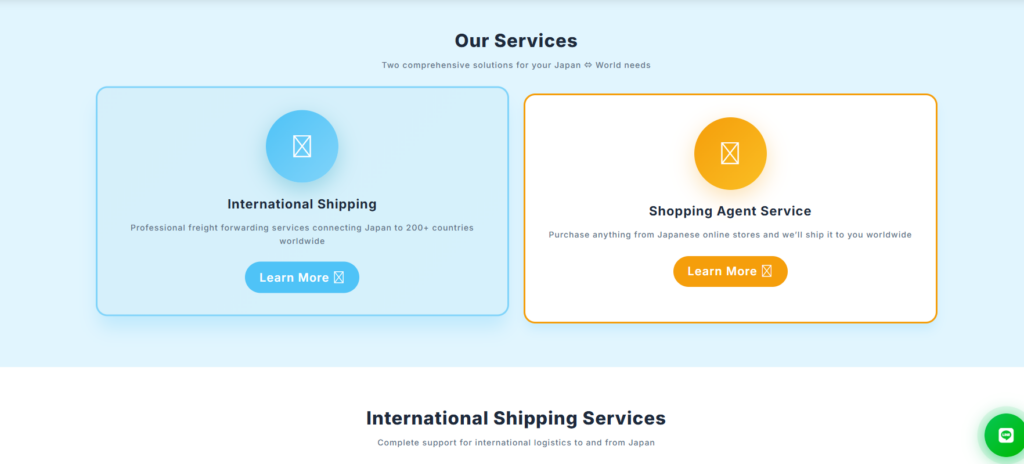
We provide both international shipping and purchasing services, so we can handle both the purchase of products in Japan and the shipment to your country.
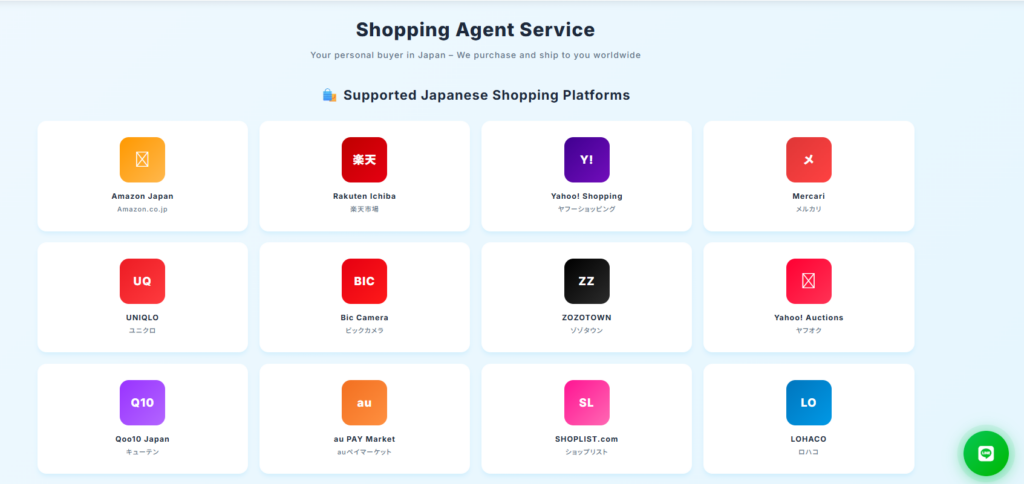
Buy Authentic Japanese Products with Our Trusted Shopping Agent Service. We help customers worldwide purchase items directly from popular Japanese online stores such as Amazon Japan, Rakuten, Yahoo! Shopping, Mercari, and more. If a store does not ship internationally, we buy on your behalf and deliver safely to your country. Enjoy access to exclusive Japanese brands, limited editions, electronics, fashion, cosmetics, and collectibles at competitive prices. Our service offers secure payments, careful inspection, reliable packaging, and fast international shipping.
- How to Place an Order (Easy Japan Proxy Buying & International Shipping)
- Japanese Product Shopping Agent Service – Buy from Japan and Ship Worldwide
- Supported Japanese Shopping Platforms
- Understanding the Latest Trends in Middle East Transportation and the Foundations of Safety Measures
- Practical Guide to Safety Measures in International Shipping
- Introduction: Discovering Japanese Proxy Buying Services to Source Japanese Products
- Shipping Rates from Japan to the United Arab Emirates (UAE), Arab Countries, and the Middle East
- How It Works
- Step 1: Prepare the Shipment
- Step 2: Email the Shipping Documents to Us (Invoice + Packing Details)
- Step 3: We Email You the Two Documents Required for Shipment (Air Waybill/Label + Invoice)
- Step 4: Courier Pickup at Your Location / Domestic Warehouse — Shipment Dispatched
- Step 5: Delivery and Receipt
- Input Format
- Transaction Flow (Detailed Version)
- Transit Time
- Cost Components
- Shipping Cost from Japan to UAE, Arab Countries, and the Middle East
- Choosing an Overseas Freight Forwarding Partner: Key Comparison Points
- Recommended Affordable and Trusted Proxy Agencies: Case Studies
- Practical Checklist and Conclusions
- Buying Japanese Products from Overseas – Easy, Safe, and Reliable Worldwide Delivery
- Japanese Product Shopping Agent Service – Buy from Japan and Ship Worldwide
- Supported Japanese Shopping Platforms
- Important Operational Notes
- Final Summary and Business Advantage
How to Place an Order (Easy Japan Proxy Buying & International Shipping)
To place an order, please send us the required information via email, LINE, or our contact form. Once we confirm your details, we will issue a proforma invoice with a complete cost breakdown.
Required Information for Your Order
- Product URL(s) from Japanese websites (e.g., Amazon Japan, Rakuten, Mercari)
- Quantity (number of items)
- Delivery Address (full address including postal code and phone number)
- Preferred Delivery Schedule (desired shipping date or deadline)
Order Process
- Send your order details via email, LINE, or contact form
- Receive a proforma invoice including product cost, service fee, and shipping cost
- Confirm your order and complete payment
- We purchase the items from Japan on your behalf
- Your products are shipped safely to your destination
Why Choose Our Japan Proxy Buying Service?
- Access to popular Japanese marketplaces and exclusive products
- Affordable international shipping rates
- Secure payment and professional handling
- Reliable support for global customers and businesses
Contact us today to start your order and enjoy fast, reliable access to authentic Japanese products.
Japanese Product Shopping Agent Service – Buy from Japan and Ship Worldwide
Our Japanese Shopping Agent Service allows customers around the world to purchase authentic products directly from Japan. Many Japanese online stores do not ship internationally, which makes it difficult for overseas buyers to access popular and exclusive Japanese products. Our service solves this problem by purchasing items on your behalf and shipping them safely to your country.
We support a wide range of popular Japanese online marketplaces and retail stores. Whether you are looking for fashion, electronics, cosmetics, collectibles, hobby items, anime goods, daily-use products, or limited Japanese products, we can help you purchase them and arrange reliable international shipping.
We can also help you purchase products from smaller Japanese websites, specialty stores, local shops, and suppliers that may not support overseas customers. In many cases, if the product can be bought in Japan, we can help you buy it. This makes our service ideal for customers in Malta who want flexible access to almost anything sold in Japan.
Our service is suitable for:
• personal shopping from Japan
• Japan proxy buying
• e-commerce sourcing
• wholesale and bulk orders
• limited-edition and hard-to-find Japanese products
• combined shipping to reduce international delivery costs
CTA: If you have a product link, product name, screenshot, or shopping list, send it to us through our contact form. We will check availability, provide support, and help you buy and ship your items from Japan smoothly and safely.
Supported Japanese Shopping Platforms
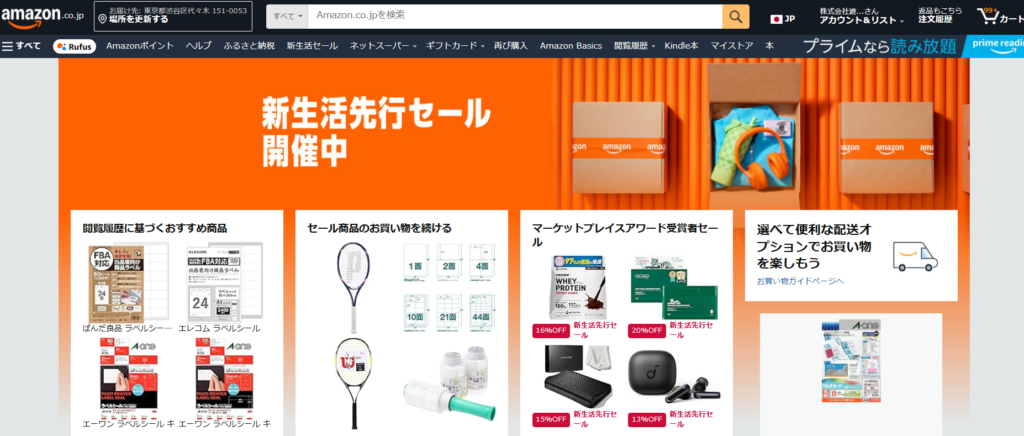
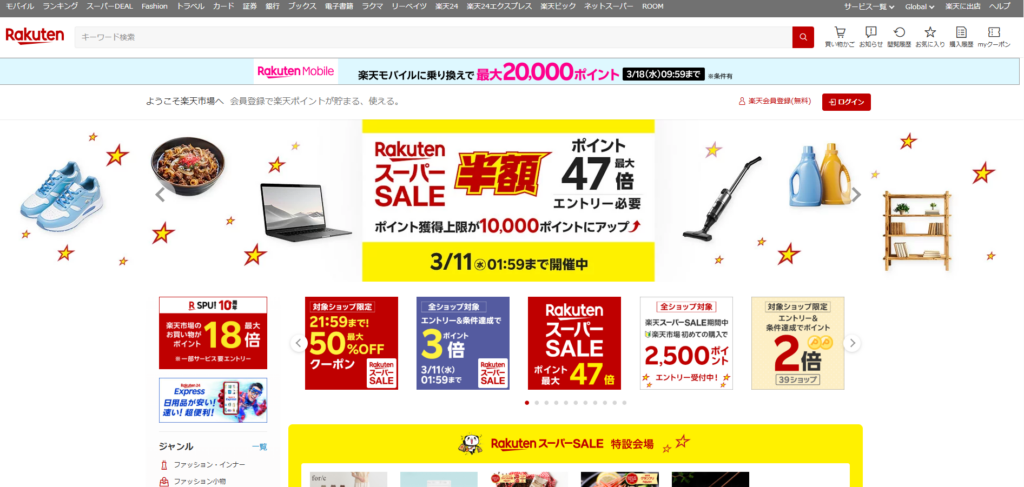
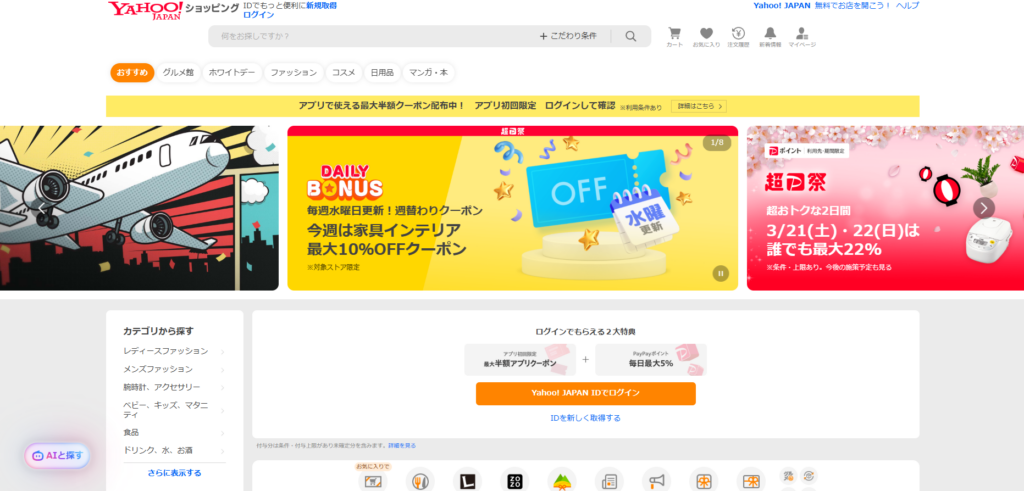
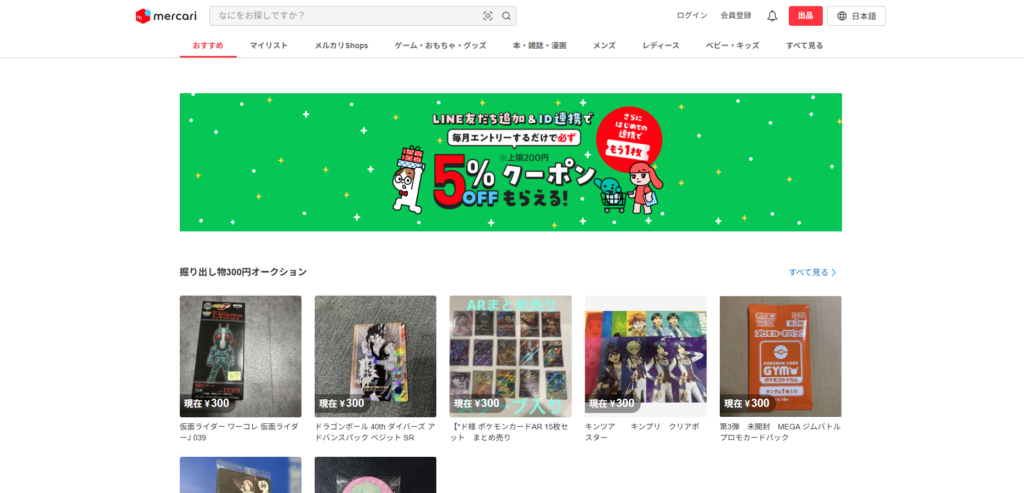

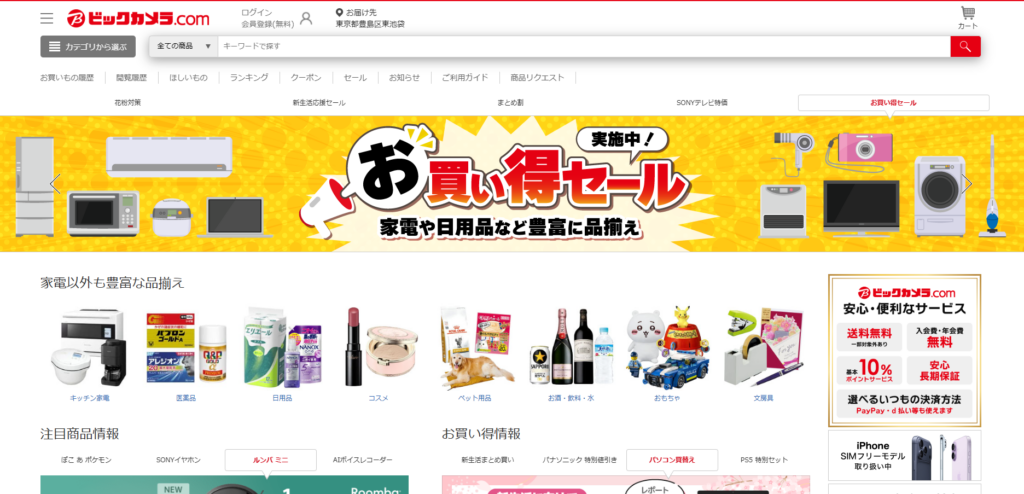
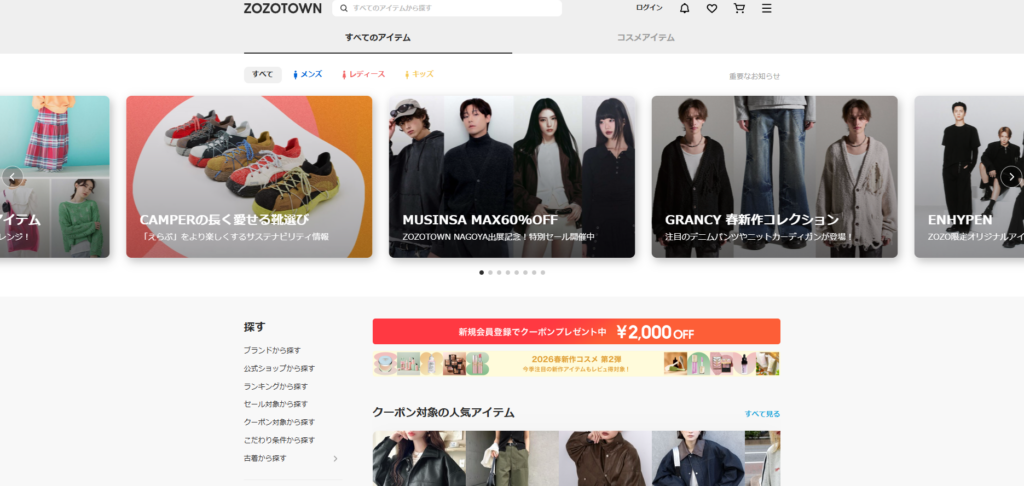
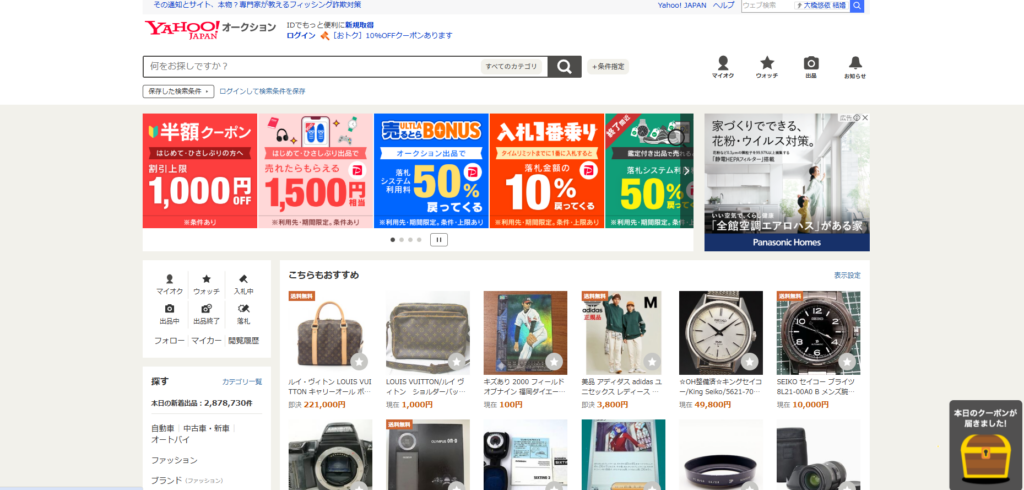
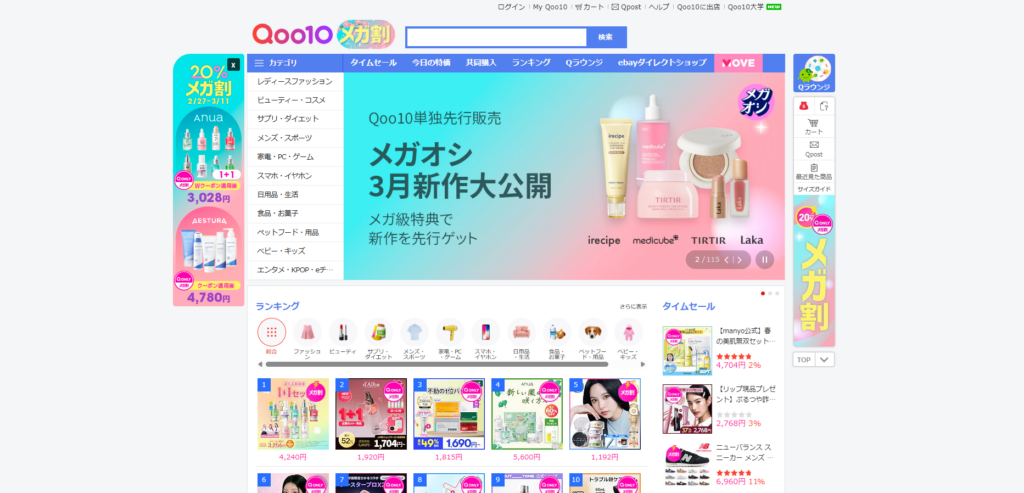
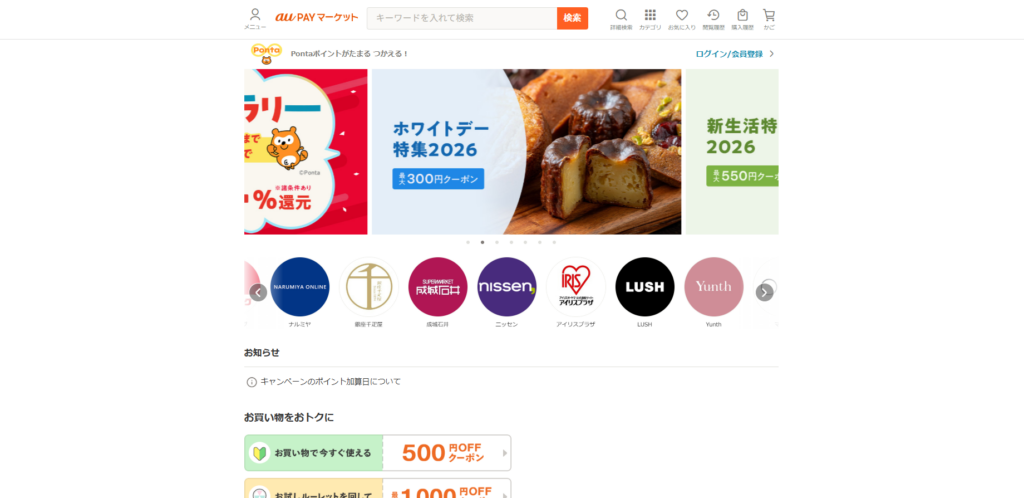
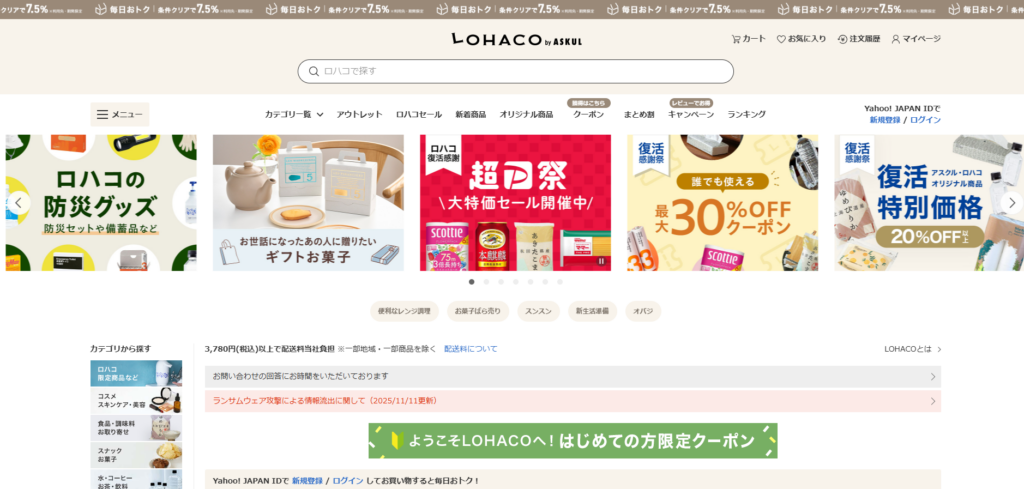
These platforms offer a huge variety of Japanese products that are highly popular worldwide. From the latest Japanese fashion brands to high-quality electronics, cosmetics, lifestyle goods, hobby items, and unique collectibles, you can access many of Japan’s best online stores through our purchasing service.
Even if the product you want is not listed on one of the major platforms above, you can still contact us. We can often assist with purchases from smaller Japanese websites, independent online shops, brand-specific stores, and selected offline products available in Japan. This makes our service highly flexible for customers who want to buy almost anything from Japan.
Contact us through the form below. Please send us your order item links or shopping list. Orders can be placed by chat or email, whichever is more convenient for you.
Understanding the Latest Trends in Middle East Transportation and the Foundations of Safety Measures

The Middle East region stands at a pivotal crossroads of growth and complexity in logistics. Rapid infrastructure upgrades, expanding trade corridors, and evolving regulatory frameworks shape how goods move across borders. For international buyers and sellers, staying ahead of market dynamics and established safety practices is essential to minimize risk, reduce costs, and ensure timely delivery. This chapter provides a concise overview of recent market trends and regulatory updates, followed by core safety principles that underpin reliable transportation operations in this strategic region.
Market Trends and Regulatory Updates
In recent years, the Middle East has accelerated investments in logistics infrastructure, including port capacity, dry ports, and multimodal hubs that connect Asia, Europe, Africa, and the Gulf Cooperation Council (GCC) states. The push toward digitalization—enhanced customs data sharing, track-and-trace technologies, and automated inspection facilities—improves efficiency but also raises expectations for accuracy and compliance. Key market drivers include:
- Increased demand from energy, construction, and consumer sectors driving freight volumes, with a surge in cross-border e-commerce between GCC markets and Asia.
- Strategic trade corridors, such as expansions to major container routes and enhanced air and sea connectivity, shortening lead times and enabling just-in-time procurement for manufacturers.
- Regulatory tightening around sanctions, export controls, and dual-use goods, necessitating robust due diligence and documentation management.
- Rising emphasis on safety, security, and risk management across supply chains, including cyber security for digital platforms used in shipment tracking and documentation.
Regulatory updates reflect a balance between facilitating trade and preserving security. Shippers should monitor:
- Customs procedures and tariff regimes in Gulf states and Middle Eastern economies, including preferred trade arrangements and origin rules.
- Export controls and sanctions regimes that affect certain product categories, such as high-technology equipment and dual-use goods.
- Standards for packaging, labeling, and weight/measurement compliance that impact carrier selection and route planning.
- Compliance expectations for hazardous materials, perishable goods, and high-risk cargo, with specific regional guidelines on handling, storage, and transit.
- Public-private partnerships and free zones that offer streamlined clearance processes for multinational companies and regional distributors.
To navigate these dynamics effectively, organizations should leverage a competent end-to-end logistics partner with regional expertise, thorough regulatory knowledge, and a proactive approach to risk assessment and contingency planning. Through strategic alignment with local authorities, forward-looking capacity planning, and transparent documentation practices, shipment reliability can be notably improved even amid regulatory evolutions.
Foundations of Safety in Middle East Transportation
Safety in Middle East transportation hinges on a structured approach that anticipates risks, enforces standards, and delivers resilient performance. The following principles form the bedrock of effective, compliant logistics operations in the region:
- Risk Identification and Assessment: Systematically map vulnerabilities across routes, modes (air, sea, road, rail), handling points, and storage facilities. Use risk scoring to prioritize mitigation actions such as enhanced packaging, route diversification, and strengthened insurance terms.
- Regulatory Compliance: Maintain up-to-date knowledge of local and international regulations affecting shipments, including customs procedures, import/export controls, labeling, and hazardous material classifications. Build a compliance calendar and assign ownership for ongoing updates.
- Quality Assurance and Documentation: Implement rigorous intake, inspection, and verification protocols for every shipment. Ensure accuracy of commercial invoices, origin certificates, licenses, and permits to minimize clearance delays and avoid penalties.
- Secure Handling and Packaging: Use tamper-evident seals, robust packaging materials, and temperature-controlled solutions when required. Adhere to country-specific handling requirements for sensitive goods to prevent damage and ensure product integrity.
- Security and Anti-Theft Measures: Employ container seals, real-time tracking, route optimization, and vetted carrier networks. Establish incident response plans and clear escalation paths for any loss or tampering events.
- Crisis Management and Continuity Planning: Prepare for disruptions such as port congestion, weather events, or geopolitical tensions with predefined contingency routes, alternative carriers, and emergency communication protocols.
- People, Process, and Technology Alignment: Foster trained personnel, standardized procedures, and integrated IT systems for end-to-end visibility, enabling proactive decision-making and quick corrective actions.
Practical applications of these safety foundations include:
- Pre-shipment risk reviews and route analyses to select the most secure, compliant, and cost-effective paths.
- Verification workflows that confirm product eligibility, origin control, and licensing requirements before dispatch.
- Packaging specifications tailored to each mode and destination to safeguard against damage and loss during transit.
- Clear incident reporting frameworks with defined response times and stakeholder communications to minimize recovery time after an event.
For organizations expanding in or through the Middle East, aligning with a knowledgeable global logistics partner that integrates safety practices, regulatory insight, and end-to-end service can transform unpredictable markets into reliable supply routes. The combination of proactive risk management, transparent documentation, and robust physical and cyber security creates a resilient foundation for successful transportation in this strategically important region.
Practical Guide to Safety Measures in International Shipping

In the dynamic landscape of global logistics, ensuring safety is not a luxury but a necessity. This guide outlines actionable steps to identify and assess transportation risks, maintain quality and regulatory compliance, and establish robust crisis management and emergency response procedures. Built for a diverse audience—from small businesses to multinational corporations—these practices help safeguard shipments, protect reputation, and optimize costs across cross-border operations.
Identifying and Assessing Transport Risks
Risk identification begins with a holistic view of every stage in the supply chain: sourcing, procurement, handling, packaging, transit, customs clearance, and final delivery. The most common risk categories include physical damage, theft and tampering, loss, delays, regulatory changes, and environmental or geopolitical disruptions. To systematically uncover risks, implement:
- Process mapping of end-to-end flows to reveal touchpoints with higher exposure, such as handoffs between carriers, multi-modal transfers, and storage at third-party facilities.
- Historical data analysis from past shipments, incident reports, and delivery feedback to identify recurring patterns and weak links.
- Risk checklists aligned with international standards (e.g., IS0 31000 principles) and sector-specific guidance for hazardous materials, perishables, or high-value goods.
- Scenario planning exercises, including best-case, base-case, and worst-case scenarios, to estimate potential impact on time, cost, and compliance.
- Vendor and carrier risk assessments evaluating financial stability, security practices, insurance coverage, and route reliability.
Once risks are identified, evaluate their probability and impact using a simple matrix (low/medium/high). Prioritize mitigation efforts on high-probability, high-impact risks and establish ownership for each action. Regularly review and update the risk register to reflect evolving routes, new regulations, and changing cargo profiles.
Quality and Regulatory Compliance Checklist
Quality assurance and regulatory compliance are foundations of reliable international shipping. The following checklist helps ensure consistent performance and reduce non-compliance incidents:
- Documentation: Verify commercial invoices, packing lists, certificates of origin, and any required licenses are accurate and complete. Ensure names, addresses, HS codes, and values align across documents.
- Product standards and labeling: Confirm product compliance with destination country standards, including labeling, language requirements, and safety warnings. Preserve traceability through batch numbers and serial codes.
- Packaging integrity: Use packaging that protects against moisture, shock, and tampering. Include appropriate cushioning, outer packaging, and tamper-evident seals where applicable.
- Hazardous materials and dangerous goods: For regulated cargo, ensure proper class labeling, packaging, documentation, and carrier approvals. Train staff on handling restrictions and emergency procedures.
- Customs and regulatory intelligence: Maintain up-to-date knowledge of import restrictions, duty rates, and sanctions for each destination. Subscribe to regulatory alerts and conduct pre-clearance checks when feasible.
- Insurance coverage: Confirm cargo insurance limits match shipment value and risk profile. Document claims procedures and required evidence for quick resolution.
- Quality control at origin: Implement inbound inspections, verify product conformity before shipment, and maintain non-conformity reporting to prevent repeat issues.
- Carrier and service level agreements: Align service levels with cargo requirements (timeliness, handling, and security). Include performance metrics and breach remedies in contracts.
- Data integrity and cybersecurity: Protect shipment data from tampering. Use role-based access, audit trails, and secure data transfer channels for all documentation.
- Continuous improvement: Establish a feedback loop from customers and partners to drive corrective actions and preventive measures across operations.
With a comprehensive checklist, organizations can not only stay compliant but also enhance efficiency, transparency, and trust with customers and authorities.
Crisis Management and Emergency Response Procedures
When disruptions occur, a well-structured crisis management plan minimizes damage and accelerates recovery. Key components include:
- Preparedness and governance: Create a crisis management team (CMT) with clearly defined roles, authority, and escalation paths. Maintain an up-to-date emergency contact roster and decision-making protocols that empower quick action.
- Situation assessment: Establish a standardized incident briefing format (what happened, where, when, who is affected, and potential causes). Use real-time tracking data, carrier updates, and field reports to form an initial hypothesis.
- Communication strategy: Develop internal and external communication templates in multiple languages. Provide timely, accurate updates to customers, partners, regulators, and insurers while avoiding speculation.
- Contingency plans: Predefine alternative routes, carriers, and service modes (air vs. sea). Secure standby inventory, flexible scheduling, and rapid resourcing to switch plans with minimal downtime.
- Operational response: Deploy emergency procedures for containment, expedited routing, and on-site safety while preserving evidence for investigations. Prioritize critical shipments and preserve chain of custody for damaged goods.
- Investigation and root cause analysis: After stabilizing the situation, perform a structured RCA (e.g., 5 Whys or fishbone diagram) to identify contributing factors and implement corrective actions.
- Recovery and recovery metrics: Establish time-bound recovery objectives, measure performance against KPIs (delivery resumption time, cost of disruption, customer impact), and adjust plans accordingly.
- Training and drills: Conduct regular simulations and training for staff, drivers, and partners. Review lessons learned and update response playbooks to reflect new risks.
- Documentation and legal considerations: Maintain records of incident reports, communications, insurance claims, and regulatory notifications for compliance and litigation readiness.
Proactive preparation, decisive leadership, and clear communication are the cornerstones of effective crisis management. By formalizing these procedures, organizations can protect people, assets, and timelines, even under high-pressure scenarios.
Introduction: Discovering Japanese Proxy Buying Services to Source Japanese Products

In today’s global marketplace, buyers from around the world pursue authentic Japanese goods with confidence. A reliable Japanese proxy buying service can streamline procurement, ensure quality, and deliver competitive costs. This article outlines top Japanese proxy services, highlights why Japanese products hold high demand overseas, and showcases end-to-end export solutions that bundle purchasing and international shipping for efficiency and value.
Websites with Japanese Procurement Capabilities
Accessing Japanese products from abroad is easier when you leverage reputable procurement platforms that support overseas buyers. Key options include:
Amazon.co.jp (https://www.amazon.co.jp/): Wide range of consumer electronics, apparel, toys, and everyday essentials, with seller transparency and marketplace reliability.
Rakuten Ichiba (https://www.rakuten.co.jp/): A comprehensive marketplace offering electronics, fashion, cosmetics, and home goods, often with competitive pricing and seller ratings.
Yahoo! Shopping (https://shopping.yahoo.co.jp/): Diverse catalog across categories; convenient payment and shipping options for international buyers.
Mercari (https://jp.mercari.com/): A popular marketplace for new and used items, including collectibles, fashion, and electronics, with seller proximity often reducing costs.
Uniqlo (https://www.uniqlo.com/jp/ja/): High-quality apparel and basics, known for consistent sizing and reliable product availability.
Bic Camera (https://www.biccamera.com/): Electronics, cameras, and gadgets with occasional exclusive items and limited editions.
ZOZOTOWN (https://zozo.jp/): Fashion-forward apparel and accessories from various brands, useful for trend-driven sourcing.
Yahoo Auctions (https://auctions.yahoo.co.jp/): Auction-based sourcing for rare and limited items, including collectibles and electronics.
Lohaco by ASKUL (https://lohaco.yahoo.co.jp/): Everyday essentials and consumer goods with easy B2C ordering.
Beyond these, leading buyers can request access to additional Japanese retailers and specialty stores—tailored to your sector.
Why Japanese Products Are in High Demand Overseas
Japanese goods command strong demand due to durability, precision, and brand trust. Key drivers include:
- Superior quality control across electronics, cosmetics, fashion, and home goods.
- Trusted reputations for innovation, design, and reliability.
- Consistency in product sizing, packaging, and user experience.
- Exclusive or limited-edition releases that appeal to collectors and enthusiasts.
- Transparent regulatory compliance and robust after-sales support.
For international buyers, these advantages translate into lower risk when importing, faster time-to-market, and enhanced consumer confidence in target markets.
Introducing Cost-Effective, High-Quality Export Proxies: Purchasing plus Export as a Bundle
Smart exporters maximize value by combining procurement with end-to-end shipping and export support. A consolidated service that covers purchasing, quality inspection, packaging, transport, customs clearance, and final delivery delivers several benefits:
- Single point of contact reduces coordination overhead and misunderstandings.
- Economies of scale from bundled sourcing and logistics can lower total landed cost.
- Proactive risk management through professional inspection and compliant handling.
- Global reach—delivery to over 200 countries, suitable for individuals and businesses alike.
- Strong negotiation power with Japanese vendors due to established relationships and expertise.
Choose a provider with a proven track record—over 15 years in international trade, with deep knowledge of customs, regulations, and cross-border transport. A true one-stop solution ensures seamless Buy Japanese products from Japan and ship worldwide, empowering you to focus on growth rather than logistics.
Shipping Rates from Japan to the United Arab Emirates (UAE), Arab Countries, and the Middle East
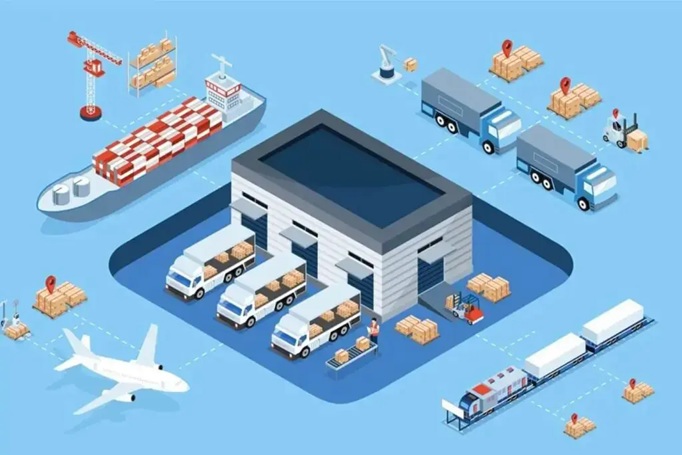
◇Shipping Rate Table (Prices Shown as Rate per Weight)
Japan→the United Arab Emirates (UAE), Arab Countries, and the Middle East
【the United Arab Emirates (UAE), Arab Countries, and the Middle East Export — Preferred Rates】
0.5kg :3,649 JPY
1kg :4,353 JPY
1.5kg :5,195 JPY
2kg :5,822 JPY
2.5kg :6,485 JPY
3kg :7,095 JPY
3.5kg :7,741 JPY
4kg :8,316 JPY
4.5kg :8,981 JPY
5kg :9,554 JPY
5.5kg :10,298 JPY
6kg :10,870 JPY
6.5kg :11,317 JPY
7kg :11,836 JPY
7.5kg :12,356 JPY
8kg :12,559 JPY
8.5kg :12,764 JPY
9kg :12,930 JPY
9.5kg :13,209 JPY
10kg :13,431 JPY
10.5kg:25,080 JPY
11kg :25,552 JPY
11.5kg:26,020 JPY
12kg :26,492 JPY
12.5kg:26,994 JPY
13kg :27,463 JPY
13.5kg:27,857 JPY
14kg :28,292 JPY
14.5kg:28,723 JPY
15kg :29,266 JPY
15.5kg:29,481 JPY
16kg :29,555 JPY
16.5kg:29,626 JPY
17kg :29,660 JPY
17.5kg:29,731 JPY
18kg :29,768 JPY
18.5kg:29,808 JPY
19kg :29,950 JPY
19.5kg:30,024 JPY
20kg :30,058 JPY
※UPS fastest service level with tracking number included.※
※We also support Japan Post EMS, International ePacket, standard air shipping, SAL, and sea freight. If you prefer any of these options, please let us know.。
※UPS fastest service level with tracking number included※
【the United Arab Emirates (UAE), Arab Countries, and the Middle East Export — Preferred Rates】
・21-49kg :1,200 JPY per kg
・50-99kg :990 JPY per kg
・100-299kg:850 JPY per kg
・300-499kg:830 JPY per kg
・500-999kg:820 JPY per kg
・1000-2000kg:790 JPY per kg
The above rates are quoted as a per-kilogram unit price. For the total shipping cost by weight bracket, please refer to the examples on the right.
In addition to the shipping charges above, a fuel surcharge will apply. Fuel surcharge rates may be revised monthly or weekly depending on the carrier you use.
Customs duties, import VAT/sales tax, and other destination charges incurred at local customs clearance will be billed to the consignee (recipient) by the carrier.
How It Works
world wide courier provides international logistics and air freight forwarding services for trading businesses that need professional shipping support.
We support both export and import shipments to and from the United Arab Emirates (UAE), Arab countries, the Middle East, China, Hong Kong, South Korea, Europe, North America, Southeast Asia, India, Africa, and many other countries worldwide.

By using major courier networks (FedEx, UPS, DHL), we ensure stable and fast delivery. In addition, our highly competitive shipping rates help reduce your ongoing logistics costs and lower your overall procurement cost.
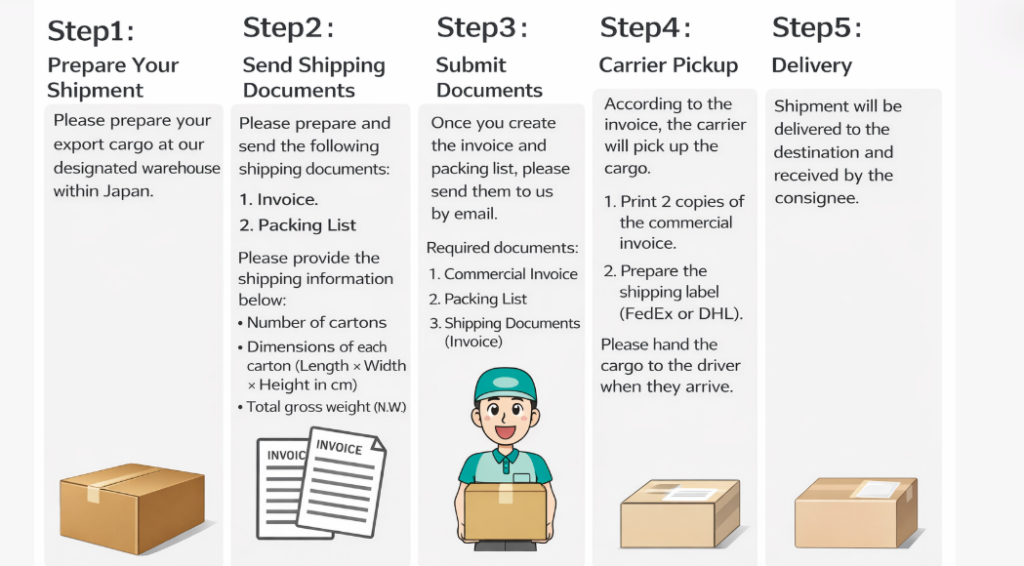
Step 1: Prepare the Shipment
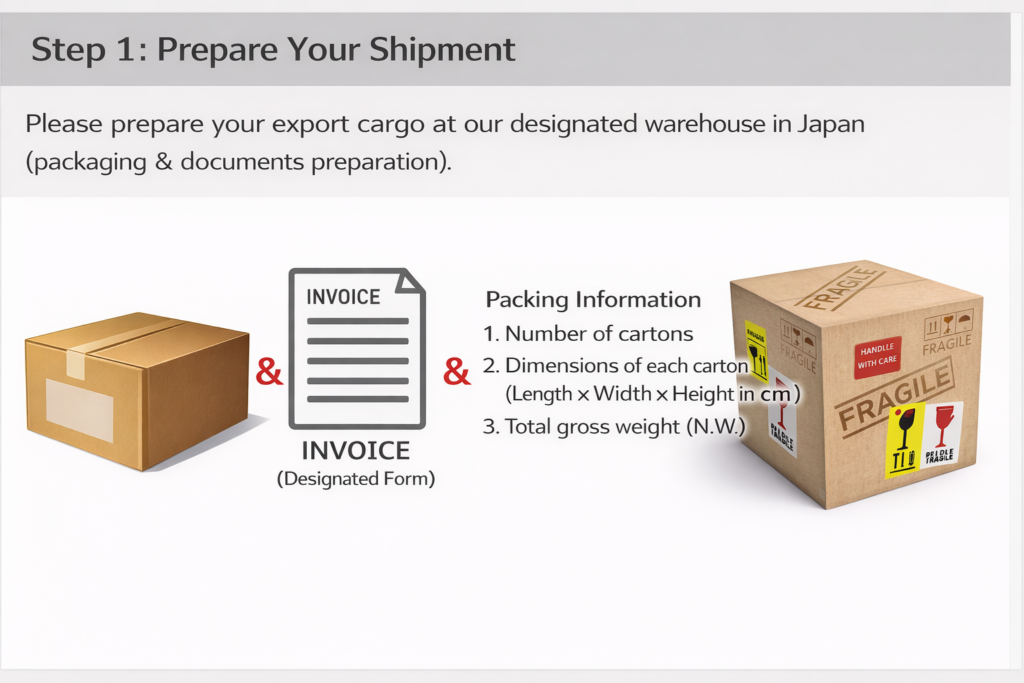
Prepare the shipment at the domestic pickup location (packing and documentation preparation).
Step 2: Email the Shipping Documents to Us (Invoice + Packing Details)
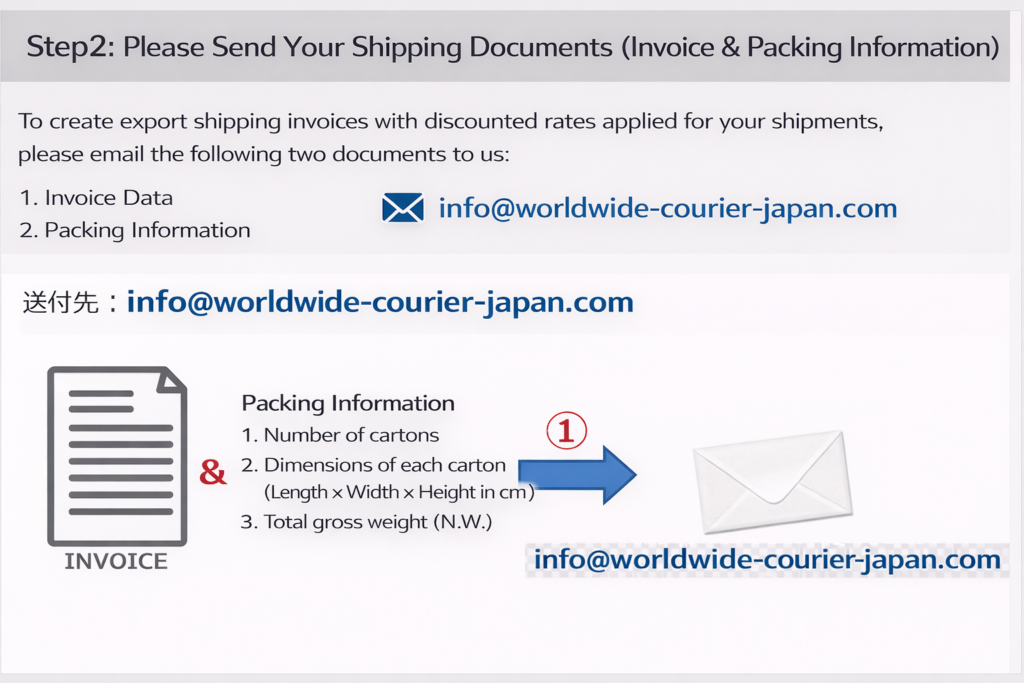
We will create the shipping documents using the special discounted rates provided for each customer. Please email the following two documents to our office as attachments.
1. “Invoice”
2. “Packing List”
Email: info@worldwide-courier-japan.com
<Common Invoice Items That Are Often Missing>
1. Postal code (shipper side / pickup location)
2. Contact person name (shipper side)
3. Phone number for the pickup location (shipper side)
※The above three items are required to create the documents.
If any of these are missing, we cannot issue the documents, so please confirm in advance before requesting shipping.
<Required Packing List Information>
1. Total number of cartons/boxes
2. Dimensions of each carton (L cm × W cm × H cm — all three sides required)
3. Total weight (N.W.): total weight after packing
※In some cases, the packing list is missing these required details. These are necessary for document creation, so please confirm in advance.
※If you do not have a packing list, please confirm the above information with the shipper and share it with us.
<About “Chargeable Weight,” Which Determines the Shipping Cost>
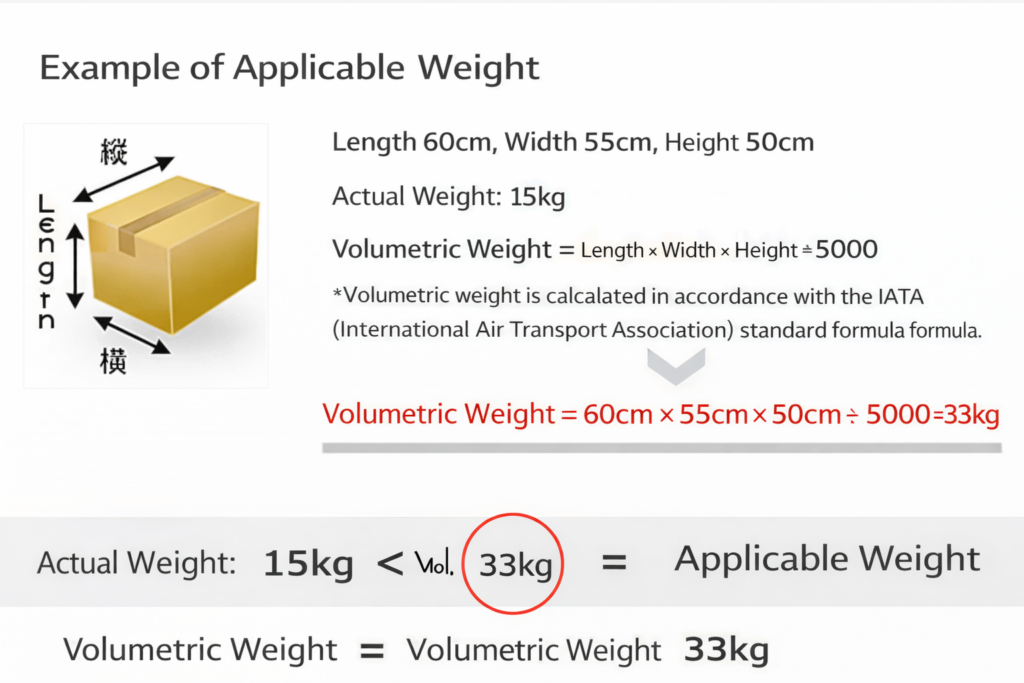
Based on IATA (International Air Transport Association) standards, the greater of the “actual weight after packing” and the “volumetric (dimensional) weight” is used as the “chargeable weight.”
Step 3: We Email You the Two Documents Required for Shipment (Air Waybill/Label + Invoice)
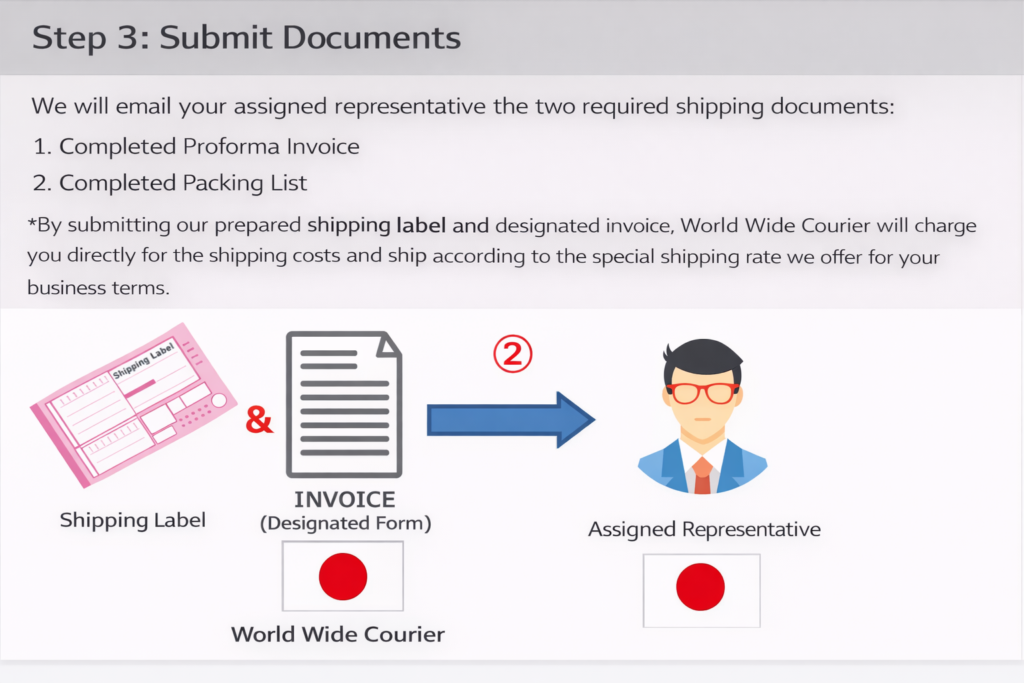
We will email the two documents required for shipping (air waybill/label and invoice) to your 담당者.
1. We confirm missing details in the “Invoice” and “Packing List” you provided.
2. Based on those documents, we create the “Air Waybill/Label” and the “Invoice (official format)” and email them to you.
※When you ship using the documents created by us, the shipping charges are billed to us. This allows you to ship using your customer-specific discounted rates. Under your trading terms, we will invoice you for the shipping charges accordingly.
Step 4: Courier Pickup at Your Location / Domestic Warehouse — Shipment Dispatched
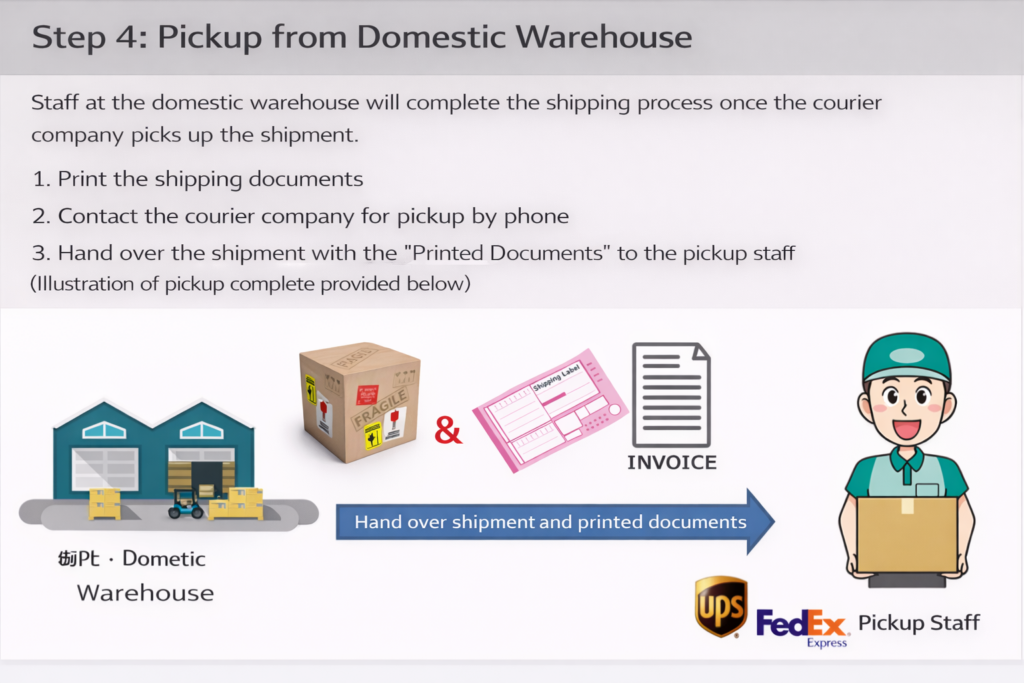
At the pickup location in Japan:
1. Print the documents
2. Call the courier to request pickup
3. Hand the shipment and the two printed documents to the pickup driver to complete dispatch
Step 5: Delivery and Receipt
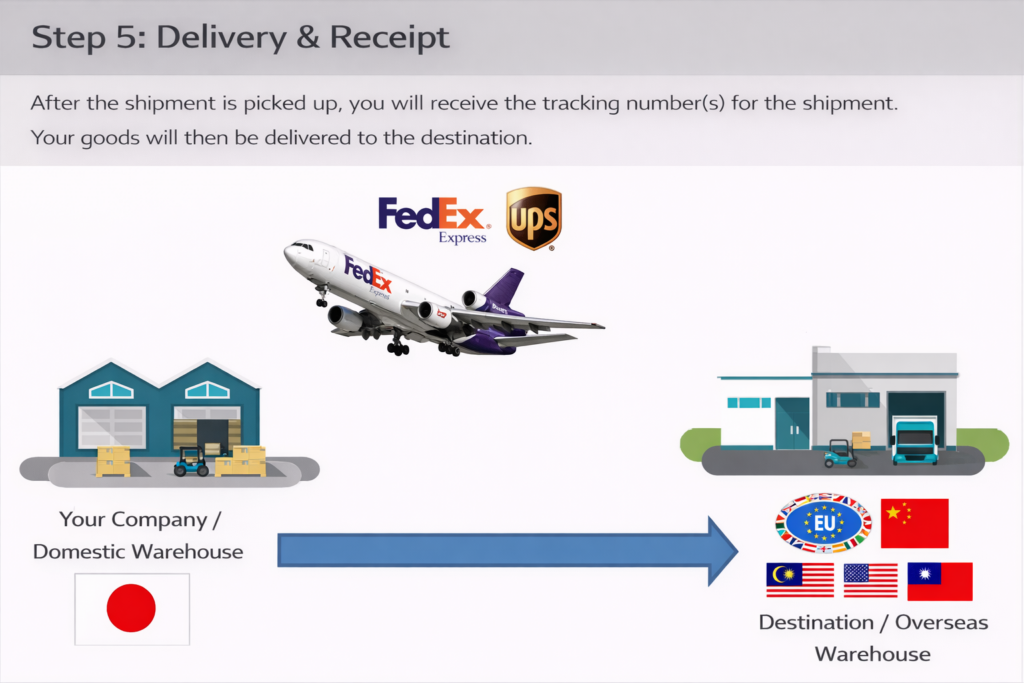
After dispatch, we will provide your tracking number. The shipment will then be delivered to the destination.
We offer good service.world wide courier offers affordable international delivery from Japan to the United Arab Emirates (UAE), Arab Countries, and the Middle East via air freight and sea freight. We support both exports and imports, so please contact us for a consultation or inquiry.
If you provide the information below, we can create the shipping label and documents for your shipment.
Input Format
◇Pickup Information (From)
1. Company name (or personal name)
2. Contact person name
3. Postal code
4. Address
5. Phone number
※This is the actual pickup location information.
◇Delivery Address (To)
1. Company name (or personal name) (※Must be written in English.)
2. Contact person name (※Must be written in English.)
3. Postal code
4. Address (※Must be written in English.)
5. Phone number
◇Packing Information
1. Number of cartons
2. Total weight
3. Dimensions of each carton (Length, Width, Height in cm)
◇Invoice Information
・Product name (Must be written in English.)
・Unit price (any currency is acceptable)
・Quantity
Once we receive the information above, we can arrange your shipment. world wide courier provides affordable shipping from Japan to the United Arab Emirates (UAE), Arab Countries, and the Middle East via air freight and sea freight, and we support both exports and imports. Please contact us anytime.
We look forward to your request.
Please let us know your current shipping frequency and shipping costs if available, as it will help us propose the best solution.
Regarding your planned shipping date:
If you can tell us your expected shipment date, the process will be smoother and faster.
You can ship using the above rates.
For export shipments, you may reply with the completed invoice attached, or you may provide the information below so that we can create the shipping documents.
◇Pickup Information (From)
1. Company name (or personal name)
2. Contact person name
3. Postal code
4. Address
5. Phone number
※This is the actual pickup location information.
◇Delivery Address (To)
1. Company name (or personal name) (※Must be written in English.)
2. Contact person name (※Must be written in English.)
3. Postal code
4. Address (※Must be written in English.)
5. Phone number
◇Packing Information
1. Number of cartons
2. Total weight
3. Dimensions of each carton (Length, Width, Height in cm)
◇Invoice Information
・Product name (Must be written in English.)
・Unit price (any currency is acceptable)
・Quantity
We will also guide you through the transaction flow.
Transaction Flow (Detailed Version)
<Flow>
1. Please reply with your completed invoice.
2. If there are no issues with the information, we will book the pickup.
※In the fastest case, pickup will be scheduled for the next business day after your request (typically between 11:00 and 17:00).
<Details: Export Shipment / Transaction Flow (Japan → Destination Country)>
The pickup process is as follows.
1. After packing is complete, please contact us.
2. Please prepare the invoice and packing information (number of cartons, weight, and carton dimensions).
※2-1. Shipper (Japan side) address, postal code, name, phone number, and company name
2-2. Consignee (delivery destination) address, postal code, name, phone number, and company name
2-3. Product name and unit price
3. After we confirm item 2, if there are no issues, we will arrange the pickup.
4. Pickup will be made within 1–2 business days at your designated location.
*We will email the electronic air waybill/label, so please provide the invoice and label together with the shipment to the pickup driver.
5. Shipment is dispatched.
7. Destination customs clearance process (personal or commercial)
8. If there are no issues, the shipment clears customs.
9. Delivery is completed.
*If there are no issues, steps 5–8 typically take about 2–5 days for arrival.
*A tracking number will be issued as a shipping record.
Transit Time

Estimated Delivery Days (Japan → the United Arab Emirates (UAE), Arab Countries, and the Middle East)
Estimated delivery time is approximately 3–5 days from the local dispatch date.
Delivery may be delayed due to customs conditions, weather, or other unforeseen circumstances. Thank you for your understanding.
world wide courier provides affordable delivery from Japan to the United Arab Emirates (UAE), Arab Countries, and the Middle East via air freight and sea freight. We support both exports and imports, so please contact us for inquiries or consultations.
Cost Components
1. Shipping fee + fuel surcharge (billed by us to you)
2. Import duty, import VAT/sales tax, customs clearance fees, and other charges incurred at destination customs (billed by the carrier to the recipient)
About “chargeable weight,” which determines shipping costs:
Based on IATA standards, the larger of “actual packed weight” and “volumetric (dimensional) weight” is used as the chargeable weight.
Shipping Cost from Japan to UAE, Arab Countries, and the Middle East
The cost of shipping from Japan to the UAE, Arab countries, and the Middle East depends on several factors including package weight, parcel dimensions, shipping method, and delivery speed.
For example, sending a small parcel weighing approximately two kilograms from Japan to the UAE, Arab countries, or the Middle East using EMS may cost around 4,000 to 8,000 yen depending on the parcel size.
Courier services such as DHL may charge higher shipping fees but provide faster delivery times and more detailed tracking services. Many businesses choose courier services for urgent shipments or important international deliveries.
For larger shipments or commercial exports, air cargo services may offer lower shipping costs compared with express courier shipments.
Choosing an Overseas Freight Forwarding Partner: Key Comparison Points

Selecting the right overseas freight forwarding company is crucial for ensuring reliable shipments, cost efficiency, and smooth cross-border operations. This guide highlights essential indicators of trust, cost-saving strategies, and the breadth of services and geographies covered. By understanding these factors, international buyers and exporters can make informed decisions that support seamless procurement of Japanese products and efficient global logistics workflows.
Reliability indicators and certifications
Trustworthy freight forwarders demonstrate consistent performance across several measurable criteria. Look for:
– Track record: Years of operation and a verifiable portfolio of successful shipments to multiple countries. A company with 10+ years of experience and a diverse client base tends to navigate regulatory changes more effectively.
– Global network and carrier partnerships: Strong relationships with major airlines, shipping lines, and ground transport providers enable priority capacity and reliable transit times.
– Customs and compliance expertise: In-depth knowledge of import/export regulations, duties, valuation, and screening requirements reduces delays and penalties. Prefer firms offering end-to-end support from documentation to clearance.
– Certifications and standards: ISO, IATA (for air cargo), FIATA, and other recognized credentials indicate standardized processes and quality management.
– Insurance and risk management: Comprehensive cargo insurance options and proven contingency planning protect against loss or damage.
– Transparent visibility: Real-time tracking, proactive issue alerts, and documented service levels create confidence in the supply chain.
Pricing structure and tips to reduce costs
Cost effectiveness hinges on clarity, flexibility, and optimization. Consider:
– Transparent tariffs: Seek a clear breakdown of base rates, surcharges, fuel fees, peak-season adjustments, and documentation charges.
– Consolidation and volume leverage: Freight forwarders can consolidate multiple shipments to reduce per-unit costs, especially for high-volume or repeat orders.
– Access to preferential rates: Long-standing carrier relationships may unlock discounted rates for regular or larger projects.
– End-to-end value: A provider that bundles purchasing support, packaging, inspection, labeling, shipping, customs, and delivery can reduce total landed cost by eliminating handoffs and extra charges.
– Hidden costs awareness: Clarify fees for storage, demurrage, handling, and special packaging to avoid budget overruns.
– Cost-benefit of domestic procurement integration: A one-stop service that combines sourcing in Japan with forwarding can lower overall spend by reducing intermediate steps and delays.
Service scope and coverage area
Understanding the breadth of services and geographic reach ensures a partner can support current needs and future growth. Assess:
– Service portfolio: Evaluate whether the provider handles purchasing support, quality inspection, packaging optimization, international transport (air and ocean), customs clearance, and final delivery to destinations.
– Global reach: Confirm multi-country coverage and whether the company can serve both individuals and businesses across major regions and emerging markets.
– Mode flexibility: Ability to switch between air and sea modes based on cost, time, and product characteristics (hazardous goods, perishables, high-value items).
– Special handling capabilities: Temperature-controlled, high-value electronics, fragile items, and resale or used goods require tailored handling and insurance options.
– Local expertise and language support: Multilingual customer service and local regulatory knowledge help smooth communication and documentation for cross-border shipments.
– Compliance support: Assistance with export licenses, embargo checks, and product-specific regulatory requirements to prevent non-compliance risks.
– Customer support standards: Dedicated account management, issue resolution timelines, and proactive status updates contribute to a reliable partnership.
Below is the article content for the given outline, written in SEO-focused English.
Recommended Affordable and Trusted Proxy Agencies: Case Studies

For international buyers seeking cost-effective and reliable proxy services, selecting the right agency is crucial. This section highlights three standout providers—Worldwide Courier Japan, Locotabi, and Seondon—to illustrate how each delivers value through procurement prowess, transparent pricing, and comprehensive logistics support. The goal is to showcase practical differences, so overseas buyers can choose a partner that aligns with their scale, budget, and timeline while ensuring secure handling of Japanese products from a broad supplier network.
Worldwide Courier Japan: Features and Strengths
Worldwide Courier Japan combines procurement power with end-to-end logistics, offering a seamless one-stop solution for buying Japanese products and shipping them overseas. Key strengths include:
• Extensive procurement reach: Access to a wide range of Japanese retailers and marketplaces, covering新品,中古, limited editions, and auction items. This breadth enables buyers to source hard-to-find items alongside everyday products.
• Competitive pricing due to in-house logistics: By eliminating middleman costs, Worldwide Courier Japan delivers cost-efficient procurement and shipping, often undercutting traditional proxy services.
• Global distribution to 200+ countries: A scalable logistics network that supports individuals and businesses, from hobbyists to corporations, with options for air and sea freight depending on urgency and budget.
• 15+ years of trade expertise: In-depth knowledge of customs, regulations, and export/import procedures minimizes risk and optimizes routing. The team advises on regulatory compliance and best routes to minimize delays.
• Comprehensive, single-source workflow: Purchase, inspection, packing, delivery, customs clearance, and final distribution are managed in a unified process, reducing handoffs and potential miscommunications.
• Trust signals and customer support: Transparent handling of inspections, protection against damage, and proactive support throughout the fulfillment journey contribute to peace of mind for overseas buyers.
Locotabi: Features and Strengths
Locotabi positions itself as a user-friendly proxy shopping and logistics partner with a focus on transparency and adaptability. Notable strengths include:
• User-centric procurement access: Strong connections with multiple Japanese retailers and marketplaces, enabling access to a broad catalog of新品 and中古 items, as well as rare finds.
• Clear, itemized pricing: Locotabi emphasizes straightforward quotes with breakdowns for procurement, consolidation, and shipping, helping buyers compare value precisely.
• Flexible shipping options: A variety of freight modes and carriers are offered to balance cost and speed, with consideration for fragile or high-value goods.
• Local expertise with global reach: The service leverages Japan-based sourcing knowledge while delivering internationally, ideal for cross-border ecommerce operators and corporate buyers alike.
• Quality control and risk management: Pre-shipment inspection and secure packaging practices reduce the likelihood of damage, and dedicated support helps manage customs and regulatory hurdles.
Seondon: Features and Strengths
Seondon emphasizes reliability, efficiency, and scalable solutions tailored to growing importers and exporters. Key strengths include:
• Broad supplier access and category coverage: Seondon connects buyers to a wide spectrum of Japanese goods, spanning electronics, fashion, home goods, and more, including中古 and refurbished items for demand in the secondary market.
• Competitive cost structure: By optimizing sourcing routes and consolidating shipments, Seondon can offer cost-effective options for both small orders and bulk purchases.
• End-to-end logistics support: From purchasing assistance to packing, customs clearance, and final delivery, Seondon provides a one-stop service that reduces friction and total ownership costs.
• Compliance expertise: Deep knowledge of Japanese export controls, foreign trade regulations, and international shipping standards helps ensure smooth transit and reduces risk of compliance issues.
• Customer-first service model: Proactive communication, transparent timelines, and effective issue resolution contribute to reliable performance for overseas buyers with tight schedules.
Why these cases matter for buyers: each agency demonstrates a balance between cost efficiency and dependable service, with advantages in procurement breadth, pricing clarity, and end-to-end logistics. When choosing a partner, consider supplier network depth, clarity of pricing,同様の品質管理 practices, and the ability to scale as purchase volumes grow. For buyers exploring Japanese products—from electronics to fashion and collectibles—these examples illustrate practical paths to buy Japanese products from Japan with confidence.
Practical Checklist and Conclusions

In the field of Middle East transportation, a meticulous, proactive approach is essential to ensure smooth logistics, minimize delays, and uphold the highest safety and compliance standards. This final section provides a practical pre-estimate checklist and a prioritized sequence for implementing safety measures. The guidance integrates globally recognized best practices with the specific nuances of cross-border shipments, ensuring that suppliers, freight forwarders, and buyers can coordinate efficiently from ignition to delivery. The aim is to empower teams to deliver reliable, cost-effective, and compliant transport solutions for a diverse range of products—from consumer electronics to automotive parts and perishable goods.
Key items to confirm during the pre-estimate stage
Before issuing a formal quote, verify these critical aspects to avoid scope creep, cost overruns, and compliance issues:
1) Product and packaging details
– Exact product descriptions, HS codes, and country of origin.
– Volume, weight, and dimensional data, including any special handling needs (fragile, hazardous, temperature-controlled).
2) Origin and destination specifics
– Pickup and delivery addresses, access restrictions, and required delivery windows.
– Incoterms and responsibility split for carriage, insurance, and duties/taxes.
3) Transport mode and routing
– Preferred modes (air, sea, or multimodal) and alternative options in case of disruptions.
– Typical transit times, available routes, and feeder connections to final destinations.
4) Regulatory and customs considerations
– Necessary licenses, permits, and sanctions screening checks.
– Applicable export controls, import duties, and documentation (commercial invoice, packing list, certificate of origin).
5) Insurance and risk management
– Coverage type (CIF, CFR, or declared value) and thresholds for loss, damage, or theft.
– Packaging integrity and handling procedures to minimize damage risks.
6) Cost structure and hidden charges
– All-inclusive pricing vs. variable costs (fuel surcharges, peak-season fees, port charges).
– Terminal handling charges, storage fees, and documentation costs.
7) Compliance and documentation readiness
– Required certificates, attestations, and translations.
– Electronic data interchange capabilities and deadline adherence for customs filings.
8) Service levels and performance metrics
– Standard lead times, contingency options, and performance guarantees.
– Roles and contact points for each phase of the shipment.
9) Customer-specific requirements
– Branding constraints, labeling, or packaging sustainability commitments.
– Any customer-side acceptance criteria or audit requirements.
10) Contingency planning
– Back-up routes, available surge capacity, and clear escalation paths for incidents.
Prioritized sequence for implementing safety measures
To embed safety as a core discipline rather than a reactive process, follow this ordered approach. This sequence aligns with risk reduction, regulatory compliance, and operational resilience in Middle East transport operations:
1) Risk assessment and mapping
– Identify high-risk segments (e.g., hazardous materials, oversized loads, high-value cargo).
– Map routes, modes, and handling points with potential failure modes and mitigation actions.
2) Governance and documentation
– Establish clear standard operating procedures (SOPs) for each transport stage.
– Ensure up-to-date compliance checklists, permits, and insurance documentation are in place.
3) Packaging and load security
– Implement robust packaging standards and anti-shift loading techniques.
– Use certified seals, tamper-evident features, and accurate labeling to prevent tampering and misrouting.
4) Handling and workforce training
– Train staff on proper handling, lifting, securing, and emergency procedures.
– Provide multilingual briefings to accommodate diverse personnel along the supply chain.
5) Security and access control
– Enforce access restrictions at warehouses, cross-docking facilities, and staging areas.
– Deploy surveillance, real-time tracking, and incident reporting mechanisms.
6) Transportation safety and route optimization
– Use risk-based routing to avoid volatile corridors or unstable conditions.
– Plan redundancies and alternate pathways to minimize exposure to disruptions.
7) Compliance checks and audits
– Conduct pre-shipment inspections, packaging verifications, and documentation audits.
– Schedule periodic internal and third-party compliance assessments to ensure ongoing conformance.
8) Emergency response and business continuity
– Develop clear crisis-management procedures, including incident command and communication protocols.
– Maintain backup carriers and alternate facilities to ensure continuity during disruptions.
9) Continuous improvement and feedback loop
– Gather post-shipment data, learn from incidents, and implement corrective actions.
– Regularly review safety metrics to refine SOPs and training content.
10) Stakeholder alignment and communication
– Maintain transparent status updates with clients, carriers, and local authorities.
– Establish escalation matrices that protect safety and service commitments.
By adhering to this pre-estimate checklist and safety implementation order, teams can minimize risk, accelerate approvals, and deliver dependable, compliant transport services for Middle East shipments. This structured approach supports reliable performance, protects cargo value, and sustains long-term partnerships with clients across industries.
Buying Japanese Products from Overseas – Easy, Safe, and Reliable Worldwide Delivery
Many Japanese online stores do not offer international shipping. However, customers overseas can still purchase authentic Japanese products easily by using a professional Japan proxy shopping service.
A proxy shopping service purchases products on behalf of international customers in Japan and ships them overseas. This allows buyers worldwide to shop from popular Japanese marketplaces such as Amazon Japan, Rakuten, Mercari, and Yahoo Auctions, even when those stores do not ship internationally.
Our service can also combine multiple orders into a single shipment, which can significantly reduce international shipping costs. This is one of the most efficient ways to buy from Japan while keeping total costs low.
We introduce Worldwide-Courier.
①Shipping service
We offer Worldwide-Courier, providing low-cost delivery from Japan to Malta and worldwide by air and sea. We support both exports from Japan and imports into Japan, so please feel free to contact us for a consultation or inquiry.
We are one of the most affordable logistics companies in Japan. We provide competitive shipping rates and reliable international delivery services.
email:info@worldwide-courier-japan.com
wechat:tradingjapankei
tel:+81-3-6300-5745
We provide international export logistics from Japan to over 200 countries worldwide. As one of Japan’s most cost-effective shipping companies, we help reduce transportation costs between Japan and your country with competitive pricing and dependable service. We utilize trusted global carriers such as UPS and FedEx to ensure fast, secure, and trackable delivery.
Payment is accepted via Wise or major credit cards for safe and convenient international transactions. You can easily contact us through LINE, WhatsApp, email, or our online inquiry form.
If you are looking for affordable Japan export shipping, a reliable Japanese logistics partner, and lower international freight costs, we are your best choice. Contact us today and start saving on your shipments from Japan.
With the current weak Japanese yen (JPY), overseas customers can significantly reduce their total product purchasing and international shipping costs from Japan.
Because our Japan-origin freight forwarding rates are based in Japanese yen, overseas businesses and individual buyers can benefit from favorable exchange rates, resulting in lower effective costs for air freight, sea freight, proxy shopping, and international shipping services.
If you are looking for cheap shipping from Japan, low-cost air or ocean freight, or reliable customs clearance support, now is an excellent time to take advantage of the favorable currency difference.
Contact us today for a free consultation and a competitive shipping quotation.
②Japan product agent service
We can buy Japanese products and ship them to countries worldwide.
We provide both international shipping and purchasing services, so we can handle both the purchase of products in Japan and the shipment to your country.
Buy Authentic Japanese Products with Our Trusted Shopping Agent Service. We help customers worldwide purchase items directly from popular Japanese online stores such as Amazon Japan, Rakuten, Yahoo! Shopping, Mercari, and more. If a store does not ship internationally, we buy on your behalf and deliver safely to your country. Enjoy access to exclusive Japanese brands, limited editions, electronics, fashion, cosmetics, and collectibles at competitive prices. Our service offers secure payments, careful inspection, reliable packaging, and fast international shipping.
Japanese Product Shopping Agent Service – Buy from Japan and Ship Worldwide
Our Japanese Shopping Agent Service allows customers around the world to purchase authentic products directly from Japan. Many Japanese online stores do not ship internationally, which makes it difficult for overseas buyers to access popular and exclusive Japanese products. Our service solves this problem by purchasing items on your behalf and shipping them safely to your country.
We support a wide range of popular Japanese online marketplaces and retail stores. Whether you are looking for fashion, electronics, cosmetics, collectibles, hobby items, anime goods, daily-use products, or limited Japanese products, we can help you purchase them and arrange reliable international shipping.
We can also help you purchase products from smaller Japanese websites, specialty stores, local shops, and suppliers that may not support overseas customers. In many cases, if the product can be bought in Japan, we can help you buy it. This makes our service ideal for customers in Malta who want flexible access to almost anything sold in Japan.
Our service is suitable for:
• personal shopping from Japan
• Japan proxy buying
• e-commerce sourcing
• wholesale and bulk orders
• limited-edition and hard-to-find Japanese products
• combined shipping to reduce international delivery costs
CTA: If you have a product link, product name, screenshot, or shopping list, send it to us through our contact form. We will check availability, provide support, and help you buy and ship your items from Japan smoothly and safely.
Supported Japanese Shopping Platforms
These platforms offer a huge variety of Japanese products that are highly popular worldwide. From the latest Japanese fashion brands to high-quality electronics, cosmetics, lifestyle goods, hobby items, and unique collectibles, you can access many of Japan’s best online stores through our purchasing service.
Even if the product you want is not listed on one of the major platforms above, you can still contact us. We can often assist with purchases from smaller Japanese websites, independent online shops, brand-specific stores, and selected offline products available in Japan. This makes our service highly flexible for customers who want to buy almost anything from Japan.
Contact us through the form below. Please send us your order item links or shopping list. Orders can be placed by chat or email, whichever is more convenient for you.
Important Operational Notes
All shipment information must be provided accurately before dispatch. Incorrect or incomplete information may result in shipment delays, additional costs, or reprocessing fees.
Customers are required to provide carton dimensions and weight in advance, as shipping costs are calculated based on chargeable weight (actual weight vs volumetric weight).
For shipments involving special materials such as wooden packaging, additional processing fees may apply depending on carrier requirements.
While standard shipping fees are clearly defined, any exceptional charges imposed by carriers will be billed separately as actual expenses.
Final Summary and Business Advantage
Shipping from the USA to Japan requires a complete understanding of logistics processes, cost structures, and operational conditions. By preparing accurate documentation, optimizing packaging, and selecting the right logistics partner, businesses can significantly reduce costs while ensuring fast and reliable delivery.
For companies involved in international trade, mastering these logistics fundamentals is essential for maintaining competitive pricing, improving supply chain efficiency, and expanding successfully into the Japanese market.
Introducing Worldwide Courier Japan – Your Trusted International Shipping & Import/Export Logistics Partner.
Worldwide Courier Japan provides low-cost international shipping services both from Japan to worldwide destinations and from overseas to Japan. We specialize in global import and export logistics, offering reliable air freight and sea freight solutions for businesses and individuals.
Our services cover export shipping from Japan as well as import shipping into Japan, including commercial cargo, e-commerce shipments, bulk freight, and personal packages. Whether you need to ship goods overseas or import products into Japan, we provide efficient, fast, and cost-effective logistics solutions.
If you are searching for cheap international shipping from Japan, import shipping to Japan, reliable freight forwarding companies in Japan, or global logistics services, Worldwide Courier Japan is your ideal partner. Contact us today for a free consultation.
Why Choose Worldwide Courier Japan for International Shipping & Import Services?
We offer competitive international shipping rates for both exports from Japan and imports into Japan. Our logistics experts help you choose the most efficient and affordable shipping method, whether via express courier, air cargo, or sea freight. We support small parcels, bulk shipments, and commercial cargo with optimized cost and delivery speed.
As one of the most cost-effective logistics companies in Japan, we help you reduce shipping costs for both outbound and inbound logistics while ensuring secure and reliable delivery worldwide.
Email: info@worldwide-courier-japan.com
WeChat: tradingjapankei
Tel: +81-3-6300-5745
We work with global carriers such as UPS and FedEx to provide fast, secure, and trackable international delivery services. Our network enables seamless shipping from Japan to the world and smooth import logistics into Japan from overseas.
We accept secure payments via Wise and major credit cards. Contact us easily via LINE, WhatsApp, email, or our online inquiry form for quick support and shipping quotations.
If you are looking for cheap shipping from Japan, import services to Japan, reliable freight forwarding in Japan, or cost-effective international logistics solutions, Worldwide Courier Japan is your best choice.
We support both exporting Japanese products worldwide and importing goods from overseas into Japan with efficient and affordable logistics solutions.
We provide both international shipping services and Japan purchasing (shopping agent) services.
Buy authentic Japanese products with our trusted shopping agent service. We also support importing products into Japan from overseas suppliers. Whether you are sourcing goods globally or purchasing from Japan, we handle procurement, inspection, packaging, and international delivery.
We support major platforms such as Amazon, Rakuten, Yahoo! Shopping, and Mercari. If international shipping is not available, we purchase on your behalf and deliver safely worldwide or import into Japan.
Enjoy secure payments, reliable logistics, and professional support for both export and import operations.
Contact us here:
https://worldwide-courier-japan.com/#contact