
As a leading international logistics partner, we recognize the pain points of buying Japanese products from overseas and shipping them efficiently. This article examines how fuel surcharges work, how they affect total transport costs, and practical methods to compare quotes to maximize savings. You’ll learn how to identify cost drivers, assess currency and timing factors, and spot transparent pricing and hidden fees. We also present a clear path to affordable, reliable international forwarding, highlighting how a comprehensive, one-stop service—from procurement to delivery—can reduce total costs, improve lead times, and minimize risk. Real-world cases illustrate small- and large-volume savings, while practical tips help you evaluate carriers, routes, and service scope for global Japan-to-world and world-to-Japan shipments. Explore how to Buy Japanese products from Japan with confidence, and discover why our Japan proxy shopping and forwarding service delivers cost-effective, end-to-end solutions for overseas buyers and cross-border ecommerce.
- Understanding the Mechanism and Impact of Fuel Surcharges
- International Shipping Rates to Japan (Per kg Pricing)
- Why Choose Worldwide Courier Japan?
- Complete International Shipping Process to Japan
- Chargeable Weight (Critical Cost Factor)
- Estimated Delivery Time to Japan
- International Shipping Cost Breakdown
- Prohibited & Restricted Import Items
- Comparing Fuel Surcharge: A Practical Guide
- Introduction: Why US-to-Japan Export and Japan-to-Global Shipping Matter
- Conclusion: Practical steps to access affordable, reliable international shipping from Japan
- Visibility of Savings Points
- About International Shipping Rates from Japan
- Canada Export Shipping Rates (Discount Contract Rates)
- Discount Export Shipping Rates from Japan (Asia & International Cargo)
- Hong Kong Export Shipping Rates
- South Korea Export Shipping Rates
- Taiwan Export Shipping Rates
- China (Northern Region: Shanghai, Zhejiang etc.) Export Shipping Rates
- China (Southern Region: Guangdong, Fujian etc.) Export Shipping Rates
- Macau Export Shipping Rates
- Southeast Asia Export Shipping Rates (Malaysia / Vietnam / Philippines / Singapore / Thailand)
- India & Australia Export Shipping Rates
- Europe Export Shipping Rates (Spain / Germany / France / Italy)
- How it works
- Step 1: Prepare the shipment
- Step 2: Email the shipment documents (invoice and packing information) to us.
- Step 3: We email two required documents for shipment (air waybill and invoice) to your shipper.
- Step 4: The carrier picks up the shipment from the pickup location / domestic warehouse, and the shipment is dispatched
- Step 5: Delivery and receipt of the cargo
- Input format
- Transaction flow (detailed version)
- Breakdown of Applicable Charges
- Knowledge About Restricted and Prohibited Items
- Choosing an Affordable and Reliable International Freight Forwarding Partner
- Case Studies: Real Comparisons and Cost Savings
- Important Considerations and Frequently Asked Questions
- Buying Japanese Products from Overseas – Easy, Safe, and Reliable Worldwide Delivery
- Japanese Product Shopping Agent Service – Buy from Japan and Ship Worldwide
- Supported Japanese Shopping Platforms
- Important Operational Notes
- Final Summary and Business Advantage
Understanding the Mechanism and Impact of Fuel Surcharges

Fuel surcharges are a critical component of international shipping pricing, designed to offset fluctuations in global energy costs. For buyers and sellers alike, understanding how these charges are calculated, why they change, and how they affect total logistics costs is essential for budgeting, forecasting, and negotiations with carriers. This section explains the fundamental concept of fuel surcharges and the mechanics behind their influence on transportation costs.
What is a Fuel Surcharge?
A fuel surcharge is an adjustment added to base shipping rates to reflect changes in energy prices, particularly aviation fuel and marine bunkers. Carriers implement these charges to hedge against volatile fuel costs, ensuring a stable revenue stream despite market fluctuations. Key characteristics include:
• Basis: Tied to a benchmark fuel price index (often published by carriers or industry bodies) or a sector-specific fuel price metric.
• Adjustments: Typically periodic (monthly or biweekly) with predefined formulas that translate fuel price movements into surcharge percentages or fixed amounts.
• Pass-through nature: Surcharges are common across air, ocean, and logistics services, though the exact calculation can vary by mode and route.
• Transparency: Leading carriers publish surcharge tables and index values, enabling shippers to estimate expected costs in advance.
Understanding these elements helps importers and exporters anticipate cost changes and incorporate them into pricing, contracts, and procurement strategies.
How Fuel Surcharges Affect Transport Costs
Fuel surcharges impact total logistics spend through several channels, influencing pricing, route selection, and service levels. The primary mechanisms include:
• Direct cost component: The surcharge adds to the base rate, increasing the per-unit or per-shipment cost. In high-volume or time-sensitive shipments, even small percentage changes can yield significant total increases.
• Mode sensitivity: Air cargo generally experiences more volatile surcharges due to jet fuel exposure, while ocean freight surcharges may reflect bunker fuel prices. Rail and road segments can also include fuel-related adjustments, especially on long-haul routes.
• Route and distance effects: Longer or more fuel-intensive routes see larger surcharges, encouraging shippers to optimize networks by consolidating shipments, choosing alternative paths, or leveraging slower but more efficient modes.
• Frequency and timing: Monthly adjustments can compound over a quarter or year, complicating budgeting. Proactive forecasting and scenario planning are essential to mitigate risk.
• Contractual implications: Long-term contracts may include cap provisions, fixed surcharges, or indexed adjustments. Negotiating favorable terms (e.g., surcharge caps, blended rates) can stabilize costs.
From a practical standpoint, savvy shippers monitor fuel index trends, compare carrier methodologies, and incorporate surcharge assumptions into freight forwarder quotes. This proactive approach helps maintain cost competitiveness while safeguarding service reliability.
International Shipping Rates to Japan (Per kg Pricing)
Preferential Import Shipping Rates to Japan (Fuel Surcharge Excluded):
Hong Kong / India / Vietnam / Singapore / Philippines Import Rates
4–10kg: 1,450 JPY/kg
10–19kg: 985 JPY/kg
20–49kg: 590 JPY/kg
50–99kg: 440 JPY/kg
100–299kg: 340 JPY/kg
300–499kg: 330 JPY/kg
500–999kg: 329 JPY/kg
1000–2000kg: 315 JPY/kg
Canada / Mexico Import Rates
4–10kg: 1,950 JPY/kg
10–19kg: 1,300 JPY/kg
20–49kg: 1,060 JPY/kg
50–99kg: 580 JPY/kg
100–299kg: 460 JPY/kg
300–499kg: 450 JPY/kg
500–999kg: 440 JPY/kg
1000–5000kg: 435 JPY/kg
China Import Rates (Southern China)
4–10kg: 1,270 JPY/kg
10–19kg: 1,050 JPY/kg
20–49kg: 590 JPY/kg
50–99kg: 480 JPY/kg
100–299kg: 355 JPY/kg
300–499kg: 340 JPY/kg
500–999kg: 335 JPY/kg
1000–2000kg: 335 JPY/kg
2000kg and above: 330 JPY/kg
South Korea / Taiwan Import Rates
20–49kg: 750 JPY/kg
50–99kg: 520 JPY/kg
100–299kg: 430 JPY/kg
300–499kg: 420 JPY/kg
500–999kg: 400 JPY/kg
1000–2000kg: 389 JPY/kg
2000kg and above: 385 JPY/kg
Indonesia / Thailand / Australia Import Rates
4–10kg: 1,280 JPY/kg
10–19kg: 970 JPY/kg
20–49kg: 950 JPY/kg
50–99kg: 890 JPY/kg
100–299kg: 730 JPY/kg
300–499kg: 730 JPY/kg
500–999kg: 695 JPY/kg
1000–5000kg: 665 JPY/kg
Europe Import Rates (France / Germany / Italy / United Kingdom etc.)
4–10kg: 2,550 JPY/kg
10–19kg: 1,790 JPY/kg
20–49kg: 850 JPY/kg
50–99kg: 710 JPY/kg
100–299kg: 570 JPY/kg
300–499kg: 560 JPY/kg
500–999kg: 550 JPY/kg
1000–2000kg: 520 JPY/kg
These international shipping rates are structured to reduce the shipping cost per kilogram as shipment volume increases. Consolidated shipping and bulk freight are among the most effective methods for reducing overall logistics expenses.
Please note that the above rates exclude fuel surcharges, customs duties, Japanese consumption tax, customs inspection fees, and additional handling charges. Fuel surcharge rates fluctuate depending on global crude oil prices and airline carrier policies.
Introducing Worldwide Courier Japan – Your Trusted International Shipping & Import/Export Logistics Partner.
Worldwide Courier Japan provides low-cost international shipping services from overseas countries to Japan and export shipping services from Japan to worldwide destinations. We specialize in global import and export logistics solutions for businesses, e-commerce sellers, trading companies, and individual customers.
Our international logistics services include air freight, sea freight, express courier services, commercial cargo transportation, bulk freight forwarding, e-commerce shipping, and Japan purchasing agent support.
We support import shipping from China, Hong Kong, Taiwan, South Korea, Southeast Asia, Europe, North America, and many other global regions with competitive pricing and reliable transportation networks.
If you are searching for affordable international shipping to Japan, reliable import logistics companies in Japan, or cost-effective global freight forwarding services, Worldwide Courier Japan is your ideal logistics partner.
Why Choose Worldwide Courier Japan?

We provide highly competitive international shipping rates and customized logistics solutions for both imports into Japan and exports from Japan. Our logistics specialists help customers optimize transportation costs while maintaining fast and secure delivery performance.
We handle small parcels, consolidated shipments, commercial cargo, e-commerce freight, pallet cargo, and bulk transportation with flexible shipping options tailored to each customer’s budget and delivery requirements.
As one of the most cost-effective freight forwarding companies in Japan, we help reduce international logistics costs while ensuring reliable customs clearance support and secure cargo transportation.
Email: info@worldwide-courier-japan.com
WeChat: tradingjapankei
Tel: +81-3-6300-5745
We cooperate with global carriers such as UPS and FedEx to provide secure, trackable, and fast international delivery services worldwide.
We accept secure payments via Wise and major credit cards. Customers can contact us easily through LINE, WhatsApp, email, or our online inquiry form.
We provide both international shipping services and Japan purchasing (shopping agent) services.
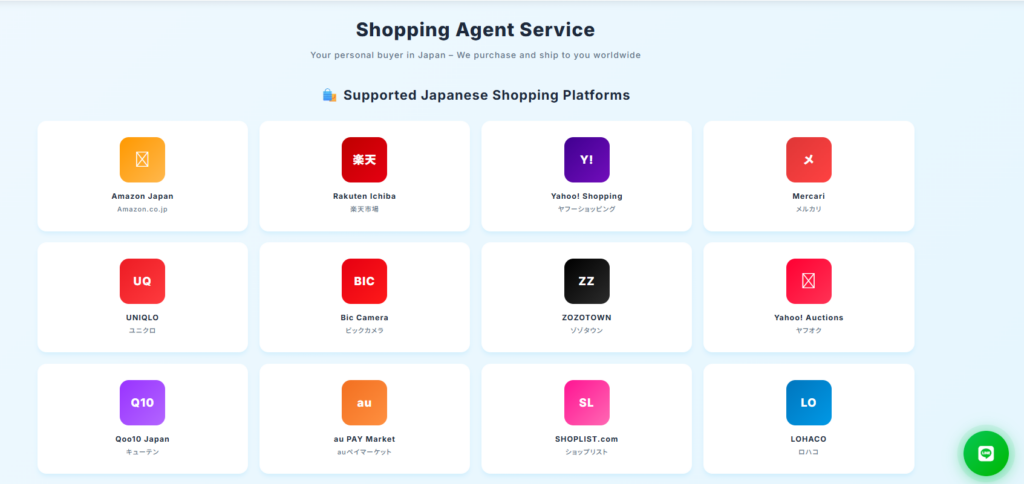
Purchase authentic Japanese products with our trusted Japan shopping agent service. We support product sourcing, supplier communication, product inspection, repacking, export shipping, and international delivery worldwide.
We support major Japanese platforms including Amazon Japan, Rakuten, Yahoo! Shopping, Mercari, and many other Japanese online marketplaces. Even if overseas shipping is unavailable, we can purchase products on your behalf and ship them internationally.
Contact us here:
https://worldwide-courier-japan.com/#contact
Complete International Shipping Process to Japan
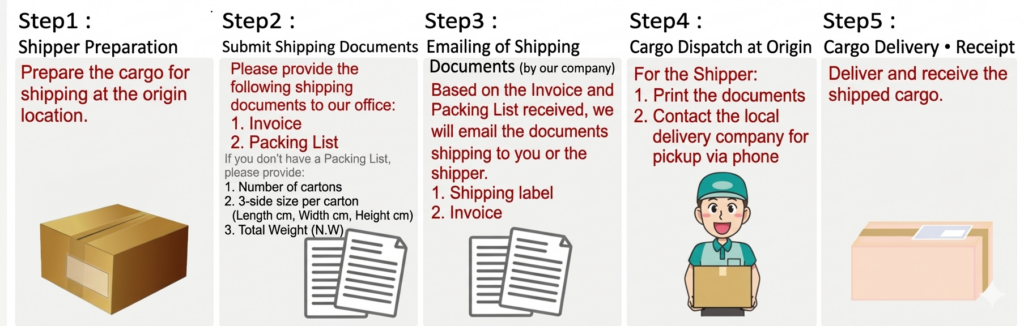
Step 1: Cargo Preparation
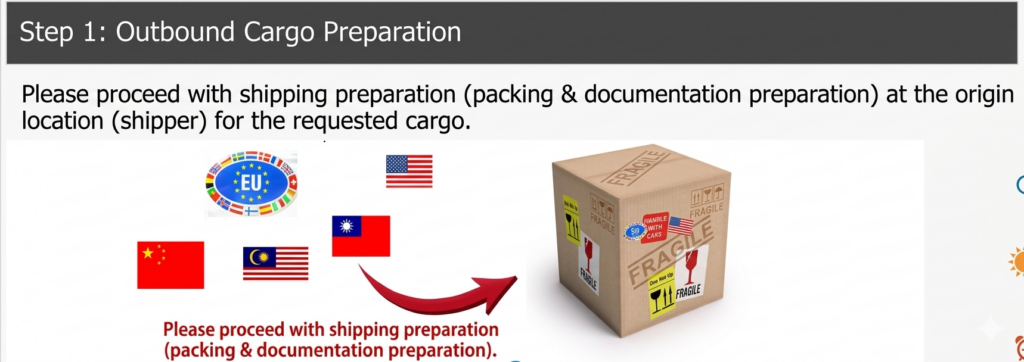
The shipper prepares the cargo, including export packaging and document preparation. Proper packaging is essential not only for protecting products during transportation but also for minimizing volumetric weight and reducing international shipping costs.
Step 2: Commercial Invoice & Packing List Submission
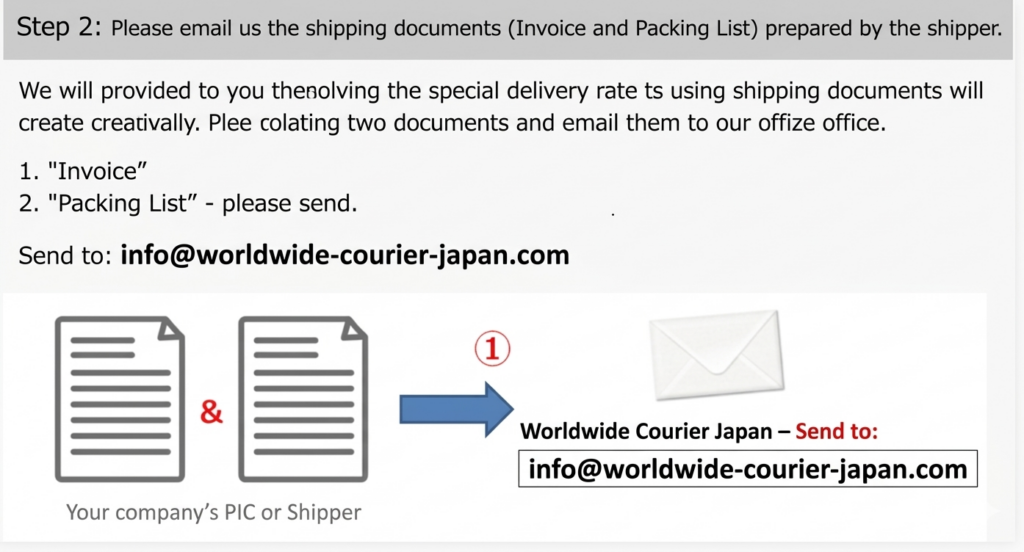
The shipper submits a commercial invoice and packing list containing product descriptions, HS codes, carton quantities, dimensions, unit prices, and total shipment weight. Accurate documentation is essential for smooth customs clearance procedures in Japan.
Step 3: Shipping Document Creation
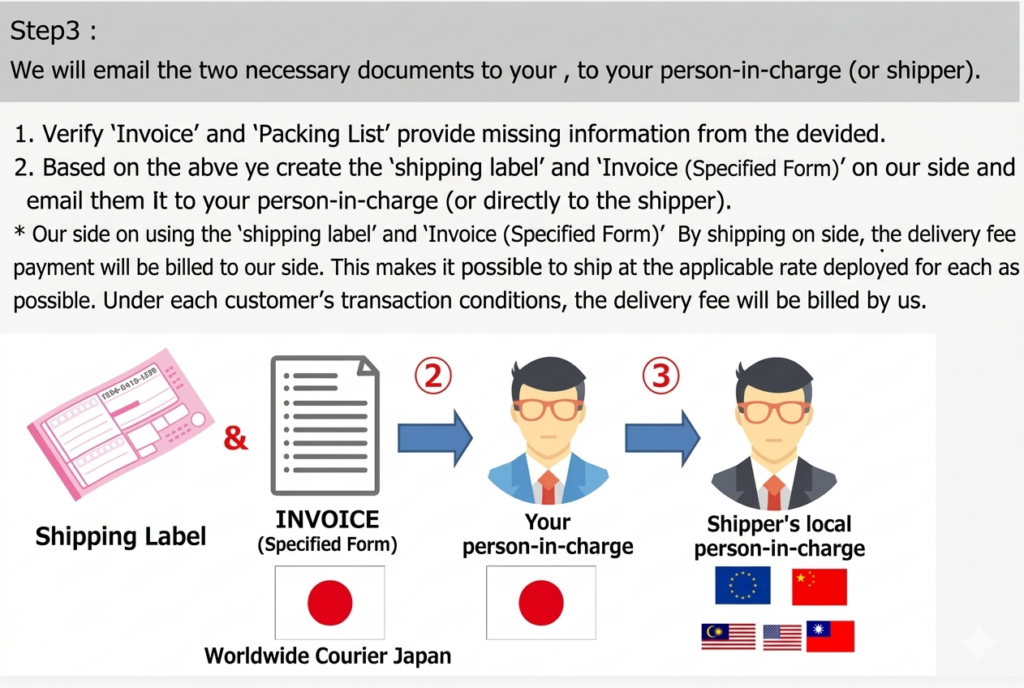
Our logistics team creates the airway bill, shipping invoice, and transportation documents based on the submitted cargo information.
Step 4: Cargo Pickup & International Transportation
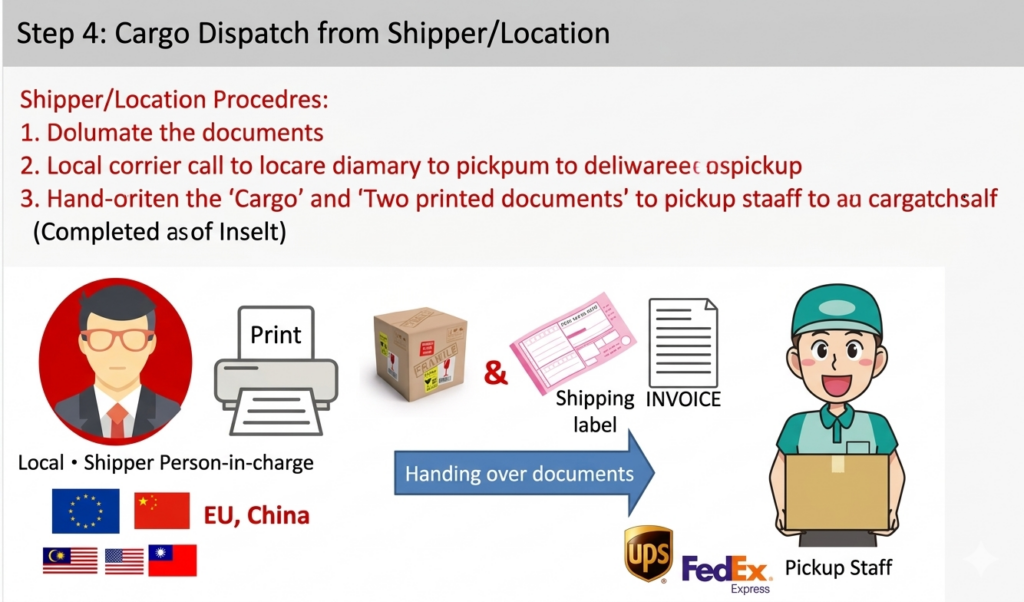
The shipment is collected from the shipper’s address and transported internationally via air freight, sea freight, or express courier service depending on shipment size, urgency, and budget requirements.
Step 5: Customs Clearance & Final Delivery
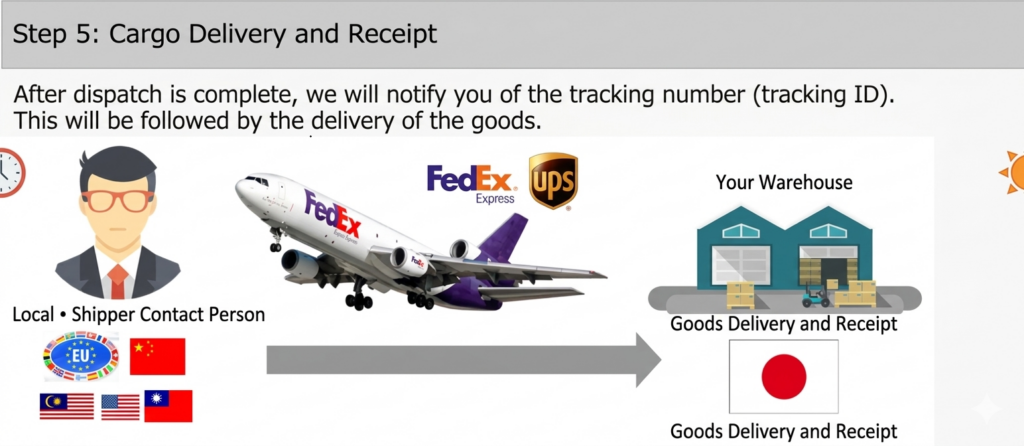
After customs clearance in Japan, tracking numbers are issued and the cargo is delivered safely to the consignee’s final destination.
Chargeable Weight (Critical Cost Factor)
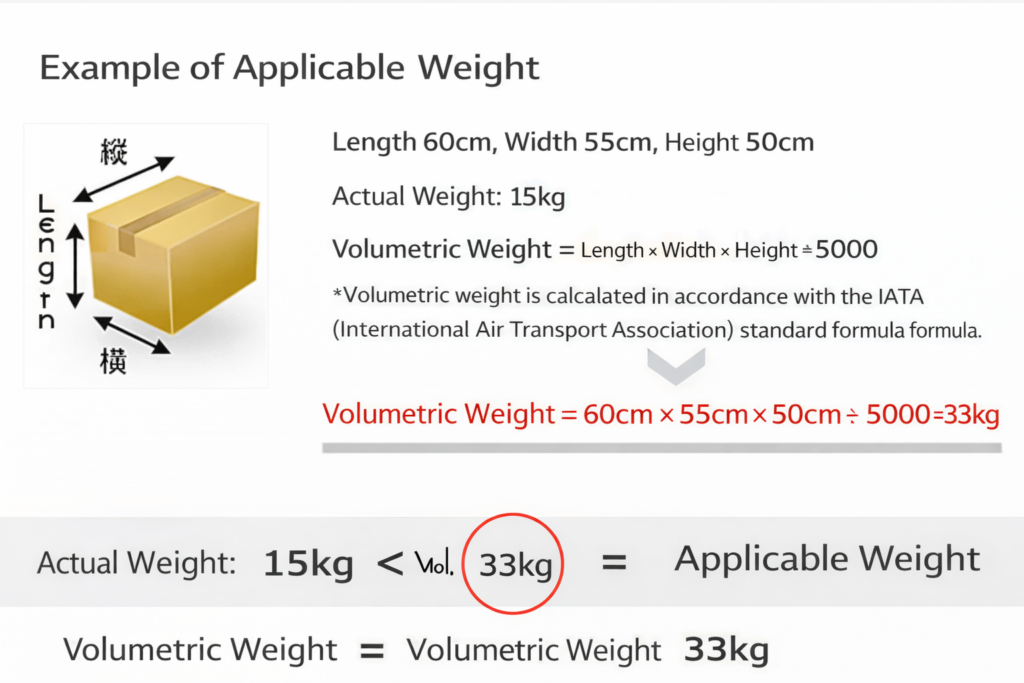
International shipping charges are calculated based on the greater of actual weight or volumetric weight. Oversized cartons and inefficient packaging methods can significantly increase freight costs even for lightweight cargo.
Estimated Delivery Time to Japan
International air freight shipments to Japan generally require approximately 4–7 business days, while sea freight shipments may require several weeks depending on origin country, customs clearance conditions, port congestion, and seasonal demand fluctuations.
International Shipping Cost Breakdown
Shipping expenses generally include base freight charges, fuel surcharges, Japanese customs duties, import consumption tax, customs inspection fees, oversized cargo fees, and remote area delivery surcharges where applicable.
Prohibited & Restricted Import Items
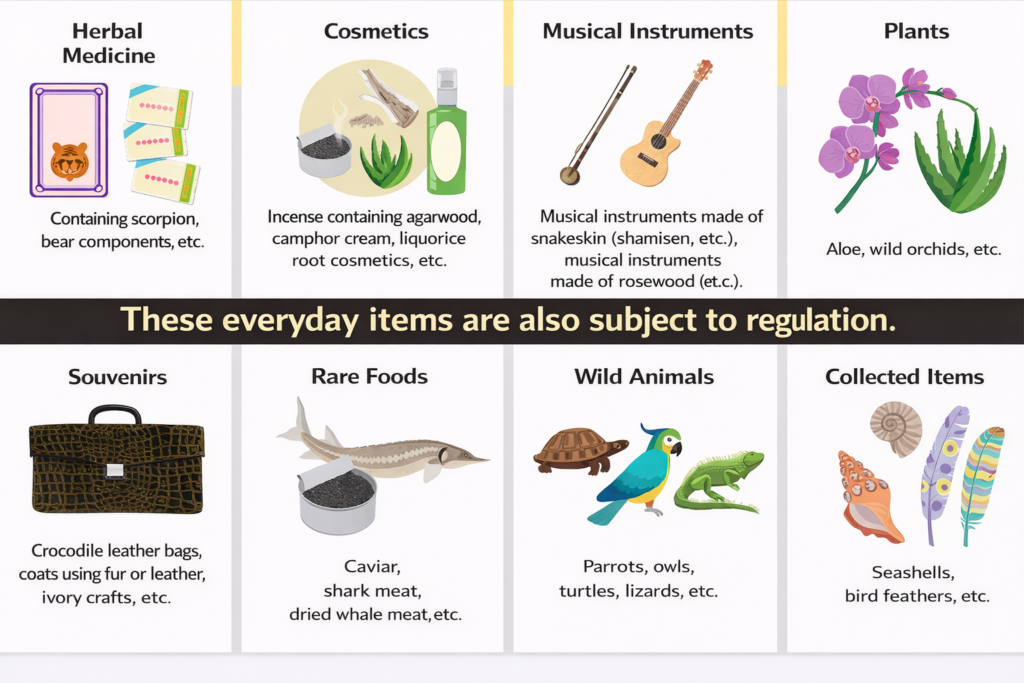
Restricted or prohibited cargo may include hazardous materials, flammable liquids, batteries, weapons, narcotics, perishable food products, counterfeit goods, and items regulated under international treaties such as CITES.
Comparing Fuel Surcharge: A Practical Guide

Fuel surcharges impact total shipping costs across all modes of international logistics. Understanding how these charges are calculated, what drives their fluctuations, and how to compare quotes effectively can save businesses significant money over time. This guide breaks down the key components, the influence of exchange rates and contract durations, and concrete tips for evaluating real-world estimates.
Key Elements to Understand
Fuel surcharge is a variable component added to base shipping rates to offset fluctuations in fuel prices. In practice, carriers typically publish a surcharge index or table that ties rate multipliers to prevailing fuel costs. Major items to review when examining a surcharge include: the base index reference (e.g., national average diesel price or an industry benchmark), the trigger thresholds (minimum and maximum fuel price points), the calculation formula (linear vs. tiered or blended methods), applicability (which lanes, modes, and service levels are charged), and the timing of adjustments (monthly, biweekly, or as-needed). A transparent carrier will provide a clear chart showing how shifts in fuel indices translate to surcharge percentages or multipliers for each service. Always verify whether surcharges apply to all services (air, sea, or multi-modal) and if there are any seasonal or regional variations.
Fluctuations Driven by Currency and Timeframe
Fuel surcharges do not exist in isolation; they interact with currency movements and contract duration. Exchange rate volatility can amplify or dampen the perceived cost of the surcharge when your billing currency differs from the carrier’s reference currency. For example, a surcharge calculated in USD will look different when invoiced in EUR or JPY as FX rates shift. Additionally, many carriers tie charges to a time-based index, meaning the surcharge is recalculated at set intervals (monthly or quarterly) and may reflect a trailing or forward-looking fuel price. When comparing quotes, note: (1) the surcharge’s base currency and reference price, (2) how FX adjustments are handled (fixed rate vs. fluctuating), and (3) the exact period over which the surcharge is applied. Understanding these factors helps you forecast total landed cost across scenarios and currencies.
Practical Points for Comparing Actual Quotes
When evaluating real-world estimates, apply a structured comparison to isolate the true cost impact of fuel surcharges:
- Standardize the scope: Ensure quotes cover the same lanes, service levels, and transit times. Mismatched scope can skew the perceived burden of surcharges.
- Request full surcharge breakdowns: Base rate, fuel surcharge, currency adjustments, and any seasonal or minimum charges should be itemized.
- Check transparency and timing: Ask how often the surcharge is updated and when the latest rates were published. Favor carriers with published, auditable schemes.
- Analyze unit economics: Compare cost per kilogram, per cubic meter, or per 40-foot container, depending on your shipment profile. A lower base rate does not always mean lower total cost if the surcharge structure is less favorable.
- Run scenario planning: Model cost under rising and falling fuel scenarios, with different FX assumptions. This reveals sensitivity and helps negotiating leverage.
- Assess volatility management options: Inquire about fixed-fee caps, hedging options, or longer-term contracts that lock in favorable fuel terms.
- Evaluate overall value: Consider service quality, reliability, and value-added features (packing, insurance, schedule reliability) alongside the surcharge.
By following these steps, you can identify which carrier offers the most predictable, cost-effective option for your international shipping needs, even as fuel prices and currencies shift.
Introduction: Why US-to-Japan Export and Japan-to-Global Shipping Matter

In today’s global marketplace, Japanese products hold a distinctive appeal—from cutting-edge electronics to timeless fashion and trusted consumer goods. For overseas buyers, the ability to source reliably and cost-effectively from Japan is a key differentiator in competitive markets. This article highlights cost-efficient shipping companies that can deliver Japanese products abroad, while also serving as a bridge for Japan to export to international markets. By leveraging a globe-spanning logistics network, buyers and sellers can minimize logistics friction and maximize value from procurement through delivery.
Rationale: Why Japanese product demand abroad will continue to grow
Japan’s reputation for quality, innovation, and meticulous craftsmanship fuels sustained international demand. Key drivers include:
– Broad product spectrum: From consumer electronics and robotics to apparel, cosmetics, and traditional crafts, Japanese goods span multiple categories that appeal to various regions and cultures.
– Perceived reliability: Strong brand trust and robust manufacturing standards reduce perceived risk for overseas buyers, encouraging repeat purchases.
– Specialty and exclusivity: Limited-edition items, regional products, and authentic Japanese brands create demand in niche markets that value authenticity and provenance.
– Digital commerce acceleration: Cross-border e-commerce makes it easier for international customers to access Japanese products, increasing volume and variety of orders.
As a result, exporters and forwarders that offer seamless procurement, consolidated shipments, and transparent pricing stand to capture growing opportunities in global markets.
Recommended shipping companies that support both Japan-to-Global exports and Global-to-Japan imports
To achieve low-cost, reliable, and end-to-end logistics, consider providers that integrate procurement support with multi-modal transport, comprehensive customs expertise, and consolidated shipping options. The following criteria help identify suitable partners:
- Extensive global network: 200+ destinations with both air and sea options
- One-stop service: procurement assistance, inspection, packing, shipping, customs clearance, and delivery
- Cost efficiency: minimized intermediate fees, favorable bulk rates, and scalable solutions for small and large shipments
- Flexible service modes: option for express, standard, or economy lanes depending on urgency and budget
- Reliable visibility and support: proactive tracking, loss/damage prevention, and responsive customer service
Several leading providers operate with these strengths, enabling seamless Japan-to-overseas shipments and overseas-to-Japan imports. When evaluating options, request a detailed quote that breaks down procurement costs, freight charges, insurance, duties and taxes, and any handling fees. Ensure your chosen partner can tailor services to your product mix, volume, and target markets.
Conclusion: Practical steps to access affordable, reliable international shipping from Japan

By selecting a logistics partner with a proven track record in Japan-to-global and global-to-Japan shipments, buyers and exporters can achieve lower total landed costs while maintaining high service levels. Start with a needs assessment, compare major cost drivers (freight, duties, insurance, and handling), and verify capabilities such as QA inspections, damage-preventive packaging, and end-to-end support. A well-chosen partner not only reduces shipping expenses but also enhances trust with overseas customers, driving repeat business and broadening global reach.
Visibility of Savings Points

In international logistics, cost control starts with clear visibility. By structuring savings opportunities and tracking their impact across the supply chain, businesses can make informed decisions that maximize value. This section outlines a practical framework to visualize and prioritize cost reductions, compare alternative routes and modes, and understand how contract terms and long-term commitments shape total expenditure. With a data-driven approach, companies can transform opaque expenses into actionable savings opportunities and maintain efficiency in cross-border shipping from Japan to global destinations.
Prioritizing Cost Reductions
Not all savings yield the same return. Start by categorizing costs into high-impact, low-effort items and low-impact, high-effort items. The most effective early wins typically include:
– Freight rate optimization through carrier selection and consolidated shipments
– Reducing handling and packaging costs via standardized packaging and load optimization
– Minimizing detention and demurrage by improving scheduling and documentation
– Eliminating unnecessary surcharges by auditing fuel surcharges, accessorials, and fee structures
Implement a simple scoring system to rank initiatives: potential annual savings, ease of implementation, and risk. Focus resources on the top 2–3 actions each quarter, then revisit results. Over time, this creates a measurable path to lower total landed cost without sacrificing service quality.
Evaluating Alternative Routes and Freight Modes
Exploring different routes and modes (air, sea, or a combination) can yield substantial savings, especially for diverse product mixes. Consider:
– Sea vs. air: for non-urgent, high-volume shipments, ocean freight often offers significant unit cost reductions; air may be faster but costlier
– Intermodal solutions: combine containerized ocean shipments with regional road or rail to balance time and cost
– Route diversification: use multiple origin ports or destination hubs to exploit carrier capacity and rate variability
– Packaging and dimensional weight: optimize packaging to fit standard pallet sizes and reduce dimensional weight charges
Conduct a total landed cost analysis for each scenario, including transit times, insurance, customs clearance, and last-mile delivery. Use this to identify the most cost-efficient and reliable options for different SKUs and customer requirements. Keep supplier parity and service levels in mind to avoid hidden costs and disruptions.
Impact of Contract Terms and Long-Term Commitments
Contract terms shape predictable costs and supplier relationships. Key considerations include:
– Minimums and volume commitments: align with forecast to secure favorable unit rates without over-committing
– Freight class and packaging standards: ensure consistency to stabilize rates and reduce surcharges
– Accessorial charges: clarify which fees are included or excluded (handling, detention, storage, etc.) and negotiate caps
– Service levels and penalties: define on-time performance, dwell times, and remedies to minimize risk
– Currency and payment terms: manage exchange rate exposure and cash flow effects through hedging or forward-looking payment schedules
Long-term contracts can lower unit costs and secure capacity, but require accurate demand forecasting and ongoing performance reviews. Establish quarterly reviews to adjust volumes, pricing tiers, and service scope as market conditions evolve. This proactive governance prevents stagnation and keeps savings aligned with business growth.
About International Shipping Rates from Japan

◇ Shipping rate table (price per kg)
Japan → United States (U.S./North America/Central America)
※ UPS fastest service level with tracking number. ※
※ We can also handle EMS, International ePacket, air mail, SAL, and sea freight via Japan Post—please let us know if you prefer these options..
※ UPS fastest service level with tracking number ※
【United States (U.S./North America/Central America) Export Preferred Rates】
・1kg :4,030円
1.5kg :4,451円
2kg :4,963円
2.5kg :5,409円
3kg :5,889円
3.5kg :6,271円
4kg :6,701円
4.5kg :7,164円
5kg :7,580円
5.5kg :7,674円
6kg :7,878円
6.5kg :8,160円
7kg :8,317円
7.5kg :8,601円
8kg :8,727円
8.5kg :8,867円
9kg :9,087円
9.5kg :9,306円
10kg :9,464円
10.5 :18,790円
11kg : 19,257円
11.5kg:19,526円
12kg : 19,760円
12.5kg: 20,094円
13kg : 20,431円
13.5kg: 20,798円
14kg : 21,132円
14.5kg: 21,432円
15kg : 21,904円
15.5kg: 22,204円
16kg : 22,571円
16.5kg: 22,877円
17kg : 23,242円
17.5kg: 23,578円
18kg : 23,946円
18.5kg: 24,183円
19kg : 24,449円
19.5kg: 24,851円
20kg : 25,388円
・21-49kg :900円/ per 1kg
・50-99kg :710円/ per 1kg
・100-299kg:620円/ per 1kg
・300-499kg:615円/ per 1kg
・500-999kg:610円/ per 1kg
・1000-5000kg:605円/ per 1kg
Canada Export Shipping Rates (Discount Contract Rates)
The following are our special discounted shipping rates for exporting parcels from Japan to Canada. These rates are designed for international shipments using reliable courier services with secure customs clearance.
| Weight | Shipping Cost |
|---|---|
| 1 kg | 4,030 JPY |
| 1.5 kg | 4,451 JPY |
| 2 kg | 4,963 JPY |
| 2.5 kg | 5,409 JPY |
| 3 kg | 5,889 JPY |
| 3.5 kg | 6,271 JPY |
| 4 kg | 6,701 JPY |
| 4.5 kg | 7,164 JPY |
| 5 kg | 7,580 JPY |
| 5.5 kg | 7,674 JPY |
| 6 kg | 7,878 JPY |
| 6.5 kg | 8,160 JPY |
| 7 kg | 8,317 JPY |
| 7.5 kg | 8,601 JPY |
| 8 kg | 8,727 JPY |
| 8.5 kg | 8,867 JPY |
| 9 kg | 9,087 JPY |
| 9.5 kg | 9,306 JPY |
| 10 kg | 9,464 JPY |
| 10.5 kg | 18,790 JPY |
| 11 kg | 19,257 JPY |
| 11.5 kg | 19,526 JPY |
| 12 kg | 19,760 JPY |
| 12.5 kg | 20,094 JPY |
| 13 kg | 20,431 JPY |
| 13.5 kg | 20,798 JPY |
| 14 kg | 21,132 JPY |
| 14.5 kg | 21,432 JPY |
| 15 kg | 21,904 JPY |
| 15.5 kg | 22,204 JPY |
| 16 kg | 22,571 JPY |
| 16.5 kg | 22,877 JPY |
| 17 kg | 23,242 JPY |
| 17.5 kg | 23,578 JPY |
| 18 kg | 23,946 JPY |
| 18.5 kg | 24,183 JPY |
| 19 kg | 24,449 JPY |
| 19.5 kg | 24,851 JPY |
| 20 kg | 25,388 JPY |
Bulk Shipping Rates
| Weight Range | Rate per kg |
|---|---|
| 21 – 49 kg | 900 JPY / kg |
| 50 – 99 kg | 710 JPY / kg |
| 100 – 299 kg | 620 JPY / kg |
| 300 – 499 kg | 615 JPY / kg |
| 500 – 999 kg | 610 JPY / kg |
| 1,000 – 5,000 kg | 605 JPY / kg |
These international shipping rates allow businesses and individuals to ship goods from Japan to Canada efficiently and cost-effectively. Large-volume shipments receive significantly reduced per-kilogram rates, making them ideal for e-commerce exports, bulk cargo, and commercial logistics.
Discount Export Shipping Rates from Japan (Asia & International Cargo)
Below are our special discounted international cargo shipping rates for exporting goods from Japan. These bulk shipping prices are ideal for businesses, e-commerce sellers, and logistics companies shipping large cargo volumes overseas.
Hong Kong Export Shipping Rates
| 21 – 50 kg | 750 JPY / kg |
| 50 – 100 kg | 550 JPY / kg |
| 100 – 299 kg | 400 JPY / kg |
| 300 – 999 kg | 380 JPY / kg |
| 1000 – 2000 kg | 350 JPY / kg |
| Over 2000 kg | 320 JPY / kg |
South Korea Export Shipping Rates
| 21 – 50 kg | 850 JPY / kg |
| 50 – 100 kg | 650 JPY / kg |
| 100 – 299 kg | 520 JPY / kg |
| 300 – 999 kg | 510 JPY / kg |
| 1000 – 2000 kg | 500 JPY / kg |
| Over 2000 kg | 490 JPY / kg |
Taiwan Export Shipping Rates
| 21 – 50 kg | 850 JPY / kg |
| 50 – 100 kg | 650 JPY / kg |
| 100 – 299 kg | 520 JPY / kg |
| 300 – 999 kg | 510 JPY / kg |
| 1000 – 2000 kg | 500 JPY / kg |
| Over 2000 kg | 490 JPY / kg |
China (Northern Region: Shanghai, Zhejiang etc.) Export Shipping Rates
| 21 – 50 kg | 850 JPY / kg |
| 50 – 100 kg | 650 JPY / kg |
| 100 – 299 kg | 520 JPY / kg |
| 300 – 999 kg | 510 JPY / kg |
| 1000 – 2000 kg | 500 JPY / kg |
| Over 2000 kg | 490 JPY / kg |
China (Southern Region: Guangdong, Fujian etc.) Export Shipping Rates
| 21 – 50 kg | 1350 JPY / kg |
| 50 – 100 kg | 1150 JPY / kg |
| 100 – 299 kg | 980 JPY / kg |
| 300 – 999 kg | 970 JPY / kg |
| 1000 – 2000 kg | 960 JPY / kg |
| Over 2000 kg | 950 JPY / kg |
Macau Export Shipping Rates
| 21 – 50 kg | 850 JPY / kg |
| 50 – 100 kg | 650 JPY / kg |
| 100 – 299 kg | 520 JPY / kg |
| 300 – 999 kg | 510 JPY / kg |
| 1000 – 2000 kg | 500 JPY / kg |
| Over 2000 kg | 490 JPY / kg |
Southeast Asia Export Shipping Rates (Malaysia / Vietnam / Philippines / Singapore / Thailand)
| 21 – 49 kg | 600 JPY / kg |
| 50 – 99 kg | 480 JPY / kg |
| 100 – 299 kg | 360 JPY / kg |
| 300 – 499 kg | 358 JPY / kg |
| 500 – 999 kg | 350 JPY / kg |
| 1000 – 2000 kg | 348 JPY / kg |
India & Australia Export Shipping Rates
| 21 – 49 kg | 1000 JPY / kg |
| 50 – 99 kg | 890 JPY / kg |
| 100 – 299 kg | 750 JPY / kg |
| 300 – 499 kg | 730 JPY / kg |
| 500 – 999 kg | 720 JPY / kg |
| 1000 – 2000 kg | 690 JPY / kg |
Europe Export Shipping Rates (Spain / Germany / France / Italy)
| 21 – 49 kg | 1200 JPY / kg |
| 50 – 99 kg | 990 JPY / kg |
| 100 – 299 kg | 850 JPY / kg |
| 300 – 499 kg | 830 JPY / kg |
| 500 – 999 kg | 820 JPY / kg |
| 1000 – 2000 kg | 790 JPY / kg |
These discounted cargo shipping rates from Japan are ideal for bulk shipments, international trade, and cross-border e-commerce. Businesses shipping larger volumes benefit from significantly reduced per-kilogram costs, making global logistics more efficient and affordable.
The above rates are unit prices per kilogram. Please refer to the examples on the right for the shipping cost rate by weight.
In addition to the above shipping fees, a fuel surcharge will apply. Monthly or weekly fuel surcharge fees are charged depending on the carrier you use.
Any duties, import taxes, etc. incurred during local customs clearance will be billed by the carrier to the consignee.
How it works
We offer good service.worldwide-courier provides international logistics and international shipping (air freight) services that arrange shipping on behalf of trading businesses.
The United States・We support imports and exports not only with China and Hong Kong, but also Korea, the U.S., Europe, Southeast Asia, India, Africa, and many other countries.

By using major couriers (FedEx/UPS/DHL), we provide stable and speedy delivery, and with the overwhelmingly low shipping rates offered by worldwide-courier, we help reduce your existing delivery costs and overall procurement costs.
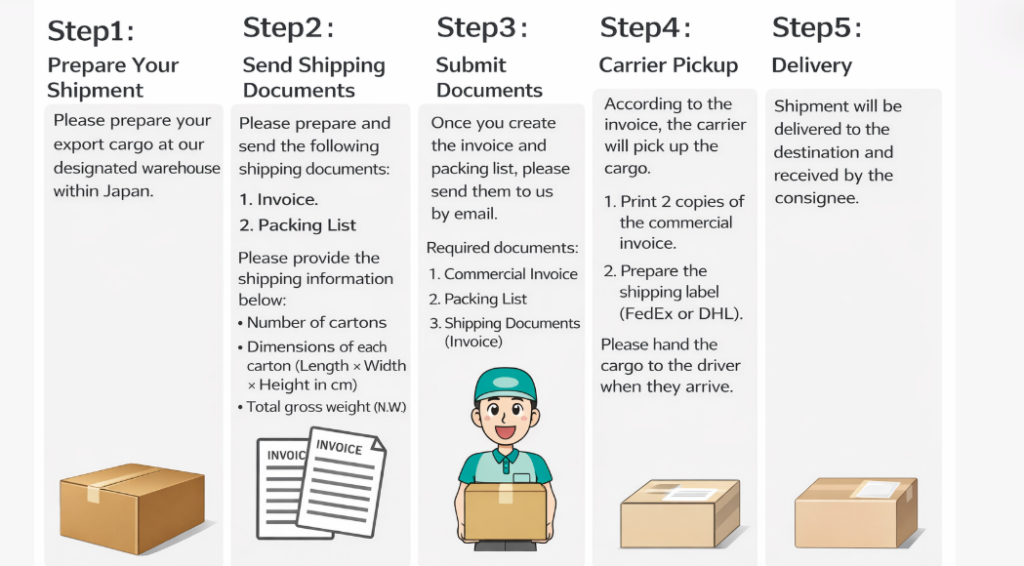
Step 1: Prepare the shipment
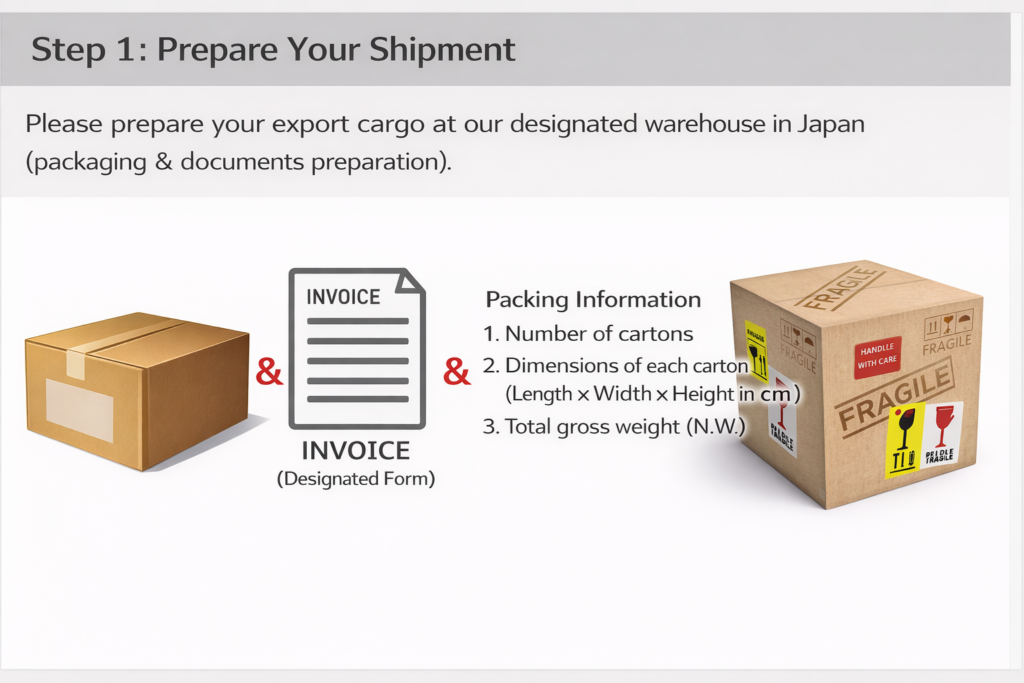
Prepare the shipment at the domestic pickup location (packing & document preparation).
Step 2: Email the shipment documents (invoice and packing information) to us.
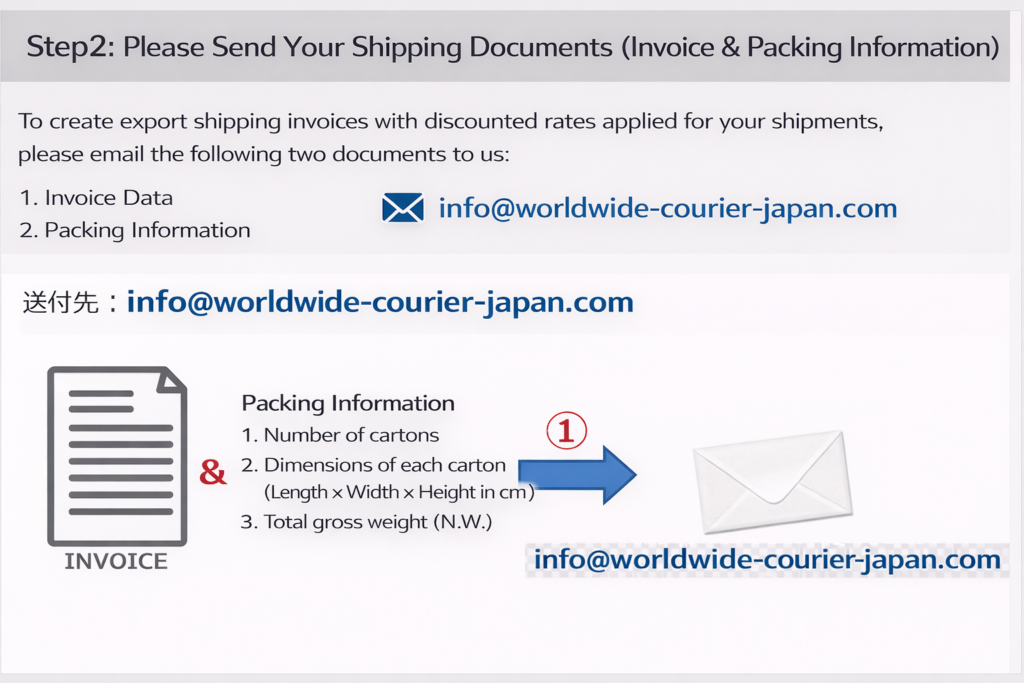
We will create the shipping documents using the special discounted rate provided for each customer. Please email the following two documents as attachments to our office.
1. “Invoice”
2. “Packing List”
Send to: info@worldwide-courier-japan.com
< Items that often end up missing on the invoice >
1. Postal code (shipper side)
2. Contact person name (shipper side)
3. Pickup phone number (shipper side)
※ The above three items are required to create the documents.
If any of this information is missing, we cannot create the documents, so please confirm in advance and submit your request accordingly.
< Required information on the packing list >
1. Total number of cartons
2. The three dimensions of each carton: length (cm), width (cm), height (cm)
3. Total weight (N.W.): total weight after packing
※ In some cases, the packing list lacks the above information. As it is required for document creation, please confirm in advance before requesting.
※ If you do not have a packing list, please confirm the above information with the shipper and share it with us.
< About “Chargeable Weight” used to determine shipping fees >
Based on IATA (International Air Transport Association) standards, the larger of the “actual weight after packing” and the “dimensional (volumetric) weight after packing” is adopted as the “chargeable weight.”
Step 3: We email two required documents for shipment (air waybill and invoice) to your shipper.
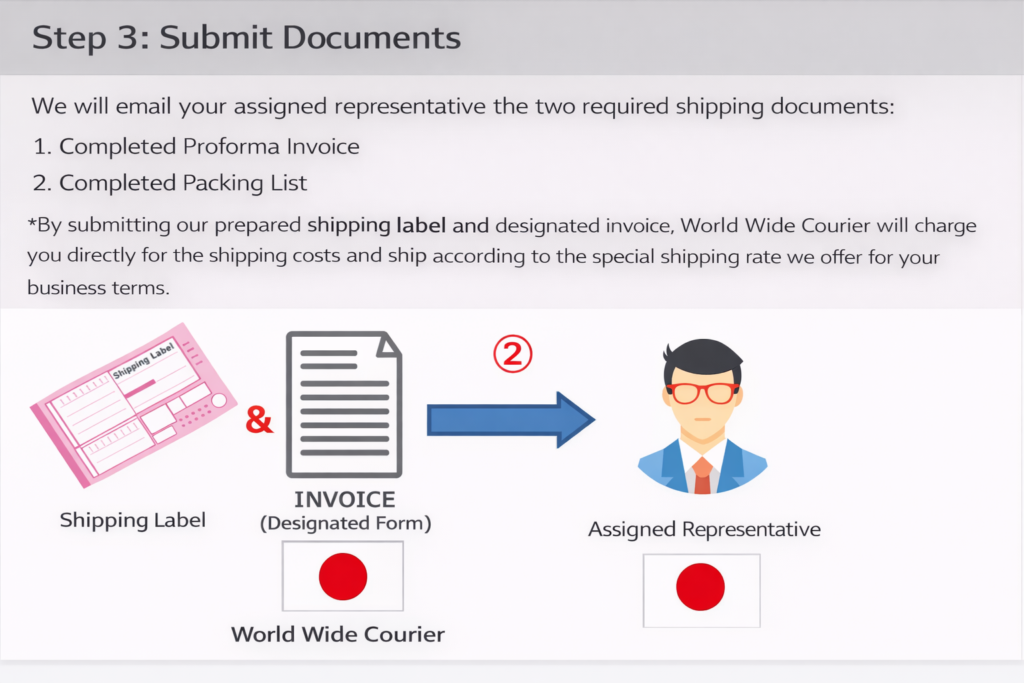
We will email two required documents for shipment (air waybill and invoice) to your 담당者.
1. Confirm any missing information in the “Invoice” and “Packing List” you provided.
2. Based on the above, we will prepare the “Air Waybill” and “Invoice (specified form)” on our side and email them to your 담당者.
※ By shipping using the “Air Waybill” and “Invoice (specified form)” created by us, the shipping charges will be billed to us. This enables you to ship using the applicable rate provided for each customer. Under your individual 거래 조건, we will invoice you for the shipping fees.
Step 4: The carrier picks up the shipment from the pickup location / domestic warehouse, and the shipment is dispatched
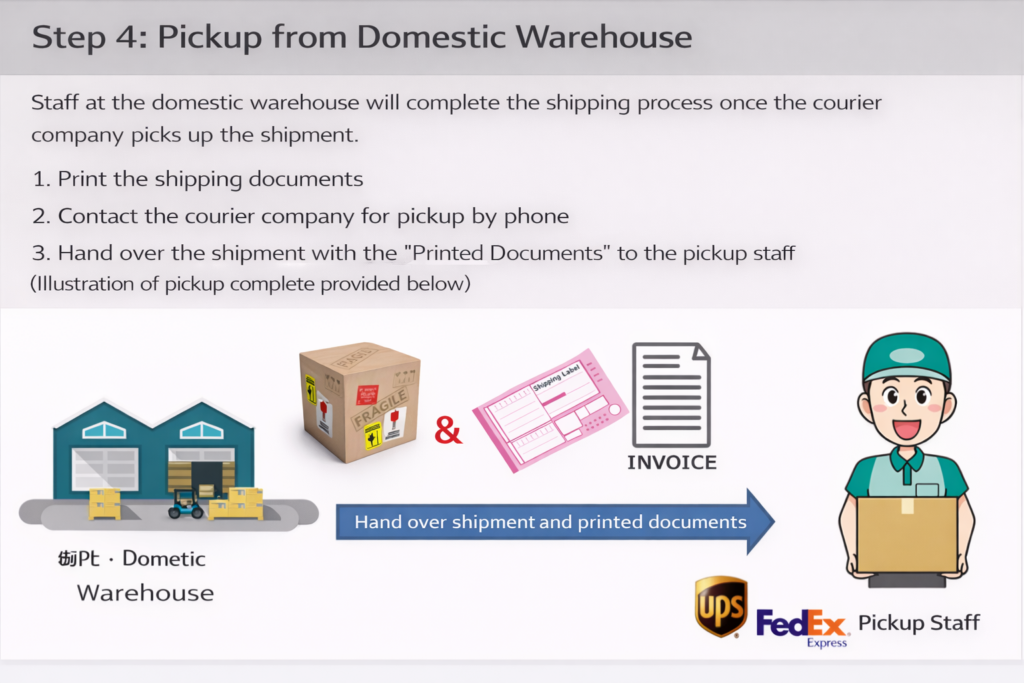
At the domestic pickup location:
1. Print the documents
2. Call the carrier to request pickup
3. Hand the “cargo” and the “two printed documents” to the pickup staff to complete dispatch
Step 5: Delivery and receipt of the cargo
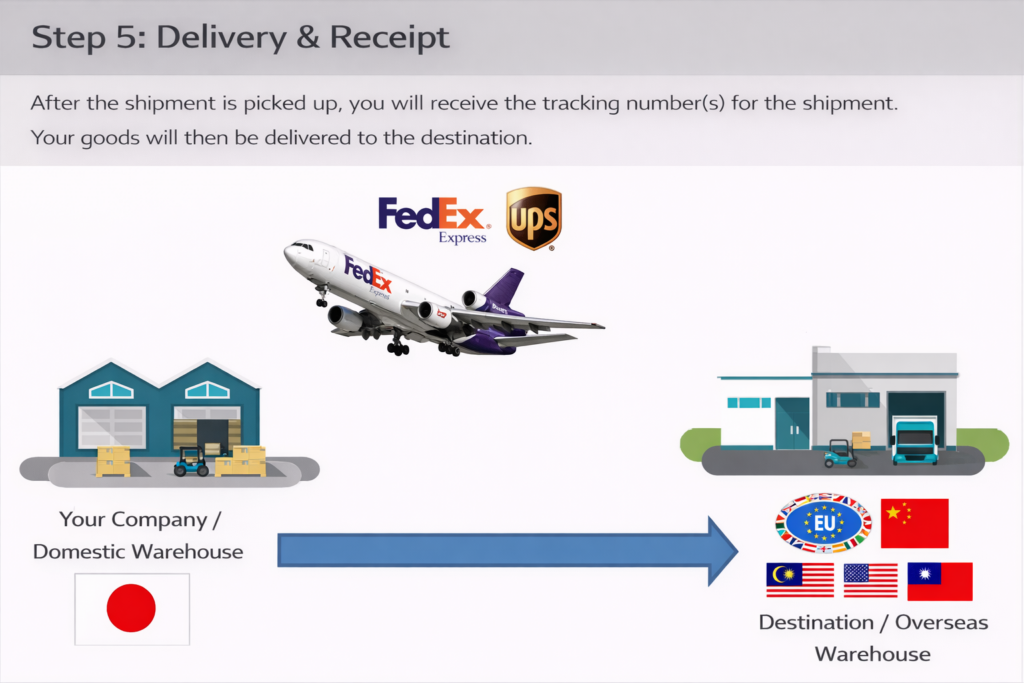
After dispatch, we will provide the tracking number. Your goods will then be delivered.
worldwide-courier provides low-cost delivery from Japan to the United States (U.S./USA) by air and sea. We support both exports and imports, so worldwide-courier reponce pls.
If you provide the information below, we can create the local shipping label.
Input format
◇ Pickup information (From)
1. Company name (or full name)
2. Contact person name
3. Postal code
4. Address
5. Phone number
※ This is the information for the location where the pickup will actually be made.
◇ Delivery address (To)
1. Company name (or full name) (※ Please 반드시 write in English.)
2. Contact person name (※ Please 반드시 write in English.)
3. Postal code
4. Address (※ Please 반드시 write in English.)
5. Phone number
◇ Packing information
1. Number of cartons
2. Total weight
3. Three dimensions of each carton (length, width, height in cm)
◇ Invoice information
・Product name (Please 반드시 write in English.)
・Unit price (Either currency is fine)
・Quantity
If you provide the above information, we can arrange the shipment. worldwide-courier offers low-cost delivery from Japan to the United States (U.S./USA) by air and sea. We support both exports and imports, so worldwide-courier reponce pls.
We look forward to your request.
Please let us know your current shipping frequency and shipping costs, if any.
Regarding your planned shipping date:
If you can also tell us around when you plan to ship, it will make the process smoother.
You can ship at the above rates.
For exports, we can create the shipping documents if you reply with the completed invoice as an attachment, or if you provide the information below.
◇ Pickup information (From)
1. Company name (or full name)
2. Contact person name
3. Postal code
4. Address
5. Phone number
※ This is the information for the location where the pickup will actually be made.
◇ Delivery address (To)
1. Company name (or full name) (※ Please 반드시 write in English.)
2. Contact person name (※ Please 반드시 write in English.)
3. Postal code
4. Address (※ Please 반드시 write in English.)
5. Phone number
◇ Packing information
1. Number of cartons
2. Total weight
3. Three dimensions of each carton (length, width, height in cm)
◇ Invoice information
・Product name (Please 반드시 write in English.)
・Unit price (Either currency is fine)
・Quantity
We will also guide you through the transaction flow.
Transaction flow (detailed version)
< Flow >
1. Please reply with the invoice.
2. If there are no issues with the information, we will book the pickup.
※ Pickup can be arranged as early as the next business day after your package is ready. (We typically book a window around 11:00–17:00.)
< Details: Export cargo transaction flow (Japan → destination country) >
The pickup process is as follows.
1. Please contact us after you finish packing your shipment.
2. Please prepare the invoice and packing information (number of cartons, weight, and three dimensions per carton).
※ 2-1. Shipper (Japan side): address, postal code, name, phone number, company name
2-2. Consignee (delivery destination): local address, postal code, name, phone number, company name
2-3. Product name and unit price
3. After we confirm (2) and there are no issues, we will arrange the pickup.
4. Within 1–2 business days, the carrier will come to your指定 location for pickup.
* We will email you the electronic data for the air waybill, so please hand the invoice and air waybill together with the package to the pickup staff.
5. Shipment is dispatched.
7. Local customs clearance processing (personal / commercial)
8. If there are no issues, the shipment clears customs.
9. Delivery is completed.
* Steps 5–8 typically take about 2–5 days to arrive if there are no issues.
* You will receive a tracking number as a shipment record.
Breakdown of Applicable Charges
1. Freight charges and fuel surcharge
2. Import duties, VAT/GST, customs clearance fees, and other local charges in the destination country, if applicable
The chargeable weight is calculated based on the larger of the actual weight and volumetric weight after packing.
Knowledge About Restricted and Prohibited Items
Certain items may be restricted or prohibited for international shipping depending on the destination country and carrier regulations. These may include dangerous goods, flammable materials, compressed gases, liquids, medicines, medical devices, firearms, tobacco products, perishables, seeds, plants, animals, chemicals, valuables, and CITES-regulated items.
In addition to the items listed above, other products may also be restricted depending on local import regulations. Some items may have shipping limitations, licensing requirements, or value restrictions.
Please contact us in advance if you are unsure whether your items can be shipped internationally from Japan.
Choosing an Affordable and Reliable International Freight Forwarding Partner

Selecting the right overseas shipping and logistics partner is crucial to balance cost, reliability, and speed. A strong forwarder should not only offer competitive rates but also provide clear communication, robust service coverage, and proven performance across international routes. This guide outlines the core criteria to evaluate when comparing forwarders, with practical tips to help you make an informed decision that supports your global sourcing or cross‑border e-commerce goals.
Reliability benchmarks and evaluation criteria
Reliable partners demonstrate consistent performance across time and routes. Use these metrics to assess potential forwarders:
– Track record: Years in business, number of countries served, and case studies of similar shipments (size, weight, commodity, and urgency).
– On-time delivery rate: Percentage of shipments arriving within agreed timeframes, with visibility into root causes for delays.
– Damage and loss prevention: Packaging standards, handling procedures, and real-world loss/damage statistics. Ask about claims processes and average resolution times.
– Compliance expertise: Knowledge of customs regulations, restricted items, and required documentation for multiple destinations; ability to handle complex import/export scenarios.
– Customer support accessibility: Multichannel support hours, response times, and dedicated account management for business customers.
– References and testimonials: Verifiable feedback from existing clients in your industry or with similar shipment profiles.
Practical tip: Request a pilot shipment or a mock route analysis to gauge performance before committing long-term.
Transparency of pricing and extra charges
Price transparency reduces unpleasant surprises. Compare the following aspects across quotes:
– Base rate structure: Freight charges, handling fees, and surcharges broken down item-by-item (origin, transit, and destination charges).
– Fuel and security surcharges: How these fluctuate with fuel prices and risk premiums, and whether they are fixed or variable.
– Additional costs: Dock/time accessorials, change fees, documentation charges, storage fees, and demurrage/berthing costs.
– Currency and payment terms: Currency options, fluctuation considerations, and payment deadlines; penalties for late payments.
– Inclusions vs exclusions: Whether insurance, tracking, and customs clearance are included or billed separately, and the value coverage available.
Practical tip: Ask for a full cost‑to‑cost comparison for a standard shipment profile, plus a worst‑case scenario to understand potential volatility.
Service scope and coverage area
Align the forwarder’s capabilities with your needs by confirming these service dimensions:
– Network reach: Destination countries, port/airport coverage, and inland delivery capabilities. Ensure they serve your target markets, including remote locations if needed.
– Transit modes: Availability of air freight, ocean freight, and any hybrid options; suitability for your goods’ characteristics (fragile, high‑value, oversized).
– End‑to‑end services: Availability of pick‑up, packaging, labeling, kitting, re-packaging, value‑added services, customs brokerage, insurance, and final mile delivery.
– IT and visibility: Real-time tracking, integration with your order management system, EDI or API compatibility, and proactive exception alerts.
– Claims and support flow: Streamlined processes for damaged or missing items, including documentation requirements and claim timelines.
Practical tip: Map your typical shipment profiles (origin, destination, weight/volume, required lead times) and verify how each forwarder handles those scenarios.
Case Studies: Real Comparisons and Cost Savings

In this chapter, we present practical scenarios that illustrate how choosing a comprehensive Japan-to-international shipping and purchasing service can significantly reduce total logistics costs while maintaining reliability. Through three representative cases—small consignments, large shipments, and a balance of punctuality and trust—we demonstrate actionable strategies, measurable results, and the value of a one-stop solution that covers procurement, inspection, packaging, transportation, customs, and delivery.
Case A: Cost Reduction for Small Cargo
Overview: A cross-border e-commerce seller needed to source a limited quantity of high-demand electronics from Japan and ship to a single European destination. The challenge was minimizing per-unit costs without compromising reliability or delivery speed.
Result: The client achieved a substantial per-unit saving compared to traditional buy-and-ship services, with delivery within the required window and reduced risk of damage through professional packing.
Case B: Total Cost Reduction for Large Shipments
Overview: A corporate buyer required regular, large-volume shipments of Japanese consumer goods to multiple destinations in North America. The goal was to reduce total landed cost while maintaining strict timelines and compliance.
Result: The client cut total landed cost by a double-digit percentage versus prior multi-vendor arrangements, while maintaining strict delivery windows across all destinations and ensuring regulatory compliance.
Case C: Balancing Delivery Timeframe and Reliability
Overview: A fashion retailer needed timely replenishments of seasonal items from Japan to multiple markets during peak season. The priority was on-time delivery and consistent quality, even with tight deadlines.
Result: The retailer achieved reliable replenishment cycles, on-time deliveries in multiple regions, and minimized returns due to damage or delays, preserving brand reputation during a high-demand period.
Important Considerations and Frequently Asked Questions

When navigating international shipping and purchase代理 services, understanding potential pitfalls and common inquiries helps ensure a smooth experience for every party involved. This section consolidates practical cautions, risk mitigation strategies, and clear answers to questions frequently raised by customers seeking to Buy Japanese products from Japan, proxy shopping, and cross-border logistics. By preemptively addressing these points, clients can minimize delays, avoid hidden fees, and align expectations with service capabilities.
注意点とトラブル回避
1) Documentation and compliance: Ensure all items comply with destination country regulations, including import restrictions, labeling, and documentation requirements. Non-compliant shipments may face delays or refusals at customs. Prepare accurate product descriptions, HS codes, and value declarations to facilitate smooth clearance.
2) Item eligibility and provenance: Some items require certificates, licenses, or prohibitions (e.g., regulated electronics, cosmetics, or cultural artifacts). Verify product eligibility before purchase and confirm provenance or authenticity to avoid post-purchase disputes.
3) Packaging integrity and insurance: Fragile or high-value goods demand protective packaging and insured shipping. Request dual-layer cushioning, state-of-the-art box design, and selecting carriers offering robust transit insurance to cover loss or damage.
4) Lead times and forecasting: International logistics involve multiple steps—source, procurement, inspection, packaging, customs clearance, and final delivery. Plan for potential delays due to peak seasons, carrier capacity, or paperwork verification, and communicate accurate timelines to stakeholders.
5) Fees and pricing transparency: Understand all components of the total cost, including procurement fees, consolidation charges, handling fees, fuel surcharges, and import duties. Seek a transparent, itemized estimate to avoid surprises.
6) Payment security and currencies: International transactions involve currency exchange and payment security considerations. Use trusted payment gateways, confirm return and refund policies, and be aware of potential exchange rate fluctuations.
7) Language and support: Ensure access to multilingual support and clear communication channels. For overseas buyers, English or your preferred language should be supported by the service team to prevent misinterpretation.
8) Quality control and inspection: Request pre-shipment inspection, photos, or video confirmation of items before packaging. This step reduces the risk of receiving damaged or misrepresented products.
9) Returns and claim handling: Clarify return policies, warranty coverage, and the process for claims in case of damage or mismatch. A well-defined post-purchase support workflow protects customer satisfaction.
10) Data privacy and security: Personal and financial data must be protected. Work with providers that implement strong data encryption, secure payment processing, and compliant privacy practices.
よくある質問と回答
Q1: Can you buy items from Japanese retailers that do not ship internationally?
A1: Yes. Our proxy shopping service sources from major Japanese retailers and marketplaces, including Amazon.co.jp, Rakuten, Yahoo Shopping, Mercari, Uniqlo, BicCamera, ZOZOTOWN, Yahoo Auctions, Lohaco, and more. If a retailer is not listed, we can often arrange procurement through alternative channels after verification.
Q2: How do you ensure item safety during international transit?
A2: We provide comprehensive packaging designed for impact protection, weight distribution, and moisture control. Optional insurance, real-time tracking, and damage-free handling procedures further reduce risk. Pre-shipment inspection and photo confirmation are available upon request.
Q3: What currencies and payment methods are supported?
A3: We support major currencies and secure payment methods through trusted gateways. Our team provides transparent quotes with all fees itemized and offers guidance on favorable exchange rates when possible.
Q4: How long does the overall process take from purchase to delivery?
A4: Timeline varies by item type, source availability, and destination. Typical cycles include sourcing (1–5 days), purchase, in-warehouse inspection, consolidation (if applicable), customs clearance, and final delivery. Peak periods may extend these estimates by several days.
Q5: Are there any items you cannot procure or ship?
A5: Yes. Regulated items, prohibited goods, or products lacking necessary documentation may be restricted. We assess eligibility during initial consultation and propose alternatives if needed.
Q6: Do you offer consolidated shipping to reduce costs?
A6: Yes. Consolidation combines multiple shipments into one to lower per-item freight and handling costs, while maintaining route efficiency and delivery timelines.
Q7: What if the goods arrive damaged or are not as described?
A7: We implement damage prevention measures and verify descriptions before shipment. If issues arise, our claims process covers inspection, documentation, and potential compensation according to carrier policies and insurance terms.
Q8: How do I start a project with Worldwide Courier Japan?
A8: Contact us through the inquiry form at https://worldwide-courier-japan.com/#contact. Our team will assess your sourcing needs, provide a detailed quote, and outline the end-to-end process from purchase to delivery.
Buying Japanese Products from Overseas – Easy, Safe, and Reliable Worldwide Delivery
Many Japanese online stores do not offer international shipping. However, customers overseas can still purchase authentic Japanese products easily by using a professional Japan proxy shopping service.
A proxy shopping service purchases products on behalf of international customers in Japan and ships them overseas. This allows buyers worldwide to shop from popular Japanese marketplaces such as Amazon Japan, Rakuten, Mercari, and Yahoo Auctions, even when those stores do not ship internationally.
Our service can also combine multiple orders into a single shipment, which can significantly reduce international shipping costs. This is one of the most efficient ways to buy from Japan while keeping total costs low.
We introduce Worldwide-Courier.
①Shipping service
We offer Worldwide-Courier, providing low-cost delivery from Japan to Malta and worldwide by air and sea. We support both exports from Japan and imports into Japan, so please feel free to contact us for a consultation or inquiry.
We are one of the most affordable logistics companies in Japan. We provide competitive shipping rates and reliable international delivery services.
email:info@worldwide-courier-japan.com
wechat:tradingjapankei
tel:+81-3-6300-5745
We provide international export logistics from Japan to over 200 countries worldwide. As one of Japan’s most cost-effective shipping companies, we help reduce transportation costs between Japan and your country with competitive pricing and dependable service. We utilize trusted global carriers such as UPS and FedEx to ensure fast, secure, and trackable delivery.
Payment is accepted via Wise or major credit cards for safe and convenient international transactions. You can easily contact us through LINE, WhatsApp, email, or our online inquiry form.
If you are looking for affordable Japan export shipping, a reliable Japanese logistics partner, and lower international freight costs, we are your best choice. Contact us today and start saving on your shipments from Japan.
With the current weak Japanese yen (JPY), overseas customers can significantly reduce their total product purchasing and international shipping costs from Japan.
Because our Japan-origin freight forwarding rates are based in Japanese yen, overseas businesses and individual buyers can benefit from favorable exchange rates, resulting in lower effective costs for air freight, sea freight, proxy shopping, and international shipping services.
If you are looking for cheap shipping from Japan, low-cost air or ocean freight, or reliable customs clearance support, now is an excellent time to take advantage of the favorable currency difference.
Contact us today for a free consultation and a competitive shipping quotation.
②Japan product agent service
We can buy Japanese products and ship them to countries worldwide.
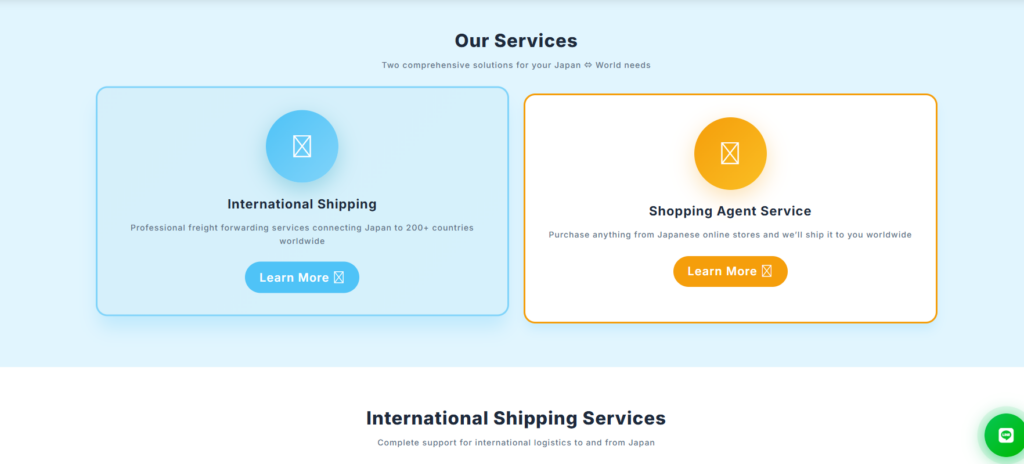
We provide both international shipping and purchasing services, so we can handle both the purchase of products in Japan and the shipment to your country.
Buy Authentic Japanese Products with Our Trusted Shopping Agent Service. We help customers worldwide purchase items directly from popular Japanese online stores such as Amazon Japan, Rakuten, Yahoo! Shopping, Mercari, and more. If a store does not ship internationally, we buy on your behalf and deliver safely to your country. Enjoy access to exclusive Japanese brands, limited editions, electronics, fashion, cosmetics, and collectibles at competitive prices. Our service offers secure payments, careful inspection, reliable packaging, and fast international shipping.
Japanese Product Shopping Agent Service – Buy from Japan and Ship Worldwide
Our Japanese Shopping Agent Service allows customers around the world to purchase authentic products directly from Japan. Many Japanese online stores do not ship internationally, which makes it difficult for overseas buyers to access popular and exclusive Japanese products. Our service solves this problem by purchasing items on your behalf and shipping them safely to your country.
We support a wide range of popular Japanese online marketplaces and retail stores. Whether you are looking for fashion, electronics, cosmetics, collectibles, hobby items, anime goods, daily-use products, or limited Japanese products, we can help you purchase them and arrange reliable international shipping.
We can also help you purchase products from smaller Japanese websites, specialty stores, local shops, and suppliers that may not support overseas customers. In many cases, if the product can be bought in Japan, we can help you buy it. This makes our service ideal for customers in Malta who want flexible access to almost anything sold in Japan.
Our service is suitable for:
• personal shopping from Japan
• Japan proxy buying
• e-commerce sourcing
• wholesale and bulk orders
• limited-edition and hard-to-find Japanese products
• combined shipping to reduce international delivery costs
CTA: If you have a product link, product name, screenshot, or shopping list, send it to us through our contact form. We will check availability, provide support, and help you buy and ship your items from Japan smoothly and safely.
Supported Japanese Shopping Platforms
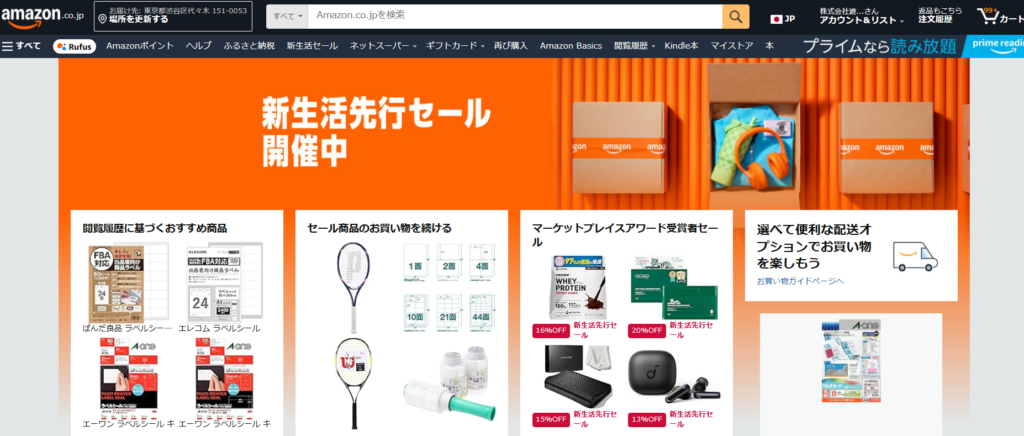
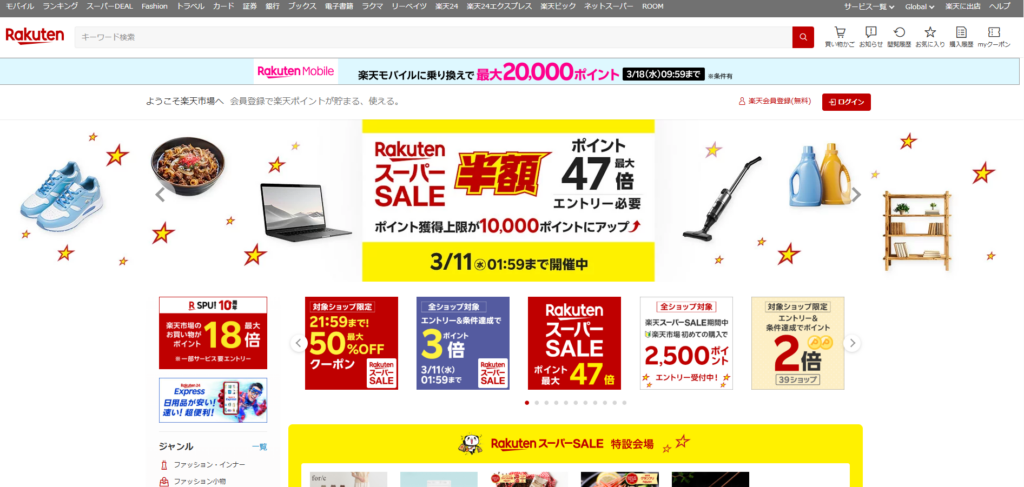
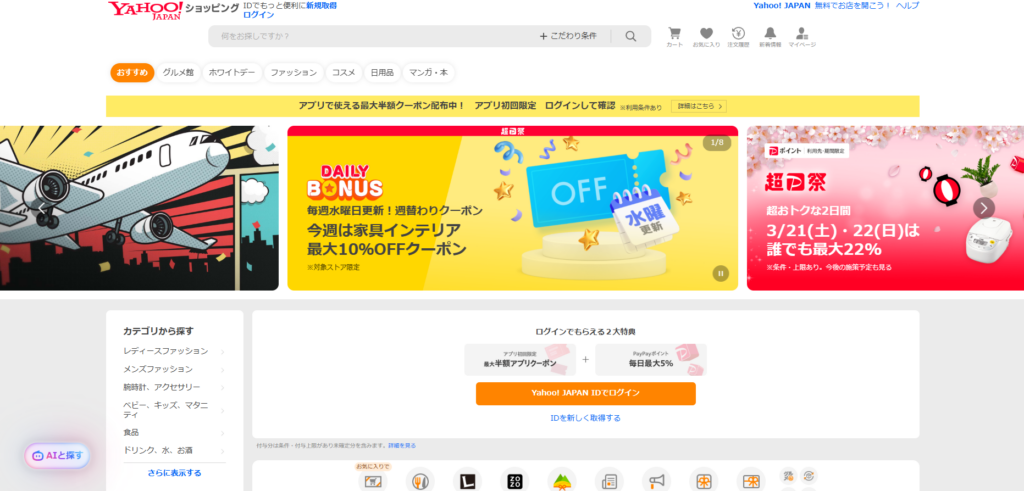
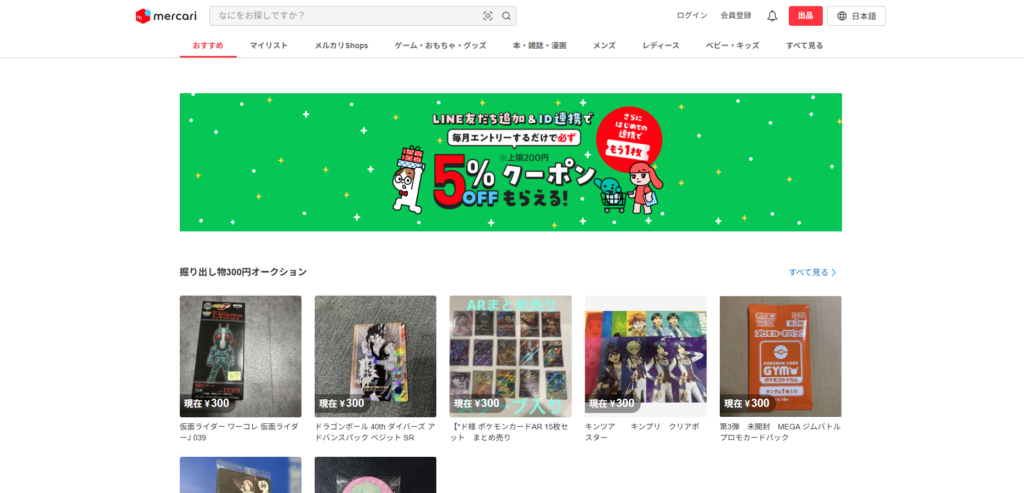

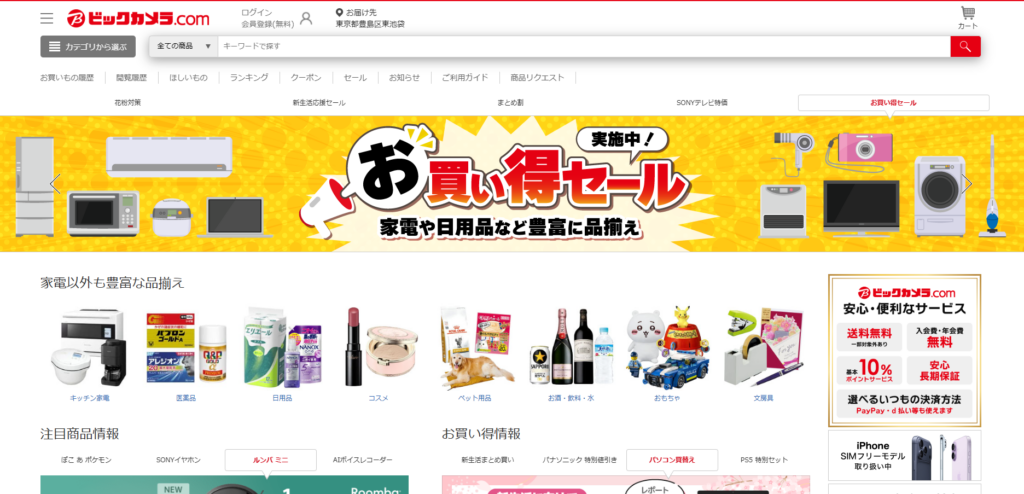
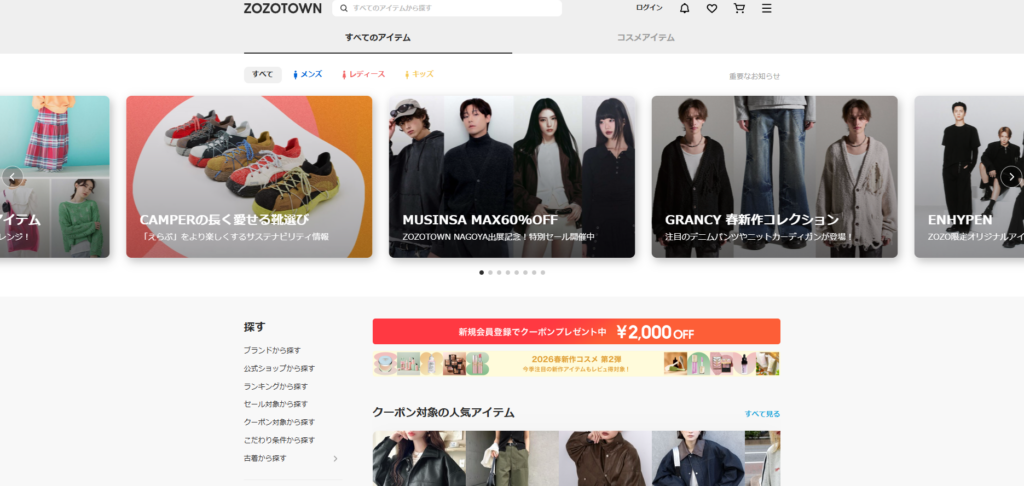
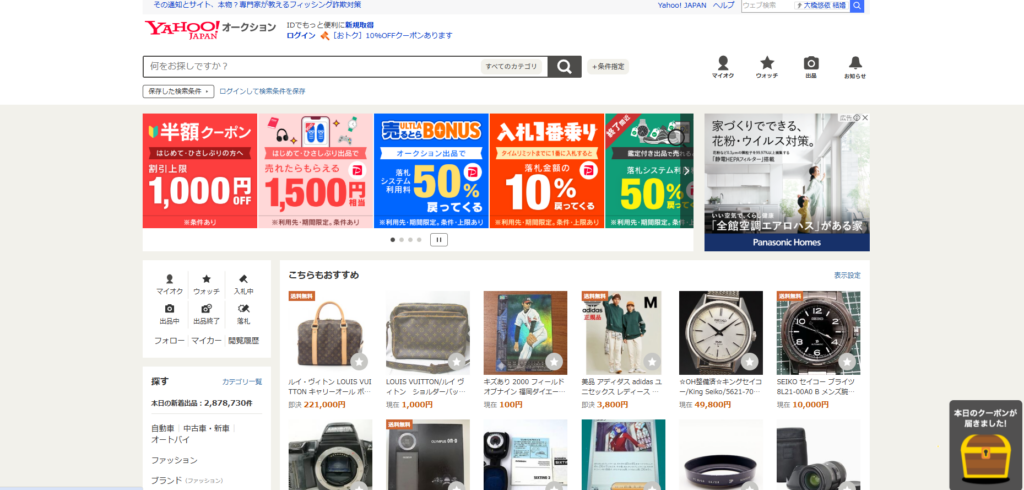
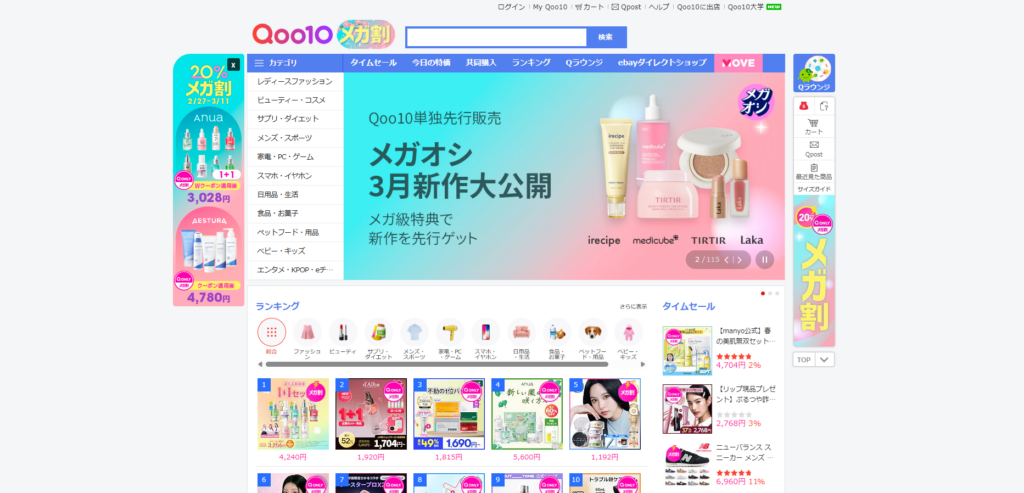
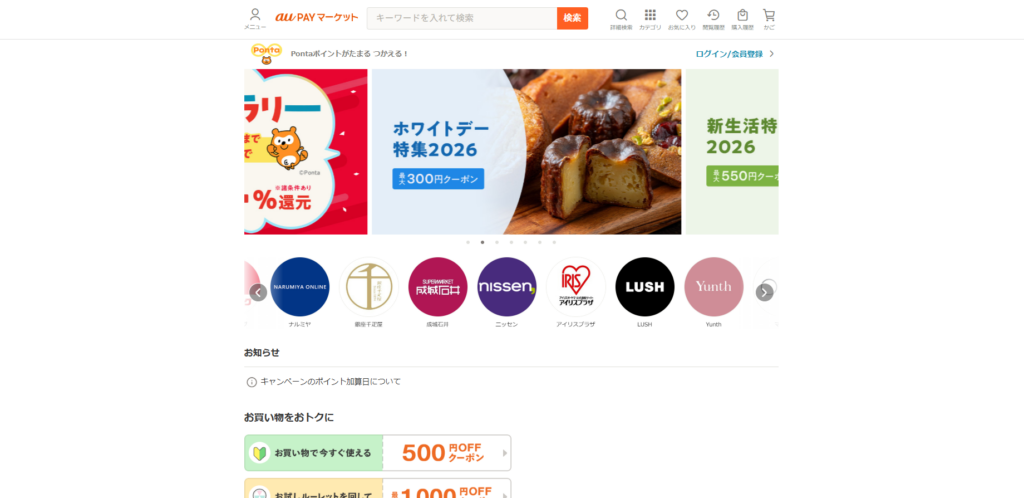
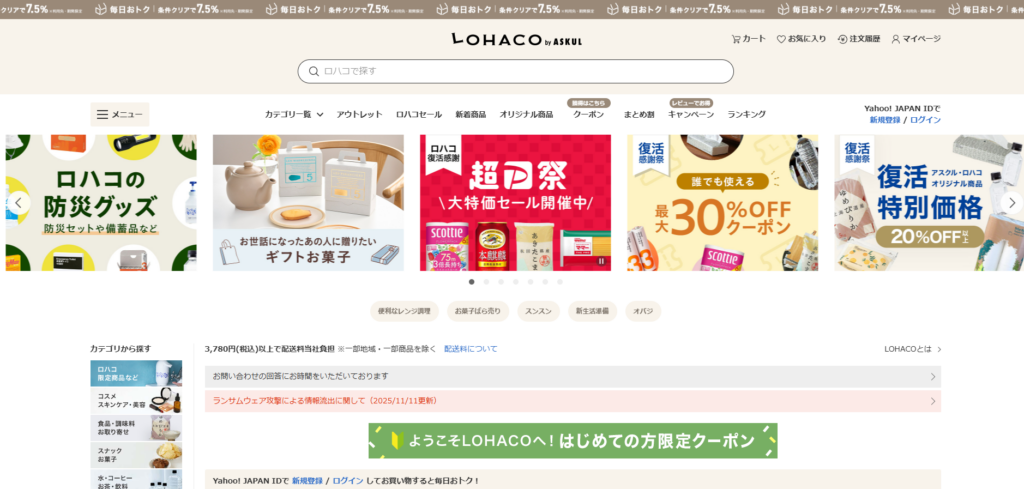
These platforms offer a huge variety of Japanese products that are highly popular worldwide. From the latest Japanese fashion brands to high-quality electronics, cosmetics, lifestyle goods, hobby items, and unique collectibles, you can access many of Japan’s best online stores through our purchasing service.
Even if the product you want is not listed on one of the major platforms above, you can still contact us. We can often assist with purchases from smaller Japanese websites, independent online shops, brand-specific stores, and selected offline products available in Japan. This makes our service highly flexible for customers who want to buy almost anything from Japan.
Contact us through the form below. Please send us your order item links or shopping list. Orders can be placed by chat or email, whichever is more convenient for you.
Important Operational Notes
All shipment information must be provided accurately before dispatch. Incorrect or incomplete information may result in shipment delays, additional costs, or reprocessing fees.
Customers are required to provide carton dimensions and weight in advance, as shipping costs are calculated based on chargeable weight (actual weight vs volumetric weight).
For shipments involving special materials such as wooden packaging, additional processing fees may apply depending on carrier requirements.
While standard shipping fees are clearly defined, any exceptional charges imposed by carriers will be billed separately as actual expenses.
Final Summary and Business Advantage
Shipping from the USA to Japan requires a complete understanding of logistics processes, cost structures, and operational conditions. By preparing accurate documentation, optimizing packaging, and selecting the right logistics partner, businesses can significantly reduce costs while ensuring fast and reliable delivery.
For companies involved in international trade, mastering these logistics fundamentals is essential for maintaining competitive pricing, improving supply chain efficiency, and expanding successfully into the Japanese market.
Introducing Worldwide Courier Japan – Your Trusted International Shipping & Import/Export Logistics Partner.
Worldwide Courier Japan provides low-cost international shipping services both from Japan to worldwide destinations and from overseas to Japan. We specialize in global import and export logistics, offering reliable air freight and sea freight solutions for businesses and individuals.
Our services cover export shipping from Japan as well as import shipping into Japan, including commercial cargo, e-commerce shipments, bulk freight, and personal packages. Whether you need to ship goods overseas or import products into Japan, we provide efficient, fast, and cost-effective logistics solutions.
If you are searching for cheap international shipping from Japan, import shipping to Japan, reliable freight forwarding companies in Japan, or global logistics services, Worldwide Courier Japan is your ideal partner. Contact us today for a free consultation.
Why Choose Worldwide Courier Japan for International Shipping & Import Services?
We offer competitive international shipping rates for both exports from Japan and imports into Japan. Our logistics experts help you choose the most efficient and affordable shipping method, whether via express courier, air cargo, or sea freight. We support small parcels, bulk shipments, and commercial cargo with optimized cost and delivery speed.
As one of the most cost-effective logistics companies in Japan, we help you reduce shipping costs for both outbound and inbound logistics while ensuring secure and reliable delivery worldwide.
Email: info@worldwide-courier-japan.com
WeChat: tradingjapankei
Tel: +81-3-6300-5745
We work with global carriers such as UPS and FedEx to provide fast, secure, and trackable international delivery services. Our network enables seamless shipping from Japan to the world and smooth import logistics into Japan from overseas.
We accept secure payments via Wise and major credit cards. Contact us easily via LINE, WhatsApp, email, or our online inquiry form for quick support and shipping quotations.
If you are looking for cheap shipping from Japan, import services to Japan, reliable freight forwarding in Japan, or cost-effective international logistics solutions, Worldwide Courier Japan is your best choice.
We support both exporting Japanese products worldwide and importing goods from overseas into Japan with efficient and affordable logistics solutions.
We provide both international shipping services and Japan purchasing (shopping agent) services.
Buy authentic Japanese products with our trusted shopping agent service. We also support importing products into Japan from overseas suppliers. Whether you are sourcing goods globally or purchasing from Japan, we handle procurement, inspection, packaging, and international delivery.
We support major platforms such as Amazon, Rakuten, Yahoo! Shopping, and Mercari. If international shipping is not available, we purchase on your behalf and deliver safely worldwide or import into Japan.
Enjoy secure payments, reliable logistics, and professional support for both export and import operations.
Contact us here:
https://worldwide-courier-japan.com/#contact