
Unlock the essentials of buying authentic Kyoto Uji matcha from abroad with confidence. This guide reveals how to identify premium matcha, navigate overseas purchasing, and leverage a trusted forwarder for seamless delivery. Learn how the right Japan proxy shopping service can broaden access to top brands, from green tea powder to ceremonial leaves, while optimizing costs through direct-from-Japan sourcing and efficient international shipping. Discover how provenance, grading (dust, ceremonial, culinary), and packaging impact quality, and why a one-stop solution—purchase, inspection, packing, shipping, customs, and delivery—delivers peace of mind for individuals and businesses worldwide. By exploring real-world steps, essential documents, and cost breakdowns, you’ll gain a clear path to Buy Japanese products from Japan with lower risk, faster timelines, and reliable support.
- Global Guide to Purchasing Authentic Kyoto Uji Matcha Abroad
- About International Shipping Rates from Japan
- Canada Export Shipping Rates (Discount Contract Rates)
- Discount Export Shipping Rates from Japan (Asia & International Cargo)
- Hong Kong Export Shipping Rates
- South Korea Export Shipping Rates
- Taiwan Export Shipping Rates
- China (Northern Region: Shanghai, Zhejiang etc.) Export Shipping Rates
- China (Southern Region: Guangdong, Fujian etc.) Export Shipping Rates
- Macau Export Shipping Rates
- Southeast Asia Export Shipping Rates (Malaysia / Vietnam / Philippines / Singapore / Thailand)
- India & Australia Export Shipping Rates
- Europe Export Shipping Rates (Spain / Germany / France / Italy)
- How it works
- Step 1: Prepare the shipment
- Step 2: Email the shipment documents (invoice and packing information) to us.
- Step 3: We email two required documents for shipment (air waybill and invoice) to your shipper.
- Step 4: The carrier picks up the shipment from the pickup location / domestic warehouse, and the shipment is dispatched
- Step 5: Delivery and receipt of the cargo
- Input format
- Transaction flow (detailed version)
- Breakdown of Applicable Charges
- Knowledge About Restricted and Prohibited Items
- Key Considerations When Choosing Authentic Uji Matcha Abroad
- Introducing Affordable Shipping Solutions from Abroad to Japan
- How to Choose an Overseas Freight Forwarding Company: Key Comparison Points
- About International Shipping Rates from Japan
- Canada Export Shipping Rates (Discount Contract Rates)
- Discount Export Shipping Rates from Japan (Asia & International Cargo)
- Hong Kong Export Shipping Rates
- South Korea Export Shipping Rates
- Taiwan Export Shipping Rates
- China (Northern Region: Shanghai, Zhejiang etc.) Export Shipping Rates
- China (Southern Region: Guangdong, Fujian etc.) Export Shipping Rates
- Macau Export Shipping Rates
- Southeast Asia Export Shipping Rates (Malaysia / Vietnam / Philippines / Singapore / Thailand)
- India & Australia Export Shipping Rates
- Europe Export Shipping Rates (Spain / Germany / France / Italy)
- How it works
- Step 1: Prepare the shipment
- Step 2: Email the shipment documents (invoice and packing information) to us.
- Step 3: We email two required documents for shipment (air waybill and invoice) to your shipper.
- Step 4: The carrier picks up the shipment from the pickup location / domestic warehouse, and the shipment is dispatched
- Step 5: Delivery and receipt of the cargo
- Input format
- Transaction flow (detailed version)
- Breakdown of Applicable Charges
- Knowledge About Restricted and Prohibited Items
- Cost-Effective and Reliable Freight Forwarding: How to Find the Right Logistics Partner
- Practical Purchase Procedure and Process
- Common Issues and Troubleshooting in International Shipping of Japanese Goods
Global Guide to Purchasing Authentic Kyoto Uji Matcha Abroad

Unlock the rich aroma, vibrant color, and delicate umami of Uji matcha from Kyoto with a seamless overseas procurement strategy. This guide outlines what makes Uji matcha distinct, the quality standards that ensure authenticity, and the practical merits and caveats of buying overseas. As a trusted partner for international sourcing and logistics, Worldwide Courier Japan specializes in Buy Japanese products from Japan, offering comprehensive services from procurement to delivery. By leveraging our deep knowledge of domestic markets, strong supplier networks, and cost-efficient shipping, international buyers can access premium Uji matcha with confidence and simplicity.
Characteristics of Uji Matcha and Quality Standards
Uji matcha, grown in Kyoto’s misty valleys and shade-grown to intensify flavor, is renowned for its vibrant emerald hue, fine powder, and a balanced profile of sweetness, bitterness, and umami. Genuine Uji matcha features:
– Color: bright, lively green indicating high chlorophyll content and minimal oxidation
– Texture: ultra-fine, silky powder that dissolves without clumping
– Aroma: sweet, fresh grassy notes with subtle nutty undertones
– Flavor: harmonious balance of sweetness, delicate vegetal savor, and a clean finish
– Origin indicators: clear labeling of Uji, Kyoto prefecture, harvest year or grade (ceremonial, premium, or culinary)
Quality standards to verify include:
– Certification of origin (Dairoku labeling, regional appellations)
– Grade classification according to intended use (sensory evaluation, grind size)
– Packaging integrity (foil or nitrogen-flushed sachets to preserve freshness)
– Storage conditions (light- and moisture-controlled environments to prevent oxidation)
– Consistency across batches (supplier guarantees and batch numbers for traceability)
When sourcing abroad, ensure the supplier provides transparent documentation, sample testing options, and a traceable supply chain to confirm authenticity and quality.
Benefits and Considerations of Buying Overseas
Pros of overseas procurement for authentic Kyoto Uji matcha include:
- Access to genuine Uji production from trusted producers and wholesalers not always available domestically
- Potential cost advantages through direct sourcing and bulk purchasing
- Convenient end-to-end service when combined with procurement, packaging, and international shipping
- Flexible options for different grades and packaging sizes to suit personal use or business needs
Important considerations to manage when buying abroad:
- Certifications and labeling consistency to avoid counterfeit or mislabeled products
- Shipping risks, particularly with powder products, including moisture exposure and spice-like contamination
- Customs regulations and import duties for food products in the destination country
- Storage and shelf-life expectations for fresh vs. aged matcha
- Language barriers and payment convenience; working with a reliable proxy procurement and logistics partner mitigates these challenges
With Worldwide Courier Japan, buyers gain a one-stop solution for Buy Japanese products from Japan, combining procurement expertise, quality assurance, and efficient international delivery to over 200 countries. Our proven track record, breadth of supplier networks, and commitment to transparent processes help ensure a smooth, cost-effective experience when sourcing Uji matcha globally.
About International Shipping Rates from Japan

◇ Shipping rate table (price per kg)
Japan → United States (U.S./North America/Central America)
※ UPS fastest service level with tracking number. ※
※ We can also handle EMS, International ePacket, air mail, SAL, and sea freight via Japan Post—please let us know if you prefer these options..
※ UPS fastest service level with tracking number ※
【United States (U.S./North America/Central America) Export Preferred Rates】
・1kg :4,030円
1.5kg :4,451円
2kg :4,963円
2.5kg :5,409円
3kg :5,889円
3.5kg :6,271円
4kg :6,701円
4.5kg :7,164円
5kg :7,580円
5.5kg :7,674円
6kg :7,878円
6.5kg :8,160円
7kg :8,317円
7.5kg :8,601円
8kg :8,727円
8.5kg :8,867円
9kg :9,087円
9.5kg :9,306円
10kg :9,464円
10.5 :18,790円
11kg : 19,257円
11.5kg:19,526円
12kg : 19,760円
12.5kg: 20,094円
13kg : 20,431円
13.5kg: 20,798円
14kg : 21,132円
14.5kg: 21,432円
15kg : 21,904円
15.5kg: 22,204円
16kg : 22,571円
16.5kg: 22,877円
17kg : 23,242円
17.5kg: 23,578円
18kg : 23,946円
18.5kg: 24,183円
19kg : 24,449円
19.5kg: 24,851円
20kg : 25,388円
・21-49kg :900円/ per 1kg
・50-99kg :710円/ per 1kg
・100-299kg:620円/ per 1kg
・300-499kg:615円/ per 1kg
・500-999kg:610円/ per 1kg
・1000-5000kg:605円/ per 1kg
Canada Export Shipping Rates (Discount Contract Rates)
The following are our special discounted shipping rates for exporting parcels from Japan to Canada. These rates are designed for international shipments using reliable courier services with secure customs clearance.
| Weight | Shipping Cost |
|---|---|
| 1 kg | 4,030 JPY |
| 1.5 kg | 4,451 JPY |
| 2 kg | 4,963 JPY |
| 2.5 kg | 5,409 JPY |
| 3 kg | 5,889 JPY |
| 3.5 kg | 6,271 JPY |
| 4 kg | 6,701 JPY |
| 4.5 kg | 7,164 JPY |
| 5 kg | 7,580 JPY |
| 5.5 kg | 7,674 JPY |
| 6 kg | 7,878 JPY |
| 6.5 kg | 8,160 JPY |
| 7 kg | 8,317 JPY |
| 7.5 kg | 8,601 JPY |
| 8 kg | 8,727 JPY |
| 8.5 kg | 8,867 JPY |
| 9 kg | 9,087 JPY |
| 9.5 kg | 9,306 JPY |
| 10 kg | 9,464 JPY |
| 10.5 kg | 18,790 JPY |
| 11 kg | 19,257 JPY |
| 11.5 kg | 19,526 JPY |
| 12 kg | 19,760 JPY |
| 12.5 kg | 20,094 JPY |
| 13 kg | 20,431 JPY |
| 13.5 kg | 20,798 JPY |
| 14 kg | 21,132 JPY |
| 14.5 kg | 21,432 JPY |
| 15 kg | 21,904 JPY |
| 15.5 kg | 22,204 JPY |
| 16 kg | 22,571 JPY |
| 16.5 kg | 22,877 JPY |
| 17 kg | 23,242 JPY |
| 17.5 kg | 23,578 JPY |
| 18 kg | 23,946 JPY |
| 18.5 kg | 24,183 JPY |
| 19 kg | 24,449 JPY |
| 19.5 kg | 24,851 JPY |
| 20 kg | 25,388 JPY |
Bulk Shipping Rates
| Weight Range | Rate per kg |
|---|---|
| 21 – 49 kg | 900 JPY / kg |
| 50 – 99 kg | 710 JPY / kg |
| 100 – 299 kg | 620 JPY / kg |
| 300 – 499 kg | 615 JPY / kg |
| 500 – 999 kg | 610 JPY / kg |
| 1,000 – 5,000 kg | 605 JPY / kg |
These international shipping rates allow businesses and individuals to ship goods from Japan to Canada efficiently and cost-effectively. Large-volume shipments receive significantly reduced per-kilogram rates, making them ideal for e-commerce exports, bulk cargo, and commercial logistics.
Discount Export Shipping Rates from Japan (Asia & International Cargo)
Below are our special discounted international cargo shipping rates for exporting goods from Japan. These bulk shipping prices are ideal for businesses, e-commerce sellers, and logistics companies shipping large cargo volumes overseas.
Hong Kong Export Shipping Rates
| 21 – 50 kg | 750 JPY / kg |
| 50 – 100 kg | 550 JPY / kg |
| 100 – 299 kg | 400 JPY / kg |
| 300 – 999 kg | 380 JPY / kg |
| 1000 – 2000 kg | 350 JPY / kg |
| Over 2000 kg | 320 JPY / kg |
South Korea Export Shipping Rates
| 21 – 50 kg | 850 JPY / kg |
| 50 – 100 kg | 650 JPY / kg |
| 100 – 299 kg | 520 JPY / kg |
| 300 – 999 kg | 510 JPY / kg |
| 1000 – 2000 kg | 500 JPY / kg |
| Over 2000 kg | 490 JPY / kg |
Taiwan Export Shipping Rates
| 21 – 50 kg | 850 JPY / kg |
| 50 – 100 kg | 650 JPY / kg |
| 100 – 299 kg | 520 JPY / kg |
| 300 – 999 kg | 510 JPY / kg |
| 1000 – 2000 kg | 500 JPY / kg |
| Over 2000 kg | 490 JPY / kg |
China (Northern Region: Shanghai, Zhejiang etc.) Export Shipping Rates
| 21 – 50 kg | 850 JPY / kg |
| 50 – 100 kg | 650 JPY / kg |
| 100 – 299 kg | 520 JPY / kg |
| 300 – 999 kg | 510 JPY / kg |
| 1000 – 2000 kg | 500 JPY / kg |
| Over 2000 kg | 490 JPY / kg |
China (Southern Region: Guangdong, Fujian etc.) Export Shipping Rates
| 21 – 50 kg | 1350 JPY / kg |
| 50 – 100 kg | 1150 JPY / kg |
| 100 – 299 kg | 980 JPY / kg |
| 300 – 999 kg | 970 JPY / kg |
| 1000 – 2000 kg | 960 JPY / kg |
| Over 2000 kg | 950 JPY / kg |
Macau Export Shipping Rates
| 21 – 50 kg | 850 JPY / kg |
| 50 – 100 kg | 650 JPY / kg |
| 100 – 299 kg | 520 JPY / kg |
| 300 – 999 kg | 510 JPY / kg |
| 1000 – 2000 kg | 500 JPY / kg |
| Over 2000 kg | 490 JPY / kg |
Southeast Asia Export Shipping Rates (Malaysia / Vietnam / Philippines / Singapore / Thailand)
| 21 – 49 kg | 600 JPY / kg |
| 50 – 99 kg | 480 JPY / kg |
| 100 – 299 kg | 360 JPY / kg |
| 300 – 499 kg | 358 JPY / kg |
| 500 – 999 kg | 350 JPY / kg |
| 1000 – 2000 kg | 348 JPY / kg |
India & Australia Export Shipping Rates
| 21 – 49 kg | 1000 JPY / kg |
| 50 – 99 kg | 890 JPY / kg |
| 100 – 299 kg | 750 JPY / kg |
| 300 – 499 kg | 730 JPY / kg |
| 500 – 999 kg | 720 JPY / kg |
| 1000 – 2000 kg | 690 JPY / kg |
Europe Export Shipping Rates (Spain / Germany / France / Italy)
| 21 – 49 kg | 1200 JPY / kg |
| 50 – 99 kg | 990 JPY / kg |
| 100 – 299 kg | 850 JPY / kg |
| 300 – 499 kg | 830 JPY / kg |
| 500 – 999 kg | 820 JPY / kg |
| 1000 – 2000 kg | 790 JPY / kg |
These discounted cargo shipping rates from Japan are ideal for bulk shipments, international trade, and cross-border e-commerce. Businesses shipping larger volumes benefit from significantly reduced per-kilogram costs, making global logistics more efficient and affordable.
The above rates are unit prices per kilogram. Please refer to the examples on the right for the shipping cost rate by weight.
In addition to the above shipping fees, a fuel surcharge will apply. Monthly or weekly fuel surcharge fees are charged depending on the carrier you use.
Any duties, import taxes, etc. incurred during local customs clearance will be billed by the carrier to the consignee.
How it works
We offer good service.worldwide-courier provides international logistics and international shipping (air freight) services that arrange shipping on behalf of trading businesses.
The United States・We support imports and exports not only with China and Hong Kong, but also Korea, the U.S., Europe, Southeast Asia, India, Africa, and many other countries.

By using major couriers (FedEx/UPS/DHL), we provide stable and speedy delivery, and with the overwhelmingly low shipping rates offered by worldwide-courier, we help reduce your existing delivery costs and overall procurement costs.
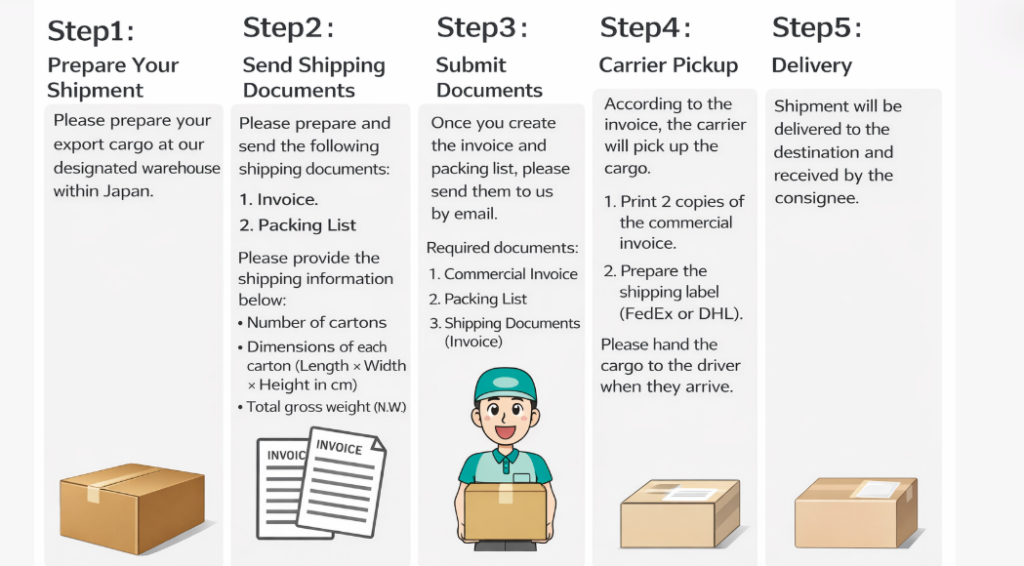
Step 1: Prepare the shipment
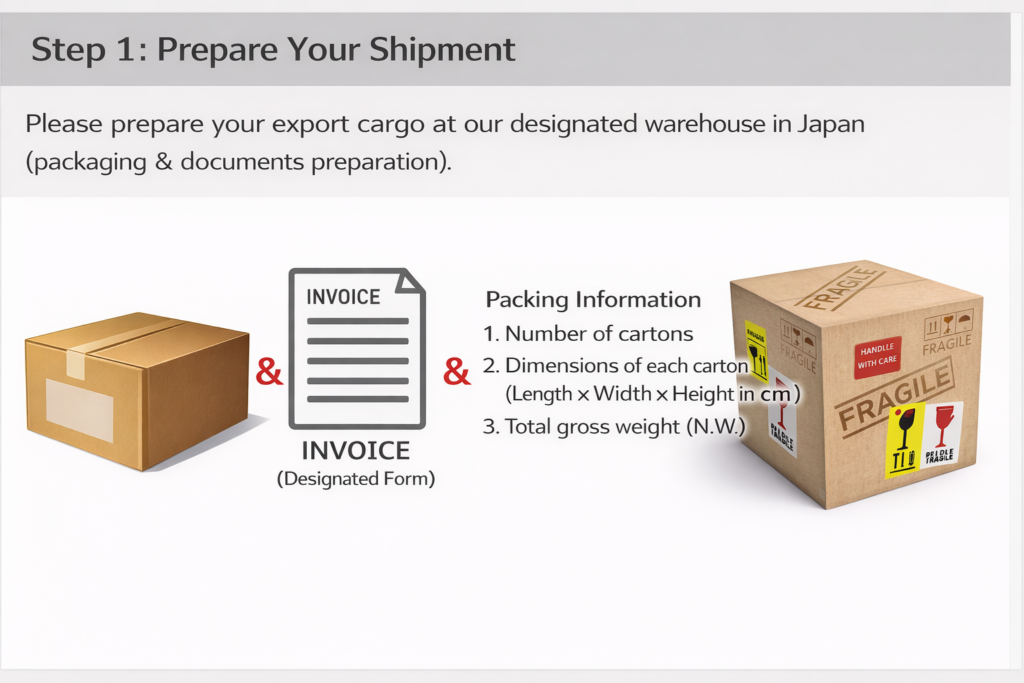
Prepare the shipment at the domestic pickup location (packing & document preparation).
Step 2: Email the shipment documents (invoice and packing information) to us.
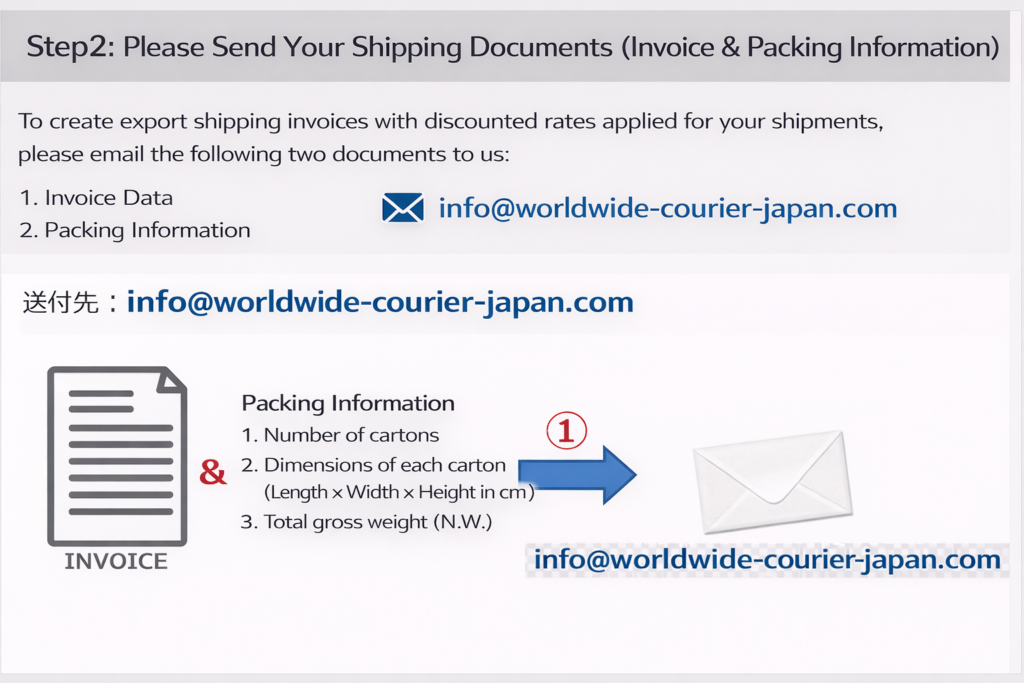
We will create the shipping documents using the special discounted rate provided for each customer. Please email the following two documents as attachments to our office.
1. “Invoice”
2. “Packing List”
Send to: info@worldwide-courier-japan.com
< Items that often end up missing on the invoice >
1. Postal code (shipper side)
2. Contact person name (shipper side)
3. Pickup phone number (shipper side)
※ The above three items are required to create the documents.
If any of this information is missing, we cannot create the documents, so please confirm in advance and submit your request accordingly.
< Required information on the packing list >
1. Total number of cartons
2. The three dimensions of each carton: length (cm), width (cm), height (cm)
3. Total weight (N.W.): total weight after packing
※ In some cases, the packing list lacks the above information. As it is required for document creation, please confirm in advance before requesting.
※ If you do not have a packing list, please confirm the above information with the shipper and share it with us.
< About “Chargeable Weight” used to determine shipping fees >
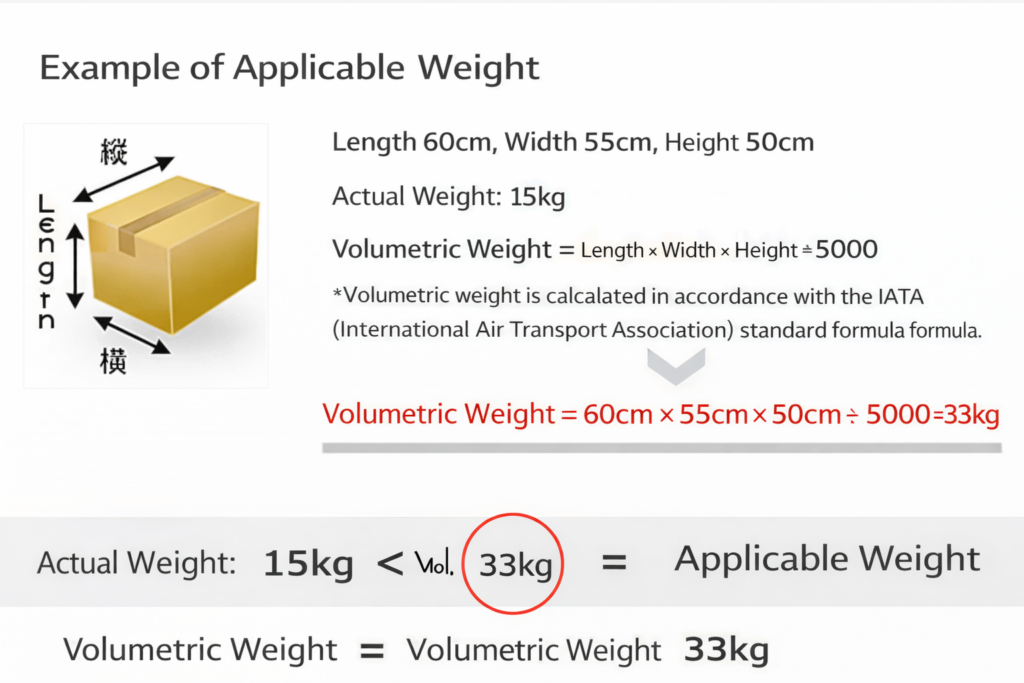
Based on IATA (International Air Transport Association) standards, the larger of the “actual weight after packing” and the “dimensional (volumetric) weight after packing” is adopted as the “chargeable weight.”
Step 3: We email two required documents for shipment (air waybill and invoice) to your shipper.
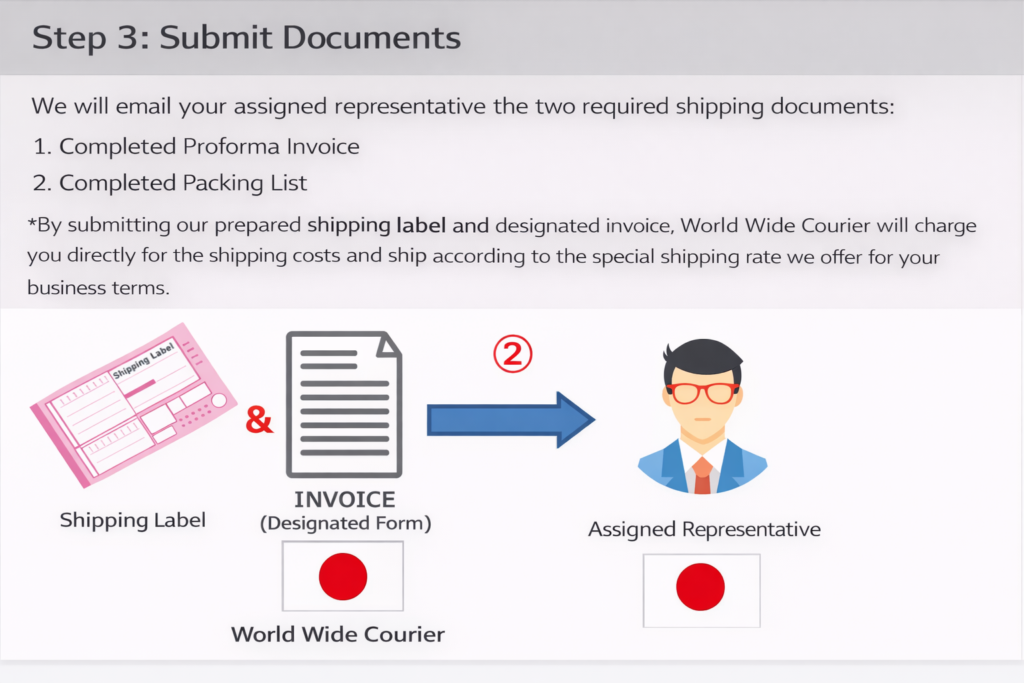
We will email two required documents for shipment (air waybill and invoice) to your 담당者.
1. Confirm any missing information in the “Invoice” and “Packing List” you provided.
2. Based on the above, we will prepare the “Air Waybill” and “Invoice (specified form)” on our side and email them to your 담당者.
※ By shipping using the “Air Waybill” and “Invoice (specified form)” created by us, the shipping charges will be billed to us. This enables you to ship using the applicable rate provided for each customer. Under your individual 거래 조건, we will invoice you for the shipping fees.
Step 4: The carrier picks up the shipment from the pickup location / domestic warehouse, and the shipment is dispatched
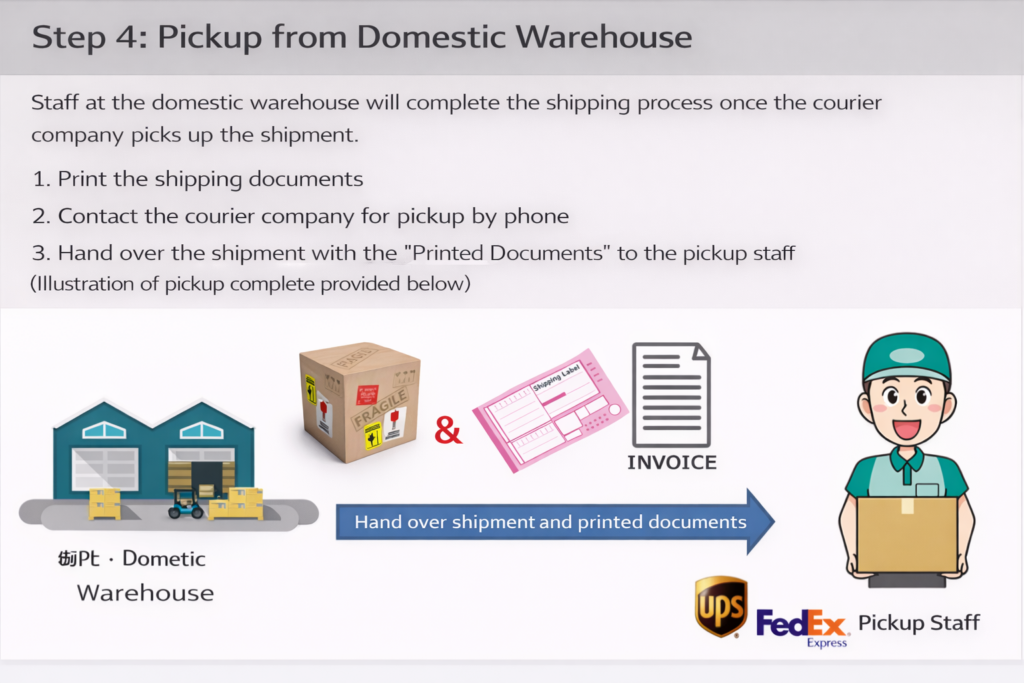
At the domestic pickup location:
1. Print the documents
2. Call the carrier to request pickup
3. Hand the “cargo” and the “two printed documents” to the pickup staff to complete dispatch
Step 5: Delivery and receipt of the cargo
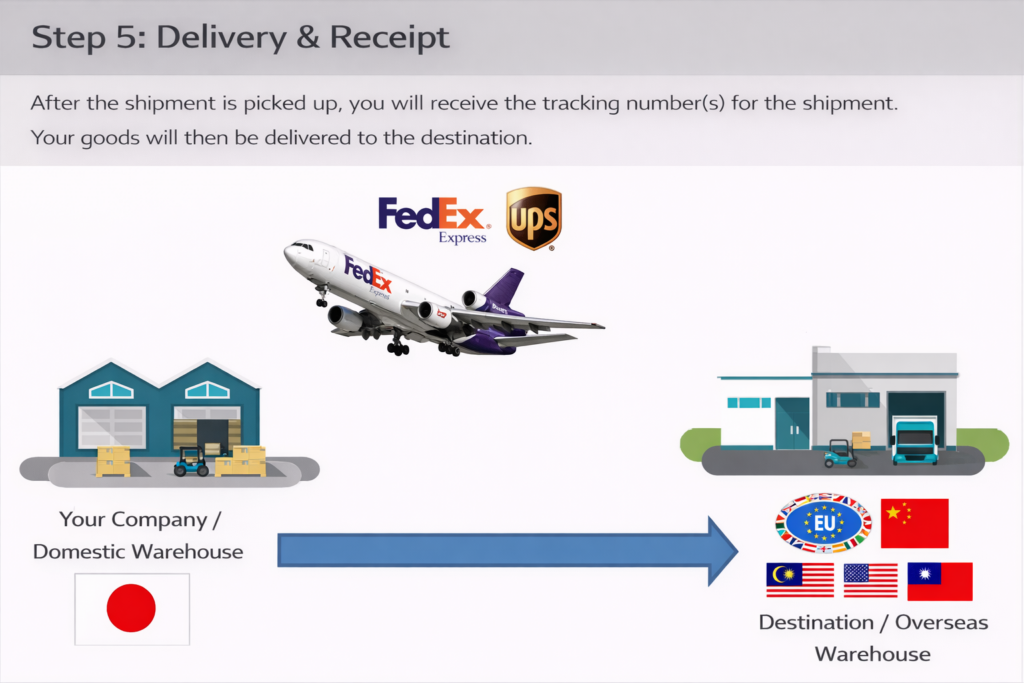
After dispatch, we will provide the tracking number. Your goods will then be delivered.
worldwide-courier provides low-cost delivery from Japan to the United States (U.S./USA) by air and sea. We support both exports and imports, so worldwide-courier reponce pls.
If you provide the information below, we can create the local shipping label.
Input format
◇ Pickup information (From)
1. Company name (or full name)
2. Contact person name
3. Postal code
4. Address
5. Phone number
※ This is the information for the location where the pickup will actually be made.
◇ Delivery address (To)
1. Company name (or full name) (※ Please 반드시 write in English.)
2. Contact person name (※ Please 반드시 write in English.)
3. Postal code
4. Address (※ Please 반드시 write in English.)
5. Phone number
◇ Packing information
1. Number of cartons
2. Total weight
3. Three dimensions of each carton (length, width, height in cm)
◇ Invoice information
・Product name (Please 반드시 write in English.)
・Unit price (Either currency is fine)
・Quantity
If you provide the above information, we can arrange the shipment. worldwide-courier offers low-cost delivery from Japan to the United States (U.S./USA) by air and sea. We support both exports and imports, so worldwide-courier reponce pls.
We look forward to your request.
Please let us know your current shipping frequency and shipping costs, if any.
Regarding your planned shipping date:
If you can also tell us around when you plan to ship, it will make the process smoother.
You can ship at the above rates.
For exports, we can create the shipping documents if you reply with the completed invoice as an attachment, or if you provide the information below.
◇ Pickup information (From)
1. Company name (or full name)
2. Contact person name
3. Postal code
4. Address
5. Phone number
※ This is the information for the location where the pickup will actually be made.
◇ Delivery address (To)
1. Company name (or full name) (※ Please 반드시 write in English.)
2. Contact person name (※ Please 반드시 write in English.)
3. Postal code
4. Address (※ Please 반드시 write in English.)
5. Phone number
◇ Packing information
1. Number of cartons
2. Total weight
3. Three dimensions of each carton (length, width, height in cm)
◇ Invoice information
・Product name (Please 반드시 write in English.)
・Unit price (Either currency is fine)
・Quantity
We will also guide you through the transaction flow.
Transaction flow (detailed version)
< Flow >
1. Please reply with the invoice.
2. If there are no issues with the information, we will book the pickup.
※ Pickup can be arranged as early as the next business day after your package is ready. (We typically book a window around 11:00–17:00.)
< Details: Export cargo transaction flow (Japan → destination country) >
The pickup process is as follows.
1. Please contact us after you finish packing your shipment.
2. Please prepare the invoice and packing information (number of cartons, weight, and three dimensions per carton).
※ 2-1. Shipper (Japan side): address, postal code, name, phone number, company name
2-2. Consignee (delivery destination): local address, postal code, name, phone number, company name
2-3. Product name and unit price
3. After we confirm (2) and there are no issues, we will arrange the pickup.
4. Within 1–2 business days, the carrier will come to your指定 location for pickup.
* We will email you the electronic data for the air waybill, so please hand the invoice and air waybill together with the package to the pickup staff.
5. Shipment is dispatched.
7. Local customs clearance processing (personal / commercial)
8. If there are no issues, the shipment clears customs.
9. Delivery is completed.
* Steps 5–8 typically take about 2–5 days to arrive if there are no issues.
* You will receive a tracking number as a shipment record.
Breakdown of Applicable Charges
1. Freight charges and fuel surcharge
2. Import duties, VAT/GST, customs clearance fees, and other local charges in the destination country, if applicable
The chargeable weight is calculated based on the larger of the actual weight and volumetric weight after packing.
Knowledge About Restricted and Prohibited Items
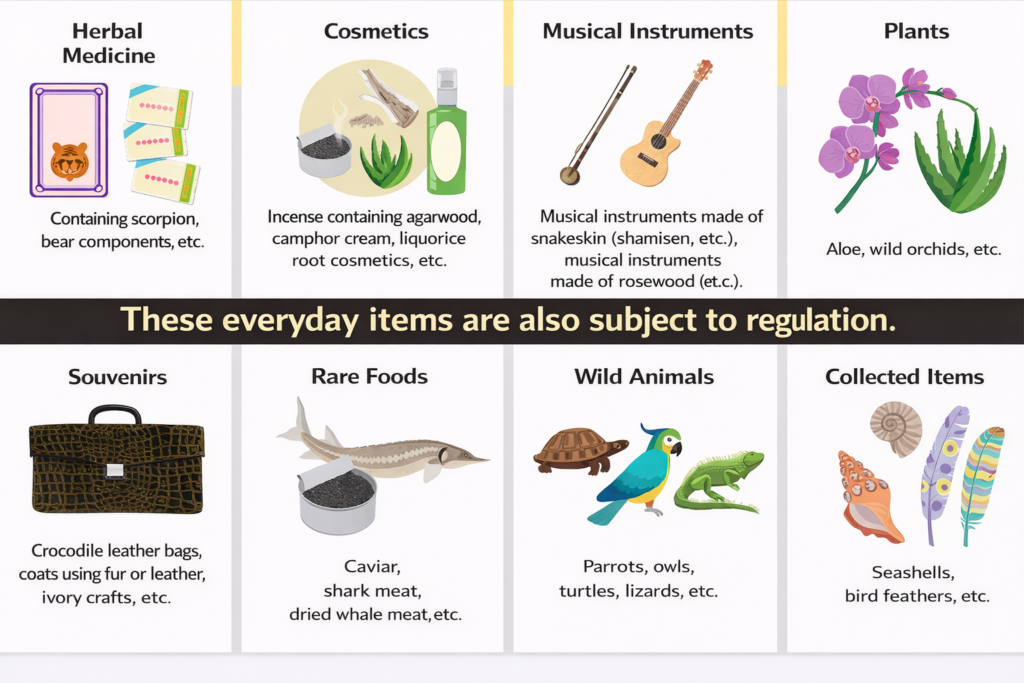
Certain items may be restricted or prohibited for international shipping depending on the destination country and carrier regulations. These may include dangerous goods, flammable materials, compressed gases, liquids, medicines, medical devices, firearms, tobacco products, perishables, seeds, plants, animals, chemicals, valuables, and CITES-regulated items.
In addition to the items listed above, other products may also be restricted depending on local import regulations. Some items may have shipping limitations, licensing requirements, or value restrictions.
Please contact us in advance if you are unsure whether your items can be shipped internationally from Japan.
That concludes our overview of international shipping from Japan to overseas destinations.
Key Considerations When Choosing Authentic Uji Matcha Abroad

Selecting genuine Uji matcha outside Japan requires understanding two core aspects: provenance proof and brand reliability, followed by practical choices between powder and leaf forms. By focusing on these elements, buyers can ensure product authenticity, flavor integrity, and consistent quality across international markets. This guide distills actionable criteria, trusted sources, and usage-oriented tips to help overseas purchasers secure the best matcha experience from Japan.
Understanding Provenance Proof and Brand Reliability
Provenance proof is essential to distinguish authentic Uji matcha from imitators. Look for clear documentation that confirms region, cultivation methods, harvest year, and batch traceability. Key indicators include:
– Origin designation: The term “Uji” should be associated with a recognized, geographically backed designation. Traceability information should accompany shipments, including lot numbers and production dates.
– Certification and standards: Seek products that meet established quality standards and, where applicable, cultural or production certifications from reputable Japanese associations or the producer’s own quality management systems.
– Brand transparency: Reputable brands openly share their sourcing practices, farming partners, and processing methods. Compare multiple brands to assess consistency in storytelling, packaging, and quality claims.
– Third-party reviews and awards: Independent reviews, industry awards, and positive consumer feedback across markets reinforce credibility. Corporate history—fifteen years or more of cross-border trade experience—also signals reliability.
– Packaging and batch visibility: Tamper-evident seals, readable batch codes, and detailed ingredient lists minimize ambiguity about authenticity and purity.
In practice, buyers should prefer brands that provide direct access to origin information, offer verified sourcing stories, and maintain responsive customer support. When in doubt, request certificates of origin, processing notes, and sample notes to corroborate authenticity before large orders.
Powder vs. Leaf: Differences and How to Choose by Use
Matcha exists mainly as ceremonial-grade powder, culinary-grade powder, and traditional leaf-based preparations. Your choice hinges on intended use, flavor profile, and storage considerations:
– Powder (matcha powder): The most versatile form for beverages, desserts, and culinary applications. Ground from shade-grown tea leaves, powder offers concentrated flavor, vibrant color, and smooth texture when whisked properly with hot water. For high-quality experiences, select ceremonial-grade for sipping, or culinary-grade for baking and料理 that require stronger flavor. Key selection tips:
• Grind consistency: Finely ground powder yields a smoother mouthfeel and brighter color. Coarse powder can feel gritty and dull the aroma.
• Caffeine and flavor profile: Ceremonial grade presents a delicate, nuanced sweetness with subtle umami; culinary grade delivers more robust grassy notes suitable for recipes.
• Packaging and freshness: Vacuum-sealed, opaque tins protect against light and moisture. Look for minimal oxygen exposure and explicit “use by” guidance after opening.
– Leaf (unprocessed or minimally processed tea leaves): Intended for traditional whisked tea prepared from whole leaves or for infusion-based preparations. This form can be superior for ritual-style tea experiences and tasting sessions where you can evaluate aroma and leaf quality before processing. Selection considerations:
• Leaf grade and cut: Finer cuts yield a smoother brew, while larger leaves may offer pronounced aroma. For authenticity, seek leaves associated with Uji or Kyoto region producers.
• Infusion quality: Whole-leaf or finely cut leaves should produce a clear, emerald-green infusion with a gentle sweetness and umami. Stale or oxidized leaves show dull color and bitter notes.
• Storage: Leaves require airtight storage away from light and moisture; use within the recommended period to preserve freshness.
Practical guidance for buyers: if you prioritize versatility and ease of use across beverages and desserts, powder is the practical choice. If you seek a traditional tea experience and are evaluating aroma and leaf quality, consider leaf options or supplier samples before committing to bulk purchases. For overseas buyers, ensure a reliable channel for purchasing both forms, with consistent supply and proper import documentation to avoid customs hitches.
Introducing Affordable Shipping Solutions from Abroad to Japan
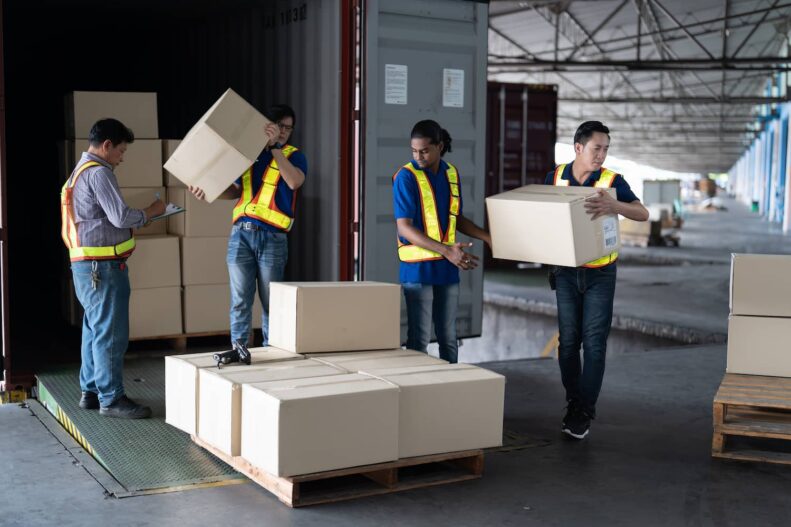
In today’s global marketplace, sourcing Japanese products from overseas buyers is more accessible than ever. The key is combining reliable procurement with cost-efficient logistics to ensure timely delivery, intact quality, and smooth customs clearance. As a seasoned international logistics partner, Worldwide Courier Japan offers a seamless pathway: purchase delegation, consolidation, packing, international shipping (air or sea), and customs support—delivered under one roof. This article outlines why Japanese product demand abroad remains strong and highlights shipping companies that efficiently handle both inbound shipments to Japan and outbound exports from Japan to global markets.
Why Demand for Japanese Products Abroad Will Continue to Grow
Japanese goods enjoy enduring appeal due to renowned quality, innovation, and trust. Across consumer electronics, fashion, beauty, and lifestyle items, international buyers seek authentic Japanese brands and unique regional specialties. Several factors fuel continued growth:
– Brand equity and reputation: Japanese electronics, toys, and apparel are associated with precision and durability, driving repeat purchases from overseas retailers and collectors.
– Market diversity: Global consumers demand a mix of mainstream and limited-edition items, including exclusive collaborations and regional releases, fueling ongoing import volumes.
– E-commerce acceleration: Cross-border shopping growth, aided by localized storefronts and multilingual support, expands access to Japanese catalogs from major platforms like Amazon.co.jp, Rakuten, Yahoo Shopping, Mercari, Uniqlo, BicCamera, ZOZOTOWN, Yahoo Auctions, Lohaco, and more. Even if a site restricts international shipping, proxy shopping and consolidated logistics bridge the gap.
– Efficient logistics networks: Proven international routes, reliable air and sea shipments, and robust customs expertise ensure competitive lead times and cost efficiencies for overseas buyers and Japanese exporters alike.
Recommended transport partners offering both inbound-to-Japan and outbound-from-Japan capabilities
When selecting a carrier for affordable, reliable cross-border shipping, consider: procurement reach, handling of varied product types (new, used, limited editions), consolidated cargo options, and end-to-end service coverage. The following profiles illustrate two exemplary approaches to achieve low-cost, dependable shipping for inbound and outbound Japanese trade.
1) End-to-end international logistics integrator (Inbound to Japan and outbound exports)
What it offers: – Comprehensive procurement support across Japan’s vast retail and wholesale network, enabling access to consumer electronics, fashion, cosmetics, and collectibles. – Direct shipping from Japan to over 200 countries, with scalable options for individuals or corporations. – One-stop service: purchase delegation, inspection, packaging, shipment, customs clearance, and final delivery coordination. – Strong emphasis on cost efficiency, leveraging in-house freight capacity to minimize middleman charges.
Why this matters: For buyers outside Japan, this model eliminates multiple handoffs, reduces lead times, and provides predictable landed costs—crucial for budgeting and pricing in cross-border selling.
2) Flexible forwarding specialists with robust regional hubs (Inbound and outbound capabilities)
What it offers: – Expert handling of diverse product categories, including fragile or high-value items, with specialized packaging to prevent damage. – Multiple transport modes (air and sea) and consolidation options to optimize cost and transit times. – Clear customs guidance and proactive risk management to reduce delays and unexpected duties. – Transparent fee structures and tailored support for both individual purchasers and SMBs exporting in larger volumes.
Why this matters: For exporters and e-retailers, having a partner who can tailor solutions—such as batch shipments for promotions or seasonal surges—keeps cash flow steady and improves customer satisfaction across markets.
Key considerations when evaluating these partners: – Global reach and reliability: Confirm service coverage to target countries and standard transit timelines. – Handling and reverification: Ensure proper packing standards, damage prevention measures, and quality control during inspection. – Customs expertise: Look for teams with a track record in Japanese-export documentation, HS classifications, and duty optimization. – Cost transparency: Request itemized quotes covering procurement, packaging, shipping, insurance, and duties to compare total landed costs. – Customer support: 24/7 multilingual assistance and proactive issue resolution build confidence for cross-border operations.
Practical tip: To maximize affordability, align your procurement strategy with a partner that offers consolidated shipments and volume-based discounts, particularly for corporate or wholesale orders. This approach leverages economies of scale and reduces per-unit freight costs, aligning with the needs of retailers, marketplaces, and corporate buyers.
If you’re exploring options, you can initiate a conversation with Worldwide Courier Japan to discuss your inbound-to-Japan and outbound-export requirements. Visit our contact page to start the dialogue and receive a customized proposal that leverages our 15+ years of trade experience, deep regulatory knowledge, and proven track record across multiple regions.
How to Choose an Overseas Freight Forwarding Company: Key Comparison Points

Selecting the right overseas freight forwarding partner is crucial for ensuring smooth cross-border shipments, cost efficiency, and reliable delivery. This guide breaks down the essential factors to compare when evaluating providers, with a focus on transparency, service breadth, and risk mitigation. By understanding pricing structures, coverage, and packaging practices, you can secure a dependable partner that supports your growth in international markets.
Pricing structure and cost breakdown
Transparent pricing is the cornerstone of a trustworthy freight forwarder. Look for a clear breakdown that includes all potential charges, from base freight costs to surcharges and ancillary fees. Key components to review:
– Base rate: the fundamental cost for transport (air or sea) based on weight, volume, and service level.
– Fuel and security surcharges: recurring adjustments tied to market conditions; verify how often they change and how they’re calculated.
– Terminal handling and warehousing: charges for unloading, storage, and customs processing if applicable.
– Documentation and customs clearance: fees for duties guidance, paperwork preparation, and broker services.
– Insurance: cargo insurance options, coverage limits, and claims process; confirm whether the policy covers partial damages and transit delays.
– Demurrage and detention: potential costs if shipments are held at facilities beyond allotted free time.
– Hidden fees: tariffs for changes, re-routing, or re-packing; always request a written quote with a full cost breakdown before committing.
Practical tip: request quotes for identical shipment profiles from multiple providers to enable apples-to-apples comparisons, and use a standardized checklist to evaluate each offer.
Coverage area and estimated delivery times
Understanding geographic reach and transit expectations helps align supplier capabilities with your customer timelines. Key considerations include:
– Service footprint: do they cover your origin and destination countries, as well as regional hubs that can optimize routes?
– Transit times: typical door-to-door estimates for air and sea options, including impact of peak seasons, holidays, and port congestion.
– Service levels: options such as express, standard, or deferred cargo; availability of dedicated containers or consolidated shipments.
– Pickup and last-mile options: whether they offer domestic pickup, door-to-door service, or handoff to local couriers at destination; availability of time-slot commitments.
– Visibility and tracking: real-time tracking, proactive status alerts, and access to a customer portal for shipment milestones.
Tip: compare not only the stated transit times but the reliability metrics reported by each forwarder (on-time delivery rate, disruption frequency) to gauge consistency.
Packaging, handling, and quality preservation
Packaging and handling practices directly influence cargo integrity and customer satisfaction. Evaluate these areas carefully:
– Packaging standards: materials used (flexible wraps, pallets, containers), corrosion and moisture protection, and whether packaging is designed for stacked or long-haul transports.
– Custom packing options: ability to tailor packing for fragile items, temperature-sensitive goods, or consignments with multiple SKUs.
– Sealing and labeling: tamper-evident seals, clear labeling with hazard and handling instructions, and accuracy in order fulfillment documentation.
– Breakage prevention measures: cushioning technologies (air pillows, foam inserts), vibration dampers, and secure strapping to minimize movement.
– Damage reporting process: straightforward procedures for documenting damage, initiating claims, and compensating losses; required photos and timelines should be defined up front.
– Customs-ready packaging: compliance with destination country import requirements to prevent delays or penalties at the port of entry.
Practical takeaway: ask for case studies or photos of past shipments that highlight packaging rigor and damage rate reductions, demonstrating a proactive approach to quality control.
About International Shipping Rates from Japan
◇ Shipping rate table (price per kg)
Japan → United States (U.S./North America/Central America)
※ UPS fastest service level with tracking number. ※
※ We can also handle EMS, International ePacket, air mail, SAL, and sea freight via Japan Post—please let us know if you prefer these options..
※ UPS fastest service level with tracking number ※
【United States (U.S./North America/Central America) Export Preferred Rates】
・1kg :4,030円
1.5kg :4,451円
2kg :4,963円
2.5kg :5,409円
3kg :5,889円
3.5kg :6,271円
4kg :6,701円
4.5kg :7,164円
5kg :7,580円
5.5kg :7,674円
6kg :7,878円
6.5kg :8,160円
7kg :8,317円
7.5kg :8,601円
8kg :8,727円
8.5kg :8,867円
9kg :9,087円
9.5kg :9,306円
10kg :9,464円
10.5 :18,790円
11kg : 19,257円
11.5kg:19,526円
12kg : 19,760円
12.5kg: 20,094円
13kg : 20,431円
13.5kg: 20,798円
14kg : 21,132円
14.5kg: 21,432円
15kg : 21,904円
15.5kg: 22,204円
16kg : 22,571円
16.5kg: 22,877円
17kg : 23,242円
17.5kg: 23,578円
18kg : 23,946円
18.5kg: 24,183円
19kg : 24,449円
19.5kg: 24,851円
20kg : 25,388円
・21-49kg :900円/ per 1kg
・50-99kg :710円/ per 1kg
・100-299kg:620円/ per 1kg
・300-499kg:615円/ per 1kg
・500-999kg:610円/ per 1kg
・1000-5000kg:605円/ per 1kg
Canada Export Shipping Rates (Discount Contract Rates)
The following are our special discounted shipping rates for exporting parcels from Japan to Canada. These rates are designed for international shipments using reliable courier services with secure customs clearance.
| Weight | Shipping Cost |
|---|---|
| 1 kg | 4,030 JPY |
| 1.5 kg | 4,451 JPY |
| 2 kg | 4,963 JPY |
| 2.5 kg | 5,409 JPY |
| 3 kg | 5,889 JPY |
| 3.5 kg | 6,271 JPY |
| 4 kg | 6,701 JPY |
| 4.5 kg | 7,164 JPY |
| 5 kg | 7,580 JPY |
| 5.5 kg | 7,674 JPY |
| 6 kg | 7,878 JPY |
| 6.5 kg | 8,160 JPY |
| 7 kg | 8,317 JPY |
| 7.5 kg | 8,601 JPY |
| 8 kg | 8,727 JPY |
| 8.5 kg | 8,867 JPY |
| 9 kg | 9,087 JPY |
| 9.5 kg | 9,306 JPY |
| 10 kg | 9,464 JPY |
| 10.5 kg | 18,790 JPY |
| 11 kg | 19,257 JPY |
| 11.5 kg | 19,526 JPY |
| 12 kg | 19,760 JPY |
| 12.5 kg | 20,094 JPY |
| 13 kg | 20,431 JPY |
| 13.5 kg | 20,798 JPY |
| 14 kg | 21,132 JPY |
| 14.5 kg | 21,432 JPY |
| 15 kg | 21,904 JPY |
| 15.5 kg | 22,204 JPY |
| 16 kg | 22,571 JPY |
| 16.5 kg | 22,877 JPY |
| 17 kg | 23,242 JPY |
| 17.5 kg | 23,578 JPY |
| 18 kg | 23,946 JPY |
| 18.5 kg | 24,183 JPY |
| 19 kg | 24,449 JPY |
| 19.5 kg | 24,851 JPY |
| 20 kg | 25,388 JPY |
Bulk Shipping Rates
| Weight Range | Rate per kg |
|---|---|
| 21 – 49 kg | 900 JPY / kg |
| 50 – 99 kg | 710 JPY / kg |
| 100 – 299 kg | 620 JPY / kg |
| 300 – 499 kg | 615 JPY / kg |
| 500 – 999 kg | 610 JPY / kg |
| 1,000 – 5,000 kg | 605 JPY / kg |
These international shipping rates allow businesses and individuals to ship goods from Japan to Canada efficiently and cost-effectively. Large-volume shipments receive significantly reduced per-kilogram rates, making them ideal for e-commerce exports, bulk cargo, and commercial logistics.
Discount Export Shipping Rates from Japan (Asia & International Cargo)
Below are our special discounted international cargo shipping rates for exporting goods from Japan. These bulk shipping prices are ideal for businesses, e-commerce sellers, and logistics companies shipping large cargo volumes overseas.
Hong Kong Export Shipping Rates
| 21 – 50 kg | 750 JPY / kg |
| 50 – 100 kg | 550 JPY / kg |
| 100 – 299 kg | 400 JPY / kg |
| 300 – 999 kg | 380 JPY / kg |
| 1000 – 2000 kg | 350 JPY / kg |
| Over 2000 kg | 320 JPY / kg |
South Korea Export Shipping Rates
| 21 – 50 kg | 850 JPY / kg |
| 50 – 100 kg | 650 JPY / kg |
| 100 – 299 kg | 520 JPY / kg |
| 300 – 999 kg | 510 JPY / kg |
| 1000 – 2000 kg | 500 JPY / kg |
| Over 2000 kg | 490 JPY / kg |
Taiwan Export Shipping Rates
| 21 – 50 kg | 850 JPY / kg |
| 50 – 100 kg | 650 JPY / kg |
| 100 – 299 kg | 520 JPY / kg |
| 300 – 999 kg | 510 JPY / kg |
| 1000 – 2000 kg | 500 JPY / kg |
| Over 2000 kg | 490 JPY / kg |
China (Northern Region: Shanghai, Zhejiang etc.) Export Shipping Rates
| 21 – 50 kg | 850 JPY / kg |
| 50 – 100 kg | 650 JPY / kg |
| 100 – 299 kg | 520 JPY / kg |
| 300 – 999 kg | 510 JPY / kg |
| 1000 – 2000 kg | 500 JPY / kg |
| Over 2000 kg | 490 JPY / kg |
China (Southern Region: Guangdong, Fujian etc.) Export Shipping Rates
| 21 – 50 kg | 1350 JPY / kg |
| 50 – 100 kg | 1150 JPY / kg |
| 100 – 299 kg | 980 JPY / kg |
| 300 – 999 kg | 970 JPY / kg |
| 1000 – 2000 kg | 960 JPY / kg |
| Over 2000 kg | 950 JPY / kg |
Macau Export Shipping Rates
| 21 – 50 kg | 850 JPY / kg |
| 50 – 100 kg | 650 JPY / kg |
| 100 – 299 kg | 520 JPY / kg |
| 300 – 999 kg | 510 JPY / kg |
| 1000 – 2000 kg | 500 JPY / kg |
| Over 2000 kg | 490 JPY / kg |
Southeast Asia Export Shipping Rates (Malaysia / Vietnam / Philippines / Singapore / Thailand)
| 21 – 49 kg | 600 JPY / kg |
| 50 – 99 kg | 480 JPY / kg |
| 100 – 299 kg | 360 JPY / kg |
| 300 – 499 kg | 358 JPY / kg |
| 500 – 999 kg | 350 JPY / kg |
| 1000 – 2000 kg | 348 JPY / kg |
India & Australia Export Shipping Rates
| 21 – 49 kg | 1000 JPY / kg |
| 50 – 99 kg | 890 JPY / kg |
| 100 – 299 kg | 750 JPY / kg |
| 300 – 499 kg | 730 JPY / kg |
| 500 – 999 kg | 720 JPY / kg |
| 1000 – 2000 kg | 690 JPY / kg |
Europe Export Shipping Rates (Spain / Germany / France / Italy)
| 21 – 49 kg | 1200 JPY / kg |
| 50 – 99 kg | 990 JPY / kg |
| 100 – 299 kg | 850 JPY / kg |
| 300 – 499 kg | 830 JPY / kg |
| 500 – 999 kg | 820 JPY / kg |
| 1000 – 2000 kg | 790 JPY / kg |
These discounted cargo shipping rates from Japan are ideal for bulk shipments, international trade, and cross-border e-commerce. Businesses shipping larger volumes benefit from significantly reduced per-kilogram costs, making global logistics more efficient and affordable.
The above rates are unit prices per kilogram. Please refer to the examples on the right for the shipping cost rate by weight.
In addition to the above shipping fees, a fuel surcharge will apply. Monthly or weekly fuel surcharge fees are charged depending on the carrier you use.
Any duties, import taxes, etc. incurred during local customs clearance will be billed by the carrier to the consignee.
How it works
We offer good service.worldwide-courier provides international logistics and international shipping (air freight) services that arrange shipping on behalf of trading businesses.
The United States・We support imports and exports not only with China and Hong Kong, but also Korea, the U.S., Europe, Southeast Asia, India, Africa, and many other countries.
By using major couriers (FedEx/UPS/DHL), we provide stable and speedy delivery, and with the overwhelmingly low shipping rates offered by worldwide-courier, we help reduce your existing delivery costs and overall procurement costs.
Step 1: Prepare the shipment
Prepare the shipment at the domestic pickup location (packing & document preparation).
Step 2: Email the shipment documents (invoice and packing information) to us.
We will create the shipping documents using the special discounted rate provided for each customer. Please email the following two documents as attachments to our office.
1. “Invoice”
2. “Packing List”
Send to: info@worldwide-courier-japan.com
< Items that often end up missing on the invoice >
1. Postal code (shipper side)
2. Contact person name (shipper side)
3. Pickup phone number (shipper side)
※ The above three items are required to create the documents.
If any of this information is missing, we cannot create the documents, so please confirm in advance and submit your request accordingly.
< Required information on the packing list >
1. Total number of cartons
2. The three dimensions of each carton: length (cm), width (cm), height (cm)
3. Total weight (N.W.): total weight after packing
※ In some cases, the packing list lacks the above information. As it is required for document creation, please confirm in advance before requesting.
※ If you do not have a packing list, please confirm the above information with the shipper and share it with us.
< About “Chargeable Weight” used to determine shipping fees >
Based on IATA (International Air Transport Association) standards, the larger of the “actual weight after packing” and the “dimensional (volumetric) weight after packing” is adopted as the “chargeable weight.”
Step 3: We email two required documents for shipment (air waybill and invoice) to your shipper.
We will email two required documents for shipment (air waybill and invoice) to your 담당者.
1. Confirm any missing information in the “Invoice” and “Packing List” you provided.
2. Based on the above, we will prepare the “Air Waybill” and “Invoice (specified form)” on our side and email them to your 담당者.
※ By shipping using the “Air Waybill” and “Invoice (specified form)” created by us, the shipping charges will be billed to us. This enables you to ship using the applicable rate provided for each customer. Under your individual 거래 조건, we will invoice you for the shipping fees.
Step 4: The carrier picks up the shipment from the pickup location / domestic warehouse, and the shipment is dispatched
At the domestic pickup location:
1. Print the documents
2. Call the carrier to request pickup
3. Hand the “cargo” and the “two printed documents” to the pickup staff to complete dispatch
Step 5: Delivery and receipt of the cargo
After dispatch, we will provide the tracking number. Your goods will then be delivered.
worldwide-courier provides low-cost delivery from Japan to the United States (U.S./USA) by air and sea. We support both exports and imports, so worldwide-courier reponce pls.
If you provide the information below, we can create the local shipping label.
Input format
◇ Pickup information (From)
1. Company name (or full name)
2. Contact person name
3. Postal code
4. Address
5. Phone number
※ This is the information for the location where the pickup will actually be made.
◇ Delivery address (To)
1. Company name (or full name) (※ Please 반드시 write in English.)
2. Contact person name (※ Please 반드시 write in English.)
3. Postal code
4. Address (※ Please 반드시 write in English.)
5. Phone number
◇ Packing information
1. Number of cartons
2. Total weight
3. Three dimensions of each carton (length, width, height in cm)
◇ Invoice information
・Product name (Please 반드시 write in English.)
・Unit price (Either currency is fine)
・Quantity
If you provide the above information, we can arrange the shipment. worldwide-courier offers low-cost delivery from Japan to the United States (U.S./USA) by air and sea. We support both exports and imports, so worldwide-courier reponce pls.
We look forward to your request.
Please let us know your current shipping frequency and shipping costs, if any.
Regarding your planned shipping date:
If you can also tell us around when you plan to ship, it will make the process smoother.
You can ship at the above rates.
For exports, we can create the shipping documents if you reply with the completed invoice as an attachment, or if you provide the information below.
◇ Pickup information (From)
1. Company name (or full name)
2. Contact person name
3. Postal code
4. Address
5. Phone number
※ This is the information for the location where the pickup will actually be made.
◇ Delivery address (To)
1. Company name (or full name) (※ Please 반드시 write in English.)
2. Contact person name (※ Please 반드시 write in English.)
3. Postal code
4. Address (※ Please 반드시 write in English.)
5. Phone number
◇ Packing information
1. Number of cartons
2. Total weight
3. Three dimensions of each carton (length, width, height in cm)
◇ Invoice information
・Product name (Please 반드시 write in English.)
・Unit price (Either currency is fine)
・Quantity
We will also guide you through the transaction flow.
Transaction flow (detailed version)
< Flow >
1. Please reply with the invoice.
2. If there are no issues with the information, we will book the pickup.
※ Pickup can be arranged as early as the next business day after your package is ready. (We typically book a window around 11:00–17:00.)
< Details: Export cargo transaction flow (Japan → destination country) >
The pickup process is as follows.
1. Please contact us after you finish packing your shipment.
2. Please prepare the invoice and packing information (number of cartons, weight, and three dimensions per carton).
※ 2-1. Shipper (Japan side): address, postal code, name, phone number, company name
2-2. Consignee (delivery destination): local address, postal code, name, phone number, company name
2-3. Product name and unit price
3. After we confirm (2) and there are no issues, we will arrange the pickup.
4. Within 1–2 business days, the carrier will come to your指定 location for pickup.
* We will email you the electronic data for the air waybill, so please hand the invoice and air waybill together with the package to the pickup staff.
5. Shipment is dispatched.
7. Local customs clearance processing (personal / commercial)
8. If there are no issues, the shipment clears customs.
9. Delivery is completed.
* Steps 5–8 typically take about 2–5 days to arrive if there are no issues.
* You will receive a tracking number as a shipment record.
Breakdown of Applicable Charges
1. Freight charges and fuel surcharge
2. Import duties, VAT/GST, customs clearance fees, and other local charges in the destination country, if applicable
The chargeable weight is calculated based on the larger of the actual weight and volumetric weight after packing.
Knowledge About Restricted and Prohibited Items
Certain items may be restricted or prohibited for international shipping depending on the destination country and carrier regulations. These may include dangerous goods, flammable materials, compressed gases, liquids, medicines, medical devices, firearms, tobacco products, perishables, seeds, plants, animals, chemicals, valuables, and CITES-regulated items.
In addition to the items listed above, other products may also be restricted depending on local import regulations. Some items may have shipping limitations, licensing requirements, or value restrictions.
Please contact us in advance if you are unsure whether your items can be shipped internationally from Japan.
That concludes our overview of international shipping from Japan to overseas destinations.
Cost-Effective and Reliable Freight Forwarding: How to Find the Right Logistics Partner

Finding a trustworthy freight forwarding company that also offers competitive rates is crucial for international procurement. A capable partner streamlines the journey from purchase to delivery, reduces total landed cost, and minimizes risk. This chapter outlines practical steps to evaluate providers, compare quotes, and understand customs and duties to prevent hidden pitfalls.
Leveraging Reviews and Verifying Track Records
Customer feedback is a powerful indicator of consistency and reliability. Start with a mix of sources: client testimonials on the forwarder’s site, independent review platforms, and industry forums. Look for patterns such as on-time delivery rates, accurate documentation, proactive communication, and issue resolution speed. Examine case studies or client lists that reveal sector experience—especially in high-value or regulated goods. For a concrete assessment, request references and contact them directly about lead times, damage rates, and how the forwarder handles exceptions (delays, missing paperwork, or customs holds). A reputable partner should readily share performance metrics, years of operation, and a transparent escalation path. Confirm their capabilities across modes (air and sea), origin/destination coverage (including remote areas), and whether they offer end-to-end services like packaging, inspection, and insurance.
Checklist for Comparing Quotes
Use a consistent framework to avoid cherry-picked data. Include:
– Comprehensive cost breakdown: base freight, fuel surcharges, terminal handling, insurance, packaging, documentation, and any demurrage/ storage fees.
– Transit time estimates for each route and service level (airfreight vs. seafreight).
– Carrier and route reliability: preferred alliances, vessel capacity, and contingency options for delays.
– Service scope: door-to-door delivery, customs clearance, duty/tax handling, and after-sales support.
– Insurance terms: coverage limits, exclusions, and claim procedures.
– Parcel protection and packaging standards to prevent damage.
– Incoterms and responsibility boundaries: who handles origin, transit, and destination obligations.
– Flexibility for high-volume or multi- SKU shipments, and customs brokerage efficiency.
– Transparent, timely communication commitments and dedicated point of contact.
Ask for a formal written quotation (not a generic email) with all line items and terms, plus a sample service-level agreement. If possible, request a trial shipment to validate performance on a smaller scale before committing to a long-term contract.
Customs Clearance and Duty Basics
Understanding customs processes helps prevent unexpected costs and delays. Key points include:
– Documentation: commercial invoices, packing lists, origin certificates, and if applicable, certificates of conformity or quality standards. Ensure names, addresses, and HS codes are accurate.
– HS codes and duties: correct tariff classifications determine duty rates. Misclassification can trigger delays or audits. A capable forwarder should help verify classifications and apply any preferential trade programs if eligible.
– Incoterms: clarify who is responsible for duties, taxes, and clearance. For many buyers, DDP (Delivered Duty Paid) offers a simpler experience, though it may come at a higher price.
– Customs brokerage: confirm whether the forwarder provides in-house brokerage or collaborates with trusted partners. In-house teams often reduce processing times and improve reliability.
– Compliance and restrictions: verify prohibited items, license requirements, and country-specific import controls to avoid shipment holds or seizures.
– Duty relief and VAT handling: understand whether duties are paid on arrival or pre-paid, and how VAT/GST is calculated in the destination country.
Choosing a forwarder with strong customs expertise minimizes delays and unexpected charges, ensuring a smoother path from Japan to global destinations.
Practical Purchase Procedure and Process

Embarking on an international purchase from Japan requires a clear, streamlined workflow to ensure efficiency, cost savings, and peace of mind. With Worldwide Courier Japan, buyers benefit from a seamless sequence that covers everything from initial preparations to final delivery. This section outlines the practical steps, essential documents, and quality checks that underpin a successful cross-border shopping experience for both individuals and businesses.
Pre-purchase preparation and required documents
Before placing an order, assembling the right information and paperwork accelerates processing, reduces errors, and minimizes delays at customs. Start by clarifying the target product categories and sourcing channels—whether from major platforms like Amazon Japan, Rakuten, Yahoo Shopping, Mercari, Uniqlo, Bic Camera, ZOZOTOWN, Yahoo Auctions, LoHACO, or alternative suppliers upon request. Key preparation steps include:
1) Product specification: exact model numbers, color, size, quantity, and any variant options. For electronics, confirm voltage, plug type, and warranty terms. For collectibles or limited editions, verify authenticity and condition.
2) Supplier and supplier-side details: vendor name, registered business address, and contact details; invoice or quotation in Japanese or English; payment terms.
3) Shipping and packaging preferences: preferred transit mode (air or sea), desired packaging level, and any special handling needs for fragile items or sealed boxes.
4) Compliance and documentation: product compliance certificates (where applicable), country of origin, and HS codes if known. We assist in confirming regulatory considerations for destination markets.
5) buyer information: full legal name, delivery address, contact number, and email; company details if ordering for a business, including tax ID or business registration number if required by the destination country.
6) Payment readiness: secure payment method, currency, and timeline for payment. Our team can advise on the most advantageous payment terms for cross-border transactions.
7) Risk assessment: identify restricted items (e.g., certain electronics, cosmetics, or agricultural goods) and confirm availability of necessary permits. We provide risk assessment support to prevent clearance issues.
Order to shipment completion workflow
Once the preparations are complete, the actual flow from placing the order to shipping is designed to be transparent and efficient, leveraging our full-service capabilities: sourcing, quality inspection, packaging, transportation, and customs support. A typical end-to-end sequence is as follows:
1) Order placement and verification: the buyer places the order through the preferred channel. Our procurement specialists verify product availability, price, and estimated delivery timelines. If needed, we negotiate terms with the supplier to optimize for bulk discounts or favorable shipping arrangements.
2) Quality inspection and verification: prior to shipping, items (new, used, or limited) undergo a rigorous inspection to confirm accuracy of model, condition, and quantity. Photos or video confirmations may be provided for assurance. Any discrepancies are addressed with the supplier before dispatch.
3) Consolidation and packaging: items are consolidated if multiple orders are involved, then wrapped with industry-standard protective packaging designed to withstand international transit. We use anti-shock materials, moisture barriers, and tamper-evident seals as appropriate for the product type.
4) Duty of care and documentation: we prepare the necessary commercial invoices, packing lists, and origin certificates. If required, certificates of conformity or other regulatory documents are arranged to meet destination country requirements.
5) Transportation arrangement: selection of the optimal transport mode—air for speed or ocean for cost efficiency—based on delivery deadline and budget. We coordinate with trusted carriers to secure reliable transit times and trackable shipments.
6) Customs clearance and delivery coordination: our experienced import-export team handles customs entry, tariff classification, and any duties or taxes. We manage communication with customs authorities and provide real-time status updates until delivery is confirmed.
7) Final delivery and handoff: upon cargo arrival, we coordinate last-mile delivery to the specified address, including any required signature, installation, or setup services if applicable. For business customers, we can arrange a dedicated delivery window and proof of delivery documentation.
Post-arrival quality checks and storage
Receiving goods abroad requires careful post-delivery steps to ensure product integrity and usability. Our post-arrival protocol emphasizes transparency, traceability, and storage efficiency to support ongoing inventory management or resale. Key activities include:
1) Unpacking inspection: immediate visual check for damage, seals, and completeness. Any signs of damage or mismatch are documented with photos and reported to the seller and carrier for claims processing if necessary.
2) Condition verification: for electronics or appliances, functional tests (where feasible) are performed with consent from the buyer. For食品 or cosmetics, we verify seals, expiration dates, and storage conditions.
3) Documentation reconciliation: confirm that the received quantity matches the packing list and invoice. Any variances are logged and escalated for resolution with the supplier or carrier.
4) Storage and inventory management: items are stored in secure, climate-appropriate facilities if immediate delivery to final recipients is not possible. We offer warehousing solutions and can integrate with your existing inventory systems for real-time visibility.
5) Packaging reuse or disposal: depending on the product and condition, we advise on whether to repackage for resale, recycle materials, or dispose of packaging in an environmentally responsible manner.
6) Customer feedback loop: for business clients, we provide post-delivery performance reports, including delivery times, condition reports, and any recommendations to streamline future purchases or shipments.
Common Issues and Troubleshooting in International Shipping of Japanese Goods

Navigating cross-border purchasing and logistics can be complex. Buyers and sellers often encounter issues related to product quality, packaging damage, and regulatory hurdles. This guide provides practical strategies to prevent problems, respond effectively when they occur, and maintain smooth operations for Japan-origin products sent overseas. Drawing on our 15+ years of trade experience, Worldwide Courier Japan emphasizes proactive quality control, transparent communication, and compliant logistics to safeguard your shipments from order to delivery.
Dealing with Quality Mismatch or Damage
Overview: Quality discrepancies or damage can arise at multiple stages—from supplier fulfillment to transit. Proactive checks reduce risk and speed up resolution.
- Pre-shipment verification: Request detailed product specifications, high-resolution photos, and confirmation of model numbers or batch codes before dispatch. For electronics or fragile items, insist on proper testing and functional certificates where applicable.
- Packaging standards: Ensure suppliers use sturdy outer packaging, cushioning, and hazard labeling. Require double-boxing for heavy or fragile items and specify tamper-evident seals for added security.
- Damage documentation: Upon receiving, inspect promptly and document any external damage with photos and notes on packaging integrity. Preserve all original packaging materials as evidence for claims.
- Claim process: Report quality or damage issues within the timeframe defined by the supplier or insurer. Provide order numbers, photos, shipment details, and a clear description of discrepancies. Maintain a record of all communications.
- Resolution options: Depending on the contract, options include replacement, partial or full refund, or credit. When feasible, coordinate with the seller to arrange a local return or onward shipment to minimize downtime.
- Preventive actions: Build quality checkpoints into the sourcing workflow—randomized supplier audits, sample testing for high-risk categories (electronics, cosmetics, perishables), and standardized inspection checklists before consolidation for shipment.
Case example: A batch of consumer electronics arrived with cosmetic dents and a few units showing non-functional screens. The remittance was halted, evidence gathered, and the seller issued replacements within two weeks after confirming serial numbers and fault codes. The experience underscored the value of pre-shipment testing and strict packaging requirements for fragile items.
Avoiding Tariff and Import Regulation Issues
Overview: Misunderstandings of customs duties, licenses, or product restrictions are common causes of delays and extra costs. A proactive approach minimizes surprise charges and regulatory friction.
- Clarify product classification: Work with customs brokers to determine the correct HS codes for your goods. Misclassification can lead to penalties or higher duties. Maintain documentation that supports the chosen codes (manufacturing specs, country of origin, material composition).
- Validate prohibited items and licenses: Some product categories require permits (food, cosmetics, electronics, textiles, medical devices). Confirm whether your item needs import licenses or certifications in the destination country and secure them in advance.
- Understand duty schemes and taxes: Different destinations have varying VAT/GST regimes and duty thresholds. Factor these into landed cost calculations and inform customers or internal teams accordingly.
- Documentation readiness: Prepare commercial invoices with accurate descriptions, quantities, unit values, and country of origin. Include packing lists, certificates of origin, and any required regulatory certificates.
- Engage a reliable customs broker: A knowledgeable broker can advise on regulatory changes, help with classifications, and expedite clearance. Maintain open lines of communication for timely status updates and required amendments.
- Mitigate delays: Build a compliance buffer in transit times to accommodate possible inspections or documentation requests. Use track-and-trace tools to monitor shipments and respond quickly to customs inquiries.
- Training and updates: Regularly brief logistics staff on evolving import regulations in key markets. Subscribe to regulatory alert services and maintain a repository of country-specific rules for quick reference.
Practical tip: For high-volume or sensitive shipments, consider harmonizing product ranges into standardized SKUs with consistent origin documentation to streamline classification and reduce clearance times. This aligns with our comprehensive service approach—from purchasing and inspection to packaging, transport, and customs clearance—ensuring a reliable, low-friction experience for buyers worldwide.
ntroducing Worldwide Courier Japan – Your Trusted International Shipping & Import/Export Logistics Partner.
Worldwide Courier Japan provides low-cost international shipping services both from Japan to worldwide destinations and from overseas to Japan. We specialize in global import and export logistics, offering reliable air freight and sea freight solutions for businesses and individuals.
Our services cover export shipping from Japan as well as import shipping into Japan, including commercial cargo, e-commerce shipments, bulk freight, and personal packages. Whether you need to ship goods overseas or import products into Japan, we provide efficient, fast, and cost-effective logistics solutions.
If you are searching for cheap international shipping from Japan, import shipping to Japan, reliable freight forwarding companies in Japan, or global logistics services, Worldwide Courier Japan is your ideal partner. Contact us today for a free consultation.
Why Choose Worldwide Courier Japan for International Shipping & Import Services?
We offer competitive international shipping rates for both exports from Japan and imports into Japan. Our logistics experts help you choose the most efficient and affordable shipping method, whether via express courier, air cargo, or sea freight. We support small parcels, bulk shipments, and commercial cargo with optimized cost and delivery speed.
As one of the most cost-effective logistics companies in Japan, we help you reduce shipping costs for both outbound and inbound logistics while ensuring secure and reliable delivery worldwide.
Email: info@worldwide-courier-japan.com
WeChat: tradingjapankei
Tel: +81-3-6300-5745
We work with global carriers such as UPS and FedEx to provide fast, secure, and trackable international delivery services. Our network enables seamless shipping from Japan to the world and smooth import logistics into Japan from overseas.
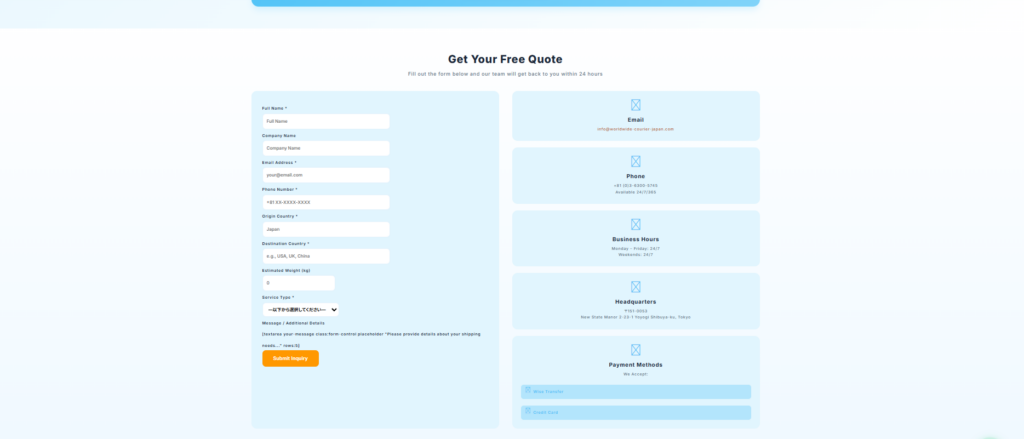
We accept secure payments via Wise and major credit cards. Contact us easily via LINE, WhatsApp, email, or our online inquiry form for quick support and shipping quotations.
If you are looking for cheap shipping from Japan, import services to Japan, reliable freight forwarding in Japan, or cost-effective international logistics solutions, Worldwide Courier Japan is your best choice.
We support both exporting Japanese products worldwide and importing goods from overseas into Japan with efficient and affordable logistics solutions.
We provide both international shipping services and Japan purchasing (shopping agent) services.
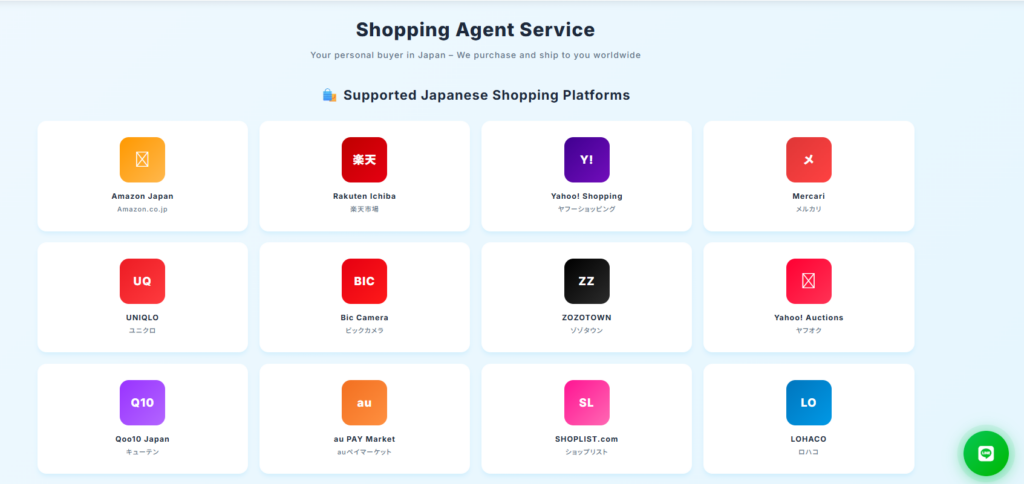
Buy authentic Japanese products with our trusted shopping agent service. We also support importing products into Japan from overseas suppliers. Whether you are sourcing goods globally or purchasing from Japan, we handle procurement, inspection, packaging, and international delivery.
We support major platforms such as Amazon, Rakuten, Yahoo! Shopping, and Mercari. If international shipping is not available, we purchase on your behalf and deliver safely worldwide or import into Japan.
Enjoy secure payments, reliable logistics, and professional support for both export and import operations.
Contact us here:
https://worldwide-courier-japan.com/#contact