
In this article, readers will discover how Japanese cosmetics capture global attention and how to navigate expansion with confidence. We break down market momentum, consumer behavior, and category growth to help overseas buyers and cross-border sellers plan effectively. Practical guidance covers regulatory display requirements, quality assurance, and hassle-free returns, ensuring compliance and customer trust. The piece then guides you to cost-efficient shipping solutions from Japan, highlighting why a Japan forwarding service can lower costs, streamline end-to-end logistics, and provide reliable support—covering pickup from anywhere in Japan, consolidated international shipping, and full export formalities. Real-world workflows illustrate step-by-step how to prepare listings, manage shipping and tracking, handle customs, and optimize duties. We also compare providers, emphasize the advantages of direct-from-logistics and customs expertise, and offer concrete examples such as EC storefronts, direct supplier pickups, Amazon FBA deliveries, and bulk imports of used goods. Finally, we outline decision criteria for choosing a cheap yet credible forwarder and present a clear action path to request a quote. For inquiries, visit https://worldwide-courier-japan.com/#contact.
- Understanding the Appeal and Market Trends of Japanese Cosmetics for Overseas Sales
- About International Shipping Rates from Japan
- Canada Export Shipping Rates (Discount Contract Rates)
- Discount Export Shipping Rates from Japan (Asia & International Cargo)
- Hong Kong Export Shipping Rates
- South Korea Export Shipping Rates
- Taiwan Export Shipping Rates
- China (Northern Region: Shanghai, Zhejiang etc.) Export Shipping Rates
- China (Southern Region: Guangdong, Fujian etc.) Export Shipping Rates
- Macau Export Shipping Rates
- Southeast Asia Export Shipping Rates (Malaysia / Vietnam / Philippines / Singapore / Thailand)
- India & Australia Export Shipping Rates
- Europe Export Shipping Rates (Spain / Germany / France / Italy)
- How it works
- Step 1: Prepare the shipment
- Step 2: Email the shipment documents (invoice and packing information) to us.
- Step 3: We email two required documents for shipment (air waybill and invoice) to your shipper.
- Step 4: The carrier picks up the shipment from the pickup location / domestic warehouse, and the shipment is dispatched
- Step 5: Delivery and receipt of the cargo
- Input format
- Transaction flow (detailed version)
- Breakdown of Applicable Charges
- Knowledge About Restricted and Prohibited Items
- Key Considerations and Risk Management Strategies for Successful Overseas Expansion
- Efficient and Cost-Effective International Shipping from Japan
- Choosing a Low-Cost and Trusted Shipping Forwarding Company
- How to Place an Order (Easy Japan Proxy Buying & International Shipping)
- Japanese Product Shopping Agent Service – Buy from Japan and Ship Worldwide
- Supported Japanese Shopping Platforms
- Operational Framework for Overseas Sales
- Overview of Success Stories and Key Pitfalls
Understanding the Appeal and Market Trends of Japanese Cosmetics for Overseas Sales

Japanese cosmetics have carved a distinctive niche in global beauty markets, driven by a unique blend of advanced formulations, meticulous quality control, and a cultural perception of premium, trustworthy products. For overseas buyers and retailers, Japanese cosmetics offer consistent performance, innovative textures, and reliable safety standards, making them a compelling addition to international portfolios. Key growth drivers include ongoing demand for skincare ritu als rooted in Japanese beauty philosophies, the rising popularity of K-beauty-adjacent consumer expectations, and increasing access through cross-border ecommerce channels. As brands progressively optimize packaging, localization, and influencer partnerships, Japanese cosmetic products can expand reach in North America, Europe, Southeast Asia, and beyond. This section outlines the most influential product categories and the main factors fueling their expansion in overseas markets.
Popular Categories and Growth Drivers
In the cross-border beauty landscape, several Japanese cosmetics categories consistently outperform expectations due to proven efficacy, trusted formulations, and premium branding. Skincare remains the cornerstone, with items like whitening serums, anti-aging essences, and moisturizers leveraging fermentation tech, unique ceramide complexes, and lightweight yet potent textures. Sunscreens with high PA/UV protection and skin-caring ingredients also command strong demand due to Japan’s strict sunscreen standards and consumer emphasis on sun protection. Makeup items, including lightweight foundations, translucent powders, and natural-looking lip products, attract customers seeking a polished look that remains skin-friendly. Moreover, niche segments such as blemish-targeted treatments, hajiki-free (hypoallergenic) products for sensitive skin, and limited-edition collaborations create excitement and repeat purchases in competitive markets.
- Perceived safety and quality: Japanese brands are associated with rigorous testing, safety data, and transparent labeling, appealing to cautious consumers abroad.
- Advanced formulation science: Innovations like hydrating emulsions, ingredient synergy, and multi-functional products meet busy, quality-conscious shoppers.
- Wellness and routine-driven purchasing: International consumers increasingly adopt multi-step skincare routines, boosting demand for serums, essences, and toners.
- Brand storytelling and cultural appeal: Clear brand narratives around tradition, craftsmanship, and “made in Japan” authenticity resonate with global audiences.
- Ecommerce accessibility: Efficient cross-border logistics and reliable return policies reduce friction for first-time buyers.
Examples to watch include serums featuring fermentation-derived actives, sunscreen lines with high UVA/UVB protection, and compact makeup that blends portability with performance. As retailers curate assortments, balancing core sellers with seasonal drops can sustain momentum across markets.
Overseas Market Demand Trends and Consumer Behavior
Overseas demand for Japanese cosmetics reflects a combination of universality in beauty routines and a preference for premium, reliable products. Consumers in mature markets prioritize ingredient transparency, cruelty-free practices, and sustainable packaging, while emerging markets seek accessible pricing and easy-to-use, effective skincare solutions. Key behavior patterns shaping demand include: – Preference for multi-functional products: International shoppers favor items that deliver multiple benefits (hydration, brightening, UV protection) in streamlined routines. – Brand trust through reviews and education: Detailed product education, ingredient explanations, and authentic user testimonials influence purchase decisions more than aggressive promotions. – Localized packaging and messaging: Language, sizing, and regulatory labels adapted to each region improve consumer confidence and conversion. – Acquisition channels and social proof: Influencer collaborations, beauty tutorials, and user-generated content drive discovery and credibility. – Trade-off between premium and accessible lines: While the top-tier lines attract enthusiasts, mid-range options with clear value propositions broaden market penetration.
About International Shipping Rates from Japan

◇ Shipping rate table (price per kg)
Japan → United States (U.S./North America/Central America)
※ UPS fastest service level with tracking number. ※
※ We can also handle EMS, International ePacket, air mail, SAL, and sea freight via Japan Post—please let us know if you prefer these options..
※ UPS fastest service level with tracking number ※
【United States (U.S./North America/Central America) Export Preferred Rates】
・1kg :4,030円
1.5kg :4,451円
2kg :4,963円
2.5kg :5,409円
3kg :5,889円
3.5kg :6,271円
4kg :6,701円
4.5kg :7,164円
5kg :7,580円
5.5kg :7,674円
6kg :7,878円
6.5kg :8,160円
7kg :8,317円
7.5kg :8,601円
8kg :8,727円
8.5kg :8,867円
9kg :9,087円
9.5kg :9,306円
10kg :9,464円
10.5 :18,790円
11kg : 19,257円
11.5kg:19,526円
12kg : 19,760円
12.5kg: 20,094円
13kg : 20,431円
13.5kg: 20,798円
14kg : 21,132円
14.5kg: 21,432円
15kg : 21,904円
15.5kg: 22,204円
16kg : 22,571円
16.5kg: 22,877円
17kg : 23,242円
17.5kg: 23,578円
18kg : 23,946円
18.5kg: 24,183円
19kg : 24,449円
19.5kg: 24,851円
20kg : 25,388円
・21-49kg :900円/ per 1kg
・50-99kg :710円/ per 1kg
・100-299kg:620円/ per 1kg
・300-499kg:615円/ per 1kg
・500-999kg:610円/ per 1kg
・1000-5000kg:605円/ per 1kg
Canada Export Shipping Rates (Discount Contract Rates)
The following are our special discounted shipping rates for exporting parcels from Japan to Canada. These rates are designed for international shipments using reliable courier services with secure customs clearance.
| Weight | Shipping Cost |
|---|---|
| 1 kg | 4,030 JPY |
| 1.5 kg | 4,451 JPY |
| 2 kg | 4,963 JPY |
| 2.5 kg | 5,409 JPY |
| 3 kg | 5,889 JPY |
| 3.5 kg | 6,271 JPY |
| 4 kg | 6,701 JPY |
| 4.5 kg | 7,164 JPY |
| 5 kg | 7,580 JPY |
| 5.5 kg | 7,674 JPY |
| 6 kg | 7,878 JPY |
| 6.5 kg | 8,160 JPY |
| 7 kg | 8,317 JPY |
| 7.5 kg | 8,601 JPY |
| 8 kg | 8,727 JPY |
| 8.5 kg | 8,867 JPY |
| 9 kg | 9,087 JPY |
| 9.5 kg | 9,306 JPY |
| 10 kg | 9,464 JPY |
| 10.5 kg | 18,790 JPY |
| 11 kg | 19,257 JPY |
| 11.5 kg | 19,526 JPY |
| 12 kg | 19,760 JPY |
| 12.5 kg | 20,094 JPY |
| 13 kg | 20,431 JPY |
| 13.5 kg | 20,798 JPY |
| 14 kg | 21,132 JPY |
| 14.5 kg | 21,432 JPY |
| 15 kg | 21,904 JPY |
| 15.5 kg | 22,204 JPY |
| 16 kg | 22,571 JPY |
| 16.5 kg | 22,877 JPY |
| 17 kg | 23,242 JPY |
| 17.5 kg | 23,578 JPY |
| 18 kg | 23,946 JPY |
| 18.5 kg | 24,183 JPY |
| 19 kg | 24,449 JPY |
| 19.5 kg | 24,851 JPY |
| 20 kg | 25,388 JPY |
Bulk Shipping Rates
| Weight Range | Rate per kg |
|---|---|
| 21 – 49 kg | 900 JPY / kg |
| 50 – 99 kg | 710 JPY / kg |
| 100 – 299 kg | 620 JPY / kg |
| 300 – 499 kg | 615 JPY / kg |
| 500 – 999 kg | 610 JPY / kg |
| 1,000 – 5,000 kg | 605 JPY / kg |
These international shipping rates allow businesses and individuals to ship goods from Japan to Canada efficiently and cost-effectively. Large-volume shipments receive significantly reduced per-kilogram rates, making them ideal for e-commerce exports, bulk cargo, and commercial logistics.
Discount Export Shipping Rates from Japan (Asia & International Cargo)
Below are our special discounted international cargo shipping rates for exporting goods from Japan. These bulk shipping prices are ideal for businesses, e-commerce sellers, and logistics companies shipping large cargo volumes overseas.
Hong Kong Export Shipping Rates
| 21 – 50 kg | 750 JPY / kg |
| 50 – 100 kg | 550 JPY / kg |
| 100 – 299 kg | 400 JPY / kg |
| 300 – 999 kg | 380 JPY / kg |
| 1000 – 2000 kg | 350 JPY / kg |
| Over 2000 kg | 320 JPY / kg |
South Korea Export Shipping Rates
| 21 – 50 kg | 850 JPY / kg |
| 50 – 100 kg | 650 JPY / kg |
| 100 – 299 kg | 520 JPY / kg |
| 300 – 999 kg | 510 JPY / kg |
| 1000 – 2000 kg | 500 JPY / kg |
| Over 2000 kg | 490 JPY / kg |
Taiwan Export Shipping Rates
| 21 – 50 kg | 850 JPY / kg |
| 50 – 100 kg | 650 JPY / kg |
| 100 – 299 kg | 520 JPY / kg |
| 300 – 999 kg | 510 JPY / kg |
| 1000 – 2000 kg | 500 JPY / kg |
| Over 2000 kg | 490 JPY / kg |
China (Northern Region: Shanghai, Zhejiang etc.) Export Shipping Rates
| 21 – 50 kg | 850 JPY / kg |
| 50 – 100 kg | 650 JPY / kg |
| 100 – 299 kg | 520 JPY / kg |
| 300 – 999 kg | 510 JPY / kg |
| 1000 – 2000 kg | 500 JPY / kg |
| Over 2000 kg | 490 JPY / kg |
China (Southern Region: Guangdong, Fujian etc.) Export Shipping Rates
| 21 – 50 kg | 1350 JPY / kg |
| 50 – 100 kg | 1150 JPY / kg |
| 100 – 299 kg | 980 JPY / kg |
| 300 – 999 kg | 970 JPY / kg |
| 1000 – 2000 kg | 960 JPY / kg |
| Over 2000 kg | 950 JPY / kg |
Macau Export Shipping Rates
| 21 – 50 kg | 850 JPY / kg |
| 50 – 100 kg | 650 JPY / kg |
| 100 – 299 kg | 520 JPY / kg |
| 300 – 999 kg | 510 JPY / kg |
| 1000 – 2000 kg | 500 JPY / kg |
| Over 2000 kg | 490 JPY / kg |
Southeast Asia Export Shipping Rates (Malaysia / Vietnam / Philippines / Singapore / Thailand)
| 21 – 49 kg | 600 JPY / kg |
| 50 – 99 kg | 480 JPY / kg |
| 100 – 299 kg | 360 JPY / kg |
| 300 – 499 kg | 358 JPY / kg |
| 500 – 999 kg | 350 JPY / kg |
| 1000 – 2000 kg | 348 JPY / kg |
India & Australia Export Shipping Rates
| 21 – 49 kg | 1000 JPY / kg |
| 50 – 99 kg | 890 JPY / kg |
| 100 – 299 kg | 750 JPY / kg |
| 300 – 499 kg | 730 JPY / kg |
| 500 – 999 kg | 720 JPY / kg |
| 1000 – 2000 kg | 690 JPY / kg |
Europe Export Shipping Rates (Spain / Germany / France / Italy)
| 21 – 49 kg | 1200 JPY / kg |
| 50 – 99 kg | 990 JPY / kg |
| 100 – 299 kg | 850 JPY / kg |
| 300 – 499 kg | 830 JPY / kg |
| 500 – 999 kg | 820 JPY / kg |
| 1000 – 2000 kg | 790 JPY / kg |
These discounted cargo shipping rates from Japan are ideal for bulk shipments, international trade, and cross-border e-commerce. Businesses shipping larger volumes benefit from significantly reduced per-kilogram costs, making global logistics more efficient and affordable.
The above rates are unit prices per kilogram. Please refer to the examples on the right for the shipping cost rate by weight.
In addition to the above shipping fees, a fuel surcharge will apply. Monthly or weekly fuel surcharge fees are charged depending on the carrier you use.
Any duties, import taxes, etc. incurred during local customs clearance will be billed by the carrier to the consignee.
How it works
We offer good service.worldwide-courier provides international logistics and international shipping (air freight) services that arrange shipping on behalf of trading businesses.
The United States・We support imports and exports not only with China and Hong Kong, but also Korea, the U.S., Europe, Southeast Asia, India, Africa, and many other countries.

By using major couriers (FedEx/UPS/DHL), we provide stable and speedy delivery, and with the overwhelmingly low shipping rates offered by worldwide-courier, we help reduce your existing delivery costs and overall procurement costs.
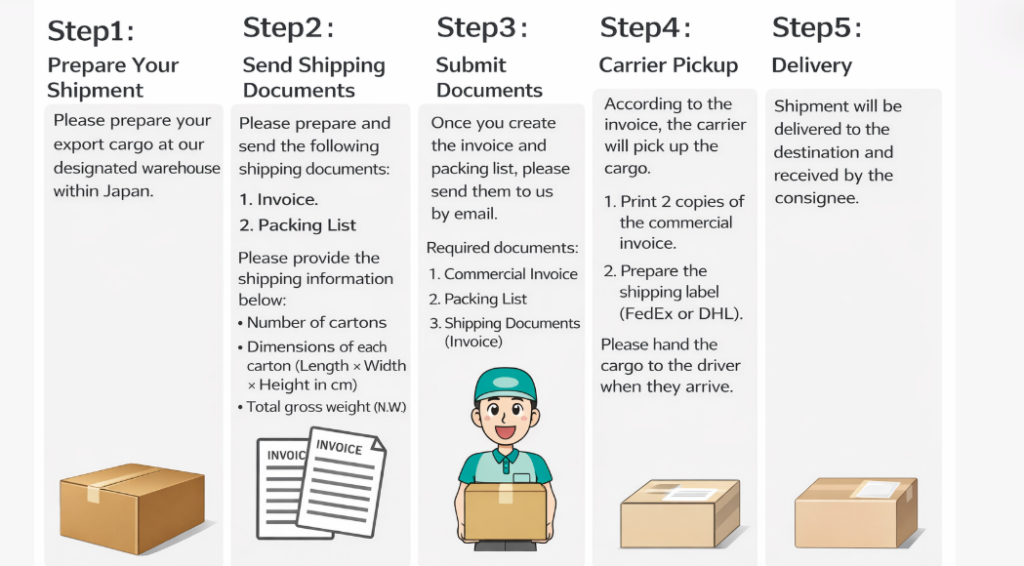
Step 1: Prepare the shipment
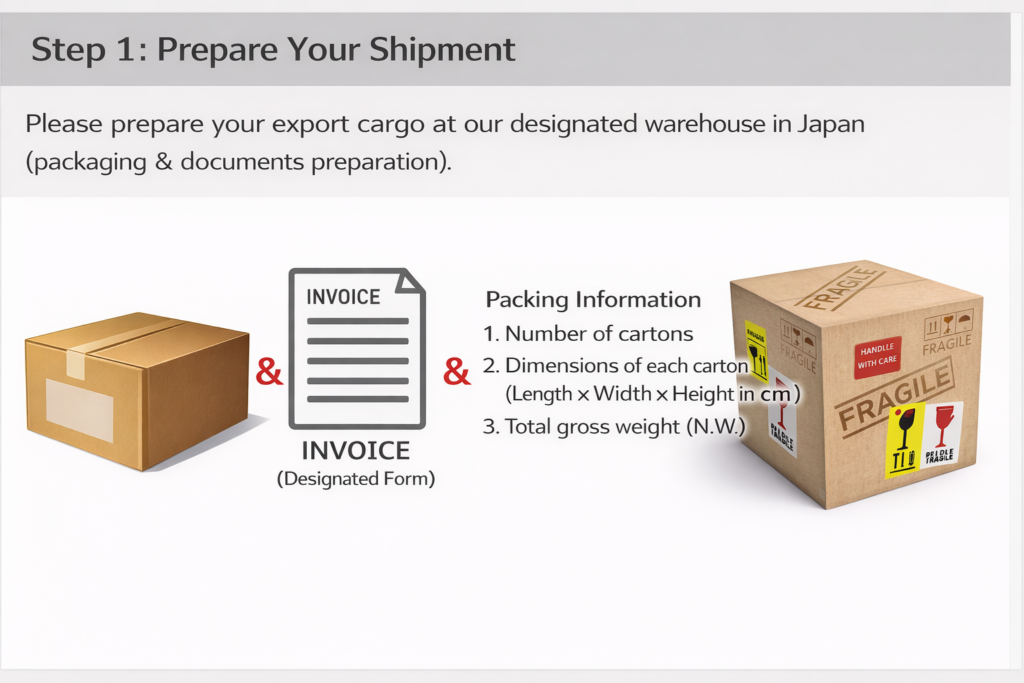
Prepare the shipment at the domestic pickup location (packing & document preparation).
Step 2: Email the shipment documents (invoice and packing information) to us.
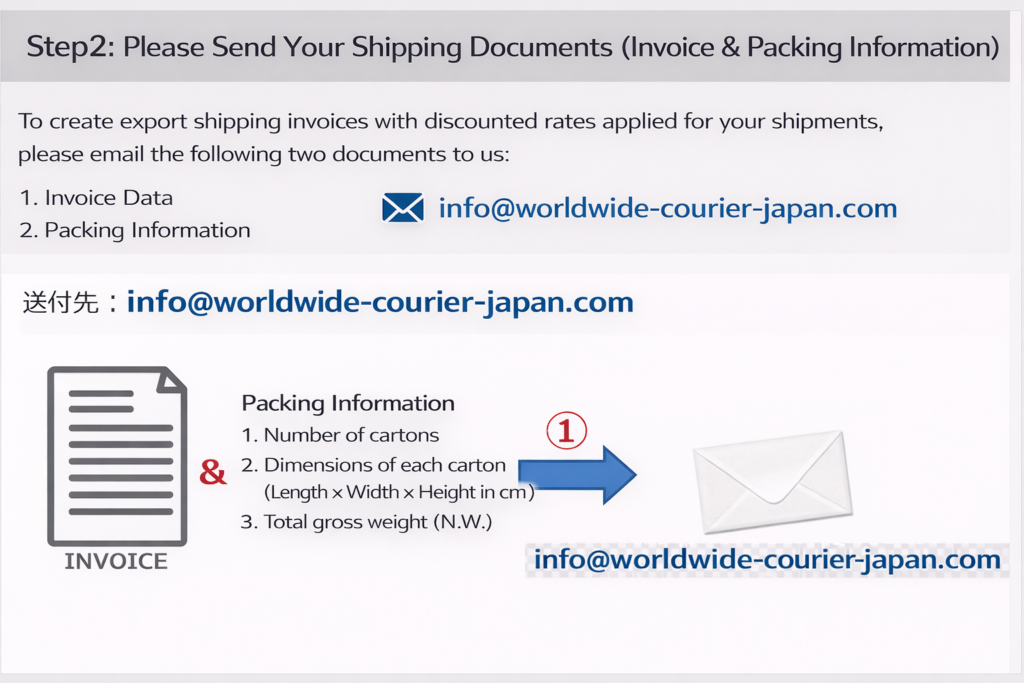
We will create the shipping documents using the special discounted rate provided for each customer. Please email the following two documents as attachments to our office.
1. “Invoice”
2. “Packing List”
Send to: info@worldwide-courier-japan.com
< Items that often end up missing on the invoice >
1. Postal code (shipper side)
2. Contact person name (shipper side)
3. Pickup phone number (shipper side)
※ The above three items are required to create the documents.
If any of this information is missing, we cannot create the documents, so please confirm in advance and submit your request accordingly.
< Required information on the packing list >
1. Total number of cartons
2. The three dimensions of each carton: length (cm), width (cm), height (cm)
3. Total weight (N.W.): total weight after packing
※ In some cases, the packing list lacks the above information. As it is required for document creation, please confirm in advance before requesting.
※ If you do not have a packing list, please confirm the above information with the shipper and share it with us.
< About “Chargeable Weight” used to determine shipping fees >
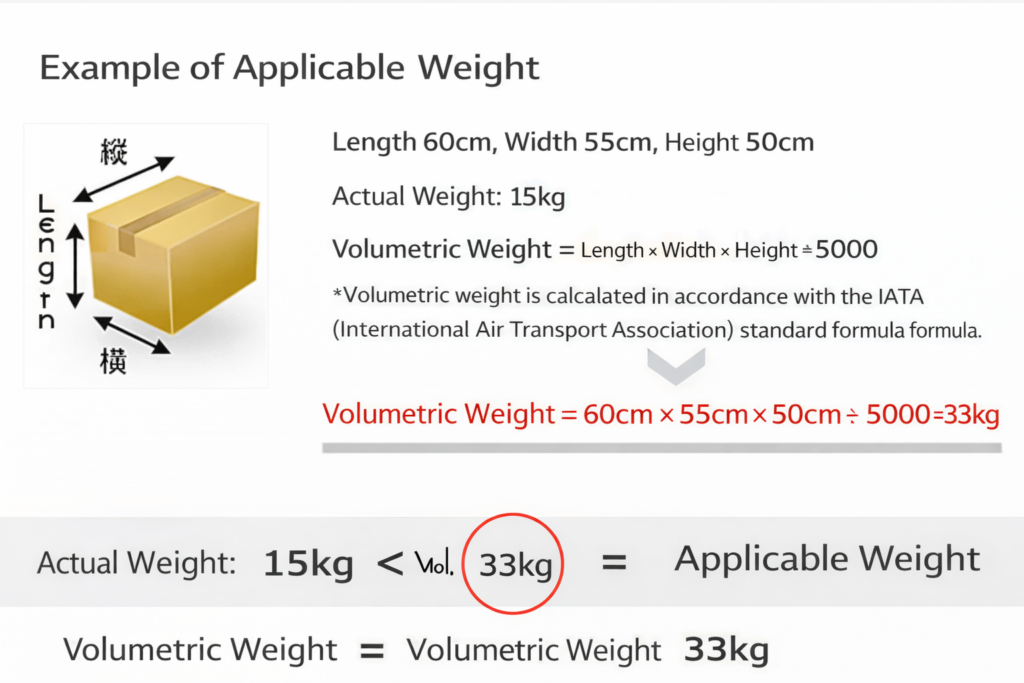
Based on IATA (International Air Transport Association) standards, the larger of the “actual weight after packing” and the “dimensional (volumetric) weight after packing” is adopted as the “chargeable weight.”
Step 3: We email two required documents for shipment (air waybill and invoice) to your shipper.
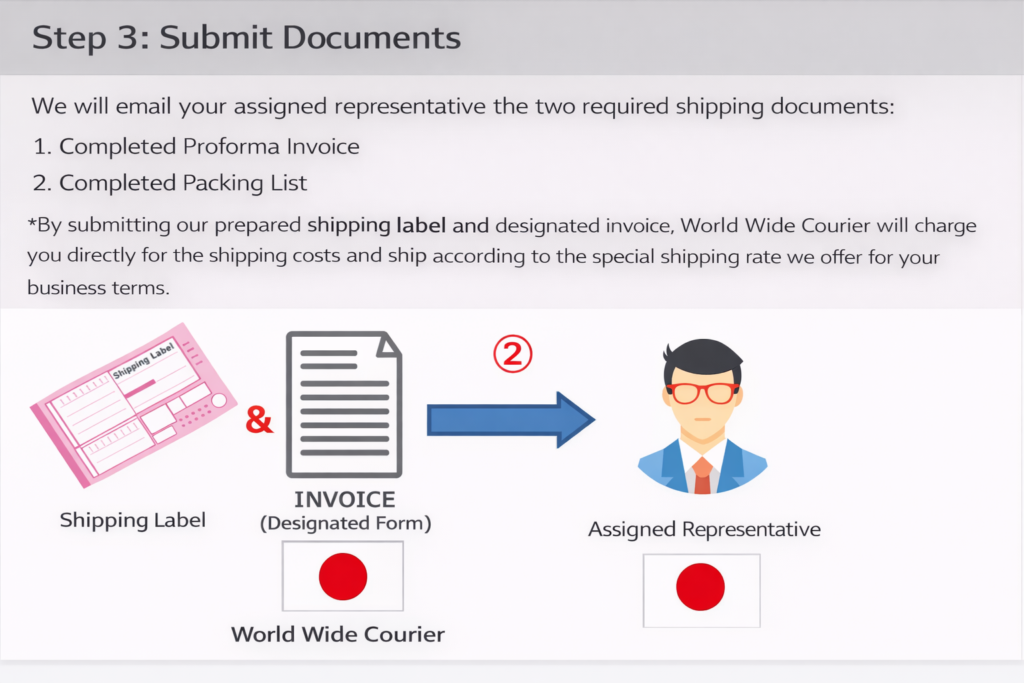
We will email two required documents for shipment (air waybill and invoice) to your 담당者.
1. Confirm any missing information in the “Invoice” and “Packing List” you provided.
2. Based on the above, we will prepare the “Air Waybill” and “Invoice (specified form)” on our side and email them to your 담당者.
※ By shipping using the “Air Waybill” and “Invoice (specified form)” created by us, the shipping charges will be billed to us. This enables you to ship using the applicable rate provided for each customer. Under your individual 거래 조건, we will invoice you for the shipping fees.
Step 4: The carrier picks up the shipment from the pickup location / domestic warehouse, and the shipment is dispatched
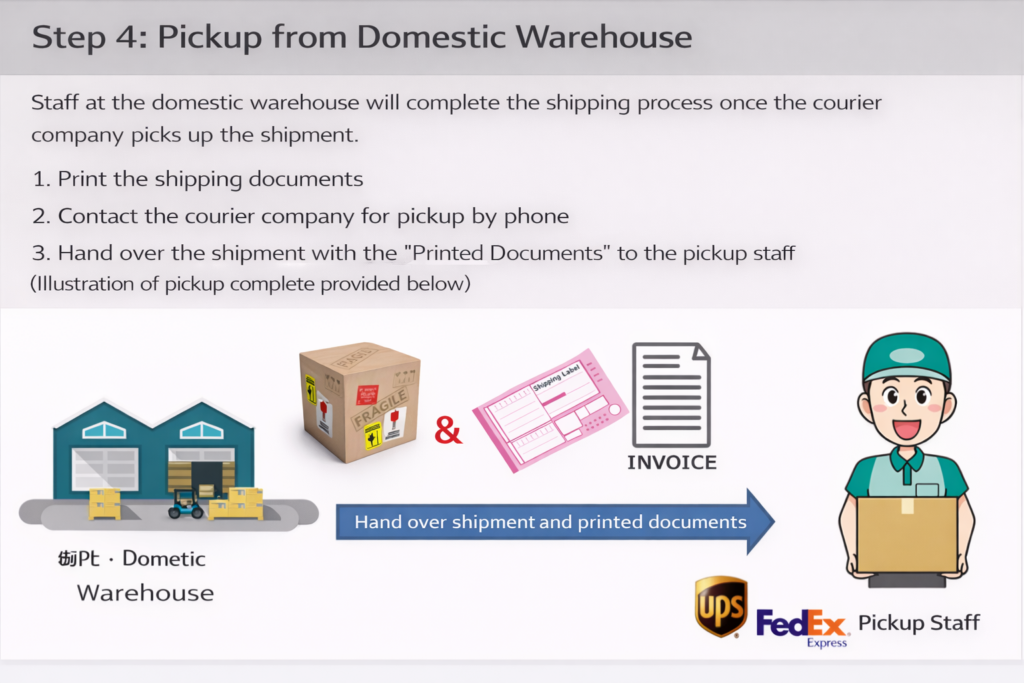
At the domestic pickup location:
1. Print the documents
2. Call the carrier to request pickup
3. Hand the “cargo” and the “two printed documents” to the pickup staff to complete dispatch
Step 5: Delivery and receipt of the cargo
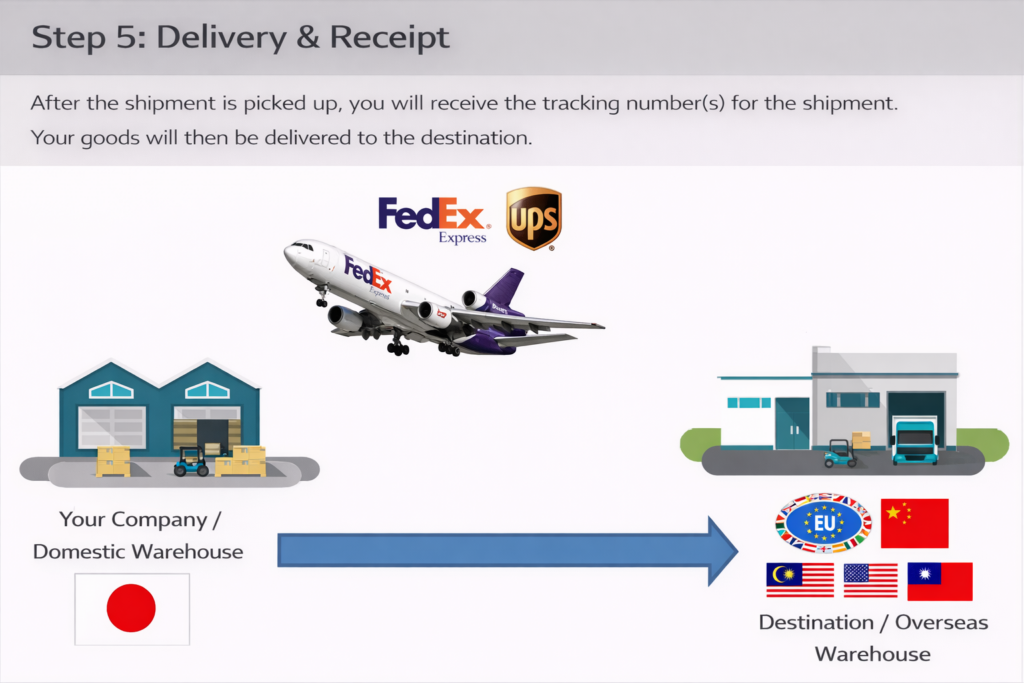
After dispatch, we will provide the tracking number. Your goods will then be delivered.
worldwide-courier provides low-cost delivery from Japan to the United States (U.S./USA) by air and sea. We support both exports and imports, so worldwide-courier reponce pls.
If you provide the information below, we can create the local shipping label.
Input format
◇ Pickup information (From)
1. Company name (or full name)
2. Contact person name
3. Postal code
4. Address
5. Phone number
※ This is the information for the location where the pickup will actually be made.
◇ Delivery address (To)
1. Company name (or full name) (※ Please 반드시 write in English.)
2. Contact person name (※ Please 반드시 write in English.)
3. Postal code
4. Address (※ Please 반드시 write in English.)
5. Phone number
◇ Packing information
1. Number of cartons
2. Total weight
3. Three dimensions of each carton (length, width, height in cm)
◇ Invoice information
・Product name (Please 반드시 write in English.)
・Unit price (Either currency is fine)
・Quantity
If you provide the above information, we can arrange the shipment. worldwide-courier offers low-cost delivery from Japan to the United States (U.S./USA) by air and sea. We support both exports and imports, so worldwide-courier reponce pls.
We look forward to your request.
Please let us know your current shipping frequency and shipping costs, if any.
Regarding your planned shipping date:
If you can also tell us around when you plan to ship, it will make the process smoother.
You can ship at the above rates.
For exports, we can create the shipping documents if you reply with the completed invoice as an attachment, or if you provide the information below.
◇ Pickup information (From)
1. Company name (or full name)
2. Contact person name
3. Postal code
4. Address
5. Phone number
※ This is the information for the location where the pickup will actually be made.
◇ Delivery address (To)
1. Company name (or full name) (※ Please 반드시 write in English.)
2. Contact person name (※ Please 반드시 write in English.)
3. Postal code
4. Address (※ Please 반드시 write in English.)
5. Phone number
◇ Packing information
1. Number of cartons
2. Total weight
3. Three dimensions of each carton (length, width, height in cm)
◇ Invoice information
・Product name (Please 반드시 write in English.)
・Unit price (Either currency is fine)
・Quantity
We will also guide you through the transaction flow.
Transaction flow (detailed version)
< Flow >
1. Please reply with the invoice.
2. If there are no issues with the information, we will book the pickup.
※ Pickup can be arranged as early as the next business day after your package is ready. (We typically book a window around 11:00–17:00.)
< Details: Export cargo transaction flow (Japan → destination country) >
The pickup process is as follows.
1. Please contact us after you finish packing your shipment.
2. Please prepare the invoice and packing information (number of cartons, weight, and three dimensions per carton).
※ 2-1. Shipper (Japan side): address, postal code, name, phone number, company name
2-2. Consignee (delivery destination): local address, postal code, name, phone number, company name
2-3. Product name and unit price
3. After we confirm (2) and there are no issues, we will arrange the pickup.
4. Within 1–2 business days, the carrier will come to your指定 location for pickup.
* We will email you the electronic data for the air waybill, so please hand the invoice and air waybill together with the package to the pickup staff.
5. Shipment is dispatched.
7. Local customs clearance processing (personal / commercial)
8. If there are no issues, the shipment clears customs.
9. Delivery is completed.
* Steps 5–8 typically take about 2–5 days to arrive if there are no issues.
* You will receive a tracking number as a shipment record.
Breakdown of Applicable Charges
1. Freight charges and fuel surcharge
2. Import duties, VAT/GST, customs clearance fees, and other local charges in the destination country, if applicable
The chargeable weight is calculated based on the larger of the actual weight and volumetric weight after packing.
Knowledge About Restricted and Prohibited Items
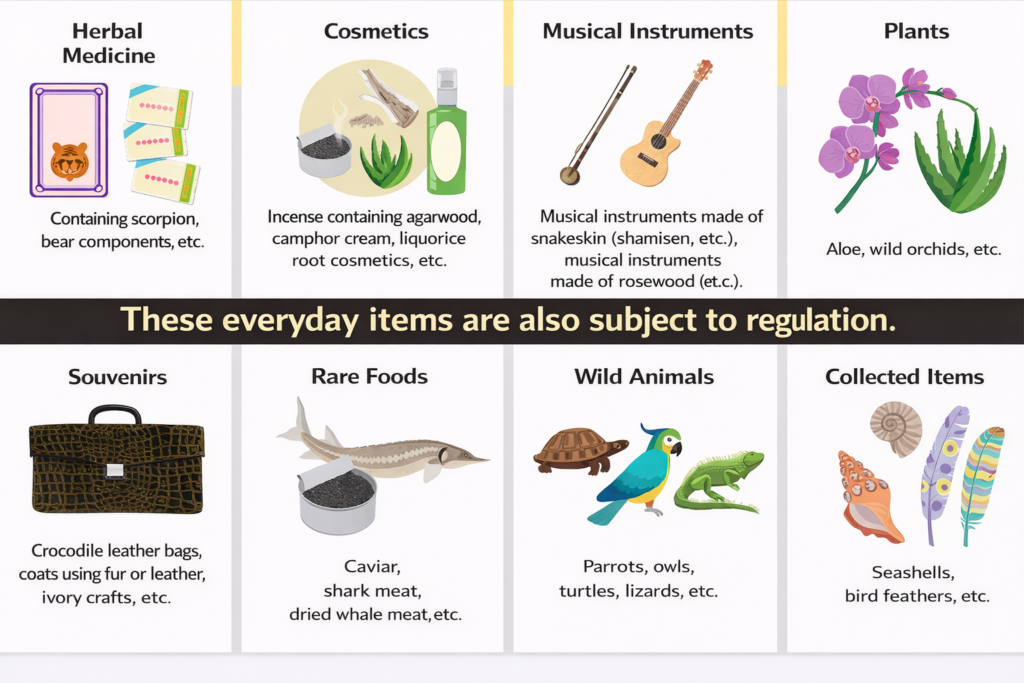
Certain items may be restricted or prohibited for international shipping depending on the destination country and carrier regulations. These may include dangerous goods, flammable materials, compressed gases, liquids, medicines, medical devices, firearms, tobacco products, perishables, seeds, plants, animals, chemicals, valuables, and CITES-regulated items.
In addition to the items listed above, other products may also be restricted depending on local import regulations. Some items may have shipping limitations, licensing requirements, or value restrictions.
Please contact us in advance if you are unsure whether your items can be shipped internationally from Japan.
That concludes our overview of international shipping from Japan to overseas destinations.
Key Considerations and Risk Management Strategies for Successful Overseas Expansion

Expanding to international markets demands a strategic approach that minimizes risks while maximizing reliability and customer satisfaction. This section outlines practical considerations for regulatory compliance, transparent labeling, quality assurance, and efficient returns handling. By aligning operations with local expectations and global standards, Japanese exporters can sustain growth, protect brand reputation, and ensure a smooth cross-border experience for buyers.
Key Points on Regulatory Compliance and Labeling Requirements
Understanding and meeting legal requirements is foundational for successful overseas shipping. Start with product classification and country-specific regulatory frameworks to determine applicable permits, licenses, and compliance marks. Key actions include: verifying import bans or restrictions for your product category, ensuring accurate HS codes for duty calculations, and aligning labeling with destination country norms (language, content, measurements, warnings). In high-risk sectors such as cosmetics, electronics, or食品, maintain up-to-date documentation for certificates of conformity, safety data sheets, and ingredient disclosures. Proactive steps reduce customs delays and refusal risks, safeguarding delivery timelines and customer trust. Partner with a knowledgeable forwarding service that can anticipate regulatory changes, provide pre-clearance support, and coordinate with customs brokers for smooth clearance. Use clear, legible labels and include essential information such as product name, country of origin, barcode or SKU, batch numbers, net weight/volume, and any required safety warnings in the local language. Regularly audit packaging and labeling to ensure ongoing compliance as regulations evolve across markets.
Best Practices for Quality Assurance and Handling Returns
Quality control and a customer-friendly returns policy are critical to overseas success. Implement robust QA processes at every stage—from supplier onboarding and inspection upon receipt to final packaging and dispatch. Benefits include reduced defect rates, sharper brand perception, and fewer post-sale disputes. Practical tips: establish supplier quality agreements with clear acceptance criteria, perform random or spot checks for product conformity, and document lot traces for traceability. Use tamper-evident packaging and appropriate protective measures for fragile items to minimize damage during transit. For returns, define a transparent policy that aligns with local consumer expectations and local e-commerce platform rules. Provide clear instructions in the destination language, specify conditions for accepted returns (timeframe, condition, proof of purchase), and offer convenient options such as prepaid return labels or local partner return centers when feasible. Efficient reverse logistics—including inspected reshipment or refurbishing pathways—helps recover value and protect margins. A responsive support channel that communicates progress and resolution timelines in the buyer’s language strengthens trust and retention. By coupling rigorous quality control with a customer-centric returns framework, overseas operations become more resilient and scalable.
Efficient and Cost-Effective International Shipping from Japan

Japan’s export activity continues to expand as overseas buyers increasingly seek high-quality Japanese goods. For overseas buyers and cross-border sellers, finding a reliable, affordable shipping partner that can handle everything from pickup in Japan to delivery abroad is essential. This article introduces practical approaches and trusted partners that streamline Japan-to-overseas shipping, with a focus on affordability, reliability, and comprehensive support. By leveraging a Japan forwarding service, businesses can minimize costs, simplify logistics, and ensure smooth cross-border operations from the moment a product is picked up in Japan until it reaches the destination abroad.
Why Japanese products will continue to see strengthening international demand
Japanese goods possess a strong global reputation for quality, reliability, and craftsmanship. As consumer awareness grows, demand across sectors—electronics, cosmetics, fashion, lifestyle goods, and traditional crafts—remains robust. Key factors driving sustained demand include consistent product quality control, strong brand ethics, and the appeal of “Made in Japan” for premium and niche markets. Additionally, Japan’s extensive network of manufacturers and retailers who endorse compliant export practices reduces entry barriers for overseas buyers. For logistics, this translates into predictable order volumes and stable export flows when paired with dependable shipping partners capable of handling cross-border requirements efficiently.
Recommended shipping partners that cover both Japan-to-exports and overseas-to-Japan imports
Choosing the right partner matters for controlling costs and ensuring seamless cross-border movements. Consider providers offering: nationwide pickup in Japan, complete export procedures, customs clearance, and end-to-end visibility. A capable Japan forwarding service can consolidate shipments from multiple suppliers, manage documentation, and propose optimal routing to minimize transit times. For imports into Japan, select partners that can coordinate border controls, manage import duties, and arrange local delivery. By engaging a single provider with a global network, businesses gain streamlined operations and reduced logistics overhead, often at lower rates due to direct carrier relationships and bulk handling capabilities.
Introducing Japanese agencies that can source, arrange pickup, and handle purchases in Japan
In addition to shipping, some Japan-based agencies offer procurement support to source products directly from Japanese suppliers, factories, or marketplaces. This capability helps overseas buyers secure inventory without navigating multiple intermediaries. When evaluating such agencies, assess their procurement reliability, supplier vetting processes, and integration with your shipping partner to ensure a smooth end-to-end flow from purchase to doorstep delivery. Transparent pricing, trackable shipments, and strong compliance with export and import regulations are essential elements to look for in a trusted partner network.
Choosing a Low-Cost and Trusted Shipping Forwarding Company
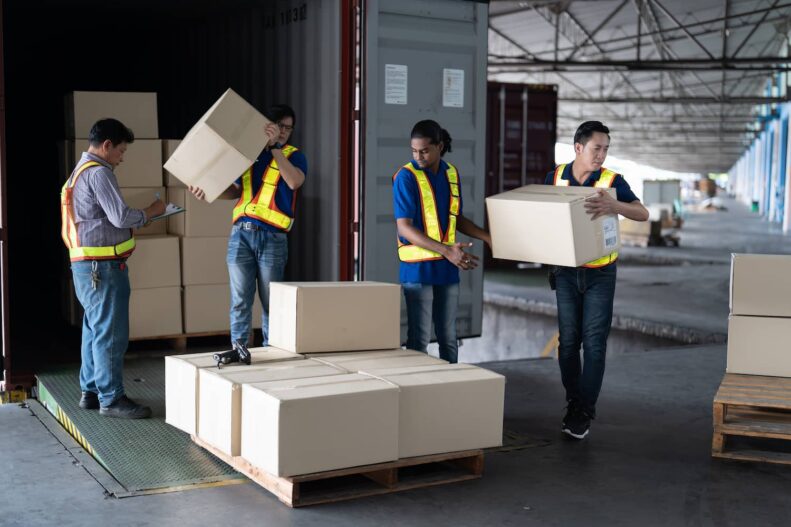
When expanding your business to international markets, selecting a shipping forwarding partner that offers affordable rates without compromising reliability is crucial. A well-chosen forwarder can streamline weekly shipments, reduce customs friction, and ensure timely delivery to overseas destinations. This guide highlights practical considerations for comparing pricing structures and evaluating reliability and support, helping you secure a partner that aligns with your budget and growth goals.
Pricing Structure: What to compare
Understanding how a forwarding company prices its services is essential to avoiding hidden costs and choosing the best value. Consider the following elements:
– Base rates for import/export handling, warehousing, and outbound shipments: Look for transparent per-shipment or per-kilogram fees, and whether rates are fixed or tiered by volume.
– Packaging and labeling charges: Some forwarders include basic packaging, while others charge separately. Ensure you know the cost implications for fragile or high-value items.
– Documentation and customs clearance fees: Verify if duties, taxes, and broker fees are included or billed separately, and whether the broker uses standard or expedited clearance.
– Consolidation savings: If you ship multiple orders, ask about parcel or pallet consolidation options and how they affect overall cost and transit time.
– Storage and handling: If you require warehousing, confirm daily or monthly rates, accessorial charges, and any penalties for extended storage.
– Hidden fees and surcharges: Inquire about peak-season surcharges, fuel surcharges, remote-area fees, and delivery area premiums to avoid surprise charges at invoicing.
– Service scope vs. price balance: A very low base rate can indicate limited services. Assess whether essential services (tracking, insurance, packaging optimization) are included or priced separately.
Tips for effective pricing comparisons:
- Request a formal quotation with itemized line items for air vs. sea freight, door-to-door delivery, and any cross-dock operations.
- Ask for a total landed cost estimate for your typical shipment profile, including worst-case and best-case scenarios.
- Use a consistent metric across providers, such as cost per kilogram or cost per kilogram-mile, to track value over time.
- Evaluate pricing flexibility for growth: can the forwarder offer volume-based discounts or contract pricing as your shipments scale?
Reliability and Support: How to assess
Beyond price, the reliability of a forwarding partner is vital to maintaining customer satisfaction and protecting your supply chain. Focus on these dimensions:
– Service level agreements (SLAs): Clarify expected transit times, pickup windows, and guaranteed performance metrics such as on-time pickup, delivery, and customs clearance timelines.
– Global coverage and network quality: Ensure the forwarder has a robust network in origin and destination countries, with reputable carriers and efficient routing options.
– Visibility and tracking: A user-friendly platform offering real-time tracking, proactive status alerts, and accessible documentation helps you manage customer expectations and inventory.
– Compliance expertise: Verify the forwarder’s knowledge of import/export regulations, licenses, and country-specific requirements to minimize delays and fines.
– Insurance options: Check if cargo insurance is included or available as an add-on, with clear terms for coverage limits and claims handling.
– Issue resolution and support responsiveness: Assess response times, bilingual capabilities if dealing with international partners, and the availability of dedicated account managers.
– Proven performance: Request references or case studies showing successful handling of similar products, especially for regulated goods, high-value items, or time-sensitive deliveries.
Best practices for evaluating reliability:
- Ask for a sample shipment process map, including timelines from pickup to final delivery.
- Request a service demo or trial run to verify systems, documentation quality, and communication framework.
- Review a recent performance report: on-time delivery percentages, claim rates, and any recurring bottlenecks.
- Check their contingency planning: how they respond to carrier failures, port congestion, or customs delays.
By combining transparent pricing with strong reliability and proactive support, you can choose a shipping forwarding partner that delivers consistent value as your international operations grow. For tailored recommendations and a detailed cost comparison, contact us to discuss your shipment profile and destination markets.
Japan product agent service
We can buy Japanese products and ship them to countries worldwide.
We provide both international shipping and purchasing services, so we can handle both the purchase of products in Japan and the shipment to your country.
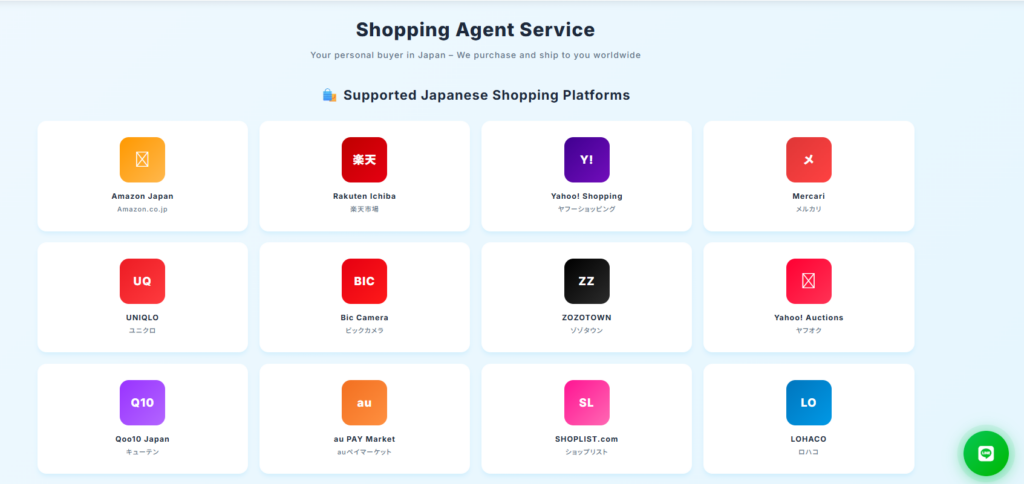
Buy Authentic Japanese Products with Our Trusted Shopping Agent Service. We help customers worldwide purchase items directly from popular Japanese online stores such as Amazon Japan, Rakuten, Yahoo! Shopping, Mercari, and more. If a store does not ship internationally, we buy on your behalf and deliver safely to your country. Enjoy access to exclusive Japanese brands, limited editions, electronics, fashion, cosmetics, and collectibles at competitive prices. Our service offers secure payments, careful inspection, reliable packaging, and fast international shipping.
How to Place an Order (Easy Japan Proxy Buying & International Shipping)
To place an order, please send us the required information via email, LINE, or our contact form. Once we confirm your details, we will issue a proforma invoice with a complete cost breakdown.
Required Information for Your Order
- Product URL(s) from Japanese websites (e.g., Amazon Japan, Rakuten, Mercari)
- Quantity (number of items)
- Delivery Address (full address including postal code and phone number)
- Preferred Delivery Schedule (desired shipping date or deadline)
Order Process
- Send your order details via email, LINE, or contact form
- Receive a proforma invoice including product cost, service fee, and shipping cost
- Confirm your order and complete payment
- We purchase the items from Japan on your behalf
- Your products are shipped safely to your destination
Why Choose Our Japan Proxy Buying Service?
- Access to popular Japanese marketplaces and exclusive products
- Affordable international shipping rates
- Secure payment and professional handling
- Reliable support for global customers and businesses
Contact us today to start your order and enjoy fast, reliable access to authentic Japanese products.
Japanese Product Shopping Agent Service – Buy from Japan and Ship Worldwide
Our Japanese Shopping Agent Service allows customers around the world to purchase authentic products directly from Japan. Many Japanese online stores do not ship internationally, which makes it difficult for overseas buyers to access popular and exclusive Japanese products. Our service solves this problem by purchasing items on your behalf and shipping them safely to your country.
We support a wide range of popular Japanese online marketplaces and retail stores. Whether you are looking for fashion, electronics, cosmetics, collectibles, hobby items, anime goods, daily-use products, or limited Japanese products, we can help you purchase them and arrange reliable international shipping.
We can also help you purchase products from smaller Japanese websites, specialty stores, local shops, and suppliers that may not support overseas customers. In many cases, if the product can be bought in Japan, we can help you buy it. This makes our service ideal for customers in Malta who want flexible access to almost anything sold in Japan.
Our service is suitable for:
• personal shopping from Japan
• Japan proxy buying
• e-commerce sourcing
• wholesale and bulk orders
• limited-edition and hard-to-find Japanese products
• combined shipping to reduce international delivery costs
CTA: If you have a product link, product name, screenshot, or shopping list, send it to us through our contact form. We will check availability, provide support, and help you buy and ship your items from Japan smoothly and safely.
Supported Japanese Shopping Platforms
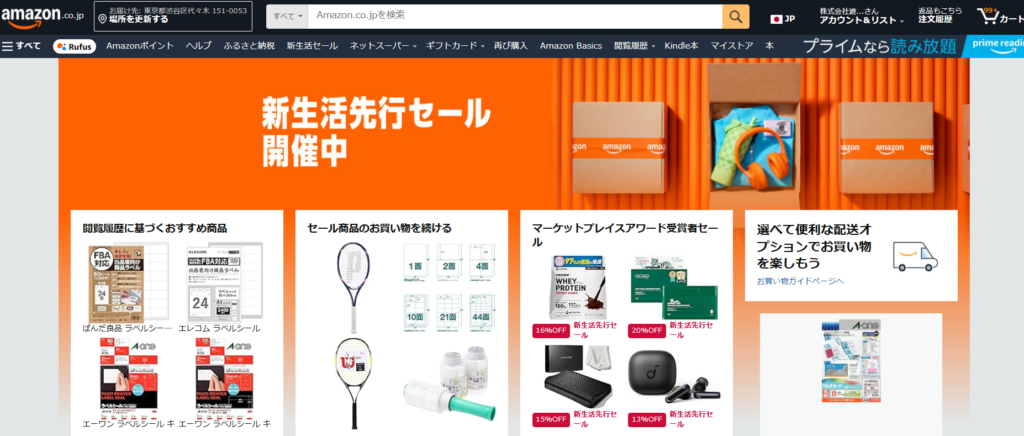
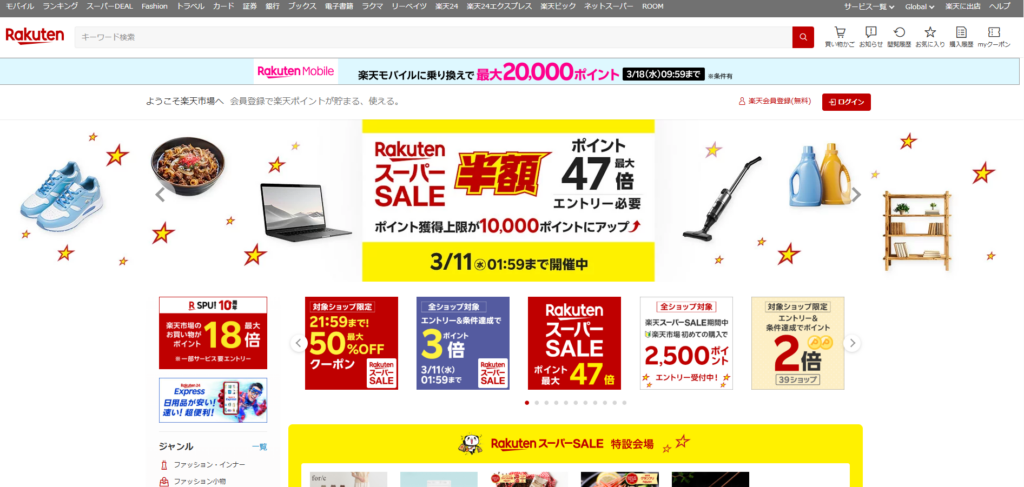
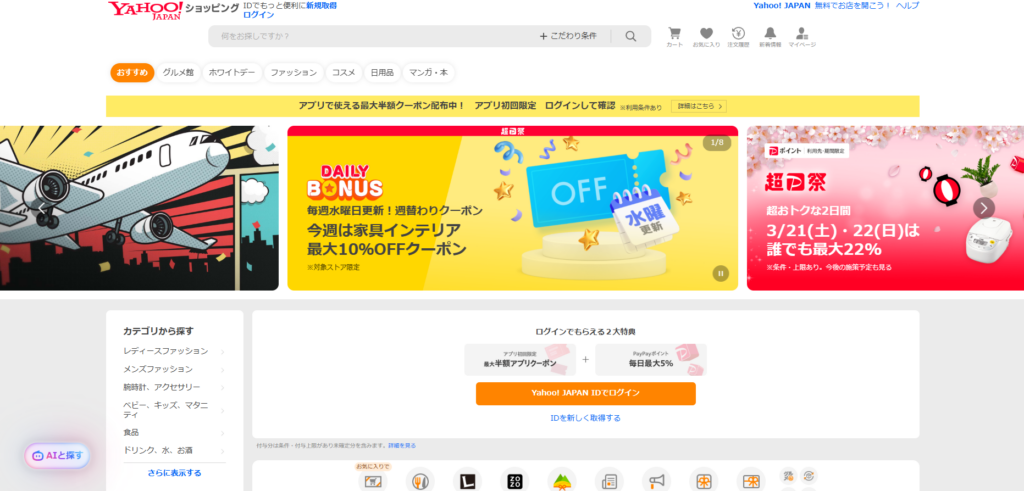
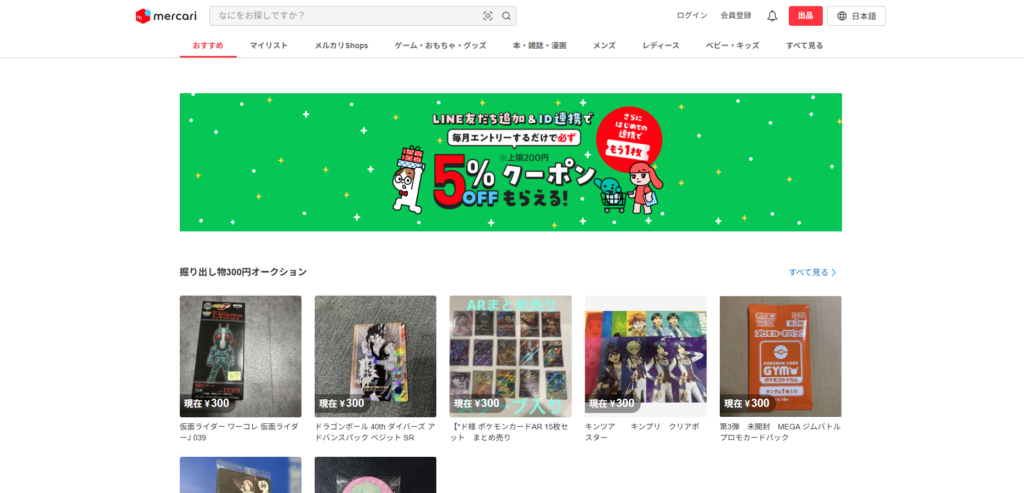

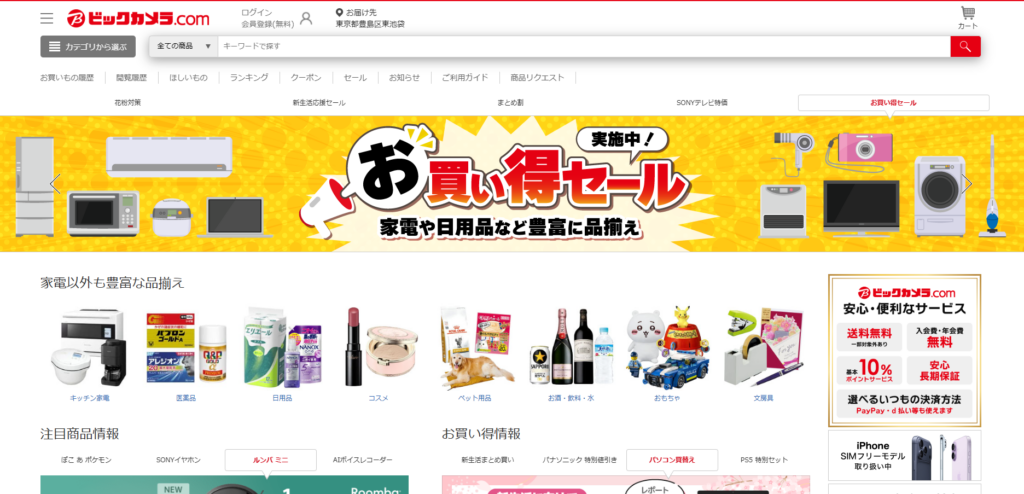
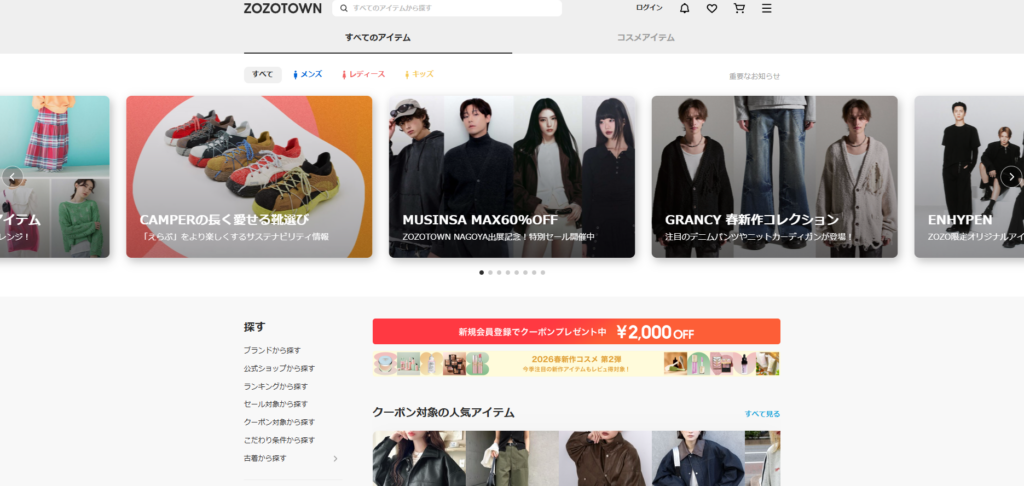
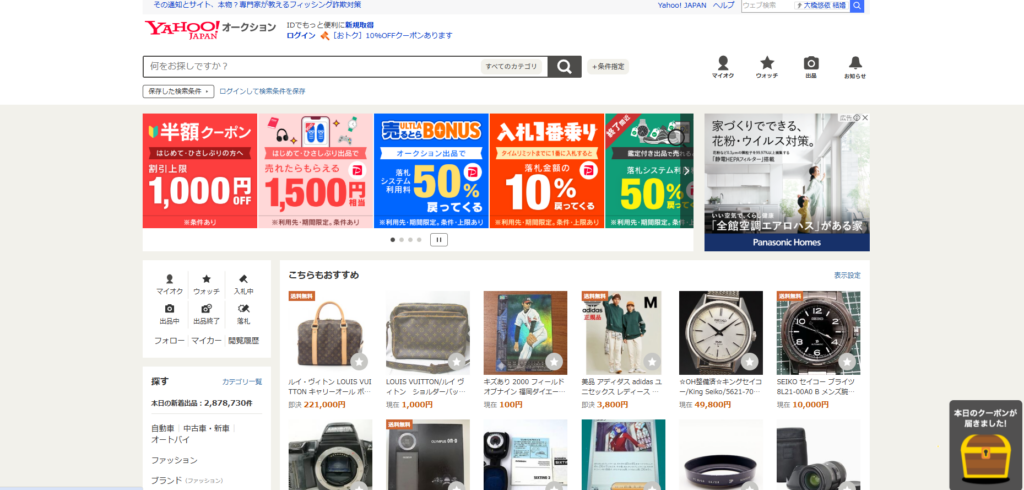
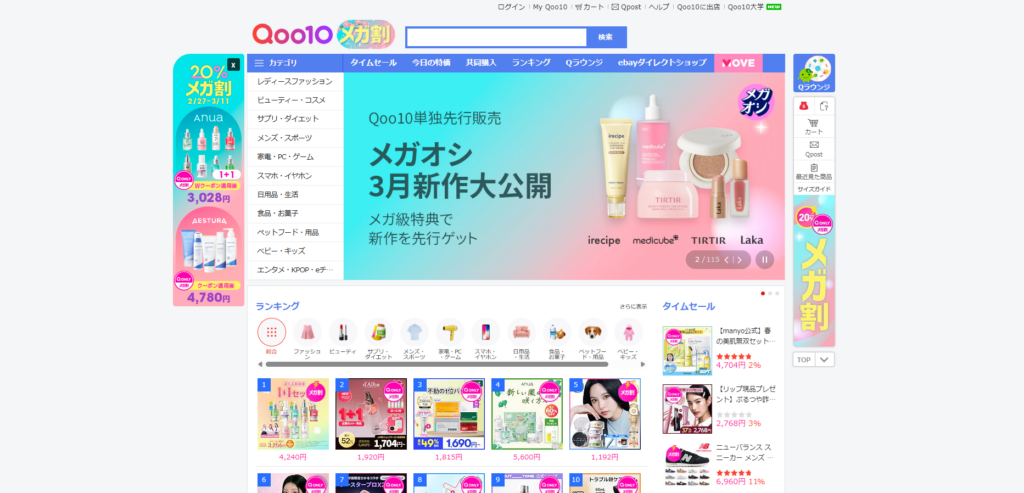
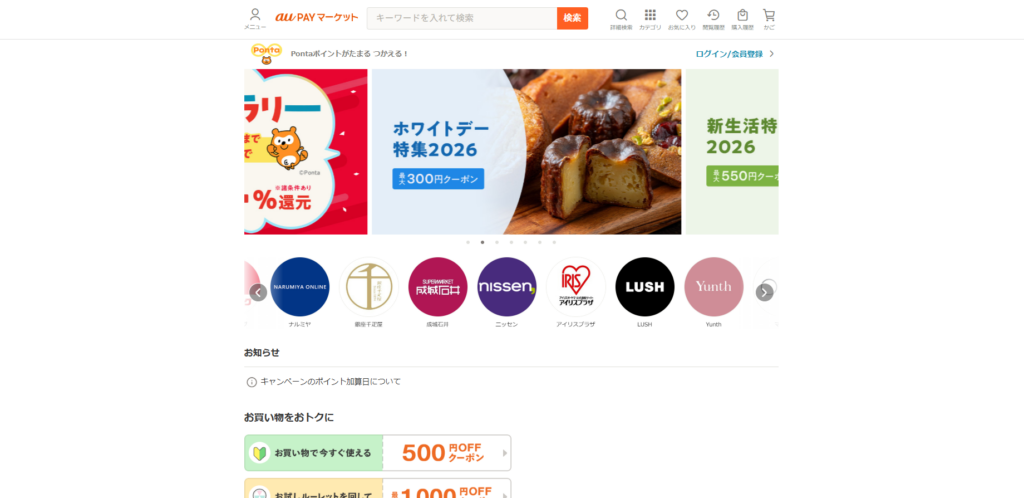
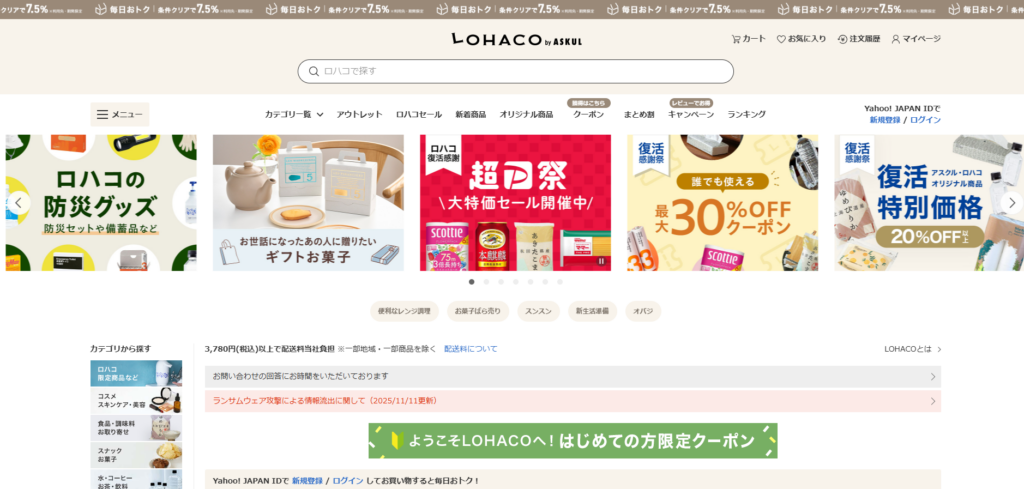
These platforms offer a huge variety of Japanese products that are highly popular worldwide. From the latest Japanese fashion brands to high-quality electronics, cosmetics, lifestyle goods, hobby items, and unique collectibles, you can access many of Japan’s best online stores through our purchasing service.
Even if the product you want is not listed on one of the major platforms above, you can still contact us. We can often assist with purchases from smaller Japanese websites, independent online shops, brand-specific stores, and selected offline products available in Japan. This makes our service highly flexible for customers who want to buy almost anything from Japan.
Contact us through the form below. Please send us your order item links or shopping list. Orders can be placed by chat or email, whichever is more convenient for you.
Operational Framework for Overseas Sales

Successfully selling products abroad requires a structured workflow that aligns product readiness, local market insights, shipping orchestration, and compliant cross-border procedures. A cohesive operating framework minimizes delays, reduces costs, and enhances customer satisfaction. This section outlines a practical flow from listing preparation to post-shipment customs handling, tailored for exporters leveraging Japan-forwarding services.
Listing Preparation and Local Market Research
Begin with meticulous product readiness and market-aware listing creation. Assess which attributes drive global buyers: accurate product titles, consistent brand messaging, high-resolution images, compliant packaging, and transparent specifications (dimensions, weight, materials). Translate or localize content for target regions to improve search visibility and conversion, while preserving core brand voice. Conduct local market research to identify demand patterns, seasonality, and competitive benchmarking. Leverage data on popular categories, price elasticity, and preferred payment methods in the destination country. Map key regulatory requirements for each market (safety standards, labeling, and prohibited items) to prevent listing removal or rejection at customs. A practical approach is to compile a regional playbook: recommended keywords, localized product descriptions, and a checklist for regulatory compliance before going live. This upfront alignment reduces post-launch changes and accelerates time-to-market.
Shipping Arrangement and Tracking Management
Translate readiness into reliable fulfillment by orchestrating a smooth shipping plan. Select appropriate carriers and service levels (air vs. sea, standard vs. expedited) based on destination, product type, and customer expectations. Establish a centralized tracking system that consolidates carrier milestones, shipment status, and exception alerts. Implement batch processing for multimodal shipments, direct-to-consumer orders, and bulk consignments from suppliers to overseas warehouses or end customers. Enforce packaging standards to protect against handling risks and comply with destination requirements. Proactively communicate shipment progress to buyers with real-time updates, ETA estimates, and visibility into potential delays. For reverse logistics, define clear return pathways and return-to-sender procedures to maintain service levels and protect margins. A robust shipping workflow reduces inquiry volume and builds buyer trust across markets.
Customs Procedures and Tariff Compliance
Cross-border trade hinges on precise customs documentation and tariff classification. Prepare a comprehensive export dossier: commercial invoice, packing list, certificate of origin, and any required product-specific declarations. Correct HS (Harmonized System) codes are essential to determine duties and compliance checks; misclassification can trigger delays or penalties. Verify regulatory prerequisites for each destination, including product certifications, labeling requirements, and restricted items. Collaborate with a reliable customs broker or Japan-forwarding service to handle documentation, duties/taxes estimation, and clearance times. Implement proactive duties and VAT planning by modeling landed costs for each market and offering transparent pricing to customers. Maintain an auditable trail of all customs communications and clearance decisions to facilitate future audits and mitigate compliance risks. A disciplined customs process keeps shipments moving smoothly and preserves customer satisfaction across borders.
Overview of Success Stories and Key Pitfalls

In the realm of Japan-to-global shipping, success stories reveal patterns that translate into reliable outcomes for overseas buyers, cross-border EC sellers, and corporate exporters. By examining real-world cases, clients can identify repeatable factors such as end-to-end visibility, compliant documentation, and proactive risk management. This section distills the common elements behind successful international forwarding, while also highlighting typical challenges and practical remedies to prevent disruption and safeguard timelines, costs, and customer satisfaction.
Common Factors in Successful Outcomes
Successful cases often share several core elements that contribute to smooth and cost-efficient international shipments. First, a clear intake and packaging specification process ensures items are ready for international transit, minimizing damage and delays at origin. Second, comprehensive order consolidation and route optimization reduce transit times and freight costs, particularly when shipments combine multiple SKUs or suppliers. Third, proactive documentation and customs planning prevent hold-ups, with accurate commercial invoices, HS codes, and origin certificates prepared in advance. Fourth, end-to-end tracking and exception management provide real-time visibility, enabling swift issue resolution and customer communications. Lastly, a one-stop forwarding approach—covering pick-up, inspection, packing, transport, and customs clearance—minimizes handoffs and miscommunication, resulting in higher on-time delivery rates and customer trust.
Illustrative cases include: – An overseas retailer consolidating multiple supplier orders into a single shipment to achieve bulk-rate savings and consistent delivery windows. – A Japanese seller partnering with a forwarding service that handles both FBA deliveries and direct-to-consumer shipments, aligning labeling and packaging with destination requirements. – An industrial client leveraging expert customs support to navigate complex regulatory regimes, reducing clearance times and avoiding penalties.
Common Pitfalls and Practical Countermeasures
While the above factors drive success, several recurring pitfalls can derail international shipments. Key challenges and how to mitigate them include:
- Inaccurate or incomplete documentation: Establish a pre-shipment checklist and assign a dedicated documentation liaison to ensure HS codes, quantities, and values match carrier and customs expectations.
- Unclear packaging and labeling: Define packaging standards (fragile, hazardous, multi-piece assemblies) and implement tamper-evident seals, with localized labeling to meet destination country rules.
- Unexpected regulatory changes: Maintain a regulatory watch and maintain flexible routing options to adapt to new import restrictions or duties, reducing risk of detention.
- Freight damage or loss: Use reinforced packaging, double-boxing for fragile items, and professional padding; secure insurance coverage aligned with item value and risk.
- Delays at origin or destination: Build buffer time into schedules, select reliable carriers with experience in the target region, and leverage proactive tracking alerts to trigger rapid corrective actions.
- Cost overruns from last-minute changes: Implement a change-control process, lock in rates where possible, and communicate potential price implications early with stakeholders.
For readers seeking to emulate success, the takeaway is to adopt a holistic approach: standardize processes, maintain clarity across documentation, optimize routes and consolidation, and provide continuous visibility and support throughout the shipment lifecycle.