Unlock the path to sending premium Japanese matcha to the United States with confidence. This guide distills essential knowledge on export rules, labeling, and compliance, while revealing practical steps to minimize risk and cut costs. You will learn how to navigate product standards, quarantine and inspection checkpoints, and item restrictions, ensuring smooth customs clearance. Discover how a reliable Japan-forwarding service can deliver safe, temperature-controlled packaging, transparent tracking, and end-to-end support—from sourcing Japan-made matcha to doorstep delivery abroad. With 15+ years of trade experience and a global network over 200 countries, Worldwide Courier Japan offers a one-stop solution for purchasing Japanese products, packaging, shipping, and customs, while optimizing costs by eliminating middlemen. Explore actionable tips for choosing cost-effective, reputable logistics partners, compare pricing, read reviews, and understand realistic timelines. Practical packing methods, shelf-life considerations, and step-by-step shipment procedures help you achieve faster, safer, and cheaper international delivery. To start, contact us via the inquiry form on https://worldwide-courier-japan.com/#contact for a tailored quote and seamless overseas export support.
- Foundations for Shipping Japanese Matcha to the United States
- International Shipping Rates to Japan (Per kg Pricing)
- Why Choose Worldwide Courier Japan?
- Complete International Shipping Process to Japan
- Chargeable Weight (Critical Cost Factor)
- Estimated Delivery Time to Japan
- International Shipping Cost Breakdown
- Prohibited & Restricted Import Items
- Shipping to the United States: Key Considerations
- Introduction: Discovering Cost-Effective Shipping Solutions from Abroad to Japan
- Choosing an Affordable and Reliable International Freight Forwarding Partner
- Hands-on Packing and Quality Preservation Tips
- Practical Shipping Procedures Guide
- Common Troubles and Troubleshooting in International Shipping
- Buying Japanese Products from Overseas – Easy, Safe, and Reliable Worldwide Delivery
- Japanese Product Shopping Agent Service – Buy from Japan and Ship Worldwide
- Supported Japanese Shopping Platforms
- Important Operational Notes
- Final Summary and Business Advantage
Foundations for Shipping Japanese Matcha to the United States

For international buyers and cross-border sellers, moving high-quality Japanese matcha to the United States requires a clear understanding of border rules, product standards, and accurate labeling. This guide provides concise, actionable insights to help Japanese exporters and overseas buyers navigate the essentials—from regulatory frameworks to product specifications—ensuring smooth customs clearance and consistent product quality. With our expertise in end-to-end logistics, including sourcing, packaging, and shipping, you can optimize costs and reliability when bringing authentic matcha to American consumers.
Fundamental export and import rules and requirements
Complying with all export and import regulations is critical to avoid delays and penalties. For matcha, key considerations include:
– Product classification: Matcha is typically treated as a dry tea product for regulatory purposes. Correct Harmonized System (HS) codes and tariff items must be confirmed with the carrier and customs broker to ensure accurate duties and restrictions are applied.
– Food safety and additive rules: In the U.S., food products must meet FDA requirements, including proper facility registration (if handled domestically in the U.S.), correct ingredient listings, and avoidance of prohibited additives. Organic claims require USDA authorization where applicable.
– Sanitary and phytosanitary measures: Although matcha is a powder, importers should be prepared for inspection of ingredients, production controls, and documentation proving product safety, hygiene, and shelf stability.
– Documentation: Common documents include commercial invoices, packing lists, certificates of origin, FDA prior notice (for potential food shipments), and any necessary import permits. When shipping from Japan, a formal export declaration and customs clearance by a licensed broker are typically required.
– Packaging and labeling compliance: Labels should be in English (and possibly bilingual) with clear product name, ingredients, net weight, country of origin, lot/batch numbers, allergen statements if relevant, and storage instructions. Japanese branding can be retained on the package, but English translations improve U.S. consumer trust and regulatory clarity.
– Duty calculation and taxation: Duties depend on classification and country of origin. A skilled forwarder will optimize the route and classification to minimize tariffs while meeting compliance requirements.
– Sanctions and restricted items: Verify that the tea and any related additives are not subject to export controls or embargoes. Maintain up-to-date screening against restricted list databases before shipment.
Matcha standards and labeling requirements
Ensuring consistency and transparency in product specifications helps protect brand integrity and speeds customs clearance. Essential matcha standards include:
– Product type and quality level: Indicate whether the matcha is ceremonial, premium, culinary, or culinary-grade for beverage use. Specify grade distinctions (e.g., Premium Gyokuro-based ceremonial matcha) to guide consumer expectations.
– Origin and production details: State the Japan prefecture or region if relevant, harvest year or season, and the milling process. A brief provenance note can support storytelling while remaining within labeling limits.
– Ingredient declaration: For pure matcha, ingredients should list only “green tea (matcha).” If blends or added flavors are used, list all ingredients and potential allergens clearly.
– Net weight and packaging: Declare net weight (e.g., 30 g, 100 g) and total gross weight if multiple units are packaged together. Include packaging material notes if they affect shelf life or storage.
– Shelf life and storage instructions: Provide best-before or use-by dates where applicable and guidance on storage away from light, heat, and moisture to preserve aroma and color.
– Packaging integrity and tamper-evidence: Use sealed, aroma-tight packaging to protect quality during transit. Consider inner sealed pouches and outer boxes designed to minimize moisture ingress.
– Compliance references: Include any relevant certifications (e.g., organic, non-GMO) with appropriate certification numbers, if applicable and verifiable in the U.S. market.
– Language and accessibility: Information on the label should be clear and legible in English to satisfy U.S. consumer expectations and regulatory readability. Maintain brand messaging while ensuring compliance readability.
International Shipping Rates to Japan (Per kg Pricing)
Preferential Import Shipping Rates to Japan (Fuel Surcharge Excluded):
Hong Kong / India / Vietnam / Singapore / Philippines Import Rates
4–10kg: 1,450 JPY/kg
10–19kg: 985 JPY/kg
20–49kg: 590 JPY/kg
50–99kg: 440 JPY/kg
100–299kg: 340 JPY/kg
300–499kg: 330 JPY/kg
500–999kg: 329 JPY/kg
1000–2000kg: 315 JPY/kg
Canada / Mexico Import Rates
4–10kg: 1,950 JPY/kg
10–19kg: 1,300 JPY/kg
20–49kg: 1,060 JPY/kg
50–99kg: 580 JPY/kg
100–299kg: 460 JPY/kg
300–499kg: 450 JPY/kg
500–999kg: 440 JPY/kg
1000–5000kg: 435 JPY/kg
China Import Rates (Southern China)
4–10kg: 1,270 JPY/kg
10–19kg: 1,050 JPY/kg
20–49kg: 590 JPY/kg
50–99kg: 480 JPY/kg
100–299kg: 355 JPY/kg
300–499kg: 340 JPY/kg
500–999kg: 335 JPY/kg
1000–2000kg: 335 JPY/kg
2000kg and above: 330 JPY/kg
South Korea / Taiwan Import Rates
20–49kg: 750 JPY/kg
50–99kg: 520 JPY/kg
100–299kg: 430 JPY/kg
300–499kg: 420 JPY/kg
500–999kg: 400 JPY/kg
1000–2000kg: 389 JPY/kg
2000kg and above: 385 JPY/kg
Indonesia / Thailand / Australia Import Rates
4–10kg: 1,280 JPY/kg
10–19kg: 970 JPY/kg
20–49kg: 950 JPY/kg
50–99kg: 890 JPY/kg
100–299kg: 730 JPY/kg
300–499kg: 730 JPY/kg
500–999kg: 695 JPY/kg
1000–5000kg: 665 JPY/kg
Europe Import Rates (France / Germany / Italy / United Kingdom etc.)
4–10kg: 2,550 JPY/kg
10–19kg: 1,790 JPY/kg
20–49kg: 850 JPY/kg
50–99kg: 710 JPY/kg
100–299kg: 570 JPY/kg
300–499kg: 560 JPY/kg
500–999kg: 550 JPY/kg
1000–2000kg: 520 JPY/kg
These international shipping rates are structured to reduce the shipping cost per kilogram as shipment volume increases. Consolidated shipping and bulk freight are among the most effective methods for reducing overall logistics expenses.
Please note that the above rates exclude fuel surcharges, customs duties, Japanese consumption tax, customs inspection fees, and additional handling charges. Fuel surcharge rates fluctuate depending on global crude oil prices and airline carrier policies.
Introducing Worldwide Courier Japan – Your Trusted International Shipping & Import/Export Logistics Partner.
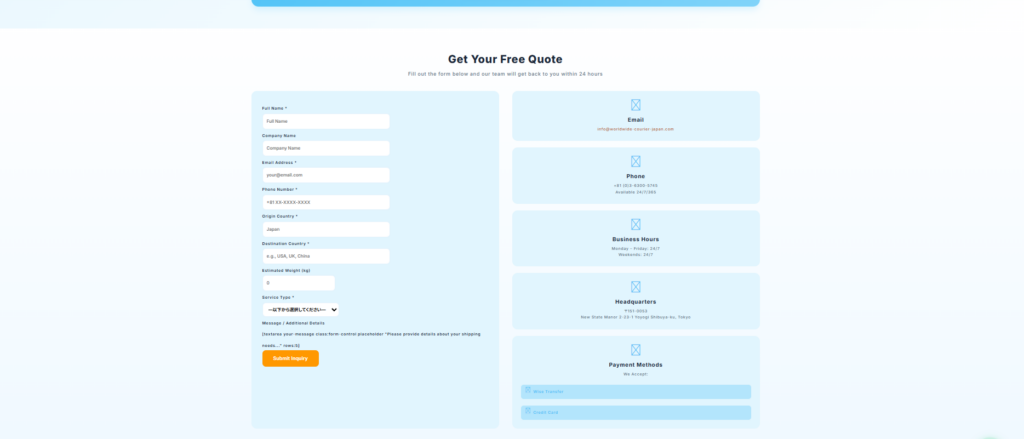
Worldwide Courier Japan provides low-cost international shipping services from overseas countries to Japan and export shipping services from Japan to worldwide destinations. We specialize in global import and export logistics solutions for businesses, e-commerce sellers, trading companies, and individual customers.
Our international logistics services include air freight, sea freight, express courier services, commercial cargo transportation, bulk freight forwarding, e-commerce shipping, and Japan purchasing agent support.
We support import shipping from China, Hong Kong, Taiwan, South Korea, Southeast Asia, Europe, North America, and many other global regions with competitive pricing and reliable transportation networks.
If you are searching for affordable international shipping to Japan, reliable import logistics companies in Japan, or cost-effective global freight forwarding services, Worldwide Courier Japan is your ideal logistics partner.
Why Choose Worldwide Courier Japan?

We provide highly competitive international shipping rates and customized logistics solutions for both imports into Japan and exports from Japan. Our logistics specialists help customers optimize transportation costs while maintaining fast and secure delivery performance.
We handle small parcels, consolidated shipments, commercial cargo, e-commerce freight, pallet cargo, and bulk transportation with flexible shipping options tailored to each customer’s budget and delivery requirements.
As one of the most cost-effective freight forwarding companies in Japan, we help reduce international logistics costs while ensuring reliable customs clearance support and secure cargo transportation.
Email: info@worldwide-courier-japan.com
WeChat: tradingjapankei
Tel: +81-3-6300-5745
We cooperate with global carriers such as UPS and FedEx to provide secure, trackable, and fast international delivery services worldwide.
We accept secure payments via Wise and major credit cards. Customers can contact us easily through LINE, WhatsApp, email, or our online inquiry form.
We provide both international shipping services and Japan purchasing (shopping agent) services.
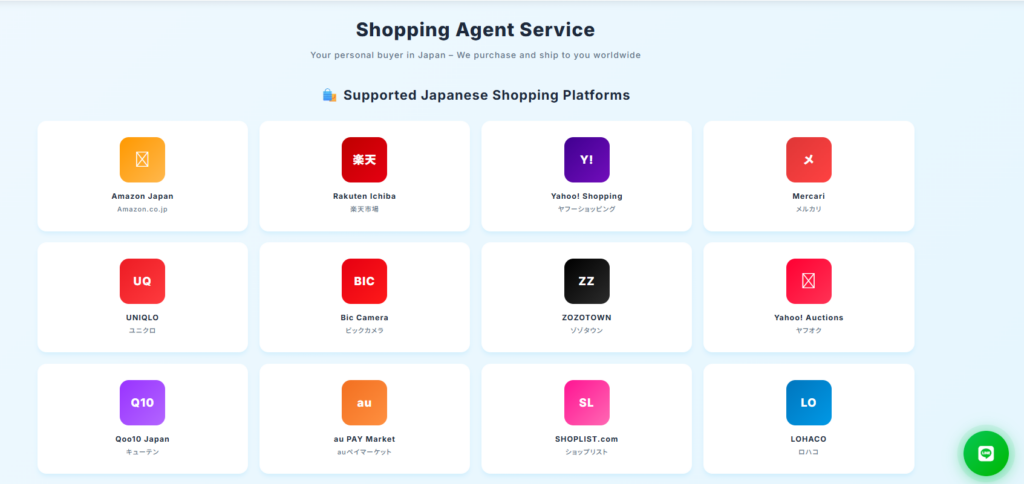
Purchase authentic Japanese products with our trusted Japan shopping agent service. We support product sourcing, supplier communication, product inspection, repacking, export shipping, and international delivery worldwide.
We support major Japanese platforms including Amazon Japan, Rakuten, Yahoo! Shopping, Mercari, and many other Japanese online marketplaces. Even if overseas shipping is unavailable, we can purchase products on your behalf and ship them internationally.
Contact us here:
https://worldwide-courier-japan.com/#contact
Complete International Shipping Process to Japan
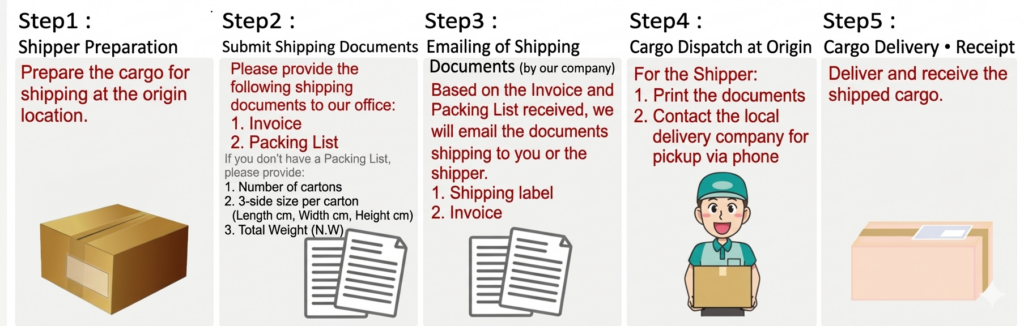
Step 1: Cargo Preparation
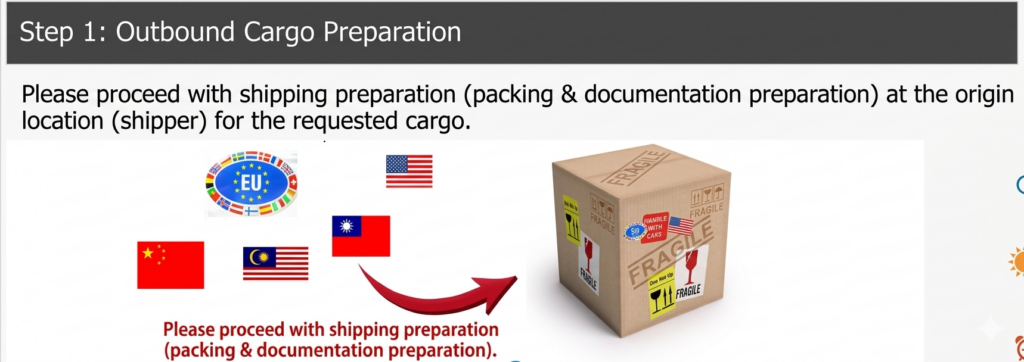
The shipper prepares the cargo, including export packaging and document preparation. Proper packaging is essential not only for protecting products during transportation but also for minimizing volumetric weight and reducing international shipping costs.
Step 2: Commercial Invoice & Packing List Submission
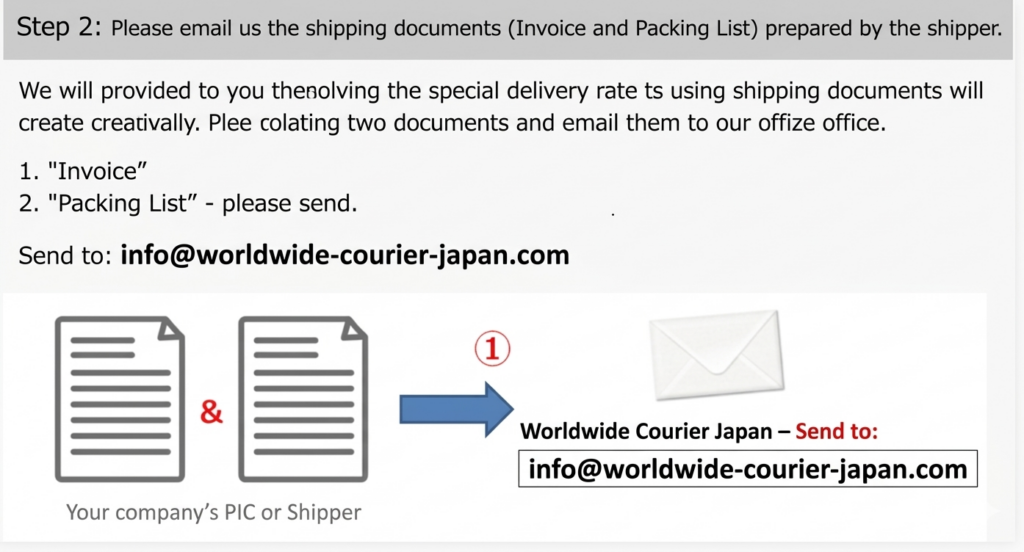
The shipper submits a commercial invoice and packing list containing product descriptions, HS codes, carton quantities, dimensions, unit prices, and total shipment weight. Accurate documentation is essential for smooth customs clearance procedures in Japan.
Step 3: Shipping Document Creation
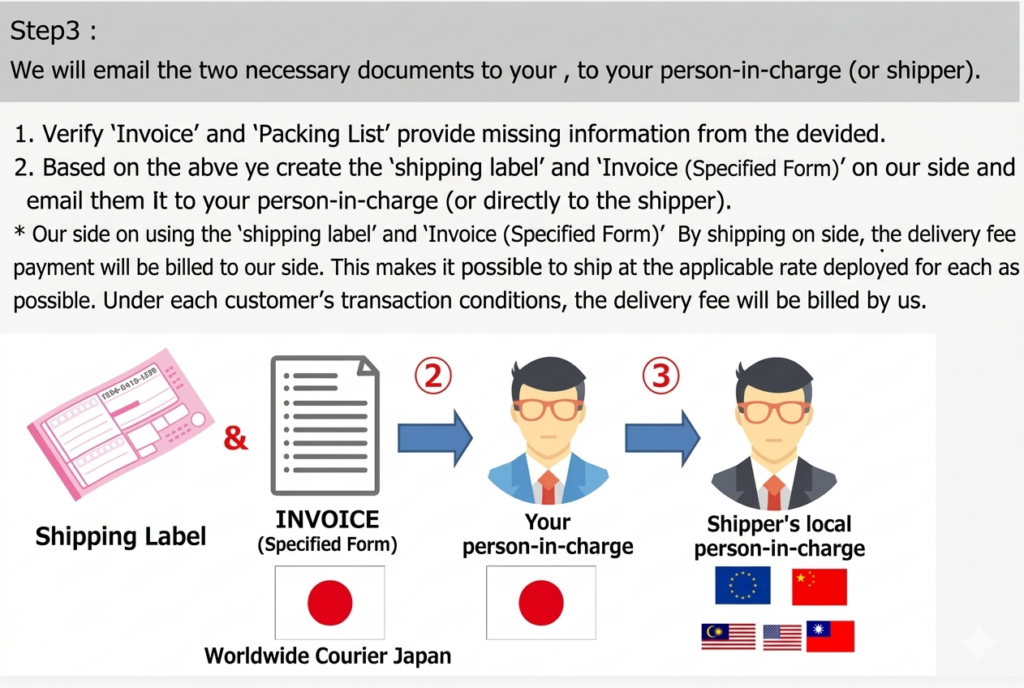
Our logistics team creates the airway bill, shipping invoice, and transportation documents based on the submitted cargo information.
Step 4: Cargo Pickup & International Transportation
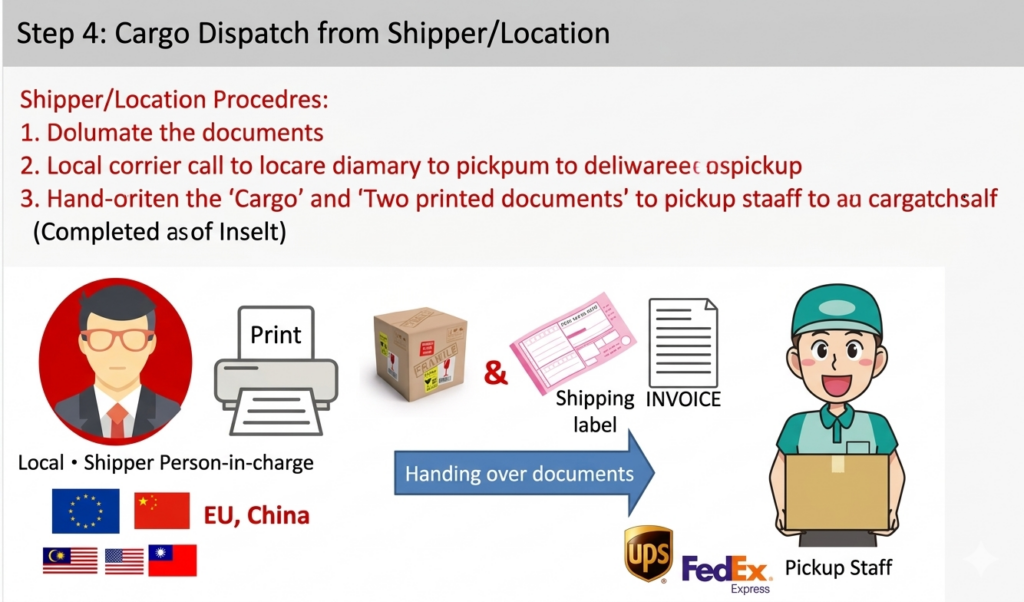
The shipment is collected from the shipper’s address and transported internationally via air freight, sea freight, or express courier service depending on shipment size, urgency, and budget requirements.
Step 5: Customs Clearance & Final Delivery
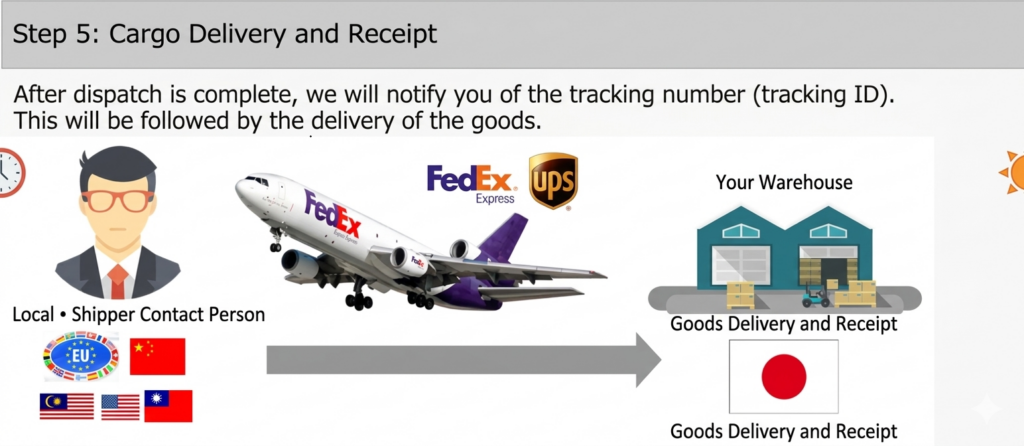
After customs clearance in Japan, tracking numbers are issued and the cargo is delivered safely to the consignee’s final destination.
Chargeable Weight (Critical Cost Factor)
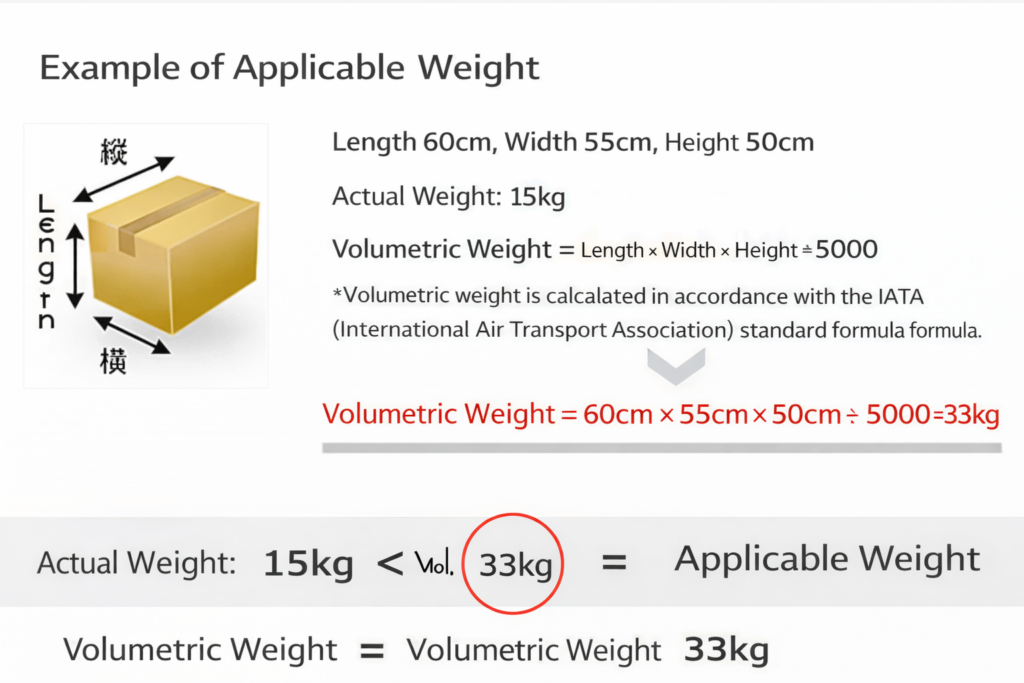
International shipping charges are calculated based on the greater of actual weight or volumetric weight. Oversized cartons and inefficient packaging methods can significantly increase freight costs even for lightweight cargo.
Estimated Delivery Time to Japan
International air freight shipments to Japan generally require approximately 4–7 business days, while sea freight shipments may require several weeks depending on origin country, customs clearance conditions, port congestion, and seasonal demand fluctuations.
International Shipping Cost Breakdown
Shipping expenses generally include base freight charges, fuel surcharges, Japanese customs duties, import consumption tax, customs inspection fees, oversized cargo fees, and remote area delivery surcharges where applicable.
Prohibited & Restricted Import Items
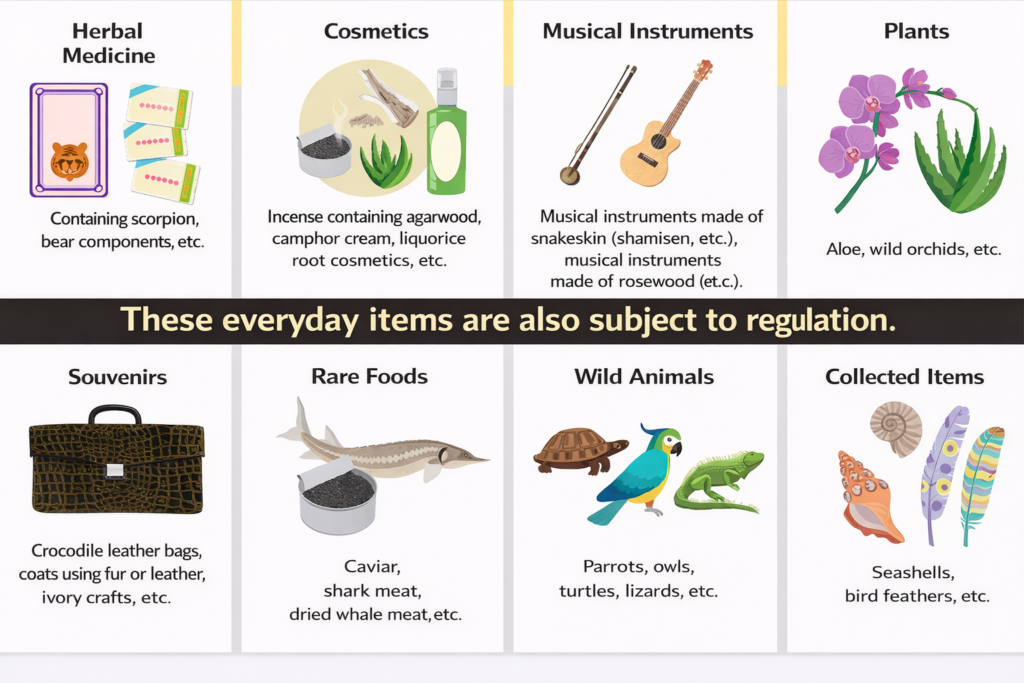
Restricted or prohibited cargo may include hazardous materials, flammable liquids, batteries, weapons, narcotics, perishable food products, counterfeit goods, and items regulated under international treaties such as CITES.
Always confirm import regulations and customs requirements before arranging international shipments to Japan.
Shipping to the United States: Key Considerations

When exporting Japanese products to the United States, understanding the regulatory landscape, transport risks, and compliance requirements is essential. This section provides a concise, SEO-friendly overview tailored for buyers, sellers, and logistics professionals seeking reliable cross-border solutions. By leveraging our experience in procurement, international shipping, and customs support, you can minimize delays, protect product quality, and ensure smooth delivery to customers in the U.S.
Transportation risks by product type and mitigation strategies
Different product categories carry distinct shipping risks, from moisture and temperature sensitivity to regulatory scrutiny. For beverages and food items, temperature control and shelf-life are critical, while electronics require ESD protection and secure packaging to withstand vibration and drop risk. Perishables demand faster transit and cold-chain capabilities; high-value luxury items necessitate enhanced security and insurance.
Mitigation strategies include:
– Implementing category-specific packaging that absorbs shocks and maintains temperature and humidity within safe ranges.
– Selecting appropriate transport modes (air for speed-critical items, ocean for cost efficiency) and using carrier services with proven performance in the U.S. market.
– Pre-shipment labeling and documentation aligned with U.S. customs requirements to avoid holds and fines.
– Insurance coverage tailored to product value and risk exposure.
– Real-time tracking and proactive exception management with contingency plans for delays or rerouting.
Quarantine and inspection checkpoints at shipping
U.S. imports are subject to inspection by agencies such as the U.S. Customs and Border Protection (CBP) and, for certain product types, agencies like the FDA or USDA. Key checkpoints include documentation accuracy, origin declarations, and conformity with import conditions.
Best practices:
– Complete and accurate commercial invoices, packing lists, and country of origin certificates.
– Compliance with FDA/Food facility registration and food facility import requirements when applicable.
– Harmonized System (HS) codes correctly assigned to ensure proper duties and eligibility.
– Pre-clearance where possible, including submitting permits or notices in advance.
– Clear labeling for contents, handling instructions, and any necessary warnings.
– Collaborate with a trusted customs broker to anticipate potential holds and expedite clearance.
Checks on prohibited and restricted items
Several items are restricted or prohibited from entry into the United States. Common examples include certain food products lacking proper certification, plant and animal products without certificates, restricted chemicals, and certain textiles or consumer goods subject to standards.
Key steps to avoid issues:
– Verify the item against current U.S. import regulations and restricted lists before shipment.
– Ensure all required permits, licenses, or certificates are obtained and included with shipments.
– Avoid misclassification of products; incorrect HS codes can trigger fines or seizure.
– Prepare for possible handling that requires specific packaging or storage conditions.
– If in doubt, consult with a cross-border logistics partner that specializes in U.S. imports and can advise on compliant alternatives or required modifications.
Introduction: Discovering Cost-Effective Shipping Solutions from Abroad to Japan

In the global marketplace, Japanese products continue to attract buyers worldwide. For international customers and businesses, finding a reliable, low-cost shipping partner that handles everything from purchase to delivery is essential. This article highlights affordable options for sending goods to Japan, explains why demand for Japanese products remains strong overseas, and introduces shipping companies that proficiently support both imports into Japan and exports from Japan to global destinations. By leveraging these services, overseas buyers can access the full spectrum of Japanese items—from electronics and apparel to rare collectibles—at competitive prices with dependable logistics support.
Why overseas demand for Japanese products will continue to grow
Japan’s reputation for quality, innovation, and design sustains robust international demand. Consumers and businesses increasingly seek authentic Japanese goods, including electronics, fashion, beauty, traditional crafts, and niche collectibles. Several factors fuel this trend: perceived reliability and durability of Japanese brands, strong e-commerce ecosystems, and growing comfort with cross-border shopping facilitated by multilingual customer support and seamless payment options. Moreover, Japan’s diverse regional specialties—from Osaka’s street food staples to Kyoto’s artisan goods—offer unique selling points that resonate with global audiences. As a result, the international market for Japanese products is set to expand steadily, creating ongoing opportunities for cross-border retailers and individual buyers alike.
Recommended shipping partners that handle both Japan-bound imports and exports from Japan
Choosing a single, reliable partner that can manage both inbound shipments to Japan and outbound shipments from Japan to overseas destinations simplifies logistics, reduces costs, and shortens lead times. The following profiles describe typical capabilities to look for in a comprehensive logistics provider:
- End-to-end service coverage: purchase support, quality inspection, packing, domestic and international transport (air and sea), customs clearance, and final delivery.
- Global network: freight across 200+ countries with options for individual and corporate clients.
- Cost efficiency: direct operations or strong carrier partnerships to minimize intermediary charges, enabling competitive rates for both small orders and bulk shipments.
- Regulatory expertise: up-to-date knowledge of import/export controls, product classifications, and necessary documentation to prevent delays.
- Risk mitigation: robust packing methods to prevent damage, temperature-controlled handling when needed, and responsive customer support for issues.
For example, a provider like Worldwide Courier Japan streamlines “buy Japanese products from Japan” experiences by combining procurement, inspection, packing, and international shipping into one streamlined process. Through such a one-stop solution, overseas buyers can secure cost advantages, faster timelines, and reliable service for a wide range of Japanese goods—from consumer electronics to fashion and beyond. If you’d like to explore options, you can reach out via the contact page: https://worldwide-courier-japan.com/#contact
Choosing an Affordable and Reliable International Freight Forwarding Partner

Finding the right overseas shipping partner combines cost efficiency with dependable service. For businesses and individuals seeking Japanese products from abroad or global delivery from Japan, selecting a partner that offers competitive rates without compromising quality is essential. This article outlines practical strategies to compare pricing, evaluate reliability and dispute handling, and interpret reviews and track records to make an informed decision.
Pricing comparison points
1) Total landed cost: Look beyond base shipping rates. Include packaging, insurance, customs clearance, duties, and any handling fees. A seemingly lower rate may end up more expensive if surcharges apply at destination or during customs.
2) Service inclusions: Prefer providers that bundle procurement, verification, packaging, shipping, customs clearance, and final delivery into one seamless service. This reduces intermediate costs and minimizes handling steps that can add fees or risk damage.
3) Carrier options and transit times: Compare options across air and sea freight. Air is faster but pricier; sea is cheaper but slower. A balanced mix that suits your product type (perishables, fragile items, high-value goods) helps optimize cost and risk.
4) Insurance coverage and limits: Ensure you understand what is insured, the claims process, and whether higher-value items require additional insurance. Transparent coverage prevents unexpected outlays after shipment.
5) Packaging and labeling costs: Proper packaging reduces damage risk and may lower insurance premiums. Verify if the forwarder provides packaging as part of the service or if you must arrange it separately.
6) Hidden fees and penalties: Request a detailed, itemized quote and ask about fees for re-weighing, dimensional weight adjustments, address changes, or failed delivery attempts. Clear terms prevent surprises.
7) Payment terms and currency risks: Consider whether the provider offers favorable payment terms and how currency fluctuations are handled. Some partners negotiate favorable terms for long-term or high-volume clients.
Reliability and dispute handling evaluation criteria
1) Proven track record: Seek partners with demonstrated experience in cross-border logistics, especially for your product types (e.g., electronics, apparel, perishables, collectibles). A minimum 5–10 years of operation with documented case studies is a solid indicator.
2) Compliance and risk management: The ideal forwarder adheres to international trade regulations, has robust risk assessment, and offers proactive guidance to avoid delays (denials at customs, documentation errors).
3) Customer support responsiveness: Test response times via inquiry channels. Reliable forwarders provide multi-channel support (phone, email, chat) and clear escalation paths for urgent issues.
4) Claims and dispute procedures: Check whether the provider has a formal, transparent process for damaged or lost goods, including required documentation, timelines, and compensation policy. Quick resolution is a sign of trustworthiness.
5) Transit visibility: Real-time tracking, proactive status updates, and access to shipment documentation help you monitor shipments and react promptly to delays or exceptions.
6) Operational redundancies: Assess whether the company has backup routes, multiple carriers, and contingency plans for events such as port congestion or weather disruptions. This reduces risk of delays.
How to read reviews and assess performance history
1) Look for consistency, not just sentiment: A handful of positive reviews amid a few negative ones is common. Focus on recurring themes—delivery times, condition of goods on arrival, responsiveness of support, and accuracy of documentation.
2) Validate reviewer credibility: Prefer reviews that specify shipment type, value, route, and timelines. Check if reviewers are repeat customers or partners, which adds reliability to the feedback.
3) Cross-check with official performance metrics: Many reputable forwarders publish on-time delivery rates, incident rates, and claims settlement statistics. Compare these figures to your expectations and industry benchmarks.
4) Analyze response quality: How a company replies to negative feedback matters. A strong provider acknowledges issues, explains root causes, and outlines corrective actions, demonstrating accountability.
5) Corroborate with references: Request client references for similar shipments or industries. Direct conversations with current clients reveal practical realities of daily operations.
6) Consider scalability signals: Reviews mentioning handling of bulk orders, complex documentation, or cross-border E-commerce indicate the ability to support growth and diverse needs.
7) Beware biased or manipulated content: Be cautious of overly perfect reviews or suspicious patterns. Genuine feedback typically shows nuanced details and balanced critiques.
Hands-on Packing and Quality Preservation Tips

Effective packing protects freshness, ensures safety through transit, and preserves the value of Japanese goods for global buyers. This section provides practical, field-tested techniques for selecting packaging materials, packing methods, and environmental controls that minimize damage, extend shelf life, and reduce return and claim risks. By combining sturdy materials, smart packing geometry, and simple monitoring practices, exporters can maintain quality from the moment of completion to delivery at the destination.
Safe Packaging Materials and Packing Techniques
Choose packaging that balances protection, cost, and sustainability. Begin with a double-layer approach: a rigid outer container (carton or corrugated box) plus an inner protective layer to cushion delicate items. For fragile or perishable Japanese products, implement the following best practices:
– Use food-grade, moisture-barrier films or vacuum sealers for perishables to limit moisture ingress and odor transfer.
– Reinforce corners and edges with corner protectors and corner guards; fill voids with crumpled paper, air pillows, or molded cushioning to prevent movement.
– Select cushioning with adequate thickness (at least 2–3 cm on all sides for small electronics or ceramics; thicker for bulk items) and ensure uniform distribution to avoid pressure points.
– Layer heavy items at the bottom and lighter items on top; wrap each item individually to prevent contact and friction.
– Seal and label the box clearly with handling instructions (This Side Up, Fragile) and ensure tamper-evident seals for security.
– Use tamper-evident packaging tape and water-resistant labels to withstand transit.
– For international shipments, comply with destination-specific packaging regulations and include necessary documentation inside a waterproof pouch attached to the exterior when appropriate.
Temperature and Humidity Management and Shelf-Life Considerations
Maintaining the right environment is critical for preserving quality, especially for tea, processed foods, and certain electronics. Implement these practical controls:
– Temperature control: For temperature-sensitive items, ship in insulated boxes or with phase-change materials (PCMs) to stabilize temperatures within a narrow range. Aim for a target range appropriate to the product (for instance, tea and snacks often tolerate ambient temperatures, while chocolate or dairy-related items require stricter control).
– Humidity control: Use desiccants inside sealed inner packaging to maintain low humidity and prevent mold or moisture-related spoilage. Change desiccants according to product type and climate exposure.
– Airtight sealing: Vacuum or vacuum-seal items when feasible to limit oxygen exposure, preserve flavor, and slow spoilage. For non-vacuum options, airtight poly bags with compliant sealing offer practical alternative.
– Expiration and best-by awareness: Record production dates and expiry windows on the packing slip and product labels. Provide a “best before” or “use by” date on the outer packaging if regulations allow, helping recipients plan timely consumption or sale.
– Transit time considerations: When possible, choose the fastest reliable service to reduce exposure to heat, cold, or humidity. For longer journeys, plan phased stops with reconsideration at hubs to minimize risk.
In practice, combining robust materials with environmental controls reduces damage risk, improves customer satisfaction, and lowers post-shipment claims. Tailor the packing strategy to each product category—tea, snacks, cosmetics, electronics, and apparel—while aligning with the overarching commitment to safe, secure, and efficient cross-border delivery.
Practical Shipping Procedures Guide

Effective and compliant shipping begins with a clear, step-by-step workflow that spans documentation, declaration, packaging, labeling, and tracking. This practical guide outlines streamlined procedures for international shipments from Japan to overseas destinations, ensuring smooth customs clearance, timely delivery, and minimized risk of delays or fines. By aligning internal processes with global trade standards and leveraging trusted partners like Worldwide Courier Japan, businesses can achieve reliable performance, cost efficiency, and excellent buyer satisfaction across markets.
Required Documents and Customs Declaration Process
Preparing accurate documentation is the cornerstone of hassle-free cross-border logistics. The following workflow ensures consistency and compliance across shipments.
1) Order and commercial invoice generation: Create a detailed invoice including seller and buyer information, exact description of goods, HS codes, unit prices, quantities, total value, currency, and incoterms. Attach the purchase order and any relevant contracts to provide full transactional context.
2) Packing list: List each item with description, model or part numbers, country of origin, unit weight, total weight, and dimensions. This supports customs valuation and inventory checks.
3) Export declaration and licenses: Verify whether goods require export licenses, restricted items, or dual-use controls. For compliant goods, file the export declaration with the appropriate authority or rely on a licensed forwarder to complete this step.
4) Customs declarations for import country: Prepare the commercial invoice, packing list, and any required certificates (origin, phytosanitary, quality) in the destination country’s official language. Ensure HS codes align with the Harmonized System and that declared values reflect actual transaction amounts.
5) Certificates and special documents: Depending on product category (food, tea, cosmetics, electronics), include sanitary certificates, stabilization or compliance documents, and any country-specific requirements. Retain originals for auditing when necessary.
6) Duty and tax handling: Determine who bears duties and taxes (DDU vs DDP) and ensure the recipient is aware of potential charges. Prepaying duties can improve delivery speed and customer experience.
7) Submission and tracking: Submit declarations to the relevant customs authorities, either electronically via approved platforms or through your customs broker. Maintain a centralized log of submission dates, reference numbers, and status updates to enable proactive follow-up.
8) Compliance checks and amendments: If customs requests additional information or corrections, respond promptly with verified documentation. Maintain a habit of double-checking all fields before submission to reduce repeats.
9) Record retention: Keep digital and physical copies of all documents for audit readiness, usually for 3–5 years depending on jurisdiction and regulatory requirements.
Tip: Partnering with a seasoned international logistics provider accelerates clearance by leveraging established brokerage networks, pre-filled templates, and up-to-date regulatory knowledge. Always align documentation with buyer-specific requirements and the destination’s import regulations.
Labeling and Shipment Tracking Management
Accurate labeling and robust tracking are essential for safeguarding goods and delivering reliable customer experiences. Implement the following best practices.
1) Label content clearly and consistently: Use durable, scannable labels with English or the destination language as required. Include: shipment number, consignee name and address, sender information, HTS/HSC codes if applicable, country of origin, and weight/dimensions. Apply labels to the outer packaging on multiple faces to ensure visibility in handling stages.
2) Barcode and RFID integration: Employ standardized barcodes (EAN-128, Code 128) or RFID tags for automation-friendly scanning at every transit point. This reduces manual errors and enables real-time visibility.
3) Packaging integrity indicators: Add tamper-evident seals and moisture indicators for sensitive goods like tea. Document any visible damage upon handover to the carrier to prevent disputes later.
4) Tracking points and communication plan: Establish a proactive tracking cadence (departure, in-transit milestones, customs clearance, final delivery). Notify recipients of key updates and provide direct access to tracking via a shipment number or portal link.
5) Data accuracy and synchronization: Ensure that all shipment data (addresses, contact numbers, item descriptions) is accurate across invoicing, declarations, and labeling. Synchronize information across ERP, WMS, and carrier systems to avoid reconciliation issues.
6) exception management workflows: Create predefined responses for common events (delays, missing documents, address corrections). Escalate to a dedicated contact within the logistics team to secure timely resolutions.
7) Proof of delivery and post-delivery support: Capture recipient signatures or electronic confirmations, and store delivery proofs. Establish a process to handle returns, redirection, or post-delivery inquiries efficiently.
8) Compliance and sustainability: Use packaging that complies with local disposal rules and minimize packaging weight without compromising protection. Document eco-friendly packaging efforts when communicating with customers and regulators.
Common Troubles and Troubleshooting in International Shipping

Navigating cross-border logistics can be challenging, especially when shipments cross customs thresholds and face unforeseen issues. As a leading Japan-to-global fulfillment partner, Worldwide Courier Japan has compiled practical guidance to minimize delays, manage damages, and resolve disputes effectively. This section outlines typical trouble spots you may encounter, the root causes, and actionable steps to mitigate impact while maintaining high service standards for both individuals and businesses.
Causes of customs delays and strategies to avoid them
Customs delays often stem from incomplete paperwork, misclassified goods, insufficient product information, or discrepancies between declared values and supporting invoices. Other common culprits include restricted items, incorrect harmonized system (HS) codes, and seasonal staffing shortages at customs offices. To reduce the risk of delay:
• Ensure accurate product descriptions and HS codes matched to the latest tariff schedule. If in doubt, request pre-clearance support from your logistics partner. • Provide complete commercial invoices with clear itemization, quantities, unit prices, country of origin, and total value. Include any applicable certifications (e.g., origin, Halal, CE) to preempt questions. • Validate packaging and labeling compliance for the destination country, including any language requirements and safety marks. • Use reliable, trackable shipments and share tracking details with recipients to facilitate forward planning. • Consider grouped or consolidated shipments for high-volume buyers to streamline clearance and reduce per-item duties, when appropriate. • Maintain transparent communication with recipients about potential delays and the expected timeline, so they can plan accordingly. In practice, a proactive approach—combining accurate documentation, thorough product data, and continuous status updates—helps customs agencies move parcels smoothly and minimizes dwell time at the border. Our team offers end-to-end clearance expertise, including regulation awareness for over 200 countries, to anticipate issues before they arise.
Procedures for handling damages and quality claims
Damage or quality claims can arise from rough handling, unsuitable packaging, or mislabeling, leading to damaged goods, short shipments, or rejected deliveries. A clear, customer-centric process reduces friction and accelerates resolution:
• Immediate identification: Upon receipt, inspect shipments for external damage, document with photographs from multiple angles, and note any packaging deficiencies. Preserve original packaging for carrier inspection. • Timely notification: Report suspected damage or quality issues to the logistics provider within the specified claim window (often within 7–14 days of receipt, depending on the destination). Include order numbers, photos, shipping documents, and a detailed description of the damage. • Supporting evidence: Collect evidence such as photos of contents, packaging materials, and a video unboxing if possible. For quality issues, provide product lot numbers and purchase records. • Resolution options: Depending on the carrier’s policy and seller agreement, options may include replacement, repair, refund, or credit against future shipments. For consignees, coordinate with the seller and insurer where applicable. • Documentation and follow-up: Maintain a centralized claim file with all correspondence, photos, and proof of value. Track progress and provide the customer with regular status updates. • Preventive measures: Analyze root causes (e.g., insufficient padding, fragile items, temperature exposure) and adjust packing guidelines, labeling, or routing to prevent recurrence. Our packing specialists prioritize sturdy, tamper-evident packaging, appropriate cushioning, and climate-aware handling to minimize damage risk. By combining meticulous documentation, prompt reporting, and a transparent, customer-first stance, you can accelerate settlement and preserve business trust even when issues arise. Worldwide Courier Japan offers comprehensive support—from pre-shipment packaging advice to post-delivery claim handling—ensuring a smooth, accountable process for both individuals and enterprises.
Buying Japanese Products from Overseas – Easy, Safe, and Reliable Worldwide Delivery
Many Japanese online stores do not offer international shipping. However, customers overseas can still purchase authentic Japanese products easily by using a professional Japan proxy shopping service.
A proxy shopping service purchases products on behalf of international customers in Japan and ships them overseas. This allows buyers worldwide to shop from popular Japanese marketplaces such as Amazon Japan, Rakuten, Mercari, and Yahoo Auctions, even when those stores do not ship internationally.
Our service can also combine multiple orders into a single shipment, which can significantly reduce international shipping costs. This is one of the most efficient ways to buy from Japan while keeping total costs low.
We introduce Worldwide-Courier.
①Shipping service
We offer Worldwide-Courier, providing low-cost delivery from Japan to Malta and worldwide by air and sea. We support both exports from Japan and imports into Japan, so please feel free to contact us for a consultation or inquiry.
We are one of the most affordable logistics companies in Japan. We provide competitive shipping rates and reliable international delivery services.
email:info@worldwide-courier-japan.com
wechat:tradingjapankei
tel:+81-3-6300-5745
We provide international export logistics from Japan to over 200 countries worldwide. As one of Japan’s most cost-effective shipping companies, we help reduce transportation costs between Japan and your country with competitive pricing and dependable service. We utilize trusted global carriers such as UPS and FedEx to ensure fast, secure, and trackable delivery.
Payment is accepted via Wise or major credit cards for safe and convenient international transactions. You can easily contact us through LINE, WhatsApp, email, or our online inquiry form.
If you are looking for affordable Japan export shipping, a reliable Japanese logistics partner, and lower international freight costs, we are your best choice. Contact us today and start saving on your shipments from Japan.
With the current weak Japanese yen (JPY), overseas customers can significantly reduce their total product purchasing and international shipping costs from Japan.
Because our Japan-origin freight forwarding rates are based in Japanese yen, overseas businesses and individual buyers can benefit from favorable exchange rates, resulting in lower effective costs for air freight, sea freight, proxy shopping, and international shipping services.
If you are looking for cheap shipping from Japan, low-cost air or ocean freight, or reliable customs clearance support, now is an excellent time to take advantage of the favorable currency difference.
Contact us today for a free consultation and a competitive shipping quotation.
②Japan product agent service
We can buy Japanese products and ship them to countries worldwide.
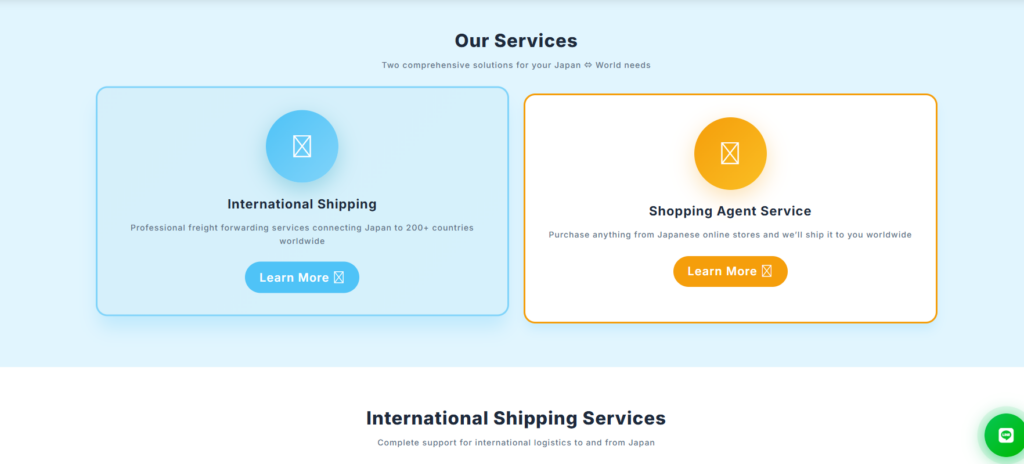
We provide both international shipping and purchasing services, so we can handle both the purchase of products in Japan and the shipment to your country.
Buy Authentic Japanese Products with Our Trusted Shopping Agent Service. We help customers worldwide purchase items directly from popular Japanese online stores such as Amazon Japan, Rakuten, Yahoo! Shopping, Mercari, and more. If a store does not ship internationally, we buy on your behalf and deliver safely to your country. Enjoy access to exclusive Japanese brands, limited editions, electronics, fashion, cosmetics, and collectibles at competitive prices. Our service offers secure payments, careful inspection, reliable packaging, and fast international shipping.
Japanese Product Shopping Agent Service – Buy from Japan and Ship Worldwide
Our Japanese Shopping Agent Service allows customers around the world to purchase authentic products directly from Japan. Many Japanese online stores do not ship internationally, which makes it difficult for overseas buyers to access popular and exclusive Japanese products. Our service solves this problem by purchasing items on your behalf and shipping them safely to your country.
We support a wide range of popular Japanese online marketplaces and retail stores. Whether you are looking for fashion, electronics, cosmetics, collectibles, hobby items, anime goods, daily-use products, or limited Japanese products, we can help you purchase them and arrange reliable international shipping.
We can also help you purchase products from smaller Japanese websites, specialty stores, local shops, and suppliers that may not support overseas customers. In many cases, if the product can be bought in Japan, we can help you buy it. This makes our service ideal for customers in Malta who want flexible access to almost anything sold in Japan.
Our service is suitable for:
• personal shopping from Japan
• Japan proxy buying
• e-commerce sourcing
• wholesale and bulk orders
• limited-edition and hard-to-find Japanese products
• combined shipping to reduce international delivery costs
CTA: If you have a product link, product name, screenshot, or shopping list, send it to us through our contact form. We will check availability, provide support, and help you buy and ship your items from Japan smoothly and safely.
Supported Japanese Shopping Platforms
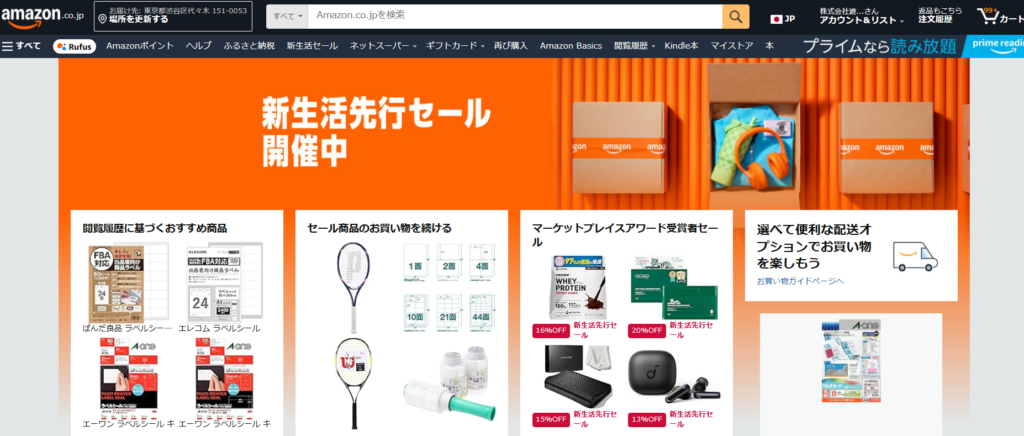
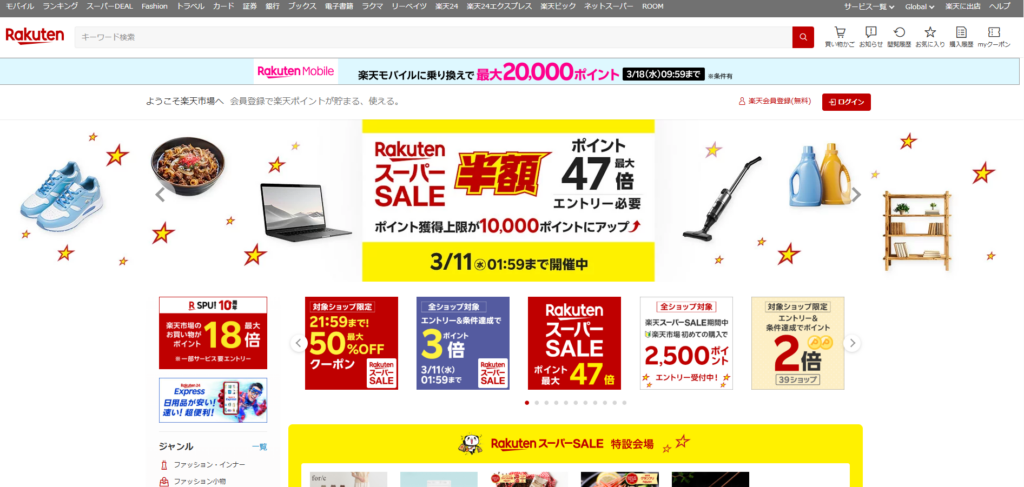
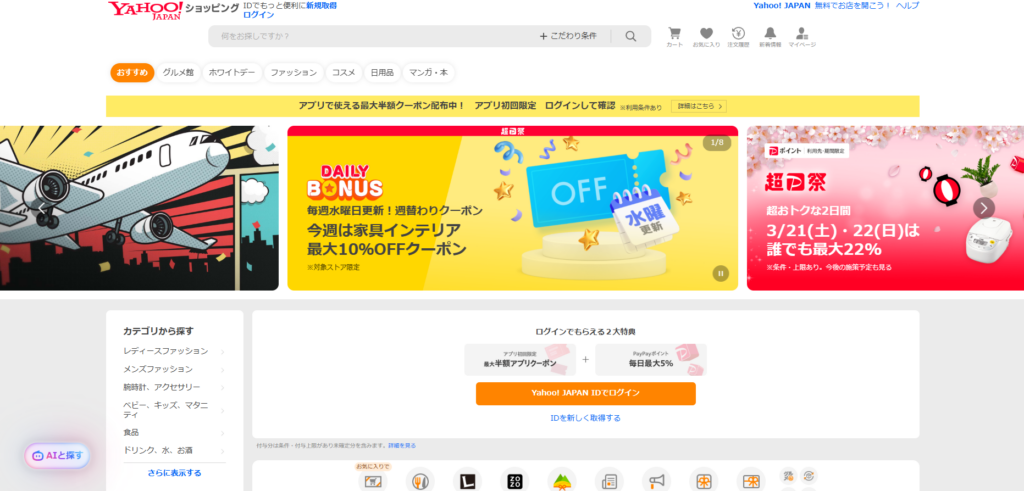
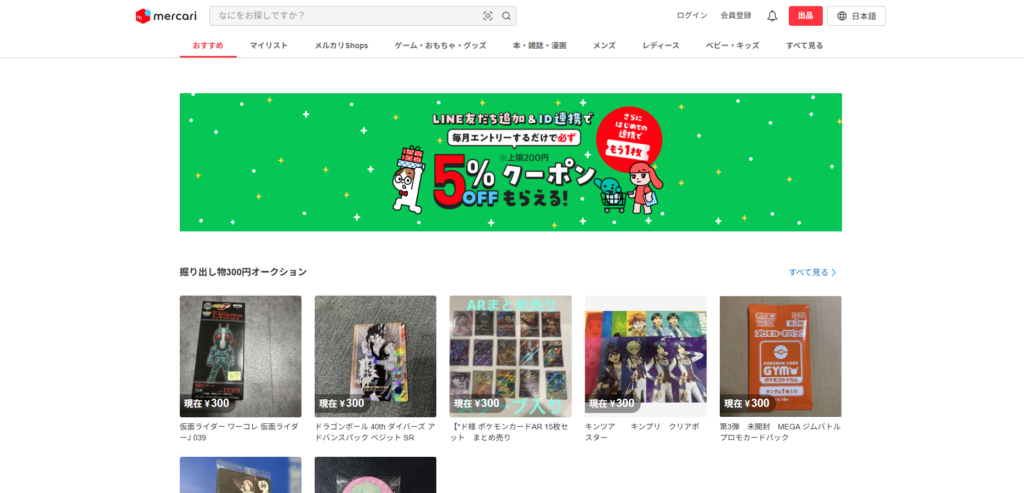

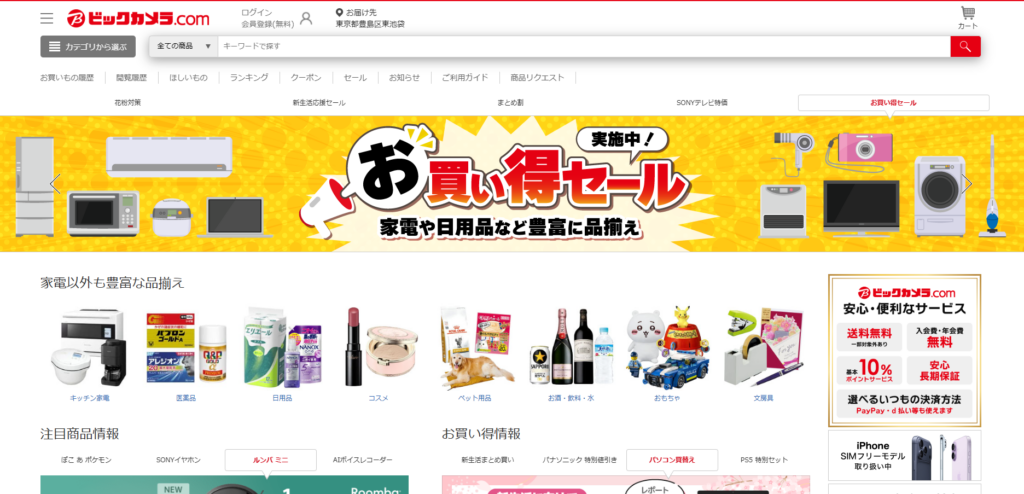
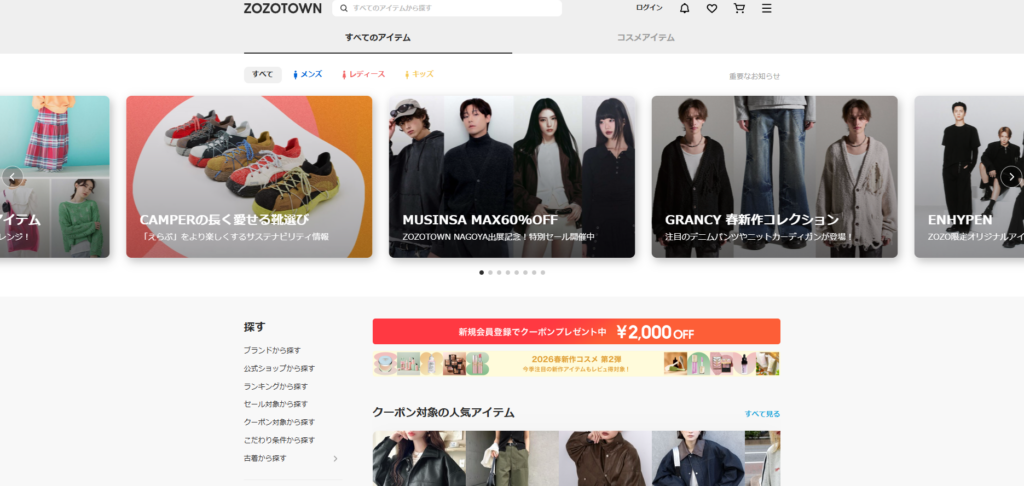
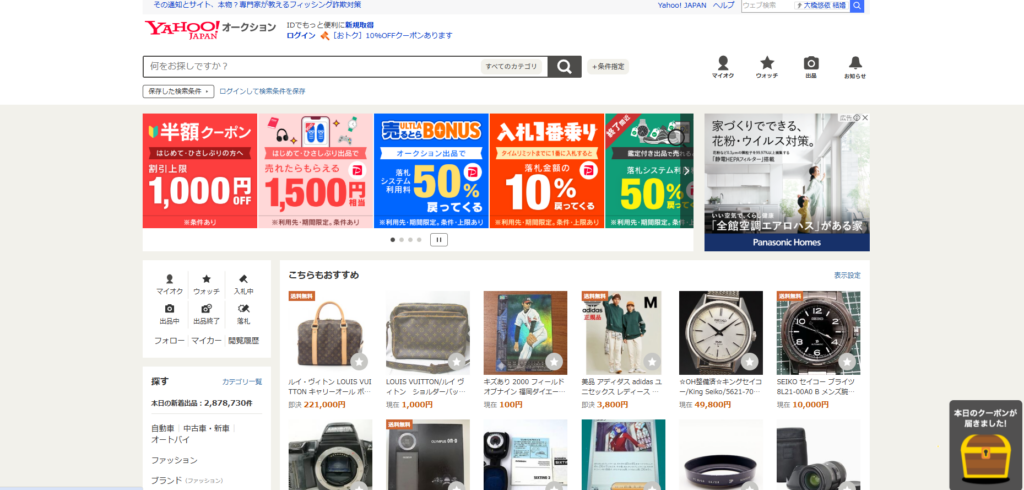
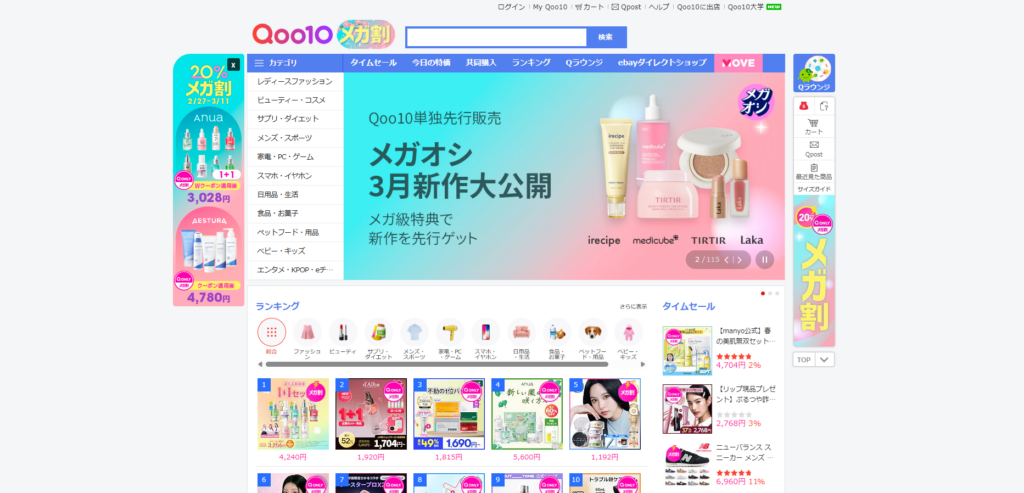
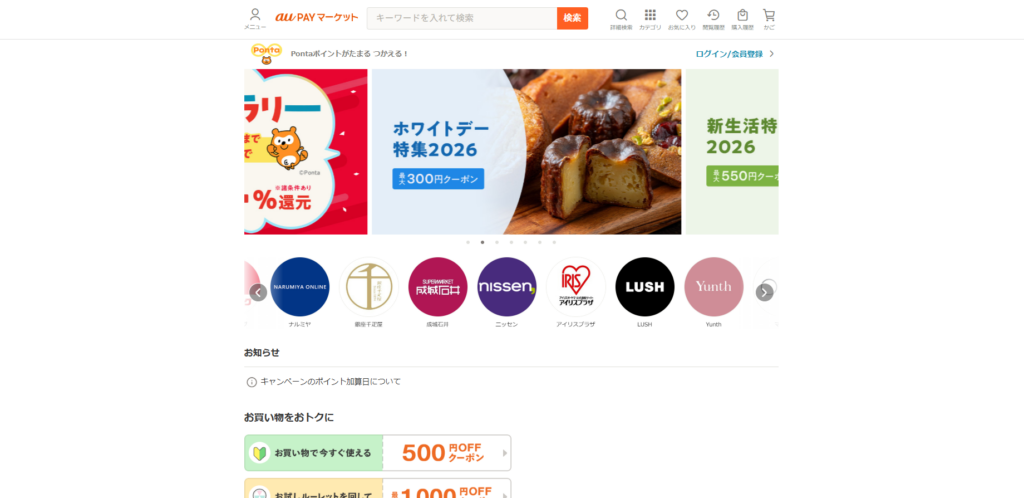
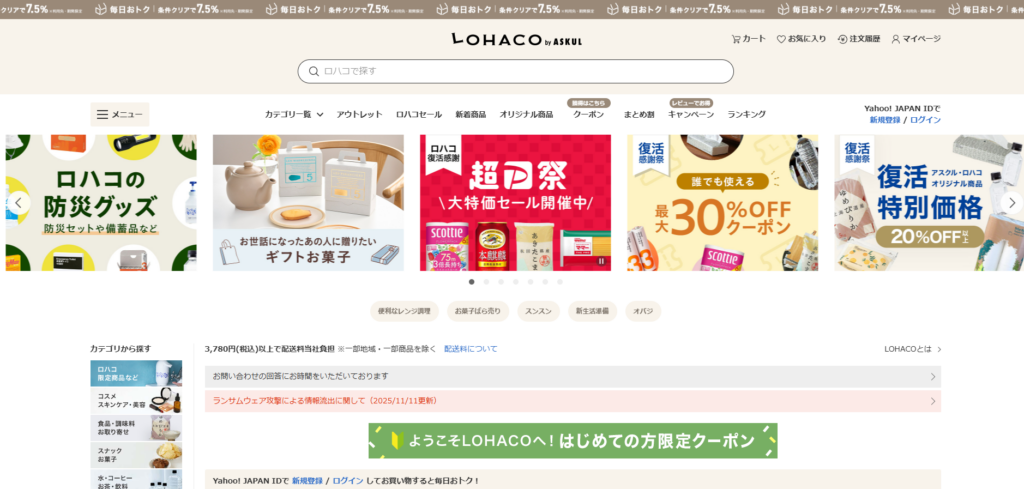
These platforms offer a huge variety of Japanese products that are highly popular worldwide. From the latest Japanese fashion brands to high-quality electronics, cosmetics, lifestyle goods, hobby items, and unique collectibles, you can access many of Japan’s best online stores through our purchasing service.
Even if the product you want is not listed on one of the major platforms above, you can still contact us. We can often assist with purchases from smaller Japanese websites, independent online shops, brand-specific stores, and selected offline products available in Japan. This makes our service highly flexible for customers who want to buy almost anything from Japan.
Contact us through the form below. Please send us your order item links or shopping list. Orders can be placed by chat or email, whichever is more convenient for you.
Important Operational Notes
All shipment information must be provided accurately before dispatch. Incorrect or incomplete information may result in shipment delays, additional costs, or reprocessing fees.
Customers are required to provide carton dimensions and weight in advance, as shipping costs are calculated based on chargeable weight (actual weight vs volumetric weight).
For shipments involving special materials such as wooden packaging, additional processing fees may apply depending on carrier requirements.
While standard shipping fees are clearly defined, any exceptional charges imposed by carriers will be billed separately as actual expenses.
Final Summary and Business Advantage
Shipping from the USA to Japan requires a complete understanding of logistics processes, cost structures, and operational conditions. By preparing accurate documentation, optimizing packaging, and selecting the right logistics partner, businesses can significantly reduce costs while ensuring fast and reliable delivery.
For companies involved in international trade, mastering these logistics fundamentals is essential for maintaining competitive pricing, improving supply chain efficiency, and expanding successfully into the Japanese market.
Introducing Worldwide Courier Japan – Your Trusted International Shipping & Import/Export Logistics Partner.
Worldwide Courier Japan provides low-cost international shipping services both from Japan to worldwide destinations and from overseas to Japan. We specialize in global import and export logistics, offering reliable air freight and sea freight solutions for businesses and individuals.
Our services cover export shipping from Japan as well as import shipping into Japan, including commercial cargo, e-commerce shipments, bulk freight, and personal packages. Whether you need to ship goods overseas or import products into Japan, we provide efficient, fast, and cost-effective logistics solutions.
If you are searching for cheap international shipping from Japan, import shipping to Japan, reliable freight forwarding companies in Japan, or global logistics services, Worldwide Courier Japan is your ideal partner. Contact us today for a free consultation.
Why Choose Worldwide Courier Japan for International Shipping & Import Services?
We offer competitive international shipping rates for both exports from Japan and imports into Japan. Our logistics experts help you choose the most efficient and affordable shipping method, whether via express courier, air cargo, or sea freight. We support small parcels, bulk shipments, and commercial cargo with optimized cost and delivery speed.
As one of the most cost-effective logistics companies in Japan, we help you reduce shipping costs for both outbound and inbound logistics while ensuring secure and reliable delivery worldwide.
Email: info@worldwide-courier-japan.com
WeChat: tradingjapankei
Tel: +81-3-6300-5745
We work with global carriers such as UPS and FedEx to provide fast, secure, and trackable international delivery services. Our network enables seamless shipping from Japan to the world and smooth import logistics into Japan from overseas.
We accept secure payments via Wise and major credit cards. Contact us easily via LINE, WhatsApp, email, or our online inquiry form for quick support and shipping quotations.
If you are looking for cheap shipping from Japan, import services to Japan, reliable freight forwarding in Japan, or cost-effective international logistics solutions, Worldwide Courier Japan is your best choice.
We support both exporting Japanese products worldwide and importing goods from overseas into Japan with efficient and affordable logistics solutions.
We provide both international shipping services and Japan purchasing (shopping agent) services.
Buy authentic Japanese products with our trusted shopping agent service. We also support importing products into Japan from overseas suppliers. Whether you are sourcing goods globally or purchasing from Japan, we handle procurement, inspection, packaging, and international delivery.
We support major platforms such as Amazon, Rakuten, Yahoo! Shopping, and Mercari. If international shipping is not available, we purchase on your behalf and deliver safely worldwide or import into Japan.
Enjoy secure payments, reliable logistics, and professional support for both export and import operations.
Contact us here:
https://worldwide-courier-japan.com/#contact