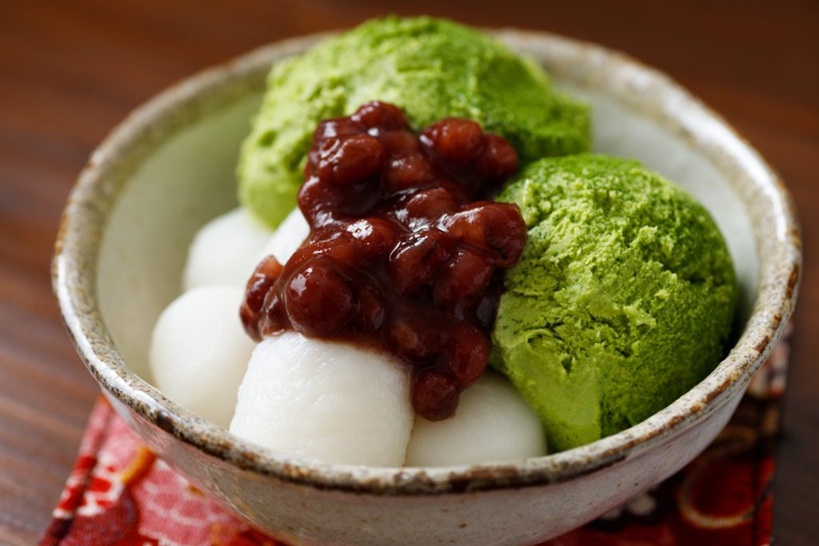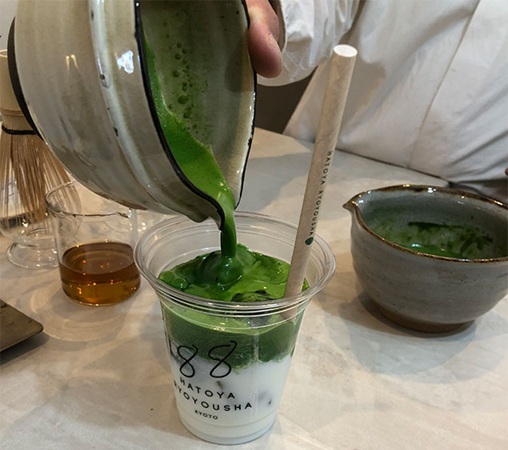
As a leading Japan-to-world logistics partner, this article blends practical tea expertise with smart shipping solutions to help buyers and businesses succeed in cross-border sourcing. Readers will uncover how to distinguish authentic matcha from fakes, informed by production processes, labeling, and sensory cues, while also discovering cost-effective, reliable international forwarding options. The piece highlights a one-stop approach that covers sourcing, inspection, packaging, shipping, customs, and delivery, ensuring safe, compliant, and affordable Japan-to-overseas shipments. Practical checklists, equipment tests, and sample validation steps empower individuals and businesses to reduce risk and maximize value. By showcasing trusted shipping partners and transparent pricing, readers learn how to Buy Japanese products from Japan with confidence, leveraging a Japan proxy shopping service and a Japan forwarding service to reach over 200 countries.
Contact and quotes: https://worldwide-courier-japan.com/#contact
- Foundational Knowledge to Distinguish Genuine Matcha from Fakes
- About International Shipping Rates from Japan
- Canada Export Shipping Rates (Discount Contract Rates)
- Discount Export Shipping Rates from Japan (Asia & International Cargo)
- Hong Kong Export Shipping Rates
- South Korea Export Shipping Rates
- Taiwan Export Shipping Rates
- China (Northern Region: Shanghai, Zhejiang etc.) Export Shipping Rates
- China (Southern Region: Guangdong, Fujian etc.) Export Shipping Rates
- Macau Export Shipping Rates
- Southeast Asia Export Shipping Rates (Malaysia / Vietnam / Philippines / Singapore / Thailand)
- India & Australia Export Shipping Rates
- Europe Export Shipping Rates (Spain / Germany / France / Italy)
- How it works
- Step 1: Prepare the shipment
- Step 2: Email the shipment documents (invoice and packing information) to us.
- Step 3: We email two required documents for shipment (air waybill and invoice) to your shipper.
- Step 4: The carrier picks up the shipment from the pickup location / domestic warehouse, and the shipment is dispatched
- Step 5: Delivery and receipt of the cargo
- Input format
- Transaction flow (detailed version)
- Breakdown of Applicable Charges
- Knowledge About Restricted and Prohibited Items
- Practical Methods to Identify Authentic Matcha
- Introduction: Affordable international shipping from abroad to Japan
- Key Features of Recommended Overseas Freight Forwarding Companies for Japanese Exports
- Buying Japanese Products from Overseas – Easy, Safe, and Reliable Worldwide Delivery
- Japanese Product Shopping Agent Service – Buy from Japan and Ship Worldwide
- Supported Japanese Shopping Platforms
- Important Considerations Before Placing an Order
- Post-Purchase Handling and Storage Guidelines
Foundational Knowledge to Distinguish Genuine Matcha from Fakes

In the world of matcha, authenticity matters not only for flavor but also for nutrition, safety, and price. This section provides a solid framework to separate real ceremonial and culinary grade matcha from imitations. By understanding production, quality labeling, and key sensory cues, both consumers and businesses can reduce risk, protect brand integrity, and ensure a consistent experience for buyers worldwide.
Matcha Production Process and How to Read Quality Labels
Authentic matcha begins with carefully grown green tea leaves, traditionally shaded before harvest to enhance chlorophyll and amino acids. After picking, the leaves are steamed, dried, and ground into a fine powder. During grinding, low heat and quiet operation preserve flavor integrity and prevent oxidation.
Quality labeling is a reliable compass. Look for origin details (region and farm), harvest year, and grade indicators such as ceremonial grade (for traditional whisking), premium or culinary (for recipes). Certifications like organic, and fair-trade marks can further validate integrity. A genuine product will typically disclose:
- Region of origin (e.g., Uji, Nishio, Kagoshima) and sometimes farm-level identifiers
- Harvest season (e.g., 2023 spring harvest)
- Grade designation (ceremonial, premium, or culinary)
- Processing notes (stone-ground, kilned, or air-dried)
- Lot/batch number and production date
Avoid vague labeling such as “ Japanese green tea powder” without origin or grade specifics. Transparent packaging, tamper-evident seals, and consistent packaging weight (typically 30 g, 40 g, or 100 g for consumer packs) are additional red flags to watch for.
Basic Points to Assess Color, Aroma, and Taste
Sensory evaluation is a practical, non-destructive method to gauge authenticity. Use the following benchmarks as a quick reference:
- Color: Genuine matcha displays a vibrant, emerald-green hue with a fine, powdery consistency. Dull or brownish-green shades may indicate older stock, improper storage, or blending with lower-quality materials.
- Aroma: High-quality matcha carries a fresh, grassy, umami-rich scent with subtle sweetness. A stale, sour, or burnt odor suggests oxidation, poor storage, or inferior production.
- Texture: The powder should feel velvety and ultra-fine between fingers. Coarse or gritty texture points to improper milling or adulteration.
- Taste: Real ceremonial-grade matcha offers a delicate balance of sweetness, vegetal umami, and a clean finish. Bitter or astringent profiles dominate when product quality is compromised or the leaf-to-stem ratio is off.
Other indicators include solubility (high-quality matcha dissolves quickly in water with minimal foaming) and aftertaste (lingering, pleasant sweetness vs. harsh bitterness). When in doubt, compare a sample with a trusted reference and consider batch-specific notes from the producer.
About International Shipping Rates from Japan

◇ Shipping rate table (price per kg)
Japan → United States (U.S./North America/Central America)
※ UPS fastest service level with tracking number. ※
※ We can also handle EMS, International ePacket, air mail, SAL, and sea freight via Japan Post—please let us know if you prefer these options..
※ UPS fastest service level with tracking number ※
【United States (U.S./North America/Central America) Export Preferred Rates】
・1kg :4,030円
1.5kg :4,451円
2kg :4,963円
2.5kg :5,409円
3kg :5,889円
3.5kg :6,271円
4kg :6,701円
4.5kg :7,164円
5kg :7,580円
5.5kg :7,674円
6kg :7,878円
6.5kg :8,160円
7kg :8,317円
7.5kg :8,601円
8kg :8,727円
8.5kg :8,867円
9kg :9,087円
9.5kg :9,306円
10kg :9,464円
10.5 :18,790円
11kg : 19,257円
11.5kg:19,526円
12kg : 19,760円
12.5kg: 20,094円
13kg : 20,431円
13.5kg: 20,798円
14kg : 21,132円
14.5kg: 21,432円
15kg : 21,904円
15.5kg: 22,204円
16kg : 22,571円
16.5kg: 22,877円
17kg : 23,242円
17.5kg: 23,578円
18kg : 23,946円
18.5kg: 24,183円
19kg : 24,449円
19.5kg: 24,851円
20kg : 25,388円
・21-49kg :900円/ per 1kg
・50-99kg :710円/ per 1kg
・100-299kg:620円/ per 1kg
・300-499kg:615円/ per 1kg
・500-999kg:610円/ per 1kg
・1000-5000kg:605円/ per 1kg
Canada Export Shipping Rates (Discount Contract Rates)
The following are our special discounted shipping rates for exporting parcels from Japan to Canada. These rates are designed for international shipments using reliable courier services with secure customs clearance.
| Weight | Shipping Cost |
|---|---|
| 1 kg | 4,030 JPY |
| 1.5 kg | 4,451 JPY |
| 2 kg | 4,963 JPY |
| 2.5 kg | 5,409 JPY |
| 3 kg | 5,889 JPY |
| 3.5 kg | 6,271 JPY |
| 4 kg | 6,701 JPY |
| 4.5 kg | 7,164 JPY |
| 5 kg | 7,580 JPY |
| 5.5 kg | 7,674 JPY |
| 6 kg | 7,878 JPY |
| 6.5 kg | 8,160 JPY |
| 7 kg | 8,317 JPY |
| 7.5 kg | 8,601 JPY |
| 8 kg | 8,727 JPY |
| 8.5 kg | 8,867 JPY |
| 9 kg | 9,087 JPY |
| 9.5 kg | 9,306 JPY |
| 10 kg | 9,464 JPY |
| 10.5 kg | 18,790 JPY |
| 11 kg | 19,257 JPY |
| 11.5 kg | 19,526 JPY |
| 12 kg | 19,760 JPY |
| 12.5 kg | 20,094 JPY |
| 13 kg | 20,431 JPY |
| 13.5 kg | 20,798 JPY |
| 14 kg | 21,132 JPY |
| 14.5 kg | 21,432 JPY |
| 15 kg | 21,904 JPY |
| 15.5 kg | 22,204 JPY |
| 16 kg | 22,571 JPY |
| 16.5 kg | 22,877 JPY |
| 17 kg | 23,242 JPY |
| 17.5 kg | 23,578 JPY |
| 18 kg | 23,946 JPY |
| 18.5 kg | 24,183 JPY |
| 19 kg | 24,449 JPY |
| 19.5 kg | 24,851 JPY |
| 20 kg | 25,388 JPY |
Bulk Shipping Rates
| Weight Range | Rate per kg |
|---|---|
| 21 – 49 kg | 900 JPY / kg |
| 50 – 99 kg | 710 JPY / kg |
| 100 – 299 kg | 620 JPY / kg |
| 300 – 499 kg | 615 JPY / kg |
| 500 – 999 kg | 610 JPY / kg |
| 1,000 – 5,000 kg | 605 JPY / kg |
These international shipping rates allow businesses and individuals to ship goods from Japan to Canada efficiently and cost-effectively. Large-volume shipments receive significantly reduced per-kilogram rates, making them ideal for e-commerce exports, bulk cargo, and commercial logistics.
Discount Export Shipping Rates from Japan (Asia & International Cargo)
Below are our special discounted international cargo shipping rates for exporting goods from Japan. These bulk shipping prices are ideal for businesses, e-commerce sellers, and logistics companies shipping large cargo volumes overseas.
Hong Kong Export Shipping Rates
| 21 – 50 kg | 750 JPY / kg |
| 50 – 100 kg | 550 JPY / kg |
| 100 – 299 kg | 400 JPY / kg |
| 300 – 999 kg | 380 JPY / kg |
| 1000 – 2000 kg | 350 JPY / kg |
| Over 2000 kg | 320 JPY / kg |
South Korea Export Shipping Rates
| 21 – 50 kg | 850 JPY / kg |
| 50 – 100 kg | 650 JPY / kg |
| 100 – 299 kg | 520 JPY / kg |
| 300 – 999 kg | 510 JPY / kg |
| 1000 – 2000 kg | 500 JPY / kg |
| Over 2000 kg | 490 JPY / kg |
Taiwan Export Shipping Rates
| 21 – 50 kg | 850 JPY / kg |
| 50 – 100 kg | 650 JPY / kg |
| 100 – 299 kg | 520 JPY / kg |
| 300 – 999 kg | 510 JPY / kg |
| 1000 – 2000 kg | 500 JPY / kg |
| Over 2000 kg | 490 JPY / kg |
China (Northern Region: Shanghai, Zhejiang etc.) Export Shipping Rates
| 21 – 50 kg | 850 JPY / kg |
| 50 – 100 kg | 650 JPY / kg |
| 100 – 299 kg | 520 JPY / kg |
| 300 – 999 kg | 510 JPY / kg |
| 1000 – 2000 kg | 500 JPY / kg |
| Over 2000 kg | 490 JPY / kg |
China (Southern Region: Guangdong, Fujian etc.) Export Shipping Rates
| 21 – 50 kg | 1350 JPY / kg |
| 50 – 100 kg | 1150 JPY / kg |
| 100 – 299 kg | 980 JPY / kg |
| 300 – 999 kg | 970 JPY / kg |
| 1000 – 2000 kg | 960 JPY / kg |
| Over 2000 kg | 950 JPY / kg |
Macau Export Shipping Rates
| 21 – 50 kg | 850 JPY / kg |
| 50 – 100 kg | 650 JPY / kg |
| 100 – 299 kg | 520 JPY / kg |
| 300 – 999 kg | 510 JPY / kg |
| 1000 – 2000 kg | 500 JPY / kg |
| Over 2000 kg | 490 JPY / kg |
Southeast Asia Export Shipping Rates (Malaysia / Vietnam / Philippines / Singapore / Thailand)
| 21 – 49 kg | 600 JPY / kg |
| 50 – 99 kg | 480 JPY / kg |
| 100 – 299 kg | 360 JPY / kg |
| 300 – 499 kg | 358 JPY / kg |
| 500 – 999 kg | 350 JPY / kg |
| 1000 – 2000 kg | 348 JPY / kg |
India & Australia Export Shipping Rates
| 21 – 49 kg | 1000 JPY / kg |
| 50 – 99 kg | 890 JPY / kg |
| 100 – 299 kg | 750 JPY / kg |
| 300 – 499 kg | 730 JPY / kg |
| 500 – 999 kg | 720 JPY / kg |
| 1000 – 2000 kg | 690 JPY / kg |
Europe Export Shipping Rates (Spain / Germany / France / Italy)
| 21 – 49 kg | 1200 JPY / kg |
| 50 – 99 kg | 990 JPY / kg |
| 100 – 299 kg | 850 JPY / kg |
| 300 – 499 kg | 830 JPY / kg |
| 500 – 999 kg | 820 JPY / kg |
| 1000 – 2000 kg | 790 JPY / kg |
These discounted cargo shipping rates from Japan are ideal for bulk shipments, international trade, and cross-border e-commerce. Businesses shipping larger volumes benefit from significantly reduced per-kilogram costs, making global logistics more efficient and affordable.
The above rates are unit prices per kilogram. Please refer to the examples on the right for the shipping cost rate by weight.
In addition to the above shipping fees, a fuel surcharge will apply. Monthly or weekly fuel surcharge fees are charged depending on the carrier you use.
Any duties, import taxes, etc. incurred during local customs clearance will be billed by the carrier to the consignee.
How it works
We offer good service.worldwide-courier provides international logistics and international shipping (air freight) services that arrange shipping on behalf of trading businesses.
The United States・We support imports and exports not only with China and Hong Kong, but also Korea, the U.S., Europe, Southeast Asia, India, Africa, and many other countries.

By using major couriers (FedEx/UPS/DHL), we provide stable and speedy delivery, and with the overwhelmingly low shipping rates offered by worldwide-courier, we help reduce your existing delivery costs and overall procurement costs.
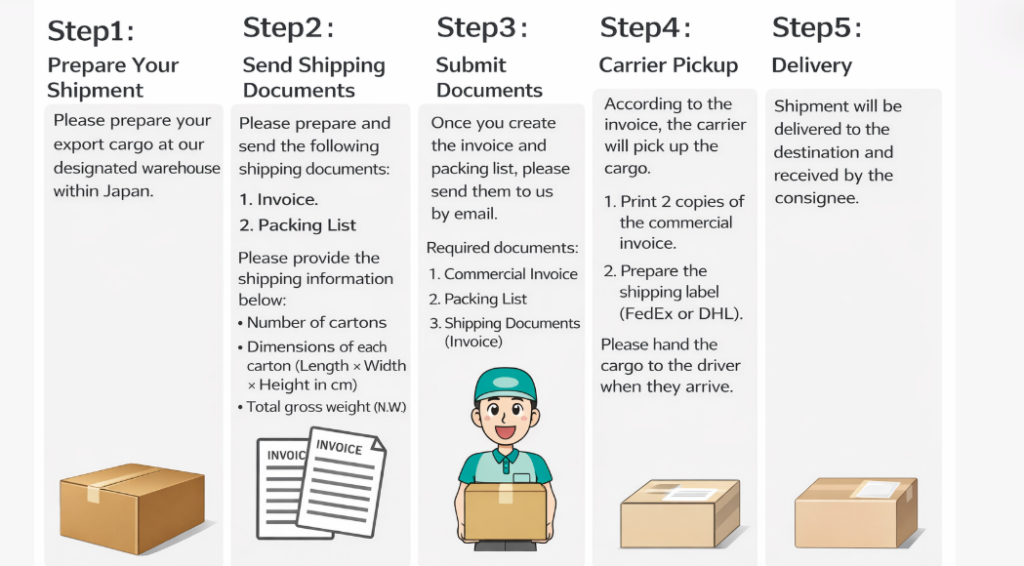
Step 1: Prepare the shipment
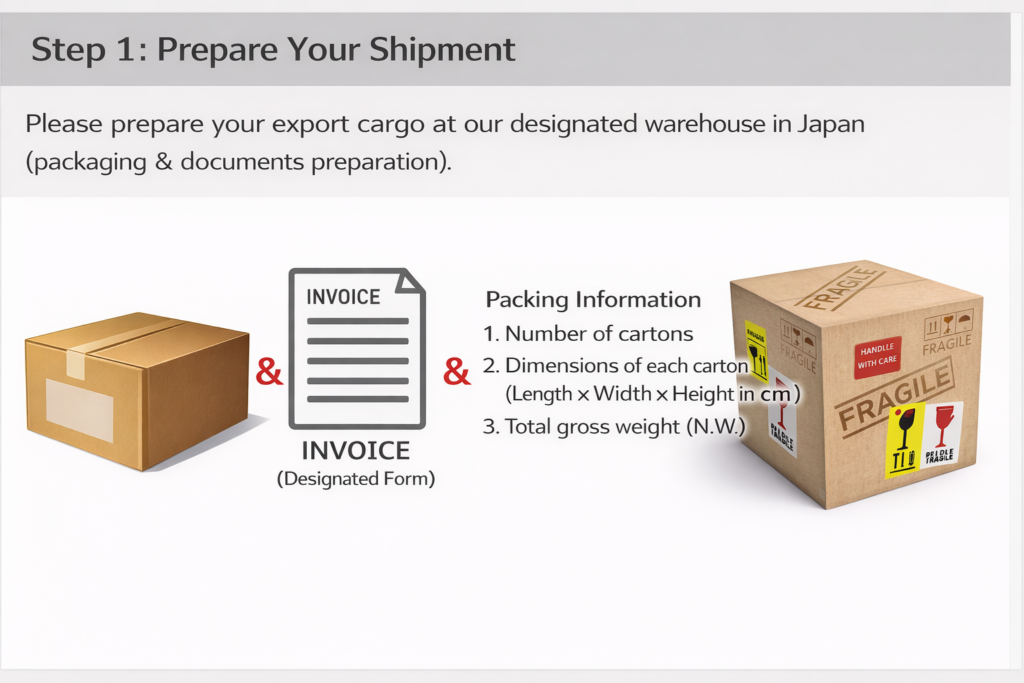
Prepare the shipment at the domestic pickup location (packing & document preparation).
Step 2: Email the shipment documents (invoice and packing information) to us.
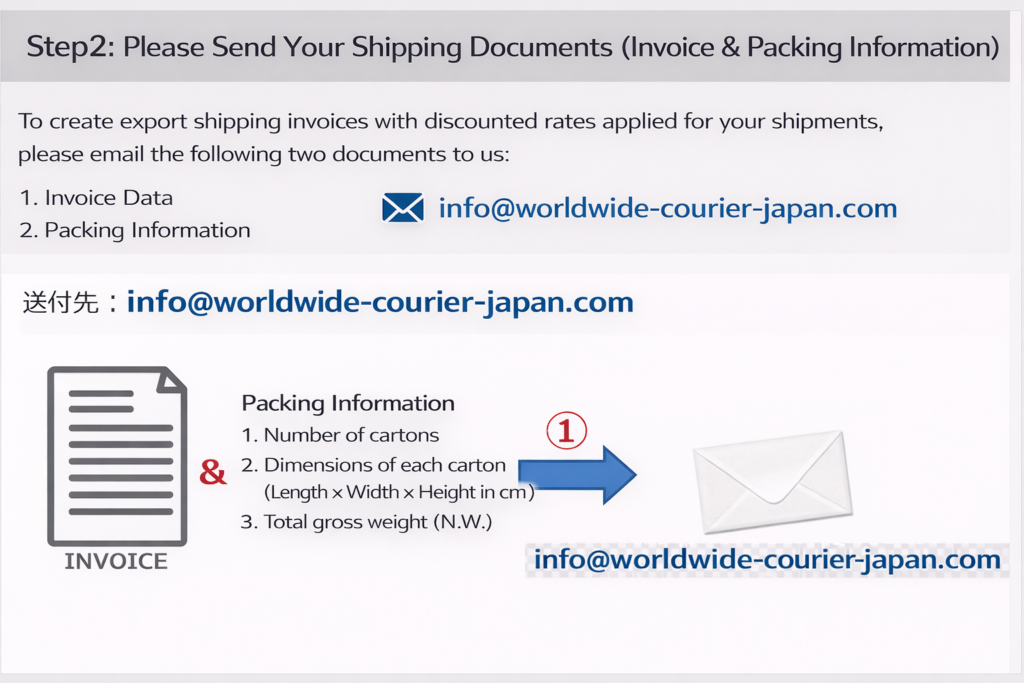
We will create the shipping documents using the special discounted rate provided for each customer. Please email the following two documents as attachments to our office.
1. “Invoice”
2. “Packing List”
Send to: info@worldwide-courier-japan.com
< Items that often end up missing on the invoice >
1. Postal code (shipper side)
2. Contact person name (shipper side)
3. Pickup phone number (shipper side)
※ The above three items are required to create the documents.
If any of this information is missing, we cannot create the documents, so please confirm in advance and submit your request accordingly.
< Required information on the packing list >
1. Total number of cartons
2. The three dimensions of each carton: length (cm), width (cm), height (cm)
3. Total weight (N.W.): total weight after packing
※ In some cases, the packing list lacks the above information. As it is required for document creation, please confirm in advance before requesting.
※ If you do not have a packing list, please confirm the above information with the shipper and share it with us.
< About “Chargeable Weight” used to determine shipping fees >
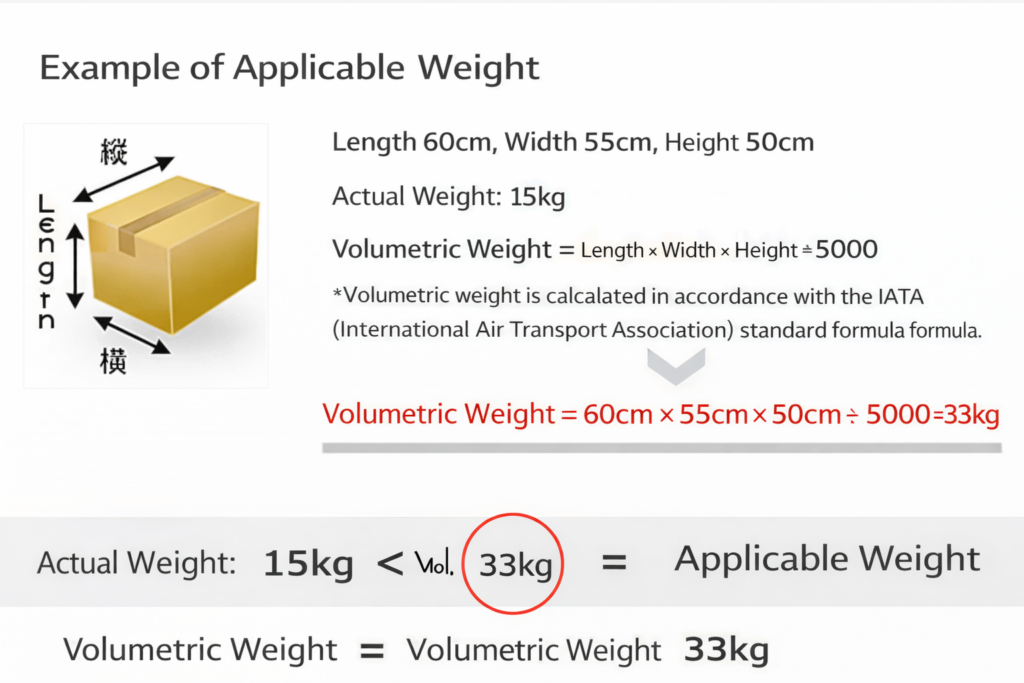
Based on IATA (International Air Transport Association) standards, the larger of the “actual weight after packing” and the “dimensional (volumetric) weight after packing” is adopted as the “chargeable weight.”
Step 3: We email two required documents for shipment (air waybill and invoice) to your shipper.
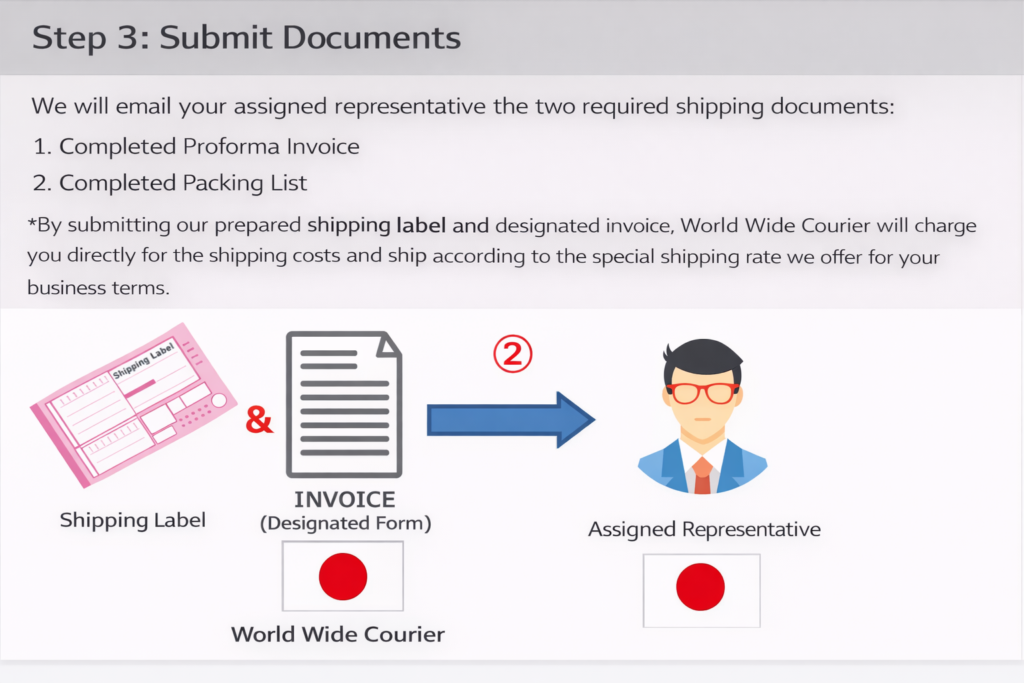
We will email two required documents for shipment (air waybill and invoice) to your 담당者.
1. Confirm any missing information in the “Invoice” and “Packing List” you provided.
2. Based on the above, we will prepare the “Air Waybill” and “Invoice (specified form)” on our side and email them to your 담당者.
※ By shipping using the “Air Waybill” and “Invoice (specified form)” created by us, the shipping charges will be billed to us. This enables you to ship using the applicable rate provided for each customer. Under your individual 거래 조건, we will invoice you for the shipping fees.
Step 4: The carrier picks up the shipment from the pickup location / domestic warehouse, and the shipment is dispatched
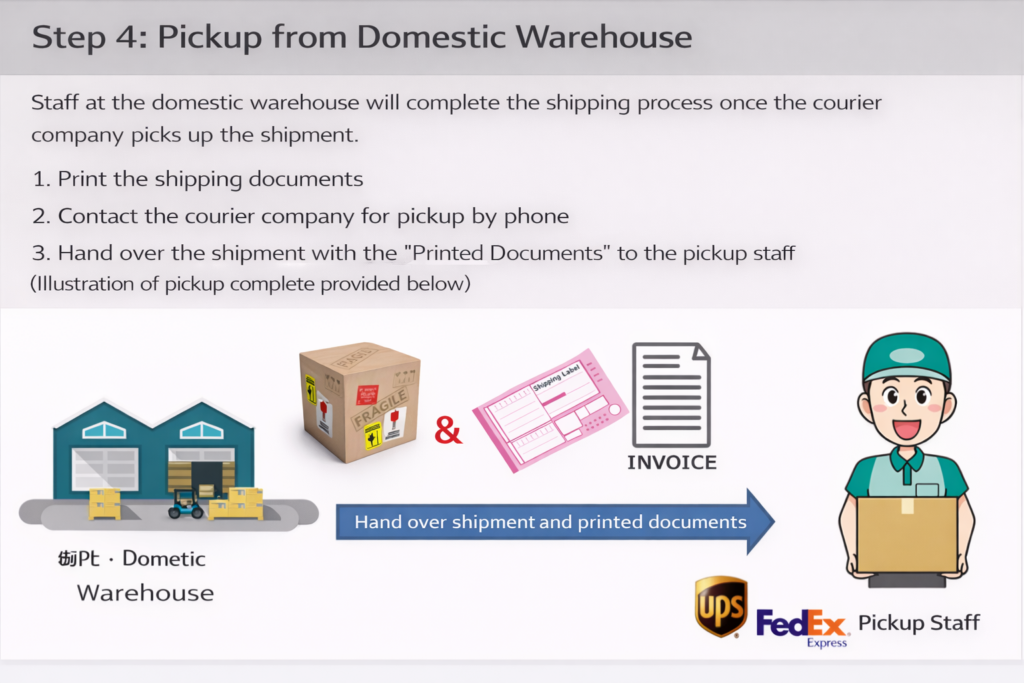
At the domestic pickup location:
1. Print the documents
2. Call the carrier to request pickup
3. Hand the “cargo” and the “two printed documents” to the pickup staff to complete dispatch
Step 5: Delivery and receipt of the cargo
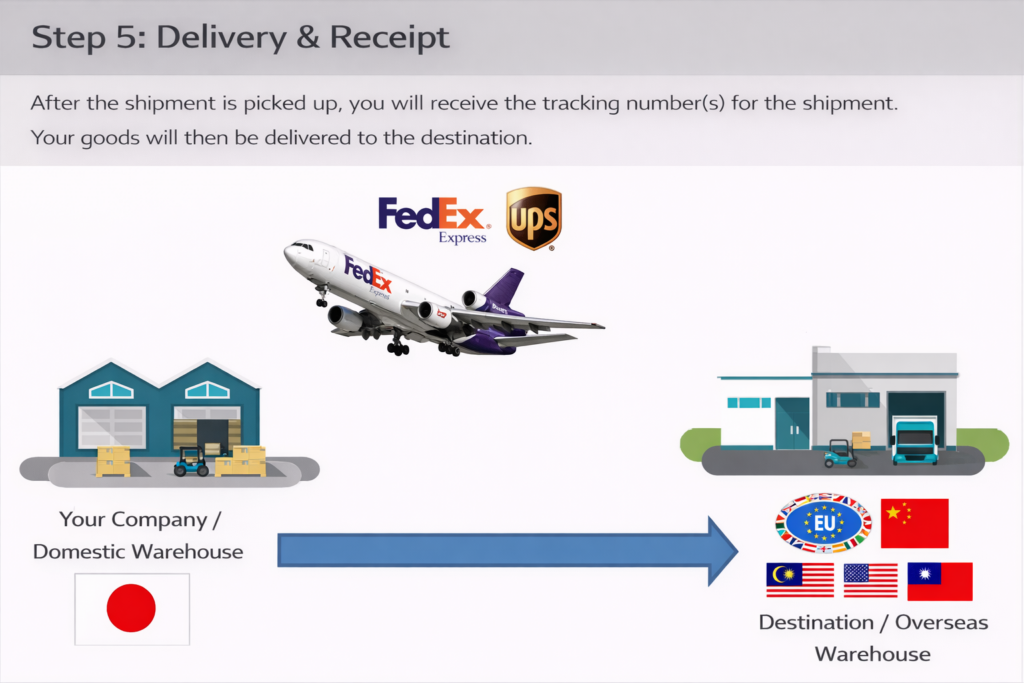
After dispatch, we will provide the tracking number. Your goods will then be delivered.

worldwide-courier provides low-cost delivery from Japan to the United States (U.S./USA) by air and sea. We support both exports and imports, so worldwide-courier reponce pls.
If you provide the information below, we can create the local shipping label.
Input format
◇ Pickup information (From)
1. Company name (or full name)
2. Contact person name
3. Postal code
4. Address
5. Phone number
※ This is the information for the location where the pickup will actually be made.
◇ Delivery address (To)
1. Company name (or full name) (※ Please 반드시 write in English.)
2. Contact person name (※ Please 반드시 write in English.)
3. Postal code
4. Address (※ Please 반드시 write in English.)
5. Phone number
◇ Packing information
1. Number of cartons
2. Total weight
3. Three dimensions of each carton (length, width, height in cm)
◇ Invoice information
・Product name (Please 반드시 write in English.)
・Unit price (Either currency is fine)
・Quantity
If you provide the above information, we can arrange the shipment. worldwide-courier offers low-cost delivery from Japan to the United States (U.S./USA) by air and sea. We support both exports and imports, so worldwide-courier reponce pls.
We look forward to your request.
Please let us know your current shipping frequency and shipping costs, if any.
Regarding your planned shipping date:
If you can also tell us around when you plan to ship, it will make the process smoother.
You can ship at the above rates.
For exports, we can create the shipping documents if you reply with the completed invoice as an attachment, or if you provide the information below.
◇ Pickup information (From)
1. Company name (or full name)
2. Contact person name
3. Postal code
4. Address
5. Phone number
※ This is the information for the location where the pickup will actually be made.
◇ Delivery address (To)
1. Company name (or full name) (※ Please 반드시 write in English.)
2. Contact person name (※ Please 반드시 write in English.)
3. Postal code
4. Address (※ Please 반드시 write in English.)
5. Phone number
◇ Packing information
1. Number of cartons
2. Total weight
3. Three dimensions of each carton (length, width, height in cm)
◇ Invoice information
・Product name (Please 반드시 write in English.)
・Unit price (Either currency is fine)
・Quantity
We will also guide you through the transaction flow.
Transaction flow (detailed version)
< Flow >
1. Please reply with the invoice.
2. If there are no issues with the information, we will book the pickup.
※ Pickup can be arranged as early as the next business day after your package is ready. (We typically book a window around 11:00–17:00.)
< Details: Export cargo transaction flow (Japan → destination country) >
The pickup process is as follows.
1. Please contact us after you finish packing your shipment.
2. Please prepare the invoice and packing information (number of cartons, weight, and three dimensions per carton).
※ 2-1. Shipper (Japan side): address, postal code, name, phone number, company name
2-2. Consignee (delivery destination): local address, postal code, name, phone number, company name
2-3. Product name and unit price
3. After we confirm (2) and there are no issues, we will arrange the pickup.
4. Within 1–2 business days, the carrier will come to your指定 location for pickup.
* We will email you the electronic data for the air waybill, so please hand the invoice and air waybill together with the package to the pickup staff.
5. Shipment is dispatched.
7. Local customs clearance processing (personal / commercial)
8. If there are no issues, the shipment clears customs.
9. Delivery is completed.
* Steps 5–8 typically take about 2–5 days to arrive if there are no issues.
* You will receive a tracking number as a shipment record.
Breakdown of Applicable Charges
1. Freight charges and fuel surcharge
2. Import duties, VAT/GST, customs clearance fees, and other local charges in the destination country, if applicable
The chargeable weight is calculated based on the larger of the actual weight and volumetric weight after packing.
Knowledge About Restricted and Prohibited Items
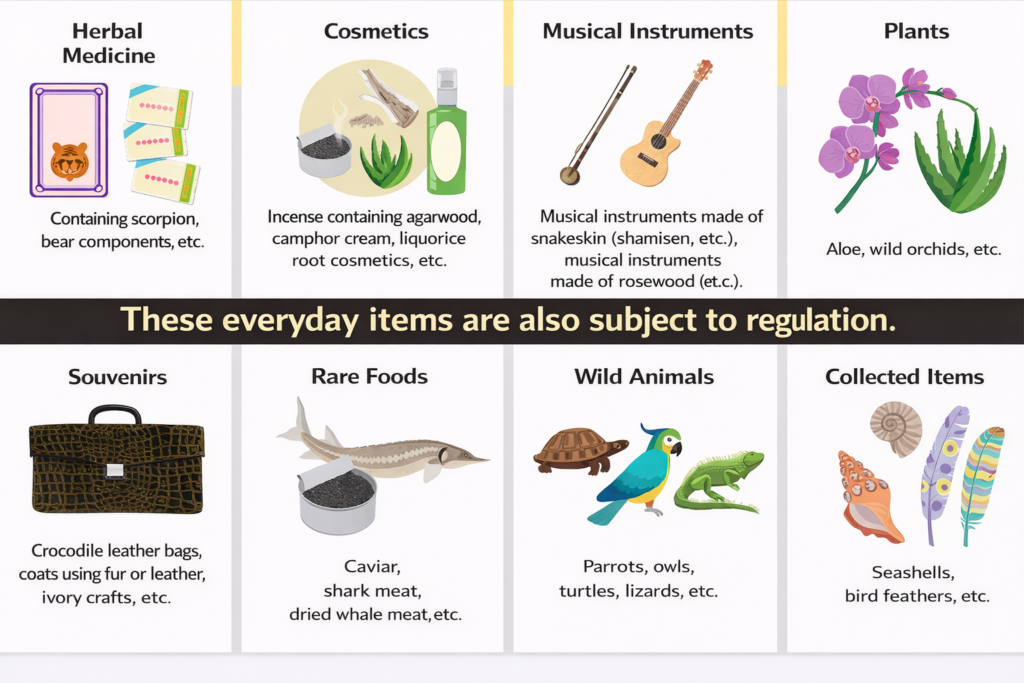
Certain items may be restricted or prohibited for international shipping depending on the destination country and carrier regulations. These may include dangerous goods, flammable materials, compressed gases, liquids, medicines, medical devices, firearms, tobacco products, perishables, seeds, plants, animals, chemicals, valuables, and CITES-regulated items.
In addition to the items listed above, other products may also be restricted depending on local import regulations. Some items may have shipping limitations, licensing requirements, or value restrictions.
Please contact us in advance if you are unsure whether your items can be shipped internationally from Japan.
That concludes our overview of international shipping from Japan to overseas destinations.
Practical Methods to Identify Authentic Matcha

Understanding how to distinguish genuine matcha from impostors starts with practical inspection techniques that you can perform at home or in a professional setting. By focusing on powder texture, flavor balance, and verification using appropriate tools, you can confidently assess quality and authenticity. This section provides concise, actionable steps that align with the overall goal of Buy Japanese products from Japan through reliable proxy shopping and forwarding services.
Smoothness and Fineness of the Powder
What to look for:
– Texture: Genuine ceremonial-grade matcha should feel ultra-smooth between the fingertips, with a velvety, almost talc-like finish. It should not feel gritty or clump excessively when dispersed in water.
– Particle size: High-quality matcha typically exhibits a very fine grind, often resembling powdered sugar in fineness. Coarser powders may indicate lower grade, bulk grinding, or improper milling.
– Clumping: If the powder forms large lumps that resist breaking apart, it may have moisture exposure or inferior processing. Break the clumps gently between clean fingers; authentic powder disperses evenly when whisked.
– Color consistency: Uniform emerald-green color with minimal yellow or brown specks suggests controlled processing and fresh leaf material. Variegated hues can signal older or lower-grade stock.
How to test quickly:
1) Place a small amount of powder in a sifter and gently shake over a cup to assess dispersion. 2) Rub a pinch between your fingers to feel for silkiness versus graininess. 3) Prepare a small whisked bowl with hot water (80–85°C) and observe how quickly and smoothly the powder dissolves into a frothy, creamy emulsion without large bubbles.
Bluing Aroma and Flavor Balance: Bitterness vs Umami
What to look for:
– Aroma: Fresh matcha should release a sweet, vegetal aroma with subtle grass notes. A stale or musty scent indicates poor storage or age.
– Bitterness: A clean, well-balanced grind presents a gentle bitterness that fades quickly as sweetness and umami take the lead. Excessive bitterness can signal overharvesting time, subpar cultivar, or improper preparation.
– Umami and sweetness: High-quality matcha presents a harmonious balance where natural sweetness and savory umami complement the mild bitterness, leaving a lingering smooth aftertaste.
– Aftertaste: Authentic matcha offers a lingering, pleasant grassy or seaweed-like aftertone rather than a dry or metallic finish.
How to test quickly:
1) Prepare a small cup using 1–2 grams of powder and 60–70 ml of water at 70–80°C. 2) Whisk vigorously to create a creamy froth. 3) Sip slowly and note the sequence: initial sweetness, mid-palate bitterness, and final umami. A well-balanced cup will show a mild, smooth finish without astringency.
Tips for consistent evaluation:
– Compare with a known high-grade matcha to calibrate your palate.
– Document notes on aroma, color, texture, taste, and aftertaste for future reference and supplier comparisons.
Verifications Using Equipment and Accessories
Tools and checks to employ:
– Ceremonial chawan or tasting cup: Use a clean, neutral vessel to assess color and froth without interference from residual flavors.
– Bamboo whisk (chasen): A high-quality chasen integrates air smoothly, producing a stable microfoam. The absence of large bubbles or collapsed foam indicates proper whisking technique and powder quality.
– Sifter or mesh sieve: Helps assess powder fineness and remove clumps, ensuring even dissolution.
– Scale: Accurately measure powder (1–2 g) and water (60–70 ml) for reproducible tasting sessions.
– Thermometer: Maintain water temperature around 70–80°C to reveal flavor profile without scorching delicate compounds that influence aroma and balance.
Standard verification procedure:
1) Sift 1–2 g of powder into the cup. 2) Add 60–70 ml of water at 70–80°C. 3) Whisk with a chasen for 10–15 seconds until a fine, consistent foam forms. 4) Observe color and foam stability; note fragrance emitted during whisking. 5) Taste and record bitterness, sweetness, and umami balance. 6) Repeat with a known reference matcha for benchmarking.
Additional checks for authenticity:
– Packaging integrity: Look for tamper-evident seals, batch numbers, and storage guidance.
– Store conditions: True matcha is best kept in a cool, dark place, away from humidity; strong exposure can degrade aroma and flavor quickly.
– Source transparency: Prefer suppliers who provide origin, harvest time, and grade indicators (ceremonial vs culinary) to support reliable evaluation.
Introduction: Affordable international shipping from abroad to Japan

In today’s global marketplace, Japanese products remain highly sought after worldwide. For international buyers, the prospect of acquiring authentic Japanese items—ranging from electronics and fashion to niche collectibles and household goods—presents both opportunity and complexity. A reliable, cost-efficient shipping partner that can handle every step—from purchase to delivery—can dramatically improve margins and customer satisfaction. This article introduces practical options for shipping to Japan at competitive rates, while highlighting the advantages of a seamless, end-to-end service provider with extensive cross-border experience.
Why the demand for Japanese products abroad is set to continue growing
The appeal of Japanese goods stems from a combination of quality, innovation, and trusted branding. Consumer electronics, premium cosmetics, fashion-forward apparel, and limited-edition items from Japan’s vibrant retail ecosystem attract buyers across Asia, Europe, the Americas, and beyond. Several factors drive sustained demand:
– Quality assurance: Japanese manufacturing standards and durable performance foster repeat purchases from international retailers and individual buyers.
– Access to diverse inventories: From mainstream brands to rare, vintage, and exclusive items, overseas buyers benefit from Japan’s expansive domestic market.
– Cultural trends: Anime, Japanese pop culture, and lifestyle products maintain global popularity, fueling ongoing demand for collectibles and merchandise.
– Evolving logistics: Streamlined customs procedures, competitive freight rates, and reliable delivery networks enable cost-effective, time-efficient procurement for global buyers.
For buyers, the combination of a strong product ecosystem and mature logistics translates into more opportunities to source authentic Japanese items at favorable total costs, when paired with an experienced shipping partner who understands cross-border nuances.
Recommended shipping companies that cover both import to Japan and export from Japan
To maximize savings and simplify operations, consider a one-stop shipping partner that can handle both inbound shipments to Japan and outbound shipments from Japan. Key capabilities to look for include:
– Global coverage to 200+ countries, with experienced handling of both individual and corporate shipments
– Integrated services: purchase代理, inspection, packing, freight (air or sea), customs clearance, and final delivery
– Transparent pricing with predictable, low total cost due to in-house logistics capabilities
– Comprehensive risk management: accurate tracking, reliable insurance options, and proven problem-resolution processes
Recommended practice when evaluating providers:
1) Assess procurement reach: Can the partner access Japanese retailers, marketplaces, and wholesalers for both new and used items?
2) Compare transport modes: Air for speed, sea for economy, and multimodal options that align with product type and urgency.
3) Verify end-to-end support: From purchase assistance through delivery, including packaging optimization to prevent damage during transit.
4) Confirm compliance expertise: Clear guidance on import regulations, duties, and documentation to minimize delays.
Examples of reputable channels that enable access to Japanese products include major marketplaces and retailers, which partners can source on behalf of international buyers:
– Amazon Japan: https://www.amazon.co.jp/
– Rakuten: https://www.rakuten.co.jp/
– Yahoo Shopping: https://shopping.yahoo.co.jp/
– Mercari: https://jp.mercari.com/
– Uniqlo Japan: https://www.uniqlo.com/jp/ja/
– Bic Camera: https://www.biccamera.com/
– ZOZOTOWN: https://zozo.jp/
– Yahoo Auctions: https://auctions.yahoo.co.jp/
– LOHACO: https://lohaco.yahoo.co.jp/
Beyond these platforms, many buyers request sourcing from other retailers or direct manufacturers. A capable shipping partner should accommodate such requests and provide a transparent, end-to-end solution tailored to each shipment.
In practice, a strong overseas-to-Japan and Japan-to-overseas shipping partner acts as a single, integrated hub for procurement, inspection, packaging, freight, customs, and delivery. This “one-stop” approach helps reduce total logistics costs, shorten lead times, and mitigate typical cross-border risks. By consolidating services under one provider, buyers can unlock better pricing, more predictable timelines, and a smoother experience from order placement to final receipt.
<2>Choosing an Affordable and Reliable International Shipping Forwarder
Finding a cost-effective and dependable international shipping forwarder is crucial for any business or individual sending goods abroad. The right partner can simplify complex logistics, reduce total landed cost, and ensure your items arrive on time and in good condition. This guide breaks down two essential pillars: transparent pricing and measurable reliability. By the end, you’ll have a clear framework to compare providers and select a partner that aligns with your goals.
Pricing Comparison and Cost Transparency
Transparent pricing is the foundation of trust in international logistics. When evaluating forwarders, look for:
– Comprehensive rate cards: understand all charges, including base freight, fuel surcharges, security fees, remote area fees, handling, and documentation costs. Hidden fees can dramatically affect total cost.
– All-in-one quotes: prefer providers offering consolidated quotes for door-to-door service or end-to-end solutions (purchase, inspection, packaging, shipping, customs clearance, and delivery).
– Clear service levels: distinguish between economy, standard, and premium options based on transit times, handling, and insurance coverage.
– Transparent weight and dimensional pricing: confirm how charges are calculated for bulky or dimensional weight shipments to avoid surprises at pickup.
– Currency and payment terms: identify currency options, invoicing cadence, and late payment penalties. Flexible terms can impact cash flow for growing businesses.
– Break-even and cost-saving opportunities: ask about consolidations, batching, or volume discounts for frequent shipments or high-value consignments.
Practical tip: request a sample quote for a representative shipment, and verify whether all potential fees are disclosed and explained. A reputable forwarder will provide a detailed breakdown and explain any conditional charges.
Reliability Metrics (Tracking, Insurance, Delivery Performance)
Reliability is about predictability and risk management. Use these metrics to gauge performance:
– Tracking visibility: ensure real-time end-to-end tracking with clear status updates, proactive alerts for delays, and portal access.
– Insurance options and coverage: confirm available coverage levels, claim procedures, and exclusions. For high-value or delicate items, confirm whether full replacement value is insured and how claims are handled.
– Delivery performance: request historical on-time delivery rates, average transit times by route, and performance against Service Level Agreements (SLAs).
– Handling and damage records: review damage incidence rates, packaging standards, and procedures for reporting and filing damage claims. A robust forwarder will assist with root-cause analysis and corrective actions.
– Customs clearance efficiency: gauge time in customs, know-how of import/export regulations, and percentage of shipments cleared without delays. Experience with multi-country compliance reduces risk.
– Customer support responsiveness: evaluate response times, multilingual support, and escalation paths for issues during transit.
– Security and compliance: verify measures such as bonded warehousing, tamper-evident packaging, and compliance with international trade regulations.
Practical tip: ask for representative performance dashboards or case studies demonstrating consistency across different trade lanes and seasons. A reliable forwarder will share measurable data and be transparent about variability.
Key Features of Recommended Overseas Freight Forwarding Companies for Japanese Exports

Choosing the right overseas freight forwarder is crucial for Japanese exporters and cross-border retailers. A top-tier forwarder should offer a seamless, end-to-end logistics experience that minimizes delays, protects product integrity, and provides transparent, proactive support. The following sections outline the essential features to look for, with a practical focus on Japanese shipments and cross-border commerce.
Japan-Oriented Carrier Network and Arrival Time Benchmarks
Insight into a forwarder’s Japan-centric network is critical. The best partners maintain robust connections with major Japanese suppliers, manufacturers, and e-commerce platforms to secure reliable pickup slots and access to a wide range of inventory. They should offer:
– Extensive air and sea routes from Japan to global destinations, including multi-carrier options to optimize cost and transit time.
– Explicit transit-time guarantees or realistic, published arrival windows by service level (express, standard, economy).
– Real-time shipment visibility with proactive status updates (departure, in-transit, arrival, customs screening, final delivery).
– Flexible handling for high-demand periods (peak seasons, holidays) with contingency planning to avoid delays.
– Clear guidance on port congestion, vessel schedules, and potential drayage or inland transit adjustments that affect last-mile timing.
For exporters, this translates into predictable delivery timelines, enabling accurate ETA planning for wholesale, retail, or D2C fulfillment. A trustworthy forwarder also provides practical examples of typical transit times for common routes (Japan to North America, Europe, Southeast Asia, etc.), helping you set realistic expectations with customers.
Quality Assurance and Robust Troubleshooting Framework
Quality control and rapid problem resolution are the backbone of reliable international logistics. Leading forwarders demonstrate a comprehensive QA/crisis-management system, including:
– Pre-shipment verification options (packaging checks, product condition notes, and quantity verification) to minimize discrepancies.
– Protective, purpose-built packaging and damage-preventive handling standards that align with product sensitivity (fragile electronics, glassware, cosmetics, or perishables).
– Insurance coverage that matches shipment value and risk profile, with straightforward claims processes and transparent documentation requirements.
– Real-time exception reporting and proactive risk assessments (weather, port congestion, regulatory holds) with recommended mitigation steps.
– Dedicated account management and regional specialists who understand Japanese regulations, labeling requirements, and customs formalities, ensuring compliant and smooth transit.
– 24/7 support channels and multilingual communications to assist with urgent issues outside local business hours.
Additionally, reputable forwarders publish clear service-level agreements (SLAs), uptime guarantees for tracking systems, and performance metrics (on-time delivery rates, claim settlement times). For Japanese exporters, such a framework reduces uncertainty, improves customer satisfaction, and supports scalable growth through dependable cross-border operations.
Buying Japanese Products from Overseas – Easy, Safe, and Reliable Worldwide Delivery
Many Japanese online stores do not offer international shipping. However, customers overseas can still purchase authentic Japanese products easily by using a professional Japan proxy shopping service.
A proxy shopping service purchases products on behalf of international customers in Japan and ships them overseas. This allows buyers worldwide to shop from popular Japanese marketplaces such as Amazon Japan, Rakuten, Mercari, and Yahoo Auctions, even when those stores do not ship internationally.
Our service can also combine multiple orders into a single shipment, which can significantly reduce international shipping costs. This is one of the most efficient ways to buy from Japan while keeping total costs low.
We introduce Worldwide-Courier.
①Shipping service
We offer Worldwide-Courier, providing low-cost delivery from Japan to Malta and worldwide by air and sea. We support both exports from Japan and imports into Japan, so please feel free to contact us for a consultation or inquiry.
We are one of the most affordable logistics companies in Japan. We provide competitive shipping rates and reliable international delivery services.
email:info@worldwide-courier-japan.com
wechat:tradingjapankei
tel:+81-3-6300-5745
We provide international export logistics from Japan to over 200 countries worldwide. As one of Japan’s most cost-effective shipping companies, we help reduce transportation costs between Japan and your country with competitive pricing and dependable service. We utilize trusted global carriers such as UPS and FedEx to ensure fast, secure, and trackable delivery.
Payment is accepted via Wise or major credit cards for safe and convenient international transactions. You can easily contact us through LINE, WhatsApp, email, or our online inquiry form.
If you are looking for affordable Japan export shipping, a reliable Japanese logistics partner, and lower international freight costs, we are your best choice. Contact us today and start saving on your shipments from Japan.
With the current weak Japanese yen (JPY), overseas customers can significantly reduce their total product purchasing and international shipping costs from Japan.
Because our Japan-origin freight forwarding rates are based in Japanese yen, overseas businesses and individual buyers can benefit from favorable exchange rates, resulting in lower effective costs for air freight, sea freight, proxy shopping, and international shipping services.
If you are looking for cheap shipping from Japan, low-cost air or ocean freight, or reliable customs clearance support, now is an excellent time to take advantage of the favorable currency difference.
Contact us today for a free consultation and a competitive shipping quotation.
②Japan product agent service
We can buy Japanese products and ship them to countries worldwide.
We provide both international shipping and purchasing services, so we can handle both the purchase of products in Japan and the shipment to your country.
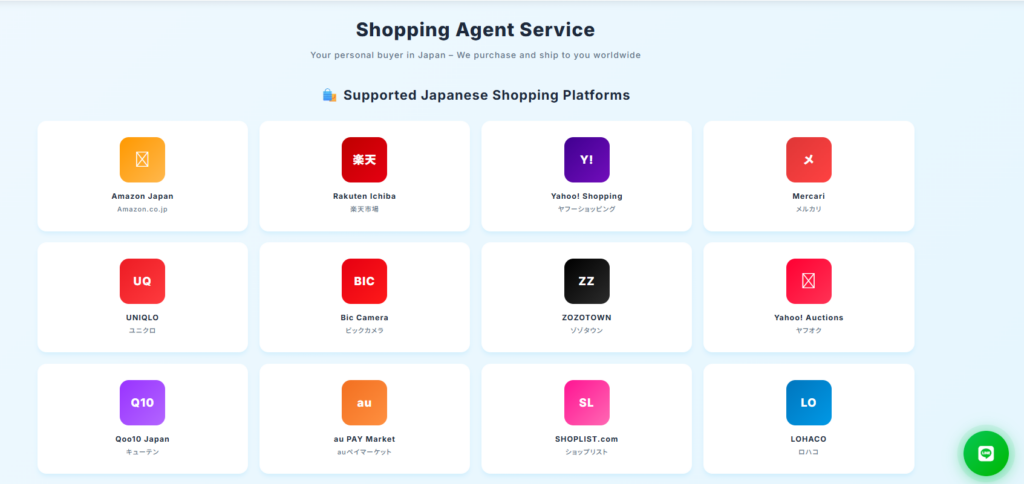
Buy Authentic Japanese Products with Our Trusted Shopping Agent Service. We help customers worldwide purchase items directly from popular Japanese online stores such as Amazon Japan, Rakuten, Yahoo! Shopping, Mercari, and more. If a store does not ship internationally, we buy on your behalf and deliver safely to your country. Enjoy access to exclusive Japanese brands, limited editions, electronics, fashion, cosmetics, and collectibles at competitive prices. Our service offers secure payments, careful inspection, reliable packaging, and fast international shipping.
Japanese Product Shopping Agent Service – Buy from Japan and Ship Worldwide
Our Japanese Shopping Agent Service allows customers around the world to purchase authentic products directly from Japan. Many Japanese online stores do not ship internationally, which makes it difficult for overseas buyers to access popular and exclusive Japanese products. Our service solves this problem by purchasing items on your behalf and shipping them safely to your country.
We support a wide range of popular Japanese online marketplaces and retail stores. Whether you are looking for fashion, electronics, cosmetics, collectibles, hobby items, anime goods, daily-use products, or limited Japanese products, we can help you purchase them and arrange reliable international shipping.
We can also help you purchase products from smaller Japanese websites, specialty stores, local shops, and suppliers that may not support overseas customers. In many cases, if the product can be bought in Japan, we can help you buy it. This makes our service ideal for customers in Malta who want flexible access to almost anything sold in Japan.
Our service is suitable for:
• personal shopping from Japan
• Japan proxy buying
• e-commerce sourcing
• wholesale and bulk orders
• limited-edition and hard-to-find Japanese products
• combined shipping to reduce international delivery costs
CTA: If you have a product link, product name, screenshot, or shopping list, send it to us through our contact form. We will check availability, provide support, and help you buy and ship your items from Japan smoothly and safely.
Supported Japanese Shopping Platforms
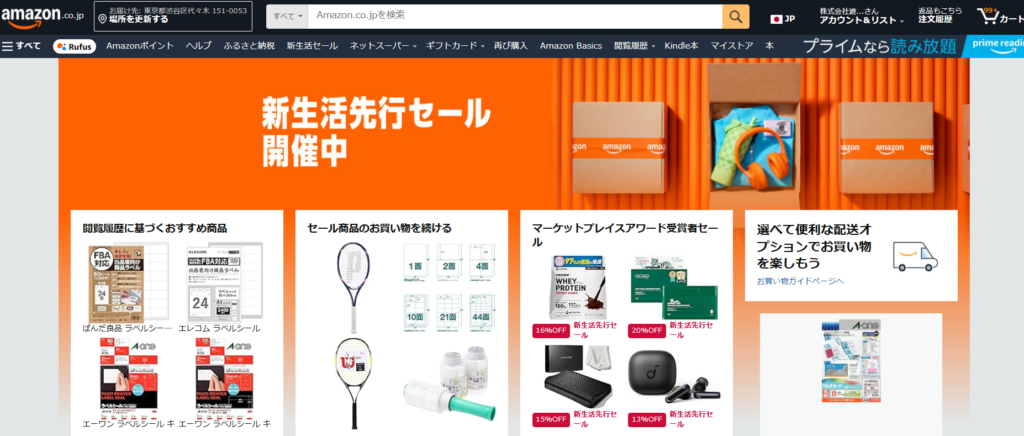
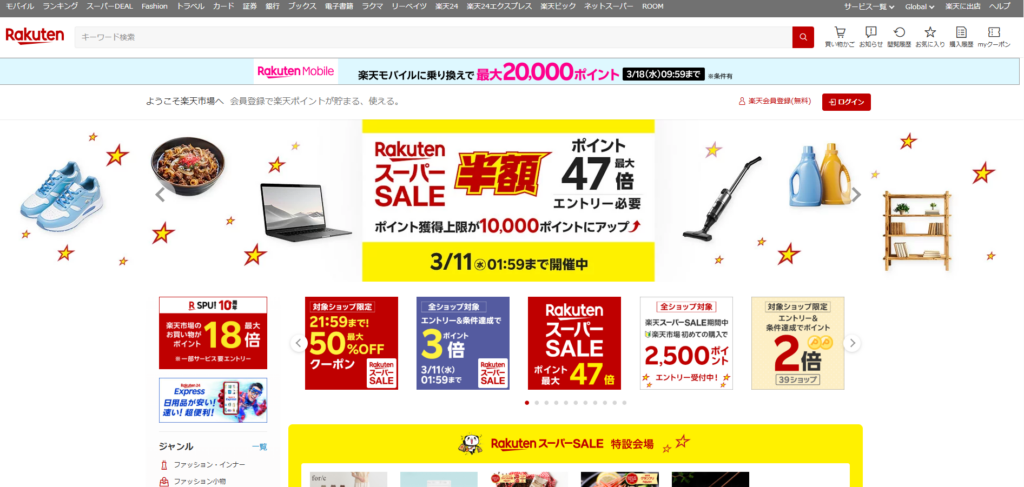
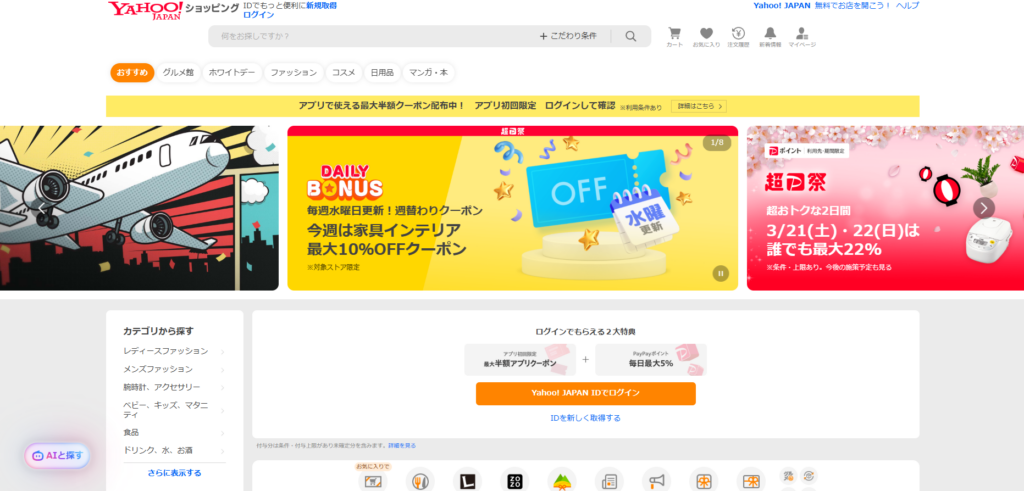
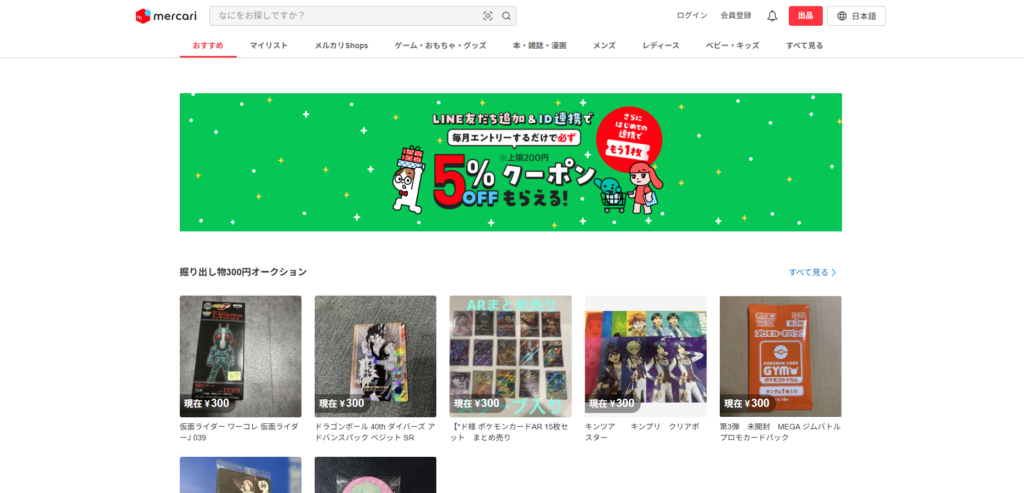

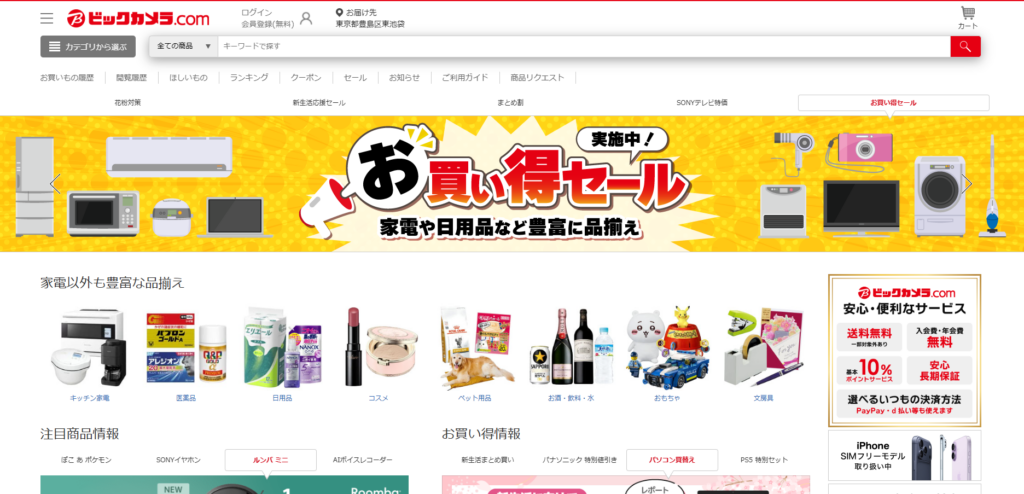
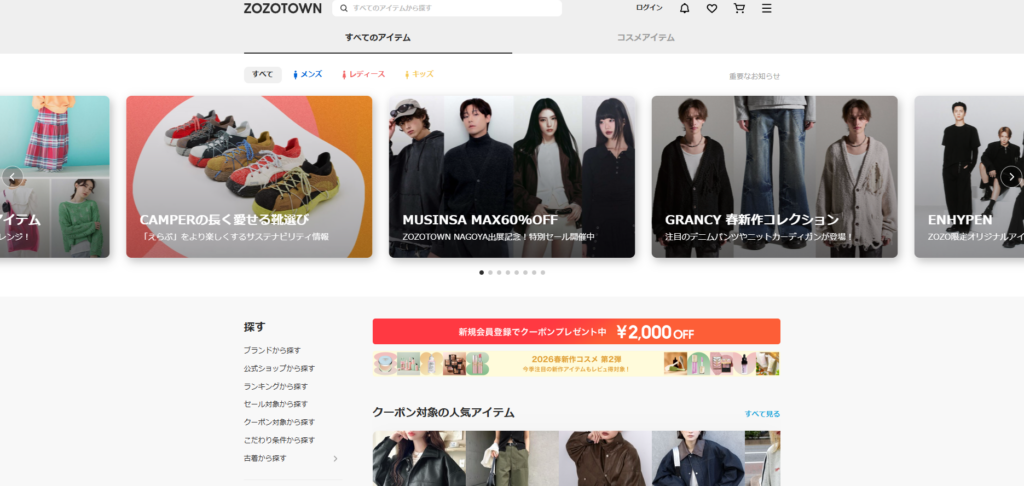
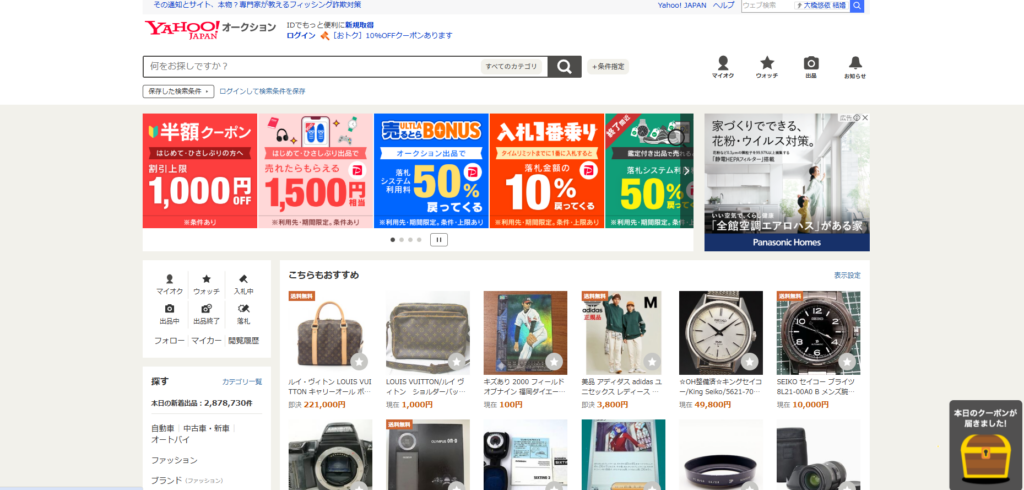
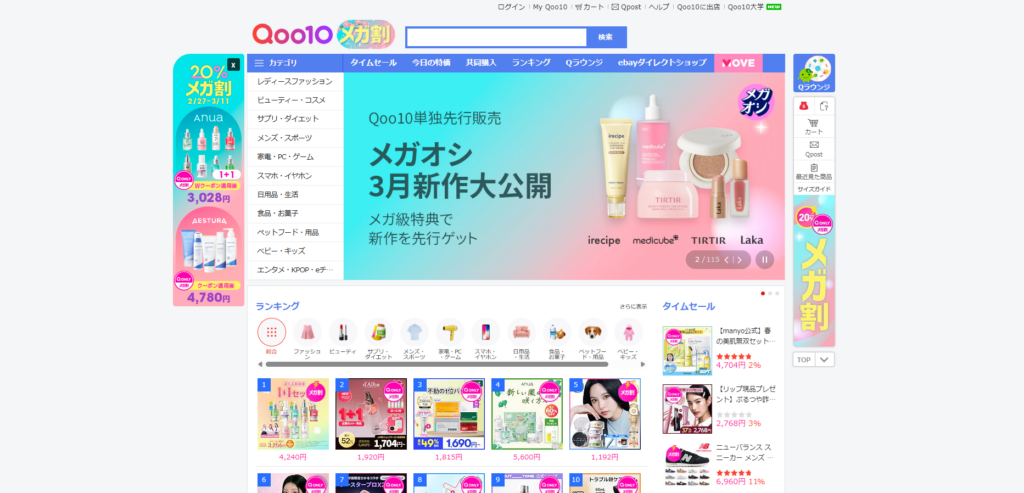
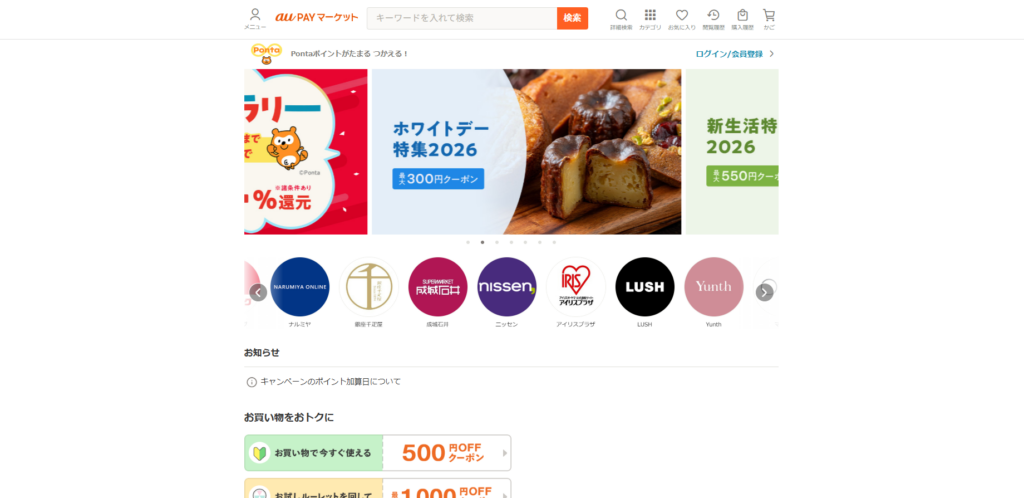
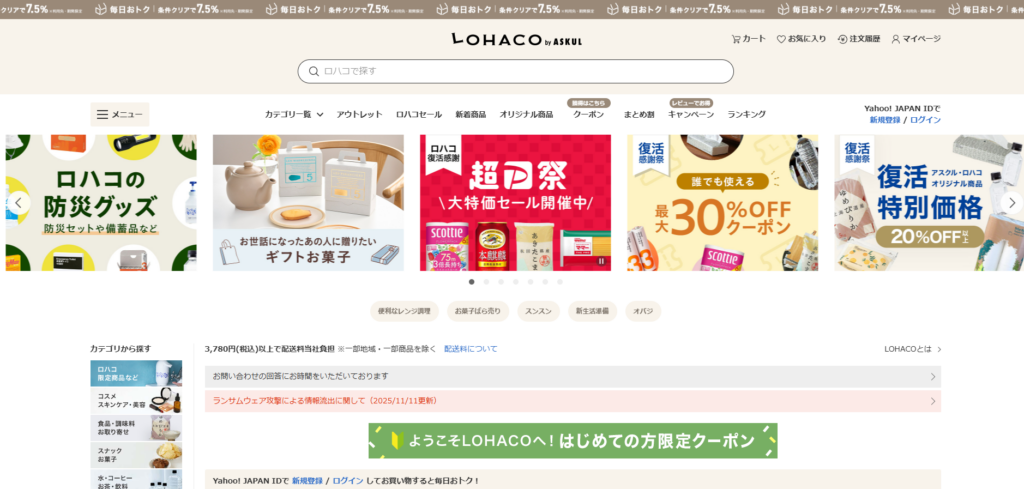
These platforms offer a huge variety of Japanese products that are highly popular worldwide. From the latest Japanese fashion brands to high-quality electronics, cosmetics, lifestyle goods, hobby items, and unique collectibles, you can access many of Japan’s best online stores through our purchasing service.
Even if the product you want is not listed on one of the major platforms above, you can still contact us. We can often assist with purchases from smaller Japanese websites, independent online shops, brand-specific stores, and selected offline products available in Japan. This makes our service highly flexible for customers who want to buy almost anything from Japan.
Contact us through the form below. Please send us your order item links or shopping list. Orders can be placed by chat or email, whichever is more convenient for you.
Important Considerations Before Placing an Order

Before you proceed with purchasing Japanese products for international delivery, a solid checklist helps prevent delays, extra costs, and compliance issues. This section outlines the essential regulatory basics, duties, and practical steps to verify product viability for your market. By understanding these points, buyers can streamline the process from procurement to delivery, ensuring a smooth experience with a Japan-based proxy shopping and forwarding partner.
Overview of Import Regulations and Tariffs
Understanding import regulations and tariffs is the cornerstone of successful cross-border purchasing. Regulations vary by country and product category, influencing whether items can be imported, required documentation, and possible restrictions on certain materials or goods. Key considerations include:
– Product eligibility: Some items may be restricted or require certifications (electrical safety, health declarations, or environmental compliance). Verify that your chosen product meets national standards and labeling requirements.
– HS classification and duties: Goods are classified under Harmonized System (HS) codes. Accurate classification affects the tariff rate and eligibility for any preferential duties. Misclassification can lead to delays or penalties. A trusted forwarding partner can assist with correct documentation and classification guidance.
– VAT/GST and local taxes: Many countries apply value-added tax or goods and services tax on imports, calculated based on the item value, shipping, and insurance. Some markets offer exemptions for sample quantities or gifts, but rules vary widely.
– import licenses and permits: Certain products (pharmaceuticals, cosmetics, food items, electronics) may require licenses, permits, or certificates. Ensure you or your supplier can provide the necessary documentation.
– Regulatory compliance and labeling: Products may need specific labeling (language, safety warnings, ingredient lists) and packaging standards. Non-compliance can cause seizure or fines at arrival.
Practical steps to minimize risk:
– Confirm regulatory requirements with the destination country’s customs or a qualified customs broker before ordering.
– Request product specifications, certifications, and safety data sheets from the supplier early in the process.
– Use a reputable proxy shopping and forwarding service with robust knowledge of international regulations and traceable shipments.
– Prepare clear commercial invoices, accurate item descriptions, and HS codes to facilitate smooth customs clearance.
Sample Acquisition and Verification Recommendations
Obtaining samples before committing to large purchases can save time and reduce risk. A well-planned sampling approach allows you to assess quality, authenticity, and compatibility with your market. Consider these best practices:
– Define scope and goals: Decide which attributes to verify (material quality, color accuracy, size, functionality, packaging). Establish acceptance criteria and a maximum sample value.
– Request legitimate samples: Seek official product samples from authorized distributors or brands when possible. If direct samples are not feasible, ask for certified copies or third-party test results.
– Document condition and authenticity: Upon receipt, photograph and measure the sample, noting any defects, color variations, or missing components. Compare with catalog specifications and product listings.
– Evaluate durability and usage: For electronics or appliances, test basic functions within safety guidelines. For cosmetics or food items, review ingredient lists for compatibility with your market regulations and consumer preferences.
– Packaging and import readiness: Confirm that samples arrive in compliant packaging suitable for international transport. Ensure necessary labeling or documentation accompanies the sample.
– Lead time and forecast: Use sampling timelines to inform supplier lead times and overall ordering schedules. Align sample reviews with your shipping plan to avoid bottlenecks.
Partnering with a reliable Japan-based proxy shopping and forwarding company can facilitate sample requests, provide translations, handle compliant documentation, and coordinate safe, well-documented shipments to your country. This collaborative approach helps you assess quality while maintaining efficiency and cost control.
Post-Purchase Handling and Storage Guidelines

Effective post-purchase handling and proper storage are essential to preserve the quality, flavor, and value of your Japanese products. This section outlines optimal temperature, humidity, and placement, along with practical tips to maintain freshness and prevent spoilage or degradation after acquisition.
Optimal storage conditions: temperature, location, and environmental control
To safeguard product integrity, store in climate-controlled environments that align with the item’s category. For perishable items like fresh tea, matcha, and certain foods to specific ranges (for example, tea leaves and matcha generally benefit from cool, dark, and dry conditions). Avoid exposure to light, heat, and moisture, which accelerate oxidation and flavor loss. Consider the following guidelines:
- Keep pantry items in a cool, dry place away from sunlight; ideal temperatures typically range between 15–20°C (59–68°F) with relative humidity around 40–60%.
- Refrigerate or freeze moisture-sensitive products when advised by product packaging or supplier notes, and use airtight containers to minimize odor transfer and moisture migration.
- Use opaque or UV-protective storage for items susceptible to light-induced degradation, especially green teas and specialty powders.
- Avoid frequent temperature fluctuations; a stable environment extends shelf life and preserves aroma and flavor.
- For electronics, cosmetics, and precision goods, follow manufacturer-specified storage temperatures and containers to prevent performance or potency loss.
Post-purchase quality maintenance tips
Maintaining quality after purchase involves careful handling, timely usage, and proactive monitoring. Apply the following practices to maximize product performance and satisfaction:
- Seal and protect: After opening, reseal with airtight closures and, where appropriate, use desiccants to manage moisture. Store in original packaging if it provides superior protection.
- Batch and label: Record purchase date, batch number, and estimated shelf life. Prioritize older stock to minimize waste and preserve peak quality.
- Avoid cross-contamination: Store different product categories separately to prevent odors, flavors, or contaminants from transferring between items.
- Monitor freshness indicators: For teas and powders with aroma profiles, periodically assess scent and texture. Discard any items showing off-odors, unusual color, or clumping beyond normal expectations.
- Maintenance routines: Regularly clean storage spaces to remove dust, pests, or residue. Inspect seals, lids, and containers for integrity and replace any compromised packaging.
- Usage timing: Plan usage to align with product life expectancy. Even unopened items have a recommended window for optimal flavor and effectiveness.
- Protection during transit within the home: When moving items between rooms or shelves, handle with care to prevent impact damage, moisture exposure, or temperature shocks.
gistics Partner.
Worldwide Courier Japan provides low-cost international shipping services both from Japan to worldwide destinations and from overseas to Japan. We specialize in global import and export logistics, offering reliable air freight and sea freight solutions for businesses and individuals.
Our services cover export shipping from Japan as well as import shipping into Japan, including commercial cargo, e-commerce shipments, bulk freight, and personal packages. Whether you need to ship goods overseas or import products into Japan, we provide efficient, fast, and cost-effective logistics solutions.
If you are searching for cheap international shipping from Japan, import shipping to Japan, reliable freight forwarding companies in Japan, or global logistics services, Worldwide Courier Japan is your ideal partner. Contact us today for a free consultation.
Why Choose Worldwide Courier Japan for International Shipping & Import Services?
We offer competitive international shipping rates for both exports from Japan and imports into Japan. Our logistics experts help you choose the most efficient and affordable shipping method, whether via express courier, air cargo, or sea freight. We support small parcels, bulk shipments, and commercial cargo with optimized cost and delivery speed.
As one of the most cost-effective logistics companies in Japan, we help you reduce shipping costs for both outbound and inbound logistics while ensuring secure and reliable delivery worldwide.
Email: info@worldwide-courier-japan.com
WeChat: tradingjapankei
Tel: +81-3-6300-5745
We work with global carriers such as UPS and FedEx to provide fast, secure, and trackable international delivery services. Our network enables seamless shipping from Japan to the world and smooth import logistics into Japan from overseas.
We accept secure payments via Wise and major credit cards. Contact us easily via LINE, WhatsApp, email, or our online inquiry form for quick support and shipping quotations.
If you are looking for cheap shipping from Japan, import services to Japan, reliable freight forwarding in Japan, or cost-effective international logistics solutions, Worldwide Courier Japan is your best choice.
We support both exporting Japanese products worldwide and importing goods from overseas into Japan with efficient and affordable logistics solutions.
We provide both international shipping services and Japan purchasing (shopping agent) services.
Buy authentic Japanese products with our trusted shopping agent service. We also support importing products into Japan from overseas suppliers. Whether you are sourcing goods globally or purchasing from Japan, we handle procurement, inspection, packaging, and international delivery.
We support major platforms such as Amazon, Rakuten, Yahoo! Shopping, and Mercari. If international shipping is not available, we purchase on your behalf and deliver safely worldwide or import into Japan.
Enjoy secure payments, reliable logistics, and professional support for both export and import operations.
Contact us here:
https://worldwide-courier-japan.com/#contact