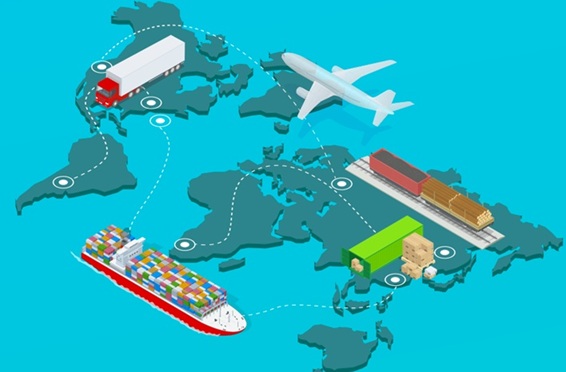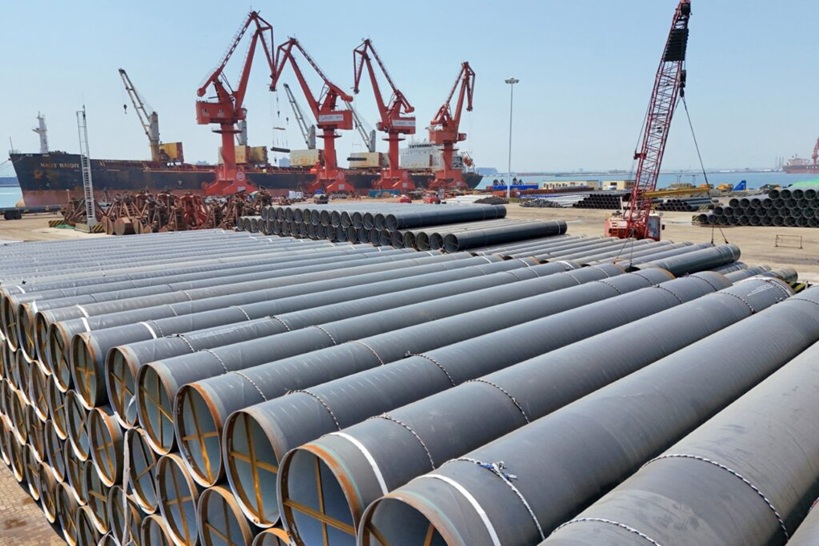
Amid shifting steel freight prices, global buyers seek reliable, cost-effective logistics solutions that simplify cross-border procurement. This article outlines the current backdrop of steel freight spikes, identifying key supply and demand drivers, input costs, and port/bottleneck challenges that influence pricing. It then offers practical guidance on selecting a Japanese-origin sourcing and international forwarding partner who can consistently deliver value: access to a wide range of Japanese products, competitive shipping rates without intermediary markups, and seamless end-to-end service from purchase to delivery. Learn how a Japan-forwarding service can help you Buy Japanese products from Japan, navigate international shipping, and expand cross-border ecommerce with confidence. We highlight credible providers, key evaluation criteria, and risk management tactics to maximize efficiency, reduce costs, and protect timelines for both individuals and businesses aiming to import into and export from Japan.
- Background and Current State of Steep Steel Freight Costs
- International Shipping Rates to Japan (Per kg Pricing)
- Why Choose Worldwide Courier Japan?
- Complete International Shipping Process to Japan
- Chargeable Weight (Critical Cost Factor)
- Estimated Delivery Time to Japan
- International Shipping Cost Breakdown
- Prohibited & Restricted Import Items
- Analyzing the Key Drivers Behind the Surge
- Introducing Affordable Overseas Shipping Companies from Japan
- Future Impact and Outlook
- About International Shipping Rates from Japan
- Canada Export Shipping Rates (Discount Contract Rates)
- Discount Export Shipping Rates from Japan (Asia & International Cargo)
- Hong Kong Export Shipping Rates
- South Korea Export Shipping Rates
- Taiwan Export Shipping Rates
- China (Northern Region: Shanghai, Zhejiang etc.) Export Shipping Rates
- China (Southern Region: Guangdong, Fujian etc.) Export Shipping Rates
- Macau Export Shipping Rates
- Southeast Asia Export Shipping Rates (Malaysia / Vietnam / Philippines / Singapore / Thailand)
- India & Australia Export Shipping Rates
- Europe Export Shipping Rates (Spain / Germany / France / Italy)
- How it works
- Step 1: Prepare the shipment
- Step 2: Email the shipment documents (invoice and packing information) to us.
- Step 3: We email two required documents for shipment (air waybill and invoice) to your shipper.
- Step 4: The carrier picks up the shipment from the pickup location / domestic warehouse, and the shipment is dispatched
- Step 5: Delivery and receipt of the cargo
- Input format
- Transaction flow (detailed version)
- Breakdown of Applicable Charges
- Knowledge About Restricted and Prohibited Items
- Choosing an Overseas Freight Forwarding Partner
- Introduction to Affordable and Reliable International Freight Forwarding Partners
- Future Risk Management and Mitigation
- Buying Japanese Products from Overseas – Easy, Safe, and Reliable Worldwide Delivery
- Japanese Product Shopping Agent Service – Buy from Japan and Ship Worldwide
- Supported Japanese Shopping Platforms
- Important Operational Notes
- Final Summary and Business Advantage
Background and Current State of Steep Steel Freight Costs
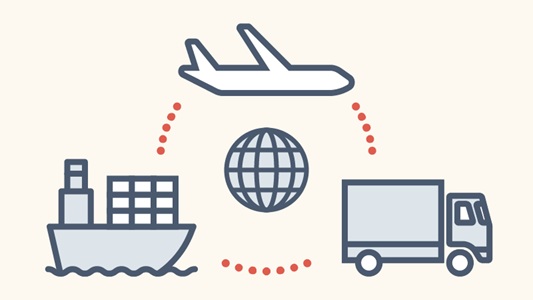
Steel freight costs have surged in recent years due to a combination of global supply constraints and shifting demand patterns. The background lies in broader trends in international trade, commodity markets, and logistics capacity, while the current state reflects ongoing adjustments by steel producers, shippers, and logistics providers. This section outlines the key factors from both supply and demand perspectives that drive volatility in freight rates for steel, emphasizing how port congestion, capacity bottlenecks, and energy costs feed into the overall cost structure. Understanding these elements helps stakeholders anticipate price movements, plan procurement, and optimize transportation strategies in a highly dynamic market.
Supplier-Side Factors
On the supply side, freight costs for steel are influenced by port throughput capacity, shipping line schedules, and container/handling availability. Global steel production relies on large energy inputs; fluctuations in fuel prices and electricity costs directly impact transport budgets and vessel utilization. The consolidation of fleets, changes in liner capacity, and the cadence of maintenance windows can create irregular service patterns, elevating spot rates. Additionally, trade policy shifts, such as tariffs or export controls on raw materials and finished steel, disrupt normal supply flows, forcing buyers to re-route shipments or accept premium freight options. Steel producers also face challenges sourcing compatible packaging, timetabling for rolling mill operations, and coordinating inland transportation, all of which ripple into freight pricing and reliability.
Demand-Side Factors
Demand-side dynamics center on construction activity, manufacturing output, and seasonal variations in steel consumption. In periods of rapid infrastructure investment or housing booms, demand outpaces available shipping capacity, pushing up freight rates. Conversely, softer demand in major markets or macroeconomic slowdowns can depress volumes, but fixed costs and port/terminal charges may keep some price elements elevated. The globalization of supply chains means bulk orders are often routed through multiple hubs, complicating forecasting and contributing to rate volatility. Exchange rate movements and credit conditions also affect buyer decision timelines, influencing when and how much steel is shipped, which in turn shapes freight market equilibrium.
International Shipping Rates to Japan (Per kg Pricing)
Preferential Import Shipping Rates to Japan (Fuel Surcharge Excluded):
Hong Kong / India / Vietnam / Singapore / Philippines Import Rates
4–10kg: 1,450 JPY/kg
10–19kg: 985 JPY/kg
20–49kg: 590 JPY/kg
50–99kg: 440 JPY/kg
100–299kg: 340 JPY/kg
300–499kg: 330 JPY/kg
500–999kg: 329 JPY/kg
1000–2000kg: 315 JPY/kg
Canada / Mexico Import Rates
4–10kg: 1,950 JPY/kg
10–19kg: 1,300 JPY/kg
20–49kg: 1,060 JPY/kg
50–99kg: 580 JPY/kg
100–299kg: 460 JPY/kg
300–499kg: 450 JPY/kg
500–999kg: 440 JPY/kg
1000–5000kg: 435 JPY/kg
China Import Rates (Southern China)
4–10kg: 1,270 JPY/kg
10–19kg: 1,050 JPY/kg
20–49kg: 590 JPY/kg
50–99kg: 480 JPY/kg
100–299kg: 355 JPY/kg
300–499kg: 340 JPY/kg
500–999kg: 335 JPY/kg
1000–2000kg: 335 JPY/kg
2000kg and above: 330 JPY/kg
South Korea / Taiwan Import Rates
20–49kg: 750 JPY/kg
50–99kg: 520 JPY/kg
100–299kg: 430 JPY/kg
300–499kg: 420 JPY/kg
500–999kg: 400 JPY/kg
1000–2000kg: 389 JPY/kg
2000kg and above: 385 JPY/kg
Indonesia / Thailand / Australia Import Rates
4–10kg: 1,280 JPY/kg
10–19kg: 970 JPY/kg
20–49kg: 950 JPY/kg
50–99kg: 890 JPY/kg
100–299kg: 730 JPY/kg
300–499kg: 730 JPY/kg
500–999kg: 695 JPY/kg
1000–5000kg: 665 JPY/kg
Europe Import Rates (France / Germany / Italy / United Kingdom etc.)
4–10kg: 2,550 JPY/kg
10–19kg: 1,790 JPY/kg
20–49kg: 850 JPY/kg
50–99kg: 710 JPY/kg
100–299kg: 570 JPY/kg
300–499kg: 560 JPY/kg
500–999kg: 550 JPY/kg
1000–2000kg: 520 JPY/kg
These international shipping rates are structured to reduce the shipping cost per kilogram as shipment volume increases. Consolidated shipping and bulk freight are among the most effective methods for reducing overall logistics expenses.
Please note that the above rates exclude fuel surcharges, customs duties, Japanese consumption tax, customs inspection fees, and additional handling charges. Fuel surcharge rates fluctuate depending on global crude oil prices and airline carrier policies.
Introducing Worldwide Courier Japan – Your Trusted International Shipping & Import/Export Logistics Partner.
Worldwide Courier Japan provides low-cost international shipping services from overseas countries to Japan and export shipping services from Japan to worldwide destinations. We specialize in global import and export logistics solutions for businesses, e-commerce sellers, trading companies, and individual customers.
Our international logistics services include air freight, sea freight, express courier services, commercial cargo transportation, bulk freight forwarding, e-commerce shipping, and Japan purchasing agent support.
We support import shipping from China, Hong Kong, Taiwan, South Korea, Southeast Asia, Europe, North America, and many other global regions with competitive pricing and reliable transportation networks.
If you are searching for affordable international shipping to Japan, reliable import logistics companies in Japan, or cost-effective global freight forwarding services, Worldwide Courier Japan is your ideal logistics partner.
Why Choose Worldwide Courier Japan?
We provide highly competitive international shipping rates and customized logistics solutions for both imports into Japan and exports from Japan. Our logistics specialists help customers optimize transportation costs while maintaining fast and secure delivery performance.
We handle small parcels, consolidated shipments, commercial cargo, e-commerce freight, pallet cargo, and bulk transportation with flexible shipping options tailored to each customer’s budget and delivery requirements.
As one of the most cost-effective freight forwarding companies in Japan, we help reduce international logistics costs while ensuring reliable customs clearance support and secure cargo transportation.
Email: info@worldwide-courier-japan.com
WeChat: tradingjapankei
Tel: +81-3-6300-5745
We cooperate with global carriers such as UPS and FedEx to provide secure, trackable, and fast international delivery services worldwide.
We accept secure payments via Wise and major credit cards. Customers can contact us easily through LINE, WhatsApp, email, or our online inquiry form.
We provide both international shipping services and Japan purchasing (shopping agent) services.
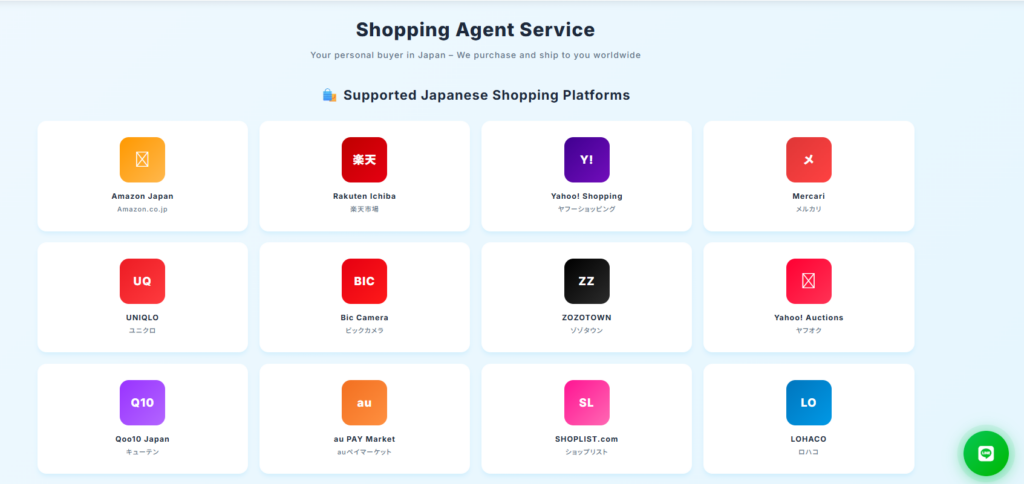
Purchase authentic Japanese products with our trusted Japan shopping agent service. We support product sourcing, supplier communication, product inspection, repacking, export shipping, and international delivery worldwide.
We support major Japanese platforms including Amazon Japan, Rakuten, Yahoo! Shopping, Mercari, and many other Japanese online marketplaces. Even if overseas shipping is unavailable, we can purchase products on your behalf and ship them internationally.
Contact us here:
https://worldwide-courier-japan.com/#contact
Complete International Shipping Process to Japan
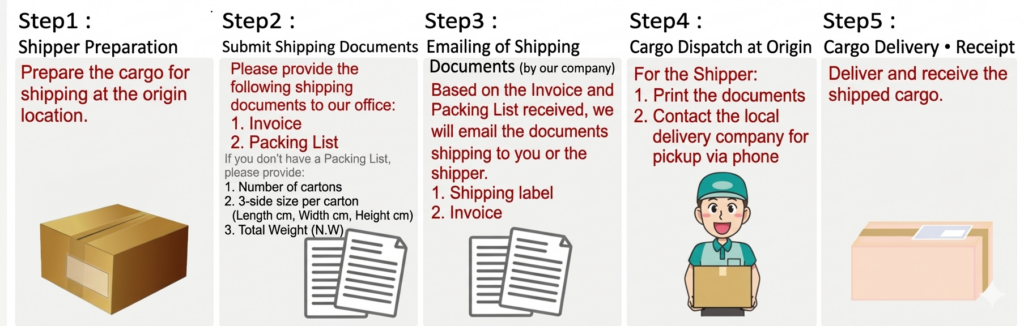
Step 1: Cargo Preparation
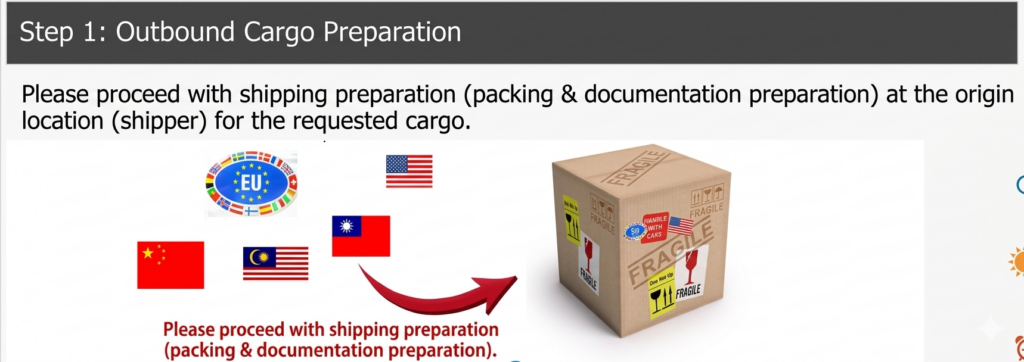
The shipper prepares the cargo, including export packaging and document preparation. Proper packaging is essential not only for protecting products during transportation but also for minimizing volumetric weight and reducing international shipping costs.
Step 2: Commercial Invoice & Packing List Submission
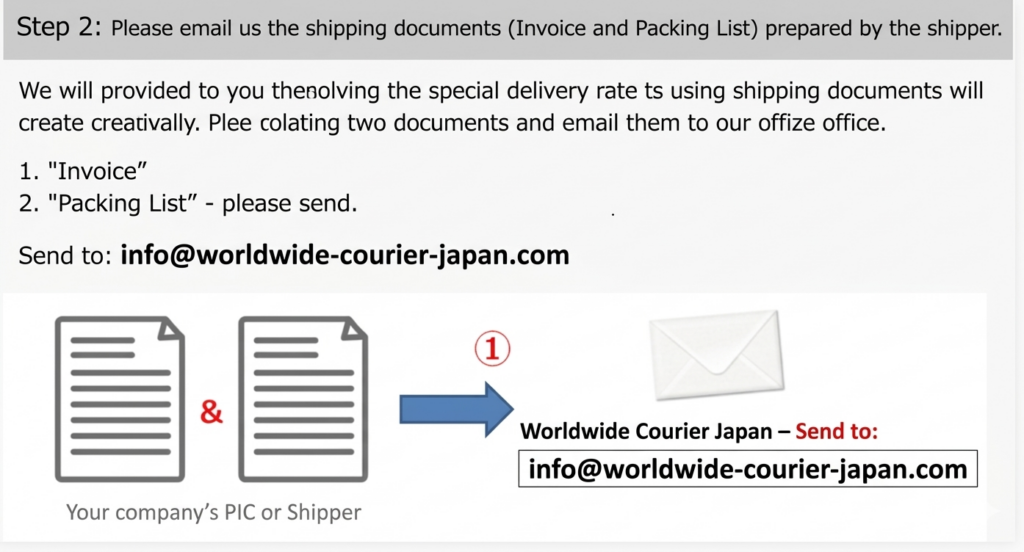
The shipper submits a commercial invoice and packing list containing product descriptions, HS codes, carton quantities, dimensions, unit prices, and total shipment weight. Accurate documentation is essential for smooth customs clearance procedures in Japan.
Step 3: Shipping Document Creation
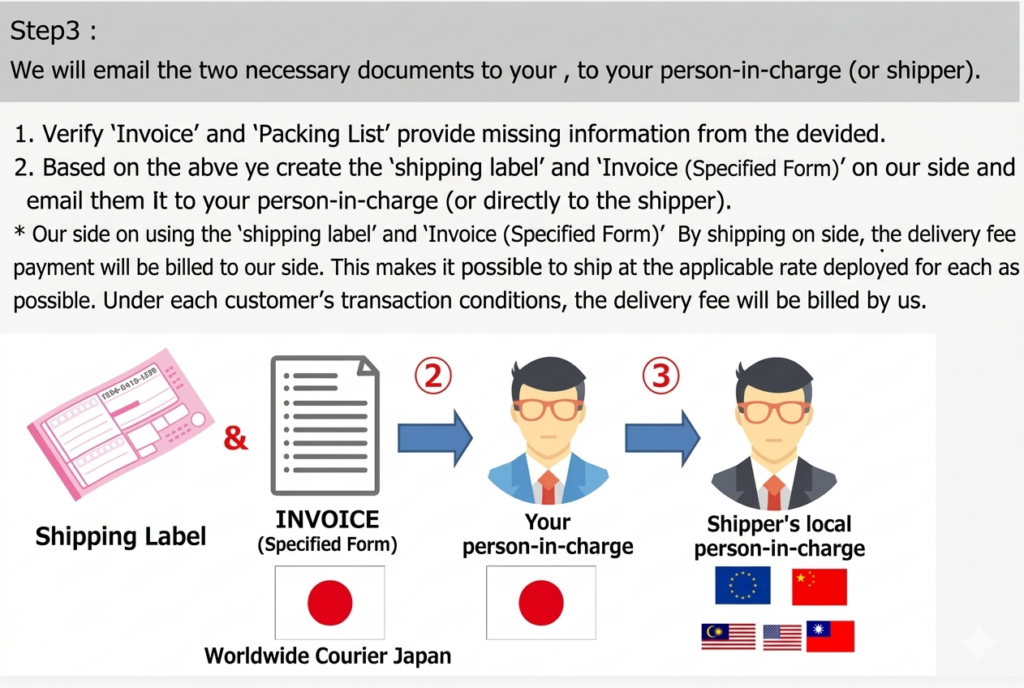
Our logistics team creates the airway bill, shipping invoice, and transportation documents based on the submitted cargo information.
Step 4: Cargo Pickup & International Transportation
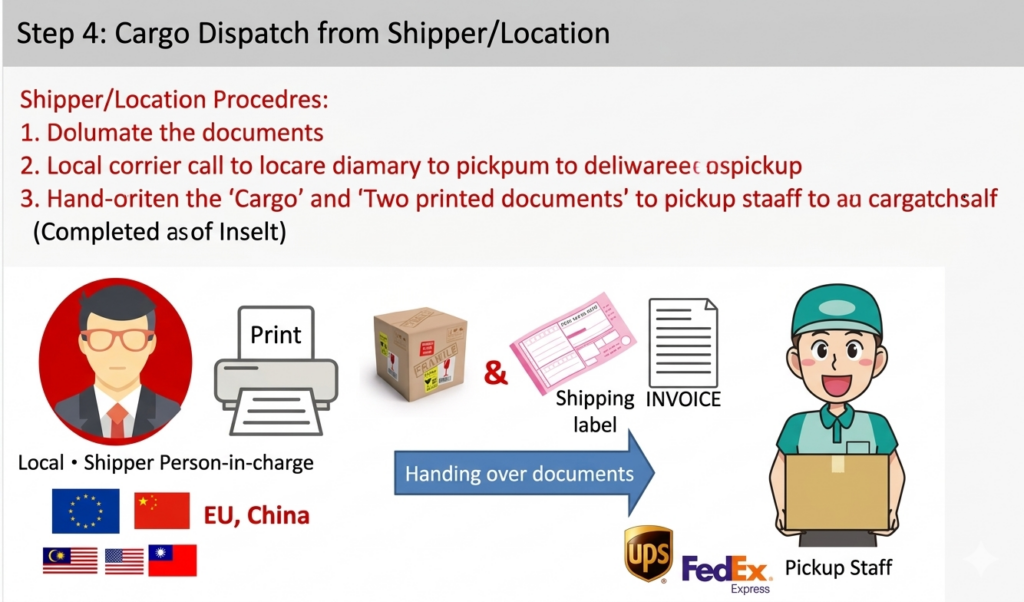
The shipment is collected from the shipper’s address and transported internationally via air freight, sea freight, or express courier service depending on shipment size, urgency, and budget requirements.
Step 5: Customs Clearance & Final Delivery
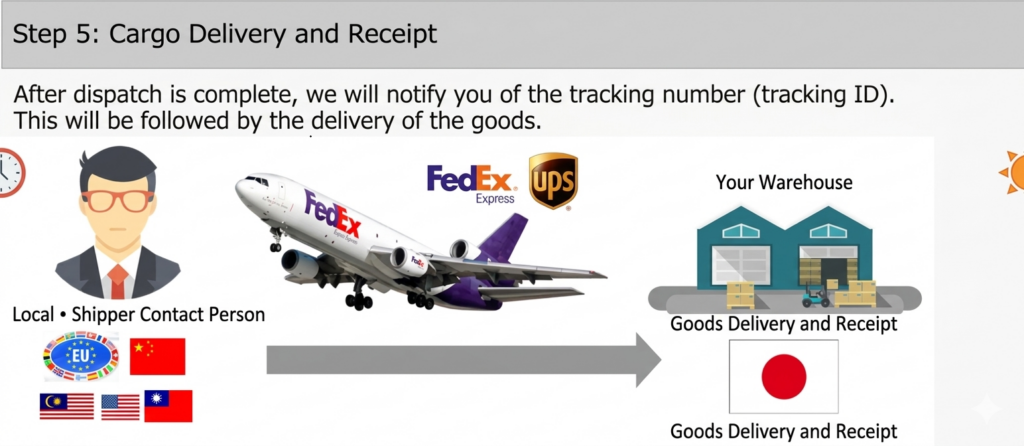
After customs clearance in Japan, tracking numbers are issued and the cargo is delivered safely to the consignee’s final destination.
Chargeable Weight (Critical Cost Factor)
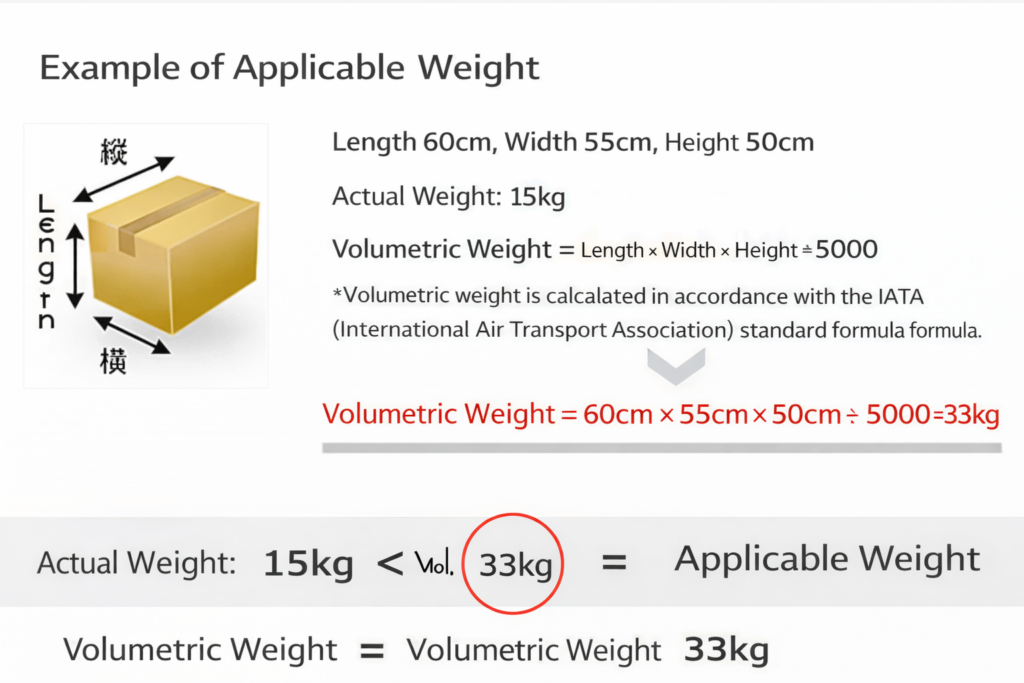
International shipping charges are calculated based on the greater of actual weight or volumetric weight. Oversized cartons and inefficient packaging methods can significantly increase freight costs even for lightweight cargo.
Estimated Delivery Time to Japan
International air freight shipments to Japan generally require approximately 4–7 business days, while sea freight shipments may require several weeks depending on origin country, customs clearance conditions, port congestion, and seasonal demand fluctuations.
International Shipping Cost Breakdown
Shipping expenses generally include base freight charges, fuel surcharges, Japanese customs duties, import consumption tax, customs inspection fees, oversized cargo fees, and remote area delivery surcharges where applicable.
Prohibited & Restricted Import Items
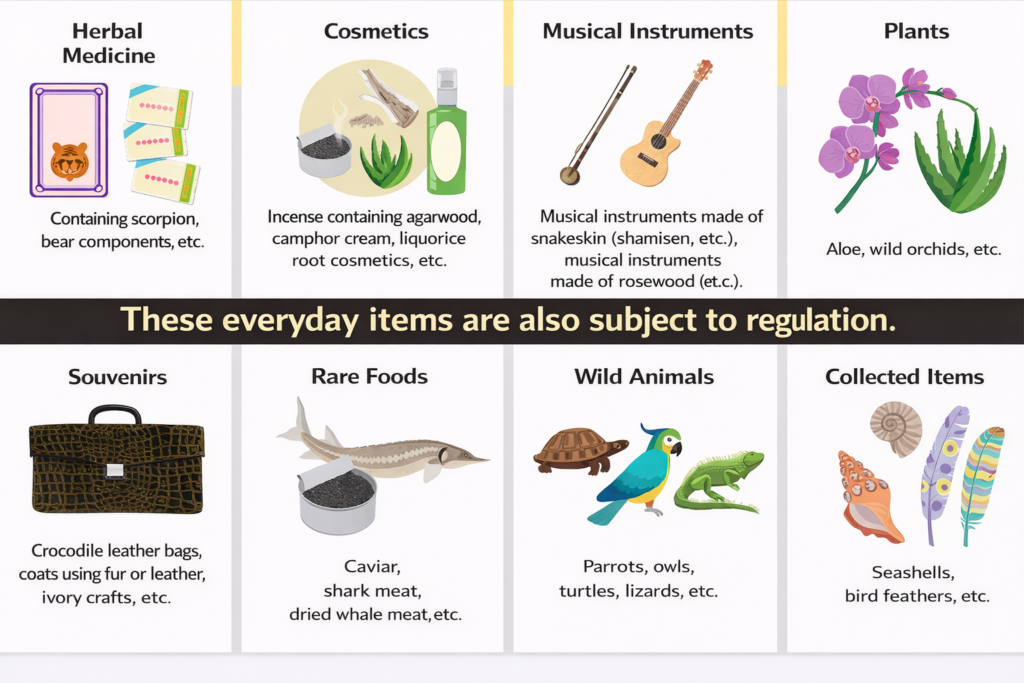
Restricted or prohibited cargo may include hazardous materials, flamma
Analyzing the Key Drivers Behind the Surge

The current steel flat price escalation stems from a confluence of macroeconomic forces, market dynamics, and structural shifts in the global trading system. Understanding these drivers helps manufacturers, exporters, and logistics partners anticipate volatility, manage costs, and plan resilient strategies. This section dissects the three core pillars fueling the rise: raw material and energy costs, supply chain and port bottlenecks, and the balance of freight market demand and supply.
Impact of Raw Material Prices and Energy Costs
Raw material inputs, notably iron ore, coking coal, and recycled scrap, have a direct and amplified effect on steel production costs. Tight raw material markets, coupled with disruptions in mining logistics and geopolitical tensions, push up procurement prices and, by extension, finished steel prices. Energy costs—electricity and fossil fuels used in blast furnaces and rolling mills—further compound these pressures. Efficiency gains and shift to alternative energy sources influence cost trajectories differently across regions. For buyers and logistics planners, the key takeaway is that even marginal shifts in ore, coal, or energy prices can propagate quickly through the cost stack, affecting project feasibility, contract pricing, and inventory planning. In practice, companies that lock in long-term supply arrangements and hedge energy exposure tend to weather price spikes more effectively than those reliant on spot markets.
Supply Chain and Port Challenges
Global supply chains remain vulnerable to port congestions, container shortages, and intermittent shipping disruptions. congested terminals, labor shortages, and delays in customs clearance create bottlenecks that extend lead times and elevate transportation costs. For metallic commodities, timing of deliveries and the reliability of container liner services directly impact inventory turnover and production schedules. Regional disparities—where some hubs face chronic congestion while others recover—add complexity to sourcing strategies. Proactive measures include diversifying port calls, leveraging multi-modal routes, increasing buffer stock for critical inputs, and collaborating closely with logistics providers to optimize routing and scheduling.
Freight Market Demand-Supply Balance
The freight market operates on a delicate balance between demand for carriage and the available capacity of vessels and trucks. During periods of steel price surges, demand for shipping often rises as manufacturers accelerate production, which can tighten capacity further. Conversely, overcapacity in certain lanes or seasonal lull periods can temporarily ease rates. Exchange rate fluctuations, fuel surcharges, and port-of-origin dynamics also shape the profitability and reliability of shipments. Firms that maintain visibility into freight market indicators—spot rates, contract rates, and carrier utilization—gain a strategic edge in pricing, timing, and contract negotiations. Building flexible sourcing and shipping plans helps absorb volatility and protect margins.
Introducing Affordable Overseas Shipping Companies from Japan

In today’s global marketplace, Japanese products hold strong appeal across continents. To unlock this potential, a reliable and cost-effective shipping partner is essential. This section explores why Japan’s outbound shipping services can offer competitive rates without compromising service quality, and how a one-stop logistics partner can simplify cross-border trade for international buyers and exporters.
Why Japanese Demand for Made-in-Japan Goods Will Continue to Grow
The global appetite for Japanese products remains robust due to consistent quality, advanced technology, and trusted brand perception. Key drivers include: meticulous manufacturing standards, high resale value of electronics and lifestyle goods, and a strong preference for authentic Japanese items in fashion, cosmetics, and collectibles. Emerging markets are expanding access to e-commerce platforms, while digital marketplaces enable larger audiences to discover Tokyo-brand reliability. For exporters, this sustained demand translates into steady order pipelines and opportunities for value-added services such as curated procurement, authentic product sourcing, and compliant cross-border fulfillment. A dependable shipping partner that understands regulatory nuances, packaging standards, and efficient routing can significantly reduce landed costs and delivery timelines for overseas customers.
Introducing Export-Ready Shipping Partners That Cover Both Japan-to-Overseas and Overseas-to-Japan Supply
Beyond simple transportation, choosing a shipping partner with end-to-end capabilities is crucial. The following characteristics define an ideal partner for both outbound exports and inbound imports:
- Comprehensive procurement support across Japanese retailers and marketplaces (e.g., Amazon.co.jp, Rakuten, Yahoo! Shopping, Mercari, Uniqlo, Bic Camera, ZOZOTOWN, Yahoo Auctions, LOHACO, and more), enabling bulk or single-item sourcing with quality checks.
- Competitive outbound rates thanks to in-house logistics know-how, eliminating middleman markups and enabling cost-effective forwarding to 200+ countries.
- One-stop solution coverage: purchase, inspection, packing, shipping, customs clearance, and final delivery, ensuring a smooth end-to-end experience.
- Regulatory expertise and risk mitigation to navigate export controls, anti-dumping measures, and product-specific compliance.
- Flexible service models for individuals and businesses, including corporate accounts, consolidation for large shipments, and scalable volume pricing.
For practical options, consider partners that can seamlessly handle: cross-border e-commerce fulfillment, air and sea freight, and comprehensive export/import support. A trusted provider will showcase a proven track record, transparent pricing, and robust customer support, helping you secure fast, reliable, and affordable delivery from Japan to global destinations while enabling Japan-origin products to reach new markets efficiently.
Future Impact and Outlook
The ongoing steel freight price surge is likely to reshape Japan’s industrial landscape over the medium term. While producers face elevated inbound costs and tighter margins, anticipated shifts in supply chains and policy responses can foster resilience and competitiveness. This section analyzes how domestic industries might absorb, adapt, or benefit from these dynamics, and what exporters and importers should monitor to sustain growth and profitability.
Ripple Effects on Domestic Industries
Domestic manufacturers across heavy industry, automotive, machinery, and consumer electronics could experience increased production costs as freight and energy prices propagate through the supply chain. Companies with diversified supplier networks and localized sourcing strategies may weather volatility better, while those dependent on single-country sourcing could face higher risk exposure. To counteract cost pressures, firms are likely to accelerate procurement efficiency, adopt just-in-time and buffer stock adjustments, and invest in modular production that tolerates price swings. Additionally, sectors that export value-added products—where Japan has strong global demand—stand to benefit from improved competitiveness if they optimize logistics, leveraging fast-tracking routes and consolidated shipments. Public-private collaboration to streamline customs, facilitate regulatory clarity, and support energy-efficient manufacturing can further dampen negative impacts and sustain domestic industrial activity.
Potential for Cost Pass-Through and Pricing Shifts
As input costs rise—particularly raw materials, energy, and freight—companies may consider price adjustment strategies to maintain margins. The feasibility of passing costs to customers depends on market elasticity, competitive dynamics, and contract terms. For essential industrial goods with limited substitutes, price transmission is more feasible, whereas highly commoditized items may see resistance. Businesses can mitigate volatility by adopting flexible pricing mechanisms, hedging commodity and fuel exposures, and negotiating multi-year freight contracts that lock in favorable rates. Importers may explore value-added services (e.g., bundling procurement with logistics) to preserve total cost efficiency for clients. Transparent communication, detailed cost breakdowns, and predictable delivery timelines will be critical to sustaining trust during periods of fluctuation.
About International Shipping Rates from Japan

◇ Shipping rate table (price per kg)
Japan → United States (U.S./North America/Central America)
※ UPS fastest service level with tracking number. ※
※ We can also handle EMS, International ePacket, air mail, SAL, and sea freight via Japan Post—please let us know if you prefer these options..
※ UPS fastest service level with tracking number ※
【United States (U.S./North America/Central America) Export Preferred Rates】
・1kg :4,030円
1.5kg :4,451円
2kg :4,963円
2.5kg :5,409円
3kg :5,889円
3.5kg :6,271円
4kg :6,701円
4.5kg :7,164円
5kg :7,580円
5.5kg :7,674円
6kg :7,878円
6.5kg :8,160円
7kg :8,317円
7.5kg :8,601円
8kg :8,727円
8.5kg :8,867円
9kg :9,087円
9.5kg :9,306円
10kg :9,464円
10.5 :18,790円
11kg : 19,257円
11.5kg:19,526円
12kg : 19,760円
12.5kg: 20,094円
13kg : 20,431円
13.5kg: 20,798円
14kg : 21,132円
14.5kg: 21,432円
15kg : 21,904円
15.5kg: 22,204円
16kg : 22,571円
16.5kg: 22,877円
17kg : 23,242円
17.5kg: 23,578円
18kg : 23,946円
18.5kg: 24,183円
19kg : 24,449円
19.5kg: 24,851円
20kg : 25,388円
・21-49kg :900円/ per 1kg
・50-99kg :710円/ per 1kg
・100-299kg:620円/ per 1kg
・300-499kg:615円/ per 1kg
・500-999kg:610円/ per 1kg
・1000-5000kg:605円/ per 1kg
Canada Export Shipping Rates (Discount Contract Rates)
The following are our special discounted shipping rates for exporting parcels from Japan to Canada. These rates are designed for international shipments using reliable courier services with secure customs clearance.
| Weight | Shipping Cost |
|---|---|
| 1 kg | 4,030 JPY |
| 1.5 kg | 4,451 JPY |
| 2 kg | 4,963 JPY |
| 2.5 kg | 5,409 JPY |
| 3 kg | 5,889 JPY |
| 3.5 kg | 6,271 JPY |
| 4 kg | 6,701 JPY |
| 4.5 kg | 7,164 JPY |
| 5 kg | 7,580 JPY |
| 5.5 kg | 7,674 JPY |
| 6 kg | 7,878 JPY |
| 6.5 kg | 8,160 JPY |
| 7 kg | 8,317 JPY |
| 7.5 kg | 8,601 JPY |
| 8 kg | 8,727 JPY |
| 8.5 kg | 8,867 JPY |
| 9 kg | 9,087 JPY |
| 9.5 kg | 9,306 JPY |
| 10 kg | 9,464 JPY |
| 10.5 kg | 18,790 JPY |
| 11 kg | 19,257 JPY |
| 11.5 kg | 19,526 JPY |
| 12 kg | 19,760 JPY |
| 12.5 kg | 20,094 JPY |
| 13 kg | 20,431 JPY |
| 13.5 kg | 20,798 JPY |
| 14 kg | 21,132 JPY |
| 14.5 kg | 21,432 JPY |
| 15 kg | 21,904 JPY |
| 15.5 kg | 22,204 JPY |
| 16 kg | 22,571 JPY |
| 16.5 kg | 22,877 JPY |
| 17 kg | 23,242 JPY |
| 17.5 kg | 23,578 JPY |
| 18 kg | 23,946 JPY |
| 18.5 kg | 24,183 JPY |
| 19 kg | 24,449 JPY |
| 19.5 kg | 24,851 JPY |
| 20 kg | 25,388 JPY |
Bulk Shipping Rates
| Weight Range | Rate per kg |
|---|---|
| 21 – 49 kg | 900 JPY / kg |
| 50 – 99 kg | 710 JPY / kg |
| 100 – 299 kg | 620 JPY / kg |
| 300 – 499 kg | 615 JPY / kg |
| 500 – 999 kg | 610 JPY / kg |
| 1,000 – 5,000 kg | 605 JPY / kg |
These international shipping rates allow businesses and individuals to ship goods from Japan to Canada efficiently and cost-effectively. Large-volume shipments receive significantly reduced per-kilogram rates, making them ideal for e-commerce exports, bulk cargo, and commercial logistics.
Discount Export Shipping Rates from Japan (Asia & International Cargo)
Below are our special discounted international cargo shipping rates for exporting goods from Japan. These bulk shipping prices are ideal for businesses, e-commerce sellers, and logistics companies shipping large cargo volumes overseas.
Hong Kong Export Shipping Rates
| 21 – 50 kg | 750 JPY / kg |
| 50 – 100 kg | 550 JPY / kg |
| 100 – 299 kg | 400 JPY / kg |
| 300 – 999 kg | 380 JPY / kg |
| 1000 – 2000 kg | 350 JPY / kg |
| Over 2000 kg | 320 JPY / kg |
South Korea Export Shipping Rates
| 21 – 50 kg | 850 JPY / kg |
| 50 – 100 kg | 650 JPY / kg |
| 100 – 299 kg | 520 JPY / kg |
| 300 – 999 kg | 510 JPY / kg |
| 1000 – 2000 kg | 500 JPY / kg |
| Over 2000 kg | 490 JPY / kg |
Taiwan Export Shipping Rates
| 21 – 50 kg | 850 JPY / kg |
| 50 – 100 kg | 650 JPY / kg |
| 100 – 299 kg | 520 JPY / kg |
| 300 – 999 kg | 510 JPY / kg |
| 1000 – 2000 kg | 500 JPY / kg |
| Over 2000 kg | 490 JPY / kg |
China (Northern Region: Shanghai, Zhejiang etc.) Export Shipping Rates
| 21 – 50 kg | 850 JPY / kg |
| 50 – 100 kg | 650 JPY / kg |
| 100 – 299 kg | 520 JPY / kg |
| 300 – 999 kg | 510 JPY / kg |
| 1000 – 2000 kg | 500 JPY / kg |
| Over 2000 kg | 490 JPY / kg |
China (Southern Region: Guangdong, Fujian etc.) Export Shipping Rates
| 21 – 50 kg | 1350 JPY / kg |
| 50 – 100 kg | 1150 JPY / kg |
| 100 – 299 kg | 980 JPY / kg |
| 300 – 999 kg | 970 JPY / kg |
| 1000 – 2000 kg | 960 JPY / kg |
| Over 2000 kg | 950 JPY / kg |
Macau Export Shipping Rates
| 21 – 50 kg | 850 JPY / kg |
| 50 – 100 kg | 650 JPY / kg |
| 100 – 299 kg | 520 JPY / kg |
| 300 – 999 kg | 510 JPY / kg |
| 1000 – 2000 kg | 500 JPY / kg |
| Over 2000 kg | 490 JPY / kg |
Southeast Asia Export Shipping Rates (Malaysia / Vietnam / Philippines / Singapore / Thailand)
| 21 – 49 kg | 600 JPY / kg |
| 50 – 99 kg | 480 JPY / kg |
| 100 – 299 kg | 360 JPY / kg |
| 300 – 499 kg | 358 JPY / kg |
| 500 – 999 kg | 350 JPY / kg |
| 1000 – 2000 kg | 348 JPY / kg |
India & Australia Export Shipping Rates
| 21 – 49 kg | 1000 JPY / kg |
| 50 – 99 kg | 890 JPY / kg |
| 100 – 299 kg | 750 JPY / kg |
| 300 – 499 kg | 730 JPY / kg |
| 500 – 999 kg | 720 JPY / kg |
| 1000 – 2000 kg | 690 JPY / kg |
Europe Export Shipping Rates (Spain / Germany / France / Italy)
| 21 – 49 kg | 1200 JPY / kg |
| 50 – 99 kg | 990 JPY / kg |
| 100 – 299 kg | 850 JPY / kg |
| 300 – 499 kg | 830 JPY / kg |
| 500 – 999 kg | 820 JPY / kg |
| 1000 – 2000 kg | 790 JPY / kg |
These discounted cargo shipping rates from Japan are ideal for bulk shipments, international trade, and cross-border e-commerce. Businesses shipping larger volumes benefit from significantly reduced per-kilogram costs, making global logistics more efficient and affordable.
The above rates are unit prices per kilogram. Please refer to the examples on the right for the shipping cost rate by weight.
In addition to the above shipping fees, a fuel surcharge will apply. Monthly or weekly fuel surcharge fees are charged depending on the carrier you use.
Any duties, import taxes, etc. incurred during local customs clearance will be billed by the carrier to the consignee.
How it works
We offer good service.worldwide-courier provides international logistics and international shipping (air freight) services that arrange shipping on behalf of trading businesses.
The United States・We support imports and exports not only with China and Hong Kong, but also Korea, the U.S., Europe, Southeast Asia, India, Africa, and many other countries.

By using major couriers (FedEx/UPS/DHL), we provide stable and speedy delivery, and with the overwhelmingly low shipping rates offered by worldwide-courier, we help reduce your existing delivery costs and overall procurement costs.
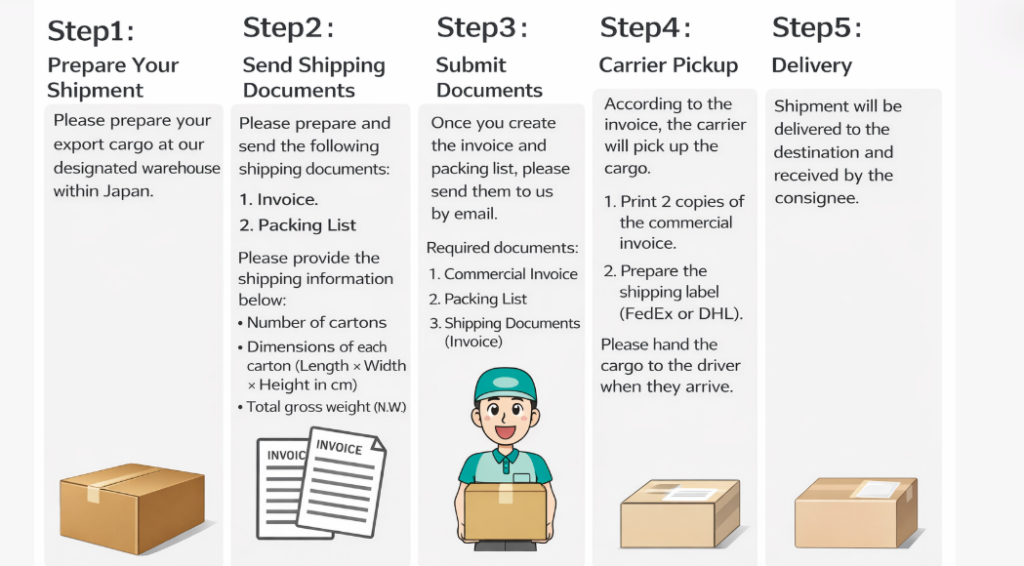
Step 1: Prepare the shipment
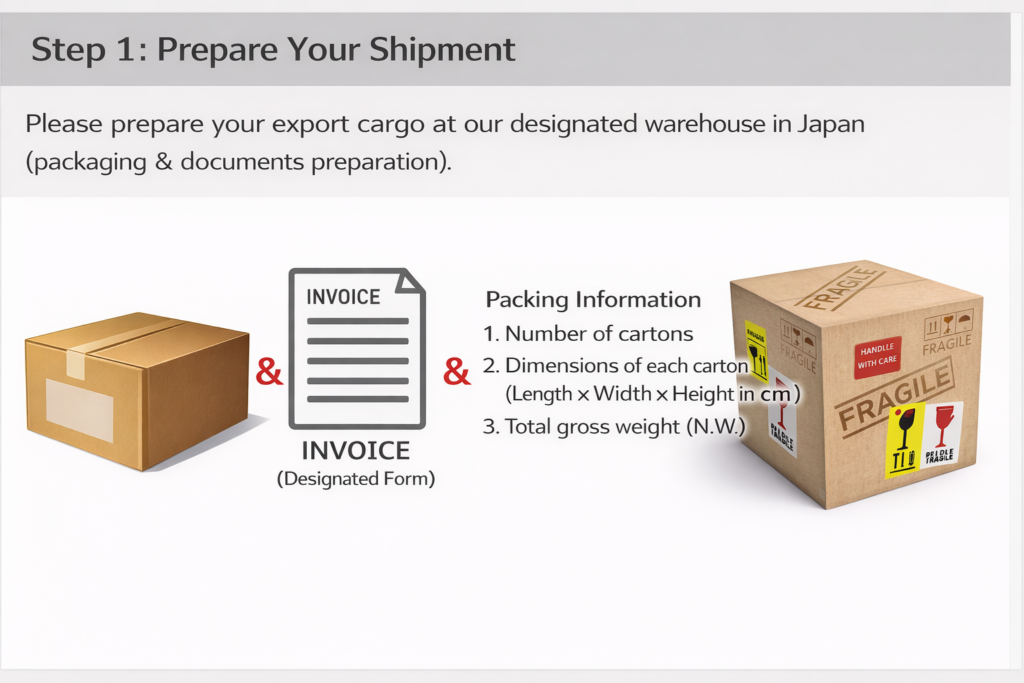
Prepare the shipment at the domestic pickup location (packing & document preparation).
Step 2: Email the shipment documents (invoice and packing information) to us.
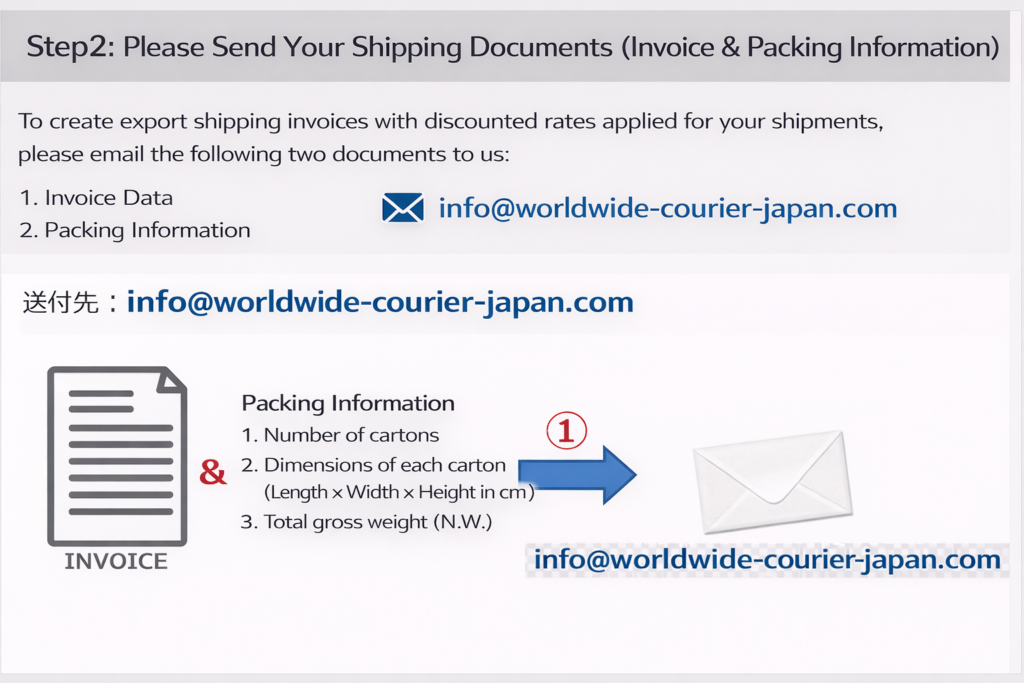
We will create the shipping documents using the special discounted rate provided for each customer. Please email the following two documents as attachments to our office.
1. “Invoice”
2. “Packing List”
Send to: info@worldwide-courier-japan.com
< Items that often end up missing on the invoice >
1. Postal code (shipper side)
2. Contact person name (shipper side)
3. Pickup phone number (shipper side)
※ The above three items are required to create the documents.
If any of this information is missing, we cannot create the documents, so please confirm in advance and submit your request accordingly.
< Required information on the packing list >
1. Total number of cartons
2. The three dimensions of each carton: length (cm), width (cm), height (cm)
3. Total weight (N.W.): total weight after packing
※ In some cases, the packing list lacks the above information. As it is required for document creation, please confirm in advance before requesting.
※ If you do not have a packing list, please confirm the above information with the shipper and share it with us.
< About “Chargeable Weight” used to determine shipping fees >
Based on IATA (International Air Transport Association) standards, the larger of the “actual weight after packing” and the “dimensional (volumetric) weight after packing” is adopted as the “chargeable weight.”
Step 3: We email two required documents for shipment (air waybill and invoice) to your shipper.
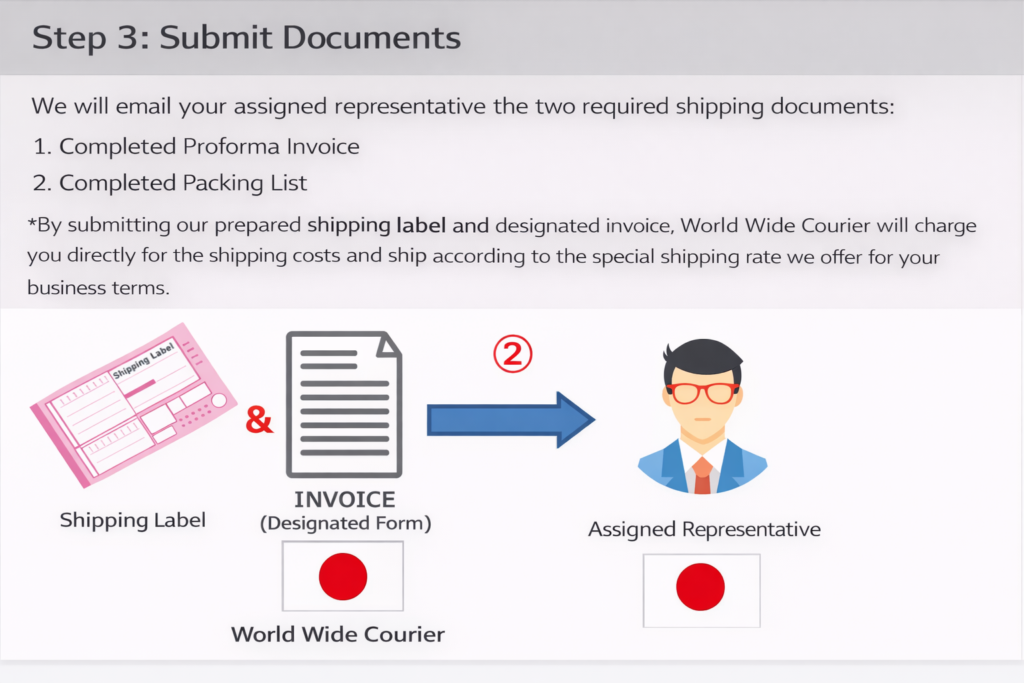
We will email two required documents for shipment (air waybill and invoice) to your 담당者.
1. Confirm any missing information in the “Invoice” and “Packing List” you provided.
2. Based on the above, we will prepare the “Air Waybill” and “Invoice (specified form)” on our side and email them to your 담당者.
※ By shipping using the “Air Waybill” and “Invoice (specified form)” created by us, the shipping charges will be billed to us. This enables you to ship using the applicable rate provided for each customer. Under your individual 거래 조건, we will invoice you for the shipping fees.
Step 4: The carrier picks up the shipment from the pickup location / domestic warehouse, and the shipment is dispatched
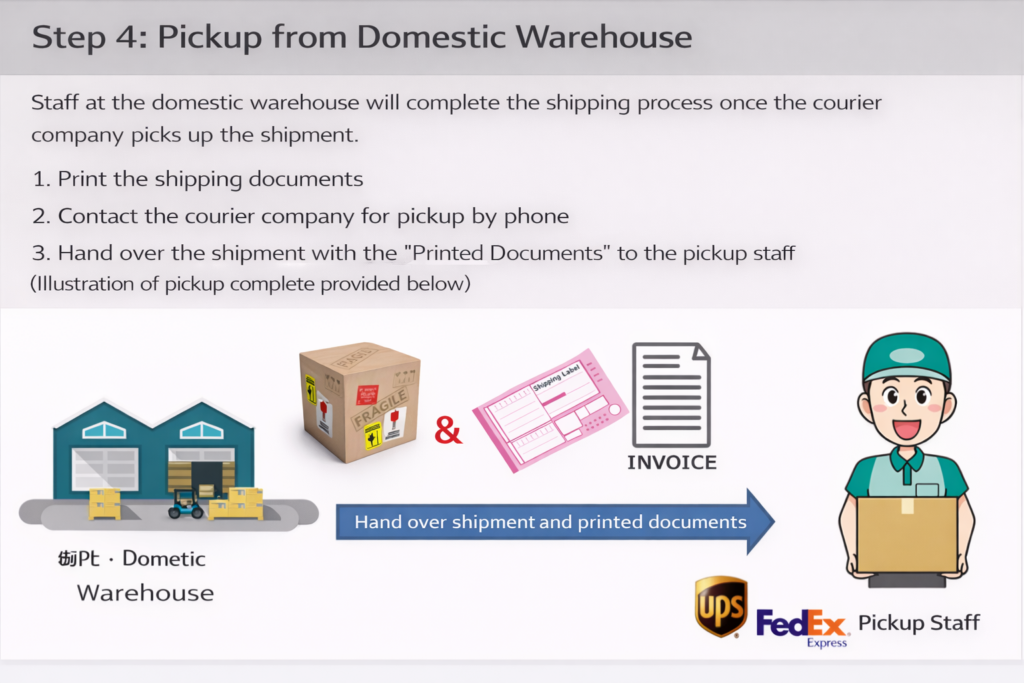
At the domestic pickup location:
1. Print the documents
2. Call the carrier to request pickup
3. Hand the “cargo” and the “two printed documents” to the pickup staff to complete dispatch
Step 5: Delivery and receipt of the cargo
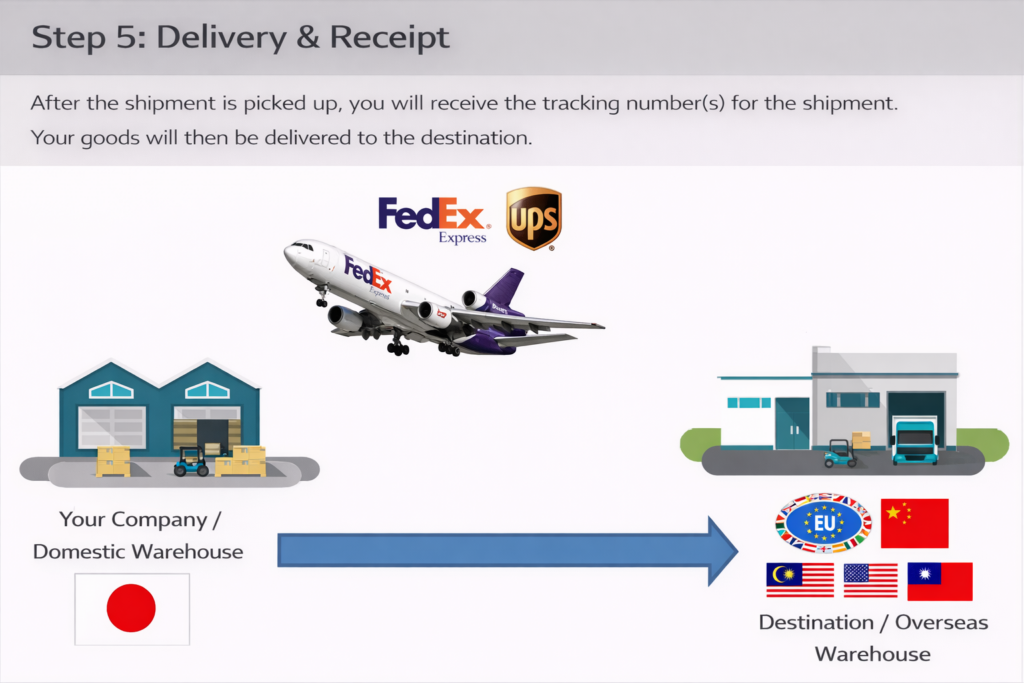
After dispatch, we will provide the tracking number. Your goods will then be delivered.
worldwide-courier provides low-cost delivery from Japan to the United States (U.S./USA) by air and sea. We support both exports and imports, so worldwide-courier reponce pls.
If you provide the information below, we can create the local shipping label.
Input format
◇ Pickup information (From)
1. Company name (or full name)
2. Contact person name
3. Postal code
4. Address
5. Phone number
※ This is the information for the location where the pickup will actually be made.
◇ Delivery address (To)
1. Company name (or full name) (※ Please 반드시 write in English.)
2. Contact person name (※ Please 반드시 write in English.)
3. Postal code
4. Address (※ Please 반드시 write in English.)
5. Phone number
◇ Packing information
1. Number of cartons
2. Total weight
3. Three dimensions of each carton (length, width, height in cm)
◇ Invoice information
・Product name (Please 반드시 write in English.)
・Unit price (Either currency is fine)
・Quantity
If you provide the above information, we can arrange the shipment. worldwide-courier offers low-cost delivery from Japan to the United States (U.S./USA) by air and sea. We support both exports and imports, so worldwide-courier reponce pls.
We look forward to your request.
Please let us know your current shipping frequency and shipping costs, if any.
Regarding your planned shipping date:
If you can also tell us around when you plan to ship, it will make the process smoother.
You can ship at the above rates.
For exports, we can create the shipping documents if you reply with the completed invoice as an attachment, or if you provide the information below.
◇ Pickup information (From)
1. Company name (or full name)
2. Contact person name
3. Postal code
4. Address
5. Phone number
※ This is the information for the location where the pickup will actually be made.
◇ Delivery address (To)
1. Company name (or full name) (※ Please 반드시 write in English.)
2. Contact person name (※ Please 반드시 write in English.)
3. Postal code
4. Address (※ Please 반드시 write in English.)
5. Phone number
◇ Packing information
1. Number of cartons
2. Total weight
3. Three dimensions of each carton (length, width, height in cm)
◇ Invoice information
・Product name (Please 반드시 write in English.)
・Unit price (Either currency is fine)
・Quantity
We will also guide you through the transaction flow.
Transaction flow (detailed version)
< Flow >
1. Please reply with the invoice.
2. If there are no issues with the information, we will book the pickup.
※ Pickup can be arranged as early as the next business day after your package is ready. (We typically book a window around 11:00–17:00.)
< Details: Export cargo transaction flow (Japan → destination country) >
The pickup process is as follows.
1. Please contact us after you finish packing your shipment.
2. Please prepare the invoice and packing information (number of cartons, weight, and three dimensions per carton).
※ 2-1. Shipper (Japan side): address, postal code, name, phone number, company name
2-2. Consignee (delivery destination): local address, postal code, name, phone number, company name
2-3. Product name and unit price
3. After we confirm (2) and there are no issues, we will arrange the pickup.
4. Within 1–2 business days, the carrier will come to your指定 location for pickup.
* We will email you the electronic data for the air waybill, so please hand the invoice and air waybill together with the package to the pickup staff.
5. Shipment is dispatched.
7. Local customs clearance processing (personal / commercial)
8. If there are no issues, the shipment clears customs.
9. Delivery is completed.
* Steps 5–8 typically take about 2–5 days to arrive if there are no issues.
* You will receive a tracking number as a shipment record.
Breakdown of Applicable Charges
1. Freight charges and fuel surcharge
2. Import duties, VAT/GST, customs clearance fees, and other local charges in the destination country, if applicable
The chargeable weight is calculated based on the larger of the actual weight and volumetric weight after packing.
Knowledge About Restricted and Prohibited Items
Certain items may be restricted or prohibited for international shipping depending on the destination country and carrier regulations. These may include dangerous goods, flammable materials, compressed gases, liquids, medicines, medical devices, firearms, tobacco products, perishables, seeds, plants, animals, chemicals, valuables, and CITES-regulated items.
In addition to the items listed above, other products may also be restricted depending on local import regulations. Some items may have shipping limitations, licensing requirements, or value restrictions.
Please contact us in advanc
Choosing an Overseas Freight Forwarding Partner

Selecting the right overseas freight forwarding company is crucial for seamless cross-border operations. The ideal partner should combine reliability, cost efficiency, and end-to-end service, ensuring smooth procurement from Japan and delivery to global destinations. This chapter outlines the key criteria to evaluate when comparing forwarders, helping you minimize risk and maximize value across shipments, customs clearance, and end-to-end logistics.
Reliability Evaluation Points
Reliability is the cornerstone of a successful international shipping partnership. Focus on these indicators to gauge a forwarder’s consistency and capability:
– Global network and reach: Confirm coverage across your target countries (and major trade lanes), including contingency options for peak seasons or port congestion.
– Track record and tenure: Prefer firms with substantial years of operation and verifiable trade volumes, demonstrating resilience against market fluctuations.
– Regulatory expertise: Ensure the company has robust knowledge of export controls, import regulations, and restricted goods, reducing compliance risk and delays.
– Service scope: Look for a one-stop solution that covers procurement support, quality inspection, packing, international transport (air and sea), customs clearance, and domestic delivery.
-Visibility and communication: Real-time shipment tracking, proactive notification of delays, and multilingual support help maintain transparency and trust.
-Risk management: Ask about insurance offerings, damage prevention packaging, and procedures for loss or damage claims to protect your cargo and business interests.
-Technical capabilities: Access to robust IT systems (EDI, API integrations, rate/shipment dashboards) enables seamless data flow with your ERP or e-commerce platforms.
-References and certifications: Request case studies or references from similar industries (e.g., electronics, apparel, machinery) and verify certifications (ISO, IATA, CTPAT, or equivalent) where applicable.
Fee Transparency Verification
Clear, upfront pricing is essential to budgeting and cost control. Use the following checklist to verify transparency and fairness in all charges:
– Comprehensive rate structure: Confirm base rates for ocean and air freight, fuel surcharges, peak-season surcharges, documentation fees, and any handling charges.
– Hidden fees absence: Request a detailed, itemized quote showing all potential costs, including terminal handling, dock receivables, customs brokerage, and last-mile delivery.
– Currency and payment terms: Understand how rates are quoted (per shipment, per kilogram, or per CBM), currency settlement options, and payment timelines to avoid cash flow surprises.
– Accessorial charges explanation: Seek clarity on charges for services like palletization, labeling, repackaging, dangerous goods handling, and special equipment usage (e.g., flat racks, temperature control).
– Consolidation policies: If using groupage or LCL, confirm how charges are calculated, minimums apply, and how cargo is consolidated to optimize costs without sacrificing service quality.
– Incoterms and responsibility shifts: Ensure you know which party bears costs at each stage (origin vs. destination) under the chosen Incoterms, reducing misaligned expectations.
– Rate stability and negotiation: Inquire about long-term or volume-based pricing options for corporate or regular shipments, and the process for price adjustments due to fuel or regulatory changes.
– Documentation clarity: Expect straightforward guidance on required paperwork (commercial invoices, packing lists, certificates of origin) and who is responsible for each item.
– Dispute resolution: Confirm the process for handling discrepancies, late deliveries, or cargo damage, including escalation paths and timelines.
– Transparent service level agreements: Look for written SLAs detailing on-time performance, cargo visibility, and responsiveness to inquiries or issues.
Introduction to Affordable and Reliable International Freight Forwarding Partners

Finding a cost-effective and dependable international freight forwarder is essential for global buyers and exporters. As overseas procurement ecosystems expand, choosing a partner who combines competitive pricing with robust service can significantly impact timelines, costs, and ultimately customer satisfaction. This section outlines practical considerations, real-world capabilities, and how a trusted forwarder can streamline end-to-end logistics—from origin procurement to final delivery.
Representative candidates and their distinguishing features
Affordable and reliable forwarders share several core strengths: scale-driven efficiencies, multi-modal options (air and sea), comprehensive customs support, and transparent pricing. Look for providers with:
– Global reach to key markets (e.g., North America, Europe, Asia-Pacific) and the ability to service niche destinations.
– End-to-end service coverage: sourcing assistance, packaging optimization, documentation, customs clearance, warehousing, and final-mile delivery.
– Competitive rates achieved through direct carrier relationships, bulk shipping contracts, and consolidation capabilities.
– Strong risk mitigation: damage-prevention packaging, liability coverage, and proactive exception handling.
– Tech-enabled operations: real-time tracking, clear invoicing, and easy online inquiries or quote requests.
Notable capabilities to prioritize include: a unified platform for inquiry to delivery, multilingual support, and experience with high-value or fragile goods common in cross-border trade (electronics, apparel, consumer goods, or mezzanine inventory). For buyers: verify that the forwarder can support Buy Japanese products from Japan with a seamless proxy purchasing workflow and a transparent cost structure. For exporters: confirm they can integrate procurement, inspection, packaging, transport, and customs into a single workflow.
Key selection considerations and a practical checklist
To select a cost-effective and reliable partner, use the following criteria and questions during due diligence:
– Global coverage and service scope: Which regions and ports can they efficiently reach? Do they offer both air and ocean options, with a preference for consolidation to reduce costs?
– Competitive pricing structures: Are there hidden fees (fuel surcharges, documentation, or customs handling)? How do their rates compare on similar lanes and service levels?
– Carrier partnerships and booking power: Do they have direct contracts with major carriers? Can they guarantee space during peak seasons?
– Customs expertise and compliance: How experienced is the team with different regulatory regimes, HS classifications, and tariff changes? Do they provide duty/tax estimates and duty-free storage options if needed?
– Packaging and damage prevention: What standards do they follow for fragile or high-value goods? Do they offer tailored packaging, crate construction, or moisture control?
– Visibility and communication: Is there real-time tracking, proactive status alerts, and a single point of contact for escalation?
– Insurance and risk management: What cargo insurance options are available? What is the liability coverage for loss or damage in transit?
– Documentation support: Can they assist with PO verification, commercial invoices, packing lists, and export/import permits where required?
– Scalability and flexibility: Can they handle sudden volume spikes or multi-site procurement needs without compromising service levels?
– Customer mix compatibility: Do they regularly serve individuals, SMEs, and large corporations? Is there experience with cross-border e-commerce (cross-border EC) and B2B shipments?
– Reference and track record: Can they share client testimonials, case studies, or metrics on on-time delivery and claim resolution?
– Ethical and sustainable practices: Do they implement efficient routing to minimize carbon footprint and support responsible logistics?
As you evaluate candidates, request a sample quote for a representative shipment (consider origin country, product type, value, volume, and destination) and compare total landed costs, not just base freight rates. Also, verify whether the forwarder can support a seamless workflow that covers procurement assistance, inspection, packaging, transport, customs clearance, and final delivery—delivering a genuinely one-stop solution.
Future Risk Management and Mitigation

In the volatile landscape of global steel freight, proactive risk management is essential to safeguard budgeting, delivery reliability, and customer trust. By integrating market intelligence, flexible sourcing, and adaptive logistics, businesses can reduce exposure to price swings, regulatory shifts, and operational disruptions. This section outlines practical strategies to build resilience, supported by data-driven planning, diversified supplier relationships, and scalable transport options that align with Worldwide Courier Japan’s expertise in Japan-origin products and international delivery.
Strategies to Enhance Price Volatility Tolerance
Mitigating price fluctuations starts with visibility and hedging. Establish a quarterly forecast that links raw material indices (e.g., iron ore, scrap, coking coal) to freight costs and currency movements. Implement tiered pricing models with pass-through clauses that reflect input cost changes, while maintaining competitive margins for long-term partnerships. Build a supplier diversification plan to avoid overreliance on a single source, including alternate Japanese suppliers and vetted overseas mills. Adopt dynamic inventory management: use safety stock buffers for critical imports and leverage just-in-time principles where feasible to reduce carrying costs during market peaks. Concretely, allocate procurement to multiple carriers and routes to avoid single-point exposure; negotiate framework agreements that secure capacity at predefined price bands. Regularly review contract terms to adjust for macro trends and regulatory developments, ensuring contingency measures like premium surge coverage are pre-negotiated rather than improvised during crises. For exporters and importers, consider forward-looking hedges on currency exposure and fuel surcharges, paired with transparent cost pass-through to customers to preserve trust and profitability.
Long-Term Contracts and Flexible Transportation Strategies
Long-term contracts provide pricing stability and guaranteed capacity, yet they must remain adaptable to evolving market conditions. Structure multi-year agreements that combine base-rate pricing with capped volatility bands and volume commitments, enabling cost predictability while preserving flexibility to scale up or down. Integrate a mix of shipping modes—air, sea, and multimodal solutions—to balance speed and cost, and reserve a portion of capacity for peak periods identified through demand analytics. Develop a modular transport strategy that can re-route shipments across ports and carriers in response to port congestions, regulatory changes, or geopolitical events. Leverage Worldwide Courier Japan’s end-to-end capabilities—purchase proxy services, global freight forwarding, cross-border EC logistics, and customs support—to implement a seamless transition between contracted capacity and spot opportunities. Regularly conduct scenario planning exercises (e.g., port shutdowns, container shortages, tariff shifts) and maintain predefined escalation protocols and alternative lanes. Finally, foster collaborative relationships with carriers and forwarders to secure priority handling, equipment prioritization, and rapid disruption response, ensuring continuity of supply for both domestic manufacturing and international distribution.
Buying Japanese Products from Overseas – Easy, Safe, and Reliable Worldwide Delivery
Many Japanese online stores do not offer international shipping. However, customers overseas can still purchase authentic Japanese products easily by using a professional Japan proxy shopping service.
A proxy shopping service purchases products on behalf of international customers in Japan and ships them overseas. This allows buyers worldwide to shop from popular Japanese marketplaces such as Amazon Japan, Rakuten, Mercari, and Yahoo Auctions, even when those stores do not ship internationally.
Our service can also combine multiple orders into a single shipment, which can significantly reduce international shipping costs. This is one of the most efficient ways to buy from Japan while keeping total costs low.
We introduce Worldwide-Courier.
①Shipping service
We offer Worldwide-Courier, providing low-cost delivery from Japan to Malta and worldwide by air and sea. We support both exports from Japan and imports into Japan, so please feel free to contact us for a consultation or inquiry.
We are one of the most affordable logistics companies in Japan. We provide competitive shipping rates and reliable international delivery services.
email:info@worldwide-courier-japan.com
wechat:tradingjapankei
tel:+81-3-6300-5745
We provide international export logistics from Japan to over 200 countries worldwide. As one of Japan’s most cost-effective shipping companies, we help reduce transportation costs between Japan and your country with competitive pricing and dependable service. We utilize trusted global carriers such as UPS and FedEx to ensure fast, secure, and trackable delivery.
Payment is accepted via Wise or major credit cards for safe and convenient international transactions. You can easily contact us through LINE, WhatsApp, email, or our online inquiry form.
If you are looking for affordable Japan export shipping, a reliable Japanese logistics partner, and lower international freight costs, we are your best choice. Contact us today and start saving on your shipments from Japan.
With the current weak Japanese yen (JPY), overseas customers can significantly reduce their total product purchasing and international shipping costs from Japan.
Because our Japan-origin freight forwarding rates are based in Japanese yen, overseas businesses and individual buyers can benefit from favorable exchange rates, resulting in lower effective costs for air freight, sea freight, proxy shopping, and international shipping services.
If you are looking for cheap shipping from Japan, low-cost air or ocean freight, or reliable customs clearance support, now is an excellent time to take advantage of the favorable currency difference.
Contact us today for a free consultation and a competitive shipping quotation.
②Japan product agent service
We can buy Japanese products and ship them to countries worldwide.
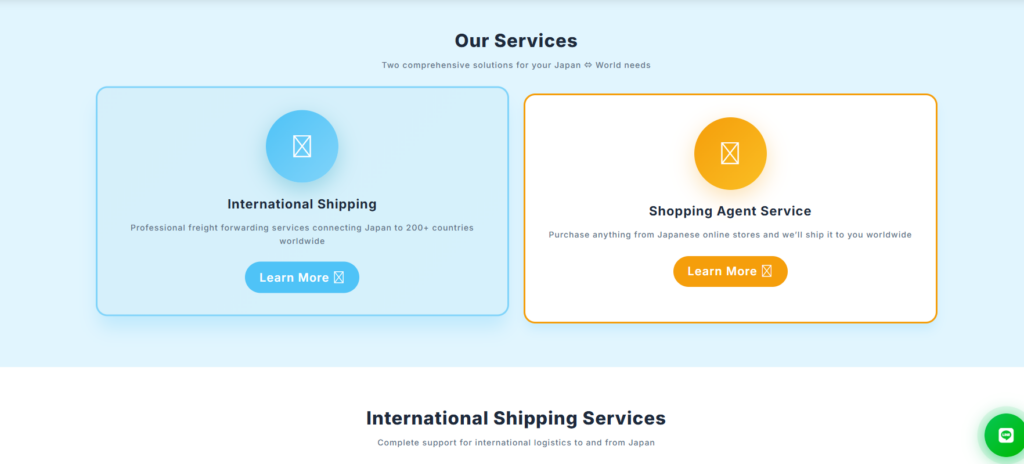
We provide both international shipping and purchasing services, so we can handle both the purchase of products in Japan and the shipment to your country.
Buy Authentic Japanese Products with Our Trusted Shopping Agent Service. We help customers worldwide purchase items directly from popular Japanese online stores such as Amazon Japan, Rakuten, Yahoo! Shopping, Mercari, and more. If a store does not ship internationally, we buy on your behalf and deliver safely to your country. Enjoy access to exclusive Japanese brands, limited editions, electronics, fashion, cosmetics, and collectibles at competitive prices. Our service offers secure payments, careful inspection, reliable packaging, and fast international shipping.
Japanese Product Shopping Agent Service – Buy from Japan and Ship Worldwide
Our Japanese Shopping Agent Service allows customers around the world to purchase authentic products directly from Japan. Many Japanese online stores do not ship internationally, which makes it difficult for overseas buyers to access popular and exclusive Japanese products. Our service solves this problem by purchasing items on your behalf and shipping them safely to your country.
We support a wide range of popular Japanese online marketplaces and retail stores. Whether you are looking for fashion, electronics, cosmetics, collectibles, hobby items, anime goods, daily-use products, or limited Japanese products, we can help you purchase them and arrange reliable international shipping.
We can also help you purchase products from smaller Japanese websites, specialty stores, local shops, and suppliers that may not support overseas customers. In many cases, if the product can be bought in Japan, we can help you buy it. This makes our service ideal for customers in Malta who want flexible access to almost anything sold in Japan.
Our service is suitable for:
• personal shopping from Japan
• Japan proxy buying
• e-commerce sourcing
• wholesale and bulk orders
• limited-edition and hard-to-find Japanese products
• combined shipping to reduce international delivery costs
CTA: If you have a product link, product name, screenshot, or shopping list, send it to us through our contact form. We will check availability, provide support, and help you buy and ship your items from Japan smoothly and safely.
Supported Japanese Shopping Platforms
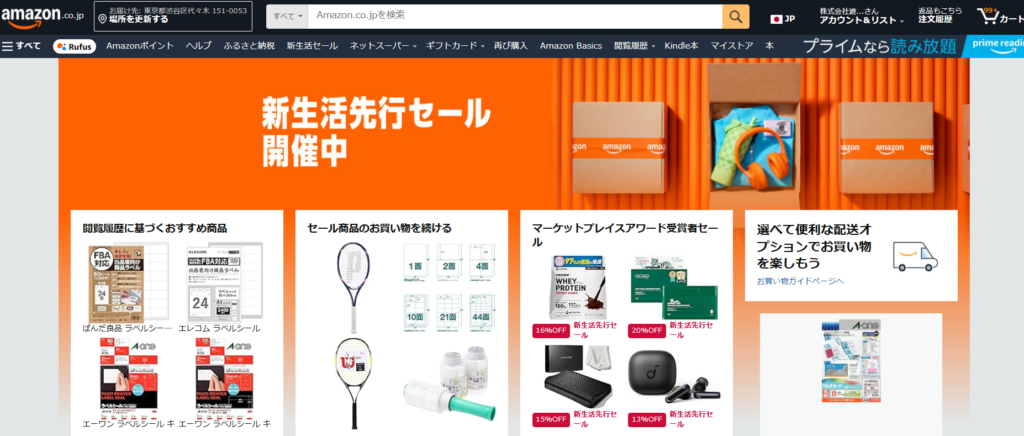
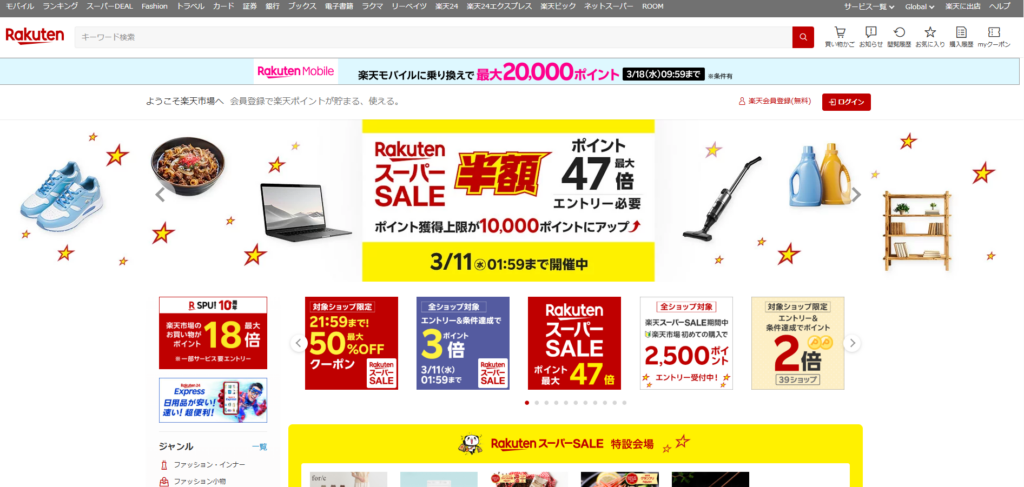
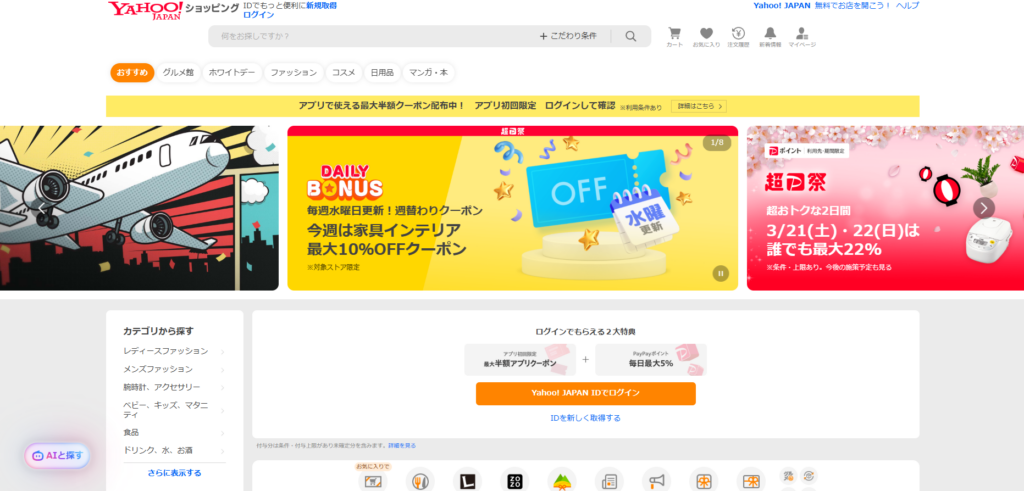
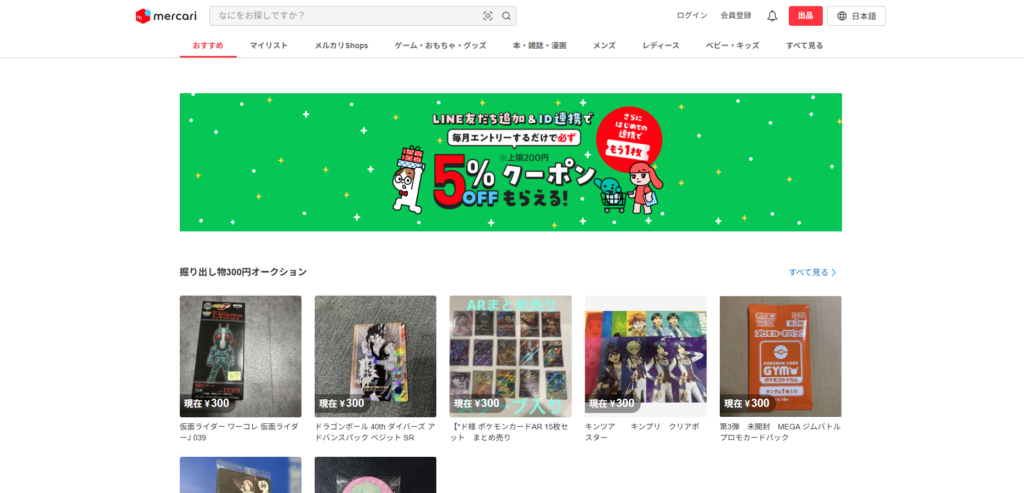

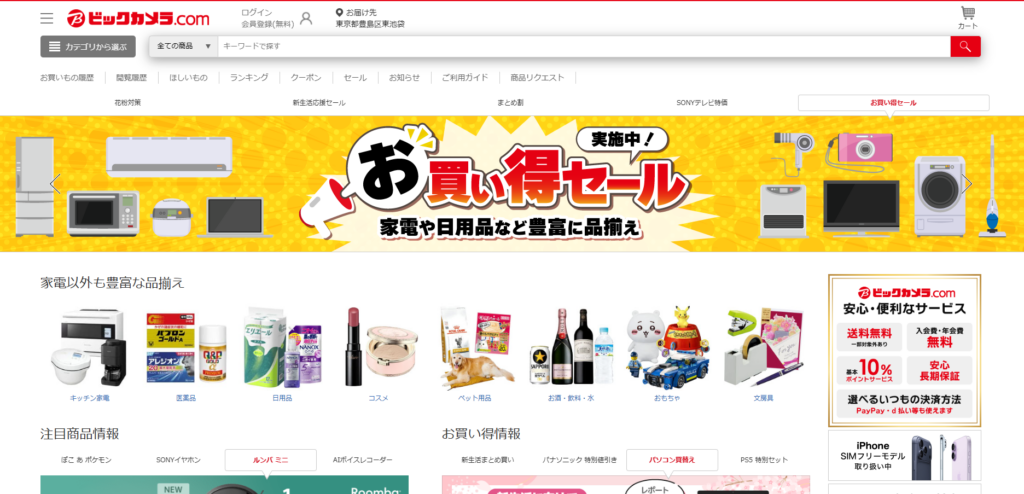
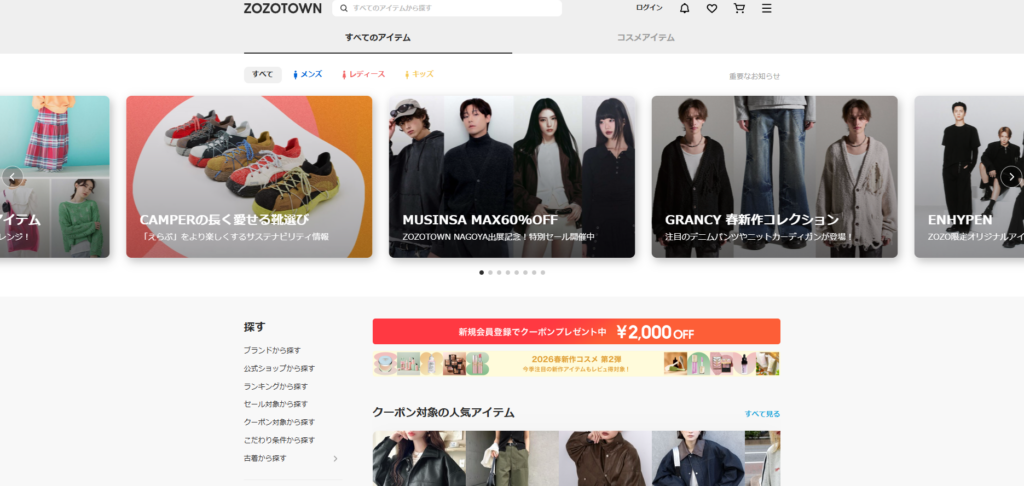
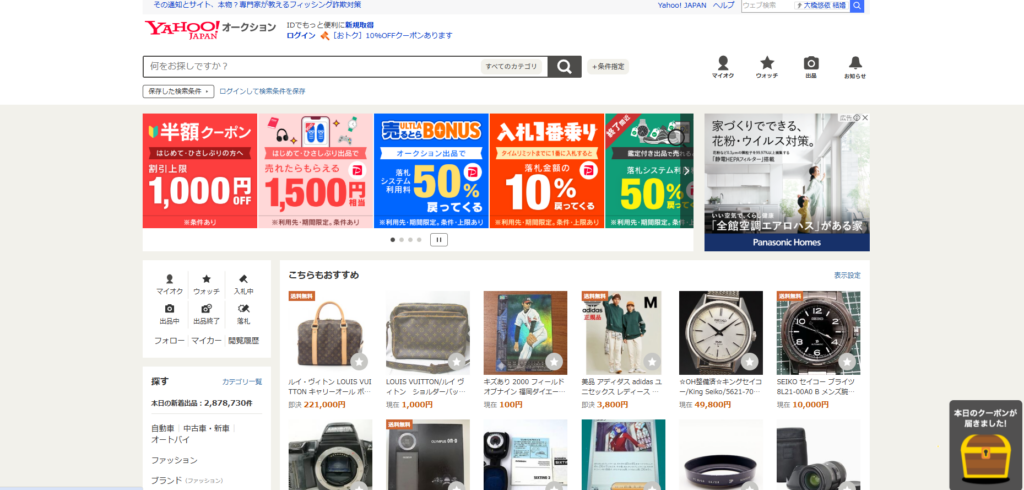
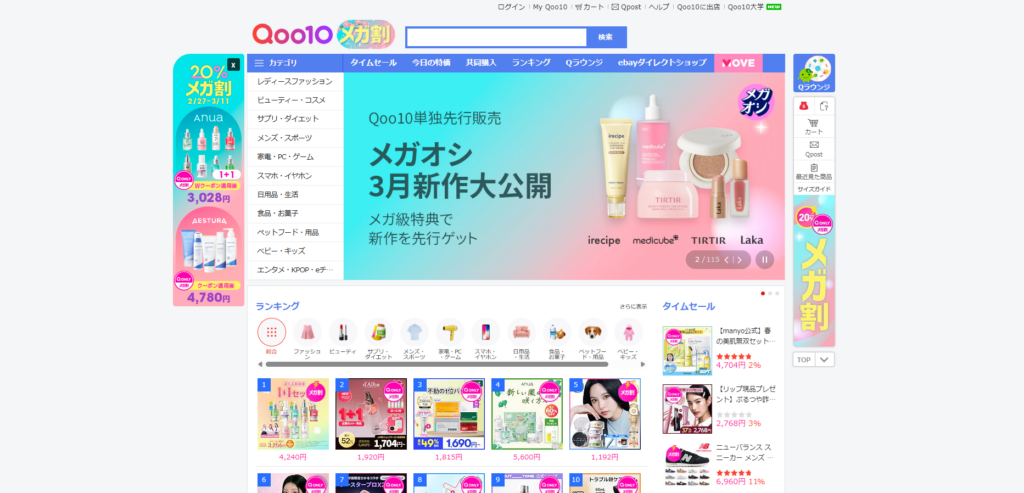
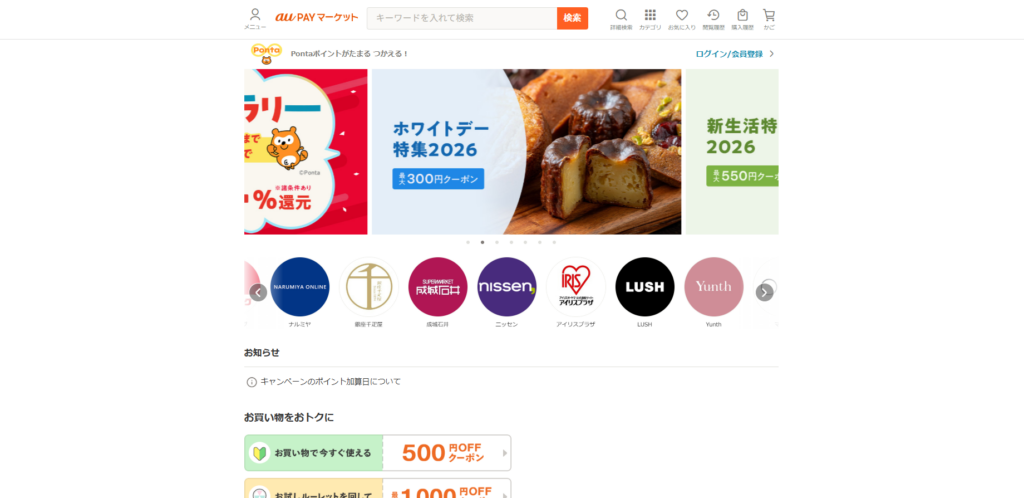
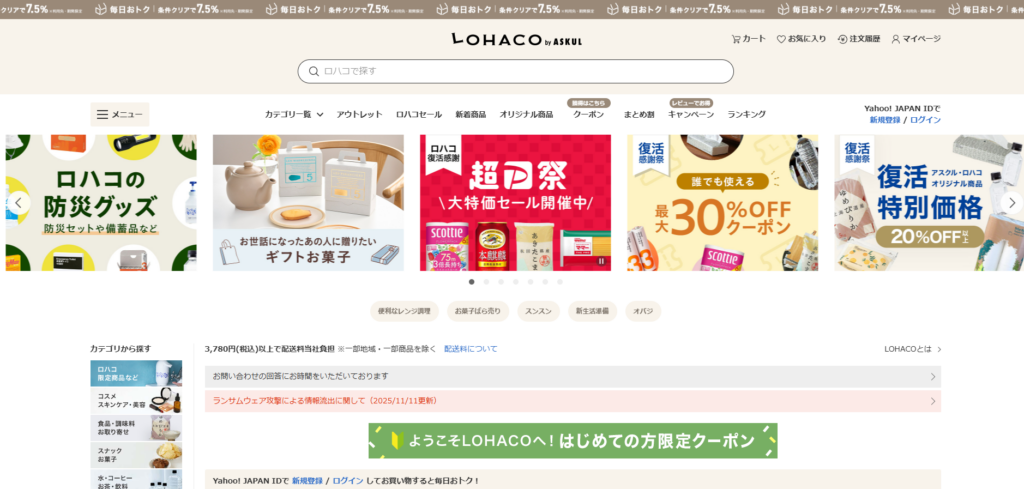
These platforms offer a huge variety of Japanese products that are highly popular worldwide. From the latest Japanese fashion brands to high-quality electronics, cosmetics, lifestyle goods, hobby items, and unique collectibles, you can access many of Japan’s best online stores through our purchasing service.
Even if the product you want is not listed on one of the major platforms above, you can still contact us. We can often assist with purchases from smaller Japanese websites, independent online shops, brand-specific stores, and selected offline products available in Japan. This makes our service highly flexible for customers who want to buy almost anything from Japan.
Contact us through the form below. Please send us your order item links or shopping list. Orders can be placed by chat or email, whichever is more convenient for you.
Important Operational Notes
All shipment information must be provided accurately before dispatch. Incorrect or incomplete information may result in shipment delays, additional costs, or reprocessing fees.
Customers are required to provide carton dimensions and weight in advance, as shipping costs are calculated based on chargeable weight (actual weight vs volumetric weight).
For shipments involving special materials such as wooden packaging, additional processing fees may apply depending on carrier requirements.
While standard shipping fees are clearly defined, any exceptional charges imposed by carriers will be billed separately as actual expenses.
Final Summary and Business Advantage
Shipping from the USA to Japan requires a complete understanding of logistics processes, cost structures, and operational conditions. By preparing accurate documentation, optimizing packaging, and selecting the right logistics partner, businesses can significantly reduce costs while ensuring fast and reliable delivery.
For companies involved in international trade, mastering these logistics fundamentals is essential for maintaining competitive pricing, improving supply chain efficiency, and expanding successfully into the Japanese market.
Introducing Worldwide Courier Japan – Your Trusted International Shipping & Import/Export Logistics Partner.
Worldwide Courier Japan provides low-cost international shipping services both from Japan to worldwide destinations and from overseas to Japan. We specialize in global import and export logistics, offering reliable air freight and sea freight solutions for businesses and individuals.
Our services cover export shipping from Japan as well as import shipping into Japan, including commercial cargo, e-commerce shipments, bulk freight, and personal packages. Whether you need to ship goods overseas or import products into Japan, we provide efficient, fast, and cost-effective logistics solutions.
If you are searching for cheap international shipping from Japan, import shipping to Japan, reliable freight forwarding companies in Japan, or global logistics services, Worldwide Courier Japan is your ideal partner. Contact us today for a free consultation.
Why Choose Worldwide Courier Japan for International Shipping & Import Services?
We offer competitive international shipping rates for both exports from Japan and imports into Japan. Our logistics experts help you choose the most efficient and affordable shipping method, whether via express courier, air cargo, or sea freight. We support small parcels, bulk shipments, and commercial cargo with optimized cost and delivery speed.
As one of the most cost-effective logistics companies in Japan, we help you reduce shipping costs for both outbound and inbound logistics while ensuring secure and reliable delivery worldwide.
Email: info@worldwide-courier-japan.com
WeChat: tradingjapankei
Tel: +81-3-6300-5745
We work with global carriers such as UPS and FedEx to provide fast, secure, and trackable international delivery services. Our network enables seamless shipping from Japan to the world and smooth import logistics into Japan from overseas.
We accept secure payments via Wise and major credit cards. Contact us easily via LINE, WhatsApp, email, or our online inquiry form for quick support and shipping quotations.
If you are looking for cheap shipping from Japan, import services to Japan, reliable freight forwarding in Japan, or cost-effective international logistics solutions, Worldwide Courier Japan is your best choice.
We support both exporting Japanese products worldwide and importing goods from overseas into Japan with efficient and affordable logistics solutions.
We provide both international shipping services and Japan purchasing (shopping agent) services.
Buy authentic Japanese products with our trusted shopping agent service. We also support importing products into Japan from overseas suppliers. Whether you are sourcing goods globally or purchasing from Japan, we handle procurement, inspection, packaging, and international delivery.
We support major platforms such as Amazon, Rakuten, Yahoo! Shopping, and Mercari. If international shipping is not available, we purchase on your behalf and deliver safely worldwide or import into Japan.
Enjoy secure payments, reliable logistics, and professional support for both export and import operations.