
Unlock the world of Japanese matcha with confidence through a seamless procurement and shipping experience. This article guides international buyers from understanding why matcha enjoys global popularity—driven by traditional quality, health-forward lifestyles, and evolving market dynamics—to practical solutions for affordable, reliable overseas transport. Learn how global demand for Japanese products remains strong, the roles of export regulations and certifications, and how choosing a capable Japan-forwarding service can cut costs, simplify logistics, and ensure safe handling from sourcing to delivery. Discover how to compare costs, trustworthiness, and tracking, and explore recommended transport partners and best practices for packaging, customs, and storage. Whether you are a retailer, importer, or individual buyer, this guide equips you to Buy Japanese products from Japan efficiently, while leveraging a one-stop service that covers purchasing, inspection, packaging, shipping, and customs support.
- Why Japanese Matcha Gains Global Popularity
- About International Shipping Rates from Japan
- Canada Export Shipping Rates (Discount Contract Rates)
- Discount Export Shipping Rates from Japan (Asia & International Cargo)
- Hong Kong Export Shipping Rates
- South Korea Export Shipping Rates
- Taiwan Export Shipping Rates
- China (Northern Region: Shanghai, Zhejiang etc.) Export Shipping Rates
- China (Southern Region: Guangdong, Fujian etc.) Export Shipping Rates
- Macau Export Shipping Rates
- Southeast Asia Export Shipping Rates (Malaysia / Vietnam / Philippines / Singapore / Thailand)
- India & Australia Export Shipping Rates
- Europe Export Shipping Rates (Spain / Germany / France / Italy)
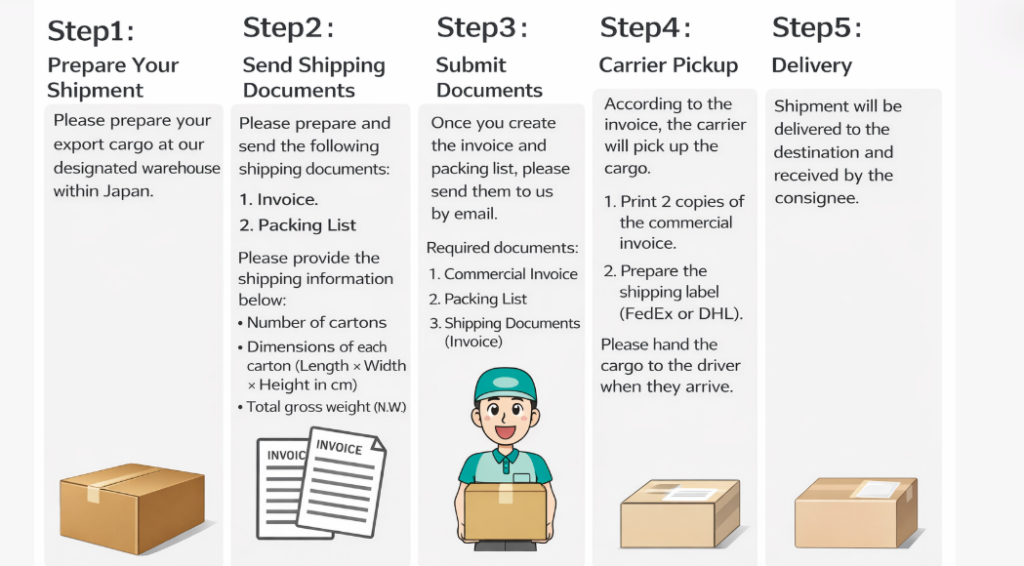
- How it works
- Step 1: Prepare the shipment
- Step 2: Email the shipment documents (invoice and packing information) to us.
- Step 3: We email two required documents for shipment (air waybill and invoice) to your shipper.
- Step 4: The carrier picks up the shipment from the pickup location / domestic warehouse, and the shipment is dispatched
- Step 5: Delivery and receipt of the cargo
- Input format
- Transaction flow (detailed version)
- Breakdown of Applicable Charges
- Knowledge About Restricted and Prohibited Items
- Background and Market Trends
- Introducing Affordable Forwarding Partners for Shipping from Overseas to Japan
- Choosing an Affordable and Reliable International Freight Forwarding Partner
- Buying Japanese Products from Overseas – Easy, Safe, and Reliable Worldwide Delivery
- Japanese Product Shopping Agent Service – Buy from Japan and Ship Worldwide
- Supported Japanese Shopping Platforms
- Recommended Overseas Freight Forwarding Companies
- Shipping Considerations and Countermeasures
- Preserving Matcha for Longevity: Storage Tips and Flavorful Use Ideas
Why Japanese Matcha Gains Global Popularity

Across kitchens and cafes worldwide, matcha has emerged from its traditional Japanese roots to become a globally beloved ingredient and beverage. This surge is driven by a blend of tradition, quality, and a modern lifestyle that prizes wellness, mindfulness, and distinctive flavor profiles. For international buyers and distributors, understanding these drivers helps align sourcing, messaging, and logistics with market demand. The following sections explore how trust in tradition and the appeal of health-focused living propel matcha’s standing on the world stage.
Tradition and Quality: The Foundation of Global Trust
At the heart of matcha’s international appeal is an unwavering commitment to traditional cultivation, processing, and preparation. Japanese tea farmers often rely on generations of knowledge, meticulous shading of tea leaves (tencha), careful steaming, and stone-ground grinding to preserve delicate flavors and vibrant color. This lineage translates into a perceived premium product characterized by smooth umami, subtle sweetness, and a bright, enduring emerald hue. Consumers around the world associate these sensory attributes with authenticity and craftsmanship, creating a premium halo that longer-standing brands and new entrants strive to uphold.
Quality control extends beyond taste to include traceability, consistent quality across harvests, and standardized production practices. International buyers increasingly seek certifications and transparent supply chains, which helps them meet regulatory expectations and reassure end customers. For exporters, communicating a clear story of origin, production methods, and quality assurances can differentiate offerings in crowded markets and sustain repeat purchases.
Health Consciousness and Lifestyle Influences
Matcha resonates with the rising global emphasis on wellness and preventive health. Its natural caffeine content, paired with L-theanine, provides a steady energy lift without typical caffeine jitters, while antioxidants such as catechins offer potential health benefits. As consumers adopt mindful routines—precise preparation rituals, slower consumption, and rituals around tea—matcha has become more than a beverage; it’s a lifestyle element. Social media, wellness blogs, and fitness communities amplify these associations, turning matcha into a symbol of balance, focus, and clean living.
Moreover, the versatility of matcha supports diverse consumption modes—from traditional whisked bowls to lattes, smoothies, and culinary applications. This adaptability makes matcha appealing to health-conscious individuals, busy professionals, and foodservice operators seeking novel, nutritious options. For distributors, highlighting versatility, nutritional benefits, and the ceremonial aspect can unlock opportunities across categories, from retail aisles to foodservice menus.
About International Shipping Rates from Japan

◇ Shipping rate table (price per kg)
Japan → United States (U.S./North America/Central America)
※ UPS fastest service level with tracking number. ※
※ We can also handle EMS, International ePacket, air mail, SAL, and sea freight via Japan Post—please let us know if you prefer these options..
※ UPS fastest service level with tracking number ※
【United States (U.S./North America/Central America) Export Preferred Rates】
・1kg :4,030円
1.5kg :4,451円
2kg :4,963円
2.5kg :5,409円
3kg :5,889円
3.5kg :6,271円
4kg :6,701円
4.5kg :7,164円
5kg :7,580円
5.5kg :7,674円
6kg :7,878円
6.5kg :8,160円
7kg :8,317円
7.5kg :8,601円
8kg :8,727円
8.5kg :8,867円
9kg :9,087円
9.5kg :9,306円
10kg :9,464円
10.5 :18,790円
11kg : 19,257円
11.5kg:19,526円
12kg : 19,760円
12.5kg: 20,094円
13kg : 20,431円
13.5kg: 20,798円
14kg : 21,132円
14.5kg: 21,432円
15kg : 21,904円
15.5kg: 22,204円
16kg : 22,571円
16.5kg: 22,877円
17kg : 23,242円
17.5kg: 23,578円
18kg : 23,946円
18.5kg: 24,183円
19kg : 24,449円
19.5kg: 24,851円
20kg : 25,388円
・21-49kg :900円/ per 1kg
・50-99kg :710円/ per 1kg
・100-299kg:620円/ per 1kg
・300-499kg:615円/ per 1kg
・500-999kg:610円/ per 1kg
・1000-5000kg:605円/ per 1kg
Canada Export Shipping Rates (Discount Contract Rates)
The following are our special discounted shipping rates for exporting parcels from Japan to Canada. These rates are designed for international shipments using reliable courier services with secure customs clearance.
| Weight | Shipping Cost |
|---|---|
| 1 kg | 4,030 JPY |
| 1.5 kg | 4,451 JPY |
| 2 kg | 4,963 JPY |
| 2.5 kg | 5,409 JPY |
| 3 kg | 5,889 JPY |
| 3.5 kg | 6,271 JPY |
| 4 kg | 6,701 JPY |
| 4.5 kg | 7,164 JPY |
| 5 kg | 7,580 JPY |
| 5.5 kg | 7,674 JPY |
| 6 kg | 7,878 JPY |
| 6.5 kg | 8,160 JPY |
| 7 kg | 8,317 JPY |
| 7.5 kg | 8,601 JPY |
| 8 kg | 8,727 JPY |
| 8.5 kg | 8,867 JPY |
| 9 kg | 9,087 JPY |
| 9.5 kg | 9,306 JPY |
| 10 kg | 9,464 JPY |
| 10.5 kg | 18,790 JPY |
| 11 kg | 19,257 JPY |
| 11.5 kg | 19,526 JPY |
| 12 kg | 19,760 JPY |
| 12.5 kg | 20,094 JPY |
| 13 kg | 20,431 JPY |
| 13.5 kg | 20,798 JPY |
| 14 kg | 21,132 JPY |
| 14.5 kg | 21,432 JPY |
| 15 kg | 21,904 JPY |
| 15.5 kg | 22,204 JPY |
| 16 kg | 22,571 JPY |
| 16.5 kg | 22,877 JPY |
| 17 kg | 23,242 JPY |
| 17.5 kg | 23,578 JPY |
| 18 kg | 23,946 JPY |
| 18.5 kg | 24,183 JPY |
| 19 kg | 24,449 JPY |
| 19.5 kg | 24,851 JPY |
| 20 kg | 25,388 JPY |
Bulk Shipping Rates
| Weight Range | Rate per kg |
|---|---|
| 21 – 49 kg | 900 JPY / kg |
| 50 – 99 kg | 710 JPY / kg |
| 100 – 299 kg | 620 JPY / kg |
| 300 – 499 kg | 615 JPY / kg |
| 500 – 999 kg | 610 JPY / kg |
| 1,000 – 5,000 kg | 605 JPY / kg |
These international shipping rates allow businesses and individuals to ship goods from Japan to Canada efficiently and cost-effectively. Large-volume shipments receive significantly reduced per-kilogram rates, making them ideal for e-commerce exports, bulk cargo, and commercial logistics.
Discount Export Shipping Rates from Japan (Asia & International Cargo)
Below are our special discounted international cargo shipping rates for exporting goods from Japan. These bulk shipping prices are ideal for businesses, e-commerce sellers, and logistics companies shipping large cargo volumes overseas.
Hong Kong Export Shipping Rates
| 21 – 50 kg | 750 JPY / kg |
| 50 – 100 kg | 550 JPY / kg |
| 100 – 299 kg | 400 JPY / kg |
| 300 – 999 kg | 380 JPY / kg |
| 1000 – 2000 kg | 350 JPY / kg |
| Over 2000 kg | 320 JPY / kg |
South Korea Export Shipping Rates
| 21 – 50 kg | 850 JPY / kg |
| 50 – 100 kg | 650 JPY / kg |
| 100 – 299 kg | 520 JPY / kg |
| 300 – 999 kg | 510 JPY / kg |
| 1000 – 2000 kg | 500 JPY / kg |
| Over 2000 kg | 490 JPY / kg |
Taiwan Export Shipping Rates
| 21 – 50 kg | 850 JPY / kg |
| 50 – 100 kg | 650 JPY / kg |
| 100 – 299 kg | 520 JPY / kg |
| 300 – 999 kg | 510 JPY / kg |
| 1000 – 2000 kg | 500 JPY / kg |
| Over 2000 kg | 490 JPY / kg |
China (Northern Region: Shanghai, Zhejiang etc.) Export Shipping Rates
| 21 – 50 kg | 850 JPY / kg |
| 50 – 100 kg | 650 JPY / kg |
| 100 – 299 kg | 520 JPY / kg |
| 300 – 999 kg | 510 JPY / kg |
| 1000 – 2000 kg | 500 JPY / kg |
| Over 2000 kg | 490 JPY / kg |
China (Southern Region: Guangdong, Fujian etc.) Export Shipping Rates
| 21 – 50 kg | 1350 JPY / kg |
| 50 – 100 kg | 1150 JPY / kg |
| 100 – 299 kg | 980 JPY / kg |
| 300 – 999 kg | 970 JPY / kg |
| 1000 – 2000 kg | 960 JPY / kg |
| Over 2000 kg | 950 JPY / kg |
Macau Export Shipping Rates
| 21 – 50 kg | 850 JPY / kg |
| 50 – 100 kg | 650 JPY / kg |
| 100 – 299 kg | 520 JPY / kg |
| 300 – 999 kg | 510 JPY / kg |
| 1000 – 2000 kg | 500 JPY / kg |
| Over 2000 kg | 490 JPY / kg |
Southeast Asia Export Shipping Rates (Malaysia / Vietnam / Philippines / Singapore / Thailand)
| 21 – 49 kg | 600 JPY / kg |
| 50 – 99 kg | 480 JPY / kg |
| 100 – 299 kg | 360 JPY / kg |
| 300 – 499 kg | 358 JPY / kg |
| 500 – 999 kg | 350 JPY / kg |
| 1000 – 2000 kg | 348 JPY / kg |
India & Australia Export Shipping Rates
| 21 – 49 kg | 1000 JPY / kg |
| 50 – 99 kg | 890 JPY / kg |
| 100 – 299 kg | 750 JPY / kg |
| 300 – 499 kg | 730 JPY / kg |
| 500 – 999 kg | 720 JPY / kg |
| 1000 – 2000 kg | 690 JPY / kg |
Europe Export Shipping Rates (Spain / Germany / France / Italy)
| 21 – 49 kg | 1200 JPY / kg |
| 50 – 99 kg | 990 JPY / kg |
| 100 – 299 kg | 850 JPY / kg |
| 300 – 499 kg | 830 JPY / kg |
| 500 – 999 kg | 820 JPY / kg |
| 1000 – 2000 kg | 790 JPY / kg |
These discounted cargo shipping rates from Japan are ideal for bulk shipments, international trade, and cross-border e-commerce. Businesses shipping larger volumes benefit from significantly reduced per-kilogram costs, making global logistics more efficient and affordable.
The above rates are unit prices per kilogram. Please refer to the examples on the right for the shipping cost rate by weight.
In addition to the above shipping fees, a fuel surcharge will apply. Monthly or weekly fuel surcharge fees are charged depending on the carrier you use.
Any duties, import taxes, etc. incurred during local customs clearance will be billed by the carrier to the consignee.
How it works
We offer good service.worldwide-courier provides international logistics and international shipping (air freight) services that arrange shipping on behalf of trading businesses.
The United States・We support imports and exports not only with China and Hong Kong, but also Korea, the U.S., Europe, Southeast Asia, India, Africa, and many other countries.

By using major couriers (FedEx/UPS/DHL), we provide stable and speedy delivery, and with the overwhelmingly low shipping rates offered by worldwide-courier, we help reduce your existing delivery costs and overall procurement costs.
Step 1: Prepare the shipment
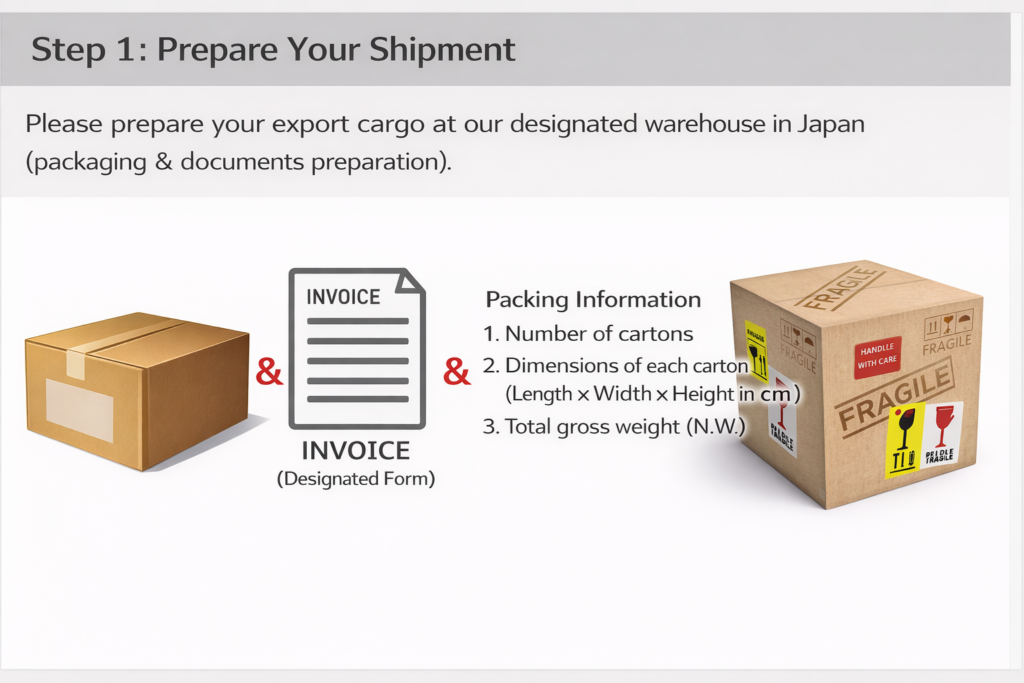
Prepare the shipment at the domestic pickup location (packing & document preparation).
Step 2: Email the shipment documents (invoice and packing information) to us.
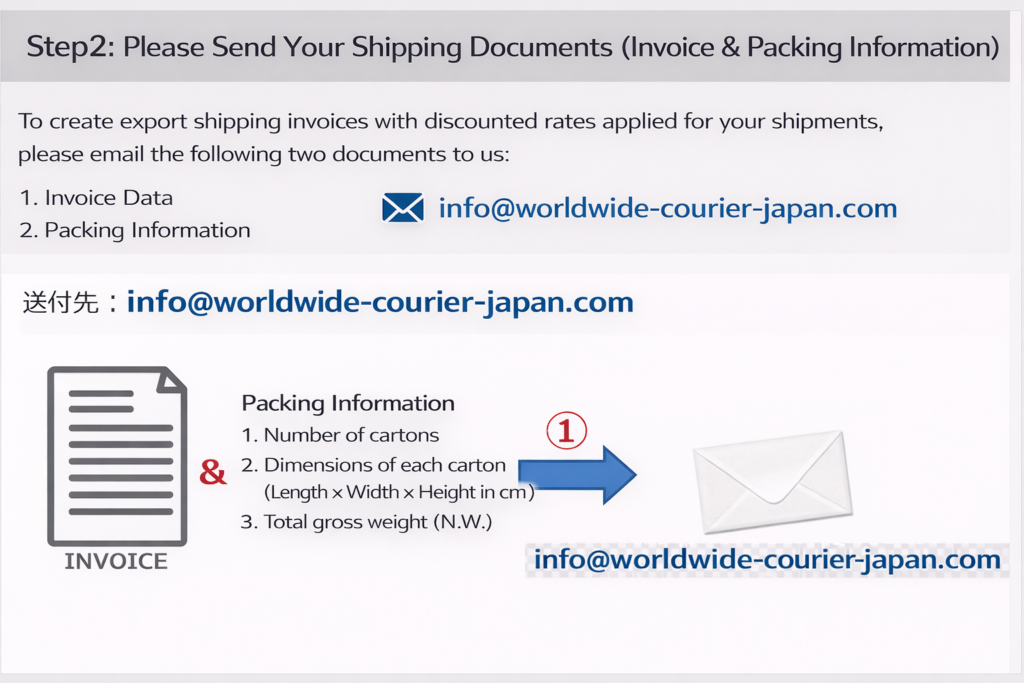
We will create the shipping documents using the special discounted rate provided for each customer. Please email the following two documents as attachments to our office.
1. “Invoice”
2. “Packing List”
Send to: info@worldwide-courier-japan.com
< Items that often end up missing on the invoice >
1. Postal code (shipper side)
2. Contact person name (shipper side)
3. Pickup phone number (shipper side)
※ The above three items are required to create the documents.
If any of this information is missing, we cannot create the documents, so please confirm in advance and submit your request accordingly.
< Required information on the packing list >
1. Total number of cartons
2. The three dimensions of each carton: length (cm), width (cm), height (cm)
3. Total weight (N.W.): total weight after packing
※ In some cases, the packing list lacks the above information. As it is required for document creation, please confirm in advance before requesting.
※ If you do not have a packing list, please confirm the above information with the shipper and share it with us.
< About “Chargeable Weight” used to determine shipping fees >
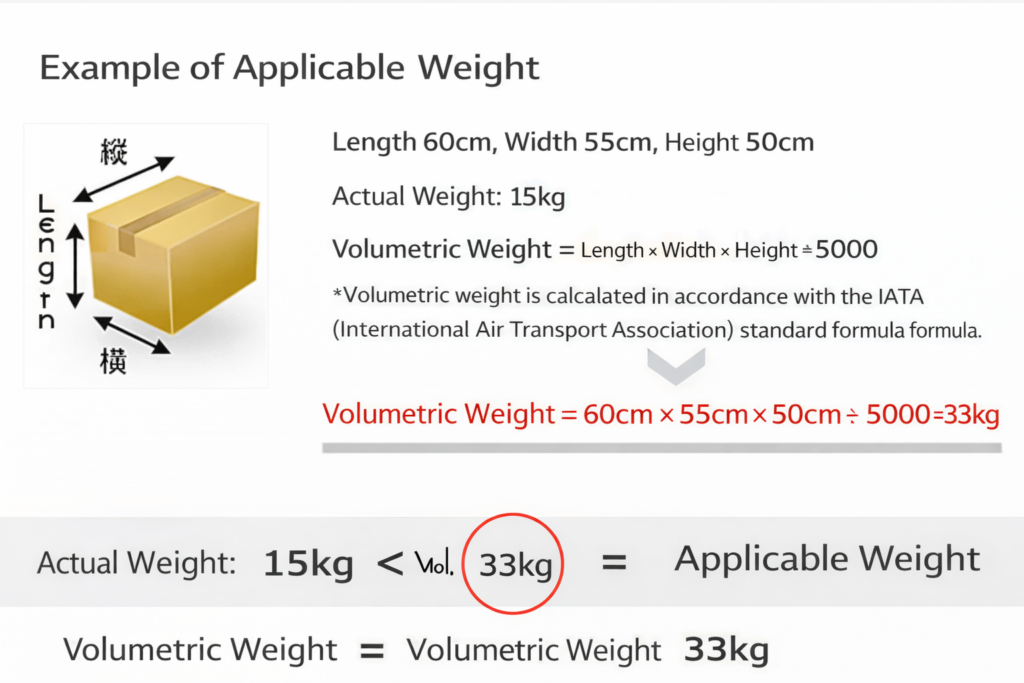
Based on IATA (International Air Transport Association) standards, the larger of the “actual weight after packing” and the “dimensional (volumetric) weight after packing” is adopted as the “chargeable weight.”
Step 3: We email two required documents for shipment (air waybill and invoice) to your shipper.
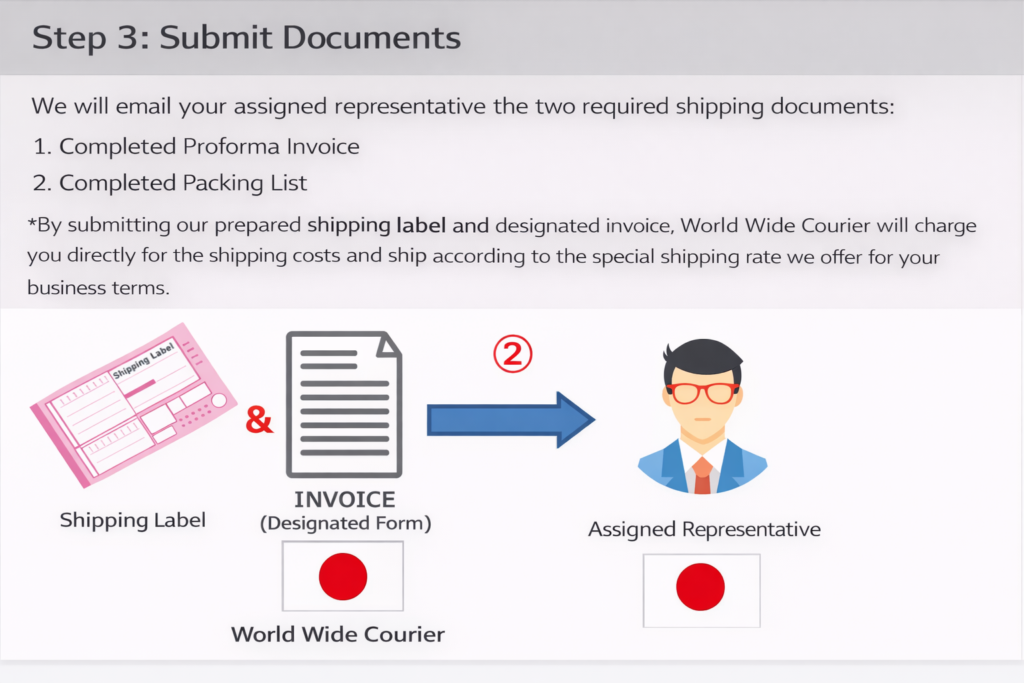
We will email two required documents for shipment (air waybill and invoice) to your 담당者.
1. Confirm any missing information in the “Invoice” and “Packing List” you provided.
2. Based on the above, we will prepare the “Air Waybill” and “Invoice (specified form)” on our side and email them to your 담당者.
※ By shipping using the “Air Waybill” and “Invoice (specified form)” created by us, the shipping charges will be billed to us. This enables you to ship using the applicable rate provided for each customer. Under your individual 거래 조건, we will invoice you for the shipping fees.
Step 4: The carrier picks up the shipment from the pickup location / domestic warehouse, and the shipment is dispatched
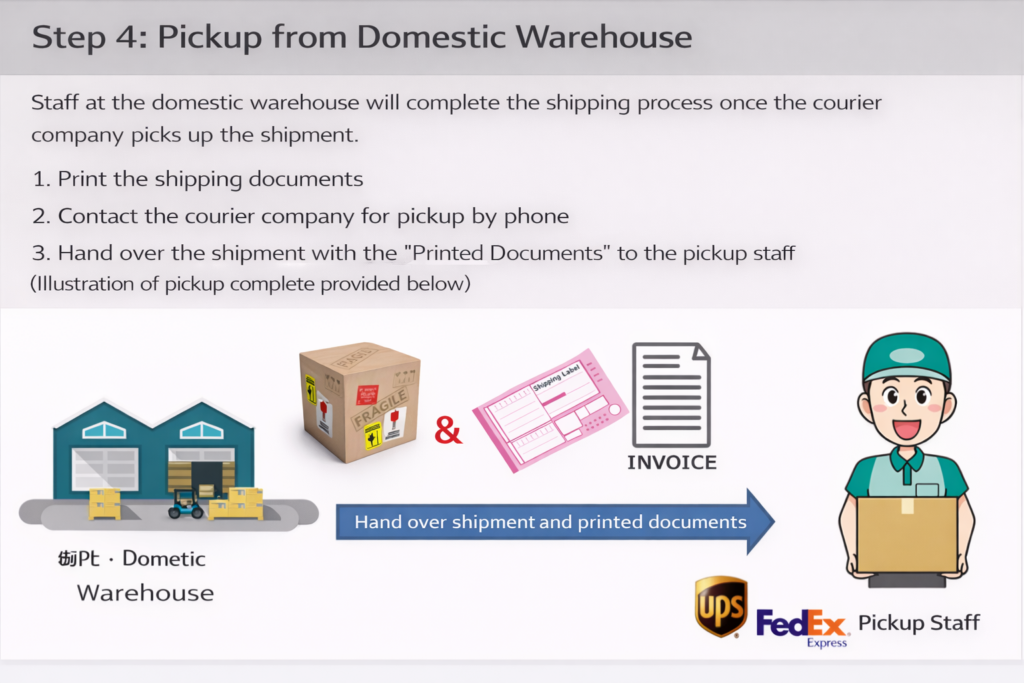
At the domestic pickup location:
1. Print the documents
2. Call the carrier to request pickup
3. Hand the “cargo” and the “two printed documents” to the pickup staff to complete dispatch
Step 5: Delivery and receipt of the cargo
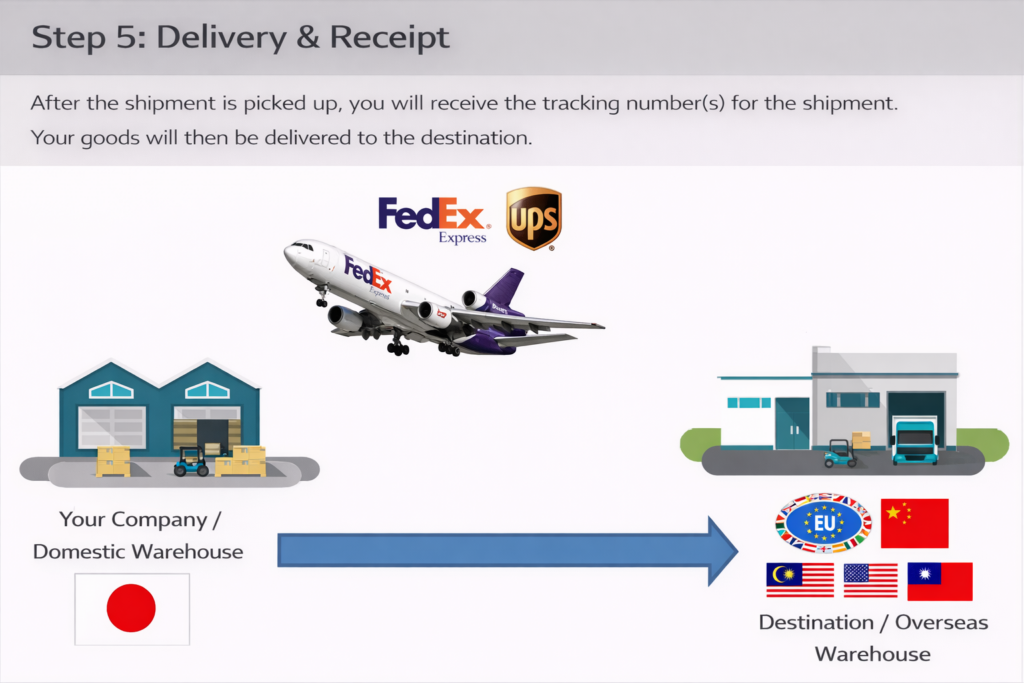
After dispatch, we will provide the tracking number. Your goods will then be delivered.

worldwide-courier provides low-cost delivery from Japan to the United States (U.S./USA) by air and sea. We support both exports and imports, so worldwide-courier reponce pls.
If you provide the information below, we can create the local shipping label.
Input format
◇ Pickup information (From)
1. Company name (or full name)
2. Contact person name
3. Postal code
4. Address
5. Phone number
※ This is the information for the location where the pickup will actually be made.
◇ Delivery address (To)
1. Company name (or full name) (※ Please 반드시 write in English.)
2. Contact person name (※ Please 반드시 write in English.)
3. Postal code
4. Address (※ Please 반드시 write in English.)
5. Phone number
◇ Packing information
1. Number of cartons
2. Total weight
3. Three dimensions of each carton (length, width, height in cm)
◇ Invoice information
・Product name (Please 반드시 write in English.)
・Unit price (Either currency is fine)
・Quantity
If you provide the above information, we can arrange the shipment. worldwide-courier offers low-cost delivery from Japan to the United States (U.S./USA) by air and sea. We support both exports and imports, so worldwide-courier reponce pls.
We look forward to your request.
Please let us know your current shipping frequency and shipping costs, if any.
Regarding your planned shipping date:
If you can also tell us around when you plan to ship, it will make the process smoother.
You can ship at the above rates.
For exports, we can create the shipping documents if you reply with the completed invoice as an attachment, or if you provide the information below.
◇ Pickup information (From)
1. Company name (or full name)
2. Contact person name
3. Postal code
4. Address
5. Phone number
※ This is the information for the location where the pickup will actually be made.
◇ Delivery address (To)
1. Company name (or full name) (※ Please 반드시 write in English.)
2. Contact person name (※ Please 반드시 write in English.)
3. Postal code
4. Address (※ Please 반드시 write in English.)
5. Phone number
◇ Packing information
1. Number of cartons
2. Total weight
3. Three dimensions of each carton (length, width, height in cm)
◇ Invoice information
・Product name (Please 반드시 write in English.)
・Unit price (Either currency is fine)
・Quantity
We will also guide you through the transaction flow.
Transaction flow (detailed version)
< Flow >
1. Please reply with the invoice.
2. If there are no issues with the information, we will book the pickup.
※ Pickup can be arranged as early as the next business day after your package is ready. (We typically book a window around 11:00–17:00.)
< Details: Export cargo transaction flow (Japan → destination country) >
The pickup process is as follows.
1. Please contact us after you finish packing your shipment.
2. Please prepare the invoice and packing information (number of cartons, weight, and three dimensions per carton).
※ 2-1. Shipper (Japan side): address, postal code, name, phone number, company name
2-2. Consignee (delivery destination): local address, postal code, name, phone number, company name
2-3. Product name and unit price
3. After we confirm (2) and there are no issues, we will arrange the pickup.
4. Within 1–2 business days, the carrier will come to your指定 location for pickup.
* We will email you the electronic data for the air waybill, so please hand the invoice and air waybill together with the package to the pickup staff.
5. Shipment is dispatched.
7. Local customs clearance processing (personal / commercial)
8. If there are no issues, the shipment clears customs.
9. Delivery is completed.
* Steps 5–8 typically take about 2–5 days to arrive if there are no issues.
* You will receive a tracking number as a shipment record.
Breakdown of Applicable Charges
1. Freight charges and fuel surcharge
2. Import duties, VAT/GST, customs clearance fees, and other local charges in the destination country, if applicable
The chargeable weight is calculated based on the larger of the actual weight and volumetric weight after packing.
Knowledge About Restricted and Prohibited Items
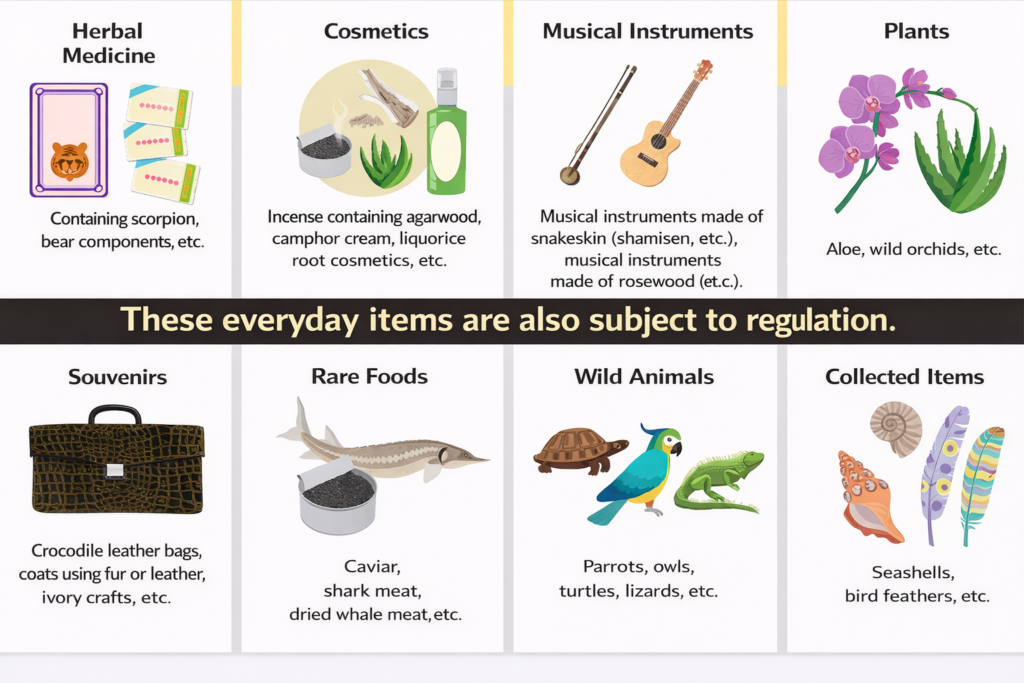
Certain items may be restricted or prohibited for international shipping depending on the destination country and carrier regulations. These may include dangerous goods, flammable materials, compressed gases, liquids, medicines, medical devices, firearms, tobacco products, perishables, seeds, plants, animals, chemicals, valuables, and CITES-regulated items.
In addition to the items listed above, other products may also be restricted depending on local import regulations. Some items may have shipping limitations, licensing requirements, or value restrictions.
Please contact us in advance if you are unsure whether your items can be shipped internationally from Japan.
That concludes our overview of international shipping from Japan to overseas destinations.
Background and Market Trends

The global demand for Japanese products has entered a robust expansion phase, driven by a combination of rising consumer interest in Japanese quality, culture, and lifestyle, and the strategic efforts of brands to broaden their international footprint. This chapter explores the key drivers behind the surge in overseas demand for Japanese goods and the evolving regulatory landscape that shapes cross-border trade. By understanding these forces, importers, distributors, and brand owners can navigate opportunities more effectively and position themselves to capture growth in diverse markets.
Drivers of the Overseas Market Expansion
Several interconnected factors are accelerating the overseas expansion of Japanese products. First, Japan’s reputation for meticulous craftsmanship, reliability, and innovation continues to attract both individual consumers and institutional buyers who seek premium goods. Second, consumer demographics abroad are shifting toward higher disposable income segments with a preference for quality over quantity, which benefits categories like electronics, beauty, fashion, and traditional crafts. Third, the rise of cross-border e-commerce and streamlined logistics has lowered barriers to purchase, enabling customers to access Japanese items directly from retailers or marketplaces on a global scale. Fourth, localization strategies—tailored marketing, language support, and regional adaptations—have improved trust and conversion rates, expanding the addressable market beyond traditional export channels. Finally, strategic partnerships, influencer collaborations, and targeted campaigns have elevated visibility of Japanese brands in new regions, reinforcing demand cycles and sustaining long-term growth. In tandem, supply chains that emphasize reliability and speed help reinforce customer confidence and repeat purchases across countries.
Key market indicators include growing search interest in “Buy Japanese products from Japan,” rising volumes of cross-border orders for consumer electronics, cosmetics, and apparel, and sustained demand from wholesale channels seeking high-value items for boutique retailers. Companies that offer end-to-end solutions—from sourcing and validation to packaging, shipment, and smooth customs clearance—enjoy a competitive edge as buyers increasingly demand simplicity and risk reduction in international procurement.
Role of Export Controls and International Certifications
As Japanese products gain traction overseas, exporters must navigate a complex framework of export controls, safety standards, and certifications that differ by destination. The role of export controls is to prevent the export of restricted items and to ensure compliance with national security, public safety, and foreign policy objectives. For Japan, this means adhering to export licensing rules, identifying dual-use items, and coordinating with customs authorities to verify end-use and end-user details. Non-compliance can lead to delays, fines, or reputational damage that undermines market entry efforts.
International certifications and standards further shape cross-border trade by aligning product safety, quality, and environmental considerations with local market requirements. Common examples include CE marking for European Union markets, FCC/UL equivalence for North American electronics, and industry-specific certifications for cosmetics and食品 (food products). In addition, many regions require accurate labeling in local languages, ingredient disclosures, and compliance with packaging and recycling regulations. Companies that proactively manage certifications and maintain a robust document-control system can shorten clearance times, reduce the risk of product holds, and build trust with distributors and consumers alike.
To succeed in a dynamic global environment, Japanese exporters should integrate compliance planning into product development and procurement strategies. This includes mapping product classifications for export control lists, maintaining up-to-date knowledge of destination-specific regulatory changes, and establishing a predictable, transparent process for certification validation and renewal. By combining rigorous compliance with superior sourcing and logistics capabilities, companies can sustain growth while mitigating regulatory risk across diverse markets.
Introducing Affordable Forwarding Partners for Shipping from Overseas to Japan

In today’s global marketplace, the demand for Japanese products abroad continues to rise, driven by a reputation for quality, innovation, and enduring consumer trust. For overseas buyers and businesses, finding cost-effective, reliable pathways to Japan is essential to seize growth opportunities. This article outlines why Japanese goods will maintain strong overseas demand, and it recommends overseas-to-Japan forwarding companies that also support Japan-to-overseas exports, highlighting how they can streamline procurement, shipping, and compliance in a single, seamless solution.
Why Japanese Product Demand Abroad Will Keep Growing
Japanese goods enjoy persistent appeal across many sectors—from electronics and wearables to fashion, cosmetics, and traditional goods. Several factors fuel sustained demand: first, Japan’s reputation for meticulous craftsmanship and reliability; second, a constant stream of innovative products and limited-edition releases; third, robust supply chains and consistent quality control. For international buyers, the attraction is not only product quality but also access to a vast ecosystem of authentic, verified sellers and official retailers. As cross-border e-commerce matures, buyers increasingly prioritize compatibility with local payment methods, language support, and efficient delivery timelines, all of which recent forwarding providers are optimizing. Additionally, Japanese brands often carry premium pricing, which, when matched with competitive international shipping rates, translates into compelling value for global retailers seeking to differentiate their offerings.
Recommended Forwarding Companies That Handle Both Overseas-to-Japan and Japan-to-Overseas Exports
Partnering with a forwarding service that offers a full suite—from procurement support to international logistics—reduces complexity and cost. The following criteria help identify strong candidates: expansive sourcing reach (access to major marketplaces like Amazon.co.jp, Rakuten, Yahoo Shopping, Mercari, Uniqlo, BicCamera, ZOZOTOWN, Yahoo Auctions, Lohaco, and more), cost-efficient shipping (in-house logistics minimize intermediary marksups), global reach (to 200+ countries), compliance expertise (customs, regulations, and documentation), and a true one-stop solution (purchase, inspection, packing, shipping, customs clearance, and delivery). Below are representative capabilities to look for in providers suitable for overseas buyers and domestic exporters alike:
- Extensive procurement network: ability to source new, used, and limited-edition items from a broad range of Japanese retailers and marketplaces.
- Competitive freight rates: elimination of middleman costs through in-house logistics, with options for air and sea carriage aligned to budget and urgency.
- Global coverage and scalable service: support for individuals and businesses, with end-to-end tracking and proactive exception handling.
- End-to-end compliance: in-depth knowledge of Japanese export rules, customs clearance, and international regulations to minimize delays.
- One-stop process: seamless flow from purchase to delivery, including pre-shipment inspection and secure packing designed to protect fragile items.
For practical reference, consider forwarding companies that can also act as Japan-to-overseas exporters, enabling a single partner to manage: sourcing in Japan, international shipping, and delivery to global customers. Such a setup is especially valuable for cross-border e-commerce sellers, wholesalers, and corporate purchasers seeking predictable costs and reliable service.
If you would like a vetted list of providers that meet these criteria or a tailored quote, you can reach out through the company’s inquiry channel, which provides a streamlined path from initial consultation to the final delivery.
Choosing an Affordable and Reliable International Freight Forwarding Partner

Selecting the right overseas shipping and logistics partner is crucial for overseas buyers and exporters. An ideal freight forwarder combines cost efficiency with dependable service, ensuring smooth handling from purchase to delivery. This guide outlines essential considerations to compare rates and evaluate reliability, helping you secure a partner that can support high-volume orders, time-sensitive shipments, and cross-border compliance.
Cost Comparison: What to Look For
When evaluating quotes, focus on the total landed cost rather than the upfront price alone. Break down the factors that influence final charges:
– Freight rate: base charge for air, ocean, or multimodal transport. Compare near-identical service levels to ensure fairness.
– Fuel surcharge and ancillary fees: transparently disclosed surcharges can significantly affect the total.
– Handling and terminal charges: origin and destination port fees, terminal handling charges, and any warehousing fees if delays occur.
– Packaging and insurance: verify packaging standards to prevent damage and check insurance coverage levels for valuable shipments.
– Customs duties and taxes: confirm who handles HS classification, duties calculations, and tax deposits, and whether duties are consolidated or paid per shipment.
– Door-to-door vs. port-to-port: full-service offerings add value but may change pricing. Weigh convenience against cost.
Practical tips to compare costs:
- Request a side-by-side quote detailing all line items.
- Ask for the lowest possible rate for volume shipments or contracted monthly lanes.
- Confirm what “free time,” demurrage, storage, and detention policies apply to your shipments.
- Request a cost simulation for typical orders (size, weight, destination) to forecast monthly spend.
Look for agencies that pool volumes to secure better rates while maintaining service quality. A balance between cost and reliability is essential for sustainable, scalable cross-border commerce.
Reliability and Tracking: Why Visibility Matters
Reliability is defined not only by on-time delivery but also by proactive communication, accurate documentation, and robust problem resolution. Tracking and visibility enable you to manage expectations, reduce risk, and plan contingencies.
Key reliability indicators to assess:
– Transit performance: historical on-time delivery rates, average delays, and performance by route or carrier.
– Real-time tracking: granular visibility from pickup to final delivery, with accessible portals or APIs for your systems.
– Documentation accuracy: consistency in commercial invoices, packing lists, and compliance paperwork to minimize customs holds.
– Proactive exception management: timely alerts for delays, detentions, or documentation issues, plus clear remediation steps.
– Insurance and claims process: straightforward procedures for damage or loss, with prompt claim handling and compensation timelines.
Practical steps to verify reliability:
- Request references or case studies from similar shipment profiles (destination, product type, value).
- Request access to live tracking during a test shipment and evaluate the clarity of updates.
- Confirm service-level agreements (SLAs) for delivery timelines and handling of customs clearance.
- Review carrier diversify approach: does the forwarder work with multiple carriers to avoid bottlenecks and provide alternatives in peak seasons?
- Check contingency plans for disruptions (port closures, strikes, weather events) and whether backups are in place.
Choosing a forwarder with transparent pricing, strong track-and-trace capabilities, and reliable support reduces operational risk and elevates customer satisfaction for cross-border commerce.
Buying Japanese Products from Overseas – Easy, Safe, and Reliable Worldwide Delivery
Many Japanese online stores do not offer international shipping. However, customers overseas can still purchase authentic Japanese products easily by using a professional Japan proxy shopping service.
A proxy shopping service purchases products on behalf of international customers in Japan and ships them overseas. This allows buyers worldwide to shop from popular Japanese marketplaces such as Amazon Japan, Rakuten, Mercari, and Yahoo Auctions, even when those stores do not ship internationally.
Our service can also combine multiple orders into a single shipment, which can significantly reduce international shipping costs. This is one of the most efficient ways to buy from Japan while keeping total costs low.
We introduce Worldwide-Courier.
①Shipping service
We offer Worldwide-Courier, providing low-cost delivery from Japan to Malta and worldwide by air and sea. We support both exports from Japan and imports into Japan, so please feel free to contact us for a consultation or inquiry.
We are one of the most affordable logistics companies in Japan. We provide competitive shipping rates and reliable international delivery services.
email:info@worldwide-courier-japan.com
wechat:tradingjapankei
tel:+81-3-6300-5745
We provide international export logistics from Japan to over 200 countries worldwide. As one of Japan’s most cost-effective shipping companies, we help reduce transportation costs between Japan and your country with competitive pricing and dependable service. We utilize trusted global carriers such as UPS and FedEx to ensure fast, secure, and trackable delivery.
Payment is accepted via Wise or major credit cards for safe and convenient international transactions. You can easily contact us through LINE, WhatsApp, email, or our online inquiry form.
If you are looking for affordable Japan export shipping, a reliable Japanese logistics partner, and lower international freight costs, we are your best choice. Contact us today and start saving on your shipments from Japan.
With the current weak Japanese yen (JPY), overseas customers can significantly reduce their total product purchasing and international shipping costs from Japan.
Because our Japan-origin freight forwarding rates are based in Japanese yen, overseas businesses and individual buyers can benefit from favorable exchange rates, resulting in lower effective costs for air freight, sea freight, proxy shopping, and international shipping services.
If you are looking for cheap shipping from Japan, low-cost air or ocean freight, or reliable customs clearance support, now is an excellent time to take advantage of the favorable currency difference.
Contact us today for a free consultation and a competitive shipping quotation.
②Japan product agent service
We can buy Japanese products and ship them to countries worldwide.
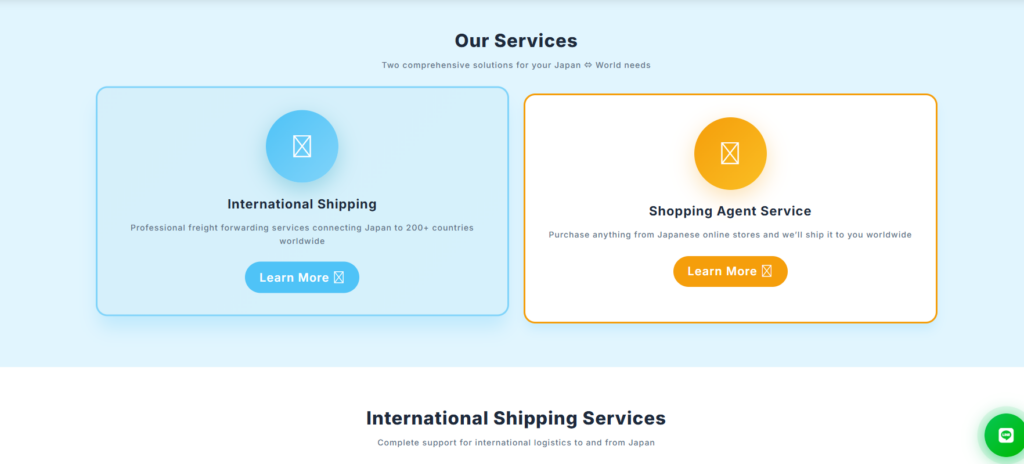
We provide both international shipping and purchasing services, so we can handle both the purchase of products in Japan and the shipment to your country.
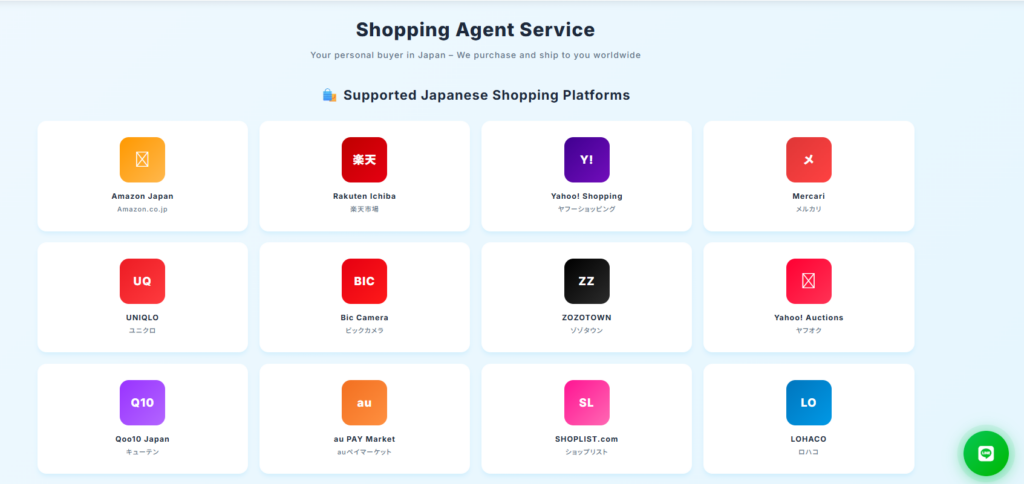
Buy Authentic Japanese Products with Our Trusted Shopping Agent Service. We help customers worldwide purchase items directly from popular Japanese online stores such as Amazon Japan, Rakuten, Yahoo! Shopping, Mercari, and more. If a store does not ship internationally, we buy on your behalf and deliver safely to your country. Enjoy access to exclusive Japanese brands, limited editions, electronics, fashion, cosmetics, and collectibles at competitive prices. Our service offers secure payments, careful inspection, reliable packaging, and fast international shipping.
Japanese Product Shopping Agent Service – Buy from Japan and Ship Worldwide
Our Japanese Shopping Agent Service allows customers around the world to purchase authentic products directly from Japan. Many Japanese online stores do not ship internationally, which makes it difficult for overseas buyers to access popular and exclusive Japanese products. Our service solves this problem by purchasing items on your behalf and shipping them safely to your country.
We support a wide range of popular Japanese online marketplaces and retail stores. Whether you are looking for fashion, electronics, cosmetics, collectibles, hobby items, anime goods, daily-use products, or limited Japanese products, we can help you purchase them and arrange reliable international shipping.
We can also help you purchase products from smaller Japanese websites, specialty stores, local shops, and suppliers that may not support overseas customers. In many cases, if the product can be bought in Japan, we can help you buy it. This makes our service ideal for customers in Malta who want flexible access to almost anything sold in Japan.
Our service is suitable for:
• personal shopping from Japan
• Japan proxy buying
• e-commerce sourcing
• wholesale and bulk orders
• limited-edition and hard-to-find Japanese products
• combined shipping to reduce international delivery costs
CTA: If you have a product link, product name, screenshot, or shopping list, send it to us through our contact form. We will check availability, provide support, and help you buy and ship your items from Japan smoothly and safely.
Supported Japanese Shopping Platforms
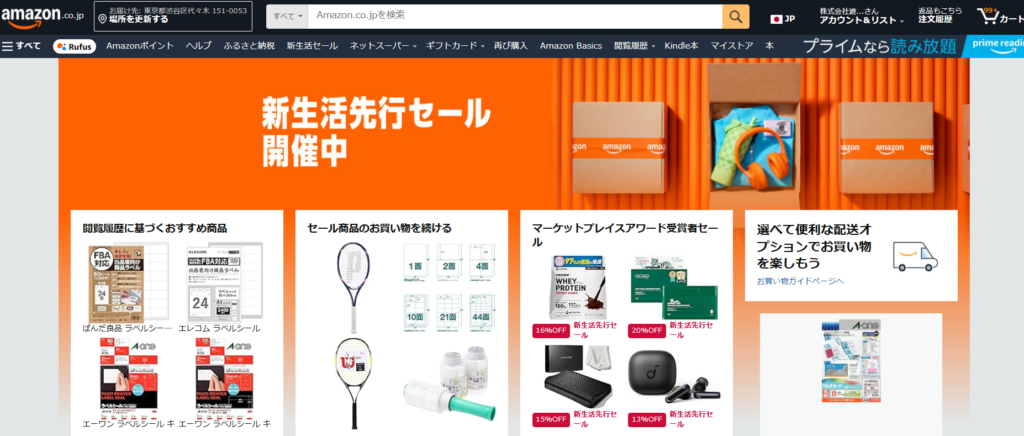
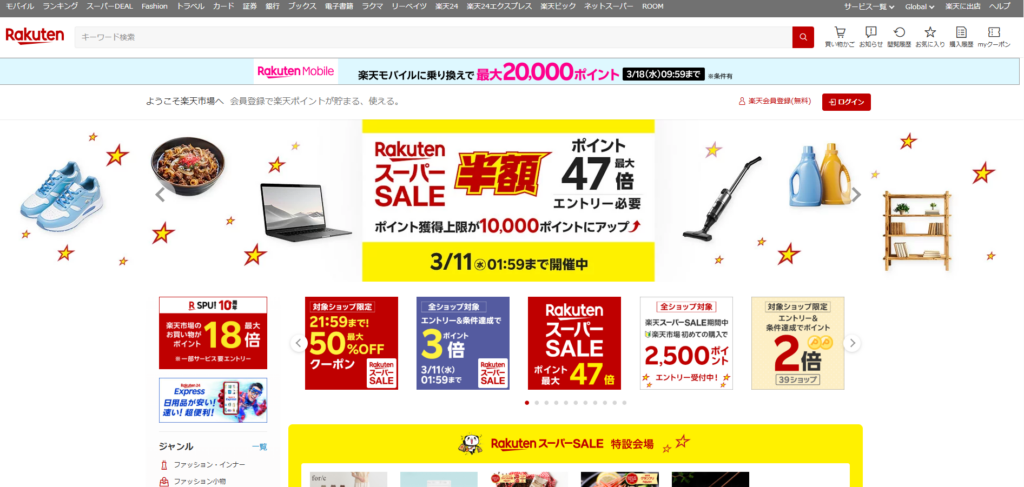
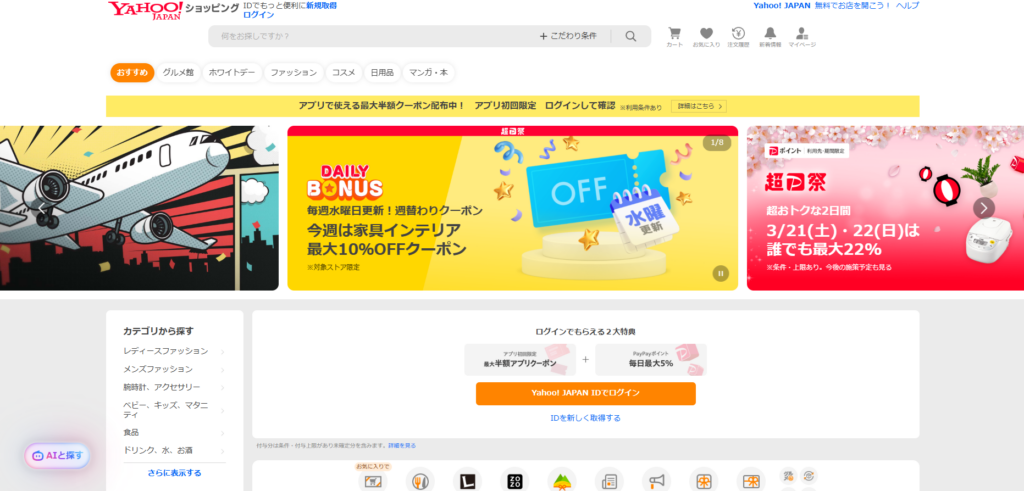
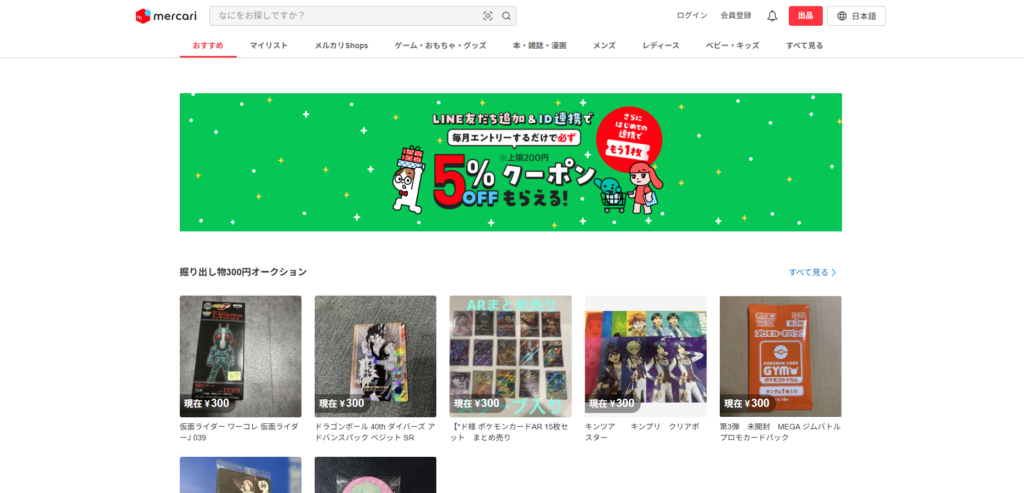

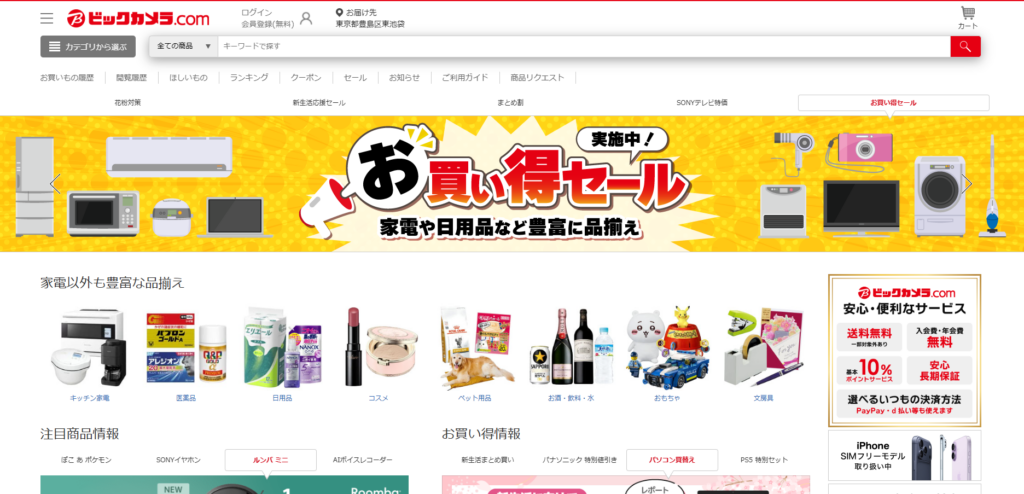
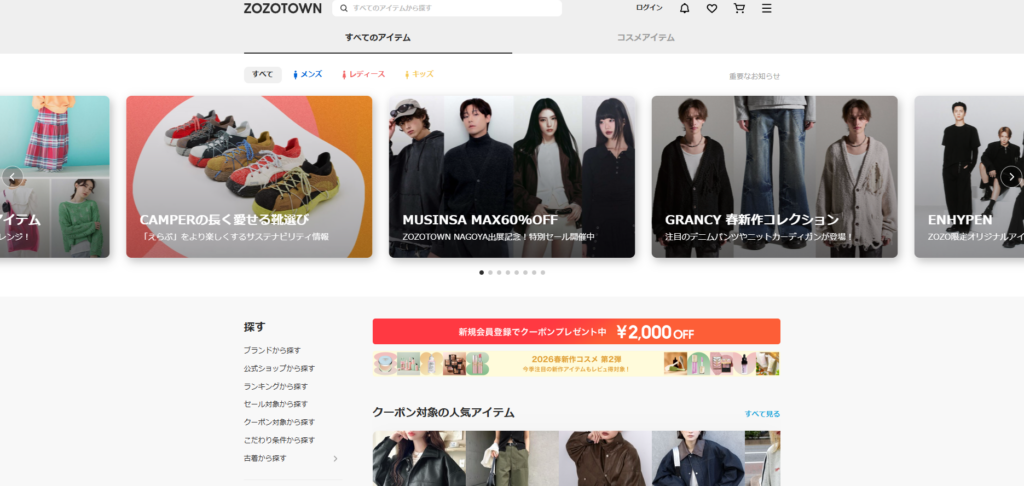
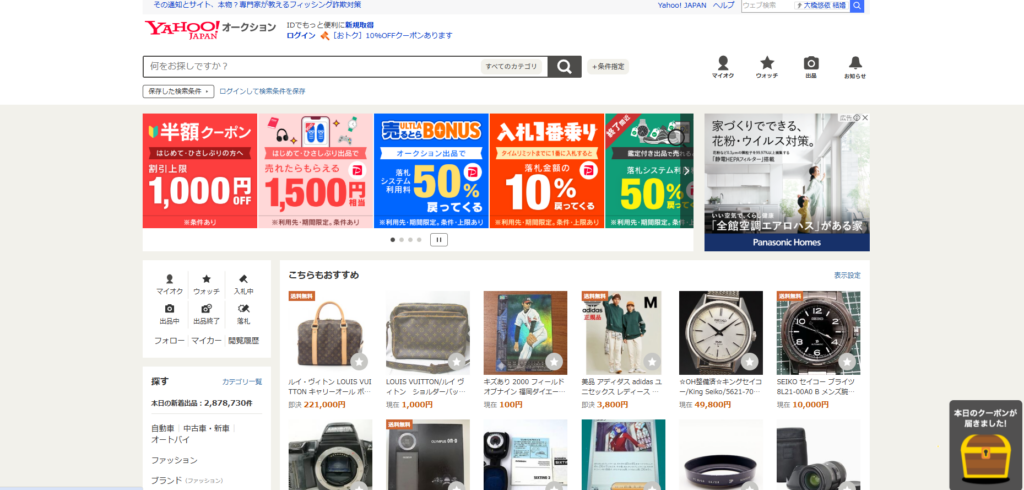
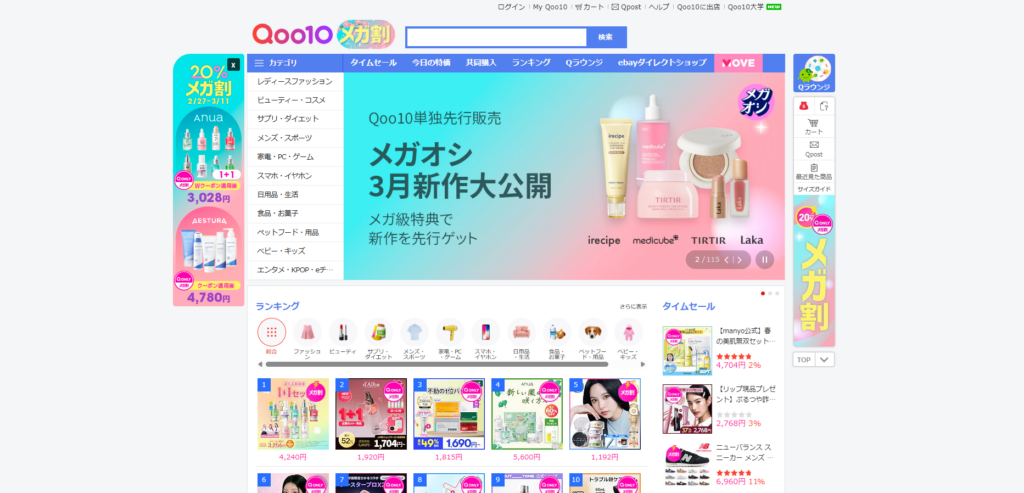
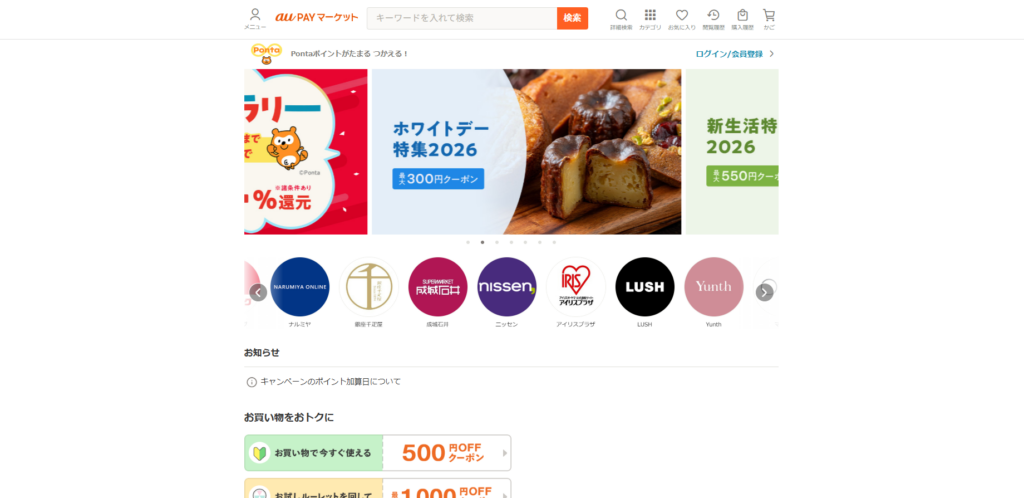
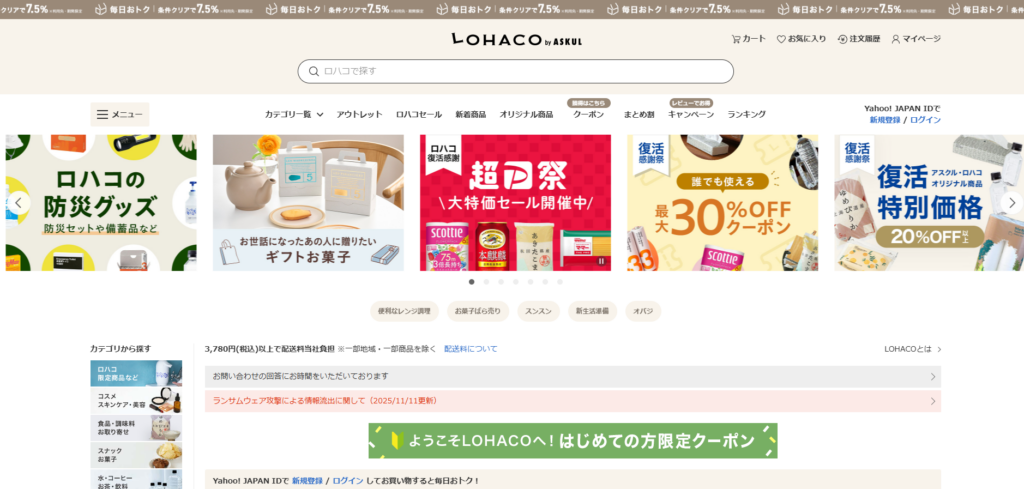
These platforms offer a huge variety of Japanese products that are highly popular worldwide. From the latest Japanese fashion brands to high-quality electronics, cosmetics, lifestyle goods, hobby items, and unique collectibles, you can access many of Japan’s best online stores through our purchasing service.
Even if the product you want is not listed on one of the major platforms above, you can still contact us. We can often assist with purchases from smaller Japanese websites, independent online shops, brand-specific stores, and selected offline products available in Japan. This makes our service highly flexible for customers who want to buy almost anything from Japan.
Contact us through the form below. Please send us your order item links or shopping list. Orders can be placed by chat or email, whichever is more convenient for you.
Recommended Overseas Freight Forwarding Companies
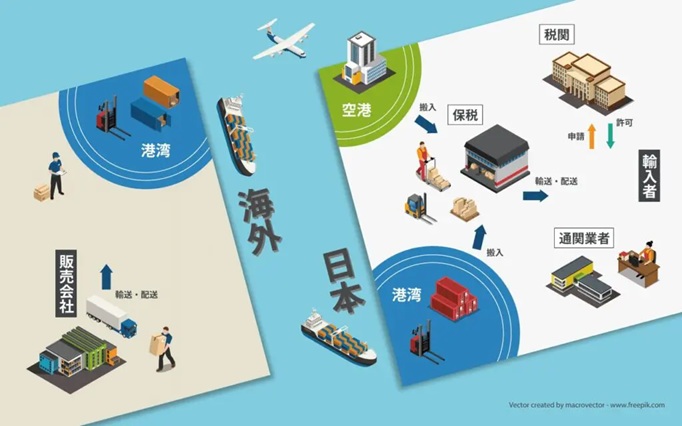
In the global shipping landscape, selecting the right overseas freight forwarding partner is crucial for cost efficiency, reliability, and seamless cross-border operations. This article highlights two strong candidate profiles: cost-performance leaders and reliability-focused providers. By understanding their strengths, international buyers, cross-border e-commerce operators, and corporate clients can make informed decisions to optimize sourcing, import/export, and delivery flows.
Cost-Performance Leaders
For businesses prioritizing price competitiveness without compromising service quality, cost-performance leaders offer a balanced mix of affordable rates, broad carrier options, and comprehensive service scopes. Key advantages include access to a wide network of lanes, consolidated shipping, and scalable solutions that adapt to seasonal demand and growing order volumes. These providers typically excel in:
– Volume discounts and multi-shipper pricing structures that reduce per-unit freight costs for bulk orders or recurring shipments.
– Efficient packaging, labeling, and documentation processes that minimize handling fees and delays at origin and destination.
– Flexible service options, including air freight, sea freight, and hybrid approaches, enabling optimized transit times and costs based on product type and urgency.
– Transparent tracking, proactive communication, and standardized service levels to help buyers forecast arrival times and manage inventory precisely.
Why it matters: For procurement-heavy models and growing D2C ecosystems, reducing logistics spend directly boosts gross margins. When evaluating cost-performance providers, consider total landed cost, reliability of scheduling, and the ability to handle both consumer and business-to-business orders with equal efficiency.
Reliability-Focused Providers
For organizations where risk mitigation, compliance, and consistent service levels are paramount, reliability-focused freight forwarders deliver robust operations, end-to-end visibility, and resilient contingency planning. Core strengths typically include:
– Strong compliance track records across multiple jurisdictions, with dedicated customs specialists and documentation accuracy guarantees.
– Comprehensive risk management, including proactive exception handling, damage prevention programs, and insured liability coverage for high-value shipments.
– Advanced IT systems offering granular tracking, real-time status updates, and seamless integration with ERP or WMS platforms for order-to-cash alignment.
– Structured service commitments such as guaranteed delivery windows, reliable transit times, and clear escalation paths for issue resolution.
Why it matters: In high-stakes shipments—such as high-value electronics, perishable goods with specific temperature controls, or time-sensitive corporate orders—the emphasis on dependability minimizes operational disruptions, preserves customer satisfaction, and sustains compliance across borders.
Shipping Considerations and Countermeasures

Efficient international shipping hinges on meticulous packaging, temperature control, and rigorous customs documentation. For exporters and forwarders, anticipating potential risks and implementing proactive measures reduces delays, protects product integrity, and enhances customer satisfaction. This section outlines best practices for robust packaging, reliable temperature management, and compliant documentation to ensure seamless cross-border logistics.
Packaging and Temperature Control
High-quality packaging is the first line of defense against damage, theft, and environmental exposure. Use sturdy outer boxes, appropriate cushioning, and tamper-evident seals. For fragile items, double boxing with anti-shock material and absorbent fillers minimizes impact. Temperature-sensitive goods—such as food products, cosmetics, electronics, and certain chemicals—require insulation, phase-change materials, or passive cooling systems to maintain stable ranges throughout transit. Key considerations include:
– Assess product susceptibility to temperature fluctuations, moisture, and vibration. Conduct a risk assessment for each shipment.
– Choose packaging materials rated for the expected transit time and climate along the route, including handling at hubs and during customs inspection.
– For perishable items, implement validated temperature profiles (e.g., controlled ambient, chilled, or frozen) and monitor using data loggers with time-stamped records.
– Seal contents securely to prevent leakage, and label packages with handling instructions (this reduces mishandling risk at warehouses and during loading).
– Use tamper-evident and compliant packaging materials to deter pilferage and ensure traceability.
– Coordinate with the chosen carrier on maximum allowed dimensions, weight, and packaging type to avoid surcharges or re-packaging delays.
Customs Handling and Documentation Preparation
Successful customs clearance depends on accurate, complete, and timely paperwork. Inaccuracies cause delays, penalties, or seizure of goods. Adhere to international and destination requirements by preparing the following essentials:
– Commercial Invoice: Include seller and buyer information, full product descriptions, HS codes, unit prices, currency, quantity, and total value. If multiple items are packed together, itemize accordingly.
– Packing List: Provide a detailed itemization of contents, including dimensions, weights, and packaging materials used.
– Certificate of Origin: When required, verify origin to qualify for preferential tariffs or comply with import regulations.
– Import Licenses and Permits: Confirm whether the shipment needs licenses, certificates, or restricted-item approvals at the destination.
– Incoterms and Incoterms-based responsibilities: Clearly define who bears costs for shipping, insurance, duties, and taxes, and at what point risk transfers.
– Export Declarations and Automated Export System (AES) filings: Ensure compliance with national export control regulations, including commodity classification and screening notifications.
– Compliance with digital documentation: Some destinations require electronic submissions or specific document formats. Maintain electronic backups and ensure legible scans for quick processing.
– Supporting documents for hazardous materials or special categories: If applicable, include Safety Data Sheets (SDS), material classifications, and packaging declarations per international transport rules.
– Contact information and emergency procedures: Provide a reliable point of contact and instructions for any customs questions or discrepancies during transit.
Practical tips to streamline customs clearance include pre-clearing shipments when possible, providing accurate harmonized system codes, and coordinating with a trusted 3PL that offers proactive duty/tax optimization and real-time shipment visibility. By pairing durable packaging with precise documentation, shippers can minimize delays, protect product integrity, and deliver a smooth cross-border experience for buyers worldwide.
Preserving Matcha for Longevity: Storage Tips and Flavorful Use Ideas

Matcha’s vibrant flavor and health benefits shine brightest when stored properly and used creatively. By understanding the nuances of storage and tasting methods, you can maintain its fresh aroma, vivid color, and delicate sweetness long after purchase. This section offers practical guidelines for keeping matcha at its best and inspiring ideas to maximize its culinary potential.
Storage Tips for Fresh, Flavorful Matcha
Key to preserving matcha is protecting it from light, heat, moisture, and air. The moment matcha is exposed to oxygen, its flavor and antioxidants begin to degrade. Adopt these best practices to extend freshness:
– Choose airtight, opaque containers: Store matcha in a tightly sealed tin or vacuum-sealed pouch housed in a dark, cool cabinet. If possible, transfer opened sachets to a container with minimal air exposure.
– Refrigeration for long-term storage: For extended shelf life, refrigerate matcha at 4–10°C (39–50°F). Place it in an airtight bag inside the fridge to guard against odors and humidity. Allow it to come to room temperature before opening to avoid condensation on the surface.
– Avoid the freezer for everyday use: Freezing can trigger moisture migration and texture changes. If freezing is necessary (for very long storage), thaw gradually in the fridge, then bring to room temperature without exposing to air.
– Minimize light exposure: Light accelerates oxidation. Use opaque containers or wrap jars with a label that blocks light. Store away from heat-producing appliances and direct sunlight.
– Portion control matters: For frequently used matcha, divide into smaller portions. Keeps the majority in a pristine state while the opened portion is accessed gradually.
– Cleanliness and dryness: Always use a clean, dry scoop or spoon. Do not dip wet utensils into the matcha jar, as moisture invites clumping and spoilage.
– Labeling and dates: Note the roast level and purchase date. Aim to consume higher-grade ceremonial or premium culinary matcha within 1–2 months after opening, while domestic culinary grades can last longer if stored properly.
Ways to Enjoy the Flavor: Maximizing Taste and Nutrition
Matcha’s versatility goes beyond傳統 tea. By pairing appropriate preparation methods and complementary ingredients, you can savor its nuanced sweetness, grassy notes, and umami-rich finish. Here are practical ideas and techniques:
– Traditional whisked tea (usucha and koicha): For a light, refreshing usucha, whisk 1–2 grams of matcha with 60–80 ml hot water (70–80°C). For koicha, use 3–4 grams with a small amount of water until a thick paste forms, then dilute as desired. Adjust whisking vigor to achieve a creamy foam and gloss.
– Latté and creamy beverages: Steam milk and whisk in matcha for a smooth, velvety latté. A touch of honey or vanilla can enhance the natural sweetness. Consider almond or oat milk for a subtle flavor profile that complements the tea’s umami note.
– Iced matcha drinks: Dissolve matcha powder in a little warm water to form a paste, then add cold water or milk and ice. Shaking in a bottle yields a well-emulsified, refreshing beverage with lingering aroma.
– Matcha smoothies and shakes: Blend matcha with banana, yogurt, spinach, or avocado for a vibrant green smoothie. The earthiness of matcha pairs well with citrus like yuzu or orange for brightness.
– Baking and desserts: Incorporate matcha into cakes, cookies, muffins, and cheesecake for a distinct, aromatic flavor. Use culinary-grade matcha for baked goods to avoid overpowering bitterness. A pinch of salt can balance sweetness.
– Culinary applications: Use matcha in sauces, marinades, or dressings where a subtle green note elevates the dish. A small amount can enhance panna cotta, yogurt parfait, or ricotta-topped toast.
– Ice cream and frozen treats: Mix matcha into ice cream, yogurt pops, or sorbet for a refreshing, mocha-like finish with lingering aftertaste.
– savory synergy: In some cuisines, a light touch of matcha can amplify the depth of miso-glazed vegetables or sesame dressings—experiment with cautious portions to avoid overpowering savory notes.
– pairing with sweets: Complement matcha with white chocolate, citrus, azuki beans, or sesame for balanced sweetness and texture contrasts.
– quality and grade guidance: Use ceremonial-grade matcha for traditional tea experiences with delicate flavors. Reserve culinary-grade for cooking and smoothies where intensity is beneficial. Always taste and adjust to your preference as you explore new pairings.
Incorporating these storage and usage strategies aligns with the goals of delivering reliable, high-quality Japanese products to global customers. By ensuring optimal preservation and highlighting flexible, creative uses, you can maximize satisfaction and repeat engagement for buyers seeking authentic, premium matcha experiences.
gistics Partner.
Worldwide Courier Japan provides low-cost international shipping services both from Japan to worldwide destinations and from overseas to Japan. We specialize in global import and export logistics, offering reliable air freight and sea freight solutions for businesses and individuals.
Our services cover export shipping from Japan as well as import shipping into Japan, including commercial cargo, e-commerce shipments, bulk freight, and personal packages. Whether you need to ship goods overseas or import products into Japan, we provide efficient, fast, and cost-effective logistics solutions.
If you are searching for cheap international shipping from Japan, import shipping to Japan, reliable freight forwarding companies in Japan, or global logistics services, Worldwide Courier Japan is your ideal partner. Contact us today for a free consultation.
Why Choose Worldwide Courier Japan for International Shipping & Import Services?
We offer competitive international shipping rates for both exports from Japan and imports into Japan. Our logistics experts help you choose the most efficient and affordable shipping method, whether via express courier, air cargo, or sea freight. We support small parcels, bulk shipments, and commercial cargo with optimized cost and delivery speed.
As one of the most cost-effective logistics companies in Japan, we help you reduce shipping costs for both outbound and inbound logistics while ensuring secure and reliable delivery worldwide.
Email: info@worldwide-courier-japan.com
WeChat: tradingjapankei
Tel: +81-3-6300-5745
We work with global carriers such as UPS and FedEx to provide fast, secure, and trackable international delivery services. Our network enables seamless shipping from Japan to the world and smooth import logistics into Japan from overseas.
We accept secure payments via Wise and major credit cards. Contact us easily via LINE, WhatsApp, email, or our online inquiry form for quick support and shipping quotations.
If you are looking for cheap shipping from Japan, import services to Japan, reliable freight forwarding in Japan, or cost-effective international logistics solutions, Worldwide Courier Japan is your best choice.
We support both exporting Japanese products worldwide and importing goods from overseas into Japan with efficient and affordable logistics solutions.
We provide both international shipping services and Japan purchasing (shopping agent) services.
Buy authentic Japanese products with our trusted shopping agent service. We also support importing products into Japan from overseas suppliers. Whether you are sourcing goods globally or purchasing from Japan, we handle procurement, inspection, packaging, and international delivery.
We support major platforms such as Amazon, Rakuten, Yahoo! Shopping, and Mercari. If international shipping is not available, we purchase on your behalf and deliver safely worldwide or import into Japan.
Enjoy secure payments, reliable logistics, and professional support for both export and import operations.
Contact us here:
https://worldwide-courier-japan.com/#contact