
Unlock the path to authentic Japanese matcha and seamless international shipping with Worldwide Courier Japan. This guide dives into how to distinguish genuine matcha from fakes, understand regional cultivation and varietal nuances, and apply a practical checklist for selecting green tea powder that preserves color, aroma, and flavor. Learn to assess grind texture, packaging integrity, and shelf life to ensure peak freshness. The article then shifts to cost-effective, reliable overseas logistics, explaining why demand for Japanese products abroad continues to rise and how a Japan-to-global forwarding service can streamline cross-border sales for individuals and businesses alike. With real-world steps for exporting from Japan and importing to over 200 countries, readers gain concrete tips on packing, documentation, customs compliance, pricing strategies, and risk mitigation. By showcasing key benefits—extensive sourcing power, competitive shipping rates, one-stop support, and 15+ years of trade experience—the piece reinforces how our proxy shopping and forwarding service delivers safe, fast, and affordable outcomes. Explore practical examples, compare to other forwarding solutions, and access straightforward calls-to-action to start a quote or inquiry. Buy Japanese products from Japan with confidence through our trusted Japan proxy shopping service and Japan forwarding service. Visit our contact page to start your inquiry: https://worldwide-courier-japan.com/#contact.
- Foundational Knowledge for Choosing Authentic Japanese Matcha
- About International Shipping Rates from Japan
- Canada Export Shipping Rates (Discount Contract Rates)
- Discount Export Shipping Rates from Japan (Asia & International Cargo)
- Hong Kong Export Shipping Rates
- South Korea Export Shipping Rates
- Taiwan Export Shipping Rates
- China (Northern Region: Shanghai, Zhejiang etc.) Export Shipping Rates
- China (Southern Region: Guangdong, Fujian etc.) Export Shipping Rates
- Macau Export Shipping Rates
- Southeast Asia Export Shipping Rates (Malaysia / Vietnam / Philippines / Singapore / Thailand)
- India & Australia Export Shipping Rates
- Europe Export Shipping Rates (Spain / Germany / France / Italy)
- How it works
- Step 1: Prepare the shipment
- Step 2: Email the shipment documents (invoice and packing information) to us.
- Step 3: We email two required documents for shipment (air waybill and invoice) to your shipper.
- Step 4: The carrier picks up the shipment from the pickup location / domestic warehouse, and the shipment is dispatched
- Step 5: Delivery and receipt of the cargo
- Input format
- Transaction flow (detailed version)
- Breakdown of Applicable Charges
- Knowledge About Restricted and Prohibited Items
- Checklist for Choosing Matcha
- Introduction: Discover Affordable Worldwide Shipping from Global to Japan
- Foundations of International Shipping: A Practical Guide for Japanese Matcha Exports
- Buying Japanese Products from Overseas – Easy, Safe, and Reliable Worldwide Delivery
- Japanese Product Shopping Agent Service – Buy from Japan and Ship Worldwide
- Supported Japanese Shopping Platforms
- Practical Steps for International Shipping
- Choosing an Affordable and Reliable International Freight Forwarding Partner
- Strategies for Successful Overseas Shipping: Key Tips and Considerations
Foundational Knowledge for Choosing Authentic Japanese Matcha

Selecting genuine Japanese matcha hinges on understandingQuality cues, origin, and varietal differences. This section provides a concise framework to distinguish real matcha from imitators, and to appreciate how terroir and cultivar influence aroma, color, and taste. By focusing on production methods, grading standards, and packaging signals, buyers can make informed decisions whether shopping for personal use or for professional import and distribution.
Key Points to Differentiate Genuine Matcha from Imitations
Authentic Japanese matcha is produced from finely ground, shade-grown green tea leaves (tencha) cultivated in Japan, processed with traditional methods, and packaged to preserve freshness. Look for:
– Origin clarity: clear labeling of country (Japan) and specific prefecture or farm. Avoid generic “green tea powder” without origin details.
– Grinding method: true matcha is stone-ground into a fine powder with a silk-like texture. If powder feels gritty or chalky, it may be lower-grade or adulterated.
– Color a vibrant, luminous green (gyokuro shade-grown matcha offers deep emerald tones). Dull or olive hues can indicate older stock or inferior blending.
– Aroma: fresh, grassy, slightly sweet scent. Musty or burnt odors suggest poor storage or counterfeit blends.
– Label integrity: check harvest year, grade (ceremonial, premium, culinary), certification marks, and packaging integrity. Tampered or inconsistent labeling is a red flag.
Practical tip: compare with reputable brands known for Japanese sourcing (e.g., labeled ceremonial grade from recognized regions) and verify through official farm or company websites.
Characteristics of Matcha Regions and Varieties
Japan’s matcha character is shaped by terroir and cultivar. Major producing regions (and typical attributes) include:
– Uji (Kyoto Prefecture): renowned for bright emerald color, balanced sweetness, and refined, umami-forward umami; often used for ceremonial grades.
– Nishio (Aichi Prefecture): renowned for vibrant color and rich flavor; blends well for daily consumption and latte-style preparations.
– Shizuoka Prefecture: versatile, approachable profiles with clean vegetal notes and smooth mouthfeel; widely used in culinary matcha.
– Yame (Fukuoka Prefecture): deep, aromatic profiles with pronounced fragrance and lingering sweetness; popular in premium sets.
Key varietals and their influence:
– Okumidori and Sayamakaori: known for bright color and grassy sweetness; common in premium grades.
– Native or specialty cultivars: bred for aroma and umami, contributing to distinct regional expressions.
Grading implications: ceremonial grade emphasizes delicate, nuanced flavors suitable for whisking with water; premium/ingredient-grade balances aroma and color for beverages but may tolerate slightly stronger flavors; culinary grade prioritizes cost-effectiveness and robust flavors for cooking and baking. Storage and freshness profoundly affect the final cup, regardless of region or cultivar.
About International Shipping Rates from Japan

◇ Shipping rate table (price per kg)
Japan → United States (U.S./North America/Central America)
※ UPS fastest service level with tracking number. ※
※ We can also handle EMS, International ePacket, air mail, SAL, and sea freight via Japan Post—please let us know if you prefer these options..
※ UPS fastest service level with tracking number ※
【United States (U.S./North America/Central America) Export Preferred Rates】
・1kg :4,030円
1.5kg :4,451円
2kg :4,963円
2.5kg :5,409円
3kg :5,889円
3.5kg :6,271円
4kg :6,701円
4.5kg :7,164円
5kg :7,580円
5.5kg :7,674円
6kg :7,878円
6.5kg :8,160円
7kg :8,317円
7.5kg :8,601円
8kg :8,727円
8.5kg :8,867円
9kg :9,087円
9.5kg :9,306円
10kg :9,464円
10.5 :18,790円
11kg : 19,257円
11.5kg:19,526円
12kg : 19,760円
12.5kg: 20,094円
13kg : 20,431円
13.5kg: 20,798円
14kg : 21,132円
14.5kg: 21,432円
15kg : 21,904円
15.5kg: 22,204円
16kg : 22,571円
16.5kg: 22,877円
17kg : 23,242円
17.5kg: 23,578円
18kg : 23,946円
18.5kg: 24,183円
19kg : 24,449円
19.5kg: 24,851円
20kg : 25,388円
・21-49kg :900円/ per 1kg
・50-99kg :710円/ per 1kg
・100-299kg:620円/ per 1kg
・300-499kg:615円/ per 1kg
・500-999kg:610円/ per 1kg
・1000-5000kg:605円/ per 1kg
Canada Export Shipping Rates (Discount Contract Rates)
The following are our special discounted shipping rates for exporting parcels from Japan to Canada. These rates are designed for international shipments using reliable courier services with secure customs clearance.
| Weight | Shipping Cost |
|---|---|
| 1 kg | 4,030 JPY |
| 1.5 kg | 4,451 JPY |
| 2 kg | 4,963 JPY |
| 2.5 kg | 5,409 JPY |
| 3 kg | 5,889 JPY |
| 3.5 kg | 6,271 JPY |
| 4 kg | 6,701 JPY |
| 4.5 kg | 7,164 JPY |
| 5 kg | 7,580 JPY |
| 5.5 kg | 7,674 JPY |
| 6 kg | 7,878 JPY |
| 6.5 kg | 8,160 JPY |
| 7 kg | 8,317 JPY |
| 7.5 kg | 8,601 JPY |
| 8 kg | 8,727 JPY |
| 8.5 kg | 8,867 JPY |
| 9 kg | 9,087 JPY |
| 9.5 kg | 9,306 JPY |
| 10 kg | 9,464 JPY |
| 10.5 kg | 18,790 JPY |
| 11 kg | 19,257 JPY |
| 11.5 kg | 19,526 JPY |
| 12 kg | 19,760 JPY |
| 12.5 kg | 20,094 JPY |
| 13 kg | 20,431 JPY |
| 13.5 kg | 20,798 JPY |
| 14 kg | 21,132 JPY |
| 14.5 kg | 21,432 JPY |
| 15 kg | 21,904 JPY |
| 15.5 kg | 22,204 JPY |
| 16 kg | 22,571 JPY |
| 16.5 kg | 22,877 JPY |
| 17 kg | 23,242 JPY |
| 17.5 kg | 23,578 JPY |
| 18 kg | 23,946 JPY |
| 18.5 kg | 24,183 JPY |
| 19 kg | 24,449 JPY |
| 19.5 kg | 24,851 JPY |
| 20 kg | 25,388 JPY |
Bulk Shipping Rates
| Weight Range | Rate per kg |
|---|---|
| 21 – 49 kg | 900 JPY / kg |
| 50 – 99 kg | 710 JPY / kg |
| 100 – 299 kg | 620 JPY / kg |
| 300 – 499 kg | 615 JPY / kg |
| 500 – 999 kg | 610 JPY / kg |
| 1,000 – 5,000 kg | 605 JPY / kg |
These international shipping rates allow businesses and individuals to ship goods from Japan to Canada efficiently and cost-effectively. Large-volume shipments receive significantly reduced per-kilogram rates, making them ideal for e-commerce exports, bulk cargo, and commercial logistics.
Discount Export Shipping Rates from Japan (Asia & International Cargo)
Below are our special discounted international cargo shipping rates for exporting goods from Japan. These bulk shipping prices are ideal for businesses, e-commerce sellers, and logistics companies shipping large cargo volumes overseas.
Hong Kong Export Shipping Rates
| 21 – 50 kg | 750 JPY / kg |
| 50 – 100 kg | 550 JPY / kg |
| 100 – 299 kg | 400 JPY / kg |
| 300 – 999 kg | 380 JPY / kg |
| 1000 – 2000 kg | 350 JPY / kg |
| Over 2000 kg | 320 JPY / kg |
South Korea Export Shipping Rates
| 21 – 50 kg | 850 JPY / kg |
| 50 – 100 kg | 650 JPY / kg |
| 100 – 299 kg | 520 JPY / kg |
| 300 – 999 kg | 510 JPY / kg |
| 1000 – 2000 kg | 500 JPY / kg |
| Over 2000 kg | 490 JPY / kg |
Taiwan Export Shipping Rates
| 21 – 50 kg | 850 JPY / kg |
| 50 – 100 kg | 650 JPY / kg |
| 100 – 299 kg | 520 JPY / kg |
| 300 – 999 kg | 510 JPY / kg |
| 1000 – 2000 kg | 500 JPY / kg |
| Over 2000 kg | 490 JPY / kg |
China (Northern Region: Shanghai, Zhejiang etc.) Export Shipping Rates
| 21 – 50 kg | 850 JPY / kg |
| 50 – 100 kg | 650 JPY / kg |
| 100 – 299 kg | 520 JPY / kg |
| 300 – 999 kg | 510 JPY / kg |
| 1000 – 2000 kg | 500 JPY / kg |
| Over 2000 kg | 490 JPY / kg |
China (Southern Region: Guangdong, Fujian etc.) Export Shipping Rates
| 21 – 50 kg | 1350 JPY / kg |
| 50 – 100 kg | 1150 JPY / kg |
| 100 – 299 kg | 980 JPY / kg |
| 300 – 999 kg | 970 JPY / kg |
| 1000 – 2000 kg | 960 JPY / kg |
| Over 2000 kg | 950 JPY / kg |
Macau Export Shipping Rates
| 21 – 50 kg | 850 JPY / kg |
| 50 – 100 kg | 650 JPY / kg |
| 100 – 299 kg | 520 JPY / kg |
| 300 – 999 kg | 510 JPY / kg |
| 1000 – 2000 kg | 500 JPY / kg |
| Over 2000 kg | 490 JPY / kg |
Southeast Asia Export Shipping Rates (Malaysia / Vietnam / Philippines / Singapore / Thailand)
| 21 – 49 kg | 600 JPY / kg |
| 50 – 99 kg | 480 JPY / kg |
| 100 – 299 kg | 360 JPY / kg |
| 300 – 499 kg | 358 JPY / kg |
| 500 – 999 kg | 350 JPY / kg |
| 1000 – 2000 kg | 348 JPY / kg |
India & Australia Export Shipping Rates
| 21 – 49 kg | 1000 JPY / kg |
| 50 – 99 kg | 890 JPY / kg |
| 100 – 299 kg | 750 JPY / kg |
| 300 – 499 kg | 730 JPY / kg |
| 500 – 999 kg | 720 JPY / kg |
| 1000 – 2000 kg | 690 JPY / kg |
Europe Export Shipping Rates (Spain / Germany / France / Italy)
| 21 – 49 kg | 1200 JPY / kg |
| 50 – 99 kg | 990 JPY / kg |
| 100 – 299 kg | 850 JPY / kg |
| 300 – 499 kg | 830 JPY / kg |
| 500 – 999 kg | 820 JPY / kg |
| 1000 – 2000 kg | 790 JPY / kg |
These discounted cargo shipping rates from Japan are ideal for bulk shipments, international trade, and cross-border e-commerce. Businesses shipping larger volumes benefit from significantly reduced per-kilogram costs, making global logistics more efficient and affordable.
The above rates are unit prices per kilogram. Please refer to the examples on the right for the shipping cost rate by weight.
In addition to the above shipping fees, a fuel surcharge will apply. Monthly or weekly fuel surcharge fees are charged depending on the carrier you use.
Any duties, import taxes, etc. incurred during local customs clearance will be billed by the carrier to the consignee.
How it works
We offer good service.worldwide-courier provides international logistics and international shipping (air freight) services that arrange shipping on behalf of trading businesses.
The United States・We support imports and exports not only with China and Hong Kong, but also Korea, the U.S., Europe, Southeast Asia, India, Africa, and many other countries.

By using major couriers (FedEx/UPS/DHL), we provide stable and speedy delivery, and with the overwhelmingly low shipping rates offered by worldwide-courier, we help reduce your existing delivery costs and overall procurement costs.
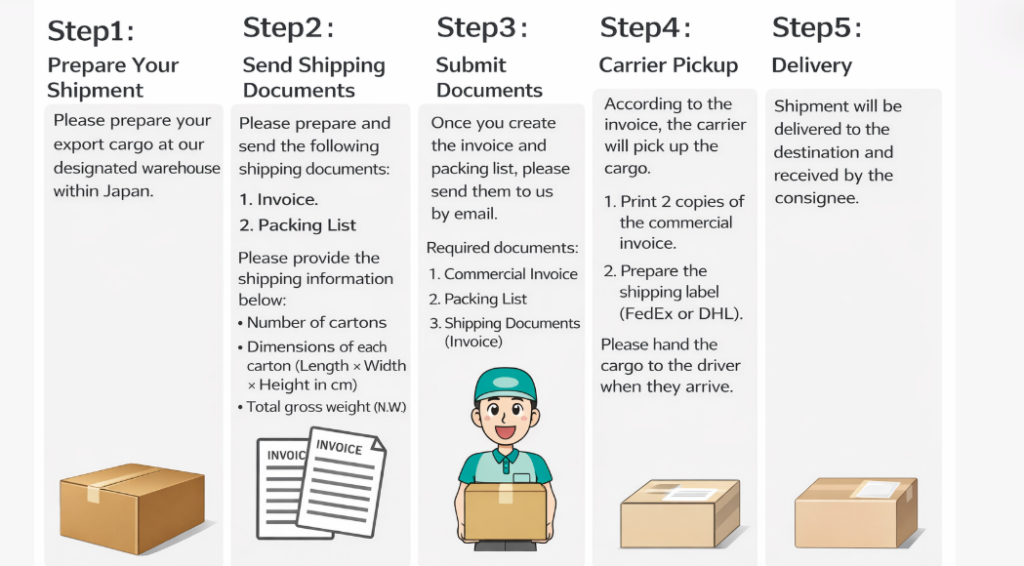
Step 1: Prepare the shipment
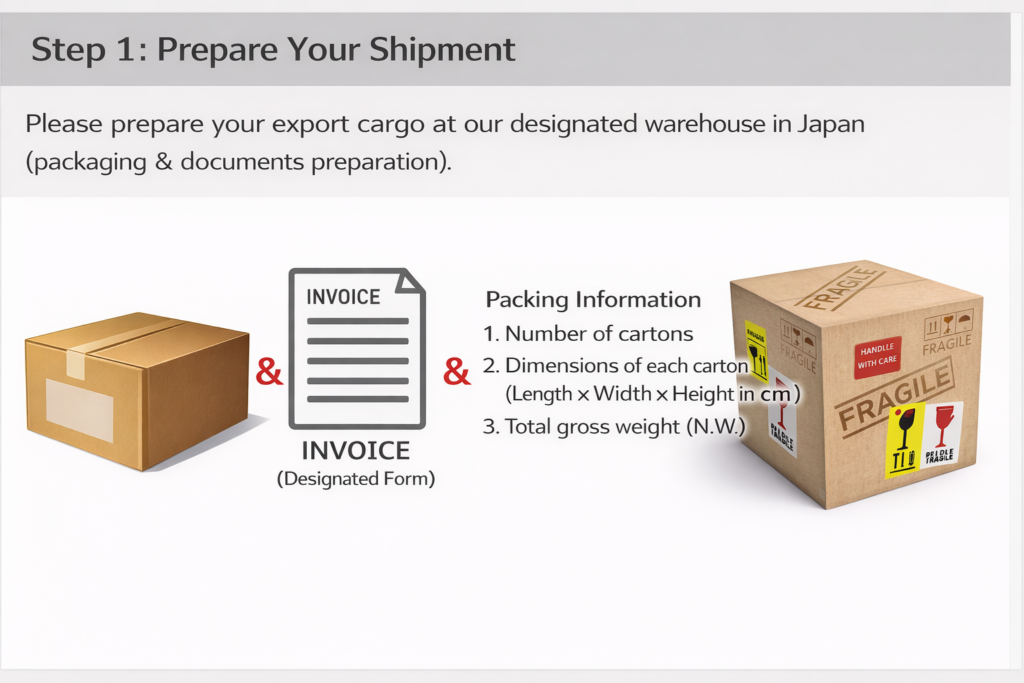
Prepare the shipment at the domestic pickup location (packing & document preparation).
Step 2: Email the shipment documents (invoice and packing information) to us.
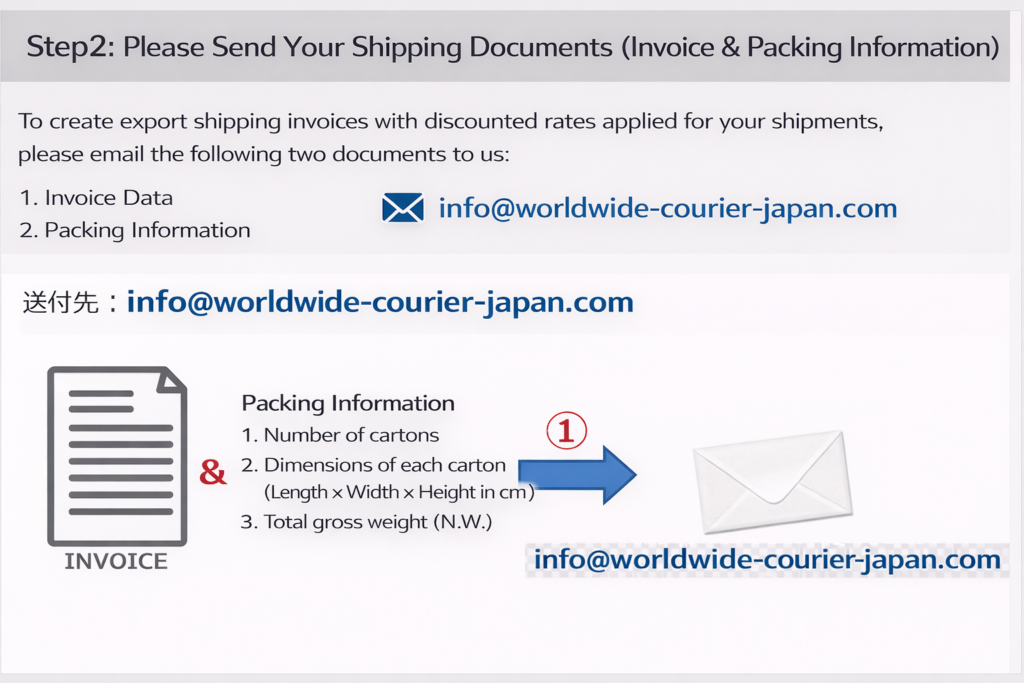
We will create the shipping documents using the special discounted rate provided for each customer. Please email the following two documents as attachments to our office.
1. “Invoice”
2. “Packing List”
Send to: info@worldwide-courier-japan.com
< Items that often end up missing on the invoice >
1. Postal code (shipper side)
2. Contact person name (shipper side)
3. Pickup phone number (shipper side)
※ The above three items are required to create the documents.
If any of this information is missing, we cannot create the documents, so please confirm in advance and submit your request accordingly.
< Required information on the packing list >
1. Total number of cartons
2. The three dimensions of each carton: length (cm), width (cm), height (cm)
3. Total weight (N.W.): total weight after packing
※ In some cases, the packing list lacks the above information. As it is required for document creation, please confirm in advance before requesting.
※ If you do not have a packing list, please confirm the above information with the shipper and share it with us.
< About “Chargeable Weight” used to determine shipping fees >
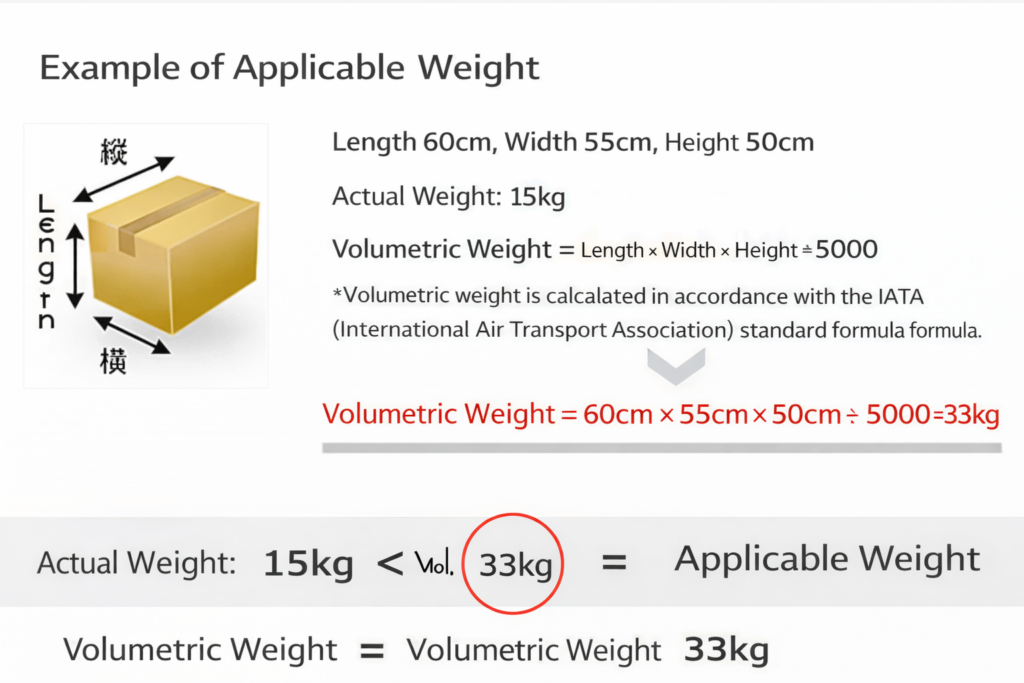
Based on IATA (International Air Transport Association) standards, the larger of the “actual weight after packing” and the “dimensional (volumetric) weight after packing” is adopted as the “chargeable weight.”
Step 3: We email two required documents for shipment (air waybill and invoice) to your shipper.
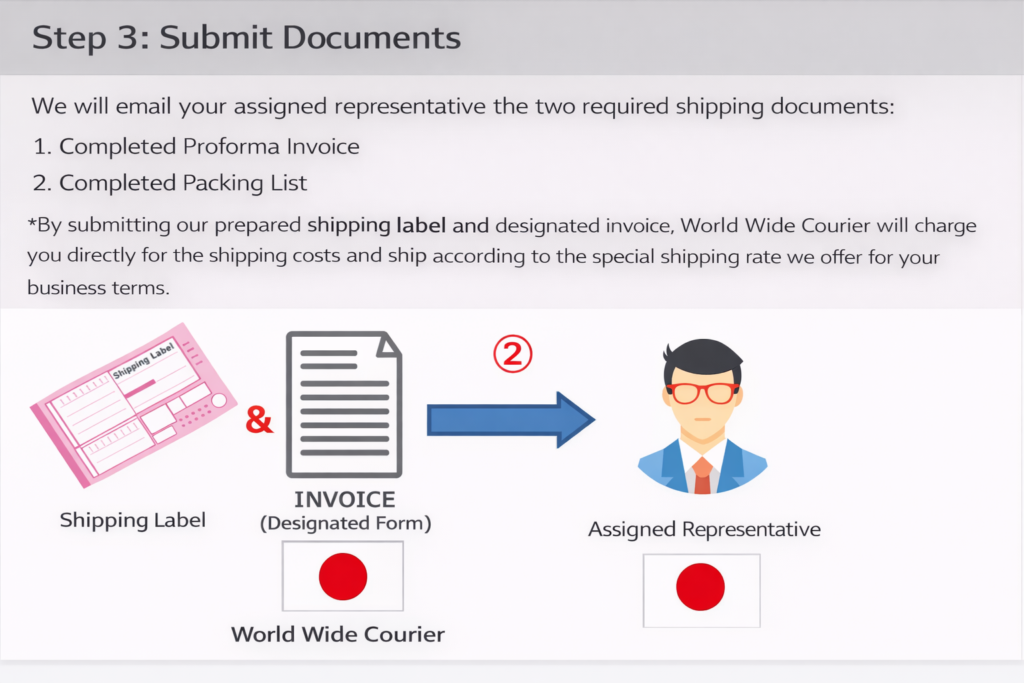
We will email two required documents for shipment (air waybill and invoice) to your 담당者.
1. Confirm any missing information in the “Invoice” and “Packing List” you provided.
2. Based on the above, we will prepare the “Air Waybill” and “Invoice (specified form)” on our side and email them to your 담당者.
※ By shipping using the “Air Waybill” and “Invoice (specified form)” created by us, the shipping charges will be billed to us. This enables you to ship using the applicable rate provided for each customer. Under your individual 거래 조건, we will invoice you for the shipping fees.
Step 4: The carrier picks up the shipment from the pickup location / domestic warehouse, and the shipment is dispatched
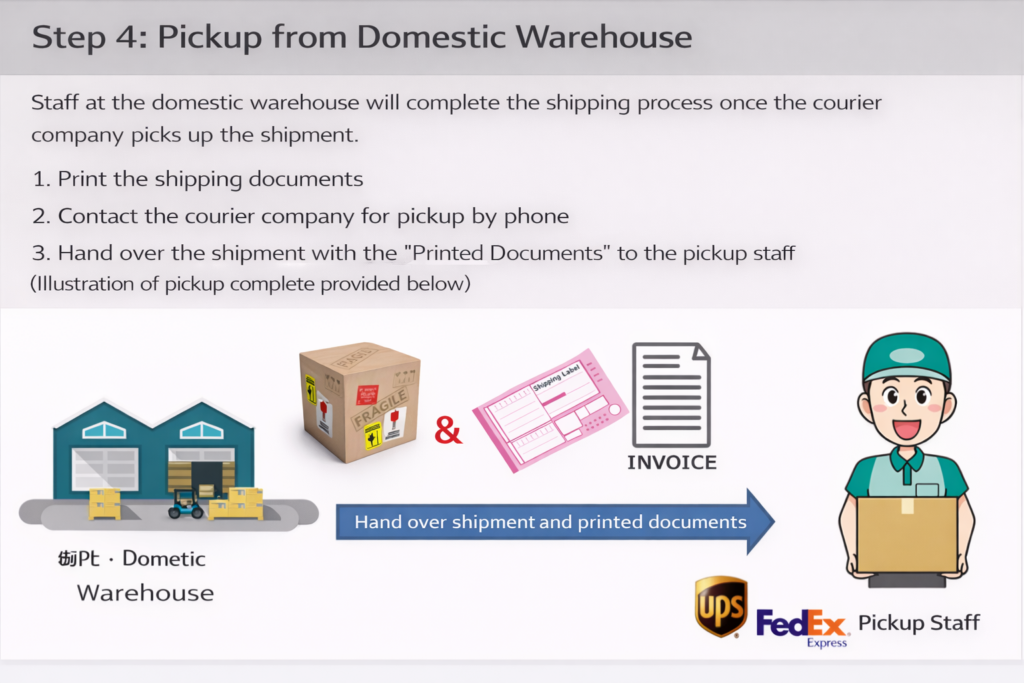
At the domestic pickup location:
1. Print the documents
2. Call the carrier to request pickup
3. Hand the “cargo” and the “two printed documents” to the pickup staff to complete dispatch
Step 5: Delivery and receipt of the cargo
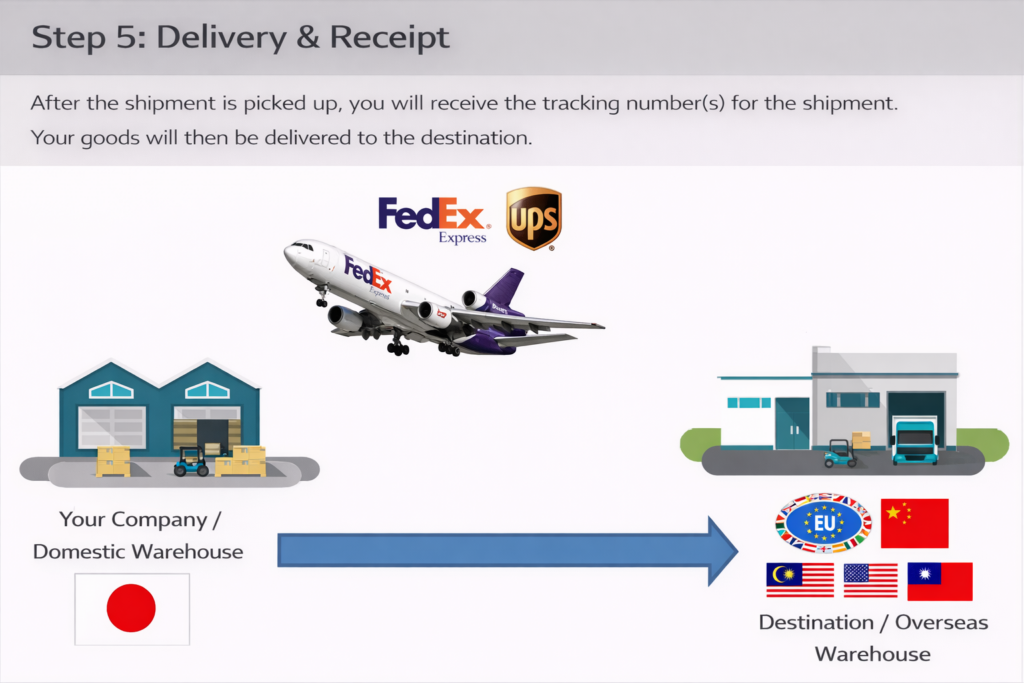
After dispatch, we will provide the tracking number. Your goods will then be delivered.

worldwide-courier provides low-cost delivery from Japan to the United States (U.S./USA) by air and sea. We support both exports and imports, so worldwide-courier reponce pls.
If you provide the information below, we can create the local shipping label.
Input format
◇ Pickup information (From)
1. Company name (or full name)
2. Contact person name
3. Postal code
4. Address
5. Phone number
※ This is the information for the location where the pickup will actually be made.
◇ Delivery address (To)
1. Company name (or full name) (※ Please 반드시 write in English.)
2. Contact person name (※ Please 반드시 write in English.)
3. Postal code
4. Address (※ Please 반드시 write in English.)
5. Phone number
◇ Packing information
1. Number of cartons
2. Total weight
3. Three dimensions of each carton (length, width, height in cm)
◇ Invoice information
・Product name (Please 반드시 write in English.)
・Unit price (Either currency is fine)
・Quantity
If you provide the above information, we can arrange the shipment. worldwide-courier offers low-cost delivery from Japan to the United States (U.S./USA) by air and sea. We support both exports and imports, so worldwide-courier reponce pls.
We look forward to your request.
Please let us know your current shipping frequency and shipping costs, if any.
Regarding your planned shipping date:
If you can also tell us around when you plan to ship, it will make the process smoother.
You can ship at the above rates.
For exports, we can create the shipping documents if you reply with the completed invoice as an attachment, or if you provide the information below.
◇ Pickup information (From)
1. Company name (or full name)
2. Contact person name
3. Postal code
4. Address
5. Phone number
※ This is the information for the location where the pickup will actually be made.
◇ Delivery address (To)
1. Company name (or full name) (※ Please 반드시 write in English.)
2. Contact person name (※ Please 반드시 write in English.)
3. Postal code
4. Address (※ Please 반드시 write in English.)
5. Phone number
◇ Packing information
1. Number of cartons
2. Total weight
3. Three dimensions of each carton (length, width, height in cm)
◇ Invoice information
・Product name (Please 반드시 write in English.)
・Unit price (Either currency is fine)
・Quantity
We will also guide you through the transaction flow.
Transaction flow (detailed version)
< Flow >
1. Please reply with the invoice.
2. If there are no issues with the information, we will book the pickup.
※ Pickup can be arranged as early as the next business day after your package is ready. (We typically book a window around 11:00–17:00.)
< Details: Export cargo transaction flow (Japan → destination country) >
The pickup process is as follows.
1. Please contact us after you finish packing your shipment.
2. Please prepare the invoice and packing information (number of cartons, weight, and three dimensions per carton).
※ 2-1. Shipper (Japan side): address, postal code, name, phone number, company name
2-2. Consignee (delivery destination): local address, postal code, name, phone number, company name
2-3. Product name and unit price
3. After we confirm (2) and there are no issues, we will arrange the pickup.
4. Within 1–2 business days, the carrier will come to your指定 location for pickup.
* We will email you the electronic data for the air waybill, so please hand the invoice and air waybill together with the package to the pickup staff.
5. Shipment is dispatched.
7. Local customs clearance processing (personal / commercial)
8. If there are no issues, the shipment clears customs.
9. Delivery is completed.
* Steps 5–8 typically take about 2–5 days to arrive if there are no issues.
* You will receive a tracking number as a shipment record.
Breakdown of Applicable Charges
1. Freight charges and fuel surcharge
2. Import duties, VAT/GST, customs clearance fees, and other local charges in the destination country, if applicable
The chargeable weight is calculated based on the larger of the actual weight and volumetric weight after packing.
Knowledge About Restricted and Prohibited Items
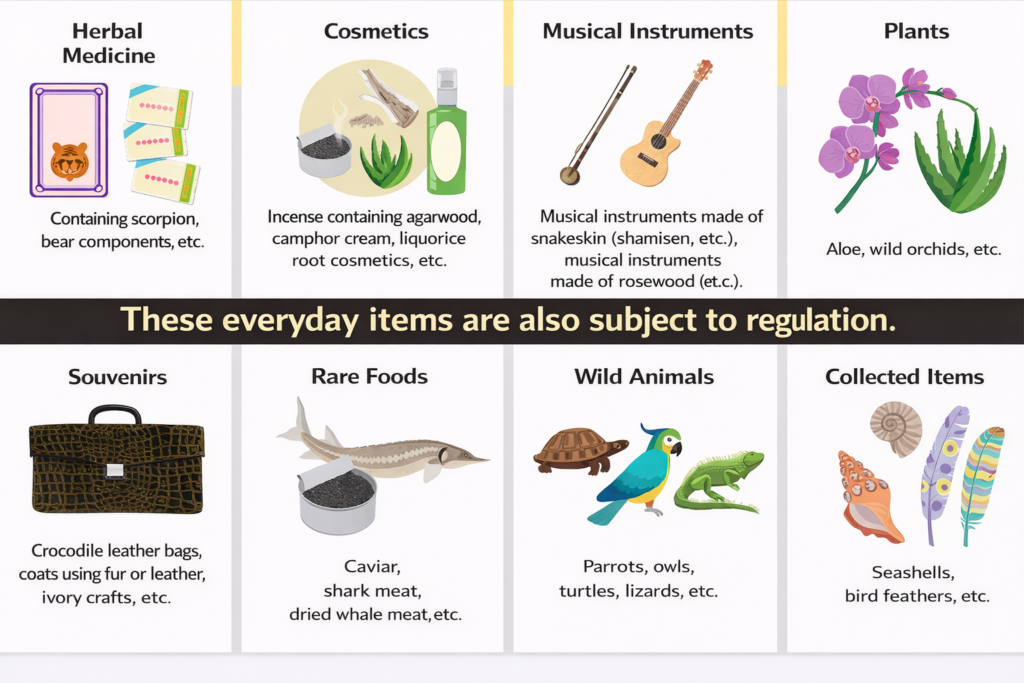
Certain items may be restricted or prohibited for international shipping depending on the destination country and carrier regulations. These may include dangerous goods, flammable materials, compressed gases, liquids, medicines, medical devices, firearms, tobacco products, perishables, seeds, plants, animals, chemicals, valuables, and CITES-regulated items.
In addition to the items listed above, other products may also be restricted depending on local import regulations. Some items may have shipping limitations, licensing requirements, or value restrictions.
Please contact us in advance if you are unsure whether your items can be shipped internationally from Japan.
That concludes our overview of international shipping from Japan to overseas destinations.
Checklist for Choosing Matcha

When selecting authentic matcha, balance comes from color, aroma, and taste. Premium quality matcha displays a vibrant, vivid green hue with a slight sheen, indicating youthful leaves processed at proper temperatures. The aroma should be fresh, vegetal with hints of sweetness, not grassy or metallic. In terms of flavor, expect a delicate sweetness (umami) with a smooth, velvety finish and minimal astringency. The right balance translates to a harmonious umami-forward profile that lingers without bitterness. Consider these indicators across different grades—from ceremonial to culinary—to ensure you purchase matcha that matches your intended use, whether for drinks, desserts, or traditional tea ceremonies.
Color, Aroma, and Flavor Judgment
Color: Look for a bright, olive-green to emerald shade. Dull or yellow-green tones may indicate older leaves or improper storage. Aroma: Fresh, sweet, and grassy notes with a clean finish are desirable. Avoid overpowering, sulfur-like, or muddy scents. Flavor: A high-quality matcha should deliver a balanced sweetness with a smooth, creamy mouthfeel and a lingering aftertaste. Bitterness or sourness can signal over-oxidation or quality decline. For ceremonial grade, the flavor should be refined, nuanced, and slightly sweet; for culinary grade, a bolder, robust profile that holds up in recipes is typical.
Particle Size and Texture Assessment
Texture matters as much as flavor. Fine, powdery consistency—finely ground to a silky feel without lumps—indicates careful processing and proper storage. Excessively coarse powder can result in gritty mouthfeel and uneven brewing, while overly fine powder risks clumping and clinging to the whisk. When evaluating, rub a small amount between fingers; it should feel smooth and powdery rather than chalky. Check the tea’s origin and processing methods; traditional stone-ground approaches (like chasen whisking) yield finer, more uniform particles that dissolve cleanly in water.
Expiration Date and Packaging Importance
Freshness is crucial for matcha. Always check the production date along with the best-by date. Opt for airtight, light-resistant packaging—metal tins or vacuum-sealed pouches with a resealable cap help preserve color, aroma, and flavor. Avoid packaging that exposes powder to air or bright light for extended periods. Store matcha in a cool, dark place or refrigerate after opening to maintain freshness, especially for ceremonial grade that is consumed in smaller quantities and reveals more delicate flavors. Consider buying smaller quantities more frequently if storage conditions are not ideal to ensure peak quality with every use.
Introduction: Discover Affordable Worldwide Shipping from Global to Japan

As e-commerce and cross-border trade continue to surge, businesses and individuals outside Japan increasingly seek reliable, cost-effective ways to ship Japanese products. This guide presents practical insights for sourcing, shipping, and exporting Japanese goods from overseas to Japan and from Japan to international markets. By leveraging a one-stop logistics partner with strong procurement power, competitive rates, and global reach, customers can optimize costs and streamline operations.
Why will the demand for Japanese products abroad continue to grow?
Japan’s reputation for quality, craftsmanship, and innovative design sustains growing international interest across sectors—from consumer electronics and fashion to traditional crafts and limited-edition items. Several drivers reinforce this trend:
– Brand credibility and trust: Japanese brands are recognized for reliability, durability, and superior support networks.
– Diverse product ecosystems: From mainstream staples on major marketplaces like Amazon.co.jp and Rakuten to niche items found on ZOZOTOWN and Lohaco, Japan offers a wide spectrum of products that appeal globally.
– Stable supply chains: Established manufacturing ecosystems and robust quality control reduce risk for buyers abroad.
– Growing consumer affinity: Japanese pop culture, design, and lifestyle products command premium interest worldwide, increasing demand for both new and pre-owned items.
For overseas buyers, this trend translates into a consistent pipeline of opportunities, provided they can navigate language, payment, and logistics hurdles efficiently.
Beyond importing into Japan: recommended transport partners that also support exporting from Japan
Choosing a capable logistics partner that handles both inbound imports and outbound exports can simplify operations, reduce total landed costs, and speed up delivery cycles. When evaluating candidates, look for these core capabilities:
– Comprehensive procurement network: Access to a broad range of Japanese suppliers, retailers, and auction platforms to source both new and used items (e.g., electronics, apparel, home goods, collectibles).
– Competitive pricing: Eliminating middlemen through in-house logistics minimizes landed costs, making lower quotes possible for global customers.
– Global reach: Ability to ship to 200+ countries and regions, with options for air and sea freight tailored to urgency and budget.
– End-to-end service: From purchase proxy and inspection to packaging, shipment, customs clearance, and final delivery, reducing the burden on international buyers.
– Export compliance expertise: Knowledge of Japanese export controls, documentation, and regulatory requirements to prevent delays or penalties.
For reliable, cost-efficient solutions, consider providers with a track record in the following areas:
- Buy Japanese products from the comfort of your location through a single trusted partner.
- Access a diverse catalog spanning consumer electronics, fashion, home goods, and collectibles via mainstream platforms (examples: Amazon Japan, Rakuten, ZOZOTOWN).
- Benefit from bundled services: purchase, inspection, packaging, forwarding, customs support, and delivery in one streamlined process.
Whether you are a retailer seeking to stock Japanese items for international markets or an individual buyer chasing rare Japanese goods, partnering with the right logistics pro can unlock affordable shipping while maintaining high standards of quality and reliability. For inquiries and tailored quotes, contact Worldwide Courier Japan through our form: https://worldwide-courier-japan.com/#contact
Foundations of International Shipping: A Practical Guide for Japanese Matcha Exports

For overseas buyers and cross-border sellers, understanding the fundamentals of exporting Japanese matcha is essential. This section outlines the regulatory landscape, essential export requirements for Japanese matcha, and the practical choices in shipping methods. By aligning compliance, packaging, and transportation options from the outset, you can minimize delays, protect product quality, and ensure a smooth supply chain from Japan to global destinations. This guidance reflects our expertise as a one-stop Japan-origin export partner, offering procurement, logistics, and customs support across 200+ countries.
Export and import regulations and the export requirements for Japanese matcha
Export regulations in Japan require adherence to food safety standards, labeling rules, and accurate documentation. Key elements include:
– Product compliance: Matcha sold for overseas markets must meet Japanese Food Labeling Standards, including ingredient lists, product name, and allergen information where applicable. For tea powders, ensure conformity with standard interpretation of “green tea powder” and any country-specific labeling expectations.
– Phytosanitary considerations: While matcha is dried tea powder with low moisture, verify any country-specific phytosanitary declarations or certifications required for powdered food products to avoid delays at the border.
– Packaging and labeling: Use packaging that protects aroma, color, and texture. Labels should be in English (and local language if required) with batch numbers, production date, shelf life, storage conditions, and importer details. Ensure compliance with both Japanese export controls and destination country import regulations.
– Certificates and declarations: Depending on destination, a Certificate of Origin, Commercial Invoice, Packing List, and possibly a Health/Phytosanitary Certificate may be requested. A robust set of documents reduces clearance times and prevents misclassification penalties.
– Customs duties and tariffs: Understand the tariff classification for green tea powders in target markets to estimate duties and VAT accurately. Engage with a knowledgeable customs broker to optimize HS codes and duty rates.
– Regulatory liaison: With over 15 years of trade experience, Worldwide Courier Japan can coordinate pre-shipment checks, document preparation, and regulatory advisories to minimize risk and ensure compliance across borders.
Shipping method options and their pros and cons
When exporting matcha, you have several shipping options. Each method balances speed, cost, and risk, so choose based on product sensitivity, destination, and order size. Below are common pathways:
– Air freight (express and standard):
Pros: Fast transit times, stronger suitability for high-value or urgent orders; enables timely restocking for retailers and e-commerce orders.
Cons: Higher unit costs; potential delays due to security checks or peak-season surcharges; limited payload for very large quantities.
– Ocean freight (LCL and FCL):
Pros: Cost-effective for large-volume shipments; suitable for bulk matcha orders or wholesale clients; stable shipping schedules with predictable lead times.
Cons: Longer transit times; more complex packaging to withstand ocean conditions; risk of delays from port congestion or customs holds.
– Express courier services (international parcels):
Pros: Door-to-door convenience, simplified documentation, trackable shipments, reliable for small to medium orders and samples.
Cons: Higher per-unit cost for smaller orders; weight and dimensional constraints may affect feasibility for large batches.
– Hybrid or multi-modal:
Pros: Optimizes balance between cost and speed by combining modes (e.g., air for urgent segments, ocean for bulk restocking).
Cons: Requires careful coordination; potential handoff delays if not managed by an experienced logistics partner.
Best practice is to tailor the shipping plan to the customer’s destination, order size, and required shelf life. With our end-to-end capabilities—procurement, packaging, shipping, and customs support—we help clients select the most cost-effective, compliant route for Japanese matcha shipments.
Buying Japanese Products from Overseas – Easy, Safe, and Reliable Worldwide Delivery
Many Japanese online stores do not offer international shipping. However, customers overseas can still purchase authentic Japanese products easily by using a professional Japan proxy shopping service.
A proxy shopping service purchases products on behalf of international customers in Japan and ships them overseas. This allows buyers worldwide to shop from popular Japanese marketplaces such as Amazon Japan, Rakuten, Mercari, and Yahoo Auctions, even when those stores do not ship internationally.
Our service can also combine multiple orders into a single shipment, which can significantly reduce international shipping costs. This is one of the most efficient ways to buy from Japan while keeping total costs low.
We introduce Worldwide-Courier.
①Shipping service
We offer Worldwide-Courier, providing low-cost delivery from Japan to Malta and worldwide by air and sea. We support both exports from Japan and imports into Japan, so please feel free to contact us for a consultation or inquiry.
We are one of the most affordable logistics companies in Japan. We provide competitive shipping rates and reliable international delivery services.
email:info@worldwide-courier-japan.com
wechat:tradingjapankei
tel:+81-3-6300-5745
We provide international export logistics from Japan to over 200 countries worldwide. As one of Japan’s most cost-effective shipping companies, we help reduce transportation costs between Japan and your country with competitive pricing and dependable service. We utilize trusted global carriers such as UPS and FedEx to ensure fast, secure, and trackable delivery.
Payment is accepted via Wise or major credit cards for safe and convenient international transactions. You can easily contact us through LINE, WhatsApp, email, or our online inquiry form.
If you are looking for affordable Japan export shipping, a reliable Japanese logistics partner, and lower international freight costs, we are your best choice. Contact us today and start saving on your shipments from Japan.
With the current weak Japanese yen (JPY), overseas customers can significantly reduce their total product purchasing and international shipping costs from Japan.
Because our Japan-origin freight forwarding rates are based in Japanese yen, overseas businesses and individual buyers can benefit from favorable exchange rates, resulting in lower effective costs for air freight, sea freight, proxy shopping, and international shipping services.
If you are looking for cheap shipping from Japan, low-cost air or ocean freight, or reliable customs clearance support, now is an excellent time to take advantage of the favorable currency difference.
Contact us today for a free consultation and a competitive shipping quotation.
②Japan product agent service
We can buy Japanese products and ship them to countries worldwide.
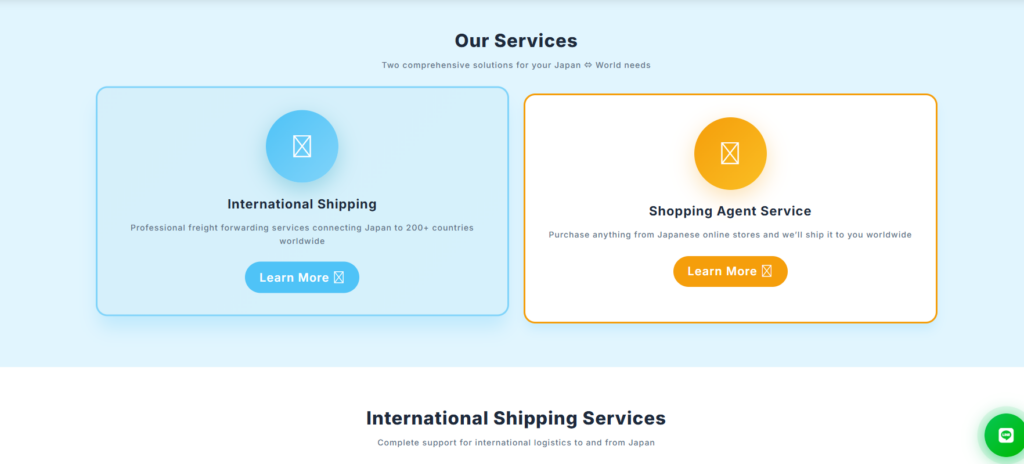
We provide both international shipping and purchasing services, so we can handle both the purchase of products in Japan and the shipment to your country.
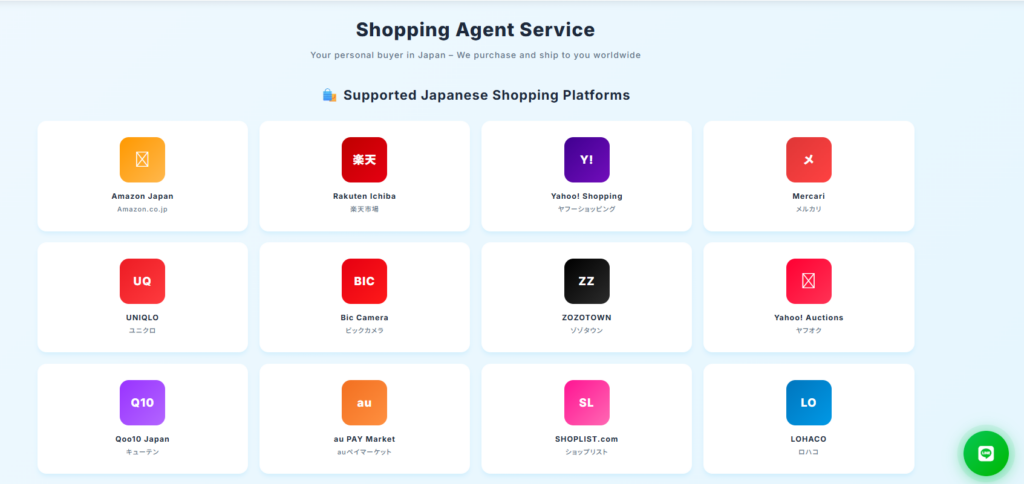
Buy Authentic Japanese Products with Our Trusted Shopping Agent Service. We help customers worldwide purchase items directly from popular Japanese online stores such as Amazon Japan, Rakuten, Yahoo! Shopping, Mercari, and more. If a store does not ship internationally, we buy on your behalf and deliver safely to your country. Enjoy access to exclusive Japanese brands, limited editions, electronics, fashion, cosmetics, and collectibles at competitive prices. Our service offers secure payments, careful inspection, reliable packaging, and fast international shipping.
Japanese Product Shopping Agent Service – Buy from Japan and Ship Worldwide
Our Japanese Shopping Agent Service allows customers around the world to purchase authentic products directly from Japan. Many Japanese online stores do not ship internationally, which makes it difficult for overseas buyers to access popular and exclusive Japanese products. Our service solves this problem by purchasing items on your behalf and shipping them safely to your country.
We support a wide range of popular Japanese online marketplaces and retail stores. Whether you are looking for fashion, electronics, cosmetics, collectibles, hobby items, anime goods, daily-use products, or limited Japanese products, we can help you purchase them and arrange reliable international shipping.
We can also help you purchase products from smaller Japanese websites, specialty stores, local shops, and suppliers that may not support overseas customers. In many cases, if the product can be bought in Japan, we can help you buy it. This makes our service ideal for customers in Malta who want flexible access to almost anything sold in Japan.
Our service is suitable for:
• personal shopping from Japan
• Japan proxy buying
• e-commerce sourcing
• wholesale and bulk orders
• limited-edition and hard-to-find Japanese products
• combined shipping to reduce international delivery costs
CTA: If you have a product link, product name, screenshot, or shopping list, send it to us through our contact form. We will check availability, provide support, and help you buy and ship your items from Japan smoothly and safely.
Supported Japanese Shopping Platforms
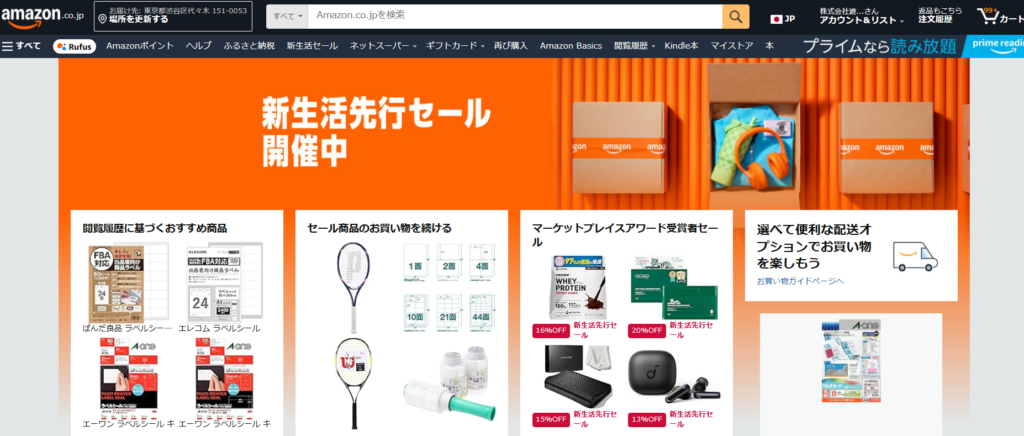
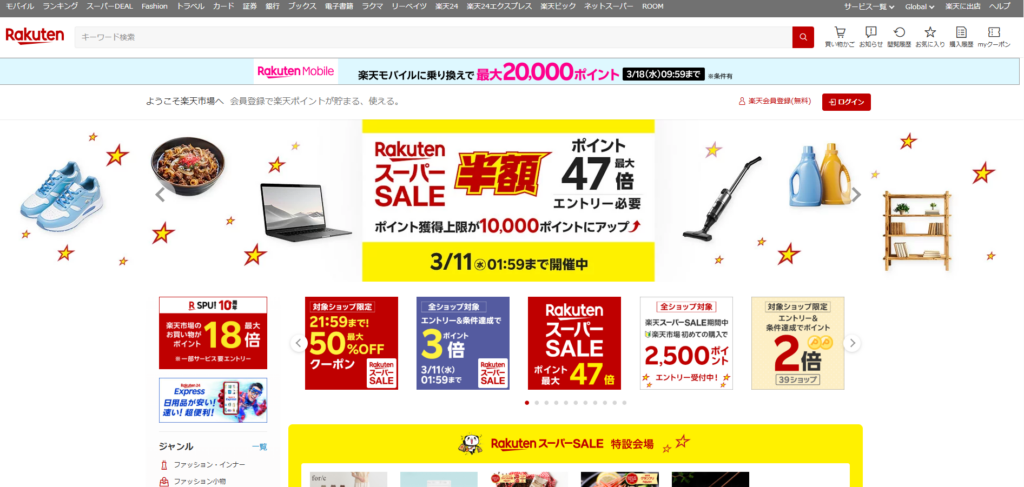
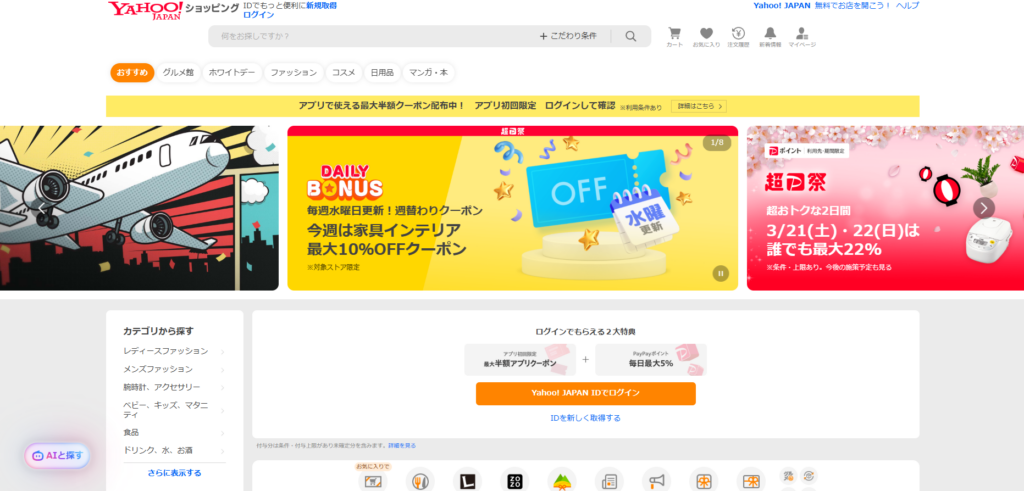
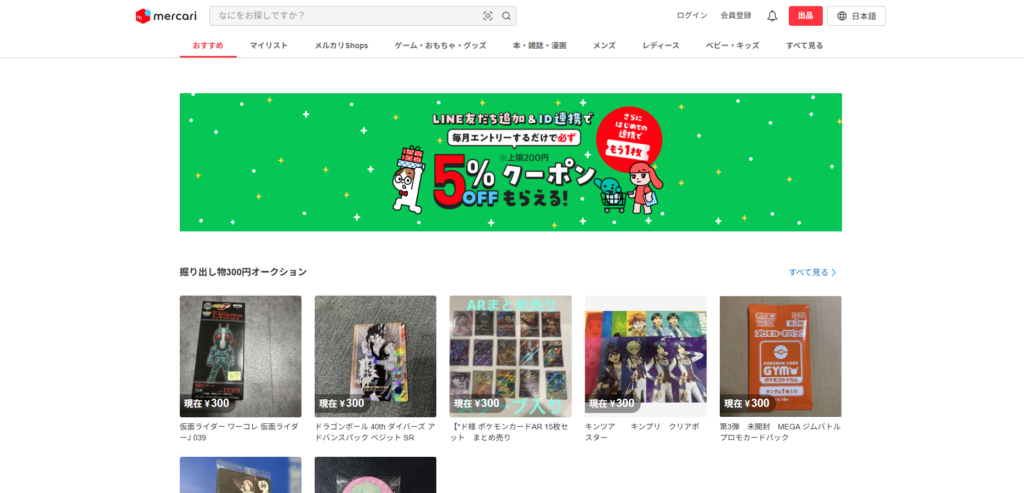

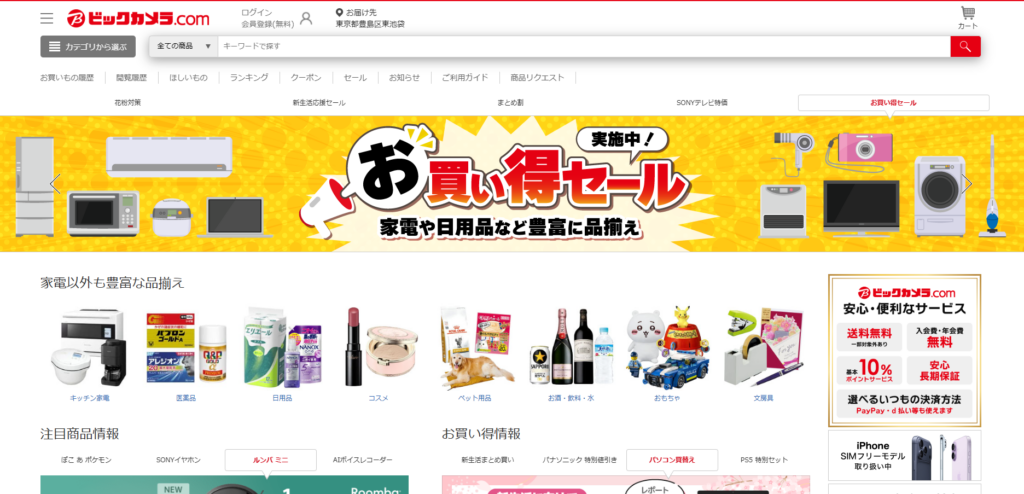
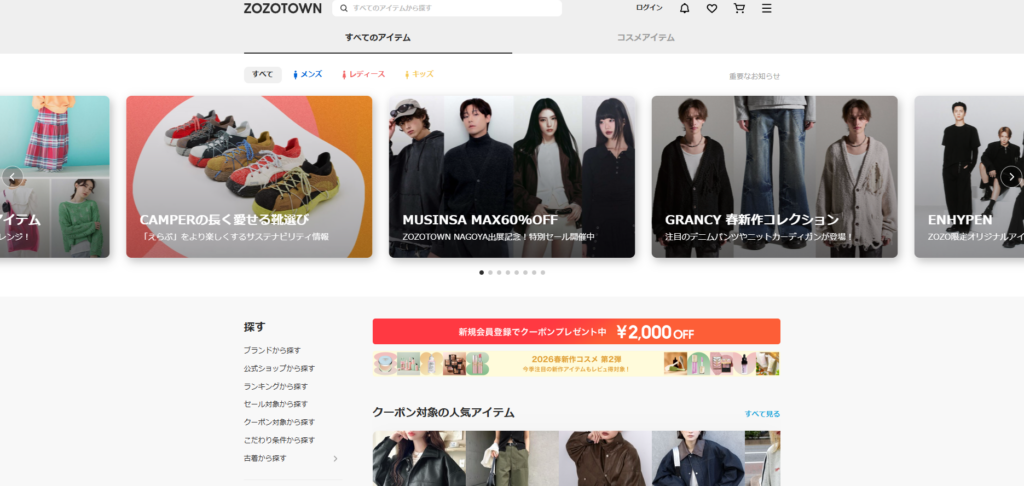
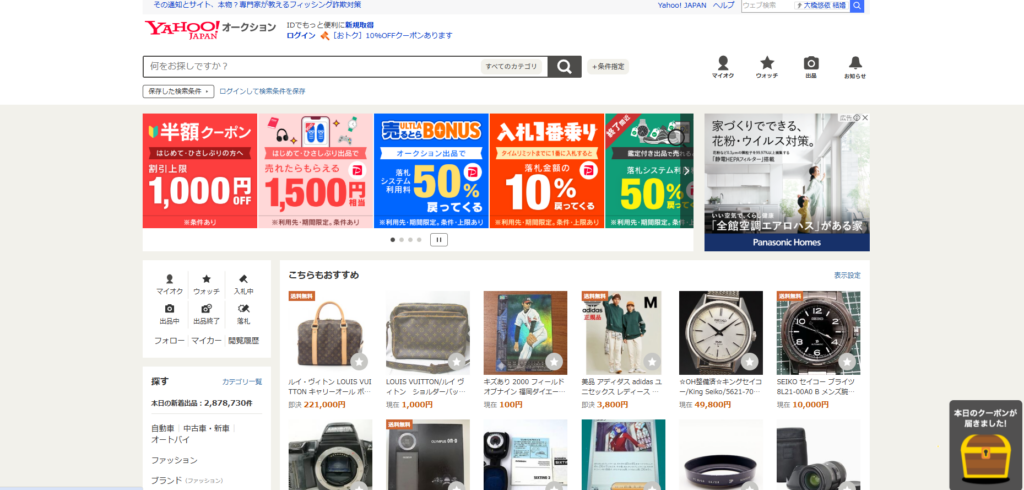
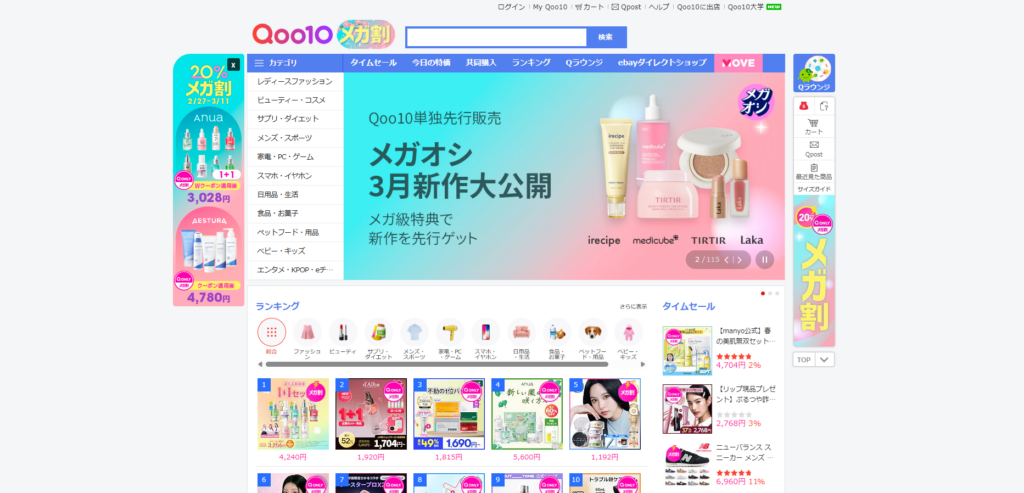
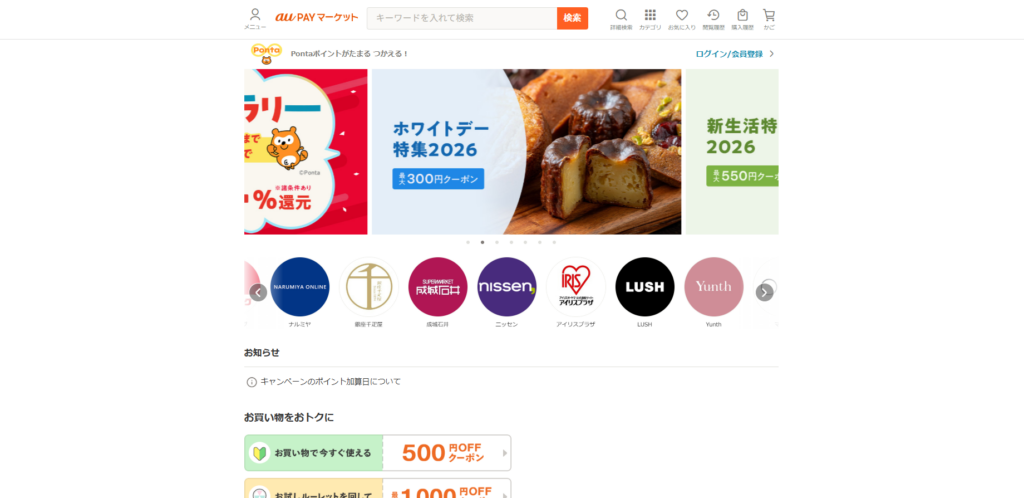
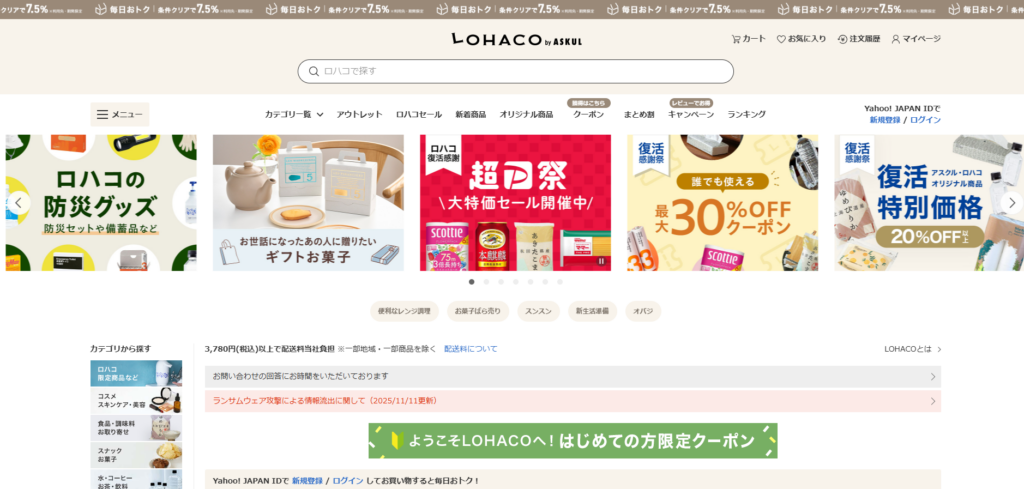
These platforms offer a huge variety of Japanese products that are highly popular worldwide. From the latest Japanese fashion brands to high-quality electronics, cosmetics, lifestyle goods, hobby items, and unique collectibles, you can access many of Japan’s best online stores through our purchasing service.
Even if the product you want is not listed on one of the major platforms above, you can still contact us. We can often assist with purchases from smaller Japanese websites, independent online shops, brand-specific stores, and selected offline products available in Japan. This makes our service highly flexible for customers who want to buy almost anything from Japan.
Contact us through the form below. Please send us your order item links or shopping list. Orders can be placed by chat or email, whichever is more convenient for you.
Practical Steps for International Shipping

Successfully exporting Japanese products requires a clear, well-structured process that minimizes risk and ensures timely delivery. This section outlines the essential practical steps from pre-shipment packing to final delivery, with a focus on cost efficiency, compliance, and customer satisfaction. By implementing these best practices, Worldwide Courier Japan helps clients achieve seamless cross-border logistics across more than 200 destinations.
Pre-shipment Packing Essentials
Proper packing is the foundation of damage-free international transport. Start with selecting the right materials based on product type, size, and fragility. Use sturdy carton boxes with adequate cushioning, such as bubble wrap, air pillows, or molded foam inserts, to absorb vibrations and impacts during handling and transit. For high-value or delicate items, consider double boxing and moisture barrier films to protect against humidity and water exposure.
Key steps include: – Verify product integrity and choose packaging that meets carrier and destination requirements. – Seal boxes securely with reinforced tape in a crisscross pattern to prevent opening during transit. – Label shipments clearly with recipient information, handling instructions (this side up, fragile), and barcodes for automated sorting. – Utilize tamper-evident packaging or seals for added security. – Include a concise, multilingual packing list inside the package to assist customs and delivery personnel.
Temperature and humidity control is critical for perishable or sensitive items. Use insulated packaging or desiccants when necessary, and specify required storage conditions in the shipping documentation. For bulk or palletized shipments, ensure proper weight distribution and secure strapping to meet safety standards. With our integrated approach, you can expect meticulous pre-shipment checks that reduce the likelihood of returns or delays.
Customs Documentation and Customs Clearance
Accurate and complete documentation is essential to avoid delays at entry. Prepare the following for each shipment, tailored to the destination country’s regulations:
- Commercial Invoice detailing product description, HS codes, unit prices, quantities, and total value.
- Packing List aligned with the box contents and weights.
- Bill of Lading or Air Waybill (B/L or AWB) with consignor/consignee details and destination port or airport.
- Declared origin and any applicable certificates (e.g., Certificate of Origin, phytosanitary or health certificates if required).
- Import permits or licenses when required by the destination country or product category.
- Insurance certificates if shipping under coverage plan.
Accurate HS classification is crucial for duty/tax assessment and compliance. When in doubt, consult our trade specialists to confirm correct codes and required declarations. Proactive communication with customs brokers helps expedite clearance and minimizes holds. Our end-to-end service provides declarative accuracy, proactive risk assessment, and transparent timelines to keep your shipments compliant and moving.
Tracking and Receiving at Destination
Shipments across borders require real-time visibility from pickup to final delivery. The tracking process typically includes:
- Real-time status updates from pickup, transit scans, customs clearance milestones, to out-for-delivery notifications.
- Proactive exceptions management for delays, missing documents, or customs holds, with rapid remediation steps.
- Delivery confirmation including recipient signature, photo proof of delivery (where allowed), and condition notes upon receipt.
At Worldwide Courier Japan, we provide consolidated visibility through a single dashboard, enabling you to monitor multiple shipments across different carriers and routes. For high-value or time-sensitive goods, choose expedited options with guaranteed delivery windows and enhanced on-time performance. Clear communication at each stage reduces customer inquiries and enhances trust in your overseas operations.
Choosing an Affordable and Reliable International Freight Forwarding Partner

Finding a cost-effective and trustworthy overseas shipping partner is essential for successful cross-border commerce. A top-tier forwarder should combine competitive rates with robust reliability, enabling smooth handling from purchase to delivery. This section outlines practical strategies to compare prices, verify credibility, and confirm critical terms before signing a contract, ensuring you secure a service that aligns with your business goals and customer expectations.
Pricing comparison tips and how to request quotes
To obtain meaningful price comparisons, request detailed, itemized quotes from multiple forwarders. Provide uniform information across requests: product type, dimensions, weight, origin, destination, preferred shipping mode, required delivery timelines, and any required insurance or special handling. Evaluate the following:
– Total landed cost: base freight, surcharges, origin/destination fees, customs clearance, taxes, and insurance.
– Volume-based or contract pricing: inquire about discounts for high-volume shipments or long-term partnerships.
– Service scope: door-to-door versus port-to-port, packaging, handling for fragile items, and proactive tracking services.
– transit times and reliability metrics: typical delivery windows, on-time performance, and contingency handling.
– Incoterms and responsibility boundaries: who handles documentation, duties, and risk transfer at each stage.
Request written quotations and compare apples-to-apples. Consider total value beyond price, such as damage-free delivery, speed, and customer support responsiveness. If a cheaper quote lacks essential services, factor those gaps into the true cost of ownership.
Indicators of reliability and how to verify reputation
Assess credibility through a mix of quantitative data and qualitative signals:
– Experience and scope: number of years in operation, breadth of destinations (countries), and handled commodities (food, electronics, hazardous goods, etc.).
– Financial stability and licensing: insurance coverage, liability limits, and compliance with international shipping regulations.
– Operational performance: on-time delivery rate, damage rate, and claims handling efficiency.
– Network strength: carrier relationships, access to multiple modes (air, sea, rail), and contingency capabilities.
– Customer feedback: case studies, testimonials, and independent reviews from credible platforms.
– Transparency: clear terms, proactive communication, and accessible support channels.
For a pragmatic check, request references, review published performance metrics, and verify licenses with relevant authorities or trade associations. A reputable forwarder should readily provide verifiable data and examples of successful projects similar to yours.
Items to confirm before signing a contract
Before committing, ensure the agreement covers essential risk management, service quality, and operational clarity:
– Service level agreement (SLA): defined transit times, departure/arrival windows, and penalties for non-performance.
– Pricing terms and validity: complete rate schedules, peak-season surcharges, fuel surcharges, and renewal terms.
– Liability and insurance: cargo insurance options, limits, coverage for loss or damage, and claim procedures.
– Incoterms and responsibilities: explicit delineation of duties for packaging, labeling, documentation, customs clearance, and delivery.
– Documentation and compliance: required documents (commercial invoices, packing lists, certificates of origin), export/import permits, and regulatory compliance postures.
– Packaging and handling standards: packaging materials, palletization, labeling, temperature and humidity controls if needed, and procedures for fragile or high-value goods.
– Traceability and visibility: real-time tracking, reporting frequency, and access to shipment status updates.
– Dispute resolution and exit clauses: processes for resolving disagreements, early termination rights, and data transfer on contract cessation.
– ESG and risk management: sustainability practices and disaster/recovery plans relevant to your shipments.
Strategies for Successful Overseas Shipping: Key Tips and Considerations

Shipping Japanese products abroad requires meticulous handling to ensure quality, cost-efficiency, and compliance. By focusing on environmental controls, risk management, and clear contingency procedures, exporters can minimize delays, damage, and disputes while maximizing customer satisfaction. This guide provides practical, industry-informed recommendations tailored to cross-border logistics, anchored by our extensive experience in Japan-origin shipments to over 200 countries.
Quality Preservation: Temperature and Humidity Control
Preserving product integrity during international transit hinges on maintaining appropriate temperature and humidity conditions throughout the journey. Start with a thorough risk assessment, mapping product sensitivities to heat, cold, moisture, and vibration. Implement packaging solutions that create physical and environmental barriers, such as insulated transit boxes, vacuum-sealed pallets, and moisture-absorbing desiccants. For temperature-sensitive items (e.g., perishables, electronics, cosmetics), specify a target range (e.g., 15–25°C) and require active or passive cooling systems in transit, supplemented by data loggers that record real-time conditions at defined intervals. Partner with a logistics provider that offers cold-chain capabilities, continuous monitoring, and documented chain-of-custody. Conduct pre-shipment trials to validate packaging performance under simulated multi-leg routes. Maintain clear labeling and handling instructions for handlers at each transfer point to minimize exposure to extremes. Finally, align storage and handling at origin and destination warehouses with the same environmental standards to prevent temperature and humidity excursions upon arrival.
Accident Prevention and Insurance Utilization
Reducing risk begins with robust protective packaging and precise handling instructions. Use impact- and vibration-resistant packaging for delicate items, secure cushioning, and appropriate palletization to withstand stacking and transit shocks. Clearly mark fragile goods and provide explicit handling signs in multiple languages to reduce mismanagement by international carriers and handlers. Conduct pre-shipment inspections (PSI) and document item counts, serial numbers, and visual condition, attaching photos to the shipment records. Leverage transit insurance tailored to shipment value and risk profile, ensuring coverage for loss, theft, and damage from origin to final delivery. Consider higher protection for high-value or irreplaceable items and verify insurance claims processes in advance, including required documentation and timeframes. Maintain proactive communication with the carrier to receive timely alerts about incidents, and establish a clear escalation path for claims, including contact points, required forms, and expected remediation steps.
Contingency Flow: Handling Issues and Disputes
Even with best practices, disruptions can occur. Establish a standardized incident response flow to ensure swift resolution:
- Step 1: Immediate containment — secure the cargo, isolate the issue (e.g., suspected damage, customs hold), and document with photos and notes.
- Step 2: Information gathering — verify shipment details (tracking, waybill, invoice), identify responsible party, and collect all relevant documents (photos, PSI, packing list, insurance policy).
- Step 3: Notification — inform all stakeholders (shipper, consignee, carrier, insurance provider) with concise summaries and next steps.
- Step 4: Assessment — determine root cause (packaging, handling, environmental exposure, or carrier delay) and assess eligibility for claims or remediation.
- Step 5: Resolution plan — propose corrective actions (repacking, replacement parts, compensation), with timelines and responsibilities.
- Step 6: Documentation and closure — finalize claim forms, update records, and implement preventive measures for future shipments (packaging improvements, routing changes, or carrier selection).
Proactive risk management, robust documentation, and transparent communication are the foundations for minimizing losses and maintaining trust with overseas customers.
gistics Partner.
Worldwide Courier Japan provides low-cost international shipping services both from Japan to worldwide destinations and from overseas to Japan. We specialize in global import and export logistics, offering reliable air freight and sea freight solutions for businesses and individuals.
Our services cover export shipping from Japan as well as import shipping into Japan, including commercial cargo, e-commerce shipments, bulk freight, and personal packages. Whether you need to ship goods overseas or import products into Japan, we provide efficient, fast, and cost-effective logistics solutions.
If you are searching for cheap international shipping from Japan, import shipping to Japan, reliable freight forwarding companies in Japan, or global logistics services, Worldwide Courier Japan is your ideal partner. Contact us today for a free consultation.
Why Choose Worldwide Courier Japan for International Shipping & Import Services?
We offer competitive international shipping rates for both exports from Japan and imports into Japan. Our logistics experts help you choose the most efficient and affordable shipping method, whether via express courier, air cargo, or sea freight. We support small parcels, bulk shipments, and commercial cargo with optimized cost and delivery speed.
As one of the most cost-effective logistics companies in Japan, we help you reduce shipping costs for both outbound and inbound logistics while ensuring secure and reliable delivery worldwide.
Email: info@worldwide-courier-japan.com
WeChat: tradingjapankei
Tel: +81-3-6300-5745
We work with global carriers such as UPS and FedEx to provide fast, secure, and trackable international delivery services. Our network enables seamless shipping from Japan to the world and smooth import logistics into Japan from overseas.
We accept secure payments via Wise and major credit cards. Contact us easily via LINE, WhatsApp, email, or our online inquiry form for quick support and shipping quotations.
If you are looking for cheap shipping from Japan, import services to Japan, reliable freight forwarding in Japan, or cost-effective international logistics solutions, Worldwide Courier Japan is your best choice.
We support both exporting Japanese products worldwide and importing goods from overseas into Japan with efficient and affordable logistics solutions.
We provide both international shipping services and Japan purchasing (shopping agent) services.
Buy authentic Japanese products with our trusted shopping agent service. We also support importing products into Japan from overseas suppliers. Whether you are sourcing goods globally or purchasing from Japan, we handle procurement, inspection, packaging, and international delivery.
We support major platforms such as Amazon, Rakuten, Yahoo! Shopping, and Mercari. If international shipping is not available, we purchase on your behalf and deliver safely worldwide or import into Japan.
Enjoy secure payments, reliable logistics, and professional support for both export and import operations.
Contact us here:
https://worldwide-courier-japan.com/#contact